Video terbaru

Learn to solve algebra word problems.
This problem involves a two-step equation in which you have to solve for your variable by moving the numbers to the right of the equal sign.

A relationship between two species of plants or animals in which one benefits at the expense of the other, many times the parasite lives in or on the host and may even cause the host to die.
Examples of Parasites: Protozoa plasmodium
Arthropods like a tick
Certain worms are parasites and even plants.
You may also enjoy ....
Symbiosis
https://youtu.be/uO_MXis2uRk
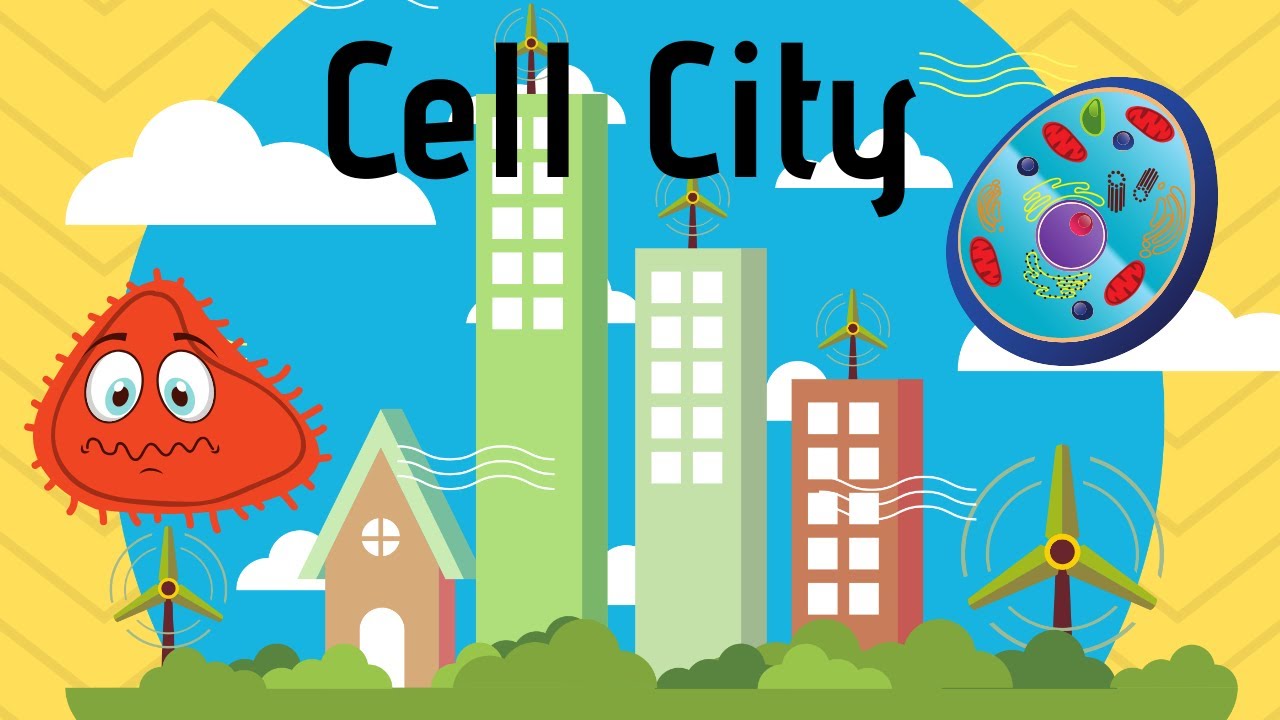
More information Cell City
http://www.moomoomathblog.com/....2020/07/cell-city-an
For more Life Science videos and summaries see,
http://www.moomoomath.com/Midd....le-School-Science-an
--------------------------------------------------------------------------------------------------------------
Take a journey into a cell and learn about the cell organelles
https://www.youtube.com/watch?v=3sgSJ44hOEg

Is it a chemical or physical change when I mix two liquids together?
Is there a recipe for light?
https://www.youtube.com/watch?v=GZp8JubeoPA
Check out my friends channel. Awesome Science stuff.
@DIYScienceGuy
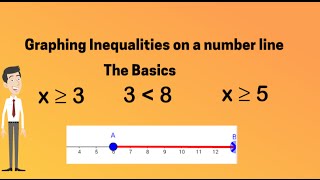
An updated version of graphing inequalities ( no music )
https://www.youtube.com/edit?o=U&video_id=HDq7l7CnN-A
In this video, you will learn how to basics for graphing inequalities on a number line.
Inequalities show that two expressions are not equal.
For example, a number can be greater than, greater than less than, less than, less than, less than or equal to, and not equal to.
When graphing the inequality on a number line you can use an open graph that does not include the number, and closed in which includes the number.
You may also enjoy...
Graphing Inequalities
https://www.youtube.com/watch?v=Rr3ExcvdpU0
Inequality Basics
https://www.youtube.com/watch?v=EAwloey30j8
-~-~~-~~~-~~-~-
Please watch: "Study Skills Teacher's Secret Guide to your Best Grades"
https://www.youtube.com/watch?v=f3bsg8gaSbw
-~-~~-~~~-~~-~-
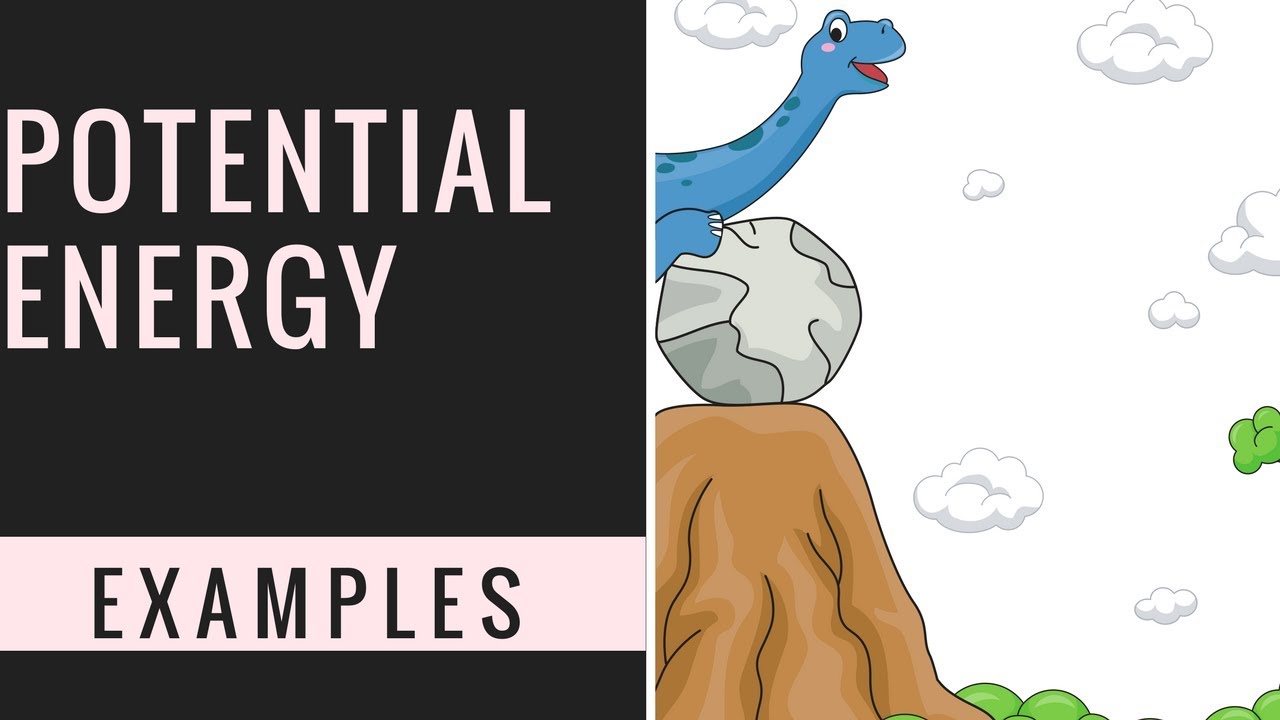
Potential energy examples
In this video, I show examples of potential energy
Potential energy is stored energy.
I give examples of gravitational potential energy and examples of mechanical potential energy, and chemical potential energy.

Freshwater ecosystems
There are several different types of freshwater ecosystems.
Freshwater has a low salinity. In this video is cover streams and rivers, along with lakes and ponds.
In addition, I cover wetlands. There are two major types, swamps, and marshes. A marsh is a wetland without trees and a swamp has trees growing in the water.
There is no standard definition about the size of a pond or a lake, however, the water in lakes and ponds have low salinity.
Aquatic Biomes Crossword
http://www.moomoomath.com/aqua....tic-biomes-crossword

Learn how to find the LCM (Least common multiple) using a factor tree.
The LCM is the smallest integer that two or more numbers divide evenly into.
For example, the lcm of 6 and 8 equals 24
In the video, I find the LCM for 16 and 24
LCM for 15 and 28
LCM for 30 12 8
A factor tree is a simple mathematical method to find all of the prime numbers of a specific number.
Once you know all of the prime numbers you multiply the prime numbers together and remove duplicates.
Once I know the factors of 6 and 8 I can easily find the least common multiple of 8 and 6.

Use this video in order to practice identifying minerals. I have 7 minerals and I test their streak, hardness, color, magnetism, and luster.
I created this video to help you practice identifying minerals. Teachers, your students can practice identifying minerals with this video. I created a mineral guide, blank mineral guide, and an answer key. SORRY but I say rock instead of mineral a couple of times in the video.
http://www.moomoomathblog.com/....2020/04/practice-ide
0:00 Introduction
0:41 Mineral #1
1:52 Mineral #2
3:09 Mineral #3
4:30 Mineral #4
5:49 Mineral #5
6:37 Mineral #6
7:51 Mineral #7
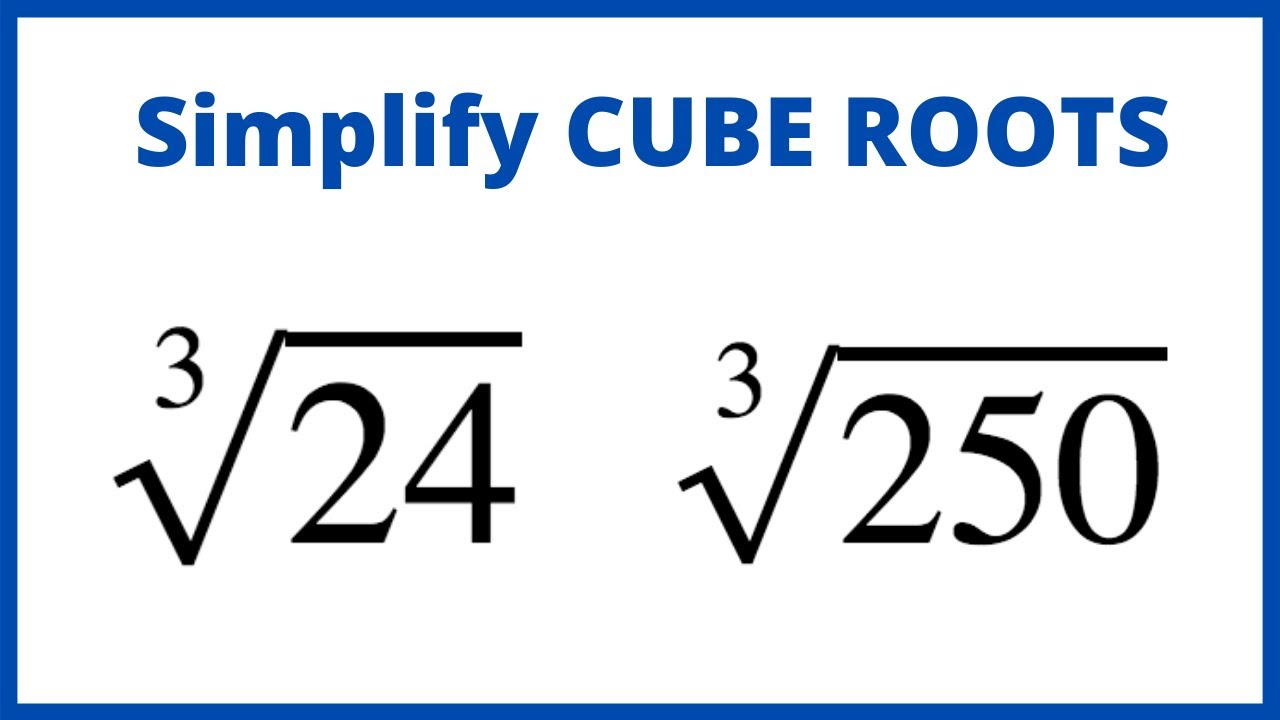
Learn how to simplify a cube root. For example, how do you simplify the cube root of 250.
After you create a factor tree you can take out numbers from under the radical symbol.
I simplify,
cube root of 24
cube root of 250
You may also enjoy
Simplify Square Roots
https://www.youtube.com/watch?v=8UlXSvqH_Vs
List Perfect Square, Cube, and Fourth Roots
http://www.moomoomathblog.com/....2020/07/perfert-squa
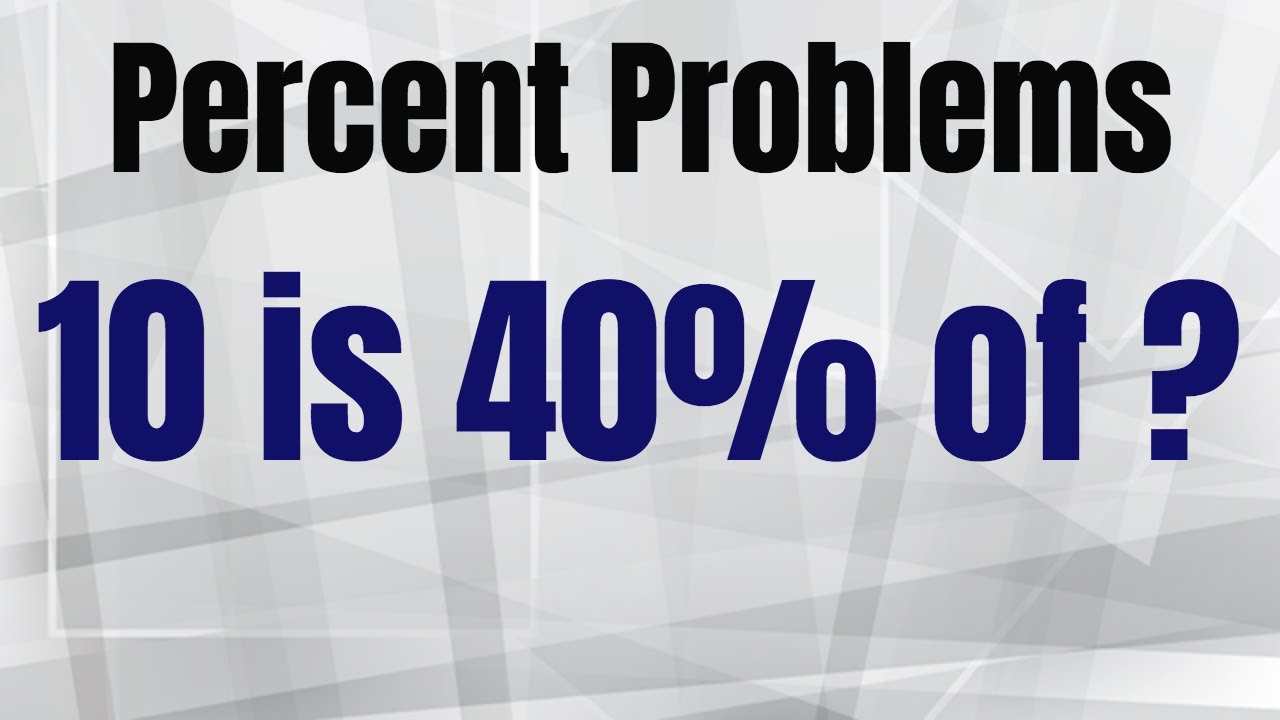
Learn how to solve a percent of problems. In the video, I solve 10 is 40% of what number?
The formula is over equals percent over 100

I use a factor tree and an LCM GCF chart to find the least common multiple of 9 and 15 along with the greatest common factor of 9 and 15
In this video I review the difference between permeability and porosity of rocks.
You may enjoy...
Examples of Deposition-Barrier Island-River Delta-Salt Marsh
https://youtu.be/7s75rHST0p4

Equivalent ratios are similar to equivalent fractions because they have the same value but look different. In this video, I show how you can create equivalent fractions by multiplying or dividing the numerator or denominators.

Learn how to find the LCM and GCF of 16 and 24. Both of these numbers are composite numbers and have numbers that divide evenly into them.
I like to use a factor tree in order to find the greatest common factor and the lowest common multiple.
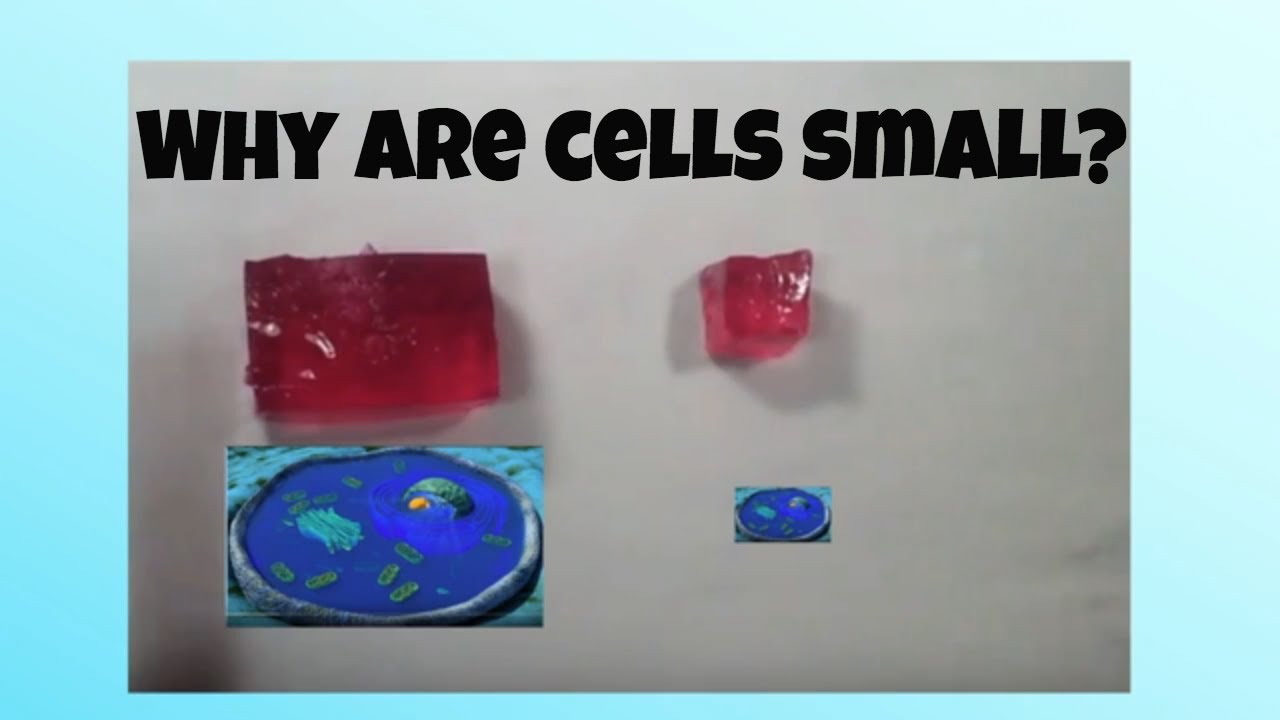
In this video, I use diffusion cubes to show why cells are so small. A small cell with a large surface area to volume ratio can efficiently move materials into the cell.
Diffusion is a type of passive transport that cells use in order to move materials like oxygen and carbon dioxide into and out of the cell.
A cell with a larger surface area to volume ratio is more efficient a moving material than a cell with a smaller ratio.
Here is my recipe for the diffusion blocks
gelatin
Ammonia
Phenolphthalein
If you soak the diffusion cubes in vinegar then the phenolphthalein will turn pink when it comes in contact with the vinegar which allows you to see the rate of diffusion.

Twenty or thirty minutes of exercise can make you increase your focus, motivation to learn, and improve your mood.
Regular exercise can increase these three neurotransmitters
In very simple terms dopamine impacts your level of motivation. Low levels of dopamine can result in low levels of motivation
High levels increase motivation.
Motivation is key to learning new material
Serotonin impacts your mood, anger, and depression. Low levels can lead to depression and higher levels can improve your mood which impacts your ability to learn
Norepinephrine naw·reh·puh·neh·fruhn impacts your ability to focus
Low levels led to dull focus, high levels sharpen your focus
20 or 30 minutes of aerobic exercise has been described as miracle gro for the brain.
So let’s apply this knowledge with a couple of suggestions to help you start brainstorming
Before your next study session get your heart rate elevated for 20 or 30 minutes then start studying
Take your flashcards on a brisk walk and memorize while walking
While studying take exercise breaks while you study. It could be as simple as dancing, or jumping jacks during the break.
You may enjoy " Activities to Improve Your Brain
https://youtu.be/4z1LMRjajaI
Record your notes on your phone, put in your earbuds, go for a walk, and learn your notes.
The opportunities are endless, just combine 20 or 30 minutes of exercise with learning new material.
Picture Dean Karnazas
https://www.flickr.com/photos/dherholz/247523092
Picture Miracle Gro
https://www.flickr.com/photos/....jeepersmedia/1495730
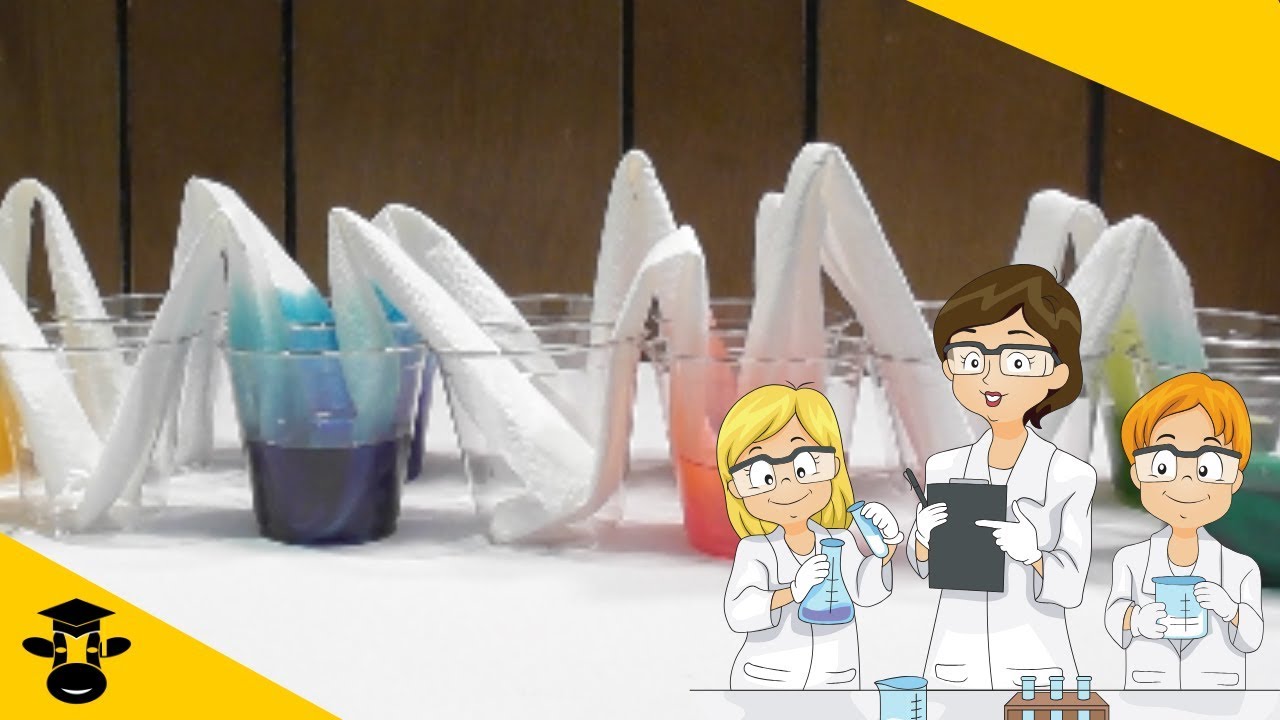
Walking water is a fun experiment in which paper towels transfer water from one cup to another. When you use different color water it makes the demonstration interesting.
In science experiments, you have three main variables. The independent, dependent, and control or constant variables.
The walking water experiment will help you learn about these variables.
More examples of Science Variables
http://www.moomoomathblog.com/....2019/02/learn-scienc
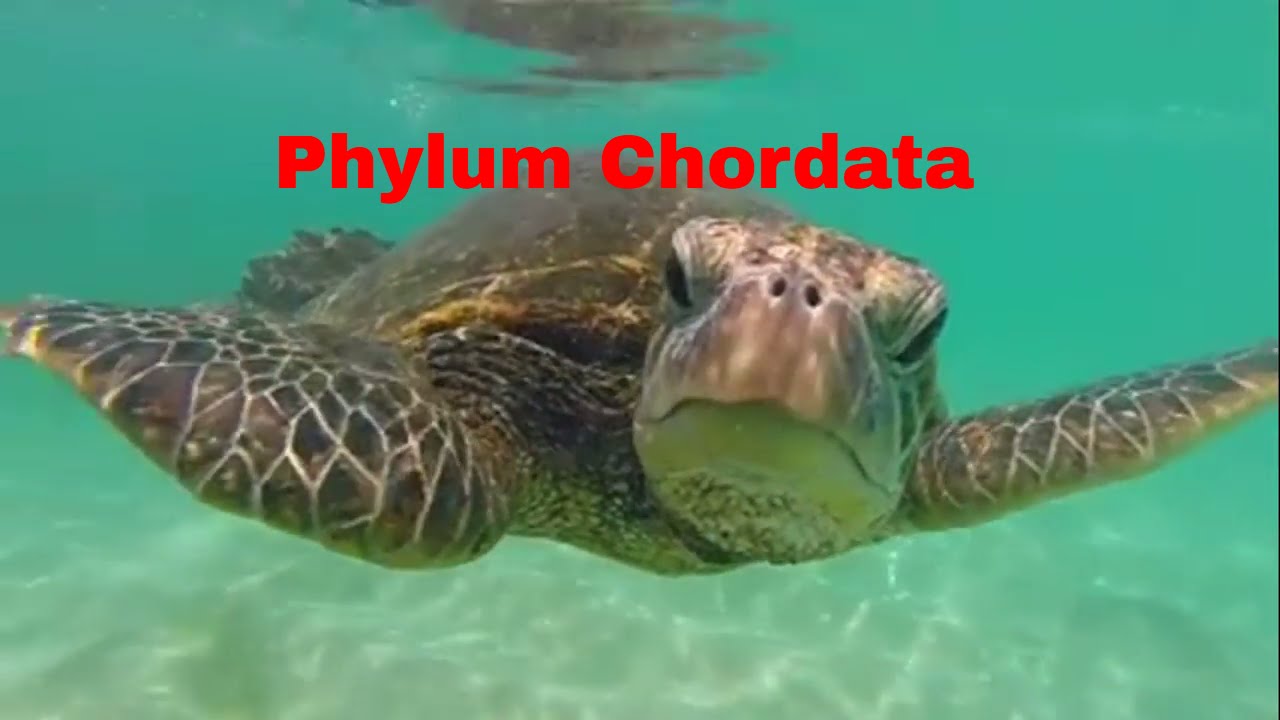
Which animals belong in phylum Chordata?
Most people describe chordates as having a backbone.
Technically, all chordates have a notochord A notochord is a primitive beginning to the backbone.
In some chordates like the lamprey, the notochord remains there for life. In vertebrates, such as humans, and mammals a more complex backbone appears and only portions of the notochord remain.
Chordates also have a nerve chord.
There are many types of chordates but most can be classified as chordates who have jaws.
Most people are familiar with these chordates
Fish
Most also breathe with gills and have scales that cover their bodies
Fish are cold-blooded.
The cartilaginous fishes. Examples: sharks, rays.
The skeleton of the cartilaginous fish is out of a flexible bone- cartilage.
The bony fishes. Examples: perch, goldfish, trout.
Reptiles
Scaley skin
Reptiles produce shelled eggs or bear live young.
All species fertilize eggs internally.
All species of reptiles have at least one lung.
Amphibians
Have smooth slimy skin
Some species fertilize eggs externally, some internally.
Many can breathe through skins and have lungs
Mammals
Are endothermic.
Have hair on their bodies.
Produce milk to feed their babies.
Most produce offspring internally
Aves ( Birds)
Birds have Feathers.
All birds have wings, but not all birds fly.
Most birds have beaks or bills.
All birds lay eggs
-~-~~-~~~-~~-~-
Please watch: "Study Skills Teacher's Secret Guide to your Best Grades"
https://www.youtube.com/watch?v=f3bsg8gaSbw
-~-~~-~~~-~~-~-
*
*
For more Life Science videos and summaries see,
http://www.moomoomath.com/Midd....le-School-Science-an

Many students dissect owl pellets in order to see what an owl eats.
I thought it would be helpful to create a food web of the owl. Owls are pretty incredible hunters and eat moles,shrews,rats,small birds along with some insects and even a weasel.
The rodents, in turn, eat snails,slugs,salamanders, and other insects.
The insects eat plants and maybe a worm. The sun drives the entire food web.
Fantastic Owl Facts
http://www.moomoomathblog.com/....2016/11/fantastic-ow
-~-~~-~~~-~~-~-
Please watch: "Study Skills Teacher's Secret Guide to your Best Grades"
https://www.youtube.com/watch?v=f3bsg8gaSbw
-~-~~-~~~-~~-~-
*
*
For more Life Science videos and summaries see,
http://www.moomoomath.com/Midd....le-School-Science-an
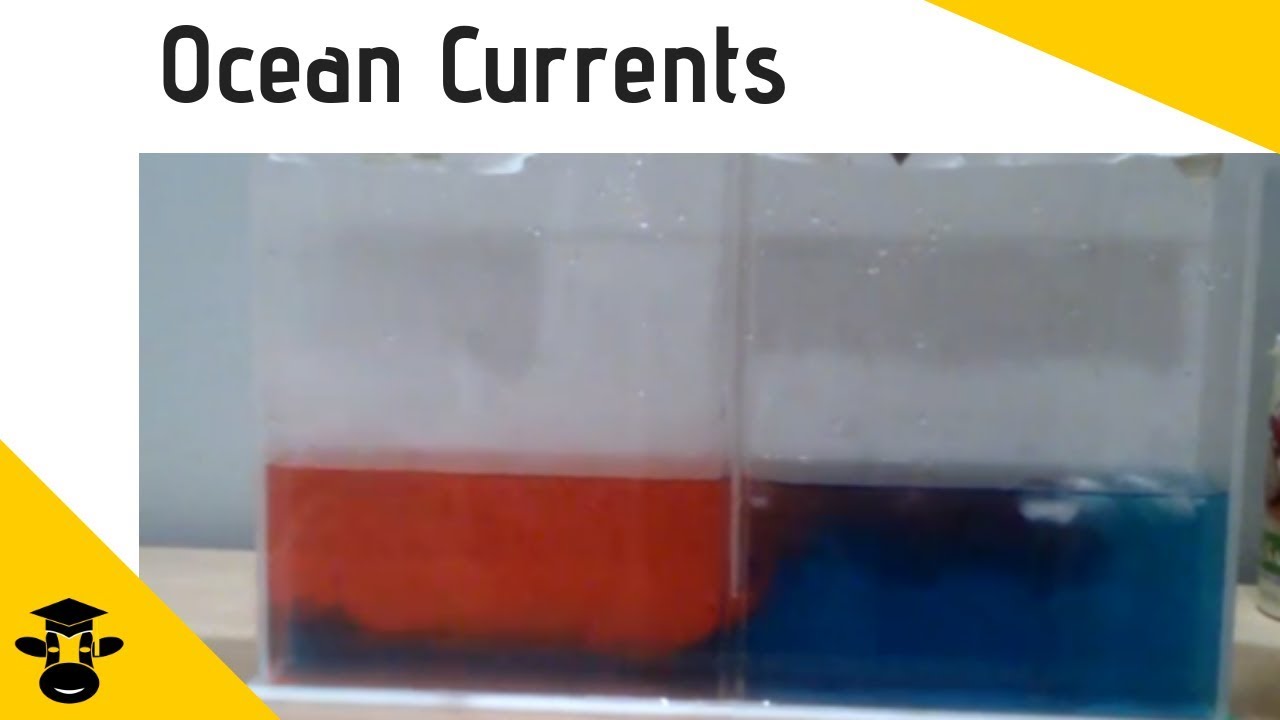
The ocean has many currents underneath the surface. One way these currents are created is by the difference in temperature of the water. Cold water is denser than warm or hot water and will flow underneath the warmer water.
This circulation of the ocean caused by changes in temperature is called Thermohaline circulation (THC)
Thermohaline circulation results as a result of differences in the density of the different temperatures of the water. These differences result in ocean stratification.
In this video, I use a container that is divided into two chambers to show how water flows.
Here are keywords you can use to order a similar container
Ward's® Exploring Convection Currents Lab Activity
Ocean Stratification Experiment

Learn how to find the circumference of a circle along with the formula for radius and what diameter is.
You can use pi times diameter or 2pi radius squared

Why do we have sunny weather one day and heavy rain the next? Large air masses cause some of our weather. There are four main fronts caused by these air masses.
A cold front which is the result of cold air
A warm front which is caused by warm air rising over cold air.
An occluded front which is a warm air mass stuck between two air masses.
A stationary front which is two air masses with almost the same density and pushes against each other.

Solve percent word problems. These word problems can be solved using part over whole equal percent over 100.
Example problems include,
Martin was given 10 math problems and has answered 7 of the questions. What percent of the problems does he have left?
The Braves won 60% of the 150 games they played. How many games did they win?
There are 32 students in Mr. B’s class. 28 students were present. What percent of Mr. B’s students were present?

Learn how to find the area of a composite figure that has triangle shapes