סרטונים אחרונים

In our World War 1 Overview video you will learn in a very simple way many of the main points about world war I. How did the war start? When did the US enter (And why)? How long did the war last? How was it finally resolved?
Thank you for watching and learning with us! We’re constantly releasing new content and videos so click that “Subscribe” button and you’ll notified.
Find and Follow Us Online:
Facebook: https://www.facebook.com/LearnBright/
Instagram: https://instagram.com/LearnBrightEducation
Pinterest: https://pinterest.com/LearnBrightEducation
YouTube: https://www.youtube.com/LearnBright
Website: https://learnbright.org/
*Teachers and Parents! Did you know? In addition to these great videos, we have also created a library of high quality and engaging lessons for your elementary aged student(s). Visit us, sign up for a free account, and instantly you'll have access to thousands of lesson plans, learning materials, teaching instructions, activities, and assignments that your kids will really enjoy! We hope to see you soon!
Browse our entire collection of Social Studies lesson plans: https://learnbright.org/lessons/?filter_subject=social-studies
#WorldWarIOverview
#WWI
#WWIForKids
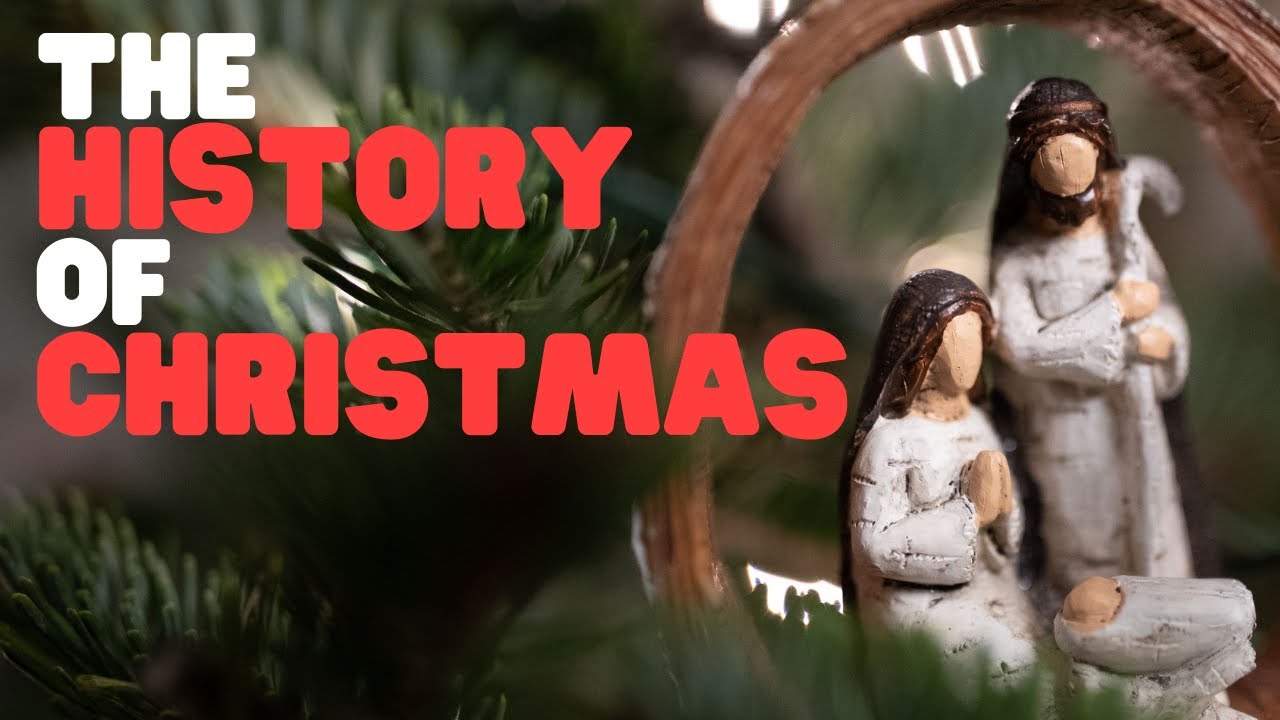
Have you ever asked What is Christmas? Why did it start? In our video "The History of Christmas" we will answer all of those questions and more. We will cover the most important religious aspects of Christmas as the celebration of the birth of Jesus Christ, the savior of the world and we will also talk about the more secular versions of the holiday including Santa Clause, Christmas Trees, mistletoe and more!
We hope you enjoy learning more about the origins and history of Christmas and you have a wonderful holiday season.
Looking for more Christmas resources? Download our free comprehensive lesson plan here: https://learnbright.org/lesson....s/social-studies/wha
Thank you for watching and learning with us! We’re constantly releasing new content and videos so click that “Subscribe” button and you’ll notified.
Find and Follow Us Online:
Facebook: https://www.facebook.com/LearnBright/
Instagram: https://instagram.com/LearnBrightEducation
Pinterest: https://pinterest.com/LearnBrightEducation
YouTube: https://www.youtube.com/LearnBright
Website: https://learnbright.org/
*Teachers and Parents! Did you know? In addition to these great videos, we have also created a library of high quality and engaging lessons for your elementary aged student(s). Visit us, sign up for a free account, and instantly you'll have access to thousands of lesson plans, learning materials, teaching instructions, activities, and assignments that your kids will really enjoy! We hope to see you soon!
Browse our entire collection of Social Studies lesson plans: https://learnbright.org/lessons/?filter_subject=social-studies
#TheHistoryOfChristmas

John F. Kennedy for Kids is a great video that discusses the life of one of the country's most popular presidents. He was born at the end of May in 1917, and he was the second of nine children. Growing up, he was often sick and even battled a sever case of scarlet fever when he was only three years old. But he worked really hard and had lots of help to get better.
At age 19, he enrolled in Harvard University and focused on history and government. He graduated college and then joined the Navy. Once there, he immediately distinguished himself when he earned a purple heart and became a war hero after the boat he commanded was destroyed. He gained the nickname of JFK, which is often what people refer to him as.
After the war, JFK pursued politics and ran for office as a Democrat. He first served in the House of Representatives and then in the senate of Massachusetts. He married Jacqueline Bouvier and had two living children. John F. Kennedy ran for president with Lyndon B. Johnson as his VP. And he won! He became the youngest person ever elected, and the first Catholic, to the office of president.
JFK was a huge supporter of the civil rights movement and wanted to pass more laws that guaranteed equal rights for people. Sadly, he was assassinated in 1963, less than three years after he was elected. Despite his short presidency, his legacy lives on. His call for peace, justice, and equality are still important today.
We hope you and your student(s) enjoyed learning about the youngest president of the United States! If you want even more information, head over to our website and download one of our many lesson plans, full of activities, worksheets, and more!
https://learnbright.org/lesson....s/social-studies/joh
Thank you for watching and learning with us! We’re constantly releasing new content and videos, so click that “Subscribe” button and you’ll get notified.
What you will learn in John F. Kennedy for Kids:
0:00 Introduction to JFK
0:43 Childhood and being sick
1:31 Education and time in the Navy
2:26 Pursuit of politics
3:37 World events during JFK's term
4:28 Assassination of John F. Kennedy
4:49 Things to think about
Find and Follow Us Online:
Facebook: https://www.facebook.com/LearnBright/
Instagram: https://instagram.com/LearnBrightEducation
Pinterest: https://pinterest.com/LearnBrightEducation
YouTube: @LearnBright
Website: https://learnbright.org/
*Teachers and Parents! Did you know? In addition to these great videos, we have also created a library of high-quality and engaging lessons for your elementary aged student(s). Visit us and sign up for a free account, and you'll instantly have access to thousands of lesson plans, learning materials, teaching instructions, activities, and assignments that your kids will really enjoy! We hope to see you soon!
Browse our entire collection of Social Studies lesson plans: https://learnbright.org/lessons/?filter_subject=social-studies
#JohnFKennedy
#JFKforKids

Martin Luther King Jr for Kids is a short documentary and overview about the great civil rights leader. Together we will learn about the monumental impact he had and still has throughout the world.
MLK – They are three letters representing the Civil Rights movement in America during the 1950s and 1960s. Of course, the letters belong to the name- Martin Luther King Jr. Nearly everyone has heard of this Civil Rights leader, but many people do not know the journey of his life.
They see him as the person honored on the 3rd Monday in January
each year, giving a day off from school or work. However, there is much more to be known about this great leader, including his early life, education, religious background, civil rights activities, and much more.
To download an accompanying FREE lesson plan about Martin Luther King Jr please visit us at:
https://learnbright.org/lesson....s/social-studies/mar
We hope you enjoy!
Thank you for watching and learning with us! We’re constantly releasing new content and videos so click that “Subscribe” button and you’ll notified.
Find and Follow Us Online:
Facebook: https://www.facebook.com/LearnBright/
Instagram: https://instagram.com/LearnBrightEducation
Pinterest: https://pinterest.com/LearnBrightEducation
YouTube: https://www.youtube.com/LearnBright
Website: https://learnbright.org/
*Teachers and Parents! Did you know? In addition to these great videos, we have also created a library of high quality and engaging lessons for your elementary aged student(s). Visit us, sign up for a free account, and instantly you'll have access to thousands of lesson plans, learning materials, teaching instructions, activities, and assignments that your kids will really enjoy! We hope to see you soon!
Browse our entire collection of Social Studies lesson plans: https://learnbright.org/lessons/?filter_subject=social-studies
#MartinLutherKingJr
#MLK
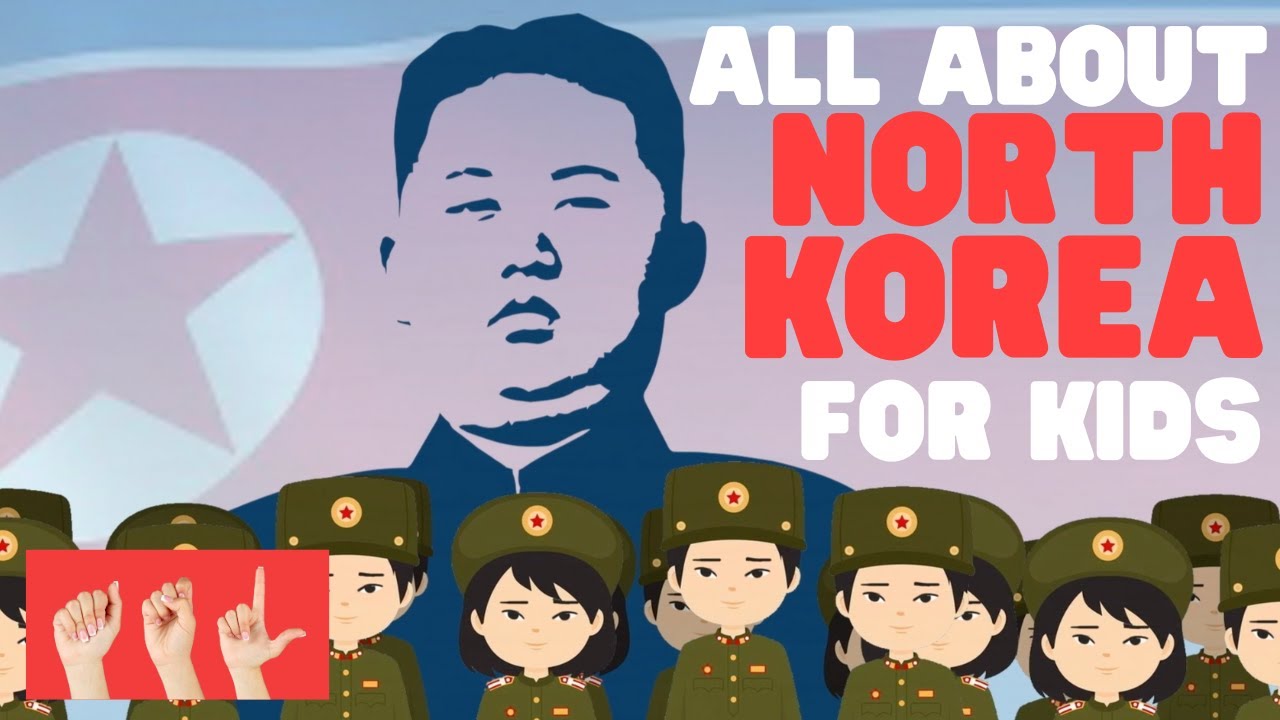
North Korea is one of the most isolated and closed off countries in the world. Its official name is the Democratic People's Republic of Korea. The country is roughly the size of the U.S. state of Pennsylvania. And its total population is estimated to be around 25 million people. In All about North Korea for Kids, you will learn a lot more about this country, even though it's not easy to visit.
The government in North Korea is communist, meaning that it controls the lives of most of its citizens, even down to people's haircut! There are only 28 approved haircuts, so every citizen must choose from that list which hair style they want. Citizens can also be arrested for watching certain movies or practicing certain religions. They are also not allowed to talk about ideas that go against the government.
The government also controls the media and news. Propaganda, or news that makes the country look good, is common in the country, and there is no internet access. In fact, most North Koreans have never even seen a computer. Additionally, few people are allowed to leave the country, and only a few people are allowed to visit. Those individuals can only see approved parts of North Korea and are watched closely.
When Japan lost the war in World War II, the Soviets gained control of northern half of the Korean peninsula, so North Korea became a communist country. The Americans controlled the southern half, so South Korea became a democratic country. When the Soviets left in 1948, many conflicts between the two Korean countries arose. After a resulting Korean war, the same family has maintained control of North Korea and kept it isolated from the world.
We hope you and your student(s) enjoyed learning about Anne Frank! If you want even more information, head over to our website and download one of our many free lesson plans, full of activities, worksheets, and more!
https://learnbright.org/lesson....s/social-studies/all
What you will learn in All about North Korea for Kids:
0:00 Introduction to the isolated country of North Korea
0:22 Geography of North Korea
1:32 Landscape and three main regions
2:56 Mineral resources and energy sources
3:22 Communist government and North Korean law
4:08 Unique ways North Korea is different from others
5:02 Why North Korea is closed off from the world
6:19 After Soviets left North Korea
7:13 Interesting landmarks and attractions
8:07 Review of the facts
Thank you for watching and learning with us! We’re constantly releasing new content and videos, so click that “Subscribe” button and you’ll get notified.
Find and Follow Us Online:
Facebook: https://www.facebook.com/LearnBright/
Instagram: https://instagram.com/LearnBrightEducation
Pinterest: https://pinterest.com/LearnBrightEducation
YouTube: @LearnBright
Website: https://learnbright.org/
*Teachers and Parents! Did you know? In addition to these great videos, we have also created a library of high-quality and engaging lessons for your elementary aged student(s). Visit us and sign up for a free account, and you'll instantly have access to thousands of lesson plans, learning materials, teaching instructions, activities, and assignments that your kids will really enjoy! We hope to see you soon!
Browse our entire collection of Social Studies lesson plans: https://learnbright.org/lessons/?filter_subject=social-studies
#ASL
#NorthKorea
#AllAboutNorthKorea

Mount Rushmore is one of the most popular tourist attractions in the United States. What do you know about the monument and the individuals whose heads you see? In Mount Rushmore for Kids, you and your students will learn about some of the history behind this huge sculpture. You will also discover why the four presidents on its face were chosen to be the subjects of the monument.
Construction for Mount Rushmore began in 1927. Much earlier in 1884, a lawyer from New York named Charles E. Rushmore traveled to South Dakota's Black Hills National Forest. He decided to name the mountain after himself when he learned that it had never been named before. Fast forward to the 1920s: There was some discussion over a period of years about who to sculpt into the mountainside. In the end, the subjects they agreed upon were George Washington, Abraham Lincoln, Thomas Jefferson, and Theodore Roosevelt.
It took 14 years to build the monument and required the help of nearly 400 men and women who served in various capacities. They had to endure extreme weather condition and had to climb 700 stairs every day to reach the top of the mountain! An interesting fact you may not know is that 90% of the mountain was carved using dynamite. Despite these dangerous conditions, not one worker died in all 14 years.
You may wonder why those four presidents were chosen. George Washington led the colonists in the American Revolutionary War. He was the "Father of the Country" and the first president. He was chosen to represent birth. Thomas Jefferson was chosen to represent growth because of his role in expanding the size of the U.S. by purchasing the Louisiana Territory. Abraham Lincoln represented the preservation of the nation because of his impact on preserving the Union during the Civil War and abolishing slavery. And finally, Theodore Roosevelt provided leadership when America experienced rapid growth. he also linked the east and west parts of the world through the construction of the Panama Canal. He represented development.
We hope you and your student(s) enjoyed learning about this amazing monument! If you want even more information, head over to our website and download one of our many free lesson plans, full of activities, worksheets, and more!
https://learnbright.org/lesson....s/social-studies/all
What you will learn in Mount Rushmore for Kids:
0:00 Introduction to Mount Rushmore
1:01 Where it is and why it was built
1:57 Deciding who to sculpt
2:54 When the project started and who was involved
3:44 Using dynamite to carve the design
4:37 Visitors of the memorial—Shrine of Democracy
5:42 Why George Washington and Thomas Jefferson were chosen
6:26 Why Abraham Lincoln and Theodore Roosevelt were chosen
7:17 Review of the facts
Thank you for watching and learning with us! We’re constantly releasing new content and videos, so click that “Subscribe” button and you’ll get notified.
Find and Follow Us Online:
Facebook: https://www.facebook.com/LearnBright/
Instagram: https://instagram.com/LearnBrightEducation
Pinterest: https://pinterest.com/LearnBrightEducation
YouTube: @LearnBright
Website: https://learnbright.org/
*Teachers and Parents! Did you know? In addition to these great videos, we have also created a library of high-quality and engaging lessons for your elementary aged student(s). Visit us and sign up for a free account, and you'll instantly have access to thousands of lesson plans, learning materials, teaching instructions, activities, and assignments that your kids will really enjoy! We hope to see you soon!
Browse our entire collection of Social Studies lesson plans: https://learnbright.org/lessons/?filter_subject=social-studies
#MountRushmore
#HistoricalLandmark

Imagine having to hide in a secret hidden room to protect yourself and your family. That's what Anne Frank and her family had to do during World War II. In this video for kids, you will learn a lot about Anne Frank, an incredible individual who endured unimaginable suffering like so many other Jewish people during this time in history.
Anne Frank was born in Germany in 1929 to Otto and Edith Frank. She also had a sister named Margot. Otto's family, who was Jewish, had lived in Germany for many generations. Because Adolph Hitler, who hated Jews, gained control of the German government, the Franks had to move to the Netherlands. For a few years, life was pretty normal, but the family was unable to escape to the United States or England before the war started in 1939 and before the war spread to the Netherlands.
Jewish people had to endure immense persecution over the next couple years. There was always a threat of being sent to concentration camps. The Frank family decided to go into hiding. Otto, his family, and some friends moved to a secret annex in 1942, when Anne was just 13 years old. They lived there for a couple years, and Anne started writing a diary about her experiences. She hoped one day to publish it as The Secret Annex and become a famous writer.
Unfortunately, Anne Frank and her family were discovered in August of 1944 and arrested. They were sent to concentration camps a month later. Anne and her sister died of typhus in March of 1945, just two months before the end of the war. Of all the individuals who lived in the secret annex, Otto was the only one to survive. Miep Gies, a woman who had hidden Anne's diary when the Franks were arrested, gave the diary to Otto, who published it under the title The Secret Annex. Anne's wish came true—she became a famous writer whose book has sold over 30 million copies and been translated into 70 languages.
We hope you and your student(s) enjoyed learning about Anne Frank! If you want even more information, head over to our website and download one of our many free lesson plans, full of activities, worksheets, and more!
https://learnbright.org/lesson....s/social-studies/ann
What you will learn in Who Was Anne Frank?:
0:00 Introduction to who Anne Frank was
0:40 Childhood of Anne Frank and rise of Nazi party
1:49 Living in the Netherlands and start of WWII
2:45 What Jewish people had to do near beginning of the war
3:45 The Secret Annex
4:51 Anne keeps a diary
5:21 The Franks and others discovered
6:19 War ends and publication of Anne's diary
7:27 Reflection questions
Thank you for watching and learning with us! We’re constantly releasing new content and videos, so click that “Subscribe” button and you’ll get notified.
Find and Follow Us Online:
Facebook: https://www.facebook.com/LearnBright/
Instagram: https://instagram.com/LearnBrightEducation
Pinterest: https://pinterest.com/LearnBrightEducation
YouTube: @LearnBright
Website: https://learnbright.org/
*Teachers and Parents! Did you know? In addition to these great videos, we have also created a library of high-quality and engaging lessons for your elementary aged student(s). Visit us and sign up for a free account, and you'll instantly have access to thousands of lesson plans, learning materials, teaching instructions, activities, and assignments that your kids will really enjoy! We hope to see you soon!
Browse our entire collection of Social Studies lesson plans: https://learnbright.org/lessons/?filter_subject=social-studies
#AnneFrank
#WWII
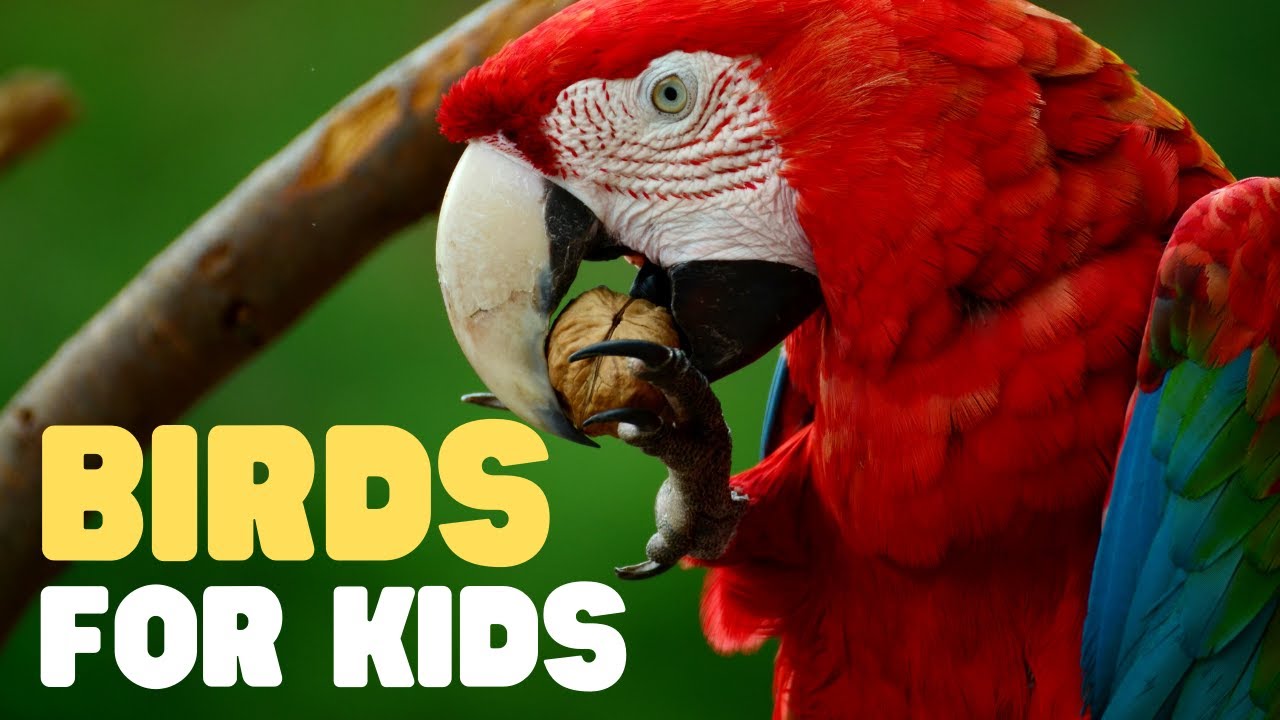
Birds for Kids is a very fun and engaging introduction to birds for kids. In this video we will answer "What is a Bird?", we will learn about beaks and feathers, birds that fly and birds that don't, we will cover the places that different birds live: Land Birds, Water Birds, Arctic Birds, and Tropical Birds, we will learn about what birds eat and so much more!!
When you have finished the video head over to our website and download our FREE comprehensive lesson plan all about birds for grades 1-3 (complete with bird worksheets, activities and more!): https://learnbright.org/lessons/science/birds/
Check out some of our other bird-related videos here:
Habitats: https://youtu.be/40B2IjLWfTQ
Rainforests: https://youtu.be/sEQMEllUyks
Animal Camouflage: https://youtu.be/F-vRzYreZXY
Thank you for watching and learning with us! We’re constantly releasing new content and videos, so click that “Subscribe” button and you’ll get notified.
Find and Follow Us Online:
Facebook: https://www.facebook.com/LearnBright/
Instagram: https://instagram.com/LearnBrightEducation
Pinterest: https://pinterest.com/LearnBrightEducation
YouTube: https://www.youtube.com/LearnBright
Website: https://learnbright.org/
*Teachers and Parents! Did you know? In addition to these great videos, we have also created a library of high quality and engaging lessons for your elementary aged student(s). Visit us, sign up for a free account, and instantly you'll have access to thousands of lesson plans, learning materials, teaching instructions, activities, and assignments that your kids will really enjoy! We hope to see you soon!
Browse our entire collection of Science lesson plans: https://learnbright.org/lessons/?filter_subject=science
#Birds #WhatIsABird

World War II Overview - This monumental war is still felt throughout the world. In our Overview video you will learn about the allied and axis powers and how each country got involved. You will learn about the major battles of the war and how they were won. This is a great overview video for elementary students wanting to learn more about World War II.
Thank you for watching and learning with us! We’re constantly releasing new content and videos so click that “Subscribe” button and you’ll notified.
Find and Follow Us Online:
Facebook: https://www.facebook.com/LearnBright/
Instagram: https://instagram.com/LearnBrightEducation
Pinterest: https://pinterest.com/LearnBrightEducation
YouTube: https://www.youtube.com/LearnBright
Website: https://learnbright.org/
*Teachers and Parents! Did you know? In addition to these great videos, we have also created a library of high quality and engaging lessons for your elementary aged student(s). Visit us, sign up for a free account, and instantly you'll have access to thousands of lesson plans, learning materials, teaching instructions, activities, and assignments that your kids will really enjoy! We hope to see you soon!
Browse our entire collection of Social Studies lesson plans: https://learnbright.org/lessons/?filter_subject=social-studies
#WorldWarIIOverview
#WWII
#WWIIForKids

World War II for Kids will discuss how the war got started, important wars and battles, leaders of the separate sides and more. This video is designed to be a teaching resource for k-6 classrooms.
For more resources download our complete World War 2 elementary lesson plan here: https://learnbright.org/lesson....s/social-studies/wor
Thank you for watching and learning with us! We’re constantly releasing new content and videos so click that “Subscribe” button and you’ll notified.
Find and Follow Us Online:
Facebook: https://www.facebook.com/LearnBright/
Instagram: https://instagram.com/LearnBrightEducation
Pinterest: https://pinterest.com/LearnBrightEducation
YouTube: https://www.youtube.com/LearnBright
Website: https://learnbright.org/
*Teachers and Parents! Did you know? In addition to these great videos, we have also created a library of high quality and engaging lessons for your elementary aged student(s). Visit us, sign up for a free account, and instantly you'll have access to thousands of lesson plans, learning materials, teaching instructions, activities, and assignments that your kids will really enjoy! We hope to see you soon!
Browse our entire collection of Social Studies lesson plans: https://learnbright.org/lessons/?filter_subject=social-studies
#WW2

Have you ever seen a duck-billed platypus? This video for kids talks all about one of the most curious mammals in the world. With a duck bill, beaver tail, and otter foot, the platypus is quite strange. Despite being a mammal, it actually lays eggs instead of experiencing live births. They lay their eggs in underground burrows near water that hatch around two weeks later. The young stay with their mother for only about four weeks before swimming off to forage on its own.
While its features are odd, they all have their use. The duck bill is flexible and soft and has thousands of receptors to help them find food in the dark. Their webbed feet push through water quickly. And their tails act like rudders on a ship. They steer the platypuses where they want to go. Additionally, a platypus can remain under water for nearly two minutes before coming up for air!
Believe it or not, a platypus doesn't have any teeth. When it shovels mud and silt into its bill, it also captures gravel. It uses the gravel to chew and grind food. These shy creatures are also very small. Adults weight only around three pounds. That makes them pretty easy prey. However, male platypuses have venomous stingers on their rear feet that can deliver a poisonous sting to attackers.
We hope you and your student(s) enjoyed learning about this interesting creature! If you want to learn even more, head over to our website and download one of our many lesson plans about animals, full of activities, worksheets, and more!
https://learnbright.org/lesson....s/science/duck-bille
https://learnbright.org/lesson....s/science/reptiles-a
Thank you for watching and learning with us! We’re constantly releasing new content and videos, so click that “Subscribe” button and you’ll get notified.
Find and Follow Us Online:
Facebook: https://www.facebook.com/LearnBright/
Instagram: https://instagram.com/LearnBrightEducation
Pinterest: https://pinterest.com/LearnBrightEducation
YouTube: @LearnBright
Website: https://learnbright.org/
*Teachers and Parents! Did you know? In addition to these great videos, we have also created a library of high-quality and engaging lessons for your elementary aged student(s). Visit us, sign up for a free account, and instantly you'll have access to thousands of lesson plans, learning materials, teaching instructions, activities, and assignments that your kids will really enjoy! We hope to see you soon!
Browse our entire collection of Science lesson plans: https://learnbright.org/lessons/?filter_subject=science
#Platypus
#Mammals
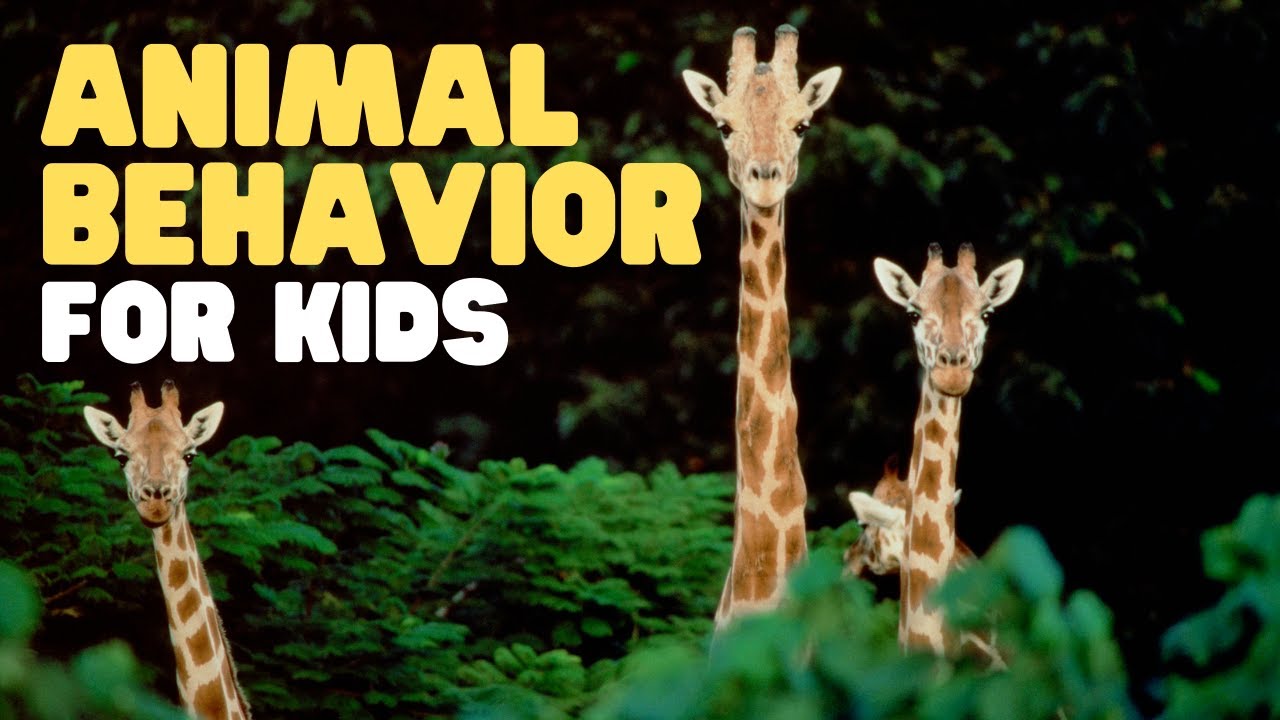
In this video about animal behavior we will learn all about the different kinds of behavior including, innate behaviors, reflex behaviors, learned behaviors, imprinting and more! Birds build nests. Dogs sit roll over, chase sticks, and may do other tricks. Spiders build intricate webs. People blink, read books, talk to each other. Bees do special dances. What does each of the actions have in common? You are correct if you said they are behaviors.
A behavior is a way in which an animal or person acts in response to a situation or stimulus. Behaviors are the ways animals interact with other animals or with their environment. However, not all behaviors are attained in the same manner. For example, you had to learn how to read, but you did not learn how to blink. A dog was taught to sit up or roll over, but a dog did not learn how to dig a hole in the ground. Some behaviors animals may be learned, and other behaviors are a part of the animal at birth, and they do not need to learn them. They are born with already knowing how to
perform certain behaviors. You had to learn how to talk, read, and write. Your parents or teachers have taught you to do things, or you may have learned on your own, like playing a favorite game. Other behaviors, like blinking and grasping, are called reflexes; you were born with those behaviors.
The two types of behaviors are called innate behaviors and learned behaviors and in this video we will learn all about these different kinds of animal behaviors.
After finishing the video, we invite you to download our free 12 page lesson plan with more activities, worksheets and learning opportunities about animal behavior. It can be downloaded here: https://learnbright.org/lesson....s/science/animal-beh
Thank you for watching and learning with us! We’re constantly releasing new content and videos, so click that “Subscribe” button and you’ll get notified.
Find and Follow Us Online:
Facebook: https://www.facebook.com/LearnBright/
Instagram: https://instagram.com/LearnBrightEducation
Pinterest: https://pinterest.com/LearnBrightEducation
YouTube: https://www.youtube.com/LearnBright
Website: https://learnbright.org/
*Teachers and Parents! Did you know? In addition to these great videos, we have also created a library of high quality and engaging lessons for your elementary aged student(s). Visit us, sign up for a free account, and instantly you'll have access to thousands of lesson plans, learning materials, teaching instructions, activities, and assignments that your kids will really enjoy! We hope to see you soon!
Browse our entire collection of Science lesson plans: https://learnbright.org/lessons/?filter_subject=science
#AnimalBehaviorForKids

What is the difference between bacteria and viruses? In Bacteria and Viruses for Kids, you will learn all about these two microorganisms. The first thing you will learn is that not all bacteria are bad. In fact, the majority of bacteria on the planet and in your body are actually good. You can find bacteria in things like yogurt, soy sauce, and pickles!
So what are bacteria? They are single-celled organisms so small that you can't see them without a microscope. They don't have a nucleus like other single-celled Common shapes include rods, spirals, and spheres. All these organisms move in different ways too. Some move like swimmers using tail-like structures called flagella. Others stay still and don't move much at all. Then there are some that slither or slide their way around.
Most bacteria are not harmful. However, there are some that can make you sick. These are called pathogens. Common pathogens include food poisoning, leprosy, and typhoid fever. To fight these pathogens, you can use antibiotics or antiseptics. You can actually find antiseptics in soaps because it's how you keep your hands clean. Good bacteria, on the other hand, are good for many reasons. They help you digest food and keep your immune system strong. They also break down dead plant and animal material to help keep soil healthy. And, they produce about half of the oxygen in the atmosphere!
What about viruses? All viruses are bad. Scientists debate whether these organisms are living or dead because they don't have an organized cell structure and can't reproduce unless they attach themselves to a living cell. The word virus comes from the Latin word for "slimy liquid." These organisms attack healthy cells. As those cells reproduce, the virus reproduces too and spreads. Many kinds can pass from person to person through hand-shaking, food contact, and through water.
We hope you and your student(s) enjoyed learning about bacteria and viruses! If you want to learn even more, head over to our website and download one of our many free lesson plans about germs, full of activities, worksheets, and more!
https://learnbright.org/lesson....s/science/bacteria-a
https://learnbright.org/lessons/science/germs/
https://learnbright.org/lesson....s/science/influenza-
What you will learn in Bacteria and Viruses for Kids:
0:00 Introduction to bacteria
1:01 What are bacteria and what do they look like?
1:56 All about bad bacteria—pathogens
2:38 All about good bacteria
3:27 Introduction to viruses
4:22 How viruses work
5:29 How to prevent viral infections
6:41 Review of the material
Thank you for watching and learning with us! We’re constantly releasing new content and videos, so click that “Subscribe” button and you’ll get notified.
Find and Follow Us Online:
Facebook: https://www.facebook.com/LearnBright/
Instagram: https://instagram.com/LearnBrightEducation
Pinterest: https://pinterest.com/LearnBrightEducation
YouTube: @LearnBright
Website: https://learnbright.org/
*Teachers and Parents! Did you know? In addition to these great videos, we have also created a library of high-quality and engaging lessons for your elementary aged student(s). Visit us, sign up for a free account, and instantly you'll have access to thousands of lesson plans, learning materials, teaching instructions, activities, and assignments that your kids will really enjoy! We hope to see you soon!
Browse our entire collection of Science lesson plans: https://learnbright.org/lessons/?filter_subject=science
#BacteriaAndVirusesForKids
#Bacteria
#Viruses
This video provides an insightful look into the history of Native Americans. We learn about the various tribes like Cherokee, Apache, Cheyenne, Iroquois, and Navajo. We also learn about Native American Homes (like the TeePee), What kind of clothes they would wear and much more.
If you're looking for even more resources you can download our comprehensive 11 page lesson plan complete with worksheets, activities, and other Native American resources. You can download the lesson here: https://learnbright.org/lesson....s/social-studies/nat
Thank you for watching and learning with us! We’re constantly releasing new content and videos so click that “Subscribe” button and you’ll notified.
Find and Follow Us Online:
Facebook: https://www.facebook.com/LearnBright/
Instagram: https://instagram.com/LearnBrightEducation
Pinterest: https://pinterest.com/LearnBrightEducation
YouTube: https://www.youtube.com/LearnBright
Website: https://learnbright.org/
*Teachers and Parents! Did you know? In addition to these great videos, we have also created a library of high quality and engaging lessons for your elementary aged student(s). Visit us, sign up for a free account, and instantly you'll have access to thousands of lesson plans, learning materials, teaching instructions, activities, and assignments that your kids will really enjoy! We hope to see you soon!
Browse our entire collection of Social Studies lesson plans: https://learnbright.org/lessons/?filter_subject=social-studies
#NativeAmerican

What is an element? And how many known elements are there in the vast universe? Periodic Table of Elements for Kids answers these and other questions and explains how the table came to be in the first place. Elements make up everything in the whole world, so it makes sense to learn a little more about them. The Periodic Table provides us with a lot of valuable information about these different atoms.
The first person to propose that scientists arrange the elements in a table was Dmitri Mendeleev in 1869. At the time, there were only 65 known elements, and Mendeleev arranged them according to their atomic weights as well as by their similar properties. Today, the table has seven rows, called periods, and 18 columns, called groups. The elements in each group have similar properties. For instance, the elements that can be classified as alkali metals all align in one group.
What you can learn about each element on the table depends on which table you look at. Some provide more information than others. For the most part, you can discover the element's name, atomic number, atomic weight, and symbol. Many symbols reflect the name of the element. For instance, the symbol for calcium is Ca. Others reflect the Latin origins of the word, such as for gold, the symbol for which is Au.
We hope you and your student(s) enjoyed learning about the many elements on Earth! If you want to learn even more, head over to our website and download one of our many free lesson plans about atoms or elements, full of activities, worksheets, and more!
https://learnbright.org/lesson....s/science/periodic-t
https://learnbright.org/lessons/science/atoms/
What you will learn in Periodic Table of Elements for Kids:
0:00 Introduction to the Periodic Table of Elements
0:25 What is an element?
1:28 Atomic number = number of protons
2:18 How Dmitri Mendeleev organized the elements
3:19 Chemical elements arranged into periods and groups
4:08 What you can learn from Periodic Table of Elements
5:02 Where elements get their chemical symbols
6:03 Specific information you can find for each element on the table
6:54 Review of the facts
Thank you for watching and learning with us! We’re constantly releasing new content and videos, so click that “Subscribe” button and you’ll get notified.
Find and Follow Us Online:
Facebook: https://www.facebook.com/LearnBright/
Instagram: https://instagram.com/LearnBrightEducation
Pinterest: https://pinterest.com/LearnBrightEducation
YouTube: @LearnBright
Website: https://learnbright.org/
*Teachers and Parents! Did you know? In addition to these great videos, we have also created a library of high-quality and engaging lessons for your elementary aged student(s). Visit us, sign up for a free account, and instantly you'll have access to thousands of lesson plans, learning materials, teaching instructions, activities, and assignments that your kids will really enjoy! We hope to see you soon!
Browse our entire collection of Science lesson plans: https://learnbright.org/lessons/?filter_subject=science
#PeriodicTableOfElements
#ElementsForKids
Germs are everywhere. They are often responsible for making people sick. They're so small, you can only see them with a microscope. In Germs for Kids, you and will learn all about the four types of germs that exist in the word: bacteria, viruses, fungi, and protozoa. Let's see what you already know and what you will learn throughout the video!
The first type is bacteria. Bacteria are single-celled organisms that live inside and outside of you body. They can cause ear infections, sore throats, cavities, and more. Not all bacteria are bad, though. In fact, there is lots of good bacteria in some of the food we eat, and our bodies need good germs to help use up the nutrients we ingest. Doctors even use good bacteria to create medicines and vaccines.
Viruses, on the other hand, are all bad. Some examples include chicken pox, the flu, and the measles. Viruses like to invade healthy cells and multiply as the host cell multiplies. Because our bodies have so many cells, there are lots of places for viruses to invade. When we get sick from a virus, we can get what's called a vaccine or immunization to help fight it.
The next type of germ is fungi. A fungus is like a plant and actually consists of many cells rather than just one. Fungi like to live in warm and wet places, such as between a person’s toes. Many fungi don’t cause problems for healthy people. Examples include athlete’s foot, skin infections, and other rashes. Some fungal infections are contagious and can pass from one person to another.
The last type of germ is a protozoa. Like fungi, protozoa live in wet places. And like bacteria and viruses, they also have only one cell. Many live in the water, which is how they spread diseases and infections. Water that is not safe to drink may contain protozoa. These germs can lead to stomach aches, diarrhea, and nausea. The video explains lots of ways to help stop the spread of germs. Keep watching to find out!
We hope you and your student(s) enjoyed learning about these different kinds of germs! If you want to learn even more, head over to our website and download one of our many free lesson plans about this topic, full of activities, worksheets, and more!
https://learnbright.org/lessons/science/germs/
https://learnbright.org/lesson....s/science/bacteria-a
https://learnbright.org/lesson....s/science/influenza-
https://learnbright.org/lesson....s/science/immune-sys
What you will learn in this video:
0:00 Introduction to what germs are
0:33 Scenario about viruses
1:05 Why we get sick
1:58 Facts about bacteria
3:17 Facts about viruses
4:31 Facts about fungi
5:23 Facts about protozoa
6:14 Ways to stay healthy
8:10 Review of the facts
Thank you for watching and learning with us! We’re constantly releasing new content and videos, so click that “Subscribe” button and you’ll get notified.
Find and Follow Us Online:
Facebook: https://www.facebook.com/LearnBright/
Instagram: https://instagram.com/LearnBrightEducation
Pinterest: https://pinterest.com/LearnBrightEducation
YouTube: @LearnBright
Website: https://learnbright.org/
*Teachers and Parents! Did you know? In addition to these great videos, we have also created a library of high-quality and engaging lessons for your elementary aged student(s). Visit us, sign up for a free account, and instantly you'll have access to thousands of lesson plans, learning materials, teaching instructions, activities, and assignments that your kids will really enjoy! We hope to see you soon!
Browse our entire collection of Science lesson plans: https://learnbright.org/lessons/?filter_subject=science
#ASL
#Germs
#bacteria #Virus

In our Cultures of the world video we will learn about what culture means and how cultures can be very different around the world. We will learn how to appreciate the differences and how they influence our own identities. We will explore the American culture, French, Chinese, and many other cultures around the world.
Looking for more Cultures of the World resources? Download our free comprehensive lesson plan here: https://learnbright.org/lesson....s/social-studies/cul
Check out some of our other culture-related videos here:
Europe: https://youtu.be/XZtZRw7zrqI
Asia: https://youtu.be/1pNBDTNVhCw
Africa: https://youtu.be/KcNVNsvyFfA
Australia: https://youtu.be/zmon5Tv6bYU
China: https://youtu.be/q7JK5Vxf_VQ
North America: https://youtu.be/JZk6_dgA9uQ
South America: https://youtu.be/Z4iwEMbal24
Mexico: https://youtu.be/hmhLgM9uGN0
Thank you for watching and learning with us! We’re constantly releasing new content and videos so click that “Subscribe” button and you’ll notified.
Find and Follow Us Online:
Facebook: https://www.facebook.com/LearnBright/
Instagram: https://instagram.com/LearnBrightEducation
Pinterest: https://pinterest.com/LearnBrightEducation
YouTube: https://www.youtube.com/LearnBright
Website: https://learnbright.org/
*Teachers and Parents! Did you know? In addition to these great videos, we have also created a library of high quality and engaging lessons for your elementary aged student(s). Visit us, sign up for a free account, and instantly you'll have access to thousands of lesson plans, learning materials, teaching instructions, activities, and assignments that your kids will really enjoy! We hope to see you soon!
Browse our entire collection of Social Studies lesson plans: https://learnbright.org/lessons/?filter_subject=social-studies
#ASL
#WorldCulture
#Cultures

Have you ever wondered "What is Biofuel?" or "What is Biomass?" The need for energy is ever growing and biofuels and biomass are different materials that can be used for energy. Biomass and Biofuel are considered renewable energy because it mostly comes from plants that can be replanted and replaced when used for energy. In this video we will discuss all kinds of energy and the advantages and disadvantages to biomass or biofuel vs fossil fuels.
We also invite you to download our free biofuel and biomass lesson plan here: https://learnbright.org/lesson....s/science/biomass-an in this lesson and video students learn about specific examples of both biomass and biofuel and learn the advantages and disadvantages of using them through engaging content, worksheets, activities and more! Check it out!
Thank you for watching and learning with us! We’re constantly releasing new content and videos, so click that “Subscribe” button and you’ll get notified.
Find and Follow Us Online:
Facebook: https://www.facebook.com/LearnBright/
Instagram: https://instagram.com/LearnBrightEducation
Pinterest: https://pinterest.com/LearnBrightEducation
YouTube: https://www.youtube.com/LearnBright
Website: https://learnbright.org/
*Teachers and Parents! Did you know? In addition to these great videos, we have also created a library of high quality and engaging lessons for your elementary aged student(s). Visit us, sign up for a free account, and instantly you'll have access to thousands of lesson plans, learning materials, teaching instructions, activities, and assignments that your kids will really enjoy! We hope to see you soon!
Browse our entire collection of Science lesson plans: https://learnbright.org/lessons/?filter_subject=science
#ASL
#WhatIsBiofuel

What do you know about the history of American Sign Language? Did you know that the man who created it used some French signs? Dr. Thomas Hopkins Gallaudet traveled to France to work with three Frenchmen to develop the signs in an effort to help his neighbor's deaf-mute daughter, Alice. Today, hundreds of thousands of people around the world claim sign language as their primary language!
We hope you and your student(s) enjoyed learning about American Sign Language! If you want even more information, head over to our website and download one of our many lesson plans, full of activities, worksheets, and more!
https://learnbright.org/lesson....s/social-studies/hel
Thank you for watching and learning with us! We’re constantly releasing new content and videos, so click that “Subscribe” button and you’ll get notified.
Find and Follow Us Online:
Facebook: https://www.facebook.com/LearnBright/
Instagram: https://instagram.com/LearnBrightEducation
Pinterest: https://pinterest.com/LearnBrightEducation
YouTube: @LearnBright
Website: https://learnbright.org/
*Teachers and Parents! Did you know? In addition to these great videos, we have also created a library of high-quality and engaging lessons for your elementary aged student(s). Visit us and sign up for a free account, and you'll instantly have access to thousands of lesson plans, learning materials, teaching instructions, activities, and assignments that your kids will really enjoy! We hope to see you soon!
Browse our entire collection of Social Studies lesson plans: https://learnbright.org/lessons/?filter_subject=social-studies
#ASL
#AmericanSignLanguage
In our Cultures of the world video we will learn about what culture means and how cultures can be very different around the world. We will learn how to appreciate the differences and how they influence our own identities. We will explore the American culture, French, Chinese, and many other cultures around the world.
Looking for more Cultures of the World resources? Download our free comprehensive lesson plan here: https://learnbright.org/lesson....s/social-studies/cul
Check out some of our other culture-related videos here:
Europe: https://youtu.be/XZtZRw7zrqI
Asia: https://youtu.be/1pNBDTNVhCw
Africa: https://youtu.be/KcNVNsvyFfA
Australia: https://youtu.be/zmon5Tv6bYU
China: https://youtu.be/q7JK5Vxf_VQ
North America: https://youtu.be/JZk6_dgA9uQ
South America: https://youtu.be/Z4iwEMbal24
Mexico: https://youtu.be/hmhLgM9uGN0
Thank you for watching and learning with us! We’re constantly releasing new content and videos so click that “Subscribe” button and you’ll notified.
Find and Follow Us Online:
Facebook: https://www.facebook.com/LearnBright/
Instagram: https://instagram.com/LearnBrightEducation
Pinterest: https://pinterest.com/LearnBrightEducation
YouTube: https://www.youtube.com/LearnBright
Website: https://learnbright.org/
*Teachers and Parents! Did you know? In addition to these great videos, we have also created a library of high quality and engaging lessons for your elementary aged student(s). Visit us, sign up for a free account, and instantly you'll have access to thousands of lesson plans, learning materials, teaching instructions, activities, and assignments that your kids will really enjoy! We hope to see you soon!
Browse our entire collection of Social Studies lesson plans: https://learnbright.org/lessons/?filter_subject=social-studies
#ASL
#WorldCulture
#Cultures