Latest videos

The spleen is located in the upper left abdominal cavity, just beneath the diaphragm, and next to the stomach. It is similar to a lymph node in shape and structure but it is much larger.
An easy way to remember the anatomy of the spleen is the 1×3×5×7×9×11 rule. The spleen is 1" by 3" by 5", weighs approximately 7 oz, and lies between the 9th and 11th ribs on the left-hand side.
Your spleen is considered part of the lymphatic system.
the spleen consists of two types of tissue called white pulp and red pulp. The white pulp is lymphatic tissue consisting mainly of lymphocytes around arteries. The red pulp consists of sinuses filled with blood and lymphatic cells,
As blood is filtered through the spleen old and damaged red blood cells are removed from the blood. In addition, the spleen produces lymphocytes in response to invading pathogens found in the blood. The spleen is like a large lymph node that filters blood instead of lymph looking for invaders like harmful bacteria. White blood cells stored in the spleen help remove and eliminate these invaders. It is particularly helpful when fighting meningitis and pneumonia
The spleen also stores blood. The sinuses in the red pulp of the spleen are filled with blood and can be used in case of an emergency.
You can live without your spleen. your immune system won’t shut down without a spleen, but it won’t operate as efficiently.

Nervous System controls the human body by sending electrical signal through out your body.
The nervous system can be divided into the central nervous system and the peripheral nervous system.

Body's response to stress
We are exposed to stress often and it can trigger our fight or flight response.
In addition, our body reacts to stress in several different ways.
*
*
For more Life Science videos and summaries see,
http://www.moomoomath.com/Midd....le-School-Science-an

By using the formula pi times radius squared times height you can calculate the volume of a cylinder.
I also cover how to calculate height if you are given the radius and volume and how to calculate the radius.
This guide will help
0:29 Steps for finding the volume of a cylinder
0:47 Formula for finding volume cylinder
1:28 Find the height of a cylinder given the volume
3:07 Find the radius of a cylinder given the volume

Hydrostatic skeleton
Worms and Jellyfish have an internal skeleton created from a fluid called a hydrostatic skeleton.
An internal cavity called a coelom fills with fluid and basically inflated the animal.
*
*
For more Life Science videos and summaries see,
http://www.moomoomath.com/Midd....le-School-Science-an

The exterior angles of a polygon are angles drawn from an adjacent side. The exterior angles also add up to 360 degrees.The interior and exterior angles add to 180 degrees.
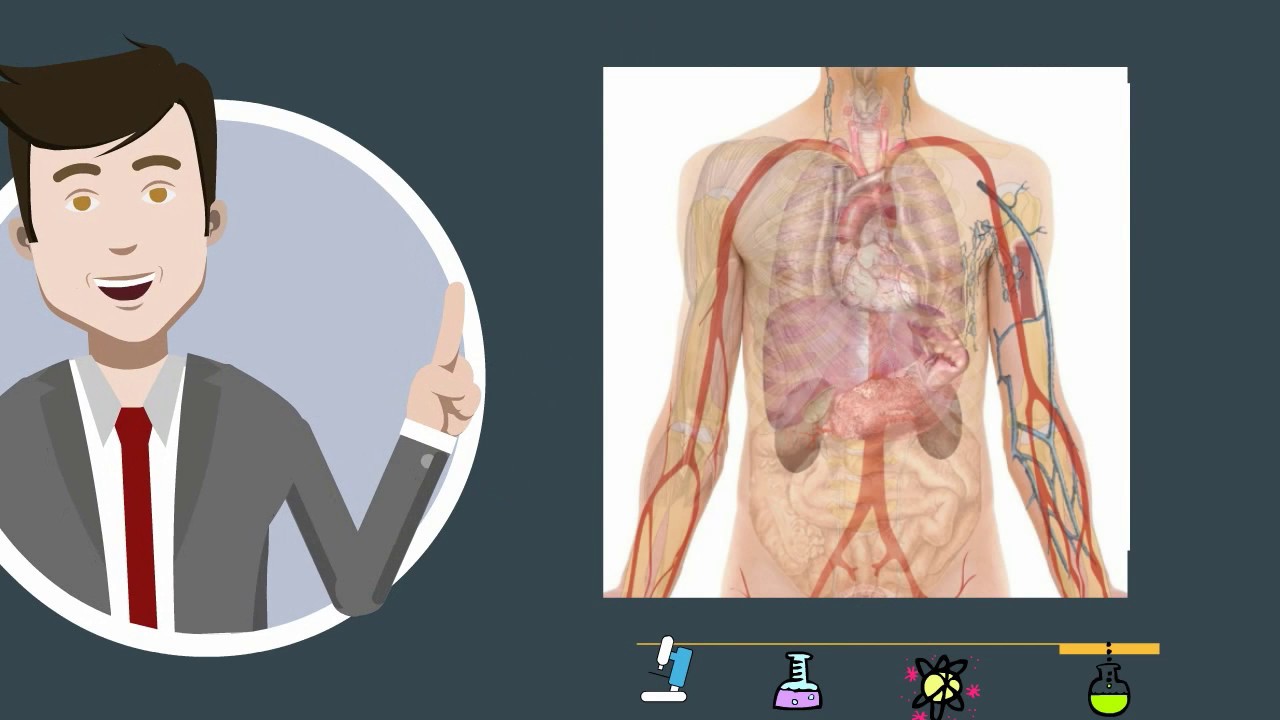
Resources: Major Organ Systems
http://www.moomoomathblog.com/....2017/02/resources-11
I need help memorizing the 11 organ systems!!
Use these mnemonic devices to help you memorize the 11 body systems. Mnemonic device are very powerful and helpful for memorizing and you can apply this to the 11 organ systems of the human body.
Here are the 11 systems
muscular
skeleton
reproductive
integumentary
endocrine
nervous
circulatory
urinary
digestive
lymphatic
respiratory
-~-~~-~~~-~~-~-
Please watch: "Study Skills Teacher's Secret Guide to your Best Grades"
https://www.youtube.com/watch?v=f3bsg8gaSbw
-~-~~-~~~-~~-~-
*
*
For more Life Science videos and summaries see,
http://www.moomoomath.com/Midd....le-School-Science-an

In this video, I go through the multiples of 4 up to 20. Knowing the multiples of four and other numbers helps build your number sense.
Multiples of 4
http://www.moomoomathblog.com/....2021/12/parasitism-d

How to use the Pythagorean Theorem to find the hypotenuse or a leg length.
Learn how to use the Pythagorean theorem. The Pythagorean theorem expresses the relation among the three sides of a right triangle. A right triangle is a triangle with one angle of 90 degrees. This theorem can be used to calculate the missing length of a right triangle. The Pythagorean theorem states that the square of the hypotenuse is equal to the sum of the squares of the two sides equals the square of the hypotenuse. The hypotenuse is the side opposite the right angle.
Example problems
Calculate the hypotenuse of a right triangle given the side lengths.
Calculate the length of the missing side.
Additional Resources
https://www.youtube.com/watch?v=yWwEGZZ8zwA
The Pythagorean theorem
http://www.montereyinstitute.o....rg/courses/Developme
Skittles demonstration of the Pythagorean theorem
https://youtu.be/pItvzCGjZJY

Different types of triangles classified by side length and angle length.
A Scalene triangle has three different side lengths.
An isosceles triangle has two congruent or equal sides, and an Equilateral triangle has three congruent or equal sides.
Triangles can also be classified by their angles.
There are three angles often associated with triangles.
Acute angles are less than 90 degrees
Right angles are exactly 90 degrees
Obtuse angles are greater than 90 degrees
All triangles have two acute angles and the third angle determines the type of
the triangle you have.
An acute triangle is a triangle with three angles that measure less than 90 degrees
An obtuse triangle is a triangle with one angle greater than 90 degrees.
A right triangle is a triangle with one right angle or ( 90 degrees).
More on Types of Triangles
https://moomoomath.com/what-ar....e-the-different-type

Learn how to round decimals properly. The problem is it is hard to remember if you should round up or down.You can use
Four and below let it go
Five and above give it a shove
Round .15 to the tenth place
Round .8534 to the nearest hundreth
For more Math help visit our website
http://www.moomoomath.com/

Learn how Meiosis is different than Mitosis.
To begin with What is the goal of mitosis and meiosis?
They both create new cells. Both mitosis meiosis start with diploid cells.
Mitosis creates body cells that are diploid. diploid means they have two sets of chromosomes. In humans each body cell has 23 pairs of chromosomes or 46 total.
Meiosis also creates new cells but these cells are gametes which for males is sperm cells and for females it is egg cells. These cells are haploid which means they have one set of chromosomes.

In this video, I cover the indendent variable,the dependent variable, and control variables.
The independent variable is what you manipulate, the dependent variable is the variable you measure, and control variables need to remain constant to insure accurate results.
For more Science Variables Examples
http://www.moomoomathblog.com/....2019/02/learn-scienc

Learn how Peroxisomes help keep cells alive. Peroxisomes are sperical organelles found in eukaryotic cells that break down fatty acids, convert hydrogen peroxide, and protect the cell from ROSs.

Phytoplankton and zooplankton plankton are organisms found in the ocean and bodies of freshwater that drift and cannot swim against the current.
In this video, I would like to talk about two types of plankton
Phytoplankton and zooplankton.
Zooplankton is derived from Greek and means animal drifter
Although most zooplankton is microscopic, some are larger such as jellyfish.
Phytoplankton means plant drifter
Phytoplankton is photosynthesizing microscopic organisms found in the upper sunlit layer of all oceans and bodies of freshwater on Earth.
Phytoplankton is sometimes called the grasses of the sea. Like land plants, they produce lots of oxygen through photosynthesis.
You may also enjoy..
Diatoms
https://www.youtube.com/watch?v=1-sQBOQOLCM

Learn the naming Rules for binary Ionic Compounds. An Ionic binary compound is made up of a metal and a non-metal. The metal always is first and the non-metal is second.
For the non-metal drop the ending and add ide.

Learn what buoyancy is and Arhimedes principle.If you have ever tried to push a beach ball underwater you know how difficult this can be because the water pushes upward against the beachball. This upward force is called buoyancy.
Which is the ability of a fluid like water to exert an upward pressure.
If you drop an object in water which is a fluid then the water level will rise. In other words, the water will be displaced. The weight of this water that is displaced will be equal to the buoyancy force.
Archimedes principle in simple terms states that the buoyant force of an object is equal to the weight of the fluid displaced by the object.
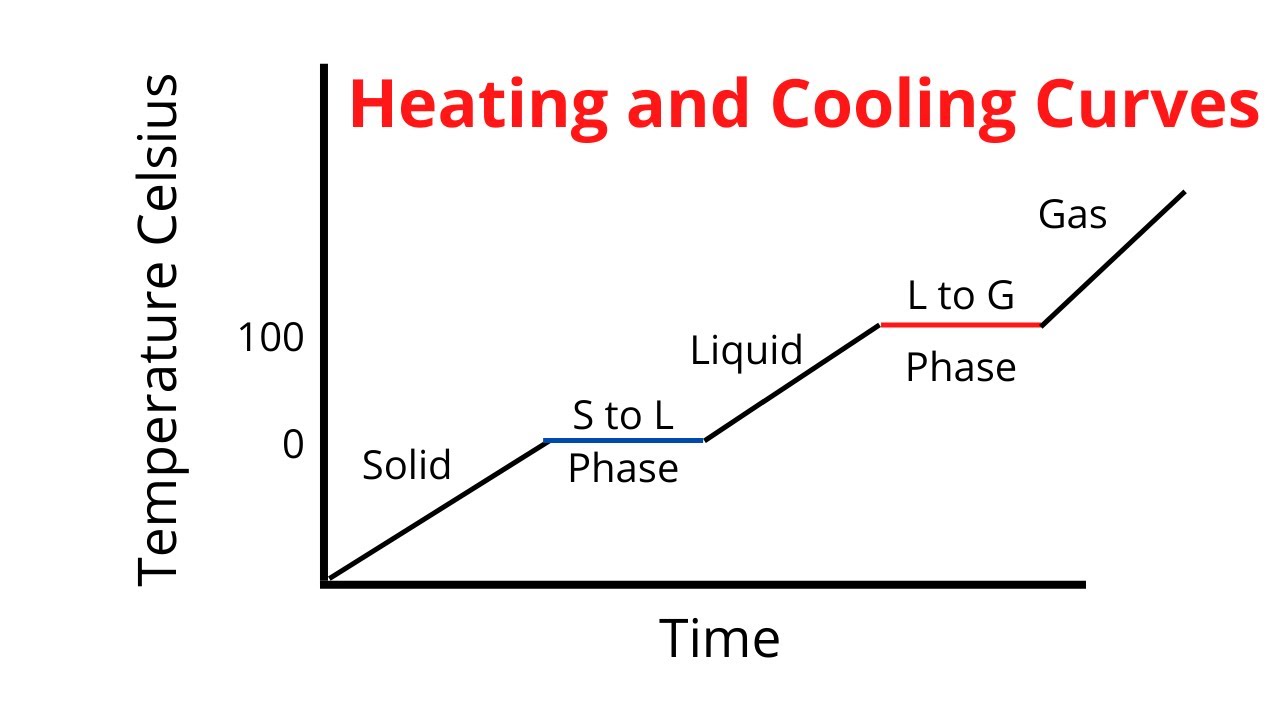
An introduction to heating and cooling curve. In this video, I introduce heating and cooling curves and show the location of phase changes.
" A typical heating curve for a substance depicts changes in temperature that result as the substance absorbs increasing amounts of heat. Plateaus in the curve (regions of constant temperature) are exhibited when the substance undergoes phase transitions."
Standard SPS7.d. Analyze and interpret data to explain the flow of energy during phase changes using heating/cooling curves.
00:00 Introduction Heating Cooling Curves
00:15 Heating Curve Explained
01:33 Kinetic and Potential Energy on Heating Curve
01:44 Cooling Curve
01:56 Kinetic and Potential Energy on

Learn how to use a factor tree in order to find the lowest common multiple.
I find the LCM of 12 and 15.
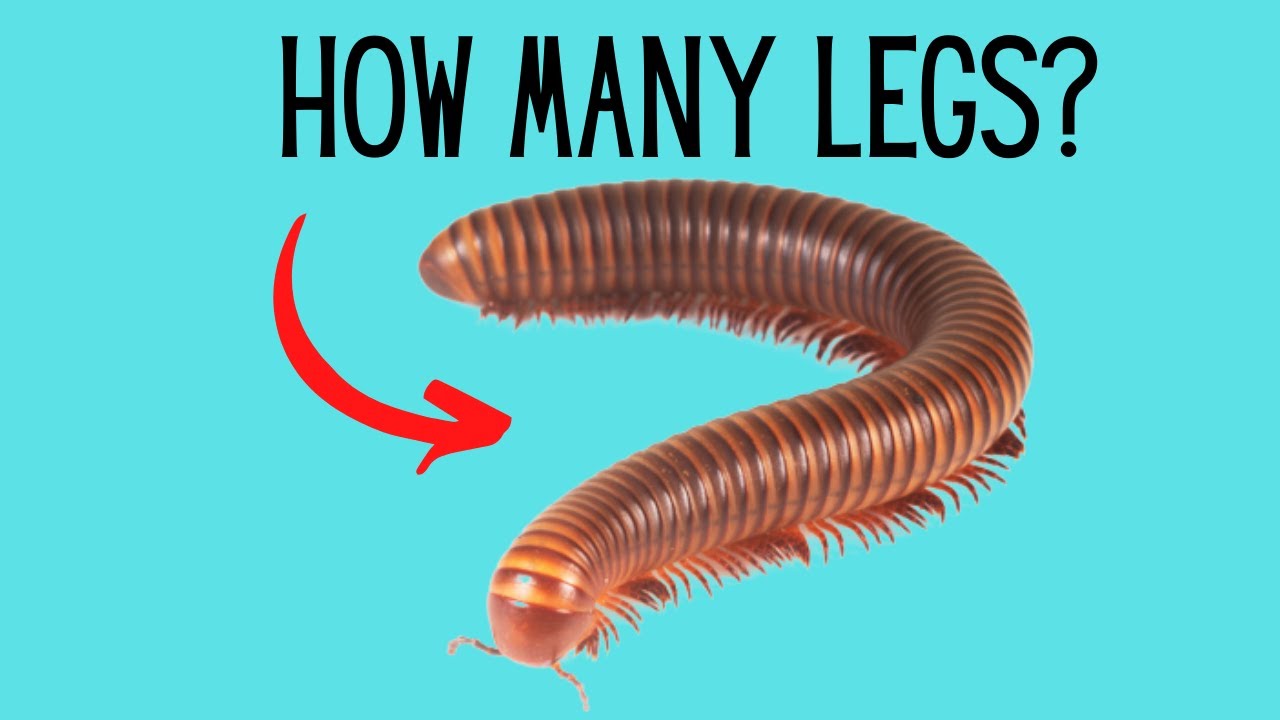
How many legs does a millipede have? I also cover the difference between a millipede and a centipede. Although their name would suggest that millipedes have 1000 legs, this number varies according to the number of segments the millipede has. Millipedes do have four legs per segment.
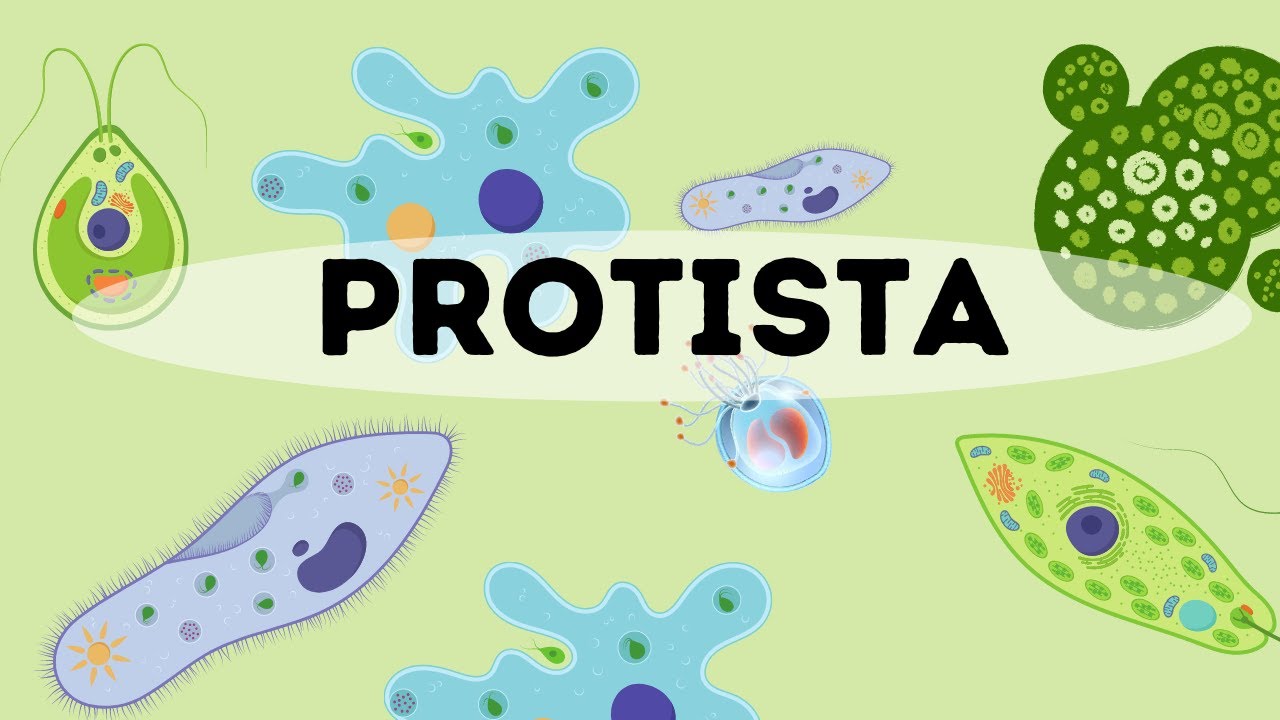
In this video I explain characteristics of the kingdom Protista.If you have an organism that is eukaryotic, in other words has a nucleus and membrane bound organelles, and is not a plant, animal, or fungi, then it is a protists. Protists range from single celled organisms like parameciums,amoeba, and euglena to giant kelp.
More about protists.
http://www.moomoomathblog.com/....2022/05/kingdom-prot

Learn how to find the slope from a graph. The slope can also be called the gradient of the line.The slope is a measure of the rate of change of a line or the steepness of a line. The slope is represented by the letter m
Using a graph you can calculate the slope by using rise over run. The rise will be how the line changes vertically and the run is the change in the x-axis or horizontal change.
You may enjoy ...
Understanding Slope
https://youtu.be/vbfFwTmzHGQ

Learn proportion basics. In this video, I show you how to work problems in which you find the value for x in a proportion.
Example problems include,
3/5= x/15
x/6 = 15/18
In order to solve these problems you cross multiply and then solve for x
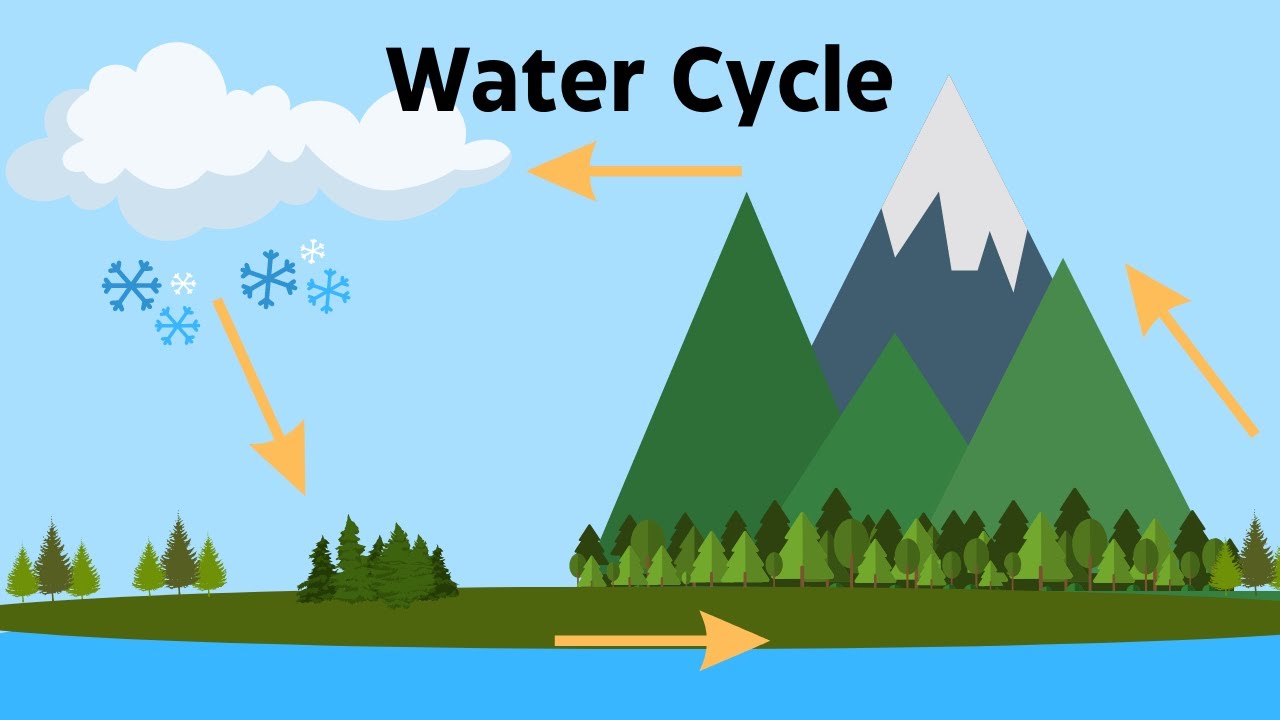
Real-life demonstrations for the hydrologic cycle which is commonly called the water cycle. You may be familiar with this picture of the water cycle. Water moves around and around and is constantly moving. In order to help you understand and remember the hydrologic cycle, I will show you a quick demo of these 9 key steps.
Evaporation Condensation Precipitation Transpiration Infiltration Groundwater, Aquifer Run-off, and Accumulation.
Biogeochemical Cycles - How the Earth Recycles
https://moomoomath.com/how-the....-earth-recycles-elem
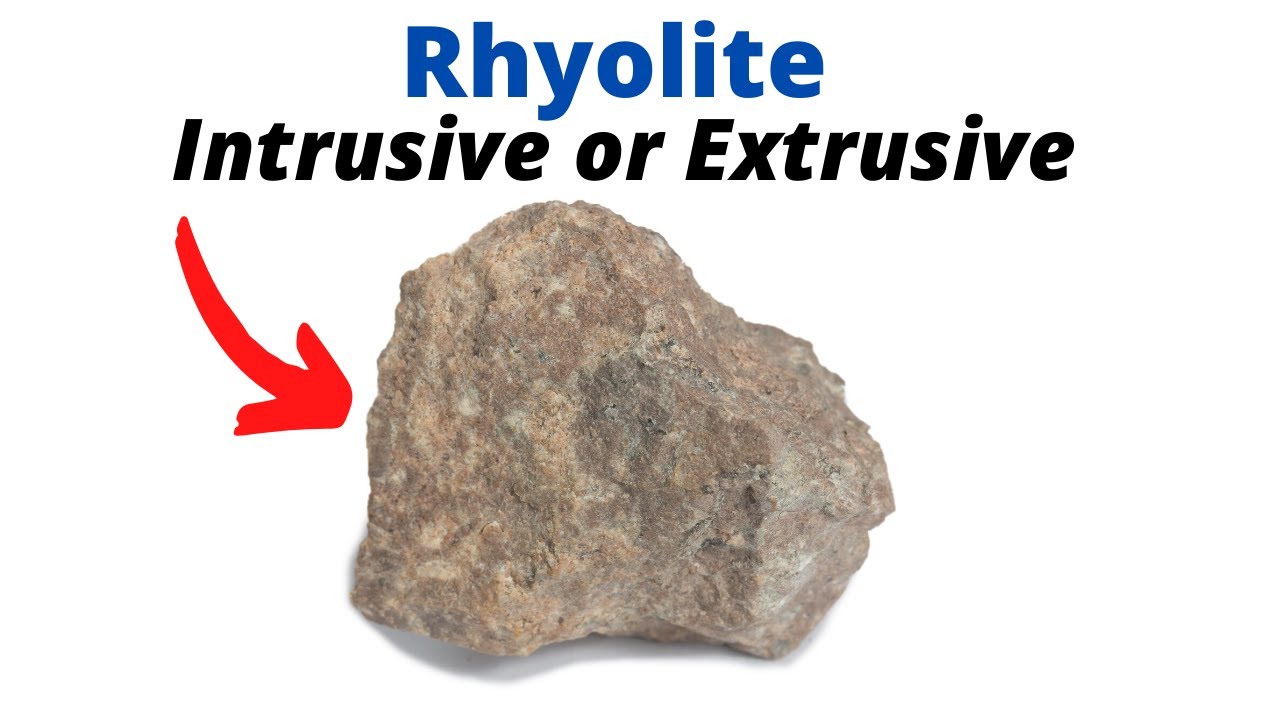
Properties of the igneous rock rhyolite
Light in color there it is classified as felsic
Rhyolite contains over 70% silica which gives this rock it a light color
Because the crystals are so small it is an extrusive igneous rock and cooled quickly
in rhyolite the crystals are often too small to see. This is due to the rapid cooling of the rhyolite lava
Rhyolite is produced by violent volcanic eruptions.
Density 2.4 -2.6 g/cm3
The texture of Rhyolite is fined grain and is classified as aphanitic
In summary
Igneous
Felsic
Extrusive
Fine-grained Aphanitic
Rhyolite picture
https://www.flickr.com/photos/....jsjgeology/845670838