Latest videos

Learn the difference between a autotroph and a heterotroph. All plants and other organisms that produce their own food in an ecosystem are called autotrophs. Or self feeders
An Autotrophs is an organism that collects energy from sunlight or inorganic substances to produce food.
A Heterotroph is an organism that gets its energy requirement by consuming other organisms.
They are also called consumers
A heterotroph that eats only planed is called a herbivore
Heterotrophs that eat other heterotrophs are called carnivores. Lions,wolves
An organism that eats plants and animals are omnivores.
More on Autotrophs
http://www.moomoomathblog.com/....2022/05/autotrophs-a
Autotroph and Heterotroph
https://moomoomath.com/autotro....ph-vs-heterotroph-pr

Running tip number 3 provides a simple drill you can practice each day in order to help you move from a heel striker to a runner who lands on your forefoot.
Running experts all agree that an efficient runner lands on their forefoot.
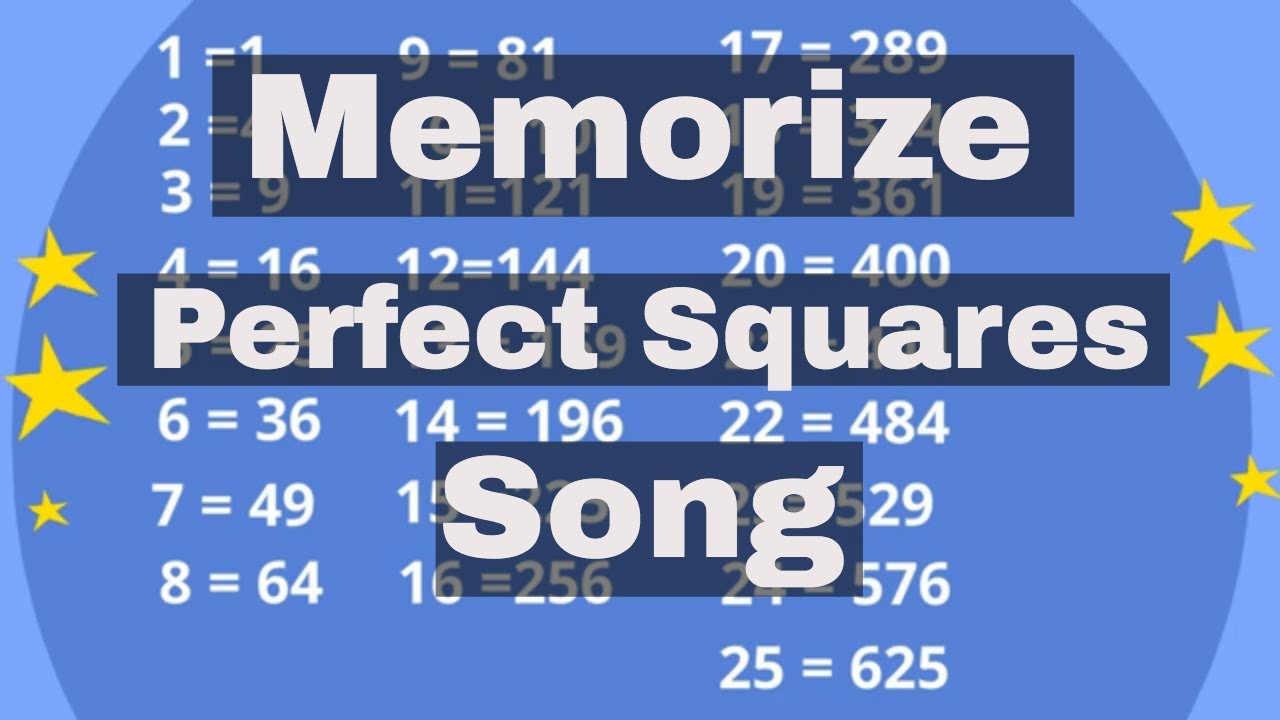
Perfect squares 1-25 Memorize the perfect squares with a simple song.
Transcript and lyrics here
http://www.moomoomathblog.com/....2020/03/perfect-squa

There are 6 simple machines. These simple machines multiply your ability to do work. Work is the amount of energy necessary to move an object. The further you move it, the more work is required.
Simple machines allow you to do the same work with less effort. Simple machines are all around you. These bikes incorporate three simple machines.
There are 6 simple machines
Lever Inclined Plane Pulley Wedge Screw Wheel Axle
If you start looking around you will find these simple machines in your everyday life.
Like a mountain bike uses three simple machines.
10 Facts Simple Machines
http://www.moomoomathblog.com/....2020/01/simple-machi

Learn the parts of the microscope and how to focus a compound microscope.
Using a compound microscope can be fun and unlocks a whole new world.
In this video I point out a couple of tips and tricks you can use to help you use a microscope properly.
-~-~~-~~~-~~-~-
Please watch: "Study Skills Teacher's Secret Guide to your Best Grades"
https://www.youtube.com/watch?v=f3bsg8gaSbw
-~-~~-~~~-~~-~-
*
*
For more Life Science videos and summaries see,
http://www.moomoomath.com/Midd....le-School-Science-an
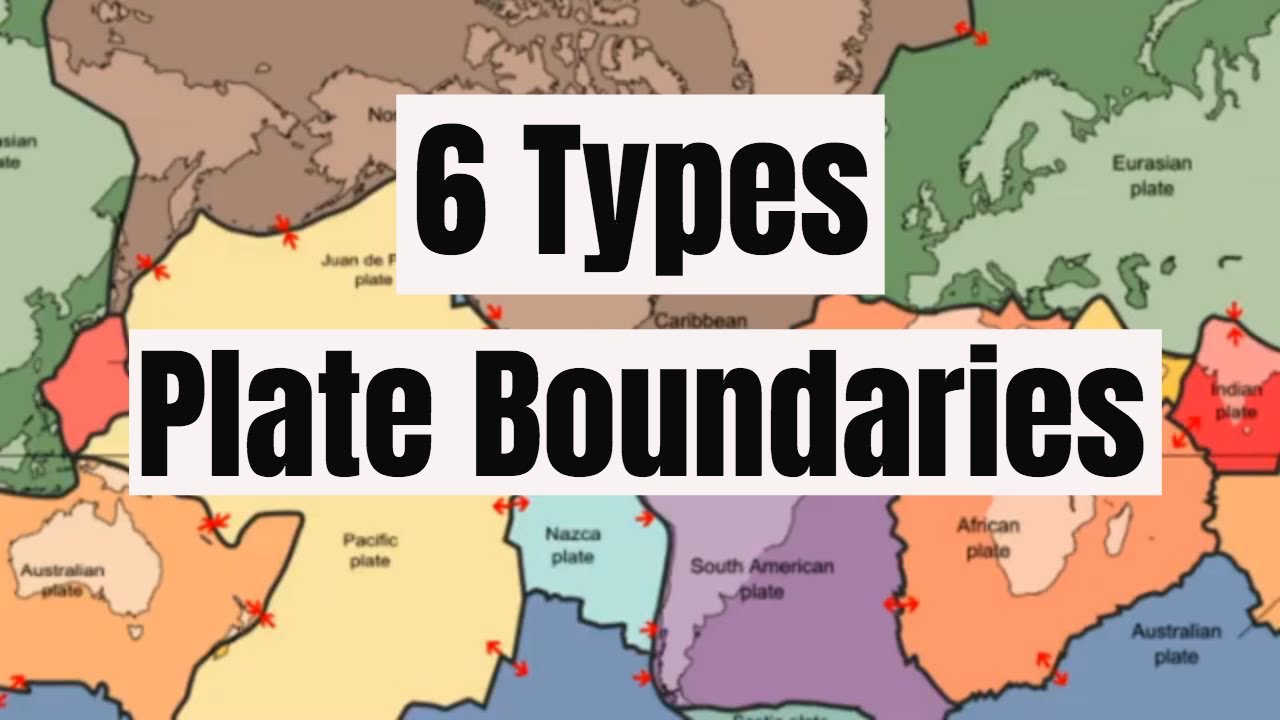
In this video, I cover 3 types of convergent boundaries.
Oceanic and Oceanic, Oceanic and Continental, Continental and Continental lithosphere
I also cover 2 types of divergent boundaries.
Divergent boundaries occur when plate boundaries move away from one another.
Oceanic and Oceanic plus Continental and Continental
Transform boundaries occur when plates move past one another.
More on Plate Boundaries
http://www.moomoomathblog.com/....2021/03/how-tectonic

Use this simple technique to find the lowest common denominator of any fractions. If you can create a factor tree you can easily find the common denominator
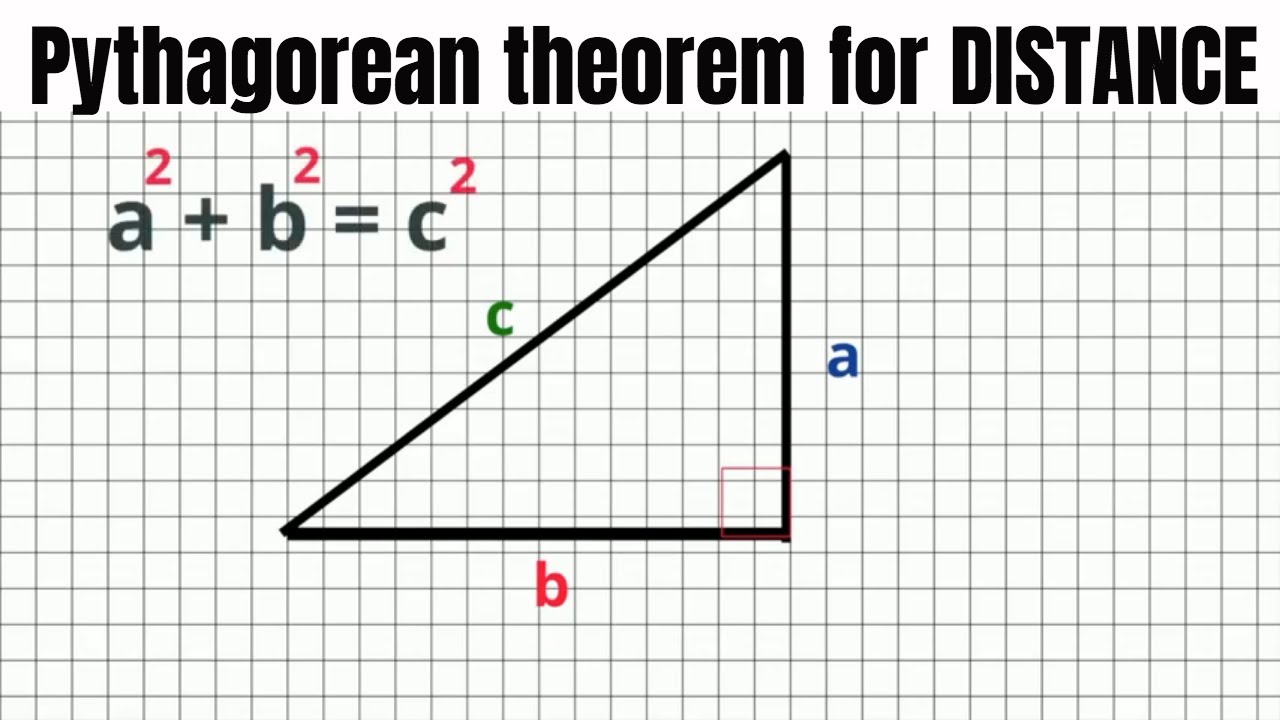
The Pythagorean theorem can be used to calculate distance if a right triangle is created.
The Pythagorean theorem states that a squared plus b squared equals c squared. This very similar to the distance formula.
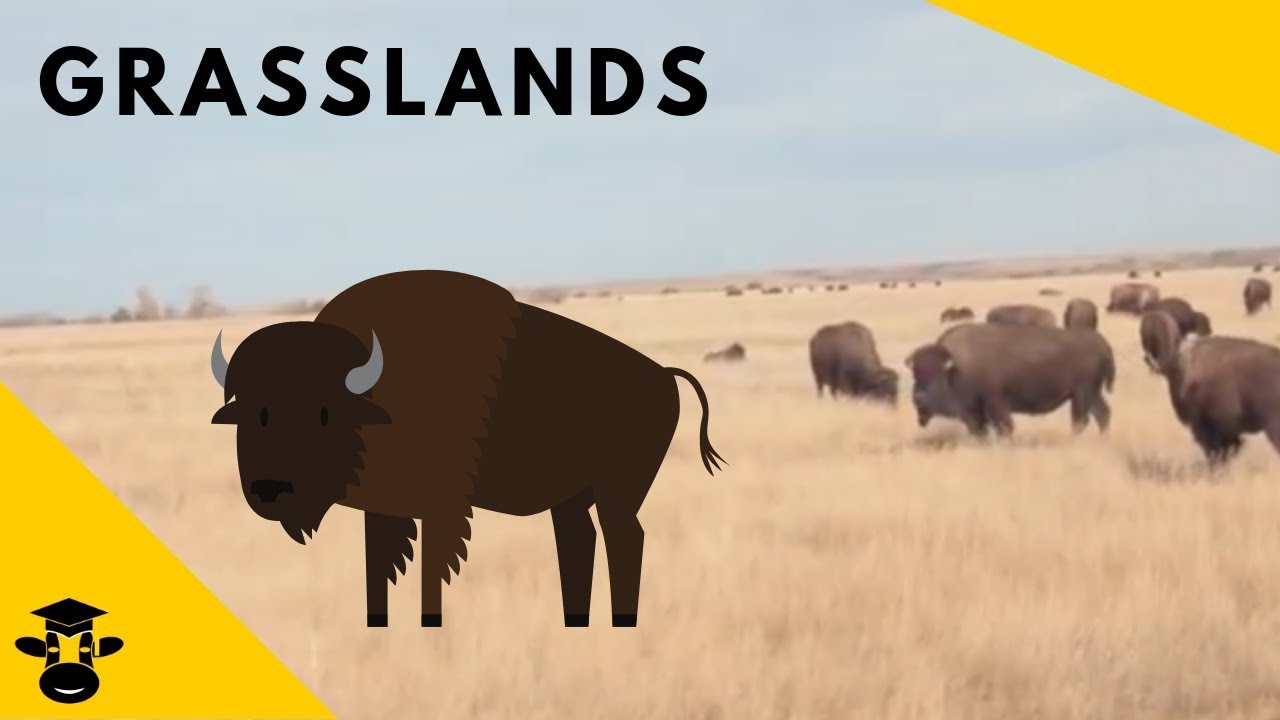
Grasslands of the world. Learn about the grassland which is found in South Africa, Europe, Russia, and North America.
This biome is known for having grass and very few trees. The grasslands have occasional droughts and fires along which can prevent large numbers of trees from growing.
MooMooMat and Science upload a new Math and Science video every day. We have over 1500 math and science videos.
You may also enjoy ....
Introduction to Biomes
https://youtu.be/cXo9YczQBo4

The atmosphere can be divided into four individuals layers separated by changes in air temperature. These layers are the troposphere, stratosphere, mesosphere, and thermosphere.
Each layer is classified according to the temperature. As you gain elevation in the troposphere the temperature drops. The temperature range is from around 15 degrees celsius to negative 45 to 50 celsius at the top
The temperature of the stratosphere actually gets warmer with elevation and ranges from minus 45 to 50 degrees celsius at the bottom to 0 degrees celsius at the top.
The mesosphere is similar to the troposphere and the temperature decreases with elevation.
The temperature ranges from 0 degrees celsius to negative 90 degrees celsius at the top.
Finally, the thermosphere gets warmer with elevation. The temperature ranges from negative 90 degrees at the bottom to over 1500 degrees celsius at the very top
As you move from the troposphere to the thermosphere the atmospheric pressure decreases.
As you go up in elevation the atmospheric pressure decreases and as you down in elevation the atmospheric pressure increases.
In 2012 Felix Baumgartner completed a freefall parachute jump from the stratosphere. During this jump, he reached speeds of over 800 miles per hour and broke the sound barrier. He was able to reach speed because the atmospheric is so thin there was very little friction to slow him down.
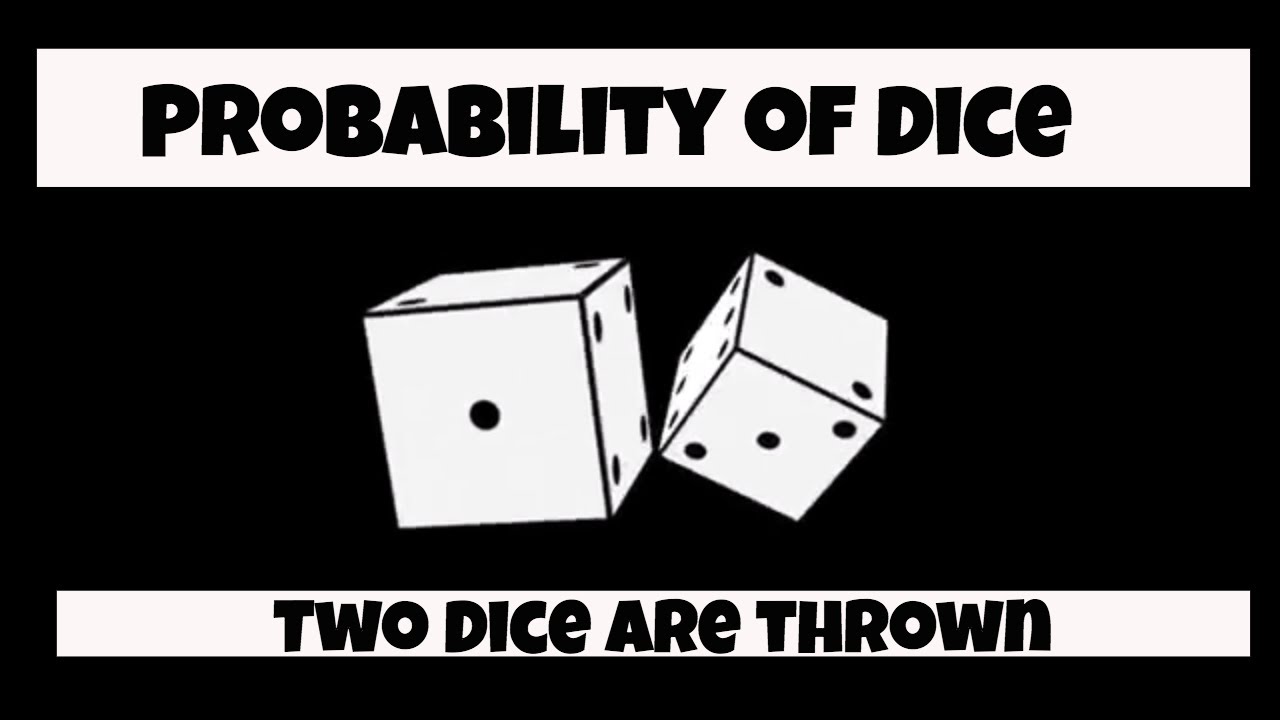
Learn about dice probability. How do you calculate the probability of rolling an 8 with a pair of dice?
You can calculate the probability of rolling a number by using the number of favorable events divided by the number of total events.

In this video I go over what an ecosystem is and I show several examples including microecosystems,meso ecosystems and biomes.
More information on Ecosystems
http://www.moomoomathblog.com/....2022/05/what-is-ecos

Learn how to calculate markups and markdowns.
Example problem: Shorts are on an end-of-the-season sale for 40% off. What is the sale price of a pair of shorts regularly priced at $ 24.99?
A retailer marks up their clothing 27% over wholesale prices. What would an item priced $23.75 cost at a retail store?
For more Math help visit our website
http://www.moomoomath.com/

Learn all about three main types of rocks.
Igneous rocks are born of fire
Sedimentary rocks can be created from weathering then erosion along with deposition then compaction and cementation. During weathering small bits of rocks are created called clasts.
Metamorphic rocks are created by heat and pressure.
0:00 Rocks Rocks Rocks
0:46 Igneous Rocks
4:22 Metamorphic Rocks
6:06 Sedimentary Rocks
Rock Cycle
http://www.moomoomathblog.com/....2020/04/rock-cycle-d
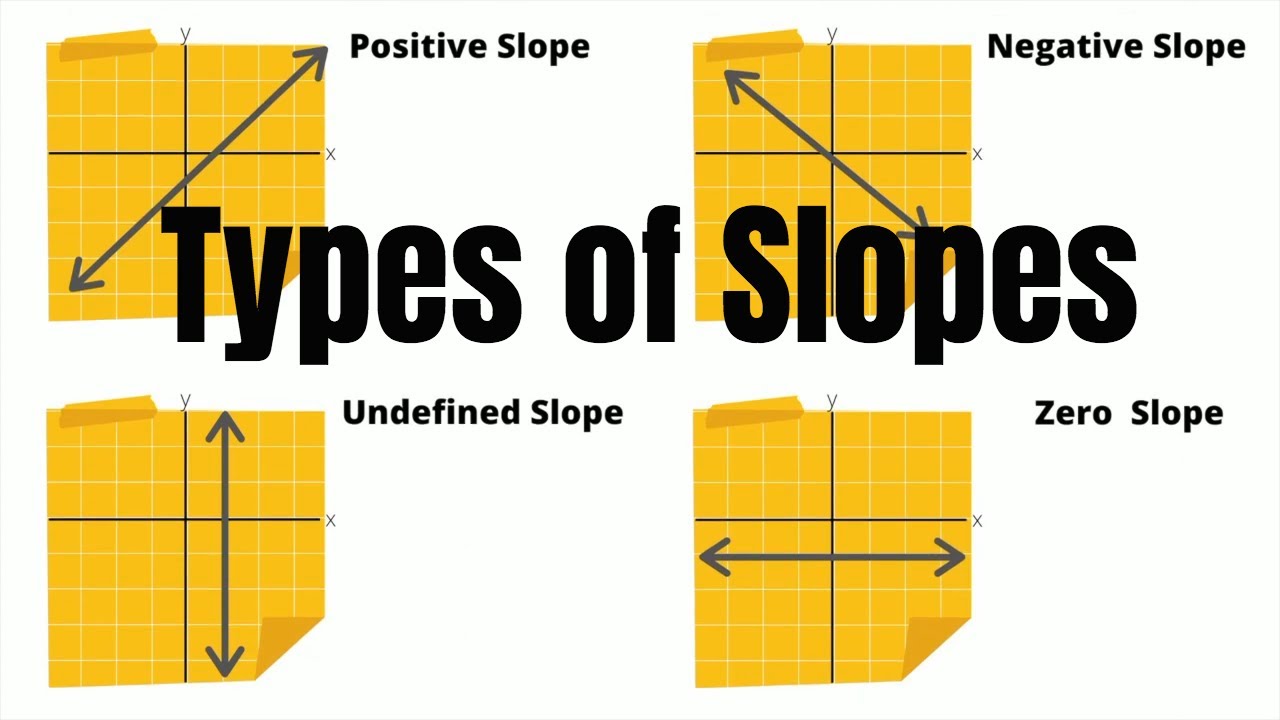
Learn all about different types of slopes. These include positive slope, negative slope, undefined, and a zero slope. The slope is defined as the rate of change or the steepness of a line and is represented by the letter m.
This video will answer a couple of questions like,
What type of slope is a vertical line?
Which line has a zero slope?
What does an undefined slope look like?
Does a positive slope go up or down?

Learn how to set up and solve word problems. Although they may seem tricky at first solving word problems can be fun.
I use these four steps to solve word problems. If you follow these steps you will have an equation set up to solve the problem.
Identify the variable
Identify the operation
Write an equation
Solve and label

Learn how to subtract fractions,
In this video, I subtract 3/4 - 5/6
Steps
Find a common denominator
Rename the fractions
Subtract
Simplify

Prime numbers 1-100
Prime numbers are only divisible by itself and 1
There are 25 prime numbers between 1-100
They include,
2,3,5,7,11,13,17,19,23.29,31,37,
41,43,47,53,59,61,67,71,73,79,
83,89,97

The earth has an abundance of water, and even appears blue from space. However, only a small percentage of the water on Earth is freshwater and much of this freshwater is either frozen or unattainable.n other words, freshwater only makes up roughly 3% of all of the water on Earth You will find the bulk of freshwater in these 4 main sources.
Surface waters ( Lakes, Rivers, Streams, Ponds, Swamps, marshes)
Glaciers and IceCaps
Groundwater ( Shallow and Deep)
Atmosphere
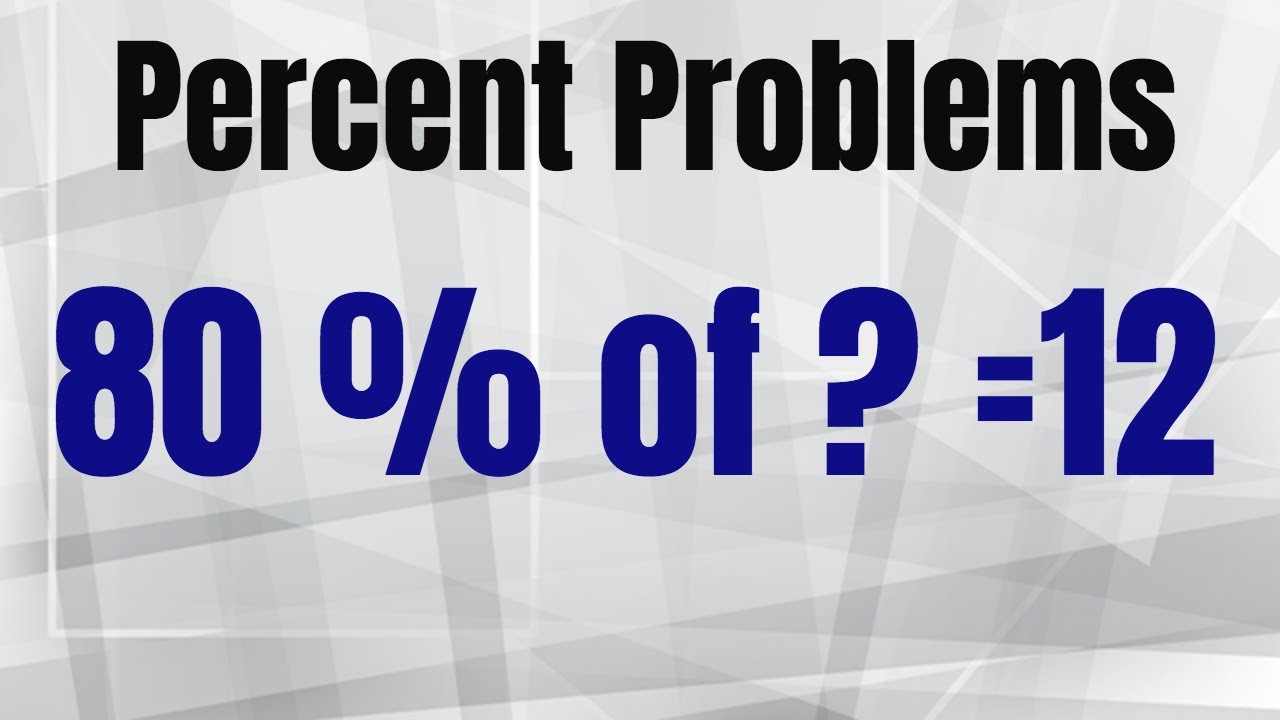
Learn how to solve percent of videos. In this video I solve,
80% of what number is 12.
In order to solve this video you can use the formula is over of equal percent over 100

Learn how to use the trip ratios to find missing side lengths. Do you remember SOHCHATOA ? This is an easy way to remember the trigonometric ratios. Sine equals opposite over hypotenuse, cosine is hypotenuse over adjacent, and Tangent equals opposite over adjacent.
Once you identify which trig ratio should be used finding the side length of the right triangle is straightforward.
For more Math help visit our website http://www.moomoomath.com/
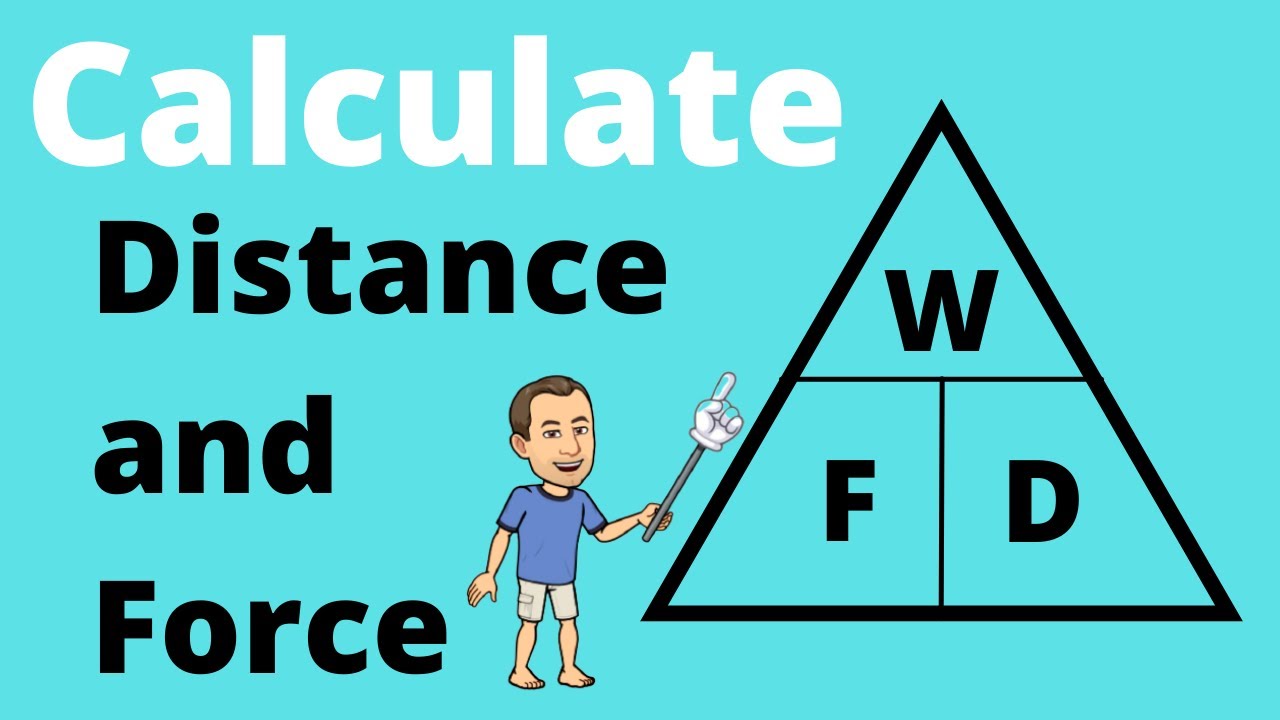
Learn how to calculate force and distance using the work formula.
You can use the work triangle in order to help you calculate either force in Newtons or distance in various units.
0:00 Introduction to the calculate work triangle
0:24 During a race a runner puts out 6000 Joules of work. If he runs a distance of 30 m, how much force did the runner put out?
01:17 John’s output of work was 16 Joules. He pushed the sled with a force of 8 Newtons. How far did he push the sled?
02:05 If it takes 500 Joules of work to move a chair 20 m, what force was needed?
03:01 What distance was your bike moved by a force of 20 N if the work was 1600 Joules?
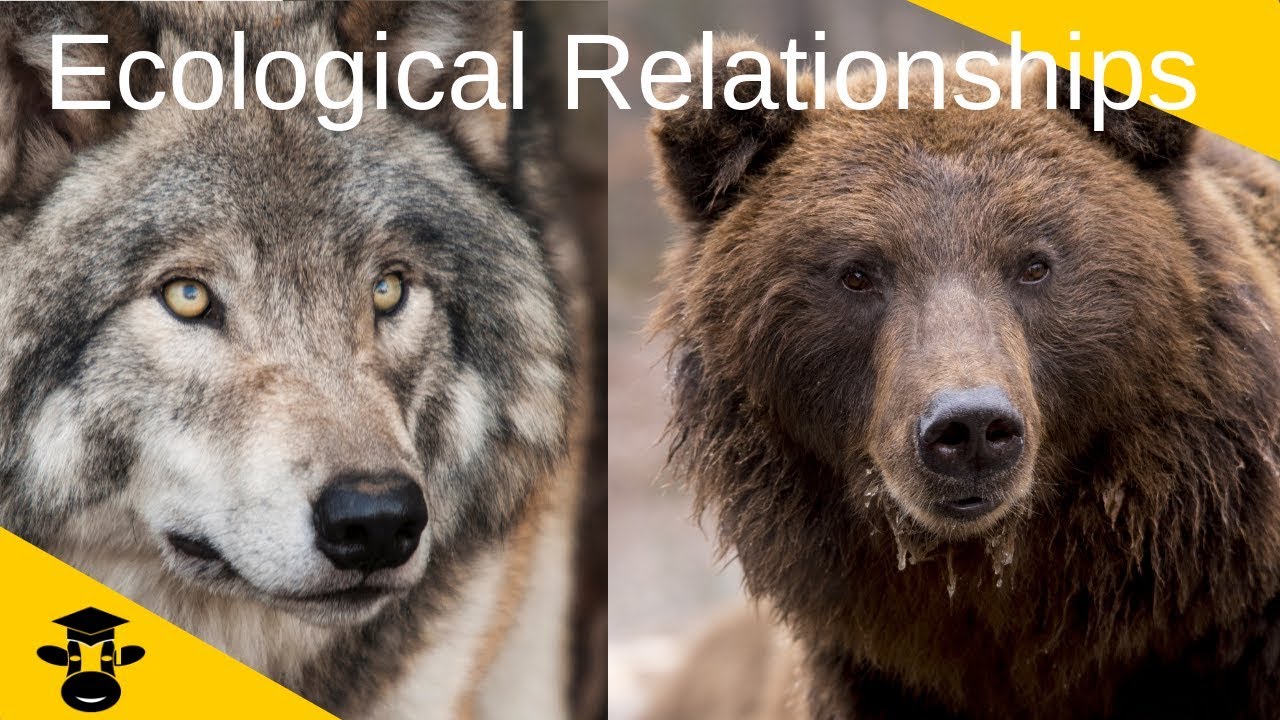
In this video, you will learn about the competition in an ecosystem, the predator and prey relationship, and symbiotic relationships.
Video Guide Ecological Relationships
0:21 Carrying capacity
0:41 Competition introduction
0:51 Intraspecific competition
0:55 Examples of intraspecific competition
1:20 Interspecific competition
1:44 Predator and prey relationships
2:18 Symbiosis
2:47 Mutualism
3:41 Commensalism
4:35 Parasitism
Symbiotic Plants
https://youtu.be/sjB1vbHUw64

Biodiversity and ecosystems.
Biodiversity is the variety of life in an area that is determined by the number of species in that area. In simple terms “ Biodiversity is the number of different individuals and life forms in an area.
As biodiversity increases so do the health of the ecosystem increases.
Think of it as if you were running a business.
You want your business to be healthy and make money. Imagine you sell shirts. If you only sold a black shirt with a heart you are limited and if these shirts go out of style you are out of business. If you have a variety of shirts as fashion changes you are better able to adapt to these changes and continue to make money.
As biodiversity increases the ecosystem has a greater ability to adapt to changes.
and a healthy ecosystem has a greater chance of recovering from disasters.
Biodiversity can be broken down into three types
Genetic diversity
Species diversity
Ecosystem diversity
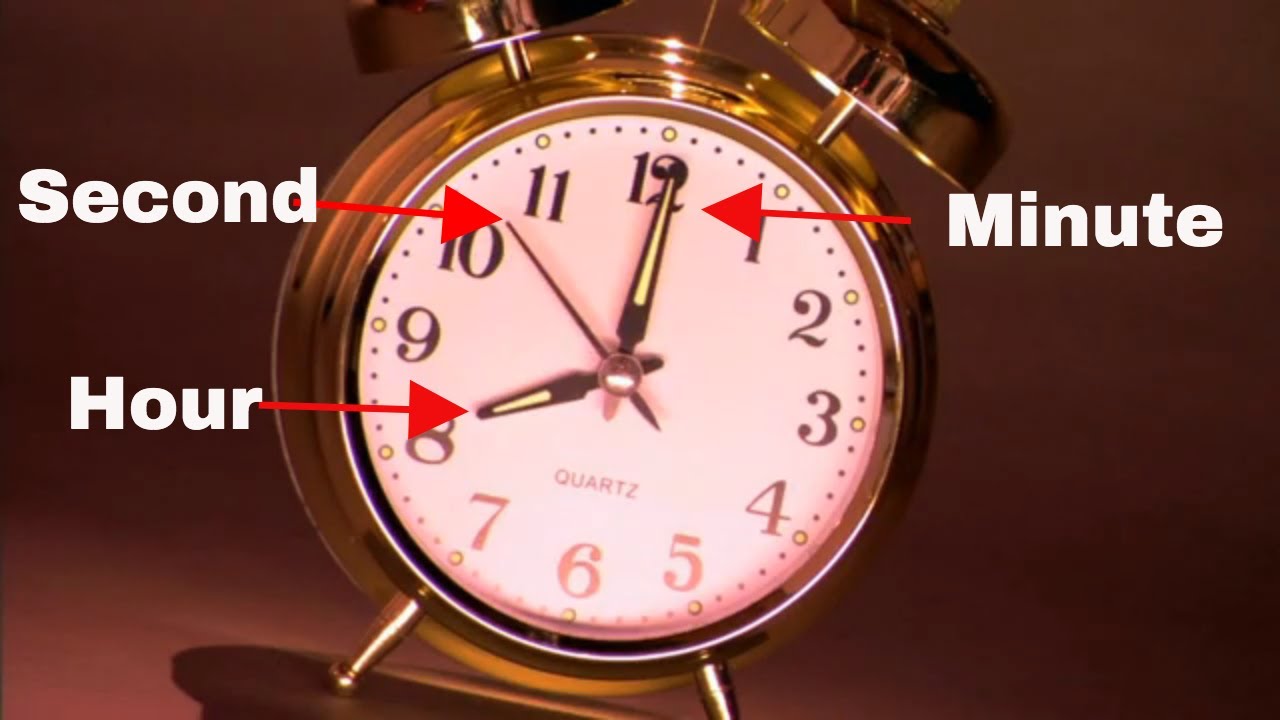
Learn to tell time on a clock that has three hands. The hands represent the hour, minute, and seconds.
There are 24 hours in a day
60 minutes in an hour
60 seconds in a minute
Use these 5 steps in order to make reading time easy
Step 1 start at the small hand look where the hour hand is pointing and write this number down.
Step 2 Draw two dots
Step 3 Read the large hand
Step 4 Draw two dots
Step 5 Read the skinny hand the seconds