नवीनतम वीडियो
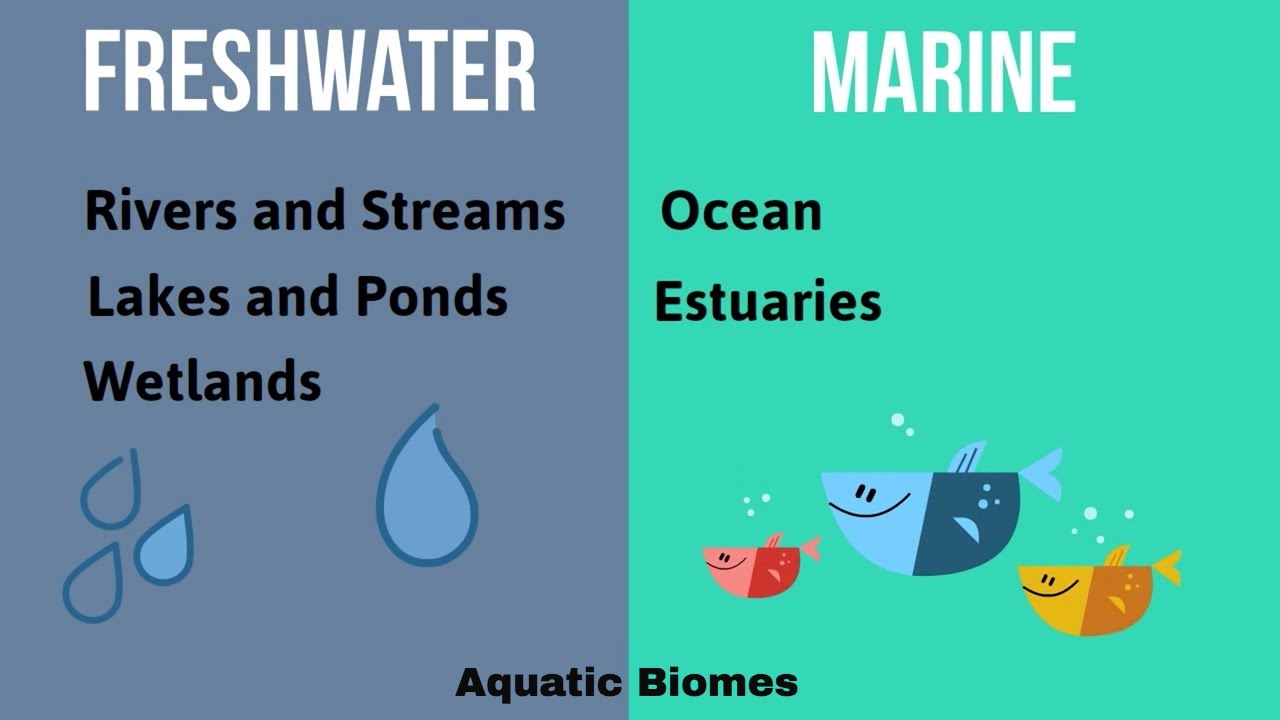
Aquatic Biomes can be divided into two major categories.
Freshwater which includes rivers, streams, lakes, ponds, and wetlands.
Marine which includes the ocean and estuaries.
You may enjoy ....
An Introduction to Biomes
http://www.moomoomathblog.com/....2023/05/an-introduct
more on Aquatic Biomes
https://moomoomath.com/aquatic-biomes/
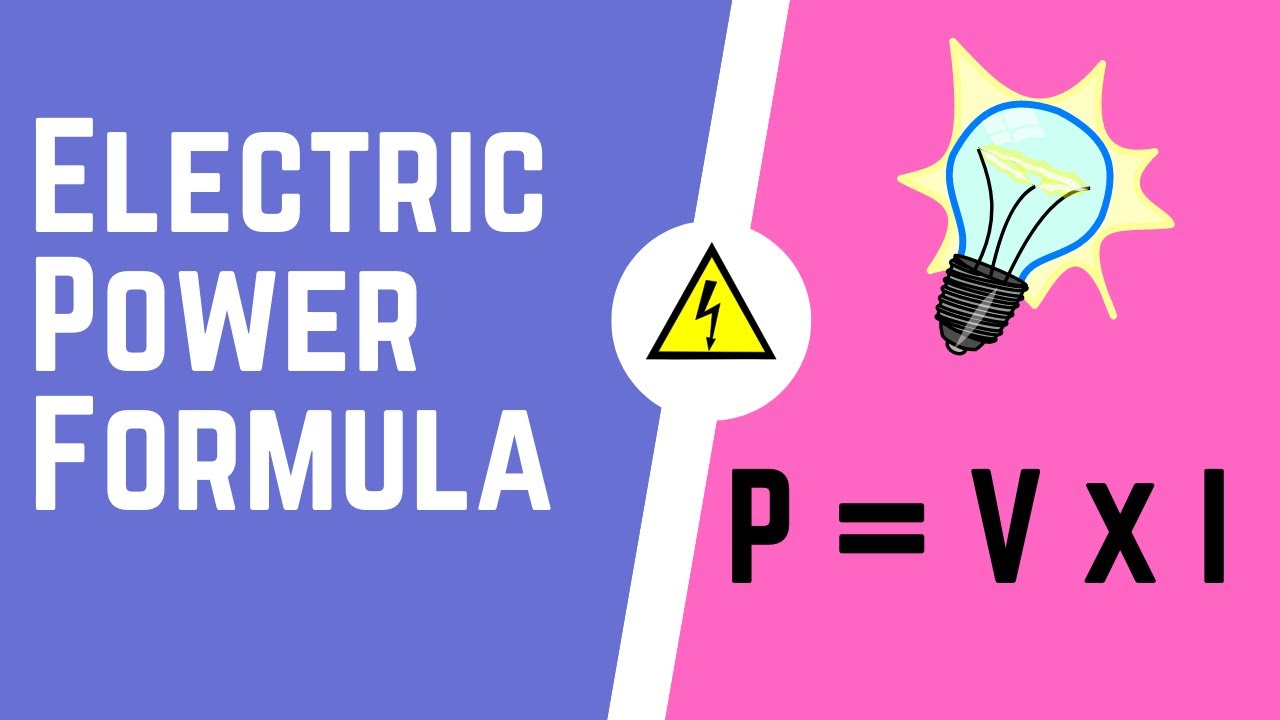
In this video, I explain electric power in simple terms including watts, voltage, ampere, and coulombs.
Electric power is expressed with the letter P and equals voltage times Current and is written as
P = V x I
Voltage is measured in volts
Current is measured in amperes
A Coulomb is a measure of charge and it takes 6.24 x 10 18 electrons to equal a Coulomb
More information on Electric Power
http://www.moomoomathblog.com/....2022/03/electric-pow

Learn how to find mean, median, mode, and range with a frequency table. A frequency table organizes data so finding the range is easy. For the range just subtract the smallest from the largest number.
The mode is the number that appears most often.
The median is the number in the middle and the mean is the average.
I show you how to find each of these statistics easily from a frequency table.
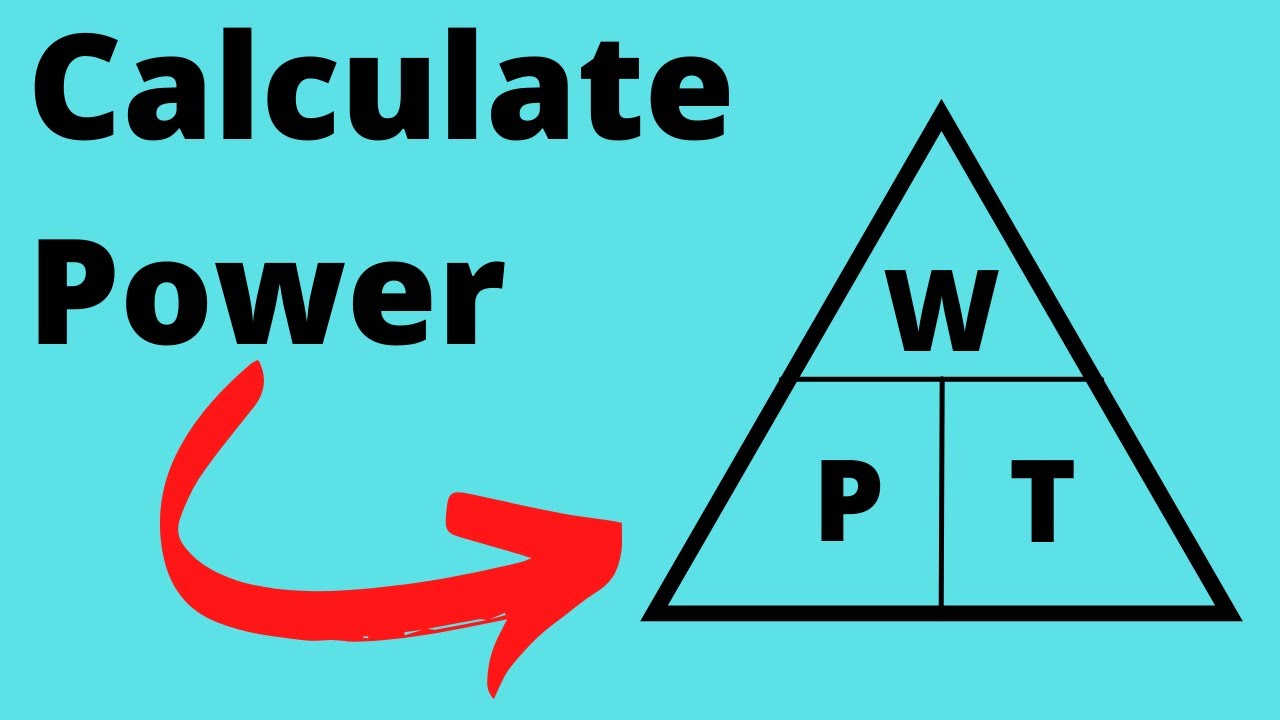
Learn how to calculate power using the formula for power which is work divided by time.
0:00 Introduction to the power formula.
00:36 Power problem 1 1224 joules of work are applied to the bike pedal while riding a bike up a hill for 18 seconds. How much power is produced?
01:30 Power problem 2 John applied 500 joules of work for 25 seconds when pushing the sled. How much power was produced?
02:20 Calculate time using the power formula How much time is needed to produce 1440 joules of work if 180 watts of is applied to the bike pedal?
03:51 calculate work using the power formula What amount of work is generated when 25 watts of power is applied to the machine for 200 seconds?
You may enjoy.. What is Power?
https://youtu.be/m7oJQsmglrE

The Phanerozoic Eon is part of the geologic timescale.
This Eon consists of three major eras.
The Paleozoic era, the Mesozoic era, and the Cenozoic era.
The Paleozoic era is also called the "ancient life".
Life echinoderms, trilobites, and jawless fish roamed the ocean along with sharks.
Tetrapods crawled out of the ocean and started living on land.
Insects began to spread along with reptiles and amphibians.
The supercontinent Rodinia broke apart and then drifted back together creating Pangea.
The Mesozoic era is called the "age of reptiles".
Dinosaurs prospered during this era.
The Cenozoic era can be called the "age of flowering plants" or the age of the insects."
Mammals, flowering plants, and insects all prospered during this era.
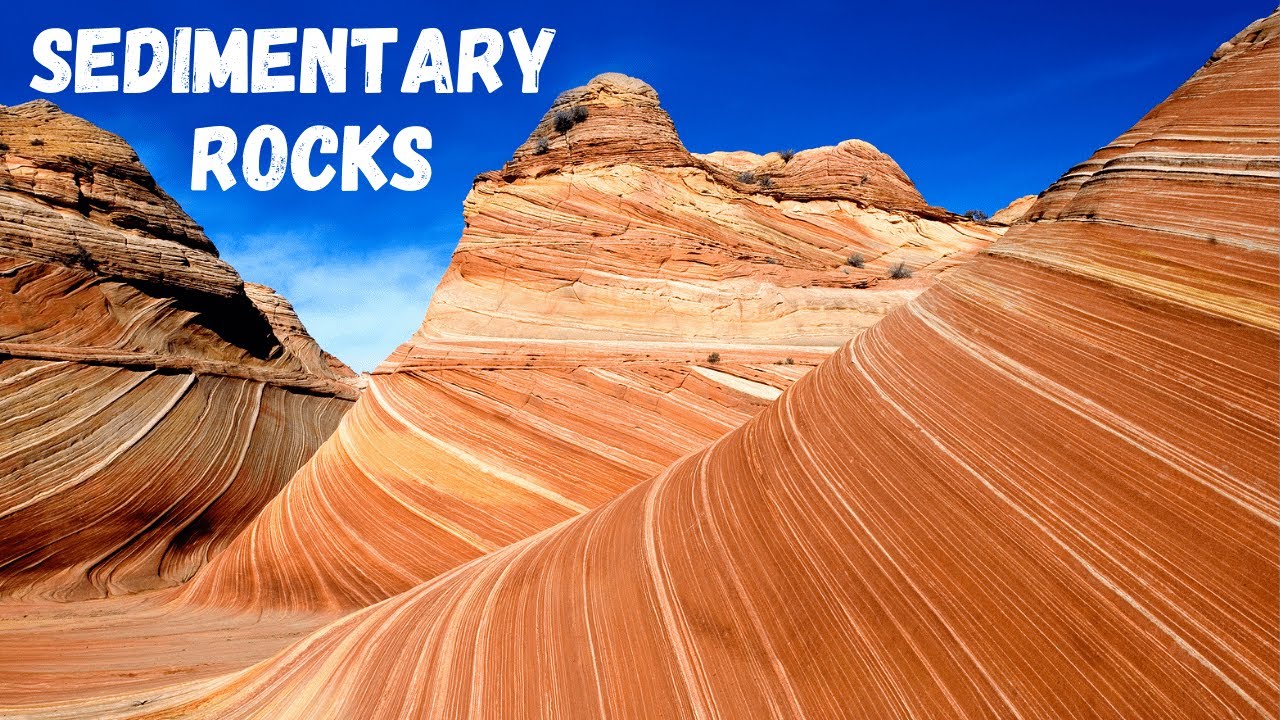
Learn all about three types of sedimentary rocks. I cover clastic sedimentary rocks,chemical, and organic sedimentary rocks.
Clastic sedimentary rocks form when layers of sediment become compressed over time.
Chemical sedimentary rocks are created when saturated water precipitates.
Organic sedimentary rocks are created from organic material. Coal is an example of organic sedimentary rocks
Rock Cycle
http://www.moomoomathblog.com/....2020/04/rock-cycle-d
Rock vs Minerals
https://youtu.be/K4njYczM0qE
Sedimentary Rocks
https://moomoomath.com/three-t....ypes-of-sedimentary-

Why do animals like insects, fish, zebras, and even Zooplankton migrate?
Animal migration is the periodic journey of an animal from one place to another and then back again. There are many examples of animals that migrate. Geese are one example. Geese migrate in search of favorable weather, a place to breed, and a food supply. In just 24 hours, these birds can travel 2,214 kilometers from Canada to the southern U.S. or vice versa.
For more information on Migration
http://www.moomoomathblog.com/....2021/03/animal-migra
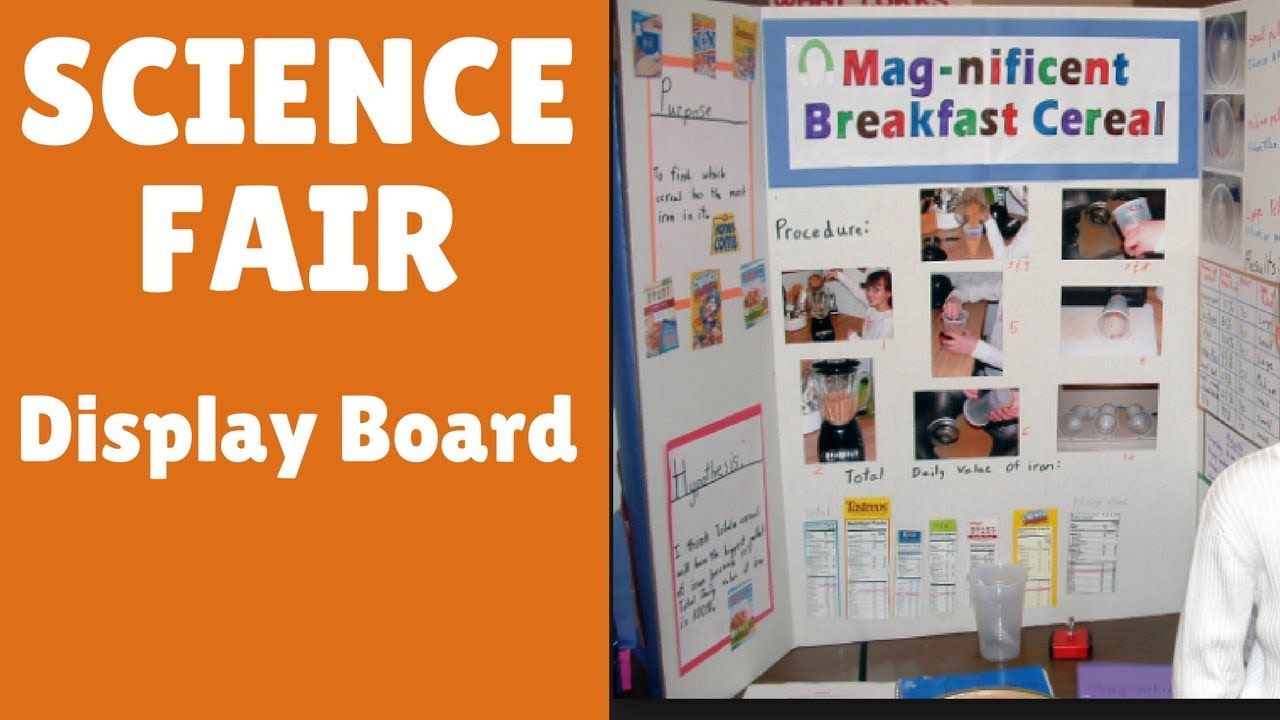
Setting up a science fair display
The link below is a great resource for science fair guidelines.
http://www.ccsdscience.com/upl....oads/5/8/1/2/5812079
https://www.phsd144.net/cms/li....b3/IL01001725/Centri
What should you include?
Title
Question and background information
Tell the reader the question you are asking or the problem you will try to solve. This may also include any background information about why you are interested in this topic.
PURPOSE
Your purpose should explain what you hope to achieve.
Your Interest in the topic and why you would like to learn more about the topic and how Information gained from this experiment will benefit others
HYPOTHESIS The hypothesis is your educated guess about the
outcome of your investigation.
There are several ways to write your hypothesis. I feel the most consistent way is to use an if-then statement
For example, if the person runs every day, then their heart rate will drop by 10 beats per minute.
Materials and Methods
This is a list of the materials used in the experiment and the step you followed to complete the experiment
Results
present in results using tables and graphs and explain in words, do not use raw data, also discuss problems or errors that may have happened
Conclusions
During the conclusion, you will either accept or reject your hypothesis and summarize your results.
Be sure to include photos, illustrations, graphs, and charts.
Your log book should be displayed in front of your project.
It should include notes on readings, bibliographic information,
thoughts, ideas, and trials.
Any raw data (all of the measurements you collect
during your experimental trials).
Staple in copies of graphs or charts.
Attach photos and label them.
Be sure to date each entry and enter each science activity you do.
Science Variables
http://www.moomoomathblog.com/....2019/02/learn-scienc
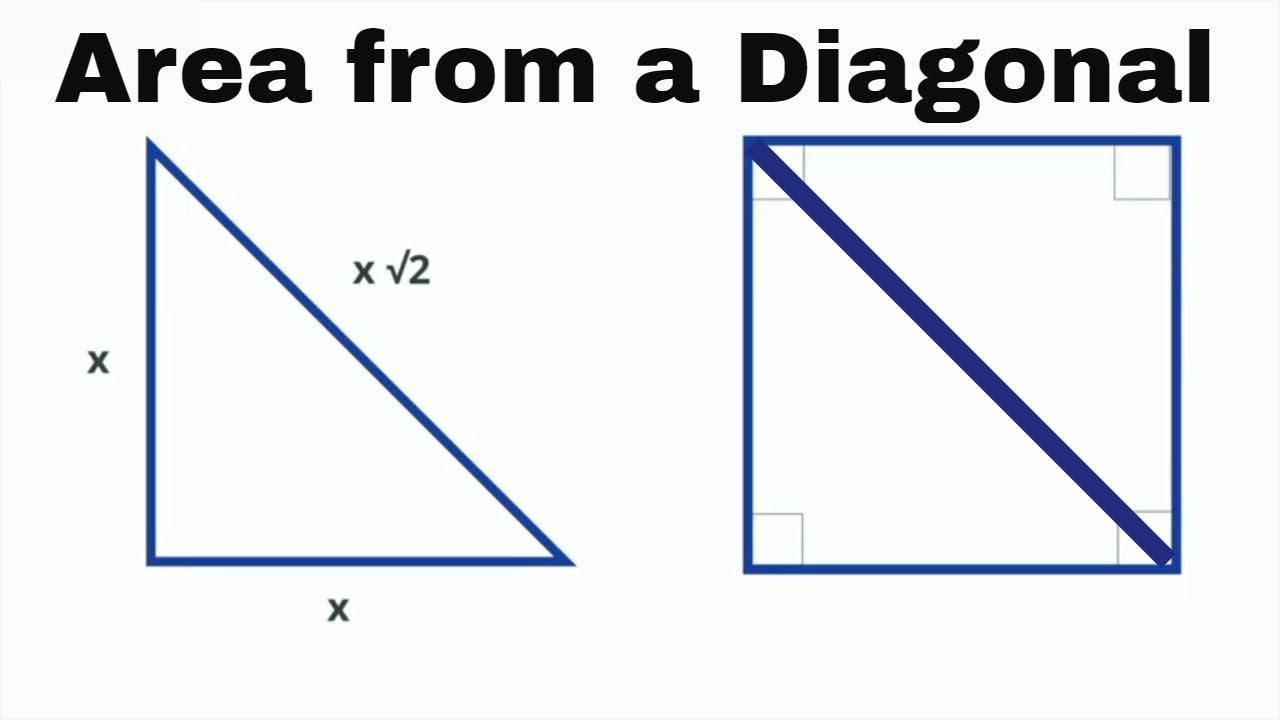
Learn how to find the area of a square using the diagonal which creates a 45 45 90 triangle. The special rules of a 45 45 90 triangle can be used to find the side length.

Digestion begins in the oral cavity which we normally call the mouth. The mouth is responsible for mechanical and chemical digestion and prepares the food for digestion. I explain the role of the mouth in digesting food. The mouth has a very important function in digesting food..
The mouth has 32 teeth that help with mechanical digestion and amylase that helps with chemical digestion.

Learn how to read a dichotomous key which is used in classification in order to help identify objects.
In this example, I classify 3 monsters. The first thing to remember is to always start at 1A with each new object that you are classifying. Because each question has two parts you should always start at the A question and then the question will tell you where to go next.
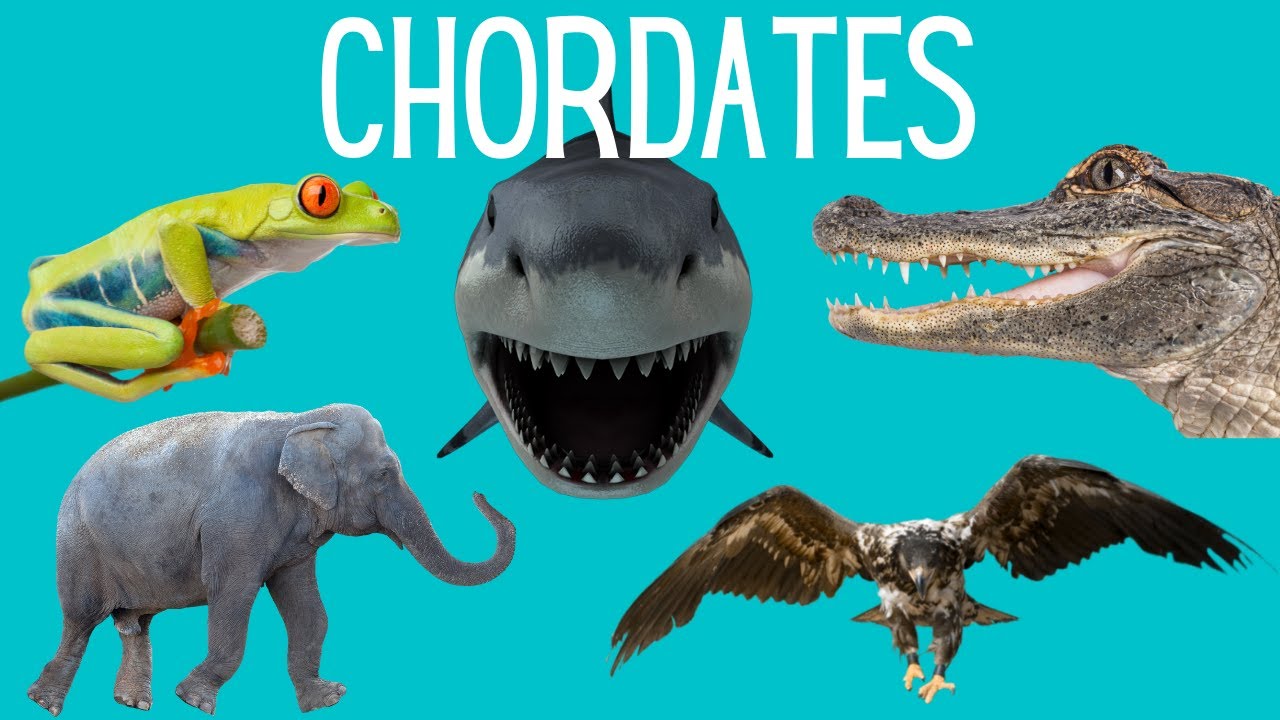
Chordates are often divided into 5 main groups. These groups are, fish,amphibians,reptiles,birds, and mammals. Each group of chordates have their own unique set of traits and characteristics.
More on Mammals
https://moomoomath.com/characteristics-of-mammals/
You may also enjoy Reptiles
https://moomoomath.com/what-ar....e-the-characteristic

If you live in the united states,canada, or Australia, you use a 12 hour system for telling time.
If you look at this clock it is 7 oclock. However is this 7 oclock in the morning or 7 oclock at night. This is where am and pm help
.The 12-hour system divides the 24 hours of a day into two periods lasting 12 hours each. The first 12-hour period is designated as am. It runs from midnight to noon. The second period, marked pm, covers the 12 hours from noon to midnight.
AM comes from the latin phrase ante meridiem, which translates to, before midday)
and p.m. from the Latin phrase post meridiem which translates to, past midday
There are 24 hours in a day, this requires the hour hand to pass the 12 twice.
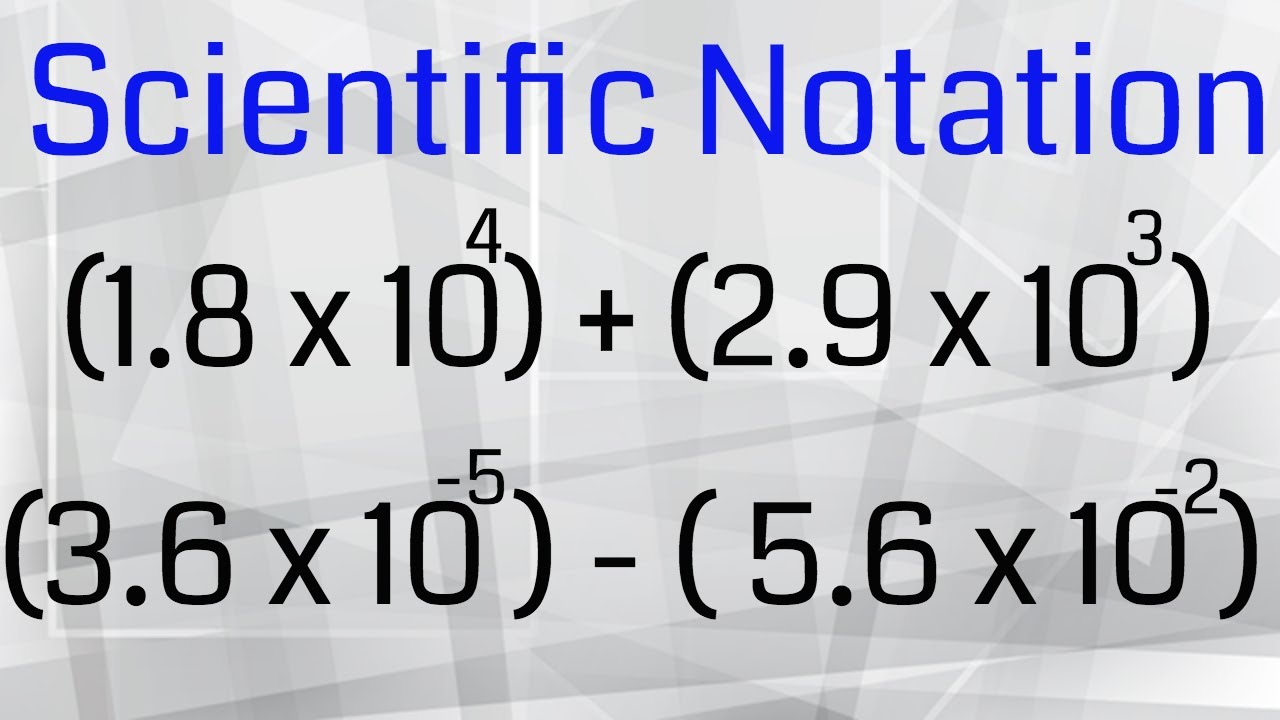
Learn how to add and subtract using scientific notation

Learn about the first four planets called the terrestrial planets and the gas giant planets called the Jovian planets.
The terrestrial planets include Mercury, Venus, Earth, and Mars.
These planets are small, rocky, and close together.
The Jovian planets in Jupiter, Saturn, Uranus, and Neptune.

Steps of cellular respiration
All organisms use respiration in order to produce energy.
In this video I review the basics of cellular respiration.
Welcome to MooMooMath
All living organisms practice cellular respiration.
This includes bacteria,fungi,plants, and animals
Why is cellular respiration important?
Because living organisms generate energy with cellular respiration
In plants and animals cellular respiration takes place at the mitochondria.
Think of the mitochondria as the power plant of the cell because the energy of the cell is generated at the mitochondria
Just like these powerplants and turbines generate power for their city.
Cells that need more energy have more mitochondria like muscles
At the mitochondria sugar combines with oxygen to produce carbon dioxide plus water and energy in the energy in the form of atp
Thanks for watching
MooMooMath uploads a new video everyday
-~-~~-~~~-~~-~-
Please watch: "Study Skills Teacher's Secret Guide to your Best Grades"
https://www.youtube.com/watch?v=f3bsg8gaSbw
-~-~~-~~~-~~-~-
*
*
For more Life Science videos and summaries see,
http://www.moomoomath.com/Midd....le-School-Science-an

Limiting Factors in an ecosystemAny biotic or abiotic factor that restricts the number or production of organisms is a limiting factor.
Take this ecosystem found in the fishbowl
The limiting factors would be the size of the bowl, amount of water, will limit the number of fish that can survive in the fishbowl
Limiting factors can be dependent limiting factors and independent factors
Dependent limiting factors depend on the number of organisms
For example, the amount of food available for each organism depends on the number of organisms
An independent limiting factors does not depend on the number of organisms.
For example, the amount of rainfall does not depend on the number of organisms
You also have
Density-Dependent Factors
A limiting factor that depends on population size is called a density-dependent limiting factor.
Density-dependent limiting factors include:
• competition
• predation
• parasitism
• disease
Here is a list of abiotic limiting factors
Sunlight
Climate
Temperature
Water
Space
Soil chemistry
Fire
Natural disasters
Biotic factors limiting factors
Number of plants
Number animals
Amount of competition
Number of decomposers
parasites
Disease causing agents
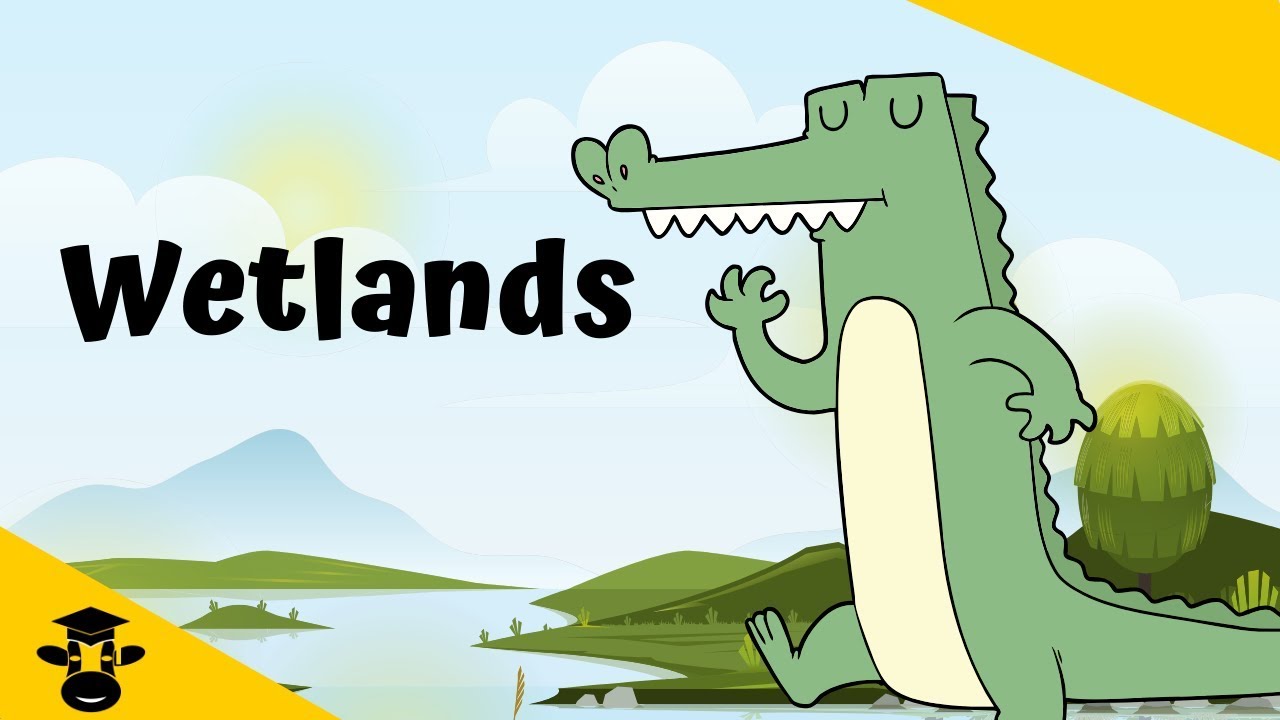
Wetlands are ecosystems found on Earth that are covered with water for most of the year.
In this video, I cover the difference between a swamp which has trees and a marsh that mainly has grass and reeds.
I also cover a bog that receives on rain or snow and fen that has a water source feeding it.

Compare and contrast tornados, hurricanes, and thunderstorms Each of these extreme weather events can cause great damage and are very powerful but they each form in a unique way.
0:00 Introduction to Extreme Weather
0:10 How do tornadoes form?
01:43 How do hurricanes form?
03:09 How do thunderstorms form?

Symbiosis or Symbiotic Relationships are interactions between different species. In this video, Let's take a look at three types of symbiotic relationships.
Mutualism in which both win.
Commensalism in which one organism wins and the other is neutral.
Parasitism in which one wins and the other is harmed.
You may enjoy.....
Updated Video to correct mistakes
https://youtu.be/uO_MXis2uRk
Best symbiosis videos found on YouTube
http://www.moomoomathblog.com/....2019/02/best-symbios
Picture of the fly with mites
https://commons.wikimedia.org/....wiki/File:Fly_June_2
Sea lamprey
https://commons.wikimedia.org/....wiki/File:Boca_de_la
Lamprey on fish
https://commons.wikimedia.org/....wiki/File:Sea_Lampre
Symbiotic Plants
https://youtu.be/sjB1vbHUw64
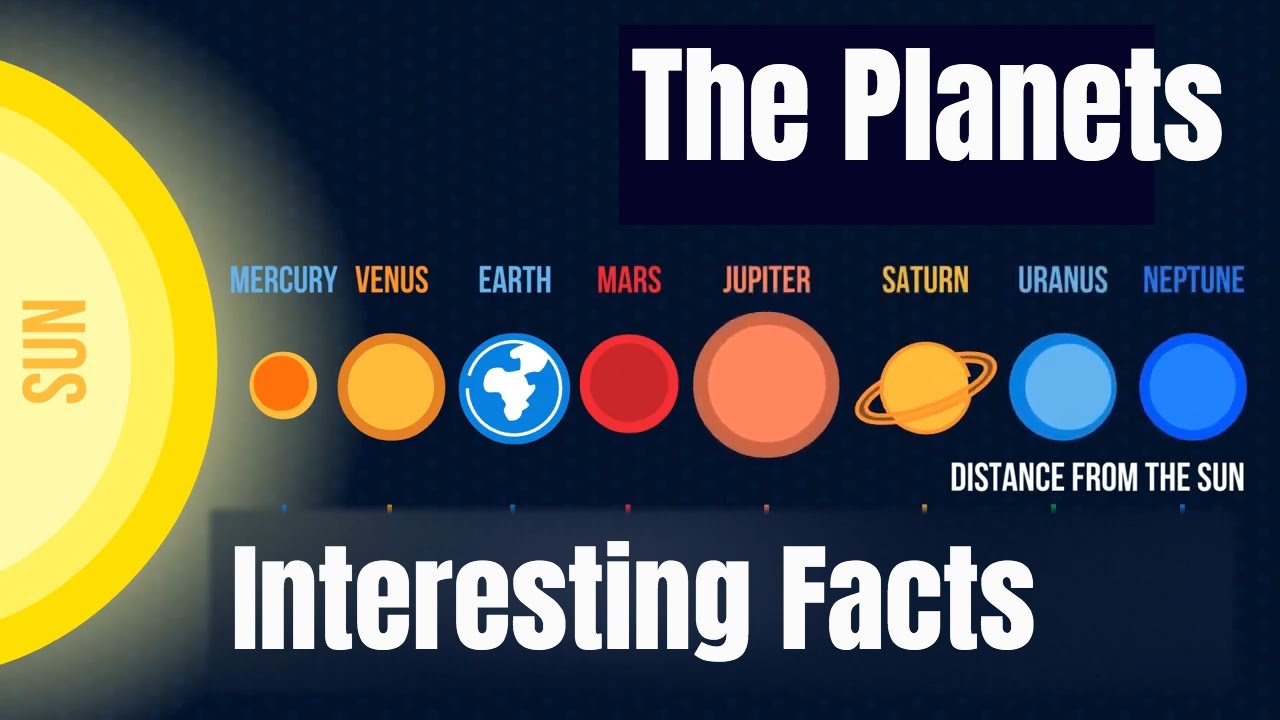
Learn the planets in order along with some interesting planet facts.
The planets in order are,
Mercury, Venus, Earth, Mars, Jupiter, Saturn, Uranus, Neptune
** Please note Uranus has the coldest recorded temperature and Neptune has the coldest average temperature.***
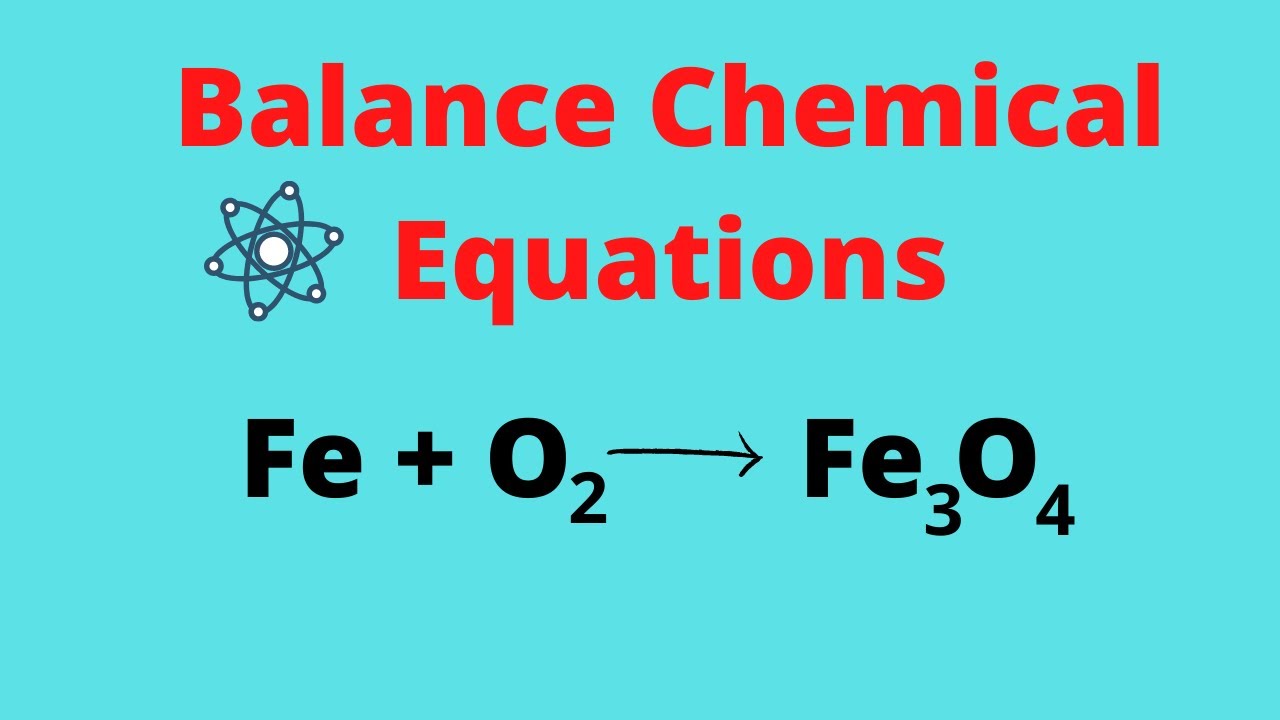
Learn how to balance chemical equations.
Follow these steps when balancing a chemical equation
Draw a line vertical at the arrow
Count the number of atoms on each side of the vertical line.
Start with the metals and balance the metals.
Next work with the nonmetals and then move on to hydrogen and other elements.
Remember you cannot change the subscript, only the coefficient.
For more Math help visit our website
http://www.moomoomathblog.com/....2021/11/how-to-balan
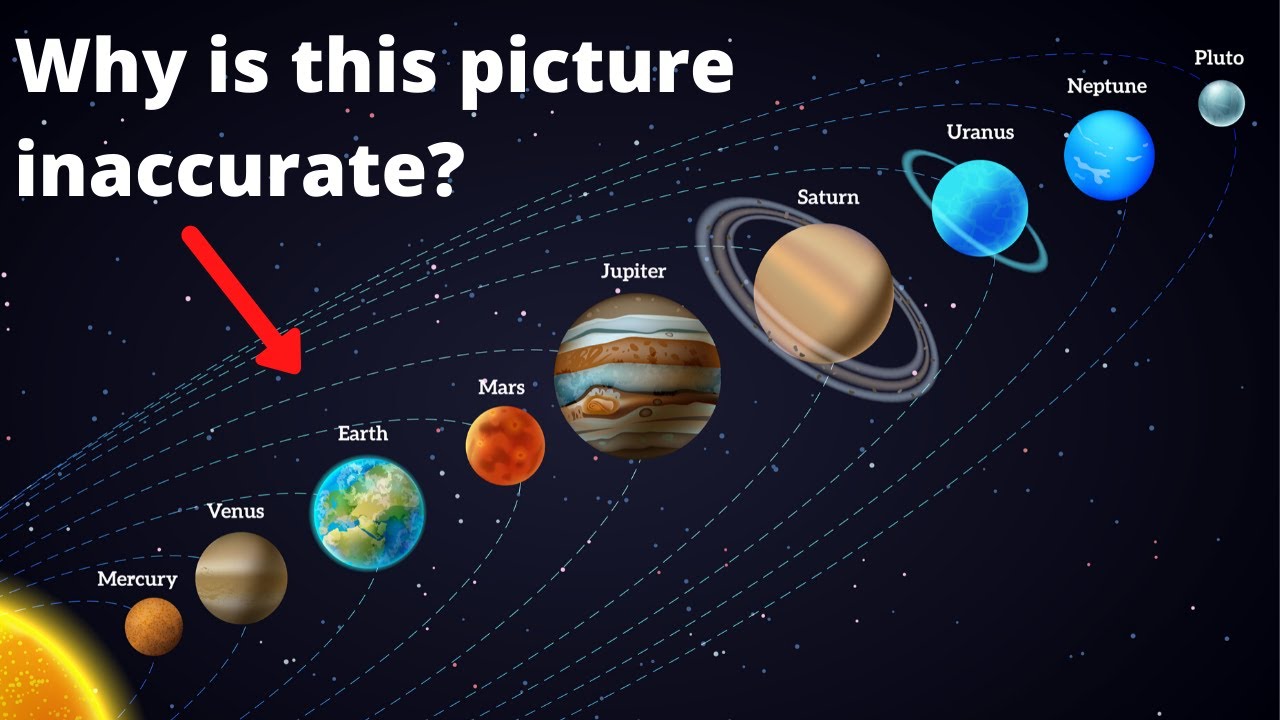
If you make a model of the distance of the planets on a large field you get an impression of how far away the planets and closest stars really are. In this model, 1 foot represented 15,500,000 miles.
The Earth is only 6 feet away but Pluto ends up being 236 feet away.
The closest star Alpha Centauri ends up being 305 miles away, Imagine that, 305 miles away on this scale when Neptune is less than 100 yards away from the sun. It is hard to imagine these kinds of distances.

Learn how to find the area of a circle.The area of a circle uses the formula is pi times radius squared.

Types of Biodiversity
Biodiversity is the variety of life in an area which is determined which is determined by the number of species in that area.
the totality of genes, species, and ecosystems of a region
As biodiversity increases so do the health of the ecosystem increases.
Think of it as if you were running a business.
You want your business to be healthy and make money. Imagine you sell shirts. If you only sold a black shirt with a heart you are limited and if white shirts go out of style you are out of business. If you have a variety of shirts as fashion changes you are better able to adapt to these changes and continue to make money.
As biodiversity increases the ecosystem has a greater ability to adapt to changes.
Biodiversity is broken down into three types
Genetic diversity
Species diversity
Ecosystem diversity