最新の動画
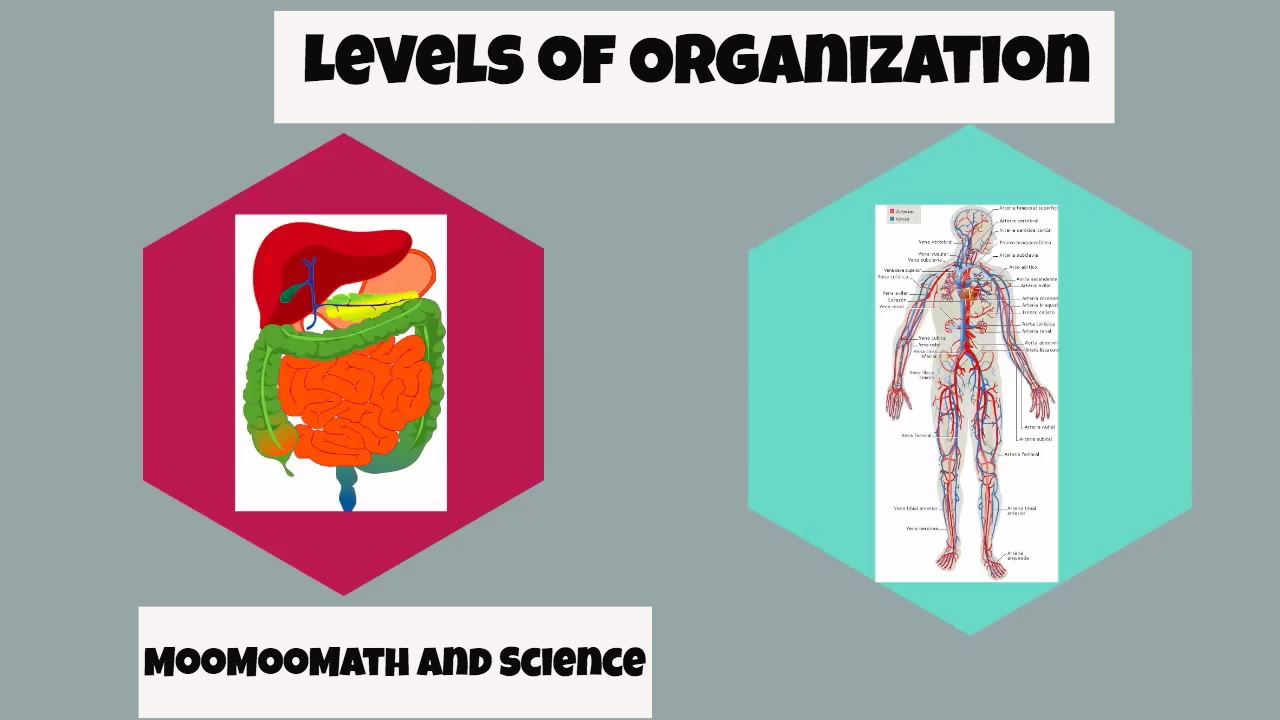
Levels organization in Biology
Life can be classified from simple to more complex. The levels of organization can be summarized as,atom,molecule,macromolecule,cell,organ,tissue,organ,organsystem,organism,population,community,ecosystem,biosphere.
*
*
For more Life Science videos and summaries see,
http://www.moomoomath.com/Midd....le-School-Science-an
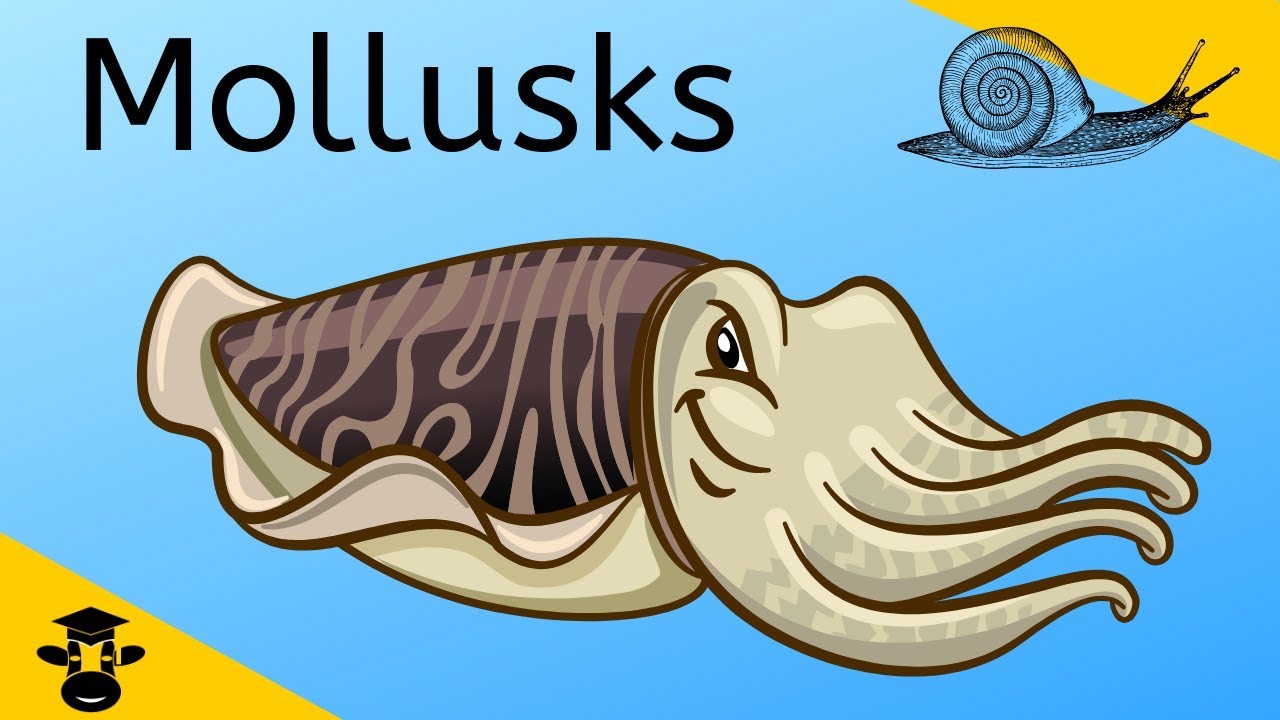
Kingdom Mollusca Learn about snails, slugs, squid, and cuttlefish and several other invertebrates found in the phylum Mollusca. Animals in this phylum have soft bodies, many have a shell, a mantle, and a nervous system.
Some common members include snails, slugs, scallops, oysters, octopus, squid, nautilus, and cuttlefish.
Credit for the cuttlefish video:Title: Red cuttle hunting.webm
Author: John Turnbull
Date: 19 July 2014
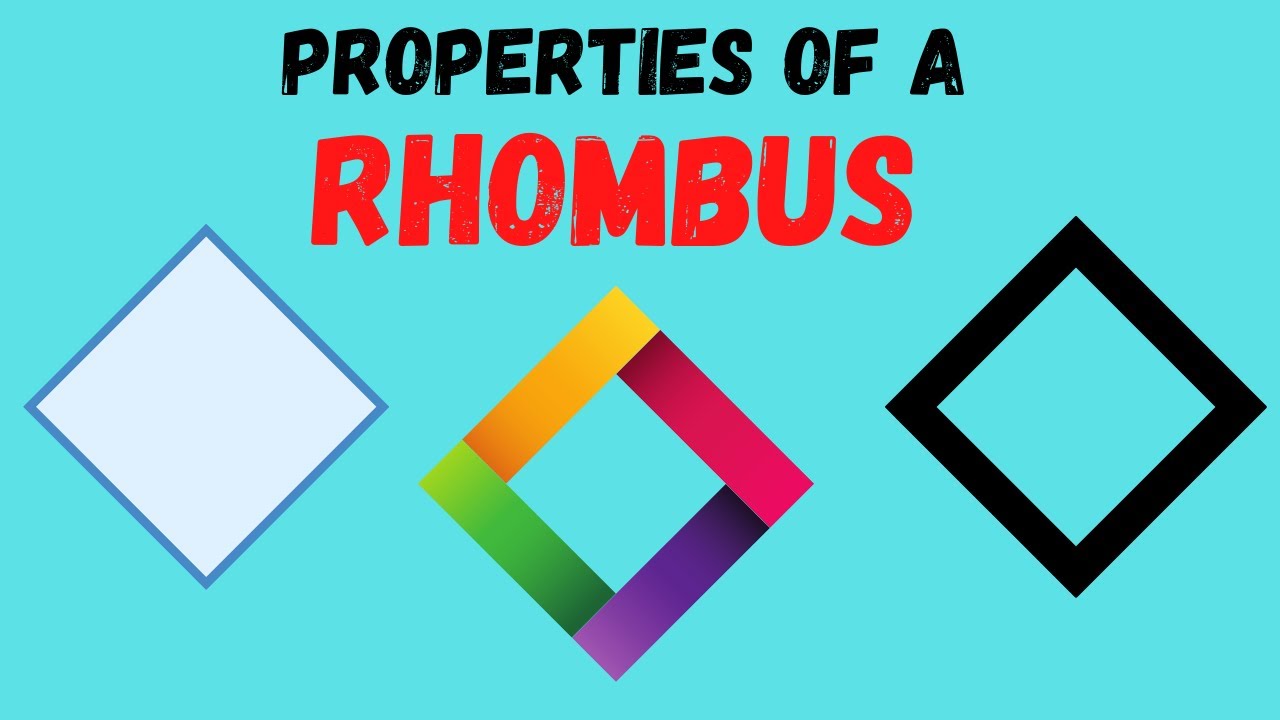
A Rhombus is a quadrilateral with congruent sides and opposite angles that are congruent.
In the video, I cover the number of sides of a rhombus, the angles of a rhombus.
In addition, I cover how to find the area of a Rhombus and the perimeter.
Transcript Here
http://www.moomoomathblog.com/
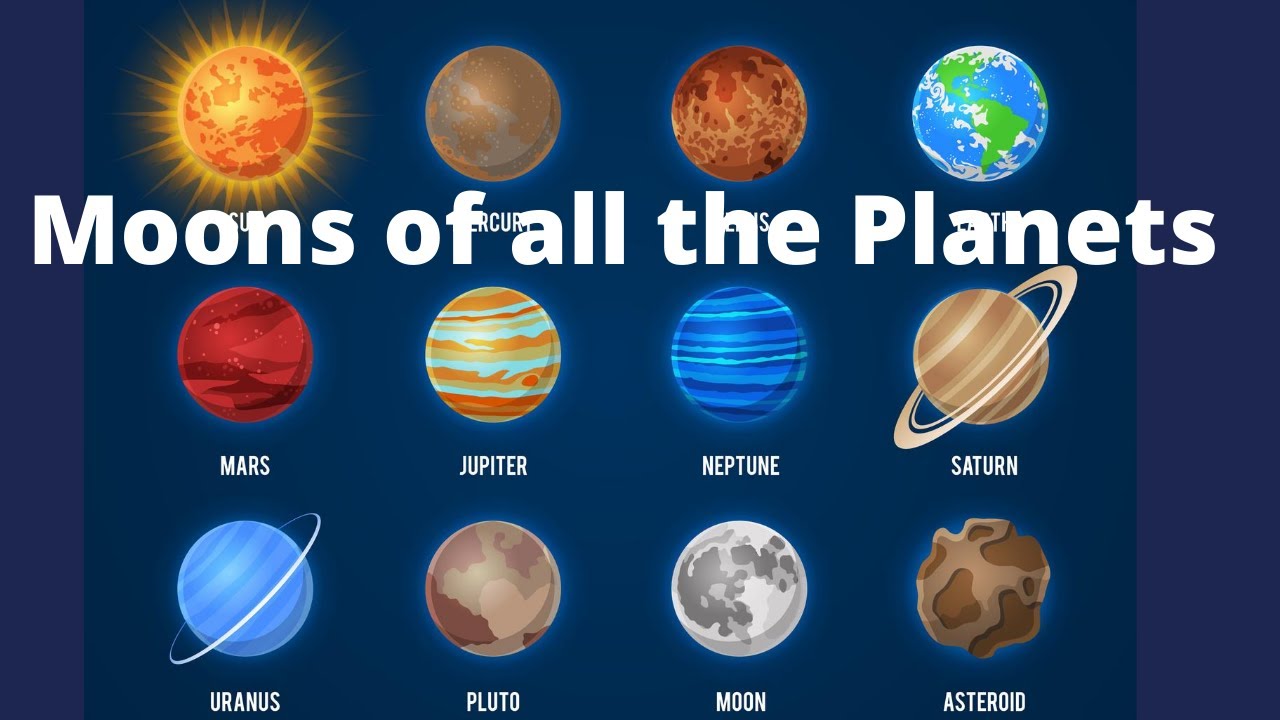
Learn how many moons each Planet has. There are over 200 moons that orbit the Planets and Asteroids. Here is list of how many moons the planets have.
Mercury 0
Venus 0
Earth 1
Mars
Jupiter 79
Saturn 82
Uranus 27
Neptune 14
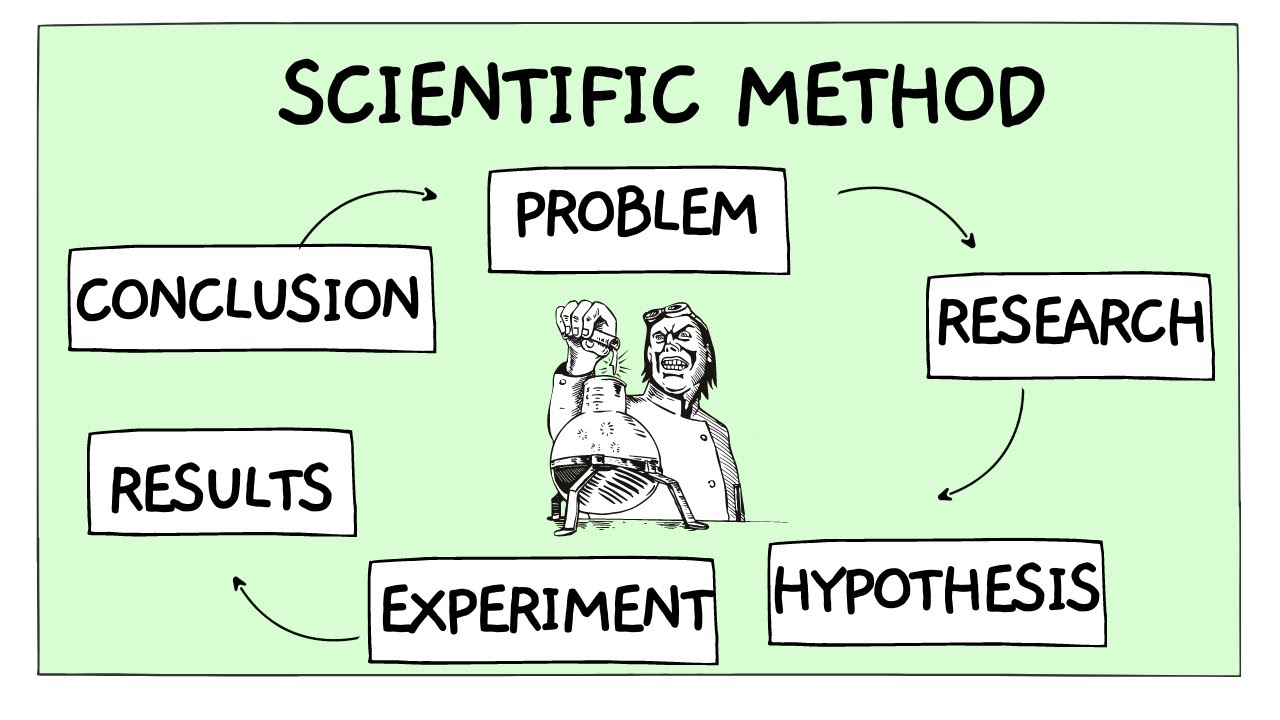
The scientific method is a systematic method for solving problems. In this video, I review 6 steps of the scientific method.
Step 1. State the problem in a question
Step. 2 Research
Step 3. State a hypothesis
Step 4. Experiment
Step 5. State results
Step. 6 State your conclusion
Transcript
http://www.moomoomathblog.com/....2019/08/steps-of-sci
0:00 Introduction
0:04 Steps of the Sclentific Method
0:38 Step 3. Hypothesis
1:11 Independent variable is the
1:24 Dependent variable changes
1:37 Control Variables are kept constant
2:27 Step 6 Conclusion
Science Variables
http://www.moomoomathblog.com/....2019/02/learn-scienc
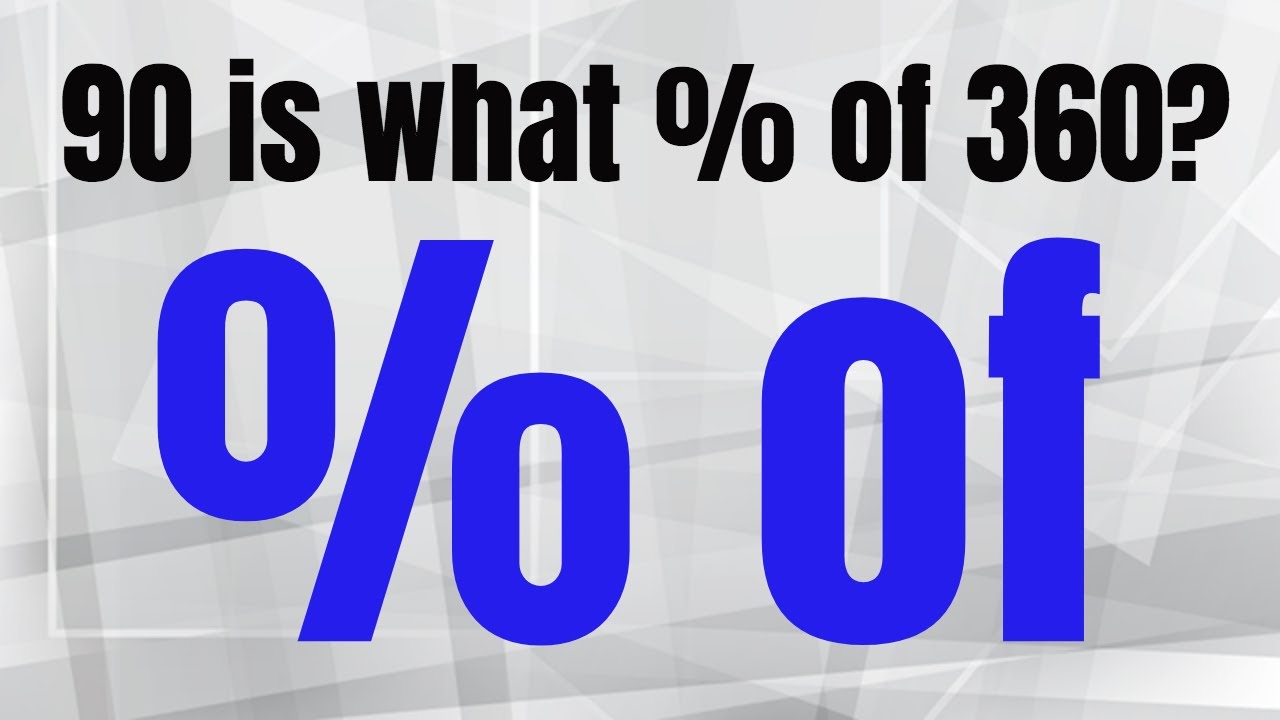
Use the formula is over of in order to solve 90 is what percent of 360.
The is over of formula has three variables and works to solve many percentage problems such as,
40 is what percent of 80
20 is what percent of 100
8 is what percent 32?

Autotrophs vs Heterotrophs Producers vs Consumers
An autotroph is an organism that can self feed.The word autotroph comes from the Greek autos self and trophe nourishing.
Autotrophs are the producers in a food web.
Some common examples would include….
Autotrophs produce their energy from the sun in a chemical process called photosynthesis
They take Carbon Dioxide plus water and sunlight and produce sugar and oxygen
Autotrophs form the base of the energy pyramid.
A heterotroph comes from the greek word meaning heteros = another, different and trophe = nutrition
Heterotroph get their energy by eating other plants and animals.
They use
Sugar + oxygen to produce carbon dioxide + water and energy in the form of ATP
C6H12O6 + 6 O2 yield 6 CO2 + 6 H2O + Energy
This process is called cellular respiration
Some Heterotrophs that only eat plants, herbivores others eat only meat, carnivores others eat plants and animals omnivores while some heterotrophs feed on dead organic remains of other organisms decomposers
Updated Version: https://youtu.be/PzzCOEDtiMM
-~-~~-~~~-~~-~-
Please watch: "Study Skills Teacher's Secret Guide to your Best Grades"
https://www.youtube.com/watch?v=f3bsg8gaSbw
-~-~~-~~~-~~-~-
*
For more Life Science videos and summaries see,
http://www.moomoomath.com/Midd....le-School-Science-an
For additional information on heterotrophs:
http://www.moomoomath.com/type....s-of-heterotrophs-wi

What is Carrying Capacity? The carrying capacity is the maximum number of a species that an environment can support.
The maximum number of individuals in a species that an environment can support for the long term is the carrying capacity. Carrying capacity is limited by the limiting factors. These factors may include food, water, shelter, appropriate space, as well as disease, predation, and climatic conditions
If a population nears the carrying capacity. resources become limited and if a population exceeds the carrying capacity deaths began to outnumber births

Middle School Tips
Middle School Survival Guide You can survive middle school and actually enjoy it.
Here are ten tasks you should do that I have learned from 25 years of teaching middle school that will help you in these middle grades.
These tips will help you improve your grades and my straight-A students practice most of these strategies.
The 10 strategies for not only surviving middle school but having success in school
1. Use an agenda daily
2. Learn to plan ahead
3. Learn memory hacks
Here is a video that is a good starting point for memory hacks
https://www.youtube.com/watch?v=q7cPj7lSKo8
4. Pick good friends
5. Set goals
6. Always turn in your homework
7. Exercise
8. Get enough sleep
9. Read 7 Habits Highly Effective Teens
10. Be nice
More Information
http://www.moomoomathblog.com/....2020/07/middle-schoo
~-~~-~~~-~~-~-
Please watch: "Study Skills Teacher's Secret Guide to your Best Grades"
https://www.youtube.com/watch?v=f3bsg8gaSbw
-~-~~-~~~-~~-~-

Characteristics of Living Things
What makes something alive.
For an organism to be considered alive it must have all of these triats
Made of Cells
Grow and Develop
Reproduce and produce offspring
Contain DNA
Require energy for daily activities
Respond to stimuli
Have levels of organization
Characteristics of Living Organisms
http://www.moomoomath.com/char....acteristic-of-living
-~-~~-~~~-~~-~-
Please watch: "Study Skills Teacher's Secret Guide to your Best Grades"
https://www.youtube.com/watch?v=f3bsg8gaSbw
-~-~~-~~~-~~-~-
*
*
For more Life Science videos and summaries see,
http://www.moomoomath.com/Midd....le-School-Science-an
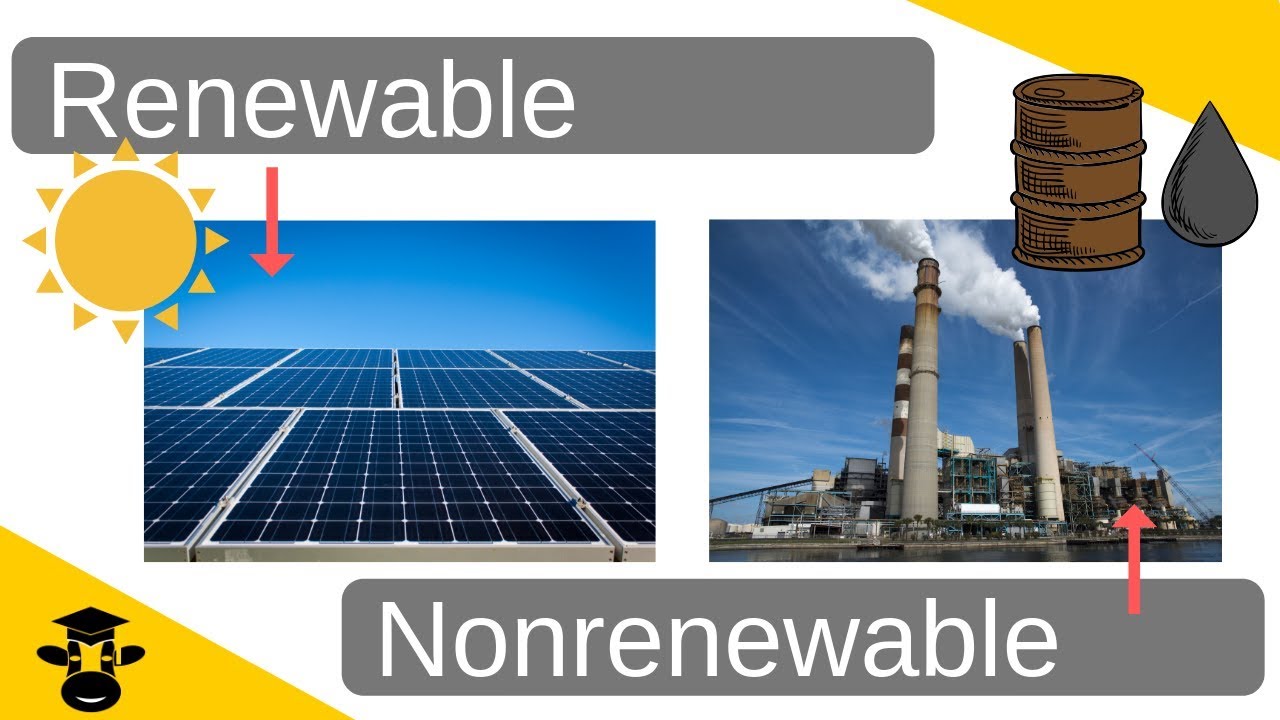
Natural resources can be classified as renewable and nonrenewable resources. Natural resources can be classified as renewable or nonrenewable
A renewable resource can be replaced at the same rate in which the resource is used
Common renewable resources used to produce energy include,
Solar, like these solar panels converting solar energy into electricity. A nonrenewable resource is a resource that forms at a rate that is much slower than the rate that it is formed. Coal is an example. It takes millions of years to create coal and once it is used up it is no longer available
You can use CON to remember three popular nonrenewable resources.
This stands for
Coal
Oil
Natural Gas
#sciencevideo #msscience #sciencehelp
0:00 Introduction
0:03 Natural Resources
1:29 Renewable resources can regrow or be replaced within a person's lifespan.
2:08 Uranium 235
Renewable and Nonrenewable Resources
https://moomoomath.com/differe....nce-between-renewabl

Learn all about chromosomes. Chromosomes contain the genetic information for our traits. In this video, I cover sister chromatids, homolous chromosomes, and when chromosomes appear.
More about Chromosomes
http://www.moomoomathblog.com/....2022/06/what-is-chro
Genetics in 3 Minutes
https://youtu.be/8rbMQwzmQrk
Biology MineralsIn this video I will discuss 15 important minerals of the human body. A mineral is an inorganic nutrient which means it lacks carbon. Minerals build cells, take part in chemical reactions, send nerve impulses, and carry oxygen. Your body cannot produce any of the minerals that it needs. Instead, you must get minerals from the foods you eat.
Minerals are one of the four groups of essential nutrients, the others of which are vitamins, essential fatty acids, and essential amino acids.
Macrominerals are used in large quantities
Trace minerals are used in very small amounts
List of 15 minerals covered
Potassium
Chlorine
Manganese
Copper
Iodine
Chromium
Molybdenum
Selenium
Cobalt

In this video, I answer the question " What are adaptations? " Adaptations are traits that increase or decrease the fitness of an organism. In other words, adaptations either help or hinder the ability of an organism to survive. Adaptations are genetically controlled and therefore can be passed on to successive generations.
Let’s take a look at some examples of adaptations from different types of organisms.
Transcript
http://www.moomoomathblog.com/....2021/02/adaptations-
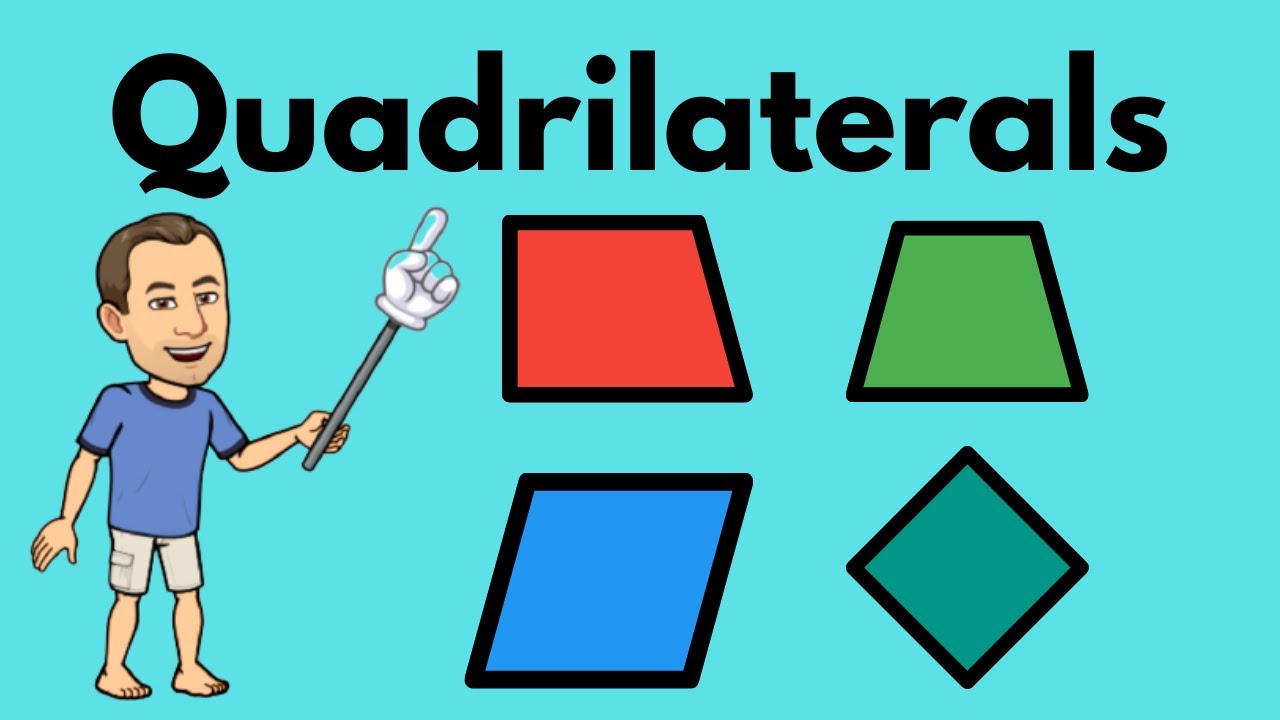
Quadrilateral are 2D plane figures with four straight sides and angles. Learning the names of the different quadrilaterals can be challenging. I provide two methods, a quadrilateral chart, and a quadrilateral Venn diagram.
Each of these tools covers the common quadrilaterals and their properties
I cover the types of parallelograms and trapezoids.
Quadrilaterals cover include kite, trapezoid, parallelogram, rhombus, rectangle, and square.
A Quadrilateral Family Story
http://www.moomoomathblog.com/....2016/12/the-quadrila

A conductor allows electrons to move freely and an insulator blocks their movement. In this video, I test several different objects to see if they are insulators or conductors.
For example, is a pickle a conductor or an insulator?
I answer these questions by hooking up an electrical current.
Is copper a conductor?
Is wood an insulator?
Plastic Conductor or insulator?
Aluminum Insulator or not?
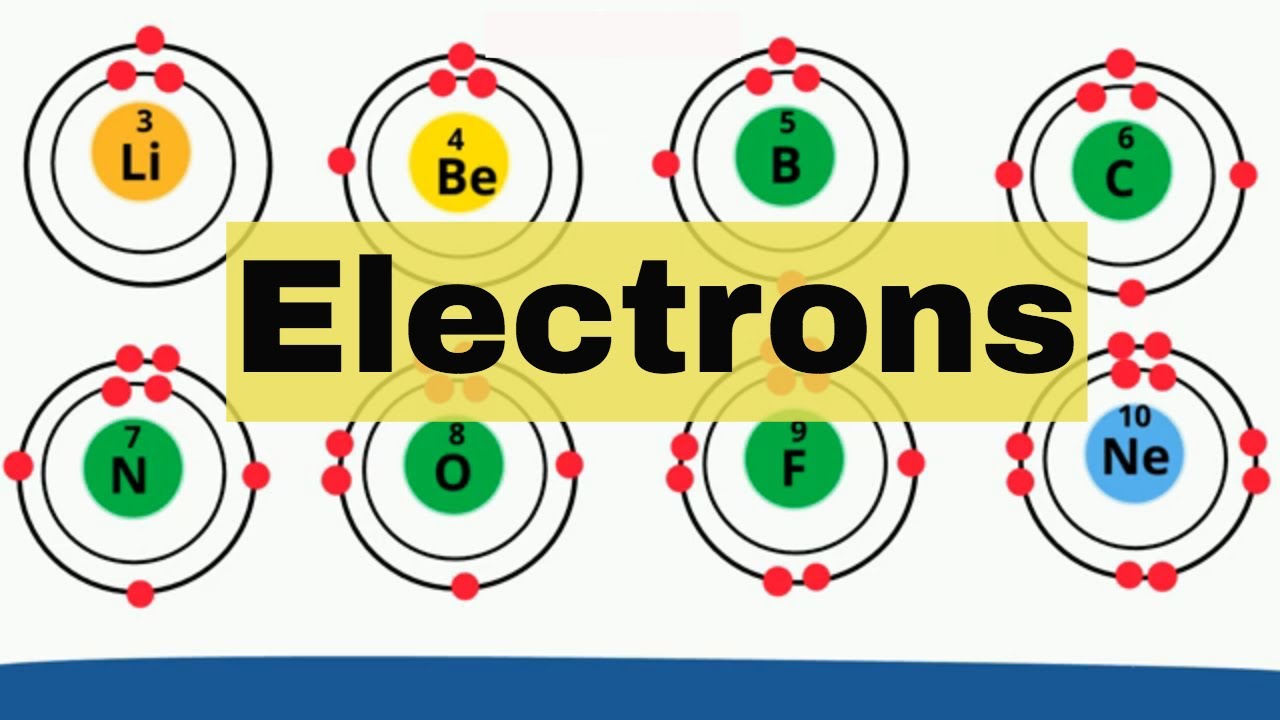
An atom is composed of a dense core called the nucleus containing protons and neutrons and a series of outer shells occupied by orbiting electrons
An electron shell may be thought of as an orbit that the electrons follow. The closest shell to the nucleus is called the "1 shell" also called "K shell", followed by the "2 shells" "L shell"), then the "3 shells" (or "M shell"), and so on.
A valence electron is an outer shell electron that is associated with an atom, and the formation of a chemical bond
Each shell can contain only a fixed number of electrons: For the first 18 elements, the valence electrons follow these rules. The first shell can hold up to two electrons, the second shell can hold up to eight electrons, the third shell can hold up to 8 The transition metals vary from these guidelines.
You can use the periodic table for the groups 1,2,13,14,15,16,17,18 in order to find the number of valence electrons in the outer shell with the exception of helium. For example, all elements in group two have 2 electrons in the outer shell.
Elements in the same period have the same number of energy shells. Period 2 will have two energy shells.
So let’s go through the elements
Up first is period 1 Element 1 is Hydrogen in group 1 and contains one energy shell and 1 electron
Element 2 Helium period 1 group 18 and is the one exception because it has 2 valence electrons in the outer shell
Now period 2 which each have 2 energy shells.
Lithium found in group 1 has 2 electrons in k shell and 1 valence electron in L
Beryllium is found in group 2 and has 2 electrons in k shell and 2 valence electrons in L
Boron Is found in group 13 and has 2 electrons in k and 3 valence electrons in L
Carbon Is found in group 14 and has 2 electrons in k and 4 valence electrons in L
Nitrogen Is found in group 15 and has 2 electrons in k and 5 valence electrons in L
Oxygen Is found in group 16 and has 2 electrons in k and 6 valence electrons in L
Fluorine Is found in group 17 and has 2 electrons in k and 7 valence electrons in L
Neon Is found in group 18 and has 2 electrons in k and 8 valence electrons in L
Now let’s move on to period 3 with 3 electron shells
Sodium Is found in group 1 and has 2 electrons in k and 8 electrons in L and 1 valence electron in m
Magnesium Is found in group 2 and has 2 electrons in k and 8 electrons in L and 2 valence electrons in m shell.
Transcript
http://www.moomoomathblog.com/....2020/01/electron-dis

What makes a trapezoid a trapezoid? A trapezoid has two parallel sides and two nonparallel sides.
A trapezoid is a quadrilateral because it has four sides.
I also cover,
How to find the area of a trapezoid
The median
How to identify a trapezoid
The shape of a trapezoid
Number of sides
Is a trapezoid a parallelogram?
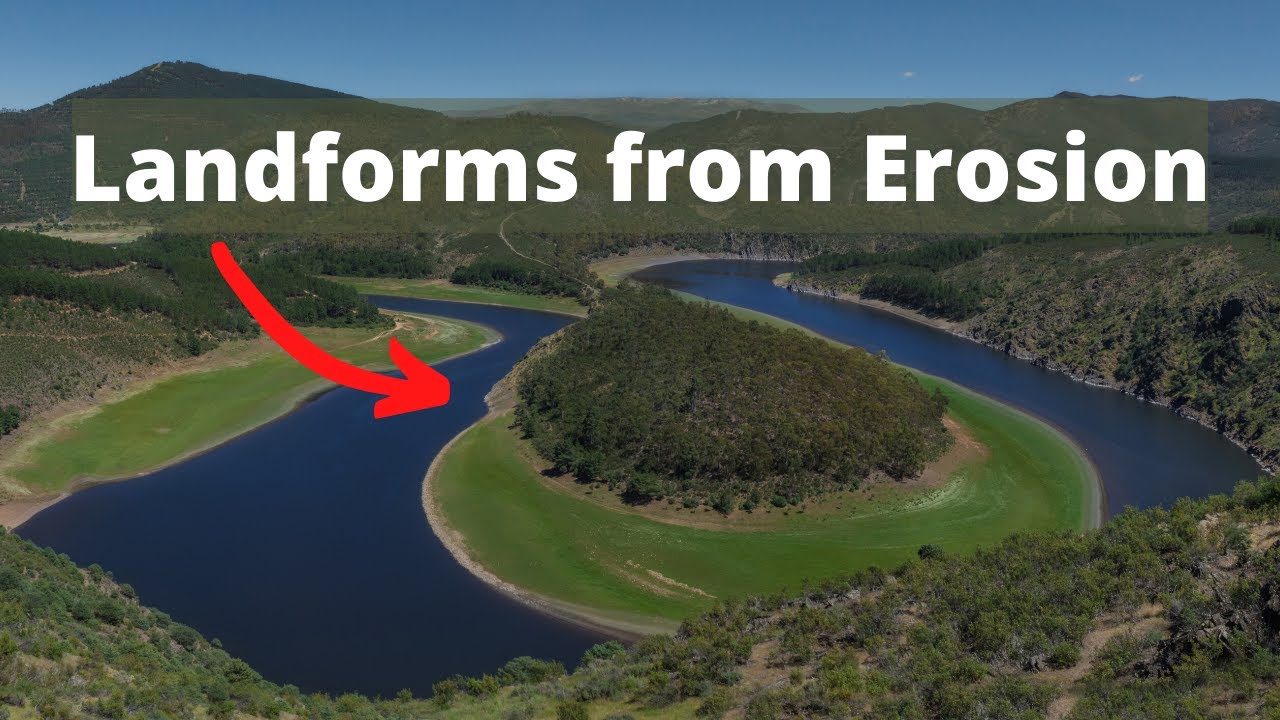
Erosion is the process by which sediment and other materials are moved from one place to another. There are four main agents of erosion, wind, water, ice, and waves.
Deposition is the geological process in which sediments, soil, and rocks are added to a landform or landmass.
Erosion and deposition have taken place throughout Earth’s history and have created a variety of landforms.
What landforms have been created by erosion?
Canyons and valleys
Delta
Alluvial Fan
Sinkholes
Caves
Oxbow lake
You may also enjoy.....
Weathering-Erosion-Deposition
https://youtu.be/fLDjARWZmCA

I cover four types of friction. Static, fluid, kinetic, and rolling.
Static friction in which two surfaces are not moving past each other.
Sliding or Kinetic friction where 2 surfaces slide past one another.
Rolling friction between a rolling object and surface it rolls on.
Fluid friction is friction that occurs when objects move across or through a fluid.
Related Link
http://www.moomoomathblog.com/....2020/08/types-of-fri

Balancing Chemical Equations the easy way-- Learn how to balance basic chemical equations.
The easy method for balancing equatons is to draw a line from the arrow,
Next list the elements involved in starting with the metals and then non-metals, then oxygen, then hydrogen.
Now, start balancing the metals first and work down the list of elements.
Another helpful hint, if you just can't seem to balance the equation, stop and double check the number of atoms you counted at the beginning and start over from the metals.
Counting Atoms
https://www.youtube.com/watch?v=fVcJqund5u8
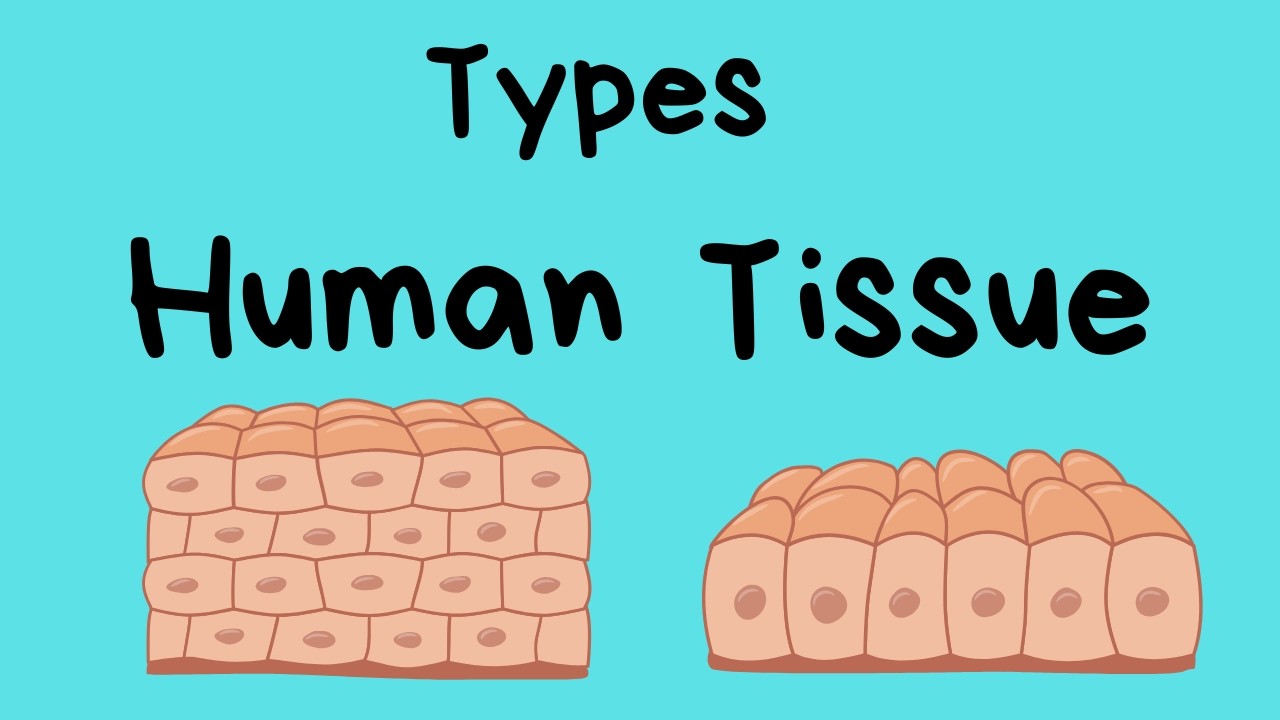
Types of Human Body Tissue
In this video, I review four types of tissue.
Connective tissue, epithelial tissue, muscle tissue, and nerve tissue.
Tissues are made up of cells working together.
*
*
For more Life Science videos and summaries see,
http://www.moomoomath.com/Midd....le-School-Science-an
Types of Tissue
https://moomoomath.com/types-of-human-body-tissue/
How are plant cells and animal cells similar and different? There is a great variety and plants and animals found on earth. If you look at a plant cell and an animal cell you will see they have similarities and difference.
Let’s first focus on how they are similar.
They are both considered eukaryotic cells because they both contain a nucleus and membrane bound organelles.
They have many of the same organelles, they both contain a rough and smooth er
Golgi body, mitochondria they both have ribosomes which create proteins. Technically ribosomes are not organelles because they are not membrane bound
In addition, animal and plant cells contain a cytoskeleton and cytoplasm,
Both plant and animal cells contain a cell membrane.
Next, let's focus on some of the differences.
A plant cell has a cell wall. The cell wall is a rigid outer covering of a plant cell that provides structure and protection.
Animal cells do not have a cell wall.
A plant cell has chloroplasts. Chloroplasts are the location of photosynthesis which allows the plant to convert sunlight into sugar The mitochondria found in the plant cell then uses this sugar to create energy.
Plants have a large central vacuole compared to an animal cell that contains smaller vacuoles.
Plants cells do not have lysosomes and animal cells do have lysosomes.
Lysosomes help animals break down large molecules, old cell parts and sometimes large macromolecules that get past the cell membrane. The cell wall of a plant keep these large molecules out and plant cells have lytic vacuoles that perform a similar function of the lysosomes in animals.
Plant cells contain plastids and animals do not have plastids.
The plastids of plants take several forms. The following is a picture of several of the different plastids found in a plant.
Plants do not have centrosomes and animals do. Centrosomes are the microtubule organizing and construction center and help spindle fibers attach to the chromosomes during mitosis
So there you go Some of the similarities and difference of a plant and animal cell.
Newton's third law of motion is all around us. In this video, I show real-world examples of the 3rd law of motion.
Why is Newton's third law of motion important?
For every action, there is an equal and opposite reaction.
For example, when you skateboard and push backward, the opposite reaction is to drive the skateboard forward.
A jet moves forward when the exhaust moves backward. Another example of an opposite reaction to a force.
Other examples include paddling a boat, jellyfish, basketball, and a trampoline.
By watching these examples it will give you a better understanding of how motion works.

Voluntary and Involuntary muscles
Our muscular system allows us to move inside and outside.
Humans have an amazing range of movement.
There are two major types of muscular movement.
Voluntary and involuntary
Let’s look at the typing to help understand the difference between voluntary and involuntary muscles.
When we control the muscles in the hands and arms and tell the muscles which keys to press, these movements would be considered voluntary
At the same time, cardiac muscles of the heart, and muscles that help you breathe are working automatically to keep you alive..
These muscle movements are involuntary.
The motor cortex is the region of the cerebral cortex involved in the planning, control, and execution of voluntary movements.
Your brain sends signals down the central nervous system and then the peripheral nervous system to stimulate muscle movement.
Involuntary muscles run automatically. There are two major types.
Our smooth muscles and our cardiac or heart muscle.
Involuntary muscles are controlled in the medulla oblongata which is located in the brainstem,
This portion of the brain controls involuntary movements such as breathing, digestion, heart rate, and more.
In summary, muscles we can control are voluntary
and our automatic muscles are involuntary muscles.