Latest videos

Our Scientific Method for Kids video is a fun and engaging way to introduce the scientific method to children. In this video kids will learn all about the scientific method and its steps.
The Scientific Method steps we talk about in this video are: Make an Observation, Ask a Question, Make a hypothesis, Conduct your experiment, draw conclusions, and report the results. We hope you enjoy sharing this scientific method video with your kids and students.
After the video, download our free lesson plan full of other fun worksheets and activities about the Scientific Method: https://learnbright.org/lesson....s/science/scientific
Thank you for watching and learning with us! We’re constantly releasing new content and videos, so click that “Subscribe” button and you’ll get notified.
Find and Follow Us Online:
Facebook: https://www.facebook.com/LearnBright/
Instagram: https://instagram.com/LearnBrightEducation
Pinterest: https://pinterest.com/LearnBrightEducation
YouTube: https://www.youtube.com/LearnBright
Website: https://learnbright.org/
*Teachers and Parents! Did you know? In addition to these great videos, we have also created a library of high quality and engaging lessons for your elementary aged student(s). Visit us, sign up for a free account, and instantly you'll have access to thousands of lesson plans, learning materials, teaching instructions, activities, and assignments that your kids will really enjoy! We hope to see you soon!
Browse our entire collection of Science lesson plans: https://learnbright.org/lessons/?filter_subject=science
#ASL
#ScientificMethodForKids
#TheScientificMethod

Have you ever wondered how your body breathes and converts carbon dioxide to oxygen? In The Respiratory System for Kids video, you will learn how exactly we do this. You will also learn about the other components and functions of this important body system. All living things need oxygen to survive. As humans, we use our lungs and other parts of the body to breathe properly and receive oxygen.
Our lungs take up most of the space in our chest, and our ribs are there to protect them and the heart. Speaking of the heart, the left lung is smaller than the right so that there's more room for the heart! On the outside, lungs are pink, spongelike, and kind of squishy. Another fun fact: Yawning is a sign that the body needs more oxygen. When we get sleepy, the brain sends a particular signal in tell our lungs to breathe in more air.
Have you ever noticed that you can breathe through both your mouth and your nose? If we breathe through the nose, the air gets filtered by tiny hairs called cilia. These hairs line the passageways of the nose to filter out dust and other substances. The air travels down the trachea, or windpipe, which is also lined with cilia.
The pharynx, which is actually part of both the respiratory and digestive systems, carries food and air divided into two pathways. The esophagus is for food and leads to the stomach. Air travels through the larynx (voice box) that leads to the trachea. At the back of the throat area is a flap of tissue called an epiglottis. The epiglottis covers the air-only passage when we swallow to keep food or drink out of the windpipe. Keep watching to learn more.
We hope you and your student(s) enjoyed learning about this important body system! If you want to learn even more, head over to our website and download one of our many free lesson plans about the human body and how it works, full of activities, worksheets, and more!
https://learnbright.org/lesson....s/science/the-respir
What you will learn in Respiratory System for Kids:
0:00 Introduction to the lungs
0:32 Main purpose of the respiratory system
1:10 How lungs function
2:06 Information about the diaphragm
3:02 The nose, mouth, pharynx, and trachea
4:07 The epiglottis, bronchi, and bronchioles
5:13 Alveoli and the exchange of oxygen and carbon dioxide
6:58 Review of the facts
Thank you for watching and learning with us! We’re constantly releasing new content and videos, so click that “Subscribe” button and you’ll get notified.
Find and Follow Us Online:
Facebook: https://www.facebook.com/LearnBright/
Instagram: https://instagram.com/LearnBrightEducation
Pinterest: https://pinterest.com/LearnBrightEducation
YouTube: @LearnBright
Website: https://learnbright.org/
*Teachers and Parents! Did you know? In addition to these great videos, we have also created a library of high-quality and engaging lessons for your elementary aged student(s). Visit us, sign up for a free account, and instantly you'll have access to thousands of lesson plans, learning materials, teaching instructions, activities, and assignments that your kids will really enjoy! We hope to see you soon!
Browse our entire collection of Science lesson plans: https://learnbright.org/lessons/?filter_subject=science
#ASL
#RespiratorySystem
#Breathing

In this video about animal behavior we will learn all about the different kinds of behavior including, innate behaviors, reflex behaviors, learned behaviors, imprinting and more! Birds build nests. Dogs sit roll over, chase sticks, and may do other tricks. Spiders build intricate webs. People blink, read books, talk to each other. Bees do special dances. What does each of the actions have in common? You are correct if you said they are behaviors.
A behavior is a way in which an animal or person acts in response to a situation or stimulus. Behaviors are the ways animals interact with other animals or with their environment. However, not all behaviors are attained in the same manner. For example, you had to learn how to read, but you did not learn how to blink. A dog was taught to sit up or roll over, but a dog did not learn how to dig a hole in the ground. Some behaviors animals may be learned, and other behaviors are a part of the animal at birth, and they do not need to learn them. They are born with already knowing how to
perform certain behaviors. You had to learn how to talk, read, and write. Your parents or teachers have taught you to do things, or you may have learned on your own, like playing a favorite game. Other behaviors, like blinking and grasping, are called reflexes; you were born with those behaviors.
The two types of behaviors are called innate behaviors and learned behaviors and in this video we will learn all about these different kinds of animal behaviors.
After finishing the video, we invite you to download our free 12 page lesson plan with more activities, worksheets and learning opportunities about animal behavior. It can be downloaded here: https://learnbright.org/lesson....s/science/animal-beh
Thank you for watching and learning with us! We’re constantly releasing new content and videos, so click that “Subscribe” button and you’ll get notified.
Find and Follow Us Online:
Facebook: https://www.facebook.com/LearnBright/
Instagram: https://instagram.com/LearnBrightEducation
Pinterest: https://pinterest.com/LearnBrightEducation
YouTube: https://www.youtube.com/LearnBright
Website: https://learnbright.org/
*Teachers and Parents! Did you know? In addition to these great videos, we have also created a library of high quality and engaging lessons for your elementary aged student(s). Visit us, sign up for a free account, and instantly you'll have access to thousands of lesson plans, learning materials, teaching instructions, activities, and assignments that your kids will really enjoy! We hope to see you soon!
Browse our entire collection of Science lesson plans: https://learnbright.org/lessons/?filter_subject=science
#ASL
#AnimalBehaviorForKids

Decoding words can be hard to do when you are just starting out readings. In this video we give you some great ideas and examples of decoding words. We will learn 5 steps in learning new words including sounding out words and breaking the words into chunks.
We don't just stop at the video. Visit our website to download our free 11 page decoding word lesson plan that is packed full of ideas, more content, decoding word worksheets, activities and more!
You can download the lesson plan here: https://learnbright.org/?s=decoding+words
After watching the video and completing the lesson plan students will be able to know and apply
grade-level phonics and word analysis in decoding words. This video is designed for 1st Grand and 2nd Grade but can be adapted for other grade levels as needed.
Thank you for watching and learning with us! We’re constantly releasing new content and videos so click that “Subscribe” button and you’ll notified.
Find and Follow Us Online:
Facebook: https://www.facebook.com/LearnBright/
Instagram: https://instagram.com/LearnBrightEducation
Pinterest: https://pinterest.com/LearnBrightEducation
YouTube: https://www.youtube.com/LearnBright
Website: https://learnbright.org/
*Teachers and Parents! Did you know? In addition to these great videos, we have also created a library of high quality and engaging lessons for your elementary aged student(s). Visit us, sign up for a free account, and instantly you'll have access to thousands of lesson plans, learning materials, teaching instructions, activities, and assignments that your kids will really enjoy! We hope to see you soon!
Browse our entire collection of Reading lesson plans: https://learnbright.org/lessons/?filter_subject=reading
#DecodingWords

What are Cardinal Directions? In this video built as an introduction to kids we will learn all about the 4 Cardinal Directions which are: North, South, East, West. Each time you go somewhere, you travel or move in a direction, which is the course or path you move in. You might walk down the street and then turn right or left, later turn around and return home. You are moving in different directions throughout the day. In the same way, cars, airplanes, buses, trains, and other vehicles move in different directions too. However, instead of turning to the right or left, or traveling up or down the
street, there are special words used to name the directions a vehicle or person can travel.
There are four main directions or points called cardinal directions (sometimes cardinal points). The four points include north (N), east (E), south (S), and west (W). The direction words are found on maps, compasses, street signs, and in many other places. The cardinal directions help people travel from place to place. In this video you'll learn it all and even have a chance to practice what you learn at the end.
To enhance your child's learning we invite you to visit us at https://learnbright.org/lesson....s/social-studies/car to download a free 10-page lesson plan with cardinal directions worksheets, activities, and even more fun content.
Thank you for watching and learning with us! We’re constantly releasing new content and videos so click that “Subscribe” button and you’ll notified.
Find and Follow Us Online:
Facebook: https://www.facebook.com/LearnBright/
Instagram: https://instagram.com/LearnBrightEducation
Pinterest: https://pinterest.com/LearnBrightEducation
YouTube: https://www.youtube.com/LearnBright
Website: https://learnbright.org/
*Teachers and Parents! Did you know? In addition to these great videos, we have also created a library of high quality and engaging lessons for your elementary aged student(s). Visit us, sign up for a free account, and instantly you'll have access to thousands of lesson plans, learning materials, teaching instructions, activities, and assignments that your kids will really enjoy! We hope to see you soon!
Browse our entire collection of Reading lesson plans: https://learnbright.org/lessons/?filter_subject=reading
#ASL
#CardinalDirections
#CardinalPoints

Who is George Washington Carver? He wasn't the first President of the United States, even though his name is very similar! In this video, you and your kids will learn about this incredible scientist. You will discover many interesting facts about the history and life of this special man. For instance, George Washington Carver's exact birth date remains a mystery! Because he was born into slavery, his birth records were not kept. And he, one of his sister's, and his mom were kidnapped by Confederate raiders when he was a baby! He was eventually found, however, and returned to the Carver farm where he was born.
Unlike other boys his age, George didn't work in the fields. He was taught how to tend to the kitchen garden. And what a stroke of luck for the world! George learned all about plants and how to improve their health. He was very intelligent and graduated high school at a young age. His passion for plants led him to study botany in college. After graduating, he was asked to teach agriculture at a Tuskegee College.
Throughout his life, he discovered many wonderful things about plants that would end up helping farmers grow larger and healthier crops. These discoveries spread throughout the world. One of the most famous is his realization that growing and harvesting peanuts every other year or so with cotton kept a specific pest away from the crops and yielded healthier soil. Even though many farmers resisted initially, George came up with several inventive uses for peanuts that would make growing peanut crops worthwhile.
George Washington Carver's life work earned him several special nicknames: The Plant Doctor, The Peanut Man, The Farmer's Friend. We celebrate him and his life on January 5, George Washington Carver Recognition Day.
We hope you and your student(s) enjoyed learning about George Washington Carver! If you want even more information, head over to our website and download one of our many free lesson plans, full of activities, worksheets, and more!
https://learnbright.org/lesson....s/social-studies/geo
What you will learn in this video:
0:00 Introduction and history of George Washington Carver
1:20 George as The Plant Doctor
2:18 Education of George Washington Carver
3:04 Study of botany and teaching agriculture
4:10 George as The Peanut Man
5:15 George as The Farmer's Friend
5:38 Death and life legacy
6:11 Review of the facts
Thank you for watching and learning with us! We’re constantly releasing new content and videos, so click that “Subscribe” button and you’ll get notified.
Find and Follow Us Online:
Facebook: https://www.facebook.com/LearnBright/
Instagram: https://instagram.com/LearnBrightEducation
Pinterest: https://pinterest.com/LearnBrightEducation
YouTube: @LearnBright
Website: https://learnbright.org/
*Teachers and Parents! Did you know? In addition to these great videos, we have also created a library of high quality and engaging lessons for your elementary aged student(s). Visit us and sign up for a free account, and you'll instantly have access to thousands of lesson plans, learning materials, teaching instructions, activities, and assignments that your kids will really enjoy! We hope to see you soon!
Browse our entire collection of Social Studies lesson plans: https://learnbright.org/lessons/?filter_subject=social-studies
#ASL
#GeorgeWashingtonCarver
#WhoIsGeorgeWashingtonCarver
In Basic Statistics for Kids, you and your students will learn about data sets, mean, median, mode, range and more. All this information will help kids get their feet wet and understand what statistics is all about! It is important to learn about statistics at an early age. Statistics help businesses and individuals make important decisions throughout life.
Thank you for watching and learning with us! We’re constantly releasing new content and videos so click that “Subscribe” button and you’ll notified.
Find and Follow Us Online:
Facebook: https://www.facebook.com/LearnBright/
Instagram: https://instagram.com/LearnBrightEducation
Pinterest: https://pinterest.com/LearnBrightEducation
YouTube: https://www.youtube.com/LearnBright
Website: https://learnbright.org/
*Teachers and Parents! Did you know? In addition to these great videos, we have also created a library of high quality and engaging lessons for your elementary aged student(s). Visit us, sign up for a free account, and instantly you'll have access to thousands of lesson plans, learning materials, teaching instructions, activities, and assignments that your kids will really enjoy! We hope to see you soon!
Browse our entire collection of Math lesson plans:
https://learnbright.org/lessons/?filter_subject=math
#ASL
#BasicStatisticsforKids

In this video we learn how to add with regrouping! It's actually very easy. To follow along and practice you can also download our regrouping worksheets and lesson plan here:
https://learnbright.org/lesson....s/math/addition-with
Thank you for watching and learning with us! We’re constantly releasing new content and videos so click that “Subscribe” button and you’ll notified.
Find and Follow Us Online:
Facebook: https://www.facebook.com/LearnBright/
Instagram: https://instagram.com/LearnBrightEducation
Pinterest: https://pinterest.com/LearnBrightEducation
YouTube: https://www.youtube.com/LearnBright
Website: https://learnbright.org/
*Teachers and Parents! Did you know? In addition to these great videos, we have also created a library of high quality and engaging lessons for your elementary aged student(s). Visit us, sign up for a free account, and instantly you'll have access to thousands of lesson plans, learning materials, teaching instructions, activities, and assignments that your kids will really enjoy! We hope to see you soon!
Browse our entire collection of Math lesson plans:
https://learnbright.org/lessons/?filter_subject=math
#ASL
#Addition
#Regrouping

In this video your students and kids will learn how animals are classified into different groups. Classification breaks very large groups down into smaller groups. This makes them easier to be studied. Scientists classify animals, plants and insects based on things they have in common. Just like kids would do with their toys!
Taxonomy means to classify living things. Scientists and biologists use a taxonomy chart to classify all the organisms on Earth. This chart includes the following groups: Domain, Kingdom, Phylum, Class, Order, Family, Genus and Species. Throughout the video we will learn about the different taxonomies, how animals are classified and spend a little more time on vertebrates and invertebrates. By the end you kid will have a more solid understanding of what makes animals different and may be able to classify them into their proper taxonomies.
Would you like even more Animal Classification Learning resources? Download our free comprehensive lesson plans here: https://learnbright.org/?s=animal+classification here you'll find access to lots more content, worksheets, learning activities and more.
Thank you for watching and learning with us! We’re constantly releasing new content and videos, so click that “Subscribe” button and you’ll get notified.
Follow us across the web!
Find and Follow Us Online:
Facebook: https://www.facebook.com/LearnBright/
Instagram: https://instagram.com/LearnBrightEducation
Pinterest: https://pinterest.com/LearnBrightEducation
YouTube: https://www.youtube.com/LearnBright
Website: https://learnbright.org/
Are you a K-6 grade teacher looking for more teaching resources? We don’t only provide video content but high quality lesson plans as well. 100% free with handouts, worksheets, classroom activities and more!
Browse our entire collection of Science lesson plans: https://learnbright.org/lessons/?filter_subject=science
#ASL
#AnimalClassificationForKids
#ClassifyAnimals
#ScienceForKids

Do you recognize the story, The Tortoise and the Hare? This story is called a fable. In Fables for Kids, you will learn about this unique type of story and the elements that must be included. Can you think of any of those elements off the top of your head?
All fables have five specific characteristics. They must be fictional, meaning that it is an imaginary story. Generally, these stories are fairly short. The element you probably knew already is that fables teach a moral lesson. "Slow and steady wins the race," for example, is the lesson we learn from The Tortoise and the Hare. In all fables, the main characters are always animals that act like humans. Finally, the setting of a fable is always outside.
Where did fables come from? Aesop, a slave of African decent who lived in ancient Greece, had a collection of fables that we now call Aesop's fables. Historians are still unsure whether he wrote all the stories himself or simply gathered them from other sources. Even though he lived a long time ago, his stories were passed down to the present day!
We hope you and your student(s) enjoyed learning about this special genre of stories! If you want even more practice, head over to our website and download one of our many free lesson plans about reading, full of activities, worksheets, and more!
https://learnbright.org/lessons/reading/fables/
https://learnbright.org/lesson....s/language-arts/fabl
What you will learn in Fables for Kids:
0:00 Introduction to fables and what they are
0:39 Characteristics or elements required for fables
1:32 Origins of our most famous fables—Aesop
2:13 Examples of Aesop's fables
2:48 "The Lion and the Mouse"
3:46 Lessons to learn from the story
4:09 Review of the facts
Thank you for watching and learning with us! We’re constantly releasing new content and videos, so click that “Subscribe” button to get notified of any new content.
Find and Follow Us Online:
Facebook: https://www.facebook.com/LearnBright/
Instagram: https://instagram.com/LearnBrightEducation
Pinterest: https://pinterest.com/LearnBrightEducation
YouTube: @LearnBright
Website: https://learnbright.org/
*Teachers and Parents! Did you know? In addition to these great videos, we have also created a library of high-quality and engaging lessons for your elementary aged student(s). Visit us and sign up for a free account, and you will instantly have access to thousands of lesson plans, learning materials, teaching instructions, activities, and assignments that your kids will really enjoy! We hope to see you soon!
Browse our entire collection of Reading lesson plans: https://learnbright.org/lessons/?filter_subject=reading
#ASL
#Fables
#Aesop

Photosynthesis for Kids is a great science video aimed to teach 1st to 3rd grade students learn about Photosynthesis and how plants are able to make their own food!
In this video we teach that plants and animals are living things. Both need the food and energy to live. Animals get their energy from the plants and animals they eat. Plants, however, do not have a mouth and cannot eat like animals.
The food-making process for plants is called photosynthesis. It might be a big word, but photosynthesis is used by plants to make their own food as well as produce oxygen for other living creatures.
Without plants making their own food through photosynthesis, living things could not survive. People and animals eat the food that comes from plants, but also take in the oxygen released by the plants. The air you breathe in has oxygen which came from plants.
So we learn that Photosynthesis is important not only for plants but for all living things! Come learn more in the video!
If you're looking for more photosynthesis resources check out our 100% FREE comprehensive lesson plans complete with activities, worksheets, assignments and more! The free lesson can be found at: https://learnbright.org/lesson....s/science/photosynth
Thank you for watching and learning with us! We’re constantly releasing new content and videos, so click that “Subscribe” button and you’ll get notified.
Find and Follow Us Online:
Facebook: https://www.facebook.com/LearnBright/
Instagram: https://instagram.com/LearnBrightEducation
Pinterest: https://pinterest.com/LearnBrightEducation
YouTube: https://www.youtube.com/LearnBright
Website: https://learnbright.org/
*Teachers and Parents! Did you know? In addition to these great videos, we have also created a library of high quality and engaging lessons for your elementary aged student(s). Visit us, sign up for a free account, and instantly you'll have access to thousands of lesson plans, learning materials, teaching instructions, activities, and assignments that your kids will really enjoy! We hope to see you soon!
Browse our entire collection of Science lesson plans: https://learnbright.org/lessons/?filter_subject=science
#ASL
#Photosynthesis

In this video we learn all about the planets of our solar system. Our solar system so so large and vast and these enormous planets all orbiting around the sun are so amazing to look and and learn about. We will learn interesting things about each planet, including their size, orbit times, and other facts that are fun to know. After this video you will be able to recite the planets in order and share something unique about each planet.
After watching the video, head over to our website and download our Free comprehensive lesson plan about Planets and our Solar System. This lesson is packed with more engaging content, hands on activities, worksheets and more. Get your download here: https://learnbright.org/lesson....s/science/the-solar-
Timestamps:
0:00 Introductory Story about our Solar System
1:52 What is a Galaxy?
2:34 Our Solar System.
3:10 What is a Planet?
5:34 Planets Rotation and Spin
7:50 Closer Look at Each of Our 8 Planets
15:14 Learning the Names of the Planets in Order
15:48 Why is Pluto not a Planet Anymore?
16:45 Recap Planets Quiz / Activity
Thank you for watching and learning with us! We’re constantly releasing new content and videos, so click that “Subscribe” button and you’ll get notified.
Follow us across the web!
Facebook: https://www.facebook.com/LearnBright/
Instagram: https://instagram.com/LearnBrightEducation
Pinterest: https://pinterest.com/LearnBrightEducation
YouTube: https://www.youtube.com/learnbright
Website: https://learnbright.org/
*Teachers and Parents! Did you know? In addition to these great videos, we have also created a library of high quality and engaging lessons for your elementary aged student(s). Visit us, sign up for a free account, and instantly you'll have access to thousands of lesson plans, learning materials, teaching instructions, activities, and assignments that your kids will really enjoy! We hope to see you soon!
Browse our entire collection of Science lesson plans: https://learnbright.org/lessons/?filter_subject=science
#ASL
#PlanetsOfOurSolarSystem
#PlanetsForKids
How many countries make up North America? A lot of people think of Canada, the USA, and Mexico. In All about North America for Kids, you and your students will learn that this continent actually includes 23 countries! These include Costa Rica, Honduras, Panama, Grenada, Saint Vincent, Cuba, and Haiti.
North America is the third largest continent in the world, behind Asia and Africa, and covers 16.5% of the earth's land area. It was named after the Italian explorer Amerigo Vespucci. The continent borders the Pacific and Atlantic Oceans, the Caribbean Sea, and South America. It also includes all the major biomes or habitats, such as tundra, coral reef, and desert. The geography of the countries of North American vary as much as its wildlife. There are around 965 different mammal species that call different parts of the continent home.
You will also learn a lot about the history of the continent. Scientists believe the Paleo-Indians from Eurasia used a land bridge between modern-day Siberia and Alaska to travel to North America to settle. They developed organized societies, and some ancient civilizations even built temples and created writing systems and calendars. Eventually colonizers from Europe traveled to the continent, which often displaced the native peoples of North America and settling on their lands.
There is so much more to learn about this continent. The video includes information on famous landmarks, such as Niagara Falls and the Great Pyramid of Tenochtitlan. These are only a few of the many attractions that millions of people visit every year.
We hope you and your student(s) enjoyed learning about the continent of North America! If you want even more information, head over to our website and download one of our many free lesson plans, full of activities, worksheets, and more!
https://learnbright.org/lesson....s/social-studies/all
https://learnbright.org/lesson....s/social-studies/the
What you will learn in All about North America for Kids:
0:00 Introduction to the North American continent
1:10 Geography of North America
1:46 Animals that live in North America
2:17 History of the continent
3:04 Countries, territories, and most common languages
4:02 Noteworthy facts about North America
5:00 Natural and manmade attractions
6:28 Review of the facts
Check out some of our other videos related to North America here:
Mount Rushmore: https://youtu.be/ExiE76ig0d8
Lewis and Clark: https://youtu.be/91IbDuiJNdM
Types of Communities: https://youtu.be/04lO0ISBT40
Thank you for watching and learning with us! We’re constantly releasing new content and videos, so click that “Subscribe” button and you’ll get notified.
Find and Follow Us Online:
Facebook: https://www.facebook.com/LearnBright/
Instagram: https://instagram.com/LearnBrightEducation
Pinterest: https://pinterest.com/LearnBrightEducation
YouTube: @LearnBright
Website: https://learnbright.org/
*Teachers and Parents! Did you know? In addition to these great videos, we have also created a library of high-quality and engaging lessons for your elementary aged student(s). Visit us and sign up for a free account, and you'll instantly have access to thousands of lesson plans, learning materials, teaching instructions, activities, and assignments that your kids will really enjoy! We hope to see you soon!
Browse our entire collection of Social Studies lesson plans: https://learnbright.org/lessons/?filter_subject=social-studies
#ASL
#NorthAmerica
#NorthAmericaForKids
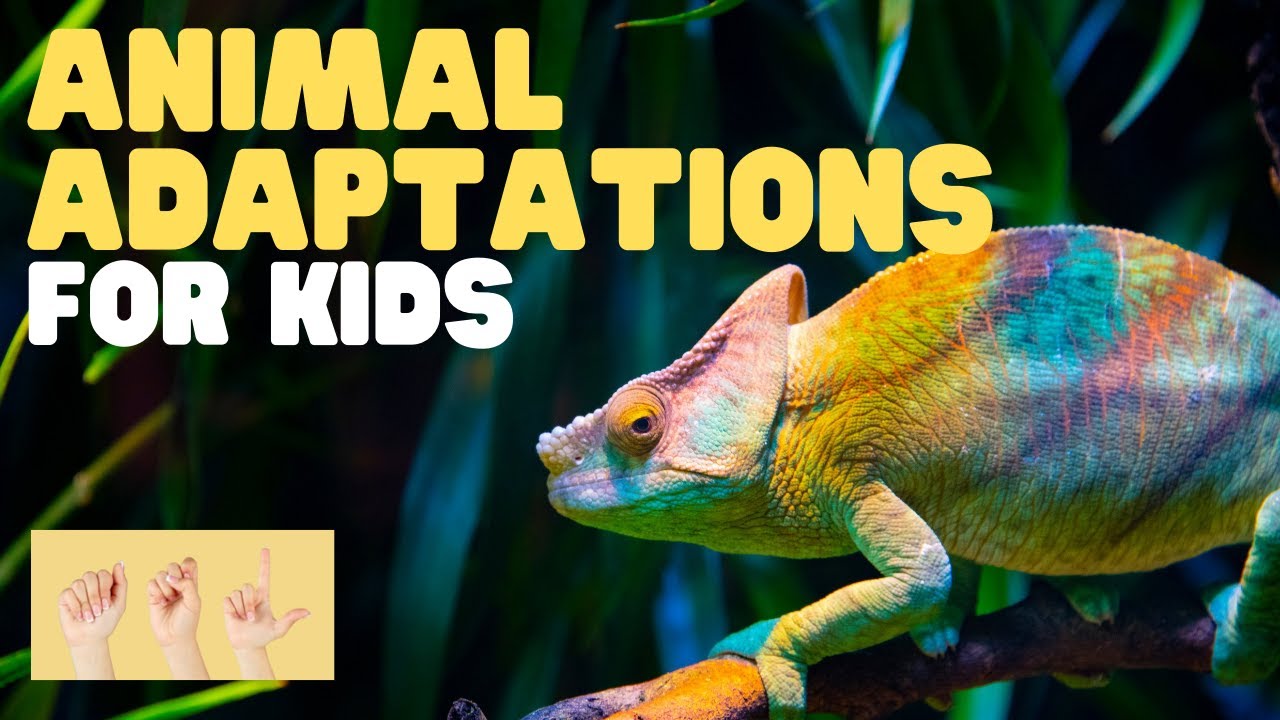
Animal adaptations for kids is a video that explores the different ways that animals can adapt to their environments. There is a number of ways that different animals do this, from Migration or Hibernation, to Body Structures and even changing their colors and in this video we will explore them all. There are different kind of animal adaptions Behavioral Adaptions, Physical Adaptions, and Life Cycle Adaptions each animal might use a different technique but ultimately they are adapting to survive in their environment.
After viewing this video we invite you to download and go through our free Animal Adaptations lesson plan with more activities, learning content, worksheets and more! When completed your students will be able to identify and describe various
animal adaptations used for survival in the environment.
You can download the lesson plan here: https://learnbright.org/lesson....s/science/animal-ada
Check out some of our other animal-related videos here:
Animal Camouflage: https://youtu.be/F-vRzYreZXY
Food Chain: https://youtu.be/aesKZR7J2nI
Animal Behavior: https://youtu.be/j2AbMH14IBo
Extinction: https://youtu.be/ogLFEq1X0RM
Extinct and Endangered Animals: https://youtu.be/E5cVr3HdLa4
Thank you for watching and learning with us! We’re constantly releasing new content and videos, so click that “Subscribe” button and you’ll get notified.
Find and Follow Us Online:
Facebook: https://www.facebook.com/LearnBright/
Instagram: https://instagram.com/LearnBrightEducation
Pinterest: https://pinterest.com/LearnBrightEducation
YouTube: https://www.youtube.com/LearnBright
Website: https://learnbright.org/
*Teachers and Parents! Did you know? In addition to these great videos, we have also created a library of high quality and engaging lessons for your elementary aged student(s). Visit us, sign up for a free account, and instantly you'll have access to thousands of lesson plans, learning materials, teaching instructions, activities, and assignments that your kids will really enjoy! We hope to see you soon!
Browse our entire collection of Science lesson plans: https://learnbright.org/lessons/?filter_subject=science
#ASL
#Animals

Mammals for kids is a fun engaging video that will help students learn all about the characteristics of mammals and what mammals really are! We quickly introduce animal classification and the difference between the types of animals but we mostly focus on what makes mammals unique in this video. From being warm blooded, to giving birth to live offspring we cover it all!
When you are done watching the video we invite you to come and download our free lesson plans about mammals that will help cement the learning. We have lesson plans that will help students from 1st grade to 3rd grade learn about animal classifications and how to identify the different kinds of animals. Check them out below:
Mammals and Reptiles Lesson plan (adaptable for 1st, 2nd, and 3rd Grade): https://learnbright.org/lesson....s/science/reptiles-a
Identify Animals lesson plan (2nd and 3rd Grade):
https://learnbright.org/lesson....s/science/identify-a
Thank you for watching and learning with us! We’re constantly releasing new content and videos, so click that “Subscribe” button and you’ll get notified.
Find and Follow Us Online:
Facebook: https://www.facebook.com/LearnBright/
Instagram: https://instagram.com/LearnBrightEducation
Pinterest: https://pinterest.com/LearnBrightEducation
YouTube: https://www.youtube.com/LearnBright
Website: https://learnbright.org/
*Teachers and Parents! Did you know? In addition to these great videos, we have also created a library of high quality and engaging lessons for your elementary aged student(s). Visit us, sign up for a free account, and instantly you'll have access to thousands of lesson plans, learning materials, teaching instructions, activities, and assignments that your kids will really enjoy! We hope to see you soon!
Browse our entire collection of Science lesson plans: https://learnbright.org/lessons/?filter_subject=science
#ASL
#Mammals

In our declaration of independence crash course video you will learn in a very simple way many of the main points about the declaration. What are the events surrounding the signing? When did we sign? What is included in the declaration? And more!
For additional resources, worksheets and activities for your kids or students download our free lesson plan here: https://learnbright.org/lesson....s/social-studies/the
Thank you for watching and learning with us! We’re constantly releasing new content and videos so click that “Subscribe” button and you’ll notified.
Find and Follow Us Online:
Facebook: https://www.facebook.com/LearnBright/
Instagram: https://instagram.com/LearnBrightEducation
Pinterest: https://pinterest.com/LearnBrightEducation
YouTube: https://www.youtube.com/LearnBright
Website: https://learnbright.org/
*Teachers and Parents! Did you know? In addition to these great videos, we have also created a library of high quality and engaging lessons for your elementary aged student(s). Visit us, sign up for a free account, and instantly you'll have access to thousands of lesson plans, learning materials, teaching instructions, activities, and assignments that your kids will really enjoy! We hope to see you soon!
Browse our entire collection of Social Studies lesson plans: https://learnbright.org/lessons/?filter_subject=social-studies
#ASL
#DeclarationOfIndependence
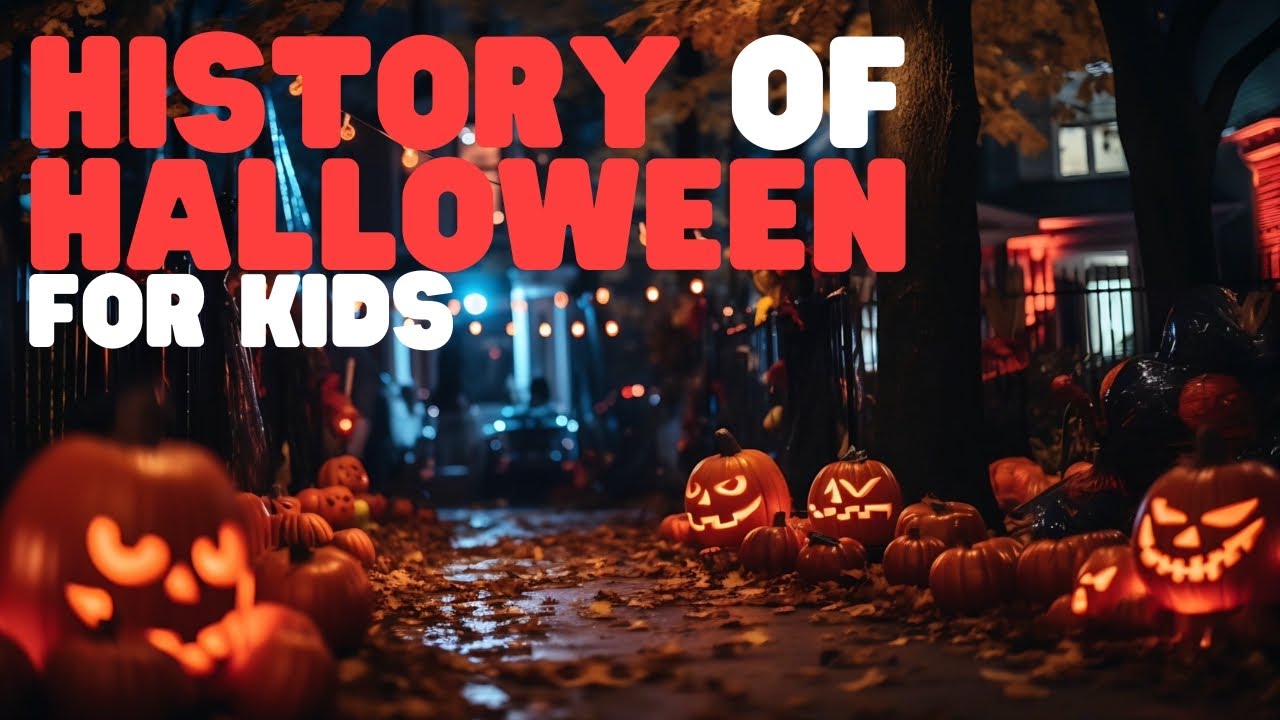
When you think of Halloween, do you ever think of Ireland? Well, turns out, most of our Halloween traditions, including the name, come from the Celts! Dressing up in disguises is all thanks to the Samhein festival. Even our tradition of pumpkin carving originated from an Irish folk tale.
Halloween is one of the oldest traditions in world history and comes from the Celts. It marked the end of summer and beginning of fall/winter season. That's why it's celebrated in the fall. The Celts passed down their history and culture orally, meaning they didn't write any of it down. Druids, or Celtic priests, were the ones responsible for passing it on to the next generation.
The Celts believed people transitions from physically living on Earth to living in a spiritual world when they died. During the Samhein festival, the Celts would stock up on supplies for the winter and welcome guests from the afterlife. If spirits appeared that had been wronged by a living person, the living person would disguise themselves with masks or with ashes from a fire. This was called guising, and it's where the word disguise comes from! Keep watching to learn more, and follow along with the lesson plan!
https://learnbright.org/lesson....s/social-studies/his
We hope you and your student(s) enjoyed learning about where this fun holiday actually came from! If you want even more information on other holidays, head over to our website and download one of our many free lesson plans, full of activities, worksheets, and more!
https://learnbright.org/lesson....s/social-studies/wha
https://learnbright.org/lesson....s/social-studies/wha
https://learnbright.org/lesson....s/social-studies/wha
https://learnbright.org/lesson....s/social-studies/wha
https://learnbright.org/lesson....s/social-studies/tha
Thank you for watching and learning with us! We’re constantly releasing new content and videos, so click that “Subscribe” button and you’ll get notified.
Find and Follow Us Online:
Facebook: https://www.facebook.com/LearnBright/
Instagram: https://instagram.com/LearnBrightEducation
Pinterest: https://pinterest.com/LearnBrightEducation
YouTube: @LearnBright
Website: https://learnbright.org/
*Teachers and Parents! Did you know? In addition to these great videos, we have also created a library of high-quality and engaging lessons for your elementary aged student(s). Visit us and sign up for a free account, and you'll instantly have access to thousands of lesson plans, learning materials, teaching instructions, activities, and assignments that your kids will really enjoy! We hope to see you soon!
Browse our entire collection of Social Studies lesson plans: https://learnbright.org/lessons/?filter_subject=social-studies
#Halloween
#HalloweenHistory

Do you know the difference between a right and responsibility? In this video, you and your kids will learn that, while they may seem similar, rights and responsibilities are actually pretty different. There are many rights and responsibilities, and some of them differ among various communities.
A right is something every human being deserves, no matter who they are or where they live. For example, everyone deserves food and water, clothing, and more. Responsibilities come with rights. These are things that a person must do or think about that may have an effect on other people. The two concepts do connect.
You have the right to go to school. But it is your responsibility to get out of bed and actually attend. You have the right to healthy food, but it is your responsibility to be home for dinner when it's time to eat. Not everyone has the exact same rights and responsibilities, however. You may have the right to stay up late some nights. But there may be a rule where you have to be responsible for doing chores and homework every day or else you can't stay up.
We hope you and your student(s) enjoyed learning about these two concepts! If you want even more information, head over to our website and download one of our many free lesson plans, full of activities, worksheets, and more!
https://learnbright.org/lesson....s/social-studies/rig
What you will learn in Rights and Responsibilities for Kids:
0:00 Introduction to a right and a responsibility
0:29 What is a right? What is a responsibility?
1:32 How rights and responsibilities differ depending on location
2:32 Labeling rights vs. responsibilities
3:44 With great power comes great responsibility
4:06 Things that can happen when someone is irresponsible
Thank you for watching and learning with us! We’re constantly releasing new content and videos, so click that “Subscribe” button and you’ll get notified.
Find and Follow Us Online:
Facebook: https://www.facebook.com/LearnBright/
Instagram: https://instagram.com/LearnBrightEducation
Pinterest: https://pinterest.com/LearnBrightEducation
YouTube: @LearnBright
Website: https://learnbright.org/
*Teachers and Parents! Did you know? In addition to these great videos, we have also created a library of high-quality and engaging lessons for your elementary aged student(s). Visit us and sign up for a free account, and you'll instantly have access to thousands of lesson plans, learning materials, teaching instructions, activities, and assignments that your kids will really enjoy! We hope to see you soon!
Browse our entire collection of Social Studies lesson plans: https://learnbright.org/lessons/?filter_subject=social-studies
#ASL
#RightsAndResponsibilities
#Rights
#Responsibility

In our video Thanksgiving for Kids, you will learn about the history of our very first "Thanksgiving" and how the holiday as we know it today became official.
The story of the first Thanksgiving is quite different from the holiday we celebrate today. When you hear the word Thanksgiving the first thing you may think about is turkey, or maybe the Fall or football, or perhaps you look forward to a couple of days off from school. In the 1600s, the first Thanksgiving had nothing to do with turkey, football, or school. It did take place during the Fall, and there was a feast shared by many people.
Thanksgiving is an annual celebration and a national holiday which commemorates a harvest festival celebrated by the Pilgrims in 1621. In the United States, it is held on the fourth Thursday in November. It is often remembered by religious observances
and a traditional meal, which today includes turkey. The present Thanksgiving holiday did not become official until 1863.
Before that time, three different presidents beginning with Washington tried to make it a national holiday, but it was limited to state observances and celebrations. However, many people believed that Thanksgiving should become a national holiday. Sarah Josepha Hale, an editor of a popular women’s magazine campaigned to make it a national holiday again. Finally, in 1863 President Abraham Lincoln declared Thanksgiving as a holiday to give thanks for “general blessings”.
Since that time America has celebrated Thanksgiving every year with a traditional meal, often with family and friends, and giving thanks for their blessings.
Thank you for watching and learning with us! We’re constantly releasing new content and videos so click that “Subscribe” button and you’ll notified.
Find and Follow Us Online:
Facebook: https://www.facebook.com/LearnBright/
Instagram: https://instagram.com/LearnBrightEducation
Pinterest: https://pinterest.com/LearnBrightEducation
YouTube: https://www.youtube.com/LearnBright
Website: https://learnbright.org/
*Teachers and Parents! Did you know? In addition to these great videos, we have also created a library of high quality and engaging lessons for your elementary aged student(s). Visit us, sign up for a free account, and instantly you'll have access to thousands of lesson plans, learning materials, teaching instructions, activities, and assignments that your kids will really enjoy! We hope to see you soon!
Browse our entire collection of Social Studies lesson plans: https://learnbright.org/lessons/?filter_subject=social-studies
ASL
#ThanksgivingForKids
#FirstThanksgiving

Do you ever wonder what a coral reef really is? In this video we will learn all about coral reefs for kids. We will cover what makes up a coral reef like coral polyps and their exoskeletons, we will learn about famous coral reefs like the great barrier reef, we will also explore the various kinds of coral reefs.There Are Three Main Types Of Coral Reefs: Fringe Reef, Barrier Reef and Atoll Reef.
Fringe Reef grow close to the shorelines of continents and islands and can be attached to the shore, or there may be a narrow strip of water called a lagoon or channel between the land and the reef.
Barrier Reefs occur farther offshore, such as the Great Barrier Reef, often several miles from the shorelines of continents and islands. Las but not least, Atoll reefs which is a ring of coral surrounding a lagoon of water. It usually begins as a fringe reef around a volcanic island. As the coral expands and grows, the island sinks into the ocean leaving the ring of coral. Some are so big, people live on them.
If you want even more we didn't stop at this video! If you want even more activities and learning resources we invite you to download our free 12 page lesson plan, jam packed with more great coral reef information. Download here: https://learnbright.org/lesson....s/science/coral-reef
Thank you for watching and learning with us! We’re constantly releasing new content and videos, so click that “Subscribe” button and you’ll get notified.
Find and Follow Us Online:
Facebook: https://www.facebook.com/LearnBright/
Instagram: https://instagram.com/LearnBrightEducation
Pinterest: https://pinterest.com/LearnBrightEducation
YouTube: https://www.youtube.com/LearnBright
Website: https://learnbright.org/
*Teachers and Parents! Did you know? In addition to these great videos, we have also created a library of high quality and engaging lessons for your elementary aged student(s). Visit us, sign up for a free account, and instantly you'll have access to thousands of lesson plans, learning materials, teaching instructions, activities, and assignments that your kids will really enjoy! We hope to see you soon!
Browse our entire collection of Science lesson plans: https://learnbright.org/lessons/?filter_subject=science
#ASL
#CoralReefs
#TypesOfCoral