Latest videos

Air is all around us and we need it to survive. In this video we will learn about air pollution, what causes it, some of the bad effects air pollution can have on us and the atmosphere, and how we can all do things to help keep our air clean. It's important for kids to understand the importance of keeping our air quality clean and there are many ways we can do that.
After watching this video we invite you to download our free 10 page lesson plan designed for kids in grades 1-3. This lesson is complete with more air pollution content, worksheet, activities and more. https://learnbright.org/lesson....s/science/air-pollut
After watching this video and completing the lesson plan above your kids will be able to define air pollution, list some causes and effects of air pollution, and identify ways to reduce air pollution.
Thank you for watching and learning with us! We’re constantly releasing new content and videos, so click that “Subscribe” button and you’ll get notified.
Find and Follow Us Online:
Facebook: https://www.facebook.com/LearnBright/
Instagram: https://instagram.com/LearnBrightEducation
Pinterest: https://pinterest.com/LearnBrightEducation
YouTube: https://www.youtube.com/LearnBright
Website: https://learnbright.org/
*Teachers and Parents! Did you know? In addition to these great videos, we have also created a library of high quality and engaging lessons for your elementary aged student(s). Visit us, sign up for a free account, and instantly you'll have access to thousands of lesson plans, learning materials, teaching instructions, activities, and assignments that your kids will really enjoy! We hope to see you soon!
Browse our entire collection of Science lesson plans: https://learnbright.org/lessons/?filter_subject=science
#ASL
#AirPollutionForKids
#WhatCausesAirPollution
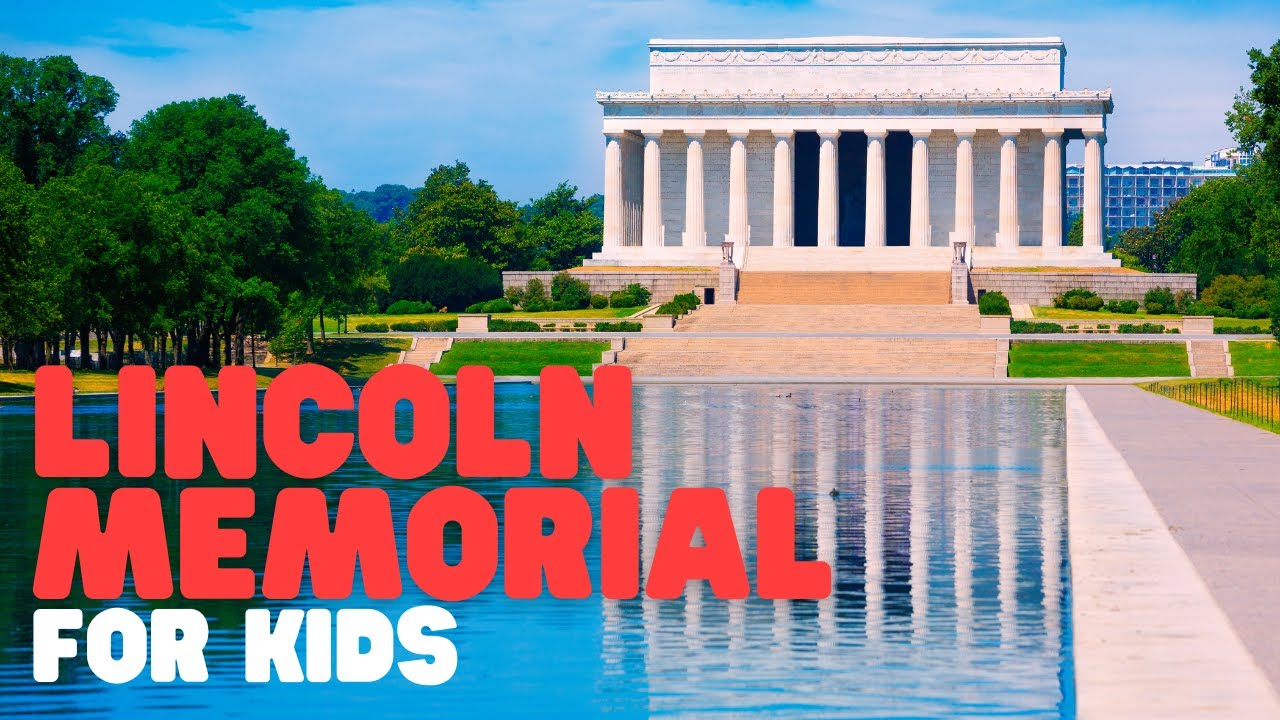
What is a memorial? In Lincoln Memorial for Kids, your students will learn the history surrounding this famous structure. Memorials or monuments (like statues) represent something unique to everyone who sees them. Monuments have meaning and significance to the people who visit them. Although there are thousands of monuments across the United States, many of the most famous monuments are in our nation’s capital—Washington, DC.
One of the most famous monuments in the US is the Lincoln Memorial. Abraham Lincoln is a true American success story. He was the son of a poor farmer who lived on the frontier. He read books that he borrowed after long days working on the farm. But eventually, in 1837, Lincoln worked hard enough to earn a law degree. In 1846, he was elected to the House of Representatives. His calm demeanor and willingness to compromise helped heal the war-torn nation and reunite the North and South into one country. Unfortunately, Lincoln was assassinated in April of 1865, in the middle of his second presidential term.
Congress began work to create a memorial to remember his patriotism two years after his death. In March of 1867, Congress created a commission to design and build the memorial. It would be another 43 years—1910—before Congress would pass a bill that allowed work to begin on the Lincoln Memorial! It took another 12 years to complete the project from the day of the design and construction. In 1922, President Harding and Chief Justice of the Supreme Court Robert Taft officially accepted the memorial on behalf of the American people.
Ironically, although many African Americans were invited and attended the event, they were moved to a segregated area near the monument. The very people Lincoln had fought so strongly to free still faced racial discrimination nearly 60 years after the Civil War ended in 1865.
We hope you and your student(s) enjoyed learning about this famous monument! If you want even more information, head over to our website and download one of our many free high-interest reading lesson plans, full of activities, worksheets, and more!
https://learnbright.org/lesson....s/social-studies/lin
https://learnbright.org/lesson....s/?filter_subject=hi
What you will learn in Lincoln Memorial for Kids:
0:00 Introduction
0:21 What are memorials and monuments?
1:47 Abe Lincoln History
2:28 Lincoln's political history
3:34 Congress begins plan to build memorial
4:43 Lincoln Memorial today
5:19 Review of the facts
Thank you for watching and learning with us! We’re constantly releasing new content and videos, so click that “Subscribe” button and you’ll get notified.
Find and Follow Us Online:
Facebook: https://www.facebook.com/LearnBright/
Instagram: https://instagram.com/LearnBrightEducation
Pinterest: https://pinterest.com/LearnBrightEducation
YouTube: @LearnBright
Website: https://learnbright.org/
*Teachers and Parents! Did you know? In addition to these great videos, we have also created a library of high-quality and engaging lessons for your elementary aged student(s). Visit us and sign up for a free account, and you'll instantly have access to thousands of lesson plans, learning materials, teaching instructions, activities, and assignments that your kids will really enjoy! We hope to see you soon!
Browse our entire collection of Social Studies lesson plans: https://learnbright.org/lessons/?filter_subject=social-studies
#LincolnMemorial
#WashingtonDC

Have you ever seen a duck-billed platypus? This video for kids talks all about one of the most curious mammals in the world. With a duck bill, beaver tail, and otter foot, the platypus is quite strange. Despite being a mammal, it actually lays eggs instead of experiencing live births. They lay their eggs in underground burrows near water that hatch around two weeks later. The young stay with their mother for only about four weeks before swimming off to forage on its own.
While its features are odd, they all have their use. The duck bill is flexible and soft and has thousands of receptors to help them find food in the dark. Their webbed feet push through water quickly. And their tails act like rudders on a ship. They steer the platypuses where they want to go. Additionally, a platypus can remain under water for nearly two minutes before coming up for air!
Believe it or not, a platypus doesn't have any teeth. When it shovels mud and silt into its bill, it also captures gravel. It uses the gravel to chew and grind food. These shy creatures are also very small. Adults weight only around three pounds. That makes them pretty easy prey. However, male platypuses have venomous stingers on their rear feet that can deliver a poisonous sting to attackers.
We hope you and your student(s) enjoyed learning about this interesting creature! If you want to learn even more, head over to our website and download one of our many lesson plans about animals, full of activities, worksheets, and more!
https://learnbright.org/lesson....s/science/duck-bille
https://learnbright.org/lesson....s/science/reptiles-a
Thank you for watching and learning with us! We’re constantly releasing new content and videos, so click that “Subscribe” button and you’ll get notified.
Find and Follow Us Online:
Facebook: https://www.facebook.com/LearnBright/
Instagram: https://instagram.com/LearnBrightEducation
Pinterest: https://pinterest.com/LearnBrightEducation
YouTube: @LearnBright
Website: https://learnbright.org/
*Teachers and Parents! Did you know? In addition to these great videos, we have also created a library of high-quality and engaging lessons for your elementary aged student(s). Visit us, sign up for a free account, and instantly you'll have access to thousands of lesson plans, learning materials, teaching instructions, activities, and assignments that your kids will really enjoy! We hope to see you soon!
Browse our entire collection of Science lesson plans: https://learnbright.org/lessons/?filter_subject=science
#ASL
#Platypus
#Mammals

What is a fact? What is an opinion? And what is the difference between the two? In Fact and Opinion for Kids, you and your student(s) will learn how to tell the difference between a statement of fact and one that is simply a person's opinion.
This video starts out with a great example that demonstrates opinions. Andrew loves pizza, his mom loves ice cream, and his dad loves apples. None of these foods are the best food in the world to everyone, so each person's favorite food choice is their opinion. Facts are statements that can be proven. The sun is yellow. The sky is blue. These are facts that people can prove quite easily. Summer is the best time of year. Soccer is the most fun sport to play. These statements cannot be proven. They are opinions because people prefer different things. Some people may believe summer to be the best time of year. Others, though, might prefer autumn or winter weather even more.
Some opinions can be supported by facts. While they are still opinions, they can be considered widely accepted because of the facts that support them. There are two reasons to know the difference between facts and opinions. One reason is that listening to others' opinions help you better understand them and know them better. The other reason is that knowing the facts about something helps you make important decisions.
We hope you and your student(s) enjoyed learning how to differentiate between a fact and an opinion! If you want even more practice, head over to our website and download one of our many free lesson plans, full of activities, worksheets, and more!
https://learnbright.org/lesson....s/social-studies/fac
https://learnbright.org/lesson....s/language-arts/supp
https://learnbright.org/lesson....s/reading/evaluating
https://learnbright.org/lesson....s/language-arts/opin
What you will learn in this video:
0:00 Introduction to facts and opinions and example story
1:26 Tell the difference between facts and opinions
2:38 What is an opinion? What is a fact?
3:17 Listen and identify the facts and opinions
4:44 Opinions supported with facts
5:14 Confusing facts with opinions
6:15 Two reasons to know the difference between facts and opinions
Thank you for watching and learning with us! We’re constantly releasing new content and videos, so click that “Subscribe” button to get notified of any new content.
Find and Follow Us Online:
Facebook: https://www.facebook.com/LearnBright/
Instagram: https://instagram.com/LearnBrightEducation
Pinterest: https://pinterest.com/LearnBrightEducation
YouTube: @LearnBright
Website: https://learnbright.org/
*Teachers and Parents! Did you know? In addition to these great videos, we have also created a library of high-quality and engaging lessons for your elementary aged student(s). Visit us and sign up for a free account, and you will instantly have access to thousands of lesson plans, learning materials, teaching instructions, activities, and assignments that your kids will really enjoy! We hope to see you soon!
Browse our entire collection of Reading lesson plans: https://learnbright.org/lessons/?filter_subject=reading
#ASL
#FactAndOpinionForKids
#FactsAndOpinions

Poetry for kids is a fun introductory video to all of the different types of poetry. We all love to hear a good story and one way to tell a great story is through Poetry. Poems are made up of different parts. The title of a poem is the name of the poem. The theme of a poem lets the reader know what the poem is about. A single line in a poem is called a verse and a group of lines in a poem, separated by a space, is called a stanza. In this video we learn all about the different kinds of poems like and your kids will learn to how to recognize them in a fun engaging way.
If you are looking for even more Poetry resources? Download our free lesson plan (complete with worksheets, poetry practice pages, activity pages, and more!) here: https://learnbright.org/?s=poetry
Thank you for watching and learning with us! We’re constantly releasing new content and videos so click that “Subscribe” button and you’ll notified.
Find and Follow Us Online:
Facebook: https://www.facebook.com/LearnBright/
Instagram: https://instagram.com/LearnBrightEducation
Pinterest: https://pinterest.com/LearnBrightEducation
YouTube: https://www.youtube.com/LearnBright
Website: https://learnbright.org/
*Teachers and Parents! Did you know? In addition to these great videos, we have also created a library of high quality and engaging lessons for your elementary aged student(s). Visit us, sign up for a free account, and instantly you'll have access to thousands of lesson plans, learning materials, teaching instructions, activities, and assignments that your kids will really enjoy! We hope to see you soon!
Browse our entire collection of Reading lesson plans: https://learnbright.org/lessons/?filter_subject=reading
#ASL
#Poetry
#PoetryForKids
#TypesOfPoetry

What is the difference between a rule and a law? What would life be like if neither rules nor laws existed? In Laws and Rules for Kids, you will discover the answer to these and other questions you have about these concepts. They have similarities, such as the fact that both exist to keep people safe. But they are also different in a few ways. For instance, if you break a law, it may have more serious consequences than breaking a rule does.
A law is created by the government, and the public enforces these laws. A rule relates to behaviors that we should follow in certain situations or places. Breaking a law and breaking a rule both lead to consequences. If you litter, which is breaking the law, you might have to pay a fine. If you throw a ball inside your house even though there is a rule not to, you might break something and get in trouble.
In general, rules are used by smaller groups, like families, schools, teams, and business. Laws are used in much larger groups, like cities, states, and countries. Individuals create rules for different places and situations, such as parents in a family or teachers in a classroom. On the other hand, laws must be voted on by people in government offices or by the citizens.
Again, the consequences or punishments for breaking rules are not as severe as those for breaking laws. If you break rules at school, you might have to skip recess or miss out on certain activities or privileges. If you break a law, you could pay a fine, go to court, do community service, or even serve jail time! Watch the video to see if you can tell the difference between a rule and a law.
We hope you and your student(s) enjoyed learning about the difference between a rule and a law! If you want even more information, head over to our website and download one of our many free lesson plans, full of activities, worksheets, and more!
https://learnbright.org/lesson....s/social-studies/law
What you will learn in Laws and Rules for Kids:
0:00 Introduction to laws and rules
0:40 Why laws and rules are important
1:49 Differences between rules and laws
2:57 Differences in consequences or effects from breaking rules versus laws
3:38 Quiz: Can you tell the difference between a rule and a law?
4:56 Why you should try to follow the rules and laws
5:48 Rules and laws can differ depending on various factors
Check out some of our other videos related to laws and rules here:
Rules and Responsibilities: https://youtu.be/FWwEMFSY1r0
Thank you for watching and learning with us! We’re constantly releasing new content and videos, so click that “Subscribe” button and you’ll get notified.
Find and Follow Us Online:
Facebook: https://www.facebook.com/LearnBright/
Instagram: https://instagram.com/LearnBrightEducation
Pinterest: https://pinterest.com/LearnBrightEducation
YouTube: @LearnBright
Website: https://learnbright.org/
*Teachers and Parents! Did you know? In addition to these great videos, we have also created a library of high-quality and engaging lessons for your elementary aged student(s). Visit us and sign up for a free account, and you'll instantly have access to thousands of lesson plans, learning materials, teaching instructions, activities, and assignments that your kids will really enjoy! We hope to see you soon!
Browse our entire collection of Social Studies lesson plans: https://learnbright.org/lessons/?filter_subject=social-studies
#ASL
#LawsAndRules
#Laws
#Rules

What does Newton's last law of motion state? In this Newton's Third Law of Motion video for kids, you will learn the answer to that question and much more. The third law states that for every action, there is an equal and opposite reaction. What does this actually mean?
Think of a rocket. The exhaust from an erupting rocket moves downward while the actual rocket moves upward. Another example is found when a cannonball shoots out of a cannon. The cannonball shoots forward as the cannon moves backward. Because the cannon is so much heavier than the cannonball, it doesn't look like it moves very far, but the reaction is still equal in the amount of force.
One last thing. Have you ever tried to move heavy furniture? You may have noticed that it starts out kind of hard to move. However, as you start to move the heavy object, it gets a little easier. The friction that happens is sliding friction, which is the same sensation you get when you rub your hands together really quickly! Notice how your hands get warm? That's why!
We hope you and your student(s) enjoyed learning about Newton's final law of motion! If you want to learn even more, head over to our website and download one of our many free lesson plans, full of activities, worksheets, and more!
https://learnbright.org/lesson....s/science/newtons-la
What you will learn in Newton's Third Law of Motion for Kids:
0:00 Introduction to Newton's third law of motion
0:47 How action and reaction work together in a rocket
1:54 Amount of force is always equal on both sides
2:40 Example of action and reaction
3:02 Static friction from horizontal force
Thank you for watching and learning with us! We’re constantly releasing new content and videos, so click that “Subscribe” button and you’ll get notified.
Find and Follow Us Online:
Facebook: https://www.facebook.com/LearnBright/
Instagram: https://instagram.com/LearnBrightEducation
Pinterest: https://pinterest.com/LearnBrightEducation
YouTube: @LearnBright
Website: https://learnbright.org/
*Teachers and Parents! Did you know? In addition to these great videos, we have also created a library of high-quality and engaging lessons for your elementary aged student(s). Visit us, sign up for a free account, and instantly you'll have access to thousands of lesson plans, learning materials, teaching instructions, activities, and assignments that your kids will really enjoy! We hope to see you soon!
Browse our entire collection of Science lesson plans: https://learnbright.org/lessons/?filter_subject=science
#ASL
#NewtonsThirdLawOfMotion
#NewtonsLawsOfMotion

In this video, Trees for Kids, we learn all about trees and why they are so important including: Parts of a tree, how trees produce oxygen, what do trees need to grow and many other fun facts. We hope you enjoy!
If you'd like even more learning resources about trees download our free 11 page lesson plan with activities, worksheets and more.
https://learnbright.org/lesson....s/science/all-about-
Thank you for watching and learning with us! We’re constantly releasing new content and videos, so click that “Subscribe” button and you’ll get notified.
Find and Follow Us Online:
Facebook: https://www.facebook.com/LearnBright/
Instagram: https://instagram.com/LearnBrightEducation
Pinterest: https://pinterest.com/LearnBrightEducation
YouTube: https://www.youtube.com/LearnBright
Website: https://learnbright.org/
*Teachers and Parents! Did you know? In addition to these great videos, we have also created a library of high quality and engaging lessons for your elementary aged student(s). Visit us, sign up for a free account, and instantly you'll have access to thousands of lesson plans, learning materials, teaching instructions, activities, and assignments that your kids will really enjoy! We hope to see you soon!
Browse our entire collection of Science lesson plans: https://learnbright.org/lessons/?filter_subject=science
#ASL
#Trees

In this video for kids we learn all about Punctuation! From Commas to exclamation points we will learn about all the various types of punctuation marks that can be used and which sentence types they are used in. We hope you enjoy this comprehensive intro to punctuation for kids.
Looking for more punctuation resources? Download our free comprehensive lesson plan here: https://learnbright.org/?s=punctuation
Thank you for watching and learning with us! We’re constantly releasing new content and videos so click that “Subscribe” button and you’ll notified.
Find and Follow Us Online:
Facebook: https://www.facebook.com/LearnBright/
Instagram: https://instagram.com/LearnBrightEducation
Pinterest: https://pinterest.com/LearnBrightEducation
YouTube: https://www.youtube.com/LearnBright
Website: https://learnbright.org/
*Teachers and Parents! Did you know? In addition to these great videos, we have also created a library of high quality and engaging lessons for your elementary aged student(s). Visit us, sign up for a free account, and instantly you'll have access to thousands of lesson plans, learning materials, teaching instructions, activities, and assignments that your kids will really enjoy! We hope to see you soon!
Browse our entire collection of Language Arts lesson plans: https://learnbright.org/lessons/?filter_subject=language-arts
#ASL
#PunctuationForKids

Deserts of the world explores the various kinds of earths deserts. In this video we learn what a desert is, the different kinds of deserts (Hot and dry, Semiarid, Coastal, and Cold), the wildlife that lives in each kind of desert, where some of these deserts are located and so much more.
Are you looking for more desert of the world resources? Download our free comprehensive lesson plan here: https://learnbright.org/lesson....s/social-studies/des
Thank you for watching and learning with us! We’re constantly releasing new content and videos so click that “Subscribe” button and you’ll notified.
Find and Follow Us Online:
Facebook: https://www.facebook.com/LearnBright/
Instagram: https://instagram.com/LearnBrightEducation
Pinterest: https://pinterest.com/LearnBrightEducation
YouTube: https://www.youtube.com/LearnBright
Website: https://learnbright.org/
*Teachers and Parents! Did you know? In addition to these great videos, we have also created a library of high quality and engaging lessons for your elementary aged student(s). Visit us, sign up for a free account, and instantly you'll have access to thousands of lesson plans, learning materials, teaching instructions, activities, and assignments that your kids will really enjoy! We hope to see you soon!
Browse our entire collection of Social Studies lesson plans: https://learnbright.org/lessons/?filter_subject=social-studies
#ASL
#Deserts

In this ABC Order video kids will learn how to place words in alphabetical order. Once you know the alphabet (ABCDEFGHIJKLMNOPQRSTUVWXYZ) it is very easy to arrange words in ABC order. We start by looking at the first letter of each work A is first and Z is last. If the words both start with the same letter then we look at the second letter of the word and put in order again A first and Z last. It's that easy!
Looking for more ABC Order resources? Download our free comprehensive lesson plan here: https://learnbright.org/lesson....s/language-arts/alph
Thank you for watching and learning with us! We’re constantly releasing new content and videos so click that “Subscribe” button and you’ll notified.
Find and Follow Us Online:
Facebook: https://www.facebook.com/LearnBright/
Instagram: https://instagram.com/LearnBrightEducation
Pinterest: https://pinterest.com/LearnBrightEducation
YouTube: https://www.youtube.com/LearnBright
Website: https://learnbright.org/
*Teachers and Parents! Did you know? In addition to these great videos, we have also created a library of high quality and engaging lessons for your elementary aged student(s). Visit us, sign up for a free account, and instantly you'll have access to thousands of lesson plans, learning materials, teaching instructions, activities, and assignments that your kids will really enjoy! We hope to see you soon!
Browse our entire collection of Language Arts lesson plans: https://learnbright.org/lessons/?filter_subject=language-arts
#ASL
#ABCOrder
Are you wondering how to calculate perimeter? You've found the right video. Calculating perimeter can be quite easy! In this introduction video we learn how to find the perimeter of many different objects. We also discuss and learn the difference between perimeter and area! This video is designed to be a classroom resource for elementary students and when used in conjunction with our free lesson plan students will be able to find the perimeter of many objects and understand its real world uses.
Download our free comprehensive lesson plans here: https://learnbright.org/?s=perimeter
Thank you for watching and learning with us! We’re constantly releasing new content and videos so click that “Subscribe” button and you’ll notified.
Find and Follow Us Online:
Facebook: https://www.facebook.com/LearnBright/
Instagram: https://instagram.com/LearnBrightEducation
Pinterest: https://pinterest.com/LearnBrightEducation
YouTube: https://www.youtube.com/LearnBright
Website: https://learnbright.org/
*Teachers and Parents! Did you know? In addition to these great videos, we have also created a library of high quality and engaging lessons for your elementary aged student(s). Visit us, sign up for a free account, and instantly you'll have access to thousands of lesson plans, learning materials, teaching instructions, activities, and assignments that your kids will really enjoy! We hope to see you soon!
Browse our entire collection of Math lesson plans:
https://learnbright.org/lessons/?filter_subject=math
#ASL
#CalculatingPerimeter

What is an idiom? These statements can often be a little confusing because they don't seem to make sense! In Idioms for Kids, your kids and students will learn what idioms are and how fun they can be to use. Idioms are considered a tool in figurative language to make something more interesting. Sometimes they use comparisons between very different things—like fish and visitors—to paint a picture for the hearer. Other times, they don't seem to make any sense at all. "When pigs fly" means that whatever you're describing will never happen, because pigs will never be able to fly. And to say "Break a leg!" means to wish someone good luck. Surely, breaking your leg is not good luck! As your kids will find out, idioms can often be rather strange.
This video also points out that idioms from one country may not make sense to people from another country. The phrases we use in America might not translate well for people who live in Australia or England, even though English is the common language among the three countries. Idioms make sense to the people that live in the country from which the phrase comes.
We hope you and your student(s) enjoyed learning about idioms! If you want some more examples, head over to our website and download one of our many free lesson plans about idioms that is full of activities, worksheets, and more!
https://learnbright.org/lesson....s/language-arts/idio
https://learnbright.org/lesson....s/language-arts/expl
What you will learn in Idioms for Kids:
0:00 Introduction to idioms
1:08 What is figurative language?
1:33 "Fish and visitors stink after three days" explanation
2:24 Examples of idioms
2:54 Definition of idiom
3:59 How idioms work around the world
5:12 How idioms can be used to express yourself
6:08 Where you can find idioms
Thank you for watching and learning with us! We’re constantly releasing new content and videos, so click that “Subscribe” button and you’ll get notified.
Find and Follow Us Online:
Facebook: https://www.facebook.com/LearnBright/
Instagram: https://instagram.com/LearnBrightEducation
Pinterest: https://pinterest.com/LearnBrightEducation
YouTube: @LearnBright
Website: https://learnbright.org/
*Teachers and Parents! Did you know? In addition to these great videos, we have also created a library of high quality and engaging lessons for your elementary aged student(s). Visit us and sign up for a free account, and you'll instantly have access to thousands of lesson plans, learning materials, teaching instructions, activities, and assignments that your kids will really enjoy! We hope to see you soon!
Browse our entire collection of Language Arts lesson plans: https://learnbright.org/lessons/?filter_subject=language-arts
#ASL
#IdiomsForKids
#WhatIsAnIdiom
#FigurativeLanguage

Abraham Lincoln is largely considered one of the greatest presidents this country has ever seen. In Abraham Lincoln for Kids, you will learn so many wonderful things about this great president. For instance, did you know he was such a good wrestler that he is honored at the National Wrestling Hall of Fame?
Lincoln was born in Kentucky in 1809 to parents who could neither read nor write. He was rarely able to go to school and learned things himself from books he borrowed from others. At a young age, his mother died. After his father remarried, they moved to Illinois. Abraham worked as a storekeeper, surveyor, and post master. By the age of 25, he was elected to the local government.
He then started studying law and began working as lawyer. His work as a lawyer earned him the nickname many of us recognize—Honest Abe. This is because of the trustworthy way in which he ran his practice. Lincoln served one term in the US House of Representatives but failed twice in a row to be elected to the Senate. Nevertheless, his opposition to slavery helped him win the presidential nomination two years after his second Senate loss.
Abe Lincoln became president the same year as the start of the Civil War. He is known for his famous Gettysburg Address and the Emancipation Proclamation, which freed all slaves. He even crafted the Thirteenth Amendment. The end of the war finally came on April 9, 1865. Sadly, less than a week later, John Wilkes Booth assassinated the president, who had just been reelected for a second term.
We hope you and your student(s) enjoyed learning about the 16th president of the United States! If you want even more information, head over to our website and download one of our many lesson plans, full of activities, worksheets, and more!
https://learnbright.org/lesson....s/social-studies/was
https://learnbright.org/lesson....s/social-studies/get
https://learnbright.org/lesson....s/social-studies/lin
https://learnbright.org/lesson....s/social-studies/ema
https://learnbright.org/lesson....s/social-studies/sla
Thank you for watching and learning with us! We’re constantly releasing new content and videos, so click that “Subscribe” button and you’ll get notified.
What you will learn in Abraham Lincoln for Kids:
0:00 Introduction Abe Lincoln
0:45 Birth and childhood
1:32 Elected to local government
2:24 The 1860 presidential four-way race and Civil War
3:15 Why the Civil War started
4:20 Second presidential term and assassination
5:10 More interesting facts about Abraham Lincoln
5:51 Review of the facts
Find and Follow Us Online:
Facebook: https://www.facebook.com/LearnBright/
Instagram: https://instagram.com/LearnBrightEducation
Pinterest: https://pinterest.com/LearnBrightEducation
YouTube: @LearnBright
Website: https://learnbright.org/
*Teachers and Parents! Did you know? In addition to these great videos, we have also created a library of high quality and engaging lessons for your elementary aged student(s). Visit us, sign up for a free account, and instantly you'll have access to thousands of lesson plans, learning materials, teaching instructions, activities, and assignments that your kids will really enjoy! We hope to see you soon!
Browse our entire collection of Social Studies lesson plans: https://learnbright.org/lessons/?filter_subject=social-studies
#ASL
#AbrahamLincoln
#HonestAbe
#Presidents

Calculating area doesn't have to be difficult and it has many real world applications. In this video, you will learn what area and perimeter is and how to find the area of many different kinds of objects.
Looking for more Area resources? Download our free comprehensive lesson plan here: https://learnbright.org/?s=area
Thank you for watching and learning with us! We’re constantly releasing new content and videos so click that “Subscribe” button and you’ll notified.
Find and Follow Us Online:
Facebook: https://www.facebook.com/LearnBright/
Instagram: https://instagram.com/LearnBrightEducation
Pinterest: https://pinterest.com/LearnBrightEducation
YouTube: https://www.youtube.com/LearnBright
Website: https://learnbright.org/
*Teachers and Parents! Did you know? In addition to these great videos, we have also created a library of high quality and engaging lessons for your elementary aged student(s). Visit us, sign up for a free account, and instantly you'll have access to thousands of lesson plans, learning materials, teaching instructions, activities, and assignments that your kids will really enjoy! We hope to see you soon!
Browse our entire collection of Math lesson plans:
https://learnbright.org/lessons/?filter_subject=math
#ASL
#HowToCalculateArea
#CalculatingAreaForKids

Adding and Subtracting Money - Math Lessons For Kids is a great resource for kids to start learning about money. Kids will start handling money at very young ages so it is important to help them learn how to add money and subtract money.
In this quick adding money overview video your child will learn how to deduct or add to the money in their piggy bank :)
You may also enjoy our detailed lesson plan with real-life problems, worksheets, practice sheets and more! You can find that here: https://learnbright.org/lesson....s/math/add-subtract-
Thank you for watching and learning with us! We’re constantly releasing new content and videos so click that “Subscribe” button and you’ll notified.
Find and Follow Us Online:
Facebook: https://www.facebook.com/LearnBright/
Instagram: https://instagram.com/LearnBrightEducation
Pinterest: https://pinterest.com/LearnBrightEducation
YouTube: https://www.youtube.com/LearnBright
Website: https://learnbright.org/
*Teachers and Parents! Did you know? In addition to these great videos, we have also created a library of high quality and engaging lessons for your elementary aged student(s). Visit us, sign up for a free account, and instantly you'll have access to thousands of lesson plans, learning materials, teaching instructions, activities, and assignments that your kids will really enjoy! We hope to see you soon!
Browse our entire collection of Math lesson plans:
https://learnbright.org/lessons/?filter_subject=math
#ASL
#AddingAndSubtractingMoney
#MoneyForKids

In this video we run through the 50 States of America and give a history of the how the 50 U.S. States came to be. We talk about the 13 original colonies, the Louisiana purchase, acquisition of Florida, treaty of Guadalupe hidalgo, the Oregon Treaty and more!
To learn more download our 50 States of America Lesson Plan here: https://learnbright.org/lesson....s/social-studies/50-
The United States did not always have 50 states. A long time ago in the 1700s the country did not yet exist. The land was here, but there were no states until 1787. During that time, the first pieces of land, which are called states today, were called territories or colonies. Colonies were formed in America when people from England came and lived in different places on the East coast. There were 13 original colonies, which were also the first states of America. They are shown on the map to the left.
As time passed more and more states joined together and the United States was formed with a total of 50 states. The first state of America was Delaware and the last state to become part of America was Hawaii. It is important to learn the different names of the 50 states of America. When you hear the news, read a book, or do school work, the different names of the states may be said. The more you read about the different states, and see the names of each state, you will start to remember them.
Thank you for watching and learning with us! We’re constantly releasing new content and videos so click that “Subscribe” button and you’ll notified.
Find and Follow Us Online:
Facebook: https://www.facebook.com/LearnBright/
Instagram: https://instagram.com/LearnBrightEducation
Pinterest: https://pinterest.com/LearnBrightEducation
YouTube: https://www.youtube.com/LearnBright
Website: https://learnbright.org/
*Teachers and Parents! Did you know? In addition to these great videos, we have also created a library of high quality and engaging lessons for your elementary aged student(s). Visit us, sign up for a free account, and instantly you'll have access to thousands of lesson plans, learning materials, teaching instructions, activities, and assignments that your kids will really enjoy! We hope to see you soon!
Browse our entire collection of Social Studies lesson plans: https://learnbright.org/lessons/?filter_subject=social-studies
#ASL
#50StatesOfAmerica

Action words are all around us and in this video we learn what they are and how to identify them. Your kids will learn that action words are VERBS! It is important for kids to understand verbs and by the time they are done with this video they should be able to identify and use verbs in sentences. So... get ready to have some fun with your kids as we run in place, sing, talk and learn all about verbs in this fun introductory video.
All sentences have verbs and subjects. A subject is the part of a sentence that contains a person or a thing which performs an action or verb. In the video your kids will practice samples like:
“James runs down the street.”
In this sentence James is the subject. He is the person performing the action. Remember that verbs are action words. What action is James performing in this sentence, or what is the verb in this sentence? The action word or verb is: Runs
There are many other practice opportunities in the video and in our free comprehensive lesson plan that can be downloaded here: https://learnbright.org/lesson....s/language-arts/intr
Thank you for watching! Share your thoughts in the comments below and be sure to subscribe!
Find and Follow us Online:
Facebook: https://www.facebook.com/LearnBright/
Instagram: https://instagram.com/LearnBrightEducation
Pinterest: https://pinterest.com/LearnBrightEducation
YouTube: https://www.youtube.com/LearnBright
Website: https://learnbright.org/
Are you a K-6 grade teacher looking for more teaching resources? We don’t only provide video content but high quality lesson plans as well. 100% free with handouts, worksheets, classroom activities and more!
Browse our collection of other Language Arts lesson plans: https://learnbright.org/lessons/?filter_subject=language-arts
#ASL
#WhatIsAVerb
#VerbsForKids
Air is all around us and we need it to survive. In this video we will learn about air pollution, what causes it, some of the bad effects air pollution can have on us and the atmosphere, and how we can all do things to help keep our air clean. It's important for kids to understand the importance of keeping our air quality clean and there are many ways we can do that.
After watching this video we invite you to download our free 10 page lesson plan designed for kids in grades 1-3. This lesson is complete with more air pollution content, worksheet, activities and more. https://learnbright.org/lesson....s/science/air-pollut
After watching this video and completing the lesson plan above your kids will be able to define air pollution, list some causes and effects of air pollution, and identify ways to reduce air pollution.
Thank you for watching and learning with us! We’re constantly releasing new content and videos, so click that “Subscribe” button and you’ll get notified.
Find and Follow Us Online:
Facebook: https://www.facebook.com/LearnBright/
Instagram: https://instagram.com/LearnBrightEducation
Pinterest: https://pinterest.com/LearnBrightEducation
YouTube: https://www.youtube.com/LearnBright
Website: https://learnbright.org/
*Teachers and Parents! Did you know? In addition to these great videos, we have also created a library of high quality and engaging lessons for your elementary aged student(s). Visit us, sign up for a free account, and instantly you'll have access to thousands of lesson plans, learning materials, teaching instructions, activities, and assignments that your kids will really enjoy! We hope to see you soon!
Browse our entire collection of Science lesson plans: https://learnbright.org/lessons/?filter_subject=science
#ASL
#AirPollutionForKids
#WhatCausesAirPollution

In this video Fossil Fuels for Kids you and your students will learn all about fossil fuels, what they are, and where they come from. We talk about the kinds of fossil fuels (Coal, Oil, Natural Gas), Where they come from, common misconceptions about fossil fuels, what they are used for and so much more! We hope you and your kids enjoy learning all about fossil fuels.
Looking for more Fossil Fuel resources? Download our free comprehensive lesson plan here:
https://learnbright.org/lesson....s/science/fossil-fue
Thank you for watching and learning with us! We’re constantly releasing new content and videos, so click that “Subscribe” button and you’ll get notified.
Find and Follow Us Online:
Facebook: https://www.facebook.com/LearnBright/
Instagram: https://instagram.com/LearnBrightEducation
Pinterest: https://pinterest.com/LearnBrightEducation
YouTube: https://www.youtube.com/LearnBright
Website: https://learnbright.org/
*Teachers and Parents! Did you know? In addition to these great videos, we have also created a library of high quality and engaging lessons for your elementary aged student(s). Visit us, sign up for a free account, and instantly you'll have access to thousands of lesson plans, learning materials, teaching instructions, activities, and assignments that your kids will really enjoy! We hope to see you soon!
Browse our entire collection of Science lesson plans: https://learnbright.org/lessons/?filter_subject=science
#ASL
#FossilFuels