Top videos

Watch Learn Shapes & Numbers Wooden Slider Tumbling Toys | Preschool Kids Learning 3D Educational Toddler.
#learnshapes #shapesforkids #educational #kidsvideos #colorsfortoddlers #kidslearning
Thanks for watching
Please Like! & Share
For more Updates and Videos
Subscribe to us: https://goo.gl/qQOSTh
Follow Us In Other Social Sites...
Blogger: https://goo.gl/kdQkgV
Instagram: https://goo.gl/4RaDvg
Twitter: https://twitter.com/supercrazykids
Fb: https://www.facebook.com/supercrazykidss/
Pinterest: https://www.pinterest.com/supe....rcrazykidss/super-cr
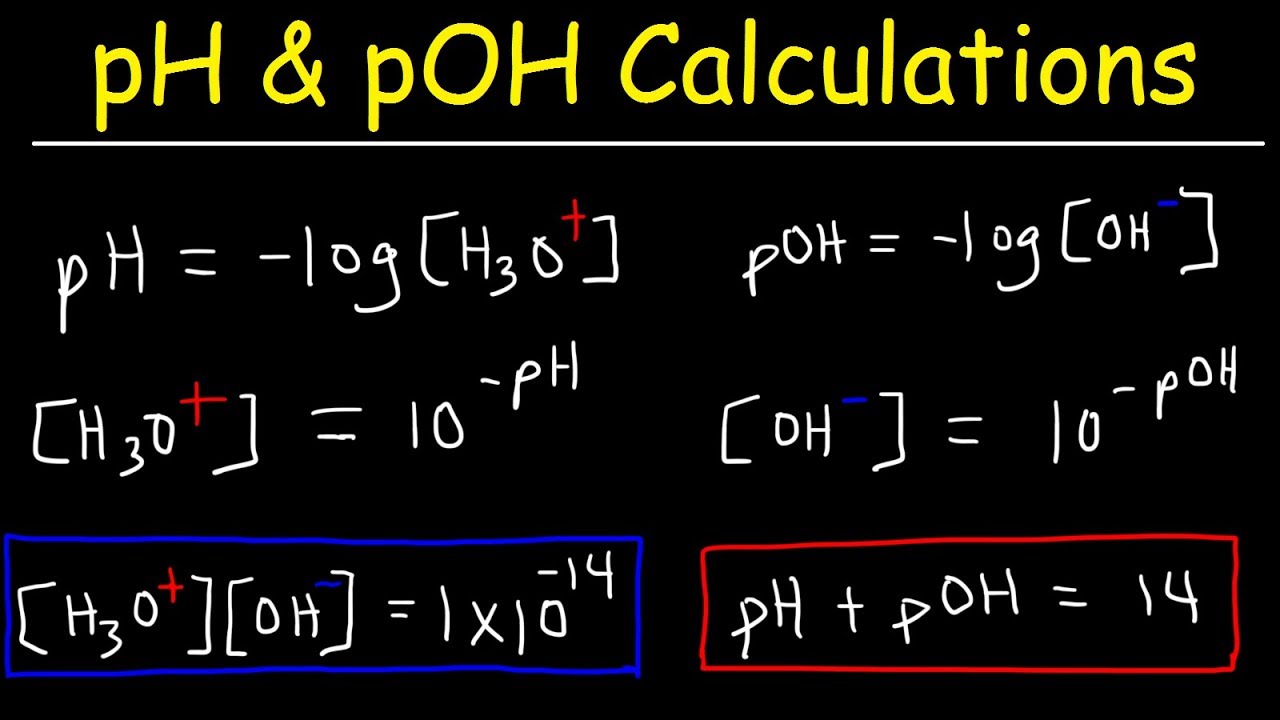
This acids and bases chemistry video tutorial provides a basic introduction into the calculation of the pH and pOH of a solution. This video explains how to the calculate the hydronium ion [H3O+] and the hydroxide ion [OH-] concentration given the pH or the pOH of the solution. This video contains the formulas and equations needed to calculate Ka and Kb using Kw as well as the pKa and pKb of acids and bases. This lesson contains plenty of examples and practice problems.
Acids and Bases - Introduction:
https://www.youtube.com/watch?v=FM2MpMbV0rw
The 7 Strong Acids to Memorize:
https://www.youtube.com/watch?v=AaYQ_ZiE7AY
Conjugate Acid-Base Pairs:
https://www.youtube.com/watch?v=OP6RKqSp1Xw
pH and pOH Calculations:
https://www.youtube.com/watch?v=OEW4-Sfyvik
Estimate The pH Without a Calculator:
https://www.youtube.com/watch?v=Mgph6gmIuwg
_______________________________
Autoionization of Water - Kw:
https://www.youtube.com/watch?v=ID5K1Yt7Yho
Which Acid Is Stronger?
https://www.youtube.com/watch?v=PdqFSw_SRug
Acidic, Basic, & Neutral Salts:
https://www.youtube.com/watch?v=-6Pxr7SRgeo
pH of Weak Acids:
https://www.youtube.com/watch?v=kJTCuRSeh6g
Buffer Solutions:
https://www.youtube.com/watch?v=kBzPTEB21Po
_________________________________
Polyprotic Acid Base Equilibria:
https://www.youtube.com/watch?v=nXugjkSQtTI
Acid Base Titration Curves:
https://www.youtube.com/watch?v=LNG9rhmBu8E
Acids and Bases - Practice Test:
https://www.youtube.com/watch?v=hmGPK0cuO7o
Ksp - Molar Solubility & Ice Tables:
https://www.youtube.com/watch?v=kO-9OajoPZs
Complex Ion Equilibria:
https://www.youtube.com/watch?v=nkiMFM19yNE
___________________________________
Gibbs Free Energy, Entropy & Enthalpy:
https://www.youtube.com/watch?v=2KuNzB0cZL4
Entropy - 2nd Law of Thermodynamics:
https://www.youtube.com/watch?v=lN66F9V7-_Q
Electrochemistry Practice Problems:
https://www.youtube.com/watch?v=S9frctwDyL0
Final Exams and Video Playlists:
https://www.video-tutor.net/
Full-Length Videos and Worksheets:
https://www.patreon.com/MathSc....ienceTutor/collectio
Chemistry PDF Worksheets:
https://www.video-tutor.net/chemistry-basic-introduction.html

🥗 Help your kids learn names of vegetables with this fun sing-along song! 🦁 Lucas & Friends have returned, and now they’re singing and dancing about healthy foods-especially vegetables, what they look like, and why kids should eat them! 🤩
🥣 Introduce your kids to the best vegetables, their names, what they look like, and how to spell them in English: 🥦 Broccoli, Peas, 🥕 Carrots, Beans, 🥬 Cabbage, Cauliflower, 🥔 Potatoes, Spinach, Lettuce, and 🥒 Cucumbers — they're all here, and they’re all tasty! 😋
💡 Parents, teachers, and guardians can use the vegetable song to teach children good eating habits. 🍽️ Kids won't even realize they're learning new words or discovering how to eat right, they'll just think they're singing along with a funny song! ✨
⦿ Sing along with the vegetable song lyrics:
Broccoli Peas Carrots beans and cabbage
Cauliflower potatoes spinach lettuce cucumber
I love them all
I love Broccoli
I love Broccoli
Fluffy and green like a tree
Makes me smart … so smart
Veggies are so healthy
I love peas
I love peas
Small and round like a bead
Makes my eye so sharp
Veggies are so healthy
Broccoli Peas Carrots beans and cabbage
Cauliflower potatoes spinach lettuce cucumber
I love them all
I love carrots
I love carrots
Sweet and sour and so crunchy
Makes my heart so strong
Veggies are so healthy
I love beans
I love beans
Long and thin with some pods
Makes my skin stay young
Veggies are so healthy
Broccoli Peas Carrots beans and cabbage
Cauliflower potatoes spinach lettuce cucumber
I love them all
I love cabbage
I love cabbage
Leafy and round like a wrap
Makes my tummy so happy
Veggies are so healthy
I love cauliflower
I love cauliflower
Fluffy like a white broccoli
Helps me lose a few pounds
Veggies are so healthy
Broccoli Peas Carrots beans and cabbage
Cauliflower potatoes spinach lettuce cucumber
I love them all
I love spinach
I love spinach
Leafy, green and so yummy
Makes me strong like Superhero
Veggies are so healthy
I love cucumber
I love cucumber
Bright green long and so crunchy
Makes my mouth so fresh
Veggies are so healthy
Broccoli Peas Carrots beans and cabbage
Cauliflower potatoes spinach lettuce cucumber
I love them all
I love lettuce
I love lettuce
Crunchy leaves in my salad
Makes my bone so strong
Veggies are so healthy
I love potatoes
I love potatoes
Helps me go stronger
Makes my tummy so full
Veggies are so healthy
Broccoli Peas Carrots beans and cabbage
Cauliflower potatoes spinach lettuce cucumber
"Eating Vegetables every day will help you grow faster and stronger"
⭐ If our video entertains your child and makes them happy, please hit the LIKE button. SHARE it with your friends and family members so that more and more kids can sing and have fun. 👍 SUBSCRIBE to our channel to watch our other nursery rhymes, kids songs, and educational videos for children and parents. 🔔 And make sure you turn on the bell icon to get notified as soon as our new videos come up. 🔥
🛍️ Official Lucas & Friends Store Now Open - https://shop.rvappstudios.com
📢 Checkout Lucas & Friends Educational Children's Books: https://www.amazon.com/Lucas-F....riends-by-RV-AppStud
🎯 Try our FREE Educational Apps for Babies & Toddlers:
🟡 Google Play: https://play.google.com/store/....apps/dev?id=74300059
🟣 iOS: https://apps.apple.com/develop....er/rv-appstudios-llc
🟢 RV AppStudios: https://www.rvappstudios.com/kidsapp.html
🌟 Fun educational videos for toddlers by RV AppStudios:
🌞 Healthy Habits Song for Kids - https://youtu.be/QpdCTuraiB4
✏️ Flash Cards To Learn First Words - https://youtu.be/c-aiPRcTpao
🪥 Going To The Dentist For Kids - https://youtu.be/0FMSc--AcX0
👂 Body Parts Song For Children - https://youtu.be/yx79UMVMiBU
Copyright © RV AppStudios
#Vegetables tables #KidsSong #EducationalVideos
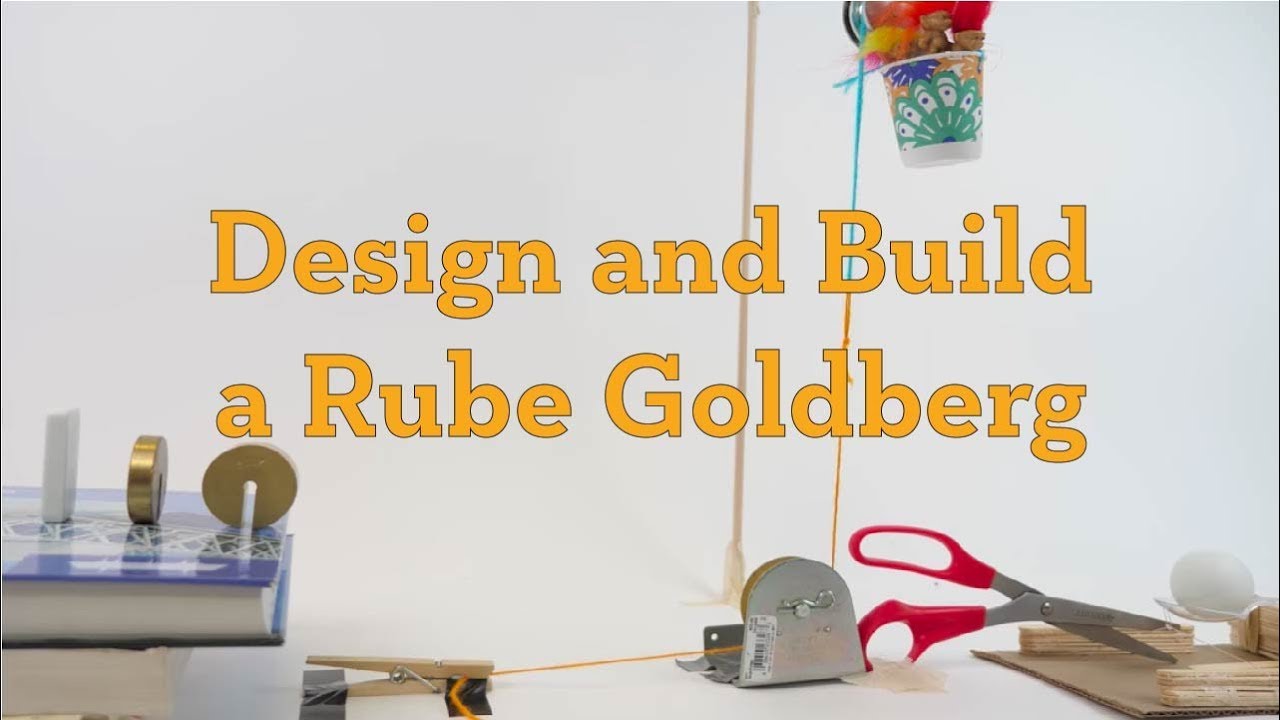
In this two-part activity, students design and build Rube Goldberg machines. This open-ended challenge employs the engineering design process and may have a pre-determined purpose, such as rolling a marble into a cup from a distance, or let students decide the purposes.
View the full activity on TeachEngineering: https://www.teachengineering.o....rg/activities/view/c
TeachEngineering has over 1,500 FREE lessons and activities. Visit http://www.TeachEngineering.org for more!
Music: Deep Hat - Vibe Tracks

In this session, we demystified prompt engineering, a crucial skill for successfully leveraging AI in your classroom.
This hands-on webinar designed specifically for educators covered everything from prompt engineering basics to more advanced techniques. Learn how to avoid common mistakes, save time on administrative tasks, brainstorm ideas, personalize learning, and more!
You will learn:
What is prompt engineering and why it matters
How to structure prompts to get better AI output
Tips for phrasing prompts aimed at different tasks
How to use prompts for lesson planning, administrative tasks, personalizing learning, and other classroom applications.
We'll also walked through our free Prompt Library containing dozens of prompts designed just for education and a perfect place to get started with ideas and examples.
Whether you're new to AI or more experienced, this webinar will take your prompt engineering skills to the next level and supercharge your teaching.
Courses on Khan Academy are always 100% free. Start practicing—and saving your progress—now: https://www.khanacademy.org/ma....th/linear-algebra/ma
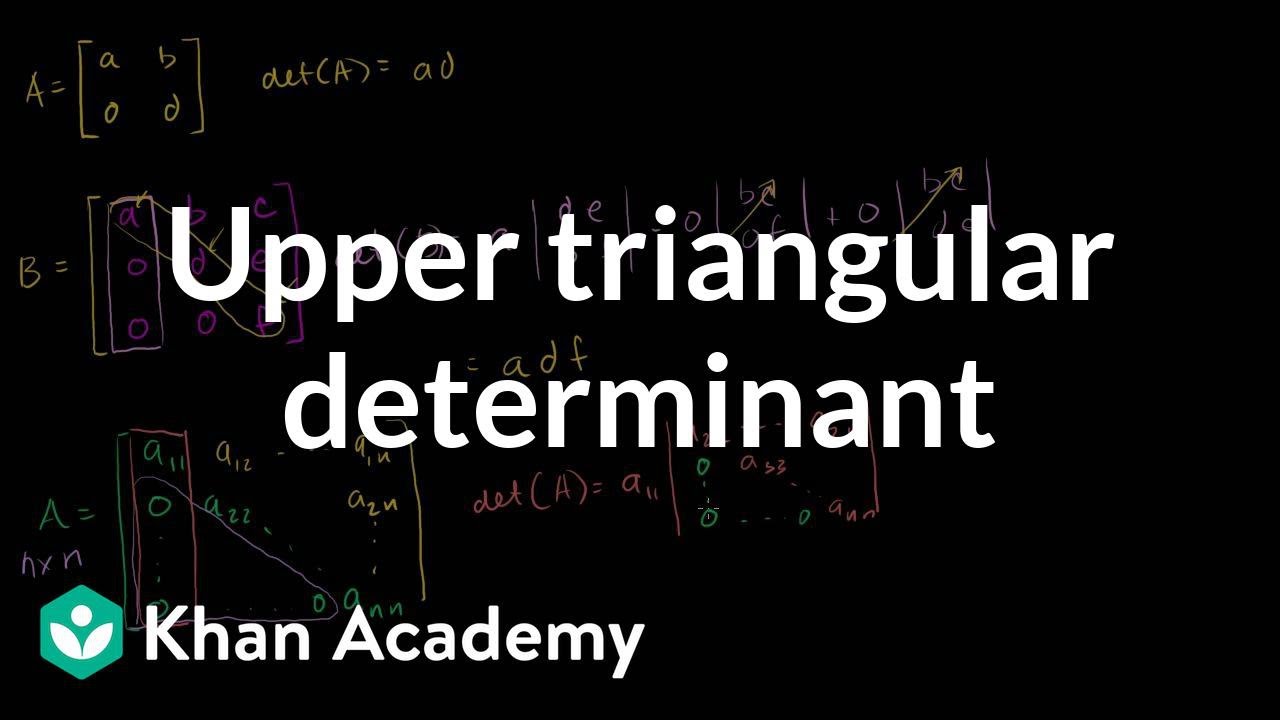
The determinant of an upper triangular matrix
Watch the next lesson: https://www.khanacademy.org/math/linear-algebra/matrix_transformations/determinant_depth/v/linear-algebra-simpler-4x4-determinant?utm_source=YT&utm_medium=Desc&utm_campaign=LinearAlgebra
Missed the previous lesson?
https://www.khanacademy.org/math/linear-algebra/matrix_transformations/determinant_depth/v/linear-algebra-determinant-after-row-operations?utm_source=YT&utm_medium=Desc&utm_campaign=LinearAlgebra
Linear Algebra on Khan Academy: Have you ever wondered what the difference is between speed and velocity? Ever try to visualize in four dimensions or six or seven? Linear algebra describes things in two dimensions, but many of the concepts can be extended into three, four or more. Linear algebra implies two dimensional reasoning, however, the concepts covered in linear algebra provide the basis for multi-dimensional representations of mathematical reasoning. Matrices, vectors, vector spaces, transformations, eigenvectors/values all help us to visualize and understand multi dimensional concepts. This is an advanced course normally taken by science or engineering majors after taking at least two semesters of calculus (although calculus really isn't a prereq) so don't confuse this with regular high school algebra.
About Khan Academy: Khan Academy offers practice exercises, instructional videos, and a personalized learning dashboard that empower learners to study at their own pace in and outside of the classroom. We tackle math, science, computer programming, history, art history, economics, and more. Our math missions guide learners from kindergarten to calculus using state-of-the-art, adaptive technology that identifies strengths and learning gaps. We've also partnered with institutions like NASA, The Museum of Modern Art, The California Academy of Sciences, and MIT to offer specialized content.
For free. For everyone. Forever. #YouCanLearnAnything
Subscribe to KhanAcademy’s Linear Algebra channel:: https://www.youtube.com/channe....l/UCGYSKl6e3HM0PP7QR
Subscribe to KhanAcademy: https://www.youtube.com/subscr....iption_center?add_us

What is Alzheimer's Disease and what causes it? In this video designed for elementary learning we explore those questions and help gain a deeper understanding of this disease. Many of us know someone who has been affected by dementia or Alzheimers and if not many of us might in the future. We hope this video helps students gain a better understanding of the disease, its causes, symptoms, and some prevention techniques.
Alzheimer's Disease is a type of dementia that causes problems with memory, thinking, and behavior. Dementia is a set of symptoms that may include memory loss and difficulties with thinking, problem-solving, or language. Alzheimer’s Disease is the most common cause of dementia.
Alzheimer's Symptoms: As a person ages, they may forget things. It is normal. However, one of the symptoms of AD is consistent memory loss, especially of recent events and new information. This is the most noticeable trait of Alzheimer’s, it usually occurs gradually at first, but gets worse over time.
Alzheimer's Prevention Ideas: As you learn, your brain is constantly making connections, and one way that might help prevent Alzheimer’s as you get older is to produce new connections. You can do this by staying active, mentally and physically. This also apples to adult family members or friends who do not have AD. Encourage them to be active too.
Do you want to learn more about Alzheimer's Disease? Download our free comprehensive lesson plan here: https://learnbright.org/lesson....s/science/alzheimers This lesson has extra content, worksheets, classroom activities and more!
Thank you for watching and learning with us! We’re constantly releasing new content and videos, so click that “Subscribe” button and you’ll get notified.
Find and Follow Us Online:
Facebook: https://www.facebook.com/LearnBright/
Instagram: https://instagram.com/LearnBrightEducation
Pinterest: https://pinterest.com/LearnBrightEducation
YouTube: https://www.youtube.com/LearnBright
Website: https://learnbright.org/
*Teachers and Parents! Did you know? In addition to these great videos, we have also created a library of high quality and engaging lessons for your elementary aged student(s). Visit us, sign up for a free account, and instantly you'll have access to thousands of lesson plans, learning materials, teaching instructions, activities, and assignments that your kids will really enjoy! We hope to see you soon!
Browse our entire collection of Science lesson plans: https://learnbright.org/lessons/?filter_subject=science
#ASL
#AlzheimersDiseaseForKids
#WhatIsAlzheimersDisease

🚀 Get a FREE SEO strategy Session + Discount Now: https://go.juliangoldie.com/strategy-session
- Signup with Goldie Agency for now and get 25% extra FREE!
🤯 Want more money, traffic and sales from SEO? Join the SEO Elite Circle 👇
https://go.juliangoldie.com/buy-mastermind
Click below for FREE access to ✅ 50 FREE AI SEO TOOLS 🔥 200+ AI SEO Prompts! 📈 FREE AI SEO COMMUNITY with 2,000 SEOs ! 🚀 Free AI SEO Course 🏆 Plus TODAY's Video NOTES...
https://go.juliangoldie.com/chat-gpt-prompts
- Join our FREE AI SEO Accelerator here: https://www.facebook.com/groups/aiseomastermind
- Need consulting? Book a call with us here: https://link.juliangoldie.com/....widget/bookings/seo-
Exploring VectorShift & DeepSeek v3: Ultimate Guide to No-Code AI Automation
In this episode, we test out DeepSeek version 3 and explore the potential of creating AI agents on the VectorShift platform. This no-code AI automation tool offers a variety of features, including Google API integration, custom chatbot creation, blog article generation, and much more. We'll walk you through the setup process, showcase various templates, and explain how to deploy your automation workflows. Additionally, learn about using AI for tasks like SEO keyword research, email automation, and competitive analysis. Discover how you can utilize these tools to save time and boost productivity.
00:00 Introduction to Deep Seek Version Three
00:40 Setting Up VectorShift and DeepSeek API
01:14 Creating Workflows and Pipelines
02:14 Exploring VectorShift Features
04:55 Deploying and Testing Automations
06:38 Advanced Customization and Use Cases
10:33 Conclusion and Additional Resources
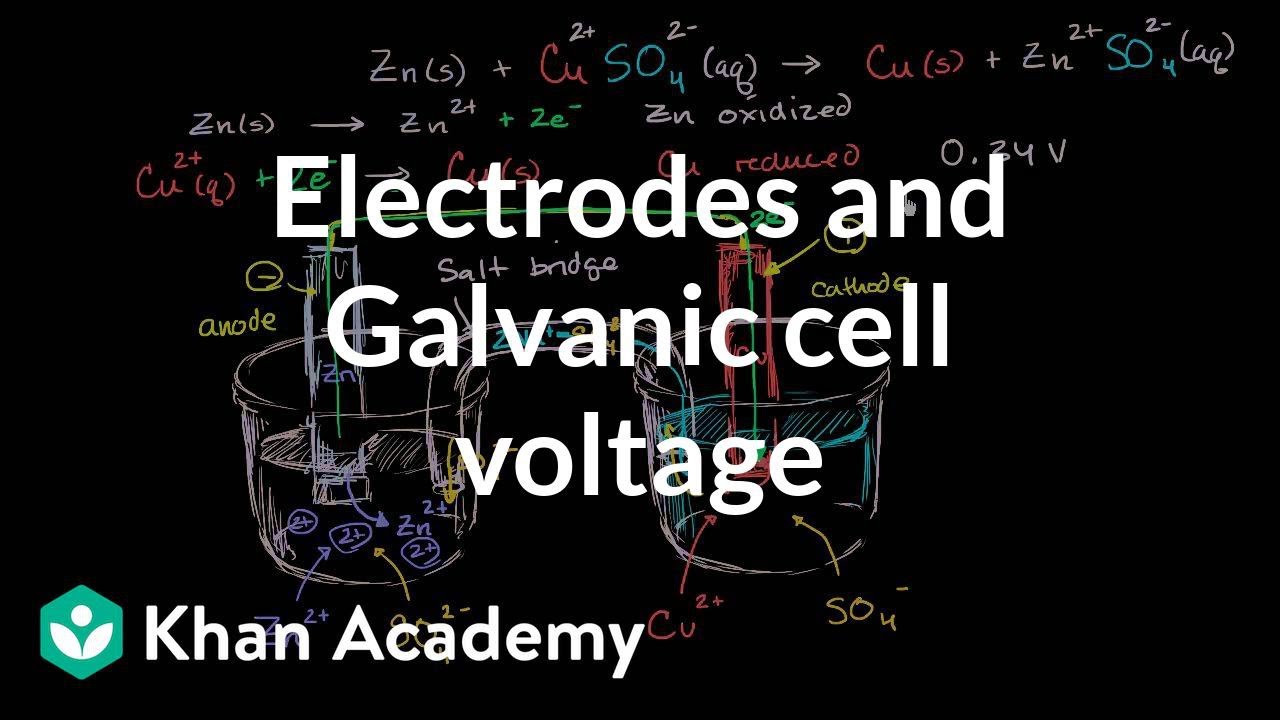
"Identifying the anode and cathode in a galvanic cell, and calculating the voltage using standard electrode potentials.
Watch the next lesson: https://www.khanacademy.org/science/chemistry/oxidation-reduction/batter-galvanic-voltaic-cell/v/shorthand-notation-for-galvanicvoltaic-cells?utm_source=YT&utm_medium=Desc&utm_campaign=chemistry
Missed the previous lesson? https://www.khanacademy.org/science/chemistry/oxidation-reduction/batter-galvanic-voltaic-cell/v/galvanic-cell-voltaic-cell?utm_source=YT&utm_medium=Desc&utm_campaign=chemistry
Chemistry on Khan Academy: Did you know that everything is made out of chemicals? Chemistry is the study of matter: its composition, properties, and reactivity. This material roughly covers a first-year high school or college course, and a good understanding of algebra is helpful.
About Khan Academy: Khan Academy offers practice exercises, instructional videos, and a personalized learning dashboard that empower learners to study at their own pace in and outside of the classroom. We tackle math, science, computer programming, history, art history, economics, and more. Our math missions guide learners from kindergarten to calculus using state-of-the-art, adaptive technology that identifies strengths and learning gaps. We've also partnered with institutions like NASA, The Museum of Modern Art, The California Academy of Sciences, and MIT to offer specialized content.
For free. For everyone. Forever. #YouCanLearnAnything
Subscribe to Khan Academy’s Chemistry channel: https://www.youtube.com/channe....l/UCyEot66LrwWFEMONv
Subscribe to Khan Academy: https://www.youtube.com/subscr....iption_center?add_us

School Superintendent and Principal Clark "Skip" Hults knew something had to change in 2006, when enrollment in his upstate New York school district dropped to 55 students. ____________________
Want more stories about schools across the nation, including the latest news and unique perspectives on education issues? Visit www.edweek.org.
About Education Week:
Education Week is America’s most trusted source of independent K-12 education news, analysis, and opinion. Our work serves to raise the level of understanding and discourse about education among school and district leaders, policymakers, researchers, teachers, and the public. Published by the nonprofit organization Editorial Projects in Education, Education Week has been providing award-winning coverage of the field for over 35 years.
Follow Education Week:
- Subscribe to our Channel: http://www.youtube.com/subscri....ption_center?add_use
- On Facebook at https://www.facebook.com/edweek/
- On Twitter at https://twitter.com/educationweek/
- On LinkedIn at https://www.linkedin.com/company/education-week
To license video footage from Editorial Projects in Education please contact the Education Week Library at library@epe.org.

Pre-order our book YOU ARE AN ARTIST (which includes new assignments!) here: http://bit.ly/2kplj2h
The Art Assignment furthers their exploration of New Orleans to visit artist Bob Snead. He's the Executive Director of Press Street, an organization that promotes art and literature in the community through events, publications and arts education. Snead embraces the collaborative nature of art-making and gives us the assignment to produce an Assembly Line.
John and Sarah Green then discuss the controversy in contemporary art of using assistants and others to make the art and not the artist. Sarah shows how this has been a common practice and gives a prime example, Leonardo Da Vinci.
INSTRUCTIONS - Assembly Line
1. Make an object
2. Make a template for how to recreate that object
3. Invite friends over and produce an assembly line to recreate that object
4. Document the process and upload with #theartassignment
5. Fame and glory (your work might be featured in a future episode)
Find out more about The Art Assignment and how to submit your response: http://theartassignment.com/
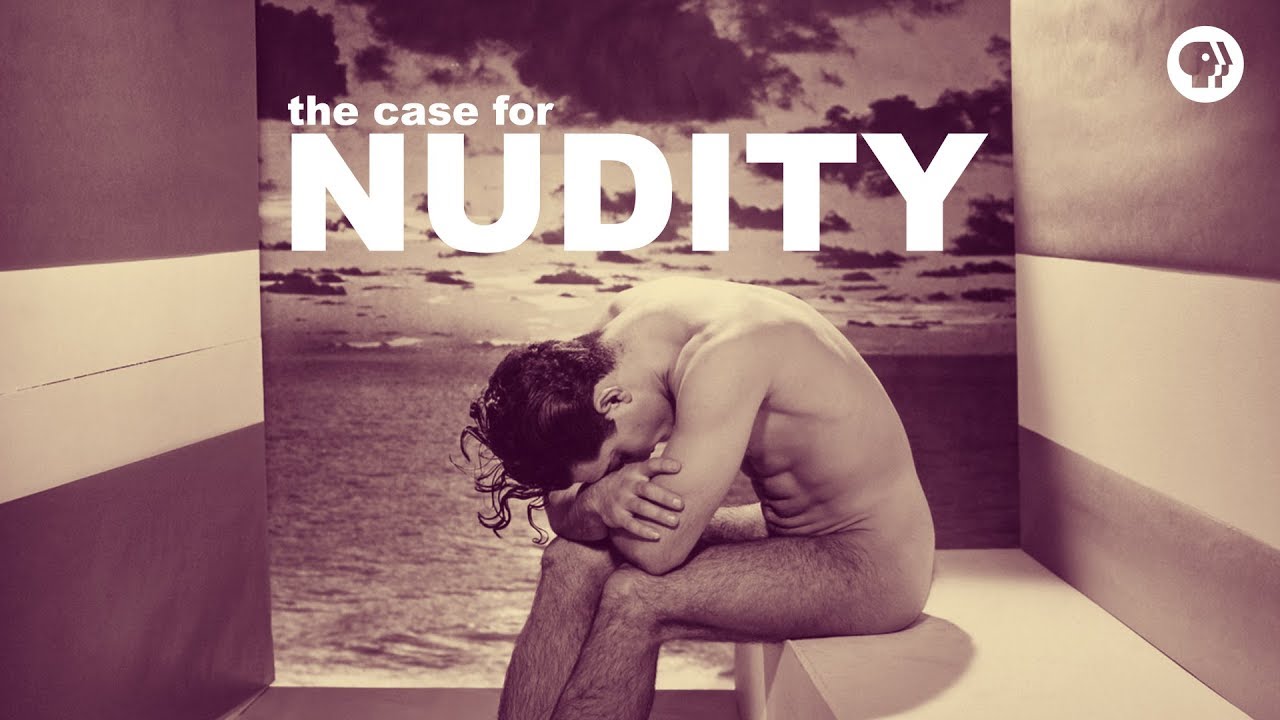
The naked and the nude have been frequent subjects for art throughout the history of human creation, and also the frequent subject of censorship. What's wrong with seeing the unclothed human body? And what is its place in art?
Learn more about Civilizations on PBS and how you can watch: http://www.pbs.org/civilizations/home/
To support our channel, visit: http://www.patreon.com/artassignment.
Thanks to our Grandmaster of the Arts Indianapolis Homes Realty, and all of our patrons, especially Lawrence Abrahamson, Patrick Hanna, M12 Studio, Robert Rupp, and Constance Urist.
Photograph in the thumbnail is a detail of A Forgotten Model, (c. 1937) by George Platt Lynes.
Subscribe for new episodes of The Art Assignment every other Thursday!
--
Follow us elsewhere for the full Art Assignment experience:
Tumblr: http://theartassignment.com
Response Tumblr: http://all.theartassignment.com
Twitter: http://twitter.com/artassignment
Instagram: http://instagram.com/theartassignment/
Facebook: http://www.facebook.com/theartassignment
and don't forget Reddit!: http://www.reddit.com/r/TheArtAssignment

In the everyday electrical devices we use — calculators, remote controls and cell phones — a voltage source such as a battery is required to close the circuit and operate the device. In this hands-on activity, students use batteries, wires, small light bulbs and light bulb holders to learn the difference between an open circuit and a closed circuit, and understand that electric current only occurs in a closed circuit.
View the full activity at TeachEngineering:
https://www.teachengineering.o....rg/activities/view/c
TeachEngineering has over 1,500 FREE lessons and activities. Visit http://www.TeachEngineering.org for more!
Music: Cosmos - Silent Partnet

Pre-order our book YOU ARE AN ARTIST (which includes new assignments!) here: http://bit.ly/2kplj2h
We meet up with artist Jamal Cyrus in his hometown of Houston, Texas, where we broach the topic of "postmodernism" and are challenged to summon an impossible sound.
INSTRUCTIONS - Brain Sounds
1. Think of a sound you've never heard before or an unlikely combination of performer and venue, et al.
2. Represent this sound visually, taking any form you like
3. Share your representation using #theartassignment
Learn more about Jamal and his work:
https://inmangallery.com/artis....ts/cyrus_jamal/bio.h
Find out more about The Art Assignment and how to submit your response: http://theartassignment.com/

Count 1 to 20 with the Numberblocks in this fun filled video!
Numberblocks COMPILATIONS Playlist: https://youtube.com/playlist?l....ist=PL9swKX1PviEqjP8
---
Numberblocks CHRISTMAS Playlist:
https://youtube.com/playlist?l....ist=PL9swKX1PviErxtv
Numberblocks Season 5 Playlist:
https://youtube.com/playlist?l....ist=PL9swKX1PviEph7h
Numberblocks Play-Doh Playlist:
https://youtube.com/playlist?l....ist=PL9swKX1PviEr2p9
Numberblocks Back To School Playlist:
https://youtube.com/playlist?l....ist=PL9swKX1PviEqj2z
Numberblocks How To Draw Playlist:
https://youtube.com/playlist?l....ist=PL9swKX1PviEr9W4
Numberblocks Mathlink Cubes Playlist:
https://youtube.com/playlist?l....ist=PL9swKX1PviErQum
Meet The Numberblocks! Playlist:
https://youtube.com/playlist?l....ist=PL9swKX1PviEpG8t
Subscribe for more Numberblocks: https://goo.gl/rF32S8
---
Welcome to Numberland!
BAFTA award-winning Numberblocks helps children to see how numbers really work − and master a new key maths skill with every adventure. It’s a story of friends who can always count on each other − but, most of all, Numberblocks is about having fun with numbers.
Each episode has been carefully crafted with the help of the NCETM (National Centre for Excellence in the Teaching of Mathematics) and brought to life by Blue Zoo Animation Studio.
We work closely with the NCETM to make sure Numberblocks delivers the essential numeracy skills that build good number sense and a solid foundation for a lifetime of maths success.
Get ready for an animated adventure and some number magic that you can count on to help your child learn maths in the most exciting way.
1, 2, 3 − Let’s go!
Numberblocks has been nominated for the prestigious BAFTA, Prix Jeunesse and The Japan Prize Audiovisual Pre-school awards, and received a BAFTA for Children's Preschool Animation in 2019. Numberblocks is also featured among the DfE's recommended resources for home learning and is part of BBC Bitesize Daily.
Where to watch Numberblocks
Numberblocks is designed so your child can just press play and have fun while learning essential number skills. 90 episodes take them from number names and counting to a deep understanding of how addition, subtraction, multiplication and division work, via a host of key concepts in between. You can find your favourite characters and episodes on TV, BBC iPlayer, DVD or the Numberblocks YouTube channels
---
What happens when numbers come to life?
Dive into a world of number fun with the hit CBeebies show, Numberblocks. Award-winning characters + big adventures + singalong songs = the best way to get children excited about everything numbers can do!
It's easy when you see it!
Maths is SO much easier when you can see how it works. 90 episodes bring hundreds of essential number skills to life with big visuals and amazing animation, from your first encounter with One to mini-musicals, classic comedy, song-and-dance numbers and a nail-biting escape from the double dungeon of doom!
A comprehensive learning journey
The learning goals behind Numberblocks support maths curricula from around the world, taking young learners step by step through the key topics and skills they need to master for a confident start and a lifelong love of numbers.
Play and learn
Brilliant Numberblocks apps help children take the learning into their own hands.
Get hands-on
Take the learning further with the Numberblocks Maths Programme − three bumper magazines packed with stickers, colouring and step-by-step hands-on learning activities, plus a special set of Numberblocks blocks.
Let's stay in touch!
We love to hear from you − your ideas, questions and your little ones’ fantastic creations. Keep up to date with the latest Numberblocks news by following us @Numberblocks on Facebook, Instagram and Twitter and signing up to the Numberblocks Newsletter. Every Monday we share some of your home and school creations, artwork and bakes on Facebook and Instagram so please send us your photos!
---
#Numberblocks #Compilation #LearnToCount #MathForKids #Math #Maths #Numbers #123 #12345 #Kids #KidsVideo #KidsCartoon #PreSchool #1To20
---

AI Competes in Red Light Green Light!
https://brilliant.org/AIWarehouse/
If you want to learn more about AI and deep reinforcement learning (how Albert is trained), there are amazing courses teaching those exact concepts on Brilliant! You can use my link to get a free 30 day trial with 20% off! I've personally gone through the course "Introduction to Neural Networks", and it's one of the best courses on Neural Networks I've ever seen. They're paying us to promote them, but they're genuinely a great service, I've had a Brilliant account for over 5 years and can't recommend it enough :)
Download our free replay viewer to play around with the agents and learn more about how it all works (windows only)! https://aiwarehouse.dev/
Textures by Lowlypoly! Get over 50% off 5,000 hand-painted textures. https://lowlypoly.gumroad.com/....l/5000StylizedTextur
In this video ten AI Warehouse agents compete in Red Light Green Light against each other. The AI were trained using Deep Reinforcement Learning, a method of Machine Learning which involves rewarding the agent for doing something correctly, and punishing it for doing anything incorrectly. The agents actions are controlled by Neural Networks that are updated after each attempt in order to try to give the AI more rewards and less punishments over time
Thank you for watching :D
Current Subscribers: 694,679
A tutorial on how to create dynamic charts in Google Sheets using the data validation method and vlookup formulas.

Pre-order our book YOU ARE AN ARTIST (which includes new assignments!) here: http://bit.ly/2kplj2h
This week’s assignment comes from artist Paula McCartney, whose work explores the boundaries between the natural and unnatural. Her assignment asks you to reexamine what those terms even mean by constructing an image of the so-called natural world.
INSTRUCTIONS
1. Gather materials to make a constructed landscape of your choosing
2. Combine natural elements with things that reference natural landscape
3. Take lots of photos, but only upload your favorite one using #theartassignment
4. Fame and glory (your work might be in a future episode)
Find out more about The Art Assignment and how to submit your response: http://theartassignment.com/

Students use simple household materials, such as PVC piping and compact mirrors, to construct models of laser-based security systems. The protected object (a "mummified troll" or another treasure of your choosing) is placed "on display" in the center of the modeled room and protected by a laser system that utilizes a laser beam reflected off mirrors to trigger a light trip sensor with alarm.
View the full activity on TeachEngineering: https://www.teachengineering.o....rg/activities/view/v
TeachEngineering has over 1,500 FREE lessons and activities. Visit http://www.TeachEngineering.org for more!
Music: Double Agent - Everet Almond
NEW VIDEOS https://www.youtube.com/playli....st?list=PLLF_mZmNqOn
HUMAN BODY https://www.youtube.com/playli....st?list=PLLF_mZmNqOn
0:00 - Introduction
0:14 - Fun Facts About the Human Body
2:56 - Fun Facts About the Brain
5:19 - Fun Facts About the Skeleton
8:49 - Fun Facts About the Eyes
11:30 - The Respiratory System and Breathing
16:47 - The Vital Functions
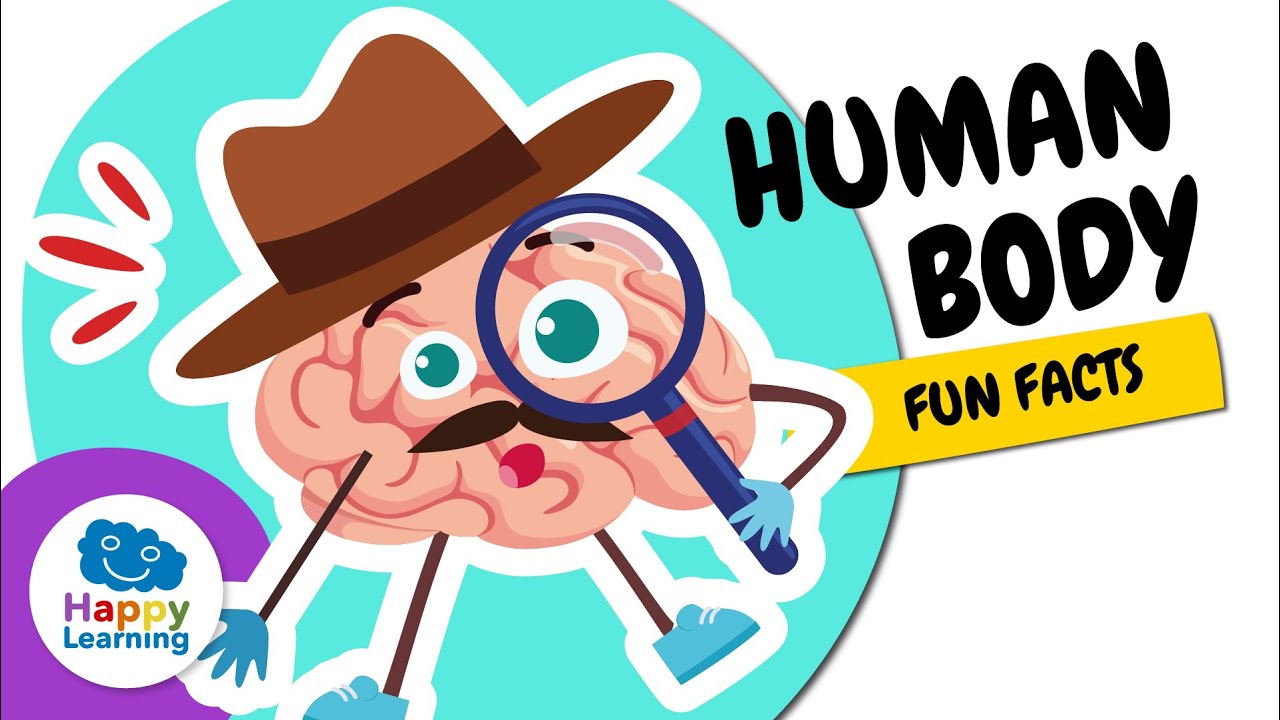
🧠💪 Did you know that your heart beats over 100,000 times a day or that your skin is the largest organ in your body? In this educational video for primary school kids, you'll discover amazing facts about the human body—from how organs work to fun curiosities about the senses, bones, and brain. 🦴👁️
Natural Sciences in Primary School aim to help children understand the world around them by developing their curiosity and critical thinking through observation and experimentation. They learn about nature, living beings, the human body, energy, and the environment, while also understanding the importance of caring for the planet.
📖 SUBJECT PLAYLISTS
🦖⛰️🐅 NATURAL SCIENCES for Primary School: https://www.youtube.com/playli....st?list=PLLF_mZmNqOn
👨🏫 SOCIAL SCIENCES for Primary School: https://www.youtube.com/playli....st?list=PLLF_mZmNqOn
➕✖️ MATH for Primary School Children: https://www.youtube.com/playli....st?list=PLLF_mZmNqOn
🤴🏰 HISTORY for Primary School Children: https://www.youtube.com/playli....st?list=PLLF_mZmNqOn
🌍⛰️ GEOGRAPHY for Primary School Children: https://www.youtube.com/playli....st?list=PLLF_mZmNqOn
🤝😊 Values and Emotions for Primary School Children: https://www.youtube.com/playli....st?list=PLLF_mZmNqOn v=KkCIIQyevjo&list=PL_Y3qbepMRoY7gwuwniiq11oMo6Ofe724
🌍 THE HAPPY LEARNING UNIVERSE
✅ Learn more about Happy Learning and our educational platform: https://happylearning.tv/en/
✅ Discover our social mission: https://happylearning.tv/en/nemesio-diez-foundation/
✅ Download the Happy Learning App:
- iOS: https://apps.apple.com/es/app/....happy-learning-tv/id
- Android: https://play.google.com/store/apps/details?id=tv.happylearning.canal&pli=1
🎓 ABOUT HAPPY LEARNING
Happy Learning is a social enterprise created by the Nemesio Diez Foundation, working to improve people's quality of life through education, health, sports and culture.
As a social company, our mission is to educate all children in the world in values and knowledge, to promote their holistic development and their commitment to society and the planet.
We offer educational resources to families, schools, hospitals and NGOs to ensure that children everywhere have access to a high-quality, comprehensive education.
At Happy Learning, we turn learning into an exciting adventure for primary school children. 🚀
We offer over 2,000 educational resources that combine fun and learning through animated videos, reading materials, interactive games and real-world activities.
📺 HAPPY LEARNING YOUTUBE CHANNEL
Welcome to Happy Learning! 🚀📚
The educational channel where learning is an adventure. Our goal is to spark curiosity and a love for knowledge in primary school children through fun and dynamic educational videos.
Discover the fascinating world of science with videos on Dinosaurs, the Solar System, Invertebrate Animals, Arachnids and much more. Travel back in time with history videos covering Prehistory, the Discovery of America or Ancient Egypt. Learn geography with content about The Earth and Its Movements, the Water Cycle and Parts of the Earth. Strengthen math skills with videos on Multiplication, Subtraction and Matter and Its Properties, and improve Spanish language understanding with lessons on Nouns, Sentences and Subject and Predicate.
Happy Learning transforms education into an exciting experience through animated videos, clear explanations and interactive activities. Perfect for children, parents and teachers seeking high-quality educational content.
🌟 Join our community of explorers!