Top videos

Let's chat for 30 minutes about GeoGebra and how easy it is to get you started for the school year when teaching math.

A #GeoGebra Book is a collection of one or more GeoGebra activities. As a teacher, you can create a GeoGebra book to create a collection of tasks for students to complete in a GeoGebra Class. In this demo, teacher view is shown on left. Student view is shown on right. More info: https://www.geogebra.org/m/hnc....rgruu#material/auue6


---
Tanyakan pertanyaan aneh anda disini! NGGA ada pertanyaan yang bodoh! 'Kok Bisa' ngga cuma sekedar mencoba menjawab pertanyaan-pertanyaan yang terlihat bodoh, aneh dan dungu disini, tapi juga mencoba menumbuhkan rasa keingintahuan anda terhadap segala hal di dunia ini. Jadi tunggu apalagi? Ayo subscribe, let's watch the videos and go curiosity!
---
FAQ (Frequently Asked Questions):
Q: Min, upload tiap hari apa?
A: Tiap hari Rabu. Tapi kadang-kadang ada video yang butuh waktu pembuatan lebih lama. So, stay tuned!
Q: Min, animasinya pake software apa?
A: Adobe after effects
Q: MIN, KENAPA DI VIDEONYA ADA BAKSONYA TERUS!?
A: Bakso is inspiration *wink
---
Follow our social media for more updates, stuff and facts!
Facebook: https://www.facebook.com/kokbisachannel
Instagram: https://instagram.com/kokbisa
Line: http://bit.ly/linekokbisa
Twitter: https://twitter.com/kokbisachannel
---
For business inquiries: kokbisachannel@gmail.com
---
References:
NASA. (Tanpa tahun). Mars Exploration Program. Dikutip dari [NASA Mars Exploration](https://mars.nasa.gov/?msclkid....=bc179a69b03c11ecb7a
*Titan - In Depth*. (2021, February 24). NASA Solar System Exploration. [https://solarsystem.nasa.gov/m....oons/saturn-moons/ti
NASA. (n.d.). *Mars Facts*. NASA Mars Exploration. [https://mars.nasa.gov/all-abou....t-mars/facts/?msclki
*In Depth | Mars –*. (2021, July 8). NASA Solar System Exploration.
[https://solarsystem.nasa.gov/p....lanets/mars/in-depth
[https://www.nationalgeographic.....com/science/article
[https://www.space.com/24701-ho....w-long-does-it-take-
[https://www.theatlantic.com/sc....ience/archive/2019/0
[https://www.forbes.com/sites/j....amiecartereurope/202
---
Credits:
- Kevin MacLeod for awesome music
- Tiffani Angelica, for this episode's end narrator (instagram.com/tiffaniangelica)
- And a massive THANK YOU to everyone for watching this and for all of your support!
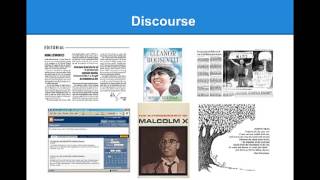
The PowerPoint slide show is referred to Access to Academics: Planning instruction for K-12 classrooms with ELLs by Dr. Joy Egbert & Gisela Ernst-Slavit (2010).
If you have questions about the slide, please contact Department of Teaching & Learning, Washington State University at Pullman.

#inversefunctions

Energy Sources | Energy | Physics | FuseSchool
There are many different sources of energy, how many can you name?
Sources of energy include burning coal, oil, gas and biomass, solar, hydroelectric, tidal, wind, muscle power, geothermal, nuclear fusion and fission.
Most of these come from the sun: photosynthesis uses energy from sunlight to help plants build up biomass and put oxygen into the atmosphere.
CREDITS
Animation & Design: Jean-Pierre Louw (behance.net/Jean-Pierre_Louw)
Narration: Dale Bennett
Script: Bethan Parry & Keith Ross
SUBSCRIBE to the FuseSchool YouTube channel for many more educational videos. Our teachers and animators come together to make fun & easy-to-understand videos in Chemistry, Biology, Physics, Maths & ICT.
VISIT us at [a]www.fuseschool.org%2C[/a] where all of our videos are carefully organised into topics and specific orders, and to see what else we have on offer. Comment, like and share with other learners. You can both ask and answer questions, and teachers will get back to you.
These videos can be used in a flipped classroom model or as a revision aid.
Find all of our Chemistry videos here: https://www.youtube.com/playli....st?list=PLW0gavSzhMl
Find all of our Biology videos here: https://www.youtube.com/playli....st?list=PLW0gavSzhMl
Find all of our Physics videos here: https://www.youtube.com/playli....st?list=PLW0gavSzhMl
Find all of our Maths videos here: https://www.youtube.com/playli....st?list=PLW0gavSzhMl
Instagram: https://www.instagram.com/fuseschool/
Facebook: https://www.facebook.com/fuseschool/
Twitter: https://twitter.com/fuseSchool
Access a deeper Learning Experience in the FuseSchool platform and app: www.fuseschool.org
Follow us: http://www.youtube.com/fuseschool
Befriend us: http://www.facebook.com/fuseschool
This is an Open Educational Resource. If you would like to use the video, please contact us: info@fuseschool.org
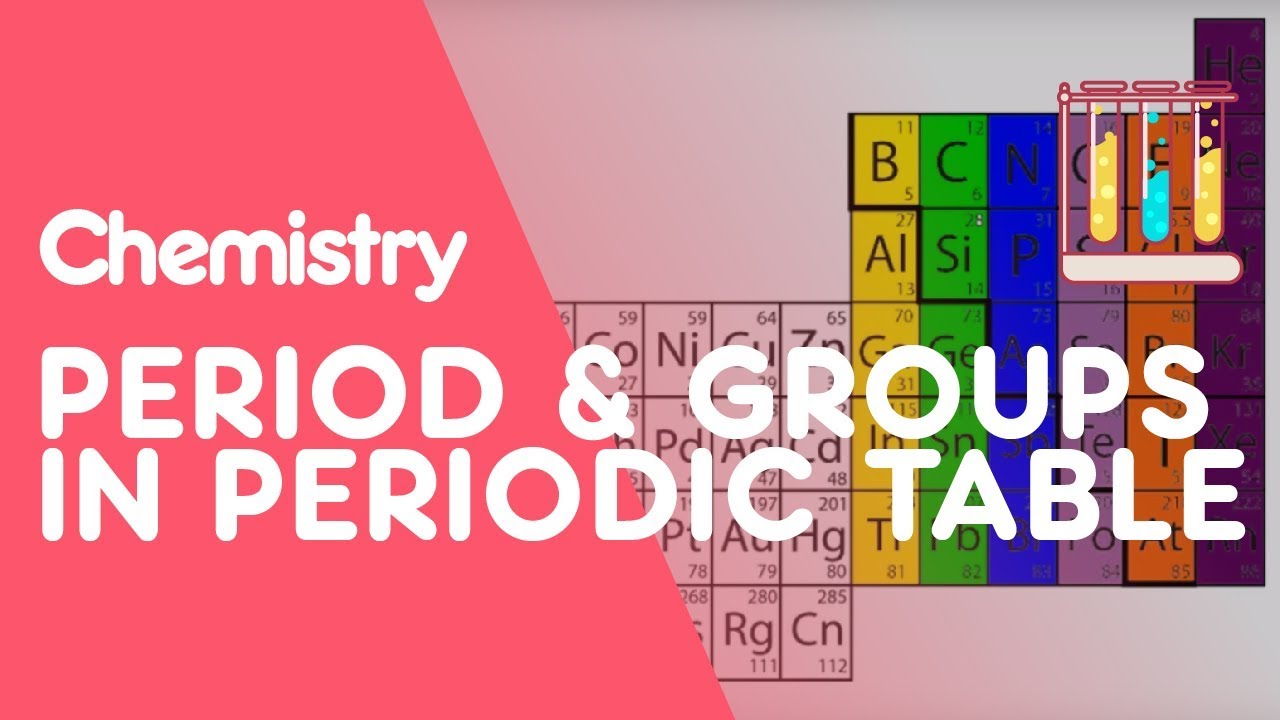
What Are Periods & Groups In The Periodic Table? | Properties of Matter | Chemistry | FuseSchool
What's the difference between periods and groups in the Periodic Table and why are the elements structured this way? Find out in this video from the Properties of Matter chapter of the FuseSchool GCSE / K12 Chemistry.
SUPPORT US ON PATREON
https://www.patreon.com/fuseschool
SUBSCRIBE to the FuseSchool YouTube channel for many more educational videos. Our teachers and animators come together to make fun & easy-to-understand videos in Chemistry, Biology, Physics, Maths & ICT.
VISIT us at [a]www.fuseschool.org%2C[/a] where all of our videos are carefully organised into topics and specific orders, and to see what else we have on offer. Comment, like and share with other learners. You can both ask and answer questions, and teachers will get back to you.
These videos can be used in a flipped classroom model or as a revision aid.
Find all of our Chemistry videos here: https://www.youtube.com/playli....st?list=PLW0gavSzhMl
Find all of our Biology videos here: https://www.youtube.com/playli....st?list=PLW0gavSzhMl
Find all of our Physics videos here: https://www.youtube.com/playli....st?list=PLW0gavSzhMl
Find all of our Maths videos here: https://www.youtube.com/playli....st?list=PLW0gavSzhMl
Instagram: https://www.instagram.com/fuseschool/
Facebook: https://www.facebook.com/fuseschool/
Twitter: https://twitter.com/fuseSchool
Access a deeper Learning Experience in the FuseSchool platform and app: www.fuseschool.org
Follow us: http://www.youtube.com/fuseschool
Befriend us: http://www.facebook.com/fuseschool
This is an Open Educational Resource. If you would like to use the video, please contact us: info@fuseschool.org

How many English language learners do you think we have in the United States?
The answer is 10%! 10% of folks in the United States (in our schools) are learning how to speak English! So, how can we better serve English language learners, particularly with our vocabulary instruction and the text selection that we make?
In this video, I talk about how we can support and serve English language learners and I recommend some great resources to help you out!
Find out about:
• [02:02] – Reviewing the concept of the ‘simple view of reading’ (Decoding X Listening Comprehension = Reading Achievement)
• [05:47] – Strengths and needs to consider when teaching English language learners
• [13:47] – How to help build you students ‘agency’ (the construct that describes students’ dispositions or beliefs related to their control and confidence in learning)
• [15:10] – Valuable resources to help you get started with ‘building from the known’ for English language learners
• [31:07] – Some great podcasts and video resources you can use to help teach vocab to English language learners
For more information and to read the blog post on this topic go to readingsimplified.com
#ELLS #vocabularyinstruction #Englishlanguagelearners
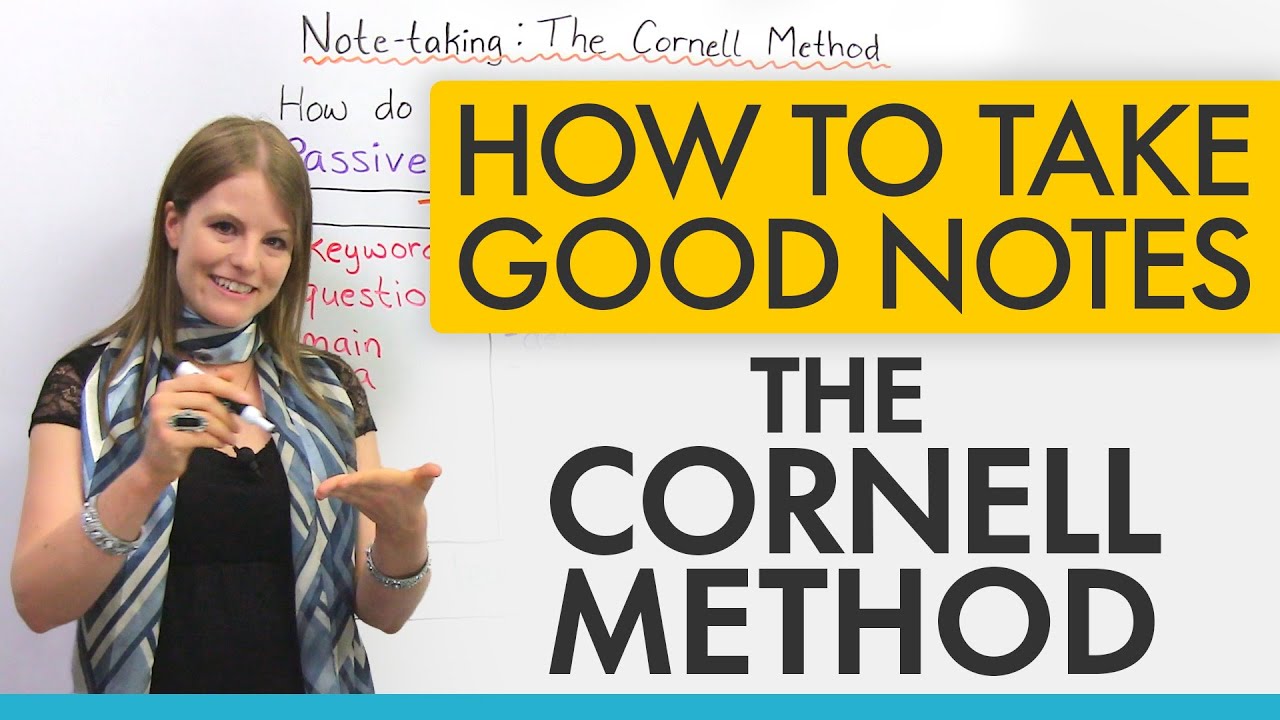
Learn to study faster and more efficiently, and remember more! I will show you my favorite system for taking notes, called the Cornell Notetaking System. You'll learn a way to take better notes and become a better active listener. I'll explain how to use this method and show you an example of it. Using the Cornell template will help you remember more of what you hear in class and help you organize your notes better. This method will help you if you are a student in a high school, language school, or university, or if you attend meetings, conferences, or like studying on your own! You can practice using the Cornell Notetaking Method with this video on the differences between British and American spelling at https://www.youtube.com/watch?v=BG017jvhB7I , or any other engVid lesson!
To test how well you understood this lesson, take the quiz here: https://www.engvid.com/how-to-....study-efficiently-th
Find more free advice on how to take good notes here:
http://www.goodluckexams.com/h....ow-to-take-effective
TRANSCRIPT
Hello. My name is Emma, and in today's video I am going to teach you an amazing way to listen and take notes. This method I am going to teach you today is really, really going to help you, and I know this because I use this method myself, and I found it has really, really helped me when I was in university, during meetings, during all sorts of different situations. This method really works.
So, first, before I teach you about the method, I want you to think about yourself and I want you to think about: When do you take notes? Okay? So, when do you listen and when do you take notes? So, some of you might think... Maybe you're in university, maybe you're in college, maybe you're in high school, and you have to listen to your teacher talk, and you have to take notes to help you remember what they are saying. Maybe you've graduated and you're working in a business, and you have meetings and... Or presentations, and you also need to take notes. So, this method will work for whether you're working or you're studying. Maybe you're taking the IELTS or the TOEFL, this can also help you on the TOEFL test in terms of improving your listening and taking notes.
So, how do you take notes? Okay? I know some students, they watch their professor or their teacher talk, and they use their computer, and they just type everything their professor or teacher says. Is this something you do? Maybe you write your notes, and you write every single thing your professor says down on a piece of paper, or anything somebody says. Well, there are a couple of problems with these methods, and I'm going to explain to you some of the problems now. So, for people who like to take notes by computer, there are some advantages of this. You're able to type really quickly and you're able to get a lot of what you hear down on your computer, and it's easy to save. But the problem with this is it's a type of passive listening. So, a lot of the times you're not actually using your brain to interpret what you're listening to, and you're not actively listening. You're just copying word for word, you're not actually doing anything active with the material you're listening to. So, working with a computer-and I've seen this in my university-a lot of students also end up going on Facebook during the lesson or lecture. So, a lot of the times they get very distracted. When they should be listening, they're actually not.
So, for me personally and I think for a lot of people, using a computer to take notes is not the best method. Again, for some people it might work, but for a lot of people it doesn't. A lot of the times it's actually better to take notes by hand, and the reason is when you take notes by hand, you have to think about what you're writing because writing takes a bit longer than typing. So you're organizing the material, therefore it's more of an active way to listen. Okay? And they've done psychology studies on this, and they do find that taking your notes by hand is often better than taking notes by a computer.
So, today I am going to teach you a way to take notes by hand using what is called "The Cornell Method". This method was developed at Cornell University, and a lot of universities actually encourage students to use this method because it is very good. So, what is the Cornell Method? Okay, well, I'm glad you asked. So, I have here an example of how you would organize your paper. Imagine this is your paper that you take your notes on. What you can do is you can make a box just like this where you have a box where you write the title and the date of the lesson, you have a square or a rectangle here, you have a rectangle here, and you have a rectangle at the bottom. Okay? So, in total you have-one, two, three, four-four different rectangles.
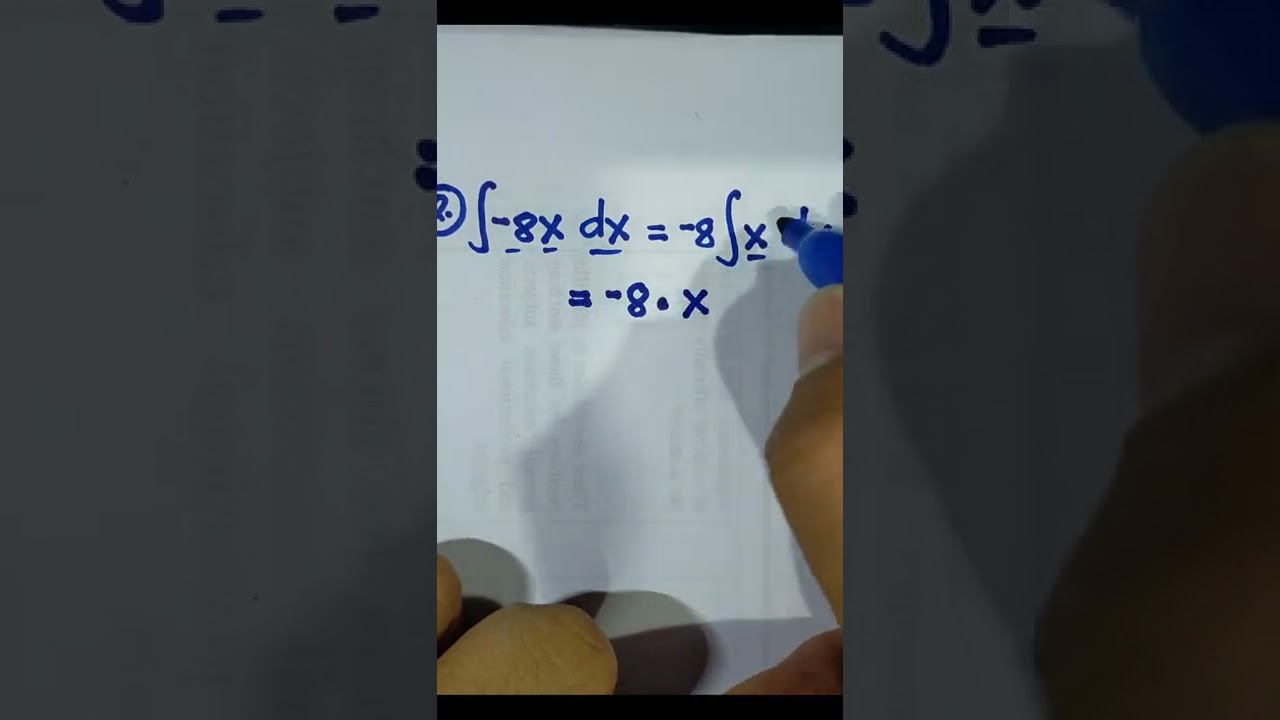
#basiccalculus

📝 Show notes: https://jaredoleary.com/csk8feed/41
🎧 More episodes https://jaredoleary.com/csk8
🐱 Scratch projects + tips https://JaredOLeary.com/scratch
🖥️ PC specs and gear I use https://jaredoleary.com/gear
🎮 Gaming playlists http://jaredoleary.com/game
🥁 Drumming playlists http://jaredoleary.com/drum
📅 Stream schedule https://jaredoleary.com/schedule
👕 Merch https://jaredoleary.com/merch
👪 Socials (in the menu) https://jaredoleary.com
In this interview with Shuchi Grover, we discuss the importance of having a variety of assessments in a CS class, why we need more research on computational thinking, why educators and scholars should read literature outside of the field, Shuchi’s new book titled “Computer Science in K-12: An A-To-Z Handbook on Teaching Programming,” and much more.
Guest Bio
Shuchi Grover is a senior research scientist at Looking Glass Ventures and a visiting scholar at Stanford University. Her research is focused on teaching and learning of computer science, computational thinking, and programming in schools. She has been working with children and programming since 2001, first in informal afterschool settings, and recently, in classrooms. Her current research encompasses the design of curricula and assessments for all levels of preK-12 CS education, as well as the integration of computing and coding in STEM and other subjects. She has led, and continues to lead, several large research projects (often in collaboration with universities and research organizations) with grants from the US National Science Foundation and other federal agencies. She also consults globally on projects related to K-12 CS, programming, and computational thinking education. She edited and co-authored the recently released "A to Z Handbook on Teaching Introductory Programming" for K-12 teachers.
━━━━━━━━━━━━━
Each episode of the #CSK8 Podcast explores research, experiences, or perspectives on computer science education through interviews with computer science educators, scholars, and administrators, as well as episodes that summarize and unpack implications of research for classroom teachers who are interested in learning more about practical applications of research in their classroom.
#cseducation #computerscience #computerscienceducation #JaredOLeary #CSedWeek #CS4All #CSforALL #computersciencePD #elementaryCS
━━━━━━━━━━━━━
00:00 Intro
00:45 An introduction by Shuchi
06:50 An experience in education that continues to impact Shuchi
09:40 Something about Shuchi's research that has surprised her
14:21 A place for multiple assessment types in a classroom
18:30 Assessments demonstrate what is valued in a class
23:06 How to include multiple forms of assessment
24:44 The elevator pitch for Shuchi's book
27:24 What are the main ideas in the book?
30:49 What Shuchi has learned working on her book
32:06 What Shuchi wishes more administrators and educators understood about CS
35:59 Informal learning and CS
38:26 How Shuchi prevents burnout
41:15 What Shuchi wishes there was more research on
47:03 The intersection of data analysis and language
48:07 The disconnect between higher education and CS pedagogies
54:24 Problematic discourse around CS + CT
57:17 How to connect with Shuchi
57:50 Outro

Students play the role of engineers as they test, design and build Mentos® fountains—a dramatic example of how potential energy (stored energy) can be converted to kinetic energy (motion). They are challenged to work together as a class to optimize the design of the basic soda/candy geyser made by the teacher. To do this, three research teams each investigate how a different variable—nozzle shape, soda temperature, number of candies—affects fountain height. They devise and run experimental tests to determine the best variable values. Then they combine their results to design the highest fountain to compete head-to-head with the teacher's geyser design.
View the full activity at TeachEngineering:
https://www.teachengineering.o....rg/activities/view/u
TeachEngineering has over 1,500 FREE lessons and activities. Visit http://www.TeachEngineering.org for more!
Music: Morning Mist
SUPPORT THIS CHANNEL:
Help keep me going with a tip or contribution
https://paypal.me/frankavella?locale.x=en_US
--------------------------------------------------------------
TEACHERSPAYTEACHERS STORE
Classroom Posters, Courses, Lessons, Presentations, and More
https://www.teacherspayteacher....s.com/Store/Teaching
--------------------------------------------------------------
MAKE YOUR OWN WHITEBOARD ANIMATIONS. CLICK THE LINK!
http://tidd.ly/69da8562 .
This is an affiliate link. I earn commission from any sales, so Please Use!
--------------------------------------------------------------
FOR PROFESSIONAL DEVELOPMENT & ON-SITE TRAININGS
CONTACT:
midtownavella@gmail.com
--------------------------------------------------------------
SOCIAL MEDIA
https://www.linkedin.com/in/frank-avella-404b59b5/
https://twitter.com/frank_avella
--------------------------------------------------------------
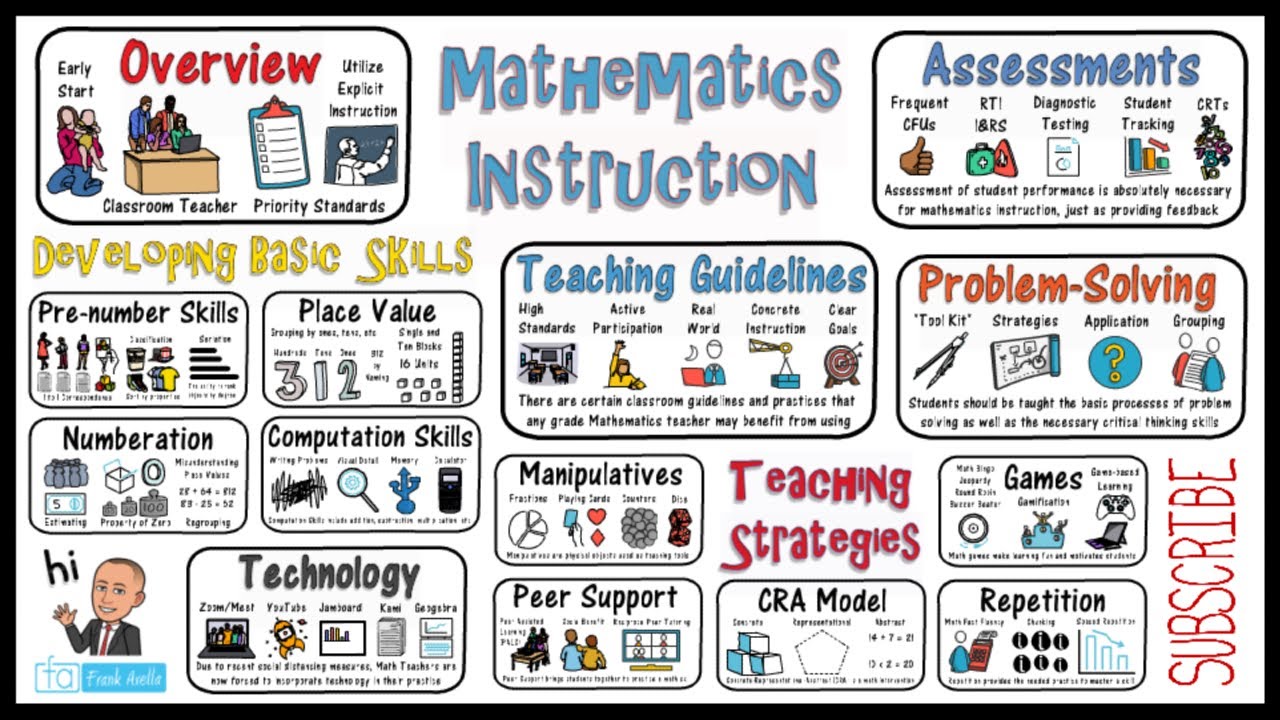
This video will cover a broad overview of Mathematics Instruction and teaching strategies for educators. Some of the topics of the presentation include important problem solving, guidelines, overview of instruction, manipulatives, cra model, numerations, teaching strategies, technology, and more. This video is designed to concisely explain how the mathematics instruction shold work for classroom teachers. This video is part of an instructional playlist from teachings in education and Frank Avella. Other videos in the playlist cover topics such as Bloom's Taxonomy, Glasser's Choice Theory, Classroom Management, Differentiated Instruction, and much more.


How Can We Design Game Controllers that Promote Exercise?
Memorizing multiplication tables from 1 to 10, makes it far quicker and easier for children to work out maths problems in their heads. Moving beyond using their fingers to work out answers, they'll gradually be able to use their knowledge to quickly solve any multiplication questions.
The ability to solve simple multiplication questions, and use multiplicative thinking, is helpful for children in everyday life. This then provides children with the skills to problem solve, which again can be applied to everyday life. Multiplication can be introduced from a very young age, at its simplest form.
Unlispace: Unlimited Space for Learning
#math #unlispace #kids #learn #bestpractice #multiplicationtable #multiplication #memorize #repetition
Get started, Adding to 10 #7, Learning, teaching, Factoring manipulative Blocks, with Smiley Face Books using Japanese Numerals, Mortensen Math Japan, Algebra, Factoring Expressions, with Jerry Mortensen, Mortensen Math manipulative blocks, Kids Montessori K-12 Homeschooling Pre-school Charter Schools Kindergarten mathematics tutorial video.\
Math, Calculus, Trigonometry, Fractions, Algebra, Addition, Subtraction, Multiplication, Factoring
Algebra visualization with Mortensen Math.com manipulative colored blocks to visualizing algebraic expressions, visualizing mathematics, Montessori Homeschool k-12 preschool online curriculum on line video.
CONTACT US:
Toll Free USA Tel: 800+4plus4=8! [800-475-8748]
http://www.mortensenmathdirect.co