Top videos

¡Acompaña a nuestra espía en una emocionante misión mientras aprendes español! 🌟 En este video, vivirás una aventura llena de acción en el Museo de Londres, perfecta para aprender vocabulario avanzado y expresiones útiles en contextos emocionantes.
🔍 Vocabulario Clave:
Equipamiento: chaqueta negra, guantes, gafas de sol, llave especial, destornillador
Lugares: museo, sala de estatuas, esqueleto de dinosaurio, salida de emergencia
Acciones: recuperar, esconderse, escanear, escapar, seguir
📌 Frases Esenciales:
"Todo comenzó a las cinco de la mañana"
"Abrí la puerta lateral y entré lentamente"
"Lo puse en un estuche metálico pequeño"
"Misión completada"
💡 ¡Practica con Estas Preguntas!
¿Qué harías si encontraras un objeto misterioso en un museo?
¿Cómo describirías a un espía en español?
¿Qué equipo llevarías para una misión secreta?
🌟 ¿Te gustan las historias de acción? ¡Dinos qué misión te gustaría vivir! 👇
🔔 Suscríbete para más aventuras en español. ¡Nuevo video cada semana! 🚀

En esta nueva clase de español utilizaremos algunas curiosidades detrás de los inventos para aprender a preguntar: "por qué", "cómo", "cuándo", "cuánto" "qué" y "quién".
En el idioma español hay algunas palabras que aunque se escriben igual, según su uso se pronuncian diferente. Para diferenciar esta pronunciación, algunas veces llevan acento (tilde) y otras veces no lo llevan.
Un buen ejemplo de este tipo de palabras son los pronombres usados de modo interrogativo que veremos en este video.
Veamos un ejemplo con la palabra "cuando":
Sin acento: Cuando llegamos, ya era de noche.
Con acento (interrogativo): ¿Cuándo llegamos?
Con acento: (interrogativo indirecto): Me preguntó que cuándo llegábamos.
Para hacer la clase más entretenida veremos además historias curiosas detrás de algunos inventos que utilizamos en nuestro día a día.
00:00 Historias curiosas detrás de los inventos
00:06 ¿Por qué se inventó el lavavajillas?
01:33 ¿Cómo se descubrió la Penicilina?
03:01 ¿Qué invento provocó una revolución militar en el siglo IX?
04:16 ¿Cuánto tiempo tardó la invención del limpiaparabrisas en utilizarse en los coches?
05:48 ¿Cuál de estos inventos provocó intensas discusiones?
07:07 ¿Cuántos años pasaron entre la invención de la lata y la del abrelatas?
08:18 ¿Cuántas respuestas has acertado?
08:24 ¿Conocías estas curiosidades de los inventos?
En nuestro canal encontrarás un curso completo y gratuito de español (español como lengua extranjera) para principiantes y avanzados. Te prepara para el examen español DELE o para aprender español como segunda lengua.
Con nuestros vídeos aprenderás español a través de imágenes, diálogos, escuchar y repetir.
Recuerda activar las notificaciones para que te avisemos cuando publicamos un nuevo vídeo 🔔
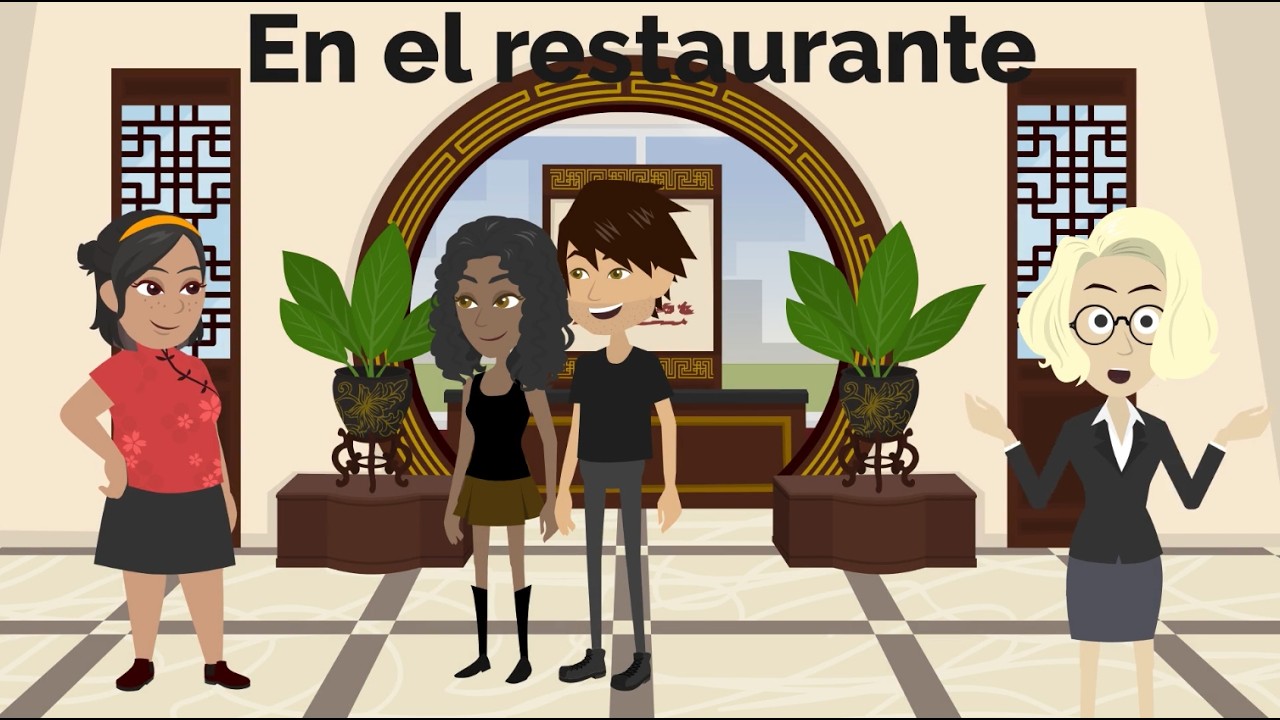
En este video, exploramos conversaciones cotidianas en tres situaciones diferentes: un café, un hotel y un restaurante. Aprenderás vocabulario y expresiones útiles para pedir bebidas, reservar mesas, hacer recomendaciones y más. ¡Practica tu escucha, habla y gramática con nosotros!
Temas destacados del video:
• 1. En el café 00:38
👉 Vocabulario clave:
Café helado: Iced coffee.
Leche desnatada: Skim milk.
Cappuccino: Cappuccino.
Donut: Donut.
Tarta de limón: Lemon cake.
🗣️ Expresiones útiles:
"Me gustaría dos bebidas para llevar": I would like two drinks to go.
"¿Qué tipo de leche prefieres?": What type of milk do you prefer?
"¿Cuánto es el total?": How much is the total?
💡 Tiempos verbales:
Presente simple: "Prefieres" (You prefer), "tomaré" (I will take).
Condicional: "Me gustaría" (I would like).
• 2. En el hotel 03:29
👉 Vocabulario clave:
Estancia: Stay.
Acogedor/a: Cozy.
Vista: View.
Vegetariano/a: Vegetarian.
Reserva: Reservation.
🗣️ Expresiones útiles:
"¿Qué tal está siendo su estancia?": How is your stay going?
"Nos gustaría salir a comer": We would like to go out to eat.
"¿Pueden organizar también un taxi?": Can you also arrange a taxi?
💡 Tiempos verbales:
Presente continuo: "Está siendo" (It is being).
Futuro simple: "Organizaré" (I will arrange).
• 3. En el restaurante 07:15
👉 Vocabulario clave:
Reserva: Reservation.
Menú: Menu.
Tetera: Teapot.
Wok de verduras: Vegetable stir-fry.
Salmón: Salmon.
🗣️ Expresiones útiles:
"Hemos reservado una mesa": We have reserved a table.
"¿Están listos para pedir?": Are you ready to order?
"Tomaré el plato de salmón": I will have the salmon dish.
💡 Tiempos verbales:
Pretérito perfecto: "Hemos reservado" (We have reserved).
Futuro simple: "Tomaré" (I will take).
Resumen de Aprendizaje
✅ Vocabulario: Aprendemos palabras relacionadas con cafés, hoteles y restaurantes.
✅ Expresiones clave: Frases útiles para pedir, recomendar y reservar.
✅ Tiempos verbales: Practicamos el presente simple, pretérito perfecto y futuro simple.
Preguntas para Practicar
¿Qué bebidas sueles pedir en un café? ¿Prefieres leche normal o vegetal?
¿Qué tipo de restaurante te gusta más? ¿Por qué?
¿Cómo pides una mesa en un restaurante en español?
Cierre para Suscribirse
🎥 ¡No te pierdas nuestros próximos videos!
👉 Si te gustó este video y quieres seguir aprendiendo español de una manera divertida y fácil, ¡suscríbete a nuestro canal y activa la campanita de notificaciones! 🔔 Así estarás al tanto de todos nuestros nuevos contenidos.
🌟 ¿Por qué suscribirte?
Aprenderás nuevo vocabulario y expresiones útiles.
Mejorarás tu comprensión auditiva y pronunciación.
¡Y lo más importante! Te divertirás mientras aprendes.
💬 ¡Nos encanta leer tus comentarios!
Déjanos un comentario contándonos qué parte del video te gustó más o qué temas te gustaría ver en el futuro. ¡Tu opinión es muy importante para nosotros!
🚀 ¡Únete a nuestra comunidad de estudiantes de español!
Juntos podemos hacer que aprender español sea una experiencia increíble. ¡Nos vemos en el próximo video! 😊

En este nuevo video para aprender español, exploraremos diferentes situaciones cotidianas relacionadas con el clima y desastres naturales.
A medida que enfrentan tormentas de verano, nevadas, inundaciones, olas de calor, granizo, terremotos, calima y vientos fuertes, aprenderemos vocabulario relevante y practicaremos los tiempos verbales en español.
Las conversaciones reflejan la vida diaria y los desafíos comunes que surgen cuando nos enfrentamos a condiciones climáticas extremas y desastres naturales.
00:02 Tormenta de verano
01:01 Nevada
01:54 Inundación
02:39 Ola de calor
03:38 Granizo
04:23 Terremoto
05:17 Calima
06:06 Viento de levante
Frases clave:
"¡Vaya tormenta, no había visto llover así en meses!"
"Como dice el refrán 'en verano lloverá mas primero tronará'."
"¡El río ha desbordado! ¡Hay agua por todas partes!"
"¡Hace un calor insoportable hoy!"
"¡Escucha ese ruido! ¡Es granizo cayendo sobre el tejado!"
"¿Has sentido eso? ¡Creo que fue un terremoto!"
"¿Has visto cómo está el cielo hoy? Todo está cubierto por una nube de polvo."
"¡Vaya viento más fuerte hace hoy! Las ramas de los árboles no paran de moverse."
"Parece que hasta se podría freír un huevo en el asfalto"
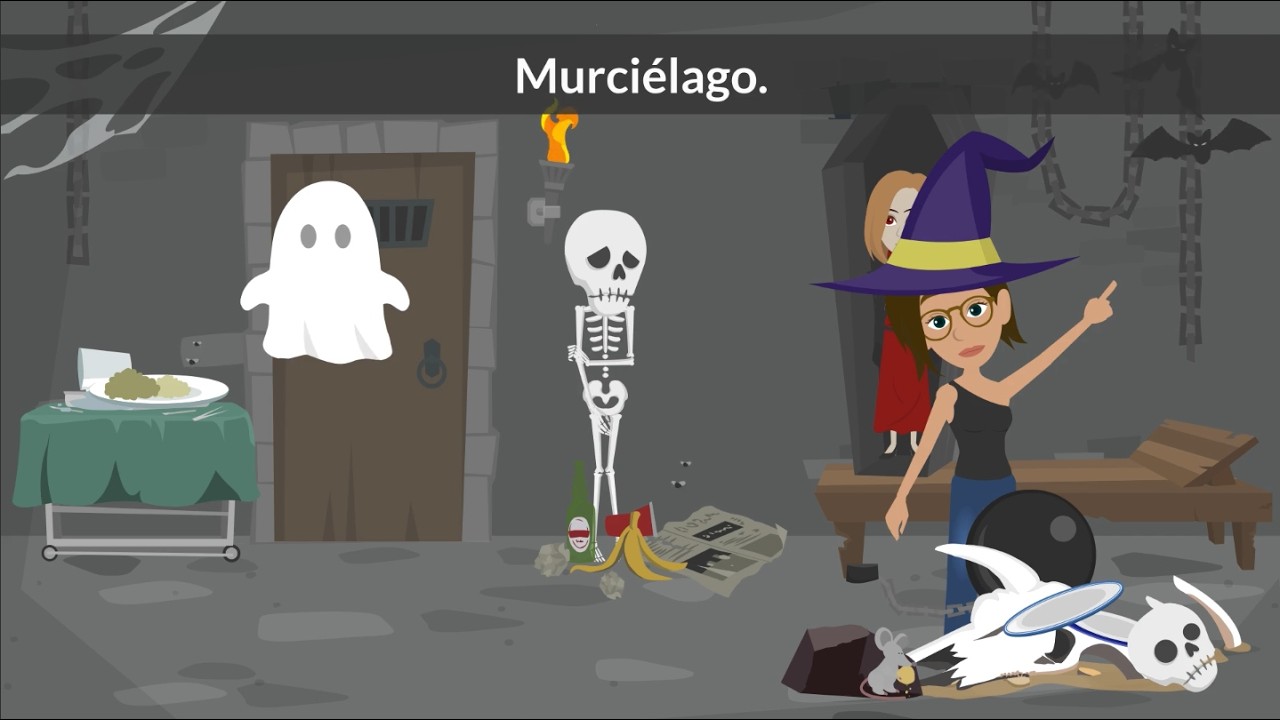
Repaso de Vocabulario de Halloween 🎃👻:
En este video para aprender español, exploraremos palabras clave relacionadas con Halloween, ¡perfectas para participar en conversaciones sobre esta festividad! Entre los términos que destacaremos están:
- Calabaza
- Bruja
- Fantasma
- Esqueleto
- Vampiro
- Murciélago
- Zombi
- Disfraz
- Cementerio
- Casa embrujada
Expresiones Comunes y Frases de Halloween 👻:
También aprenderemos algunas expresiones típicas que se utilizan en Halloween:
¿Truco o trato? – Frase utilizada para pedir dulces cuando los niños van de puerta en puerta.
¿De qué te has disfrazado? – Para preguntar el disfraz de alguien.
Tengo mucho miedo y ¡Qué susto me has dado! – Frases para expresar miedo o sorpresa.
Estas frases enriquecerán tu vocabulario y te permitirán expresar emociones en situaciones de Halloween.
Describiendo Sensaciones de Miedo:
Practica cómo expresar miedo y otras emociones:
🎃 Tengo miedo – Expresión directa de temor.
🎃 Esto es aterrador – Se usa cuando algo da mucho miedo.
🎃 Me da miedo la oscuridad – Para expresar un temor específico.
Estas estructuras te servirán para describir emociones en diferentes contextos.
Tiempos Verbales Usados en el Video:
Aprenderemos dos tiempos verbales clave:
Presente Simple – Para hablar de hechos generales, como en "La calabaza está decorada."
Pretérito Perfecto – Para acciones recientes, como "Me he disfrazado de vampiro."
Preguntas y Respuestas de Halloween:
Las preguntas son esenciales en cualquier conversación. Algunas preguntas de Halloween que aprenderás:
- ¿De qué te has disfrazado?
- ¿Qué vas a hacer esta noche?
- ¿Cuál es tu película de terror favorita?
Estas preguntas te ayudarán a practicar estructuras interrogativas mientras hablas de Halloween.
Tradiciones de Halloween:
Además, repasaremos algunas actividades típicas de esta festividad:
Tallado de calabazas
Disfrazarse
Ir a casas embrujadas
Hacer fiestas de Halloween
Mini Historia de Terror:
Para finalizar, disfrutaremos de una pequeña historia de terror. ¡Usa este ejercicio para practicar comprensión y crear tus propias historias con el vocabulario aprendido!
🎃 ¡Recuerda suscribirte a nuestro canal! 🔔

Preposiciones en español. Aprende las preposiciones en español por Youtube con videos divertidos. Preposiciones en español para nivel básico. Las preposiciones se utilizan para unir o mostrar la relación entre dos elementos. Aprende las preposiciones de manera divertida.🔔

El verano ha pasado volando y las vacaciones están terminando. Es el momento de organizar la vuelta al cole de los más peques.
En esta nueva clase de español aprenderemos un montón de vocabulario sobre los materiales que habitualmente se usan en el cole. Son materiales del día a día que todos utilizamos, por lo que será muy útil para aprender vocabulario en español.
00:00 Clase de español: La vuelta al cole
01:20 Uniforme de niña
02:10 Uniforme de niño
03:39 Materiales escolares
07:17 Ejemplos de uso de los materiales escolares
12:20 Fin del vídeo
Lista de materiales escolares con ejemplo de uso que puedes encontrar en el vídeo:
Mochila 🎒
Estuche
Lápiz ✏️
Lápices de colores 🖍️
Rotuladores
Subrayadores
Goma de borrar
Sacapuntas
Bolígrafo 🖊️
Regla 📏
Tijeras ✂️
Barrita de pegamento
Rollo de celo
Grapadora
Cuaderno con líneas 📓
Cuaderno con cuadrados 📓
Archivador 🗄️
Carpeta 📁
Agenda escolar 📅
Clase de español la vuelta al cole.
En nuestro canal encontrarás un curso completo y gratuito de español para extranjeros o cualquier persona que quiera aprender español como lengua extranjera.
No olvides suscribirte a nuestro canal y encender las notificaciones. 🔔

¿Qué hay en mi bolso? - Clase de español
En esa nueva clase de español aprenderemos el nombre de objetos del día a día y que se suelen llevar en el bolso.
Objetos de la vida cotidiana que veremos en el video:
Bolso de mujer:
- Cartera
- Móvil
- Desinfectante de manos
- Crema de manos
- Pañuelos de papel
- Espejo de mano
- Barra de labios
- Cinta para el pelo
- Gafas de sol
- Bocadillo
- Algo de beber
Mochila:
- Portatil
- Cargador
- Agenda
- Cuaderno
- Estuche con lápices de diferentes colores
Riñonera:
- Móvil
- Dinero
- Llaves de casa
Bolsa de deporte:
- Camiseta
- Pantalones deportivos
- Short
- Sujetador deportivo
- Sudadera
- Botella de agua
- Toalla
- Champú y acondicionador
- Cepillo
- Pequeño secador de pelo
Bolsa de algodón para el parque:
- Libros
- Tablet
- Túper
¿Y tú, qué llevas siempre contigo?
Capítulos:
00:00 Inicio objetos de la vida cotidiana
00:03 Bolso de mujer
01:53 Bolso de mujer más grande
03:27 Mochila
05:11 Riñonera
06:48 Bolsa de deporte
08:16 Bolsa de algodón para el parque
Más videos para Aprender español nivel A1:
https://youtube.com/playlist?l....ist=PLyhXDeW_WjhBv8b
En nuestro canal encontrarás un curso completo y gratuito de español (español como lengua extranjera) para principiantes y avanzados. En los videos aprenderás español a través de imágenes, diálogos, escuchar y hablar español.
Suscríbete a nuestro canal:
https://www.youtube.com/Aprend....erespañolonline?sub_
Recuerda activar las notificaciones para que te avisemos de cada nuevo vídeo 🔔

En este nuevo vídeo para aprender español, aprenderemos un tema fundamental para poder describir el mundo que nos rodea y entender cómo funciona nuestro entorno.
Frases importantes:
El agua es vital para la vida.
Tiempo verbal: Presente. Esta frase es fundamental porque expresa una realidad universal.
Me lavo las manos con agua.
Tiempo verbal: Presente reflexivo. Fíjate en el uso del me, que indica que la acción recae sobre el mismo sujeto.
Las patatas crecen en la tierra.
Tiempo verbal: Presente. Aquí tenemos otro uso del presente para hablar de hechos que ocurren de manera habitual.
En primavera, nuevas ramas crecen en los árboles.
Tiempo verbal: Presente. La frase es interesante porque combina un marcador temporal (En primavera) con una acción que se repite cada año.
Tengo que quitar la nieve de la entrada de mi casa.
Tiempo verbal: Presente con tener que para expresar una obligación.
Remamos en canoa por el río.
Tiempo verbal: Presente. Un verbo regular en primera persona del plural.
El cielo está azul.
Tiempo verbal: Presente del verbo estar. Aquí usamos estar porque el color del cielo puede cambiar, es un estado temporal.
Tiempos verbales:
En el video predominan los tiempos presentes, porque se habla de acciones que ocurren en el momento o de hechos habituales. Vamos a destacar el presente porque es el tiempo que más hemos utilizado:
Acciones habituales: "Las patatas crecen en la tierra."
Descripciones del entorno: "El cielo está azul."
Obligaciones y planes inmediatos: "Tengo que quitar la nieve."
Marcadores temporales: También hemos usado algunos marcadores de tiempo para ubicar las acciones en el contexto, como en primavera o por la mañana. Estos son esenciales para enriquecer nuestras descripciones.
Adjetivos descriptivos:
Hemos aprendido adjetivos importantes que describen nuestro entorno, como:
Marrón (La tierra es marrón)
Caluroso (El desierto es caluroso)
Seco (El desierto es seco)
Azul (El cielo está azul)
Estos adjetivos nos ayudan a hacer descripciones más detalladas y precisas.
Expresiones útiles:
"El clima cambia constantemente": Esta frase nos muestra cómo podemos hablar del clima de una manera más avanzada.
"Me encanta ir a la playa": Recuerda que puedes utilizar verbos como encantar para expresar tus gustos con más fuerza.
Cuidados y conciencia ambiental:
El video nos recuerda la importancia de cuidar nuestro entorno. Palabras como desechos y sobreexplotados nos enseñan a hablar sobre los problemas medioambientales. Es importante que también practiquemos cómo expresar estas ideas en español, ya que son temas cada vez más relevantes.
Hasta la próxima!

En este nuevo video para aprender español y ya de vuelta de las vacaciones, seguimos a Carlos y Laura, dos militares que están revisando el inventario y los equipos de su base antes de una inspección crucial.
A través de varias escenas, aprenderemos vocabulario sobre armas de fuego, armamento pesado, vehículos, drones y más.
Destacados del Video:
00:02 Escena 1: Almacén de la Base Militar
Tiempos Verbales:
Presente Indicativo: "tenemos", "está", "parece", "necesitamos".
Imperativo: "Revisa".
Vocabulario Militar:
armas de fuego, pistolas, rifles de asalto, escopetas tácticas, ametralladoras ligeras.
Frases Cotidianas:
“Tenemos que asegurarnos de que todo esté en su lugar.”
“Todo parece en orden.”
“Necesitamos contar la munición.”
00:30 Escena 2: Revisión de Armamento Pesado
Tiempos Verbales:
Presente Indicativo: "tenemos", "son", "tenemos".
Vocabulario Militar:
lanzacohetes, lanzagranadas, cohetes.
Frases Cotidianas:
“Estos lanzacohetes son esenciales para nuestra próxima misión.”
“Cuarenta cohetes listos para usar.”
00:59 Escena 3: Hangar de Vehículos
Tiempos Verbales:
Presente Indicativo: "está", "mirando", "revisado".
Vocabulario Militar:
tanques, helicóptero, drones, combustible.
Frases Cotidianas:
“El helicóptero también está listo para despegar.”
“Todos los drones están completamente cargados y operativos.”
01:33 Escena 4: Control de Drones
Tiempos Verbales:
Presente Indicativo: "enciende", "funcionando", "usarlos".
Vocabulario Militar:
consola de control, vigilancia aérea, drones.
Frases Cotidianas:
“Los drones están funcionando perfectamente.”
“Podemos usarlos para vigilancia aérea durante la misión.”
01:49 Escena 5: Revisión de Vehículos de Transporte
Tiempos Verbales:
Presente Indicativo: "tiene", "está", "asegurarnos".
Vocabulario Militar:
vehículos de transporte, cohetes.
Frases Cotidianas:
“Este vehículo tiene suficiente combustible.”
“Todo bien aquí también.”
02:06 Escena 6: Lanzamiento de Cohetes
Tiempos Verbales:
Presente Indicativo: "revisando", "están".
Vocabulario Militar:
plataforma de lanzamiento, sistemas de lanzamiento, cohetes.
Frases Cotidianas:
“Todos los sistemas de lanzamiento están listos.”
“Vamos a verificar el submarino.”
02:17 Escena 7: Submarino
Tiempos Verbales:
Presente Indicativo: "bajan", "está", "tenemos".
Vocabulario Militar:
submarino, muelle, equipo.
Frases Cotidianas:
“El submarino está listo para la misión.”
“Tenemos que enviar el reporte antes de las 18:00.”
02:32 Escena 8: Oficina de la Base Militar
Tiempos Verbales:
Presente Indicativo: "escribiendo", "está", "queda".
Vocabulario Típico:
oficina, informe, inspección.
Frases Cotidianas:
“Todo el inventario está en orden.”
“Ahora solo queda esperar la inspección de mañana.”
02:43 Escena 9: La Inspección
Tiempos Verbales:
Presente Perfecto: "he recibido".
Presente Indicativo: "revisando", "está".
Vocabulario Militar:
comandante, inspección, equipo.
Frases Cotidianas:
“He recibido su informe.”
“Todo está en orden. Estamos listos para la misión.”
Observaciones Gramaticales:
Uso del Presente Indicativo para expresar acciones actuales, tanto rutinarias como de comprobación de inventario.
Uso del Imperativo para dar órdenes o instrucciones en el contexto militar.
Vocabulario Técnico Militar muy específico que incluye elementos como armas de fuego, vehículos de transporte, drones, sistemas de lanzamiento y submarinos.

Clase de español para principiantes, en dónde aprenderemos conceptos básicos del español.
Especialmente útil si estás pensando en empezar a aprender español o llevas poco tiempo estudiando.
Si tienes un nivel más alto de español puedes usarlo para practicar pronunciación o simplemente repasar los conceptos aprendidos hasta ahora.
Recuerda que en nuestro canal tienes una playlist completa de vídeos para principiantes:
https://youtube.com/playlist?l....ist=PLyhXDeW_WjhBv8b
¿Qué aprenderemos en el video?
00:00 Inicio
00:03 En el trabajo
00:41 Los números 10, 20, 30 ...90
01:06 Tareas diarias en la oficina
01:34 Nombre completo en español
02:05 Conversación de oficina
03:14 Ruido en la oficina
04:03 Quedar con un amigo
05:25 Pedir en la cafetería
06:50 Conversación con un amigo
07:59 Tiempo libre y hobbies
10:08 Suscríbete y fin del vídeo
Este vídeo también puede ayudarte con la preparación de los exámenes DELE y SIELE
/ Clase 162
En nuestro canal encontrarás un curso completo y gratuito de español para principiantes y avanzados.
https://www.youtube.com/c/Aprenderespañolonline
Recuerda suscribirte a nuestro canal para que te avisemos de los nuevos vídeos 🔔
https://www.youtube.com/Aprend....erespañolonline?sub_

Paula conoce a su nuevo hermano, Daniel. Acaba de nacer y sus padres se lo presentan.
Paula tiene una conversación con sus padres, en donde podrás practicar diálogos y conversaciones típicas de familia.
Paula tiene muchas preguntas que hacer a sus padres sobre su nuevo hermanito:
¿Qué va a comer si no tiene dientes?
¿Dónde va a dormir?
¿Cómo voy a jugar con él si no puede andar aún?
Sus padres están encantados de la reacción de Paula con su hermano, inclusive le ha hecho un dibujo para cuando llegara.
Puedes utilizar este vídeo para practicar diálogos en español, conversaciones típicas de familia y cómo hacer preguntas. También puedes repetir las frases para practicar tu pronunciación.
/ Clase 135
Recuerda suscribirte a nuestro canal y activar las notificaciones 🔔

"En enero es invierno, hace frío en febrero", aprende a hablar sobre el clima en español, con diálogos y frases habituales. Vocabulario en español, sobre las estaciones del año, el clima y las vacaciones. Aprende a presentarte, a hablar de tus hijos o entablar una conversación. Suscríbete a nuestro canal para aprender español 🔔

El pretérito perfecto en español. Ejemplos de verbos en pretérito perfecto para que aprendas español de manera divertida. El pasado en español. Aprende a conjugar los verbos.

En este nuevo video para aprender español, seguimos a Daniel, quien recibe un paquete misterioso que contiene un robot con inteligencia artificial llamado Smartix. A través de esta historia divertida, aprenderemos vocabulario y expresiones útiles para hablar sobre tecnología, tareas domésticas y situaciones cotidianas en español.
Temas destacados del video:
• 1. La entrega del paquete 00:02
👉 Vocabulario clave:
Paquete: Package.
Entregar: To deliver.
Dirección: Address.
Firma: Signature.
Pesado/a: Heavy.
🗣️ Expresiones útiles:
"Tenemos que entregarlo aquí": We have to deliver it here.
"Firme aquí para confirmar": Sign here to confirm.
"El paquete es muy pesado": The package is very heavy.
💡 Tiempos verbales:
Presente simple: "Es" (It is), "tenemos" (We have).
Pretérito indefinido: "Sonó" (It rang), "firmó" (He signed).
• 2. Conociendo a Smartix 03:56
👉 Vocabulario clave:
Robot: Robot.
Inteligencia artificial: Artificial intelligence.
Cargar: To charge.
Botón: Button.
Asistente doméstico: Home assistant.
🗣️ Expresiones útiles:
"Enchufar el robot": Plug in the robot.
"Presione el botón azul": Press the blue button.
"Te ayudaré con la casa": I will help you with the house.
💡 Tiempos verbales:
Futuro simple: "Ayudaré" (I will help), "haré" (I will do).
Infinitivo: "Cargar" (To charge), "presionar" (To press).
• 3. Las habilidades de Smartix 03:00
👉 Vocabulario clave:
Lavar: To wash.
Cocinar: To cook.
Planchar: To iron.
Cuidar: To take care of.
Vigilar: To watch over.
🗣️ Expresiones útiles:
"Lavo los platos sucios": I wash the dirty dishes.
"Te doy masajes": I give you massages.
"Vigilo la casa": I watch over the house.
💡 Tiempos verbales:
Presente simple: "Lavo" (I wash), "cocino" (I cook).
Infinitivo: "Cuidar" (To take care of), "vigilar" (To watch over).
• 4. Una cena especial con Tina 04:30
👉 Vocabulario clave:
Novia: Girlfriend.
Cena: Dinner.
Alergias: Allergies.
Intolerancias: Intolerances.
Aperitivo: Appetizer.
🗣️ Expresiones útiles:
"Cocina una cena deliciosa": Cook a delicious dinner.
"Es alérgica a los frutos secos": She is allergic to nuts.
"Disfruté mucho de la comida": I really enjoyed the food.
💡 Tiempos verbales:
Pretérito indefinido: "Preparé" (I prepared), "disfruté" (I enjoyed).
Imperativo: "Apaga" (Turn off), "cierra" (Close).
Resumen de Aprendizaje:
✅ Vocabulario: Aprendemos palabras relacionadas con tecnología, tareas domésticas y cenas especiales.
✅ Expresiones clave: Frases útiles para hablar sobre robots, cocina y relaciones personales.
✅ Tiempos verbales: Practicamos el presente simple, futuro simple y pretérito indefinido.
Preguntas para Practicar:
¿Qué harías si tuvieras un robot como Smartix en casa?
¿Qué tareas domésticas te gustaría que hiciera un robot por ti?
¿Crees que los robots pueden ser útiles en la vida cotidiana? ¿Por qué?
🎥 ¡No te pierdas nuestros próximos videos!
👉 Si te gustó este video y quieres seguir aprendiendo español de una manera divertida y fácil, ¡suscríbete a nuestro canal y activa la campanita de notificaciones! 🔔 Así estarás al tanto de todos nuestros nuevos contenidos.
🌟 ¿Por qué suscribirte?
Aprenderás nuevo vocabulario y expresiones útiles.
Mejorarás tu comprensión auditiva y pronunciación.
¡Y lo más importante! Te divertirás mientras aprendes.
💬 ¡Nos encanta leer tus comentarios!
Déjanos un comentario contándonos qué parte del video te gustó más o qué temas te gustaría ver en el futuro. ¡Tu opinión es muy importante para nosotros!
🚀 ¡Únete a nuestra comunidad de estudiantes de español!
Juntos podemos hacer que aprender español sea una experiencia increíble. ¡Nos vemos en el próximo video! 😊

Tiempo futuro en español. Planes y sueños para el futuro.
En este vídeo veremos una clase de las Señorita Perez, en dónde pregunta a los alumnos qué es lo que les gustaría ser de mayores.
Los alumnos contestan la pregunta utilizando el tiempo futuro ya que lo que expresas sucederá el día de mañana.
Juan cuenta que en el futuro le gustaría ser futbolista, Alejandra quieres ser médica como su padre, a Sergio le gustaría ser millonario ganando la lotería y viajar por todo el mundo.
Alicia quiere estudiar derecho y comprar una casa enorme. Iván quiere ser veterinario y curar a todos los animales que lo necesiten.
Una buena oportunidad para aprender a expresarse en el tiempo futuro del español, contando cosas que sucederán el día de mañana.
¿Cuáles son tus planes para el futuro? Escríbelo en los comentarios.
Y recuerda suscribirte y activar las notificaciones si quieres seguir nuestras clases para aprender español.
🔔
Clase 84

¡Aprende a expresarte con confianza en español!
En este video, aprenderem cómo hablar de tus sentimientos y emociones en español.
Aprenderás vocabulario clave para describir cómo te sientes y cómo expresar tus emociones en diferentes situaciones. Ya sea que quieras hablar con amigos, compañeros de trabajo o con alguien especial, este video te ayudará a comunicar tus sentimientos con claridad y precisión.
00:00 Sentimientos y emociones en español
00:03 Hola, ¿Cómo te sientes hoy?
00:13 Me siento un poco abrumado
00:57 Además me siento un poco triste
02:16 Me siento agradecido
03:45 ¿Qué te hace sentir tan positiva?
04:03 Me siento energizada y feliz
05:17 Me siento orgullosa de mi misma
07:01 ¿Qué te hace sentir tan feliz?
09:40 Me siento muy afortunada
10:08 Me siento un poco frustrada
11:32 Me siento un poco emocionada
12:32 ¿Cómo te sientes tú hoy?
12:40 Suscríbete y fin del video
Algunos sentimientos y emociones que podremos aprender en la clase de hoy:
Abrumado
Triste
Agradecido
Positiva
Energizada
Feliz
Orgullosa
Afortunada
Frustrada
Emocionada
Y tú ¿Cómo te sientes hoy? Escríbelo en los comentarios.
🔔 Suscribirse: https://www.youtube.com/Aprend....erespañolonline?sub_
✅ Curso de español para principiantes: https://youtube.com/playlist?l....ist=PLyhXDeW_WjhBv8b
✅ Español nivel intermedio: https://youtube.com/playlist?l....ist=PLyhXDeW_WjhAlQR
✅ Verbos en español: https://youtube.com/playlist?l....ist=PLyhXDeW_WjhDyOv

Planificando un viaje en español.
Acompaña a Tom y Sandra en una conversación sobre como mantener una amistad cercana a pesar de las ocupaciones diarias.
También aprenderemos como planear un viaje emocionante a la playa, organizar actividades divertidas y hablar de comida en español.
Aprende español de una manera fácil y entretenida con esta conversación entre amigos.
00:00 Conversación entre amigos comienza
00:04 Saludo de amigos en español
00:35 He querido hablar contigo sobre algo
00:52 Nuestra amistad ha estado un poco distante
01:20 No me había dado cuenta, lo siento
02:32 Creo que es importante que hagamos tiempo el uno para el otro
03:10 ¿Quedamos para almorzar la próxima semana?
03:53 Las amistadas requieren esfuerzo
04:06 Gracias por ser una gran amiga
04:57 ¿Dónde vamos a comer hoy?
05:13 ¿Comida japonesa?
07:26 ¿Tienes planes para el find e semana?
08:15 ¿Vamos juntosa la playa?
08:32 ¡Si, me encantaría!
09:09 Estoy emocionada por el viaje
10:32 Podemos hacer surf
11:20 Va a ser un gran viaje
12:04 Suscríbete y fin del video
Palabras destacadas que puedes aprender en el vídeo:
- Planear (to plan)
- Distante (distant)
- Valorar (to value)
- Ocupado (busy)
- Charla (chat)
- Almorzar (to have lunch)
- Comida japonesa (Japanese food)
- Efectos especiales (special effects)
- Exposición de arte (art exhibition)
- Viaje (trip)
- Playa (beach)
- Alojamiento (accommodation)
- Hacer surf (to surf)
- Empacar (to pack)
- Planificar (to plan)
Frases útiles que pueden ayudarte a tener una conversación en español:
- Hola, ¿cómo estás?
- ¿Puedes hablar ahora?
- Nuestra amistad ha estado un poco distante últimamente.
- Valoró mucho nuestra amistad.
- Hagámoslo.
- ¿Dónde vamos a comer hoy?
- Me encanta la comida japonesa.
- He estado ocupada con el trabajo.
- Fue muy interesante.
- Todavía no tengo plan.
- ¡Disfrutemos del almuerzo!
- Sería genial tener unas vacaciones relajantes en la playa contigo.
- ¿Cuándo te gustaría ir?
- Eso suena perfecto para mí.
- Estoy emocionada por las vacaciones.
- Tenemos mucho que planificar.
En nuestro canal encontrarás un curso completo y gratuito de español
Suscribirse:https://www.youtube.com/Aprend....erespañolonline?sub_ 🔔
✅ Curso de español para principiantes: https://youtube.com/playlist?l....ist=PLyhXDeW_WjhBv8b
✅ Español nivel intermedio: https://youtube.com/playlist?l....ist=PLyhXDeW_WjhAlQR
✅ Verbos en español: https://youtube.com/playlist?l....ist=PLyhXDeW_WjhDyOv

Rocío y Vicente tienen una cita a ciegas. No se conocían en persona y quedan por primera vez.
Se presentan y deciden dar un paseo para conocerse mejor. Vicente comienza ha hacer las típicas preguntas personales en español para conocer a Rocío.
Rocío también esta interesada en conocer a Vicente y también le hace varias preguntas para conocerle mejor.
Tienen el típico diálogo de dos personas que se están conociendo, con preguntas y respuestas sobre las cosas que le gustan a cada uno.
San Valentín está muy cerca y el amor está en el aire. Rocío y Vicente conectan y se gustan mutuamente 💘
Al final del vídeo ambos protagonistas hablan con amigos y les cuentan como les ha ido en la cita, en donde puedes aprender a como describir personas en español.
Y tú ¿que vas a hacer para San Valentín?
En los comentarios podéis usar las preguntas aprendidas hoy para conoceros entre vosotros. ¡Quizás tengáis una cita en español!
¡Feliz San Valentín!
/ Clase134
Recuerda suscribirte a nuestro canal y activar las notificaciones 🔔

En este nuevo video para aprender español practicarás escuchar y repetir frases en español para mejorar tu comprensión y pronunciación. Además, aprenderás vocabulario útil sobre familia, relaciones, mudanzas y conversaciones cotidianas.
Aquí tienes una guía para repasar:
🗣️ 1. Presentaciones y relaciones
Me llamo Christian.
El nombre de mi novia es Paula.
Estoy hablando con mi novia.
Mi padre se llama Pedro.
Estoy llamando a mi padre.
👉 Practica decir tu nombre, hablar de tu familia y tus relaciones.
🏠 2. Hablar de la casa
Esta es mi nueva casa.
Me estoy mudando a mi nueva casa.
Vivo en mi nueva casa.
👉 Usa estas frases para contar dónde vives y si te has mudado.
👨👩👧👦 3. Hablar de la familia
Esos son mis hijos.
¿Conoces a mis hijos?
Estoy jugando con mis hijos.
👉 Aprende a presentar a tu familia y describir lo que haces con ellos.
🎤 4. Narración en tercera persona
Ese es Christian. Está hablando con su novia.
Esa es Paula. Está llamando a su madre.
👉 Aprende a hablar sobre otras personas usando su / sus.
🎉 5. Conversación en una fiesta
Es una gran fiesta.
Gracias por invitarme.
¿Dónde están los demás de nuestra clase?
Lisa no pudo venir. Su marido tuvo un accidente.
Marco tuvo que trabajar hasta tarde.
👉 Mejora tu comprensión en situaciones sociales y habla de planes y contratiempos.
💡 Puntos clave de gramática y vocabulario
✅ Uso de estar + gerundio: estoy hablando, estoy mudando, está trabajando
✅ Posesivos: mi, su, sus
✅ Verbos comunes: conocer, invitar, poder, tener
✅ Vocabulario de familia, casa, trabajo, fiesta y relaciones
📅 No te lo pierdas
¿Quieres aprender español de manera fácil y divertida?
👉 ¡Suscríbete a nuestro canal! Todos los domingos subimos un nuevo video para ti.