Latest videos

Visit https://www.abcmouse.com/learn/youtube to learn more about our award-winning online learning program for children 2-8!
🍉🌿 Ivy and Niko are back in the garden for another exciting planting adventure! In this episode, they explore new seeds from around the world and learn how different cultures grow unique foods. Watch as they discover the joy of planting guava, beets, and bitter melon, all while Larry the Squirrel adds some playful fun! 🌱 This episode is perfect for families to watch together on TV, inspiring kids to explore gardening and different cultures! 🌍👩🌾
👉 Discover more fun learning songs and educational videos by subscribing to our YouTube channel at https://YouTube.com/ABCmouse.
And visit https://www.abcmouse.com/learn/youtube to find out more about our award-winning online learning program for children 2–8!
© Age of Learning, Inc. All rights reserved.

Join Miracle for a heartwarming storytelling session featuring 'Dan and Jan.'
Visit https://www.abcmouse.com/learn/youtube to find out more about our award-winning online learning program for children 2–8!
Watch more songs, stories, and more by subscribing to our YouTube channel: https://youtube.com/abcmouse
© Age of Learning, Inc. All rights reserved.

Visit https://www.abcmouse.com/learn/youtube to learn more about our award-winning online learning program for children 2-8!
🎶🚌 Get ready for 40 minutes of sing-along fun with "The Wheels on the Bus" and more favorite nursery rhymes! This ABCmouse compilation is perfect for keeping kids engaged while they sing, dance, and learn. It’s great to watch on TV, so gather the family for some educational entertainment! 🎉📺
👉 Discover more fun learning songs and educational videos by subscribing to our YouTube channel at https://YouTube.com/ABCmouse.
And visit https://www.abcmouse.com/learn/youtube to find out more about our award-winning online learning program for children 2–8!
© Age of Learning, Inc. All rights reserved.

Visit https://ABCmouse.com/LearnMore to find out more about our award-winning online learning program for children 2–8!
Watch more video testimonials and preview our site/app content by subscribing to our YouTube channel: https://YouTube.com/ABCmouse.
© Age of Learning, Inc. All rights reserved.

Visit https://www.abcmouse.com/learn/youtube
to learn more about our award-winning online learning program for children 2-8!
🌟🦸 Every child is a hero in their own way! Join ABCmouse in this empowering collection of songs, starting with “I Am a Superhero”, to celebrate confidence, kindness, and positivity. Kids will sing, dance, and imagine their own superpowers while building self-esteem and learning how important it is to be kind and brave. 💪🌈
Perfect for preschoolers and kindergarteners, these upbeat songs make learning about character and values fun and memorable! 🎶✨
👉 Discover more fun learning songs and educational videos by subscribing to our YouTube channel at https://YouTube.com/ABCmouse
.
And visit https://www.abcmouse.com/learn/youtube
to find out more about our award-winning online learning program for children 2–8!
© Age of Learning, Inc. All rights reserved.
https://ABCmouse.com/abc/YouTube
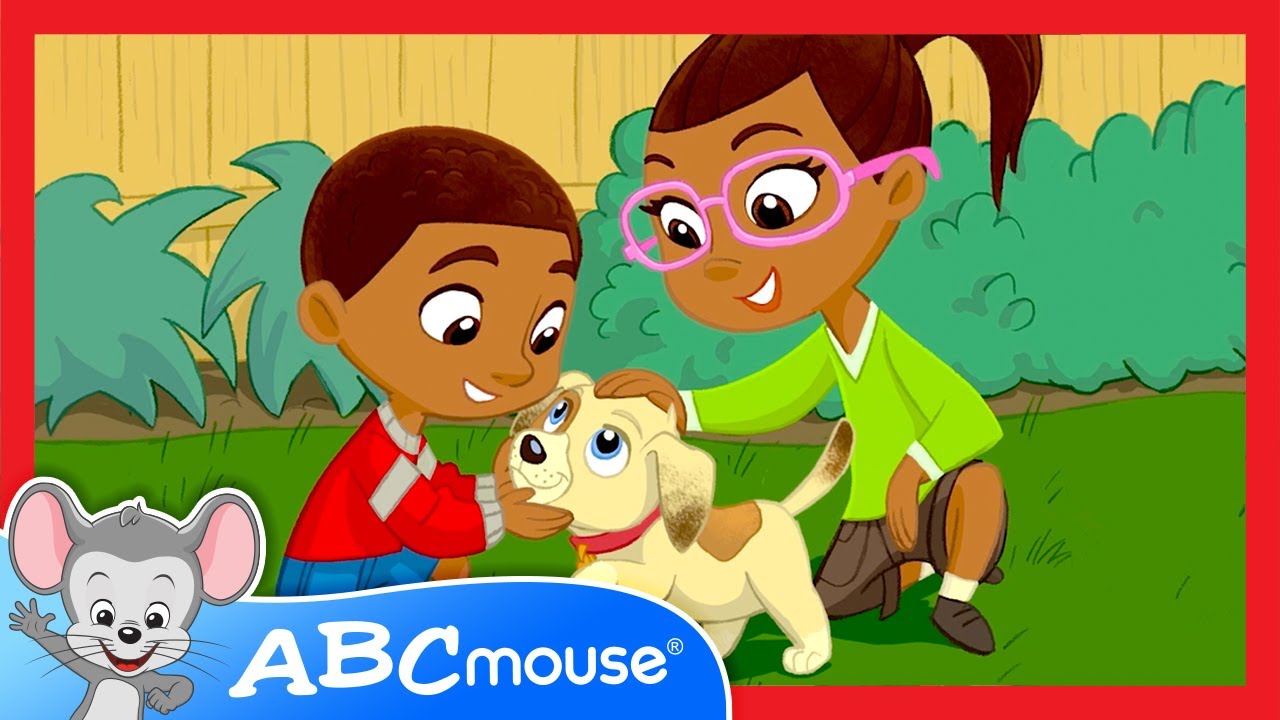
A Toy for Spot - ABCmouse.com Beginning Reader Series
Introducing the --ot word family!
Dot and Scot play a game of "Cold and Hot" with their spunky dog in this animated version of 'A Toy for Spot.' Based on a book of the same name from the ABCmouse.com Beginning Reader Word Family Series, this video introduces young learners to the "--ot" word family (a word family is a group of words with the same ending sound and letters, such as cot, hot, and pot).
About Us:
ABCmouse.com is an award-winning website that uses a variety of activities, including these songs, to help children build a strong foundation for future academic success. ABCmouse.com Early Learning Academy provides a full online curriculum from preschool through 2nd grade, with more than 10,000 interactive learning activities that teach the subjects of reading, math, science, social studies, art, and music.
Parents, learn more about ABCmouse.com at https://ABCmouse.com/abc/YouTube
Website: https://ABCmouse.com/abc/YouTube
Facebook: http://facebook.com/ABCmouse
Twitter: http://twitter.com/ABCmouse
YouTube Channel: http://youtube.com/ABCmouse
© Age of Learning, Inc. All rights reserved.
Parents, learn more about ABCmouse at www.abcmouse.com/abc/youtube
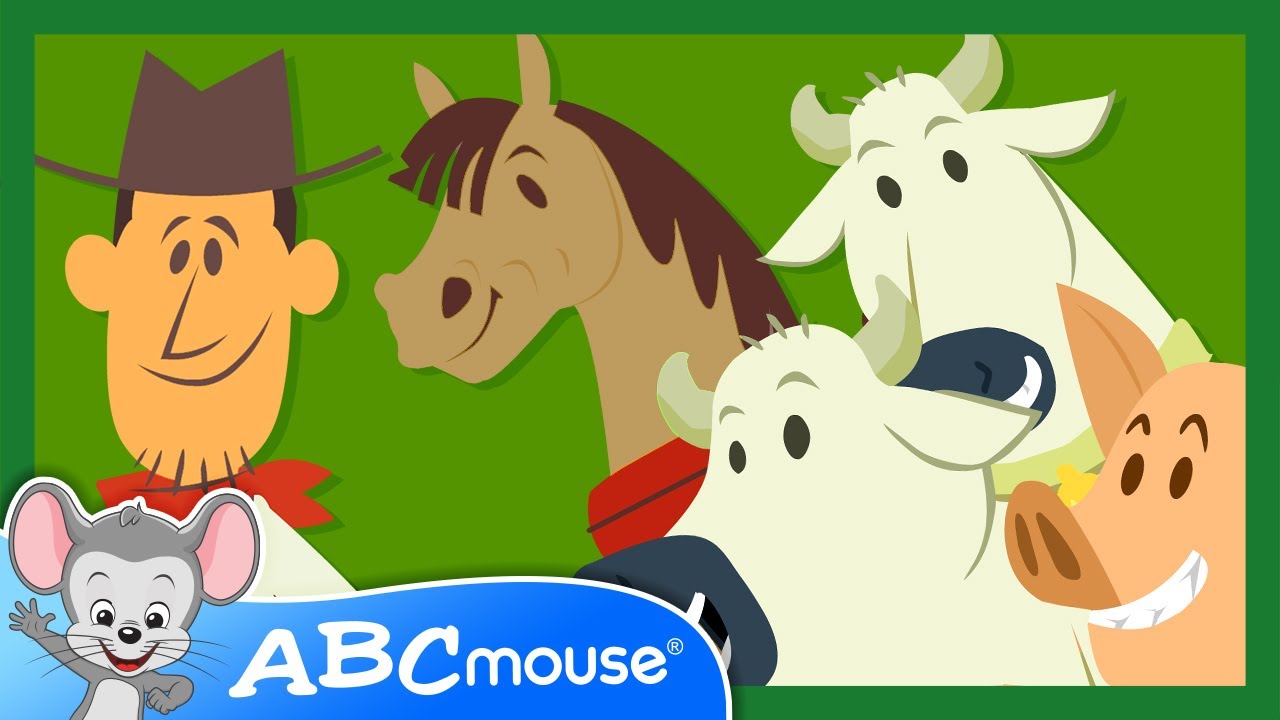
"Old MacDonald" (See below for lyrics)
"Old MacDonald" is a classic and fun song that helps children learn the different sounds that animals make while teaching them rhyming patterns.
About Us:
ABCmouse.com is an award-winning website that uses a variety of activities, including these songs, to help children build a strong foundation for future academic success. ABCmouse.com Early Learning Academy provides a full online curriculum from preschool through 2nd grade with more than 10,000 interactive learning activities that teach the subjects of reading, math, science, social studies, art, and music.
Song Lyrics:
Song Lyrics:
Old MacDonald had a farm, e-i-e-i-o.
And on his farm he had a cow, e-i-e-i-o.
With a 'moo moo' here,
and a 'moo moo' there,
here a 'moo,' there a 'moo,'
everywhere a "moo moo."
Old MacDonald had a farm, e-i-e-i-o.
Old MacDonald had a farm, e-i-e-i-o.
And on his farm he had a horse, e-i-e-i-o.
With a 'neigh neigh' here,
and a 'neigh neigh' there,
here a 'neigh,' there a 'neigh,'
everywhere a 'neigh neigh.'
Old MacDonald had a farm, e-i-e-i-o.
Old MacDonald had a farm, e-i-e-i-o.
And on his farm he had a duck, e-i-e-i-o.
With a 'quack quack' here,
and a 'quack quack' there,
here a 'quack,' there a 'quack,'
everywhere a 'quack quack.'
Old MacDonald had a farm, e-i-e-i-o.
Old MacDonald had a farm, e-i-e-i-o.
And on his farm he had a pig, e-i-e-i-o.
With an 'oink oink' here,
and an 'oink oink' there,
here an 'oink,' there an 'oink,'
everywhere am 'oink oink.'
Old MacDonald had a farm, e-i-e-i-o.
Old MacDonald had a farm, e-i-e-i-o.
And on his farm he had a sheep, e-i-e-i-o.
With a 'baa baa' here,
and a 'baa baa' there,
here a 'baa,' there a 'baa,'
everywhere a 'baa baa.'
Old MacDonald had a farm, e-i-e-i-o.
Old MacDonald had a farm, e-i-e-i-o.
And on his farm he had a chicken, e-i-e-i-o.
With a 'cluck cluck' here,
and a 'cluck cluck' there,
here a 'cluck,' there a 'cluck,'
everywhere a 'cluck cluck.'
Old MacDonald had a farm, e-i-e-i-o.
Old MacDonald had a farm, e-i-e-i-o.
And on his farm he had a dog, e-i-e-i-o.
With a 'woof woof' here,
and a 'woof woof' there,
here a 'woof,' there a 'woof,'
everywhere a 'woof woof.'
Old MacDonald had a farm, e-i-e-i-o.
Website: www.abcmouse.com/abc/youtube
Free Mobile Apps: http://ABCmouse.com/apps
Facebook: http://facebook.com/ABCmouse
Google+: http://google.com/+ABCmouse
Twitter: http://twitter.com/ABCmouse
Pinterest: http://pinterest.com/ABCmouse
YouTube Channel: http://youtube.com/ABCmouse
© Age of Learning, Inc. All rights reserved

You don’t have to travel all the way to China to see a panda! This simple craft tutorial will teach you and your kiddo how to make a paper plate panda. Find more fun videos, crafts, sing-a-longs, lessons, and more with your Passport to Aventure—only on ABCmouse.
Visit https://ABCmouse.com/LearnMore to find out more about our award-winning online learning program for children 2–8!
Watch more video testimonials and preview our site/app content by subscribing to our YouTube channel: https://YouTube.com/ABCmouse.
© Age of Learning, Inc. All rights reserved.

Visit https://www.abcmouse.com/learn/youtube to learn more about our award-winning online learning program for children 2-8!
🦅🍇 Oh no—a crow is trying to steal Jamie’s lunch! Join ABC Mouse, DoReMi, and 123 as they leap into action during recess in this silly, snack-saving adventure. Watch them build a catapult, launch a lunch-saving mission, and give a grumpy crow a super cool makeover with some stylish sunglasses. It’s teamwork, creativity, and just a little bit of crow romance! 😄🎒❤️
👉 Discover more fun learning songs and educational videos by subscribing to our YouTube channel at https://YouTube.com/ABCmouse.
And visit https://www.abcmouse.com/learn/youtube to find out more about our award-winning online learning program for children 2–8!
© Age of Learning, Inc. All rights reserved.

Learn more at https://ABCmouse.com!
We hope you enjoyed this video "Introduction to Nouns" featuring King Grammar and the Grammar Kingdom! Check out https://ABCmouse.com/LearnMore to find out more about our award-winning learning content for children ages 2–8!
Watch more videos or subscribe to our channel at https://YouTube.com/ABCmouse.
© Age of Learning, Inc. All rights reserved.

https://www.abcmouse.com/learn/youtube
"The Wheels on the Bus" (See below for lyrics)
Did you know that you can use "The Wheels on the Bus" to help teach children beginning rhymes and basic fine motor skills? As you play this song, encourage your child to make the motions for the windshield wipers, honking the horn, and of course, the spinning wheels.
About Us:
ABCmouse.com is an award-winning website that uses a variety of activities, including these songs, to help children build a strong foundation for future academic success. ABCmouse.com Early Learning Academy provides a full online curriculum from preschool through 2nd grade, with more than 10,000 interactive learning activities that teach the subjects of reading, math, science, social studies, art, and music.
Parents, learn more about ABCmouse.com at https://www.abcmouse.com/learn/youtube
Song Lyrics:
The wheels on the bus go round and round,
round and round, round and round.
The wheels on the bus go round and round,
all through the town.
The wipers on the bus go swish, swish, swish,
swish, swish, swish, swish, swish, swish.
The wipers on the bus go swish, swish, swish,
all through the town.
The horn on the bus goes beep, beep, beep,
beep, beep, beep, beep, beep, beep.
The horn on the bus goes beep, beep, beep,
all through the town.
The people on the bus go up and down,
up and down, up and down.
The people on the bus go up and down,
all through the town.
The babies on the bus go, whah, whah, whah,
whah, whah, whah, whah, whah, whah.
The babies on the bus go whah, whah, whah,
all through the town.
The grownups on the bus go shh, shh, shh,
shh, shh, shh, shh, shh, shh.
The grownups on the bus go shh, shh, shh,
all through the town.
The wheels on the bus go round and round,
round and round, round and round.
The wheels on the bus go round and round,
all through the town.
All through the town.
All through the town.
Website: https://www.abcmouse.com/learn/youtube
Facebook: http://facebook.com/ABCmouse
Twitter: http://twitter.com/ABCmouse
YouTube Channel: http://youtube.com/ABCmouse
© Age of Learning, Inc. All rights reserved.

Visit https://www.abcmouse.com/learn/youtube to learn more about our award-winning online learning program for children 2-8!
🕺🎶 Travel through time with ABCmouse and dance your way through the 50s, 60s, and 70s! From rock ‘n’ roll twists to groovy disco moves, this brain break will get kids moving, learning, and having a blast. Perfect for preschoolers to stay active while exploring fun dances from the past! 🌟💃
👉 Discover more fun learning songs and educational videos by subscribing to our YouTube channel at https://YouTube.com/ABCmouse.
And visit https://www.abcmouse.com/learn/youtube to find out more about our award-winning online learning program for children 2–8!
© Age of Learning, Inc. All rights reserved.

🎉🕯️ Celebrate the spirit of Kwanzaa with ABCmouse in our vibrant and joyful music video! This special song honors the rich traditions and values of Kwanzaa, bringing to life its seven principles in a way that's fun and easy for kids to understand. From unity to faith, join us in a musical journey that highlights the importance of family, community, and culture during this festive season. 🎵
Experience more exciting and educational content by visiting https://www.abcmouse.com/learn/youtube. Subscribe for more cultural celebration songs, stories, and videos at youtube.com/abcmouse
© Age of Learning, Inc. All rights reserved.

In our "Search and Explore" series, your child will listen to educational songs and full-length episodes about the most amazing locations around the world!! These videos spark a curiosity of adventure and provide an engaging and safe experience to promote play and learning ❤️ Come sing along!! 🎵 🎵
And visit https://www.abcmouse.com/learn/youtube to find out more about our award-winning online learning program for children 2–8!
In this episode, your child will visit the Grand Canyon with ABC and 1-2-3! 🐭 It is a beautifully animated music video that promotes your child's language development and introduces a wonder of the world!
Watch more songs, stories, and more by subscribing to our @ABCmouse YouTube channel: https://YouTube.com/ABCmouse
Other Search + Explore videos include:
Statue of Liberty (New York!) 🗽
The Great Barrier Reef (Australia!)
Amazon Rainforest
Wolong Panda Sanctuary 🐼
Galapagos Island
Hawaii
Mississippi River
The Andes
The Pyramids (ancient Egypt)
Appalachian Trail
Mt. Everest
Alaska
#abcmouse #education #kidslearning #preschool #children
© Age of Learning, Inc. All rights reserved.

Visit https://www.abcmouse.com/learn/youtube to learn more about our award-winning online learning program for children 2-8!
🎉🎶 Join ABCmouse on a fun-filled adventure with our new song, "What is This?"! Kids will love learning about different toys like bears, kites, and scooters while singing along to this catchy tune. Perfect for preschoolers, this educational song makes learning fun and exciting. 🐻🪁🛴
👉 Discover more fun learning songs and educational videos by subscribing to our YouTube channel at https://YouTube.com/ABCmouse.
And visit https://www.abcmouse.com/learn/youtube to find out more about our award-winning online learning program for children 2–8!
© Age of Learning, Inc. All rights reserved.

Visit https://www.abcmouse.com/learn/youtube to learn more about our award-winning online learning program for children 2-8!
🎒✏️ Get excited for the school year with 2 full hours of ABCmouse songs, stories, books, and early learning adventures that help kids get ready for the classroom with confidence and excitement! Perfect for preschoolers and kindergartners starting a new school year. 🍎📘🎶
👉 Discover more fun learning songs and educational videos by subscribing to our YouTube channel at https://YouTube.com/ABCmouse.
And visit https://www.abcmouse.com/learn/youtube to find out more about our award-winning online learning program for children 2–8!
© Age of Learning, Inc. All rights reserved.

Visit https://www.abcmouse.com/learn/youtube to learn more about our award-winning online learning program for children 2-8!
🚌🎶 Get ready for a 2-hour adventure packed with songs, stories, and learning fun! Kick things off with our lively version of “The Wheels on the Bus,” then keep the fun rolling with engaging educational videos from ABCmouse. It’s the perfect mix of movement, music, and early learning—designed just for kids! 📖🎵🧠
👉 Discover more fun learning songs and educational videos by subscribing to our YouTube channel at https://YouTube.com/ABCmouse.
And visit https://www.abcmouse.com/learn/youtube to find out more about our award-winning online learning program for children 2–8!
© Age of Learning, Inc. All rights reserved.

Visit https://www.abcmouse.com/learn/youtube to find out more about our award-winning online learning program for children 2–8!
Watch more songs, stories, and more by subscribing to our YouTube channel: https://YouTube.com/ABCmouse.
© Age of Learning, Inc. All rights reserved.

Visit https://www.abcmouse.com/learn/youtube to learn more about our award-winning online learning program for children 2-8!
🎶🗓️ Sing along and have fun every day of the week! From Monday to Sunday, this catchy Days of the Week Song by ABCmouse helps kids learn the order of the days while celebrating all the fun activities they can do. Perfect for preschoolers and young learners! 🌞✨
👉 Discover more fun learning songs and educational videos by subscribing to our YouTube channel at https://YouTube.com/ABCmouse.
And visit https://www.abcmouse.com/learn/youtube to find out more about our award-winning online learning program for children 2–8!
© Age of Learning, Inc. All rights reserved.

Parents, learn more about ABCmouse.com at www.abcmouse.com/abc/youtube
"Explore and Discover” (See below for lyrics)
“Explore and Discover” is an upbeat, exciting song that will encourage your child to ask questions and think about the world around them. While watching the video, your child will be introduced to different characters that he or she will encounter while exploring ABCmouse.com. Curious about the weather, plants, science , or new ideas? Go ahead—learn something new that you did not know before!
Song Lyrics:
Explorers ask questions.
They have curious minds.
They explore to learn answers
to questions of all kinds!
Explore and discover the world outside.
See a rainbow, or hear a new sound.
Learn about weather,
the sun, plants, and rocks.
Or look for new bugs on the ground.
Explore and discover! Discover and explore!
Learn something new
that you did not know before.
You’re an explorer when you read a book.
It’s a journey from beginning to end.
Learn new ideas, new facts, and new words.
Then share what you learned with a friend.
Explore and discover! Discover and explore!
Learn something new
that you did not know before.
Go be an explorer—observe, think, and learn.
Solve a problem or puzzle for fun.
Experiment! Imagine! Look all around.
You’ll be proud of yourself when you’re done.
Explore and discover! Discover and explore!
Learn something new
that you did not know before.
Explorers discover by trying new things.
They take chances and might make mistakes.
Explorers keep going! They never give up—
For as long as discovery takes.
Explore and discover! Discover and explore!
Learn something new
that you did not know before!
Learn something new
that you did not know before!
About Us:
ABCmouse.com is an award-winning website that uses a variety of activities, including these songs, to help children build a strong foundation for future academic success. ABCmouse.com Early Learning Academy provides a full online curriculum from preschool through 2nd grade, with more than 10,000 interactive learning activities that teach the subjects of reading, math, science, social studies, art, and music.
© Age of Learning, Inc. All rights reserved.

Visit https://www.abcmouse.com/learn/youtube to learn more about our award-winning online learning program for children 2-8!
🎶😊 Sing, clap, and dance along to "If You’re Happy and You Know It" and many more fun nursery rhymes in this 120-minute compilation from ABCmouse! These catchy songs are perfect for keeping preschoolers entertained while they learn important skills like following directions, recognizing emotions, and more. It’s also great to watch on TV, so the whole family can join the fun together! 🎉👏
👉 Discover more fun learning songs and educational videos by subscribing to our YouTube channel at https://YouTube.com/ABCmouse.
And visit https://www.abcmouse.com/learn/youtube to find out more about our award-winning online learning program for children 2–8!
© Age of Learning, Inc. All rights reserved.

https://www.abcmouse.com/learn/youtube
"Five Little Monkeys" or "5 Little Monkeys" (See below for lyrics)
The classic children's song "Five Little Monkeys" (or "5 Little Monkeys") helps children learn basic math skills. As each little monkey falls off and "bumps his head," children will learn about basic subtraction skills in the context of this quirky song.
About Us:
ABCmouse.com is an award-winning website that uses a variety of activities, including these songs, to help children build a strong foundation for future academic success. ABCmouse.com Early Learning Academy provides a full online curriculum in preschool to 2nd grade, with more than 8,500 interactive learning activities that teach the subjects of reading, math, science, social studies, art, and music.
Parents, learn more about ABCmouse.com at https://www.abcmouse.com/learn/youtube.
Song Lyrics:
Five little monkeys jumping on the bed.
One fell off and bumped his head.
Mama called the doctor, and the doctor said,
No more monkeys jumping on the bed!
Four little monkeys jumping on the bed.
One fell off and bumped his head.
Mama called the doctor, and the doctor said,
No more monkeys jumping on the bed!
Three little monkeys jumping on the bed.
One fell off and bumped his head.
Mama called the doctor, and the doctor said,
No more monkeys jumping on the bed!
Two little monkeys jumping on the bed.
One fell off and bumped his head.
Mama called the doctor, and the doctor said,
No more monkeys jumping on the bed!
One little monkey jumping on the bed.
He fell off and bumped his head.
Mama called the doctor, and the doctor said,
No more monkeys jumping on the bed!
No little monkeys jumping on the bed.
None fell off and bumped their head.
Mama called the doctor, and the doctor said,
Put those monkeys back in the bed!
Parents, learn more about ABCmouse.com at https://www.abcmouse.com/learn/youtube
Website: http://www.abcmouse.com/abc/youtube
YouTube Channel: http://youtube.com/ABCmouse
© Age of Learning, Inc. All rights reserved.https://www.abcmouse.com/learn/youtube
"Five Little Monkeys" or "5 Little Monkeys" (See below for lyrics)
The classic children's song "Five Little Monkeys" (or "5 Little Monkeys") helps children learn basic math skills. As each little monkey falls off and "bumps his head," children will learn about basic subtraction skills in the context of this quirky song.
About Us:
ABCmouse.com is an award-winning website that uses a variety of activities, including these songs, to help children build a strong foundation for future academic success. ABCmouse.com Early Learning Academy provides a full online curriculum in preschool to 2nd grade, with more than 8,500 interactive learning activities that teach the subjects of reading, math, science, social studies, art, and music.

"Ten in the Bed" or "10 in the Bed" (See below for lyrics)
This classic children's song "Ten in the Bed" is a great way to help young children learn basic math and subtraction skills. Have your child track how many are in the bed as they sing along!
About Us:
ABCmouse.com is an award-winning website that uses a variety of activities, including these songs, to help children build a strong foundation for future academic success. ABCmouse.com Early Learning Academy provides a full online curriculum for preschool through 2nd grade with more than 10,000 interactive learning activities that teach the subjects of reading, math, science, social studies, art, and music.
Parents, learn more about ABCmouse.com at http://ABCmouse.com/LearnMore
Song Lyrics:
There were ten in the bed
and the little one said,
"Roll over! Roll over!"
So they all rolled over and one fell out.
There were nine in the bed
and the little one said,
"Roll over! Roll over!"
So they all rolled over and one fell out.
There were eight in the bed
and the little one said,
"Roll over! Roll over!"
So they all rolled over and one fell out.
There were seven in the bed
and the little one said,
"Roll over! Roll over!"
So they all rolled over and one fell out.
There were six in the bed
and the little one said,
"Roll over! Roll over!"
So they all rolled over and one fell out.
There were five in the bed
and the little one said,
"Roll over! Roll over!"
So they all rolled over and one fell out.
There were four in the bed
and the little one said,
"Roll over! Roll over!"
So they all rolled over and one fell out.
There were three in the bed
and the little one said,
"Roll over! Roll over!"
So they all rolled over and one fell out.
There were two in the bed
and the little one said,
"Roll over! Roll over!"
So they all rolled over and one fell out.
There was one in the bed
and the little one said,
"Goodnight!"
Website: http://ABCmouse.com/LearnMore
Free Mobile Apps: http://ABCmouse.com/apps
Facebook: http://facebook.com/ABCmouse
Google+: http://google.com/+ABCmouse
Twitter: http://twitter.com/ABCmouse
Pinterest: http://pinterest.com/ABCmouse
YouTube Channel: http://youtube.com/ABCmouse
© Age of Learning, Inc. All rights reserved.

https://www.abcmouse.com/learn/youtube to find out more about our award-winning online learning program for children 2–8!
Watch more songs, stories, and more by subscribing to our YouTube channel: https://YouTube.com/ABCmouse.
© Age of Learning, Inc. All rights reserved.

Visit https://www.abcmouse.com/learn/youtube to learn more about our award-winning online learning program for children 2-8!
🌟🚀 Join us on an incredible journey as we explore the amazing concept of space elevators! Learn how these futuristic structures could one day carry people and cargo from Earth to space. Perfect for young explorers and budding scientists ready to reach for the stars! 🌌✨
👉 Discover more fun learning songs and educational videos by subscribing to our YouTube channel at https://YouTube.com/ABCmouse.
And visit https://www.abcmouse.com/learn/youtube to find out more about our award-winning online learning program for children 2–8!
© Age of Learning, Inc. All rights reserved.