Top videos

Learn more counting, addition, and subtraction lessons in the FREE Khan Academy Kids app! https://go.learn.khanacademy.o....rg/khanacademy/YouTu
Peck learns subtraction by counting backward with strawberries. Way to count on, Peck!
Visit us at http://www.khankids.org to learn more about Khan Academy Kids, a free educational app for preschool through 2nd grade available on Apple, Google Play, and Amazon app stores.
You can also access other videos on our Addition and Subtraction playlist here: http://khan.co/KhanKids-AdditionSubtraction
Subscribe to our channel for more videos like this.
Questions? Reach our team at khankids@khanacademy.org.
⚔️Download Rise of Kingdoms for free🪓: https://patron.me/SimpleHistoryROK and use the bonus code ROKVIKINGS for in-game rewards.
🛡️Join the event here🛡️: https://bit.ly/ROKGiveaway_SH and you will have the chance to win an iPhone 12
Operation 'Greif', also known as Operation Griffin
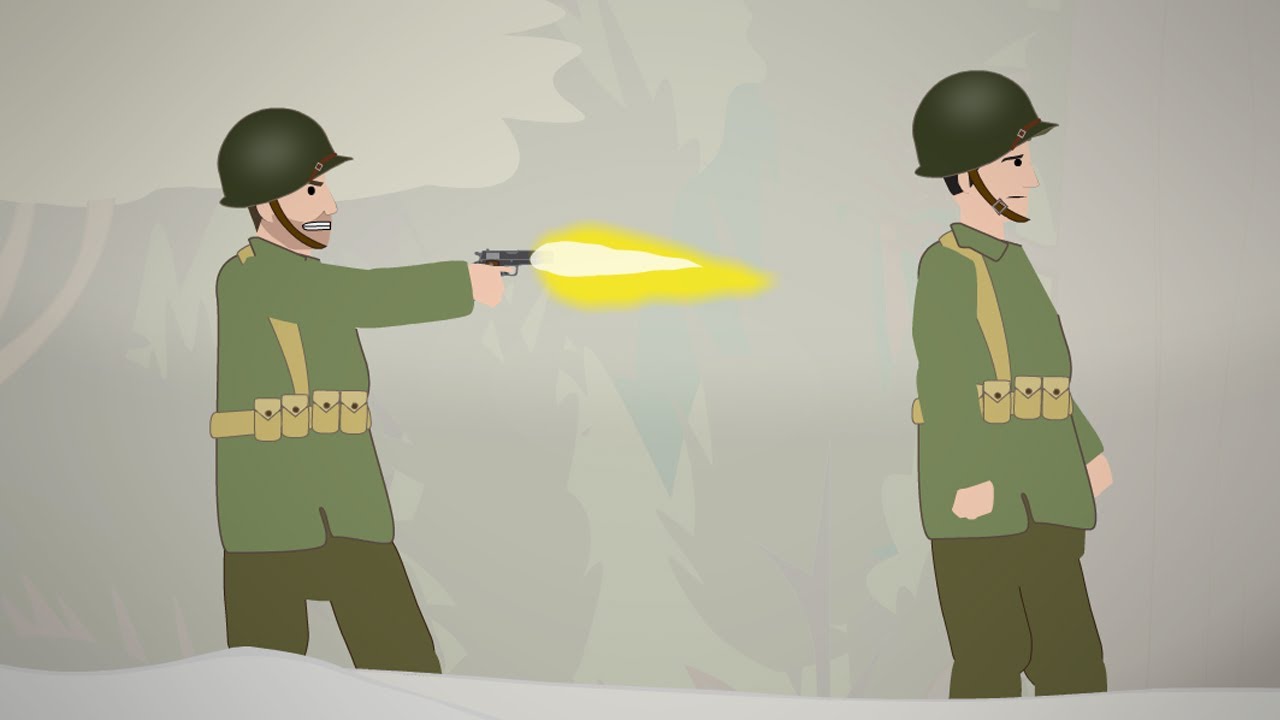
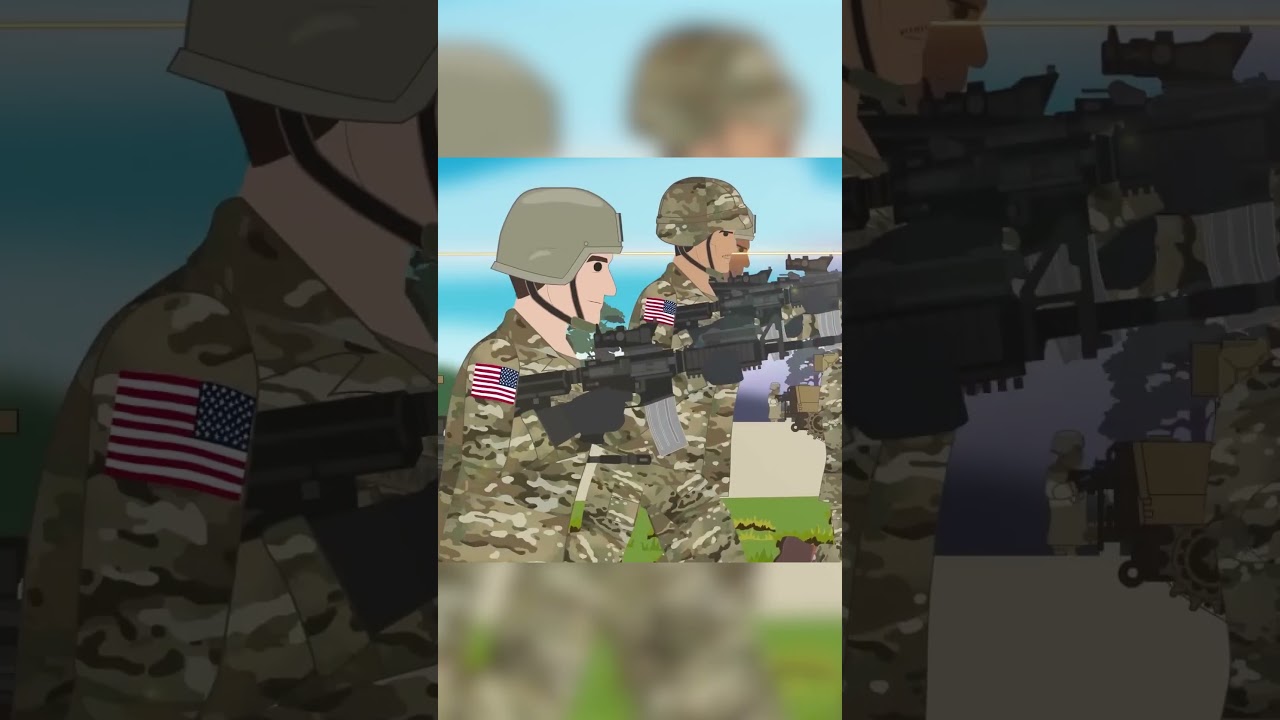
As their last trick the Germans planned to create chaos and confusion among the American troops.
The essence of the plan was to form a unit consisting of German soldiers who spoke fluent English with an American dialect.
It was planned for these Germans to be dressed up as American soldiers and equipped with American weapons, tanks and vehicles.
Become a Simple History member: https://www.youtube.com/simplehistory/join
Support us on Patreon: https://www.patreon.com/simplehistory
Copyright: DO NOT translate and re-upload our content on Youtube or other social media.
SIMPLE HISTORY MERCHANDISE
Get the Simple History books on Amazon:
https://www.amazon.com/Daniel-....Turner-%60/e/B00H5TY
T-Shirts
https://teespring.com/stores/s....imple-history-offici
Simple history gives you the facts, simple!
See the book collection here:
Amazon USA
http://www.amazon.com/Daniel-Turner/e/B00H5TYLAE/
Amazon UK
http://www.amazon.co.uk/Daniel....-Turner/e/B00H5TYLAE
https://www.facebook.com/Simpl....e-History-5494376751
https://twitter.com/SimpleHistoryYT
Credit:
Created by Daniel Turner (B.A. (Hons) in History, University College London)
Script: Dejan Milivojevic
Narrator:
Chris Kane
https://vocalforge.com/
Sources:
Pallud, Jean-Paul. Ardennes, 1944: Peiper and Skorzeny. Osprey Pub., 1988.
Piekałkiewicz, Janusz, Nadia Fowler, and Francisca Garvie. Secret Agents, Spies, and Saboteurs: Secret Missions of the Second World. David and Charles, 1974.
Breuer, William B. Daring Missions of World War II. J. Wiley, 2001.
Cole, Hugh M. The Ardennes: Battle of the Bulge. Office of the Chief of Military History. Department of the Army, 1965.
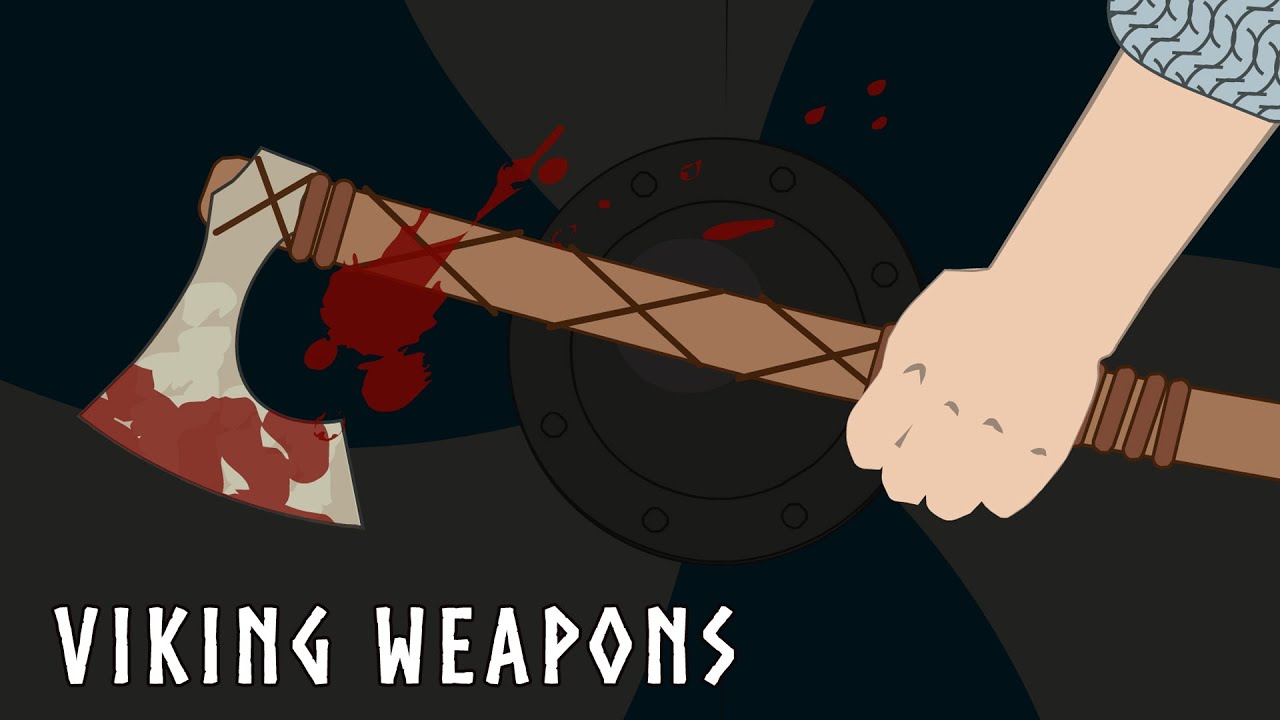
Though we often think of the Vikings of Scandinavia as being barbarians, when it came to warfare they were quite advanced warriors, as well as being highly practical. So they tended to favour weapons that served a purpose in everyday life, as well as on the battlefield.
Become a Simple History member: https://www.youtube.com/simplehistory/join
Support us on Patreon: https://www.patreon.com/simplehistory
Copyright: DO NOT translate and re-upload our content on Youtube or other social media.
SIMPLE HISTORY MERCHANDISE
Get the Simple History books on Amazon:
https://www.amazon.com/Daniel-....Turner-%60/e/B00H5TY
T-Shirts
https://teespring.com/stores/s....imple-history-offici
Simple history gives you the facts, simple!
See the book collection here:
Amazon USA
http://www.amazon.com/Daniel-Turner/e/B00H5TYLAE/
Amazon UK
http://www.amazon.co.uk/Daniel....-Turner/e/B00H5TYLAE
https://www.facebook.com/Simpl....e-History-5494376751
https://twitter.com/SimpleHistoryYT
Credit:
Created by Daniel Turner (B.A. (Hons) in History, University College London)
Script: Conan White
Narrator:
Bryan 'Lazlo' Beauregard
Music Credit
Crusade - Video Classica by Kevin MacLeod is licensed under a Creative Commons Attribution 4.0 license. https://creativecommons.org/licenses/by/4.0/
Source: http://incompetech.com/music/r....oyalty-free/index.ht
Artist: http://incompetech.com/
Sources:
Weapons of the Viking Warrior
By Gareth Williams
The Viking Age: The Early History, Manners, and Customs of the ..., Volume 2
By Paul Belloni Du Chaillu
Ancient Weapons in Britain
By Logan Thompson
Join me in State of Survival: https://bit.ly/SimpleHistory_SOS
SOS will be choosing 30 lucky fans to win our T -Shirts AND 20 lucky fans to win $100 face value Amazon gift card! Use our special code simplehistorySoS for a FREE welcome in game package
First come first served, for new users only!
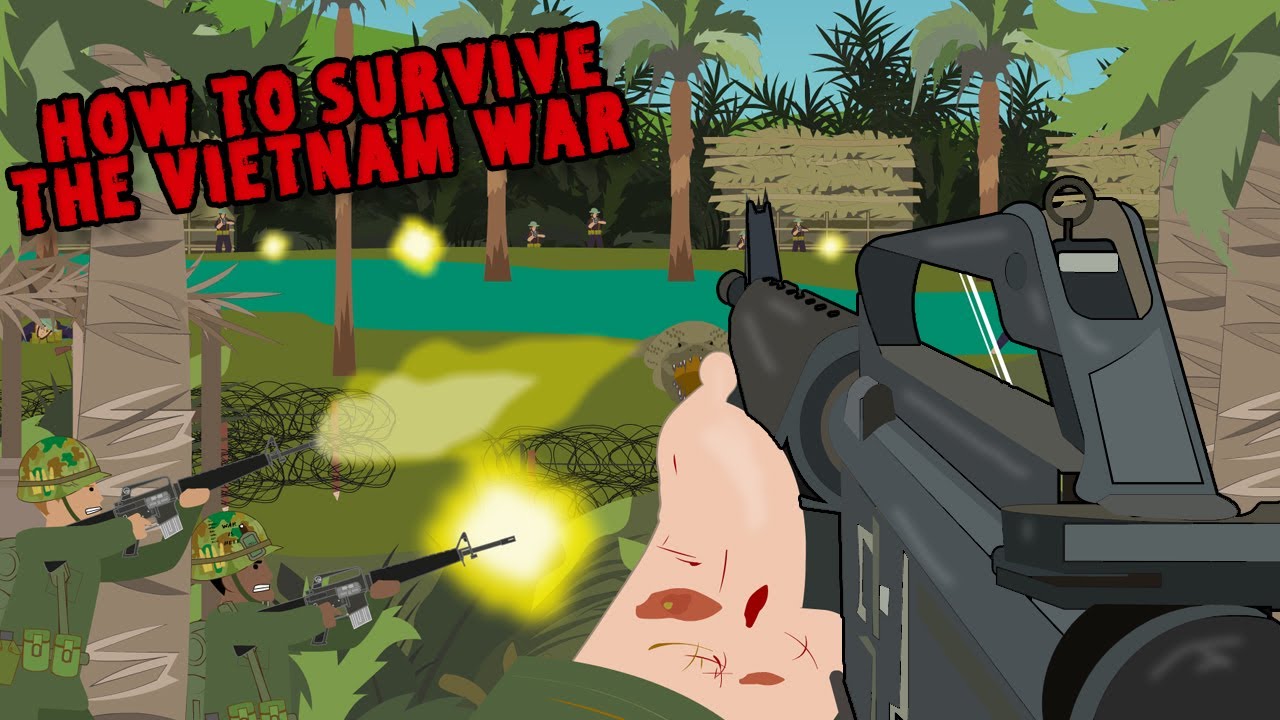
So it is the mid-1960s and you are a raw recruit who has just arrived in Vietnam.
The country is involved in a bloody and intense civil war, so how do you survive this experience?
Become a Simple History member: https://www.youtube.com/simplehistory/join
Support us on Patreon: https://www.patreon.com/simplehistory
Copyright: DO NOT translate and re-upload our content on Youtube or other social media.
SIMPLE HISTORY MERCHANDISE
Get the Simple History books on Amazon:
https://www.amazon.com/Daniel-....Turner-%60/e/B00H5TY
T-Shirts
https://teespring.com/stores/s....imple-history-offici
Simple history gives you the facts, simple!
See the book collection here:
Amazon USA
http://www.amazon.com/Daniel-Turner/e/B00H5TYLAE/
Amazon UK
http://www.amazon.co.uk/Daniel....-Turner/e/B00H5TYLAE
https://www.facebook.com/Simpl....e-History-5494376751
https://twitter.com/SimpleHistoryYT
Credit:
Created by Daniel Turner
Script: Conan White
Narrator:
Chris Kane
https://vocalforge.com/
Music Credit:
Drums of the Deep Kevin MacLeod (incompetech.com)
Licensed under Creative Commons: By Attribution 3.0 License
http://creativecommons.org/licenses/by/3.0/
Join Simple History in battle on War Thunder now for free and also get a free Premium tank or aircraft and 3 days of Premium time: http://v2.xyz/WarThunderSimpleHistory
Please consider supporting our videos on Patreon
https://www.patreon.com/simplehistory
Please do not reupload our content!
SIMPLE HISTORY MERCHANDISE
Get the SImple History books on Amazon:
https://www.amazon.com/Daniel-....Turner-%60/e/B00H5TY
T-Shirts
https://www.zazzle.com/simpleh....istory/gifts?cg=1968
Simple history gives you the facts, simple!
See the book collection here:
Amazon USA
http://www.amazon.com/Daniel-Turner/e/B00H5TYLAE/
Amazon UK
http://www.amazon.co.uk/Daniel....-Turner/e/B00H5TYLAE
http://www.simplehistory.co.uk/
https://www.facebook.com/Simpl....e-History-5494376751
https://twitter.com/simple_guides
Credit:
Created by Daniel Turner
Narrator:
Chris Kane
www.vocalforge.com
Music:
Scott Buckley - 'Hunted'
http://www.scottbuckley.com.au/library/hunted/
Joshua LF Mitchell
Check out our other Channel: https://www.youtube.com/channe....l/UCPdc6bs3I8s6Y4QE_
Become a Simple History member: https://www.youtube.com/simplehistory/join
Support us on Patreon: https://www.patreon.com/simplehistory
Discord server: https://discord.gg/JZsPQXHeYC
Copyright: DO NOT translate and re-upload our content on Youtube or other social media.
SIMPLE HISTORY MERCHANDISE
Get the Simple History books on Amazon:
https://www.amazon.com/Daniel-....Turner-%60/e/B00H5TY
T-Shirts
https://teespring.com/stores/s....imple-history-offici
Simple history gives you the facts, simple!
See the book collection here:
Amazon USA
http://www.amazon.com/Daniel-Turner/e/B00H5TYLAE/
Amazon UK
http://www.amazon.co.uk/Daniel....-Turner/e/B00H5TYLAE
https://www.facebook.com/Simpl....e-History-5494376751
https://twitter.com/SimpleHistoryYT
Credit:
Show Created by Daniel Turner (B.A. (Hons) in History, University College London)
Script Writer: Robert de Graaf
Narrator:
Bryan 'Lazlo' Beauregard

Thank you to our sponsor Ridge Wallets. Get 10% off today —WITH FREE WORLDWIDE SHIPPING AND RETURNS—by going to https://www.ridge.com/SIMPLEHISTORY and use code “SIMPLEHISTORY”.
In the city of London, England a bizarre disaster was about to happen.
It all came about on the afternoon of the 17th of October 1814, at the Horse Shoe brewery...
Major Mike, is here with a vengeance! Armed with his tactical knife, he's here to do his duty and head into battle. Get the limited edition, (3 weeks only) Simple History plushie! here: https://makeship.com/products/major-mike
Become a Simple History member: https://www.youtube.com/simplehistory/join
Support us on Patreon: https://www.patreon.com/simplehistory
Copyright: DO NOT translate and re-upload our content on Youtube or other social media.
SIMPLE HISTORY MERCHANDISE
Get the Simple History books on Amazon:
https://www.amazon.com/Daniel-....Turner-%60/e/B00H5TY
T-Shirts
https://teespring.com/stores/s....imple-history-offici
Simple history gives you the facts, simple!
See the book collection here:
Amazon USA
http://www.amazon.com/Daniel-Turner/e/B00H5TYLAE/
Amazon UK
http://www.amazon.co.uk/Daniel....-Turner/e/B00H5TYLAE
https://www.facebook.com/Simpl....e-History-5494376751
https://twitter.com/SimpleHistoryYT
Credit:
Created by Daniel Turner
Script: Conan White
Narrator:
Chris Kane
https://vocalforge.com/
Sources:
Strange Tales of Ale, (2015)
By Martyn Cornell
A Curious Guide to London, (2014)
By Simon Leyland
Amber, Gold and Black: The History of Britain's Great Beers. Stroud, Gloucestershire: The History Press. (2010) By Martyn Cornell

This episode is Sponsored by Wix! Support the Simple History channel by going to: https://www.wix.com/go/simplehistory
Let's take a tour of Edo, Japan's capital (now Tokyo) during the Tokugawa Period.
Become a Simple History member: https://www.youtube.com/simplehistory/join
Support us on Patreon: https://www.patreon.com/simplehistory
Copyright: DO NOT translate and re-upload our content on Youtube or other social media.
SIMPLE HISTORY MERCHANDISE
Get the Simple History books on Amazon:
https://www.amazon.com/Daniel-....Turner-%60/e/B00H5TY
T-Shirts
https://teespring.com/stores/s....imple-history-offici
Simple history gives you the facts, simple!
See the book collection here:
Amazon USA
http://www.amazon.com/Daniel-Turner/e/B00H5TYLAE/
Amazon UK
http://www.amazon.co.uk/Daniel....-Turner/e/B00H5TYLAE
https://www.facebook.com/Simpl....e-History-5494376751
https://twitter.com/SimpleHistoryYT
Credit:
Created by Daniel Turner
Narrator:
Chris Kane
https://vocalforge.com/
Music Credit:
Ishikari Lore by Kevin MacLeod is licensed under a Creative Commons Attribution licence (https://creativecommons.org/licenses/by/4.0/)
Source: http://incompetech.com/music/r....oyalty-free/index.ht
Artist: http://incompetech.com/
Sources:
A Modern History of Japan: From Tokugawa Times to the Present by Andrew Gordon
A History of Japan, 1615-1867 by George Sansom
World Within Walls by Donald Keene
Samurai: An Encyclopedia of Japan's Cultured Warriors
By Constantine Nomikos Vaporis Ph.D.
Moral and Spiritual Cultivation in Japanese Neo-Confucianism: The Life and Thought of Kaibara Ekken (1630-1714)
by Mary Evelyn Tucker
Japan Encyclopedia
By Louis-Frédéric
Sounds credit:
Taiko1.aif by whatsanickname4u
Crows by Taira Komori

Get your free trial of MagellanTV here: https://try.magellantv.com/simplehistory It's an exclusive offer for our viewers: an extended, month-long trial, FREE. MagellanTV is a new kind of streaming service run by filmmakers with 2,000+ documentaries! Check out our personal recommendation and MagellanTV’s exclusive playlists: https://www.magellantv.com/explore/history
The Siege of Jadotville from September 13 to 17, 1961, was a forgotten military action of the Irish UN peacekeeping forces during the Congo Crisis.
It is the story of 155 soldiers of the A Company, 35th Battalion of the Irish Army who fought against an enemy that outnumbered them, for five days while kept under siege in the hostile region.
Become a Simple History member: https://www.youtube.com/simplehistory/join
Support us on Patreon: https://www.patreon.com/simplehistory
Copyright: DO NOT translate and re-upload our content on Youtube or other social media.
SIMPLE HISTORY MERCHANDISE
Get the Simple History books on Amazon:
https://www.amazon.com/Daniel-....Turner-%60/e/B00H5TY
T-Shirts
https://teespring.com/stores/s....imple-history-offici
Simple history gives you the facts, simple!
See the book collection here:
Amazon USA
http://www.amazon.com/Daniel-Turner/e/B00H5TYLAE/
Amazon UK
http://www.amazon.co.uk/Daniel....-Turner/e/B00H5TYLAE
https://www.facebook.com/Simpl....e-History-5494376751
https://twitter.com/SimpleHistoryYT
Credit:
Created by Daniel Turner
Script: Dejan Milivojevic
Narrator:
Chris Kane
https://vocalforge.com/
Sources:
https://pastebin.com/4Qj9Zibs

Download Empires & Puzzles here: https://pixly.go2cloud.org/SH3gX
Thanks to Empires & Puzzles for sponsoring!
2nd Channel: https://www.youtube.com/@simplehistory2
Become a Simple History member: https://www.youtube.com/simplehistory/join
Support us on Patreon: https://www.patreon.com/simplehistory
Copyright: DO NOT translate and re-upload our content on Youtube or other social media.
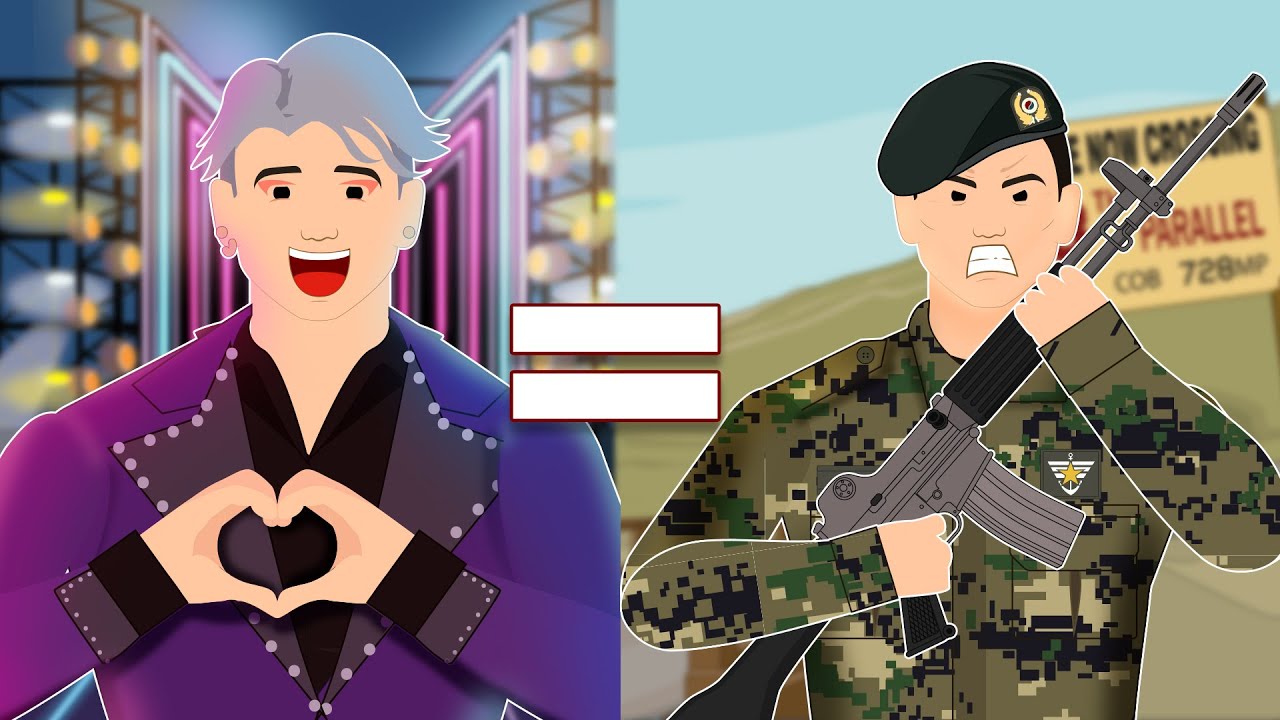
It must be difficult to have been the heavenly leaders of North Korea for all time. So what does one unwind as an eternal leader? From brutal executions, opening zoos, to hiring foreign NBA stars, here are some of the memorable moments during the reign of Kim Il-sung, Kim Jong-Il and Kim Jong-un.
SIMPLE HISTORY MERCHANDISE
Get the Simple History books on Amazon:
https://www.amazon.com/Daniel-....Turner-%60/e/B00H5TY
T-Shirts
https://teespring.com/stores/s....imple-history-offici
Simple history gives you the facts, simple!
See the book collection here:
Amazon USA
http://www.amazon.com/Daniel-Turner/e/B00H5TYLAE/
Amazon UK
http://www.amazon.co.uk/Daniel....-Turner/e/B00H5TYLAE
https://www.facebook.com/Simpl....e-History-5494376751
https://twitter.com/SimpleHistoryYT
Credit:
Created by Daniel Turner (B.A. (Hons) in History, University College London)
Script Writer: Luke Ursone
Narrator: Chris Kane
www.vocalforge.com
Bibliography
Dean, Sam. “Hennessy, Giant Rabbits, and Mythical Rice.” Bon Appetit. Accessed December 19, 2022.
Fitz-Gibbon, Jorge. “The Craziest and Most Outrageous Kim Jong Un Facts and Rumors.” New York Post. New York Post, August 17, 2020.
Lan'kov, Andrej N. Crisis in North Korea: The Failure of De-Stalinization, 1956. Honolulu: Univ. of Hawai'i Press, 2007.
MailOnline, Julian Robinson for. “Trim Jong-Un: North Koreans Have a Choice of 15 Haircuts.” Daily Mail Online. Associated Newspapers, April 19, 2017.
“North Korea Immigration Statistics 1960-2022.” MacroTrends. Accessed December 19, 2022.
“North Korea's New Star: Azalea the Smoking Chimp at Pyongyang Zoo.” NBCNews.com. NBCUniversal News Group, October 19, 2016.
Poorest countries in the world 2022. Accessed December 19, 2022.
“Pyongyang Zoo: KTG®: Korea Central Zoo.” north korea travel. Accessed December 19, 2022.
UK, Huffington Post. “Kim Jong Il: 18 Strange 'Facts' about the North Korean Leader.” HuffPost UK. HuffPost UK, December 19, 2011.

Become a Simple History member: https://www.youtube.com/simplehistory/join
Support us on Patreon: https://www.patreon.com/simplehistory
November 22, 1963
12:30 p.m.
The Warren Report concluded that the Assassin Lee Harvey Oswald had fired three shots: one that entered Kennedy’s neck and exited through his throat before hitting Connally, one that hit Kennedy in the back of the head -the fatal shot, and one that missed.
Copyright: DO NOT translate and re-upload our content on Youtube or other social media.
SIMPLE HISTORY MERCHANDISE
Get the Simple History books on Amazon:
https://www.amazon.com/Daniel-....Turner-%60/e/B00H5TY
T-Shirts
https://teespring.com/stores/s....imple-history-offici
Simple history gives you the facts, simple!
See the book collection here:
Amazon USA
http://www.amazon.com/Daniel-Turner/e/B00H5TYLAE/
Amazon UK
http://www.amazon.co.uk/Daniel....-Turner/e/B00H5TYLAE
https://www.facebook.com/Simpl....e-History-5494376751
https://twitter.com/SimpleHistoryYT
Credit:
Created by Daniel Turner
Narrator:
Chris Kane
https://vocalforge.com/
Music Credit:
So Dramatic by Audionautix is licensed under a Creative Commons Attribution licence (https://creativecommons.org/licenses/by/4.0/)
Artist: http://audionautix.com/
Sources:
https://pastebin.com/MCusRBSM
Join Simple History in battle on War Thunder now for free and also get a free Premium tank or aircraft and 3 days of Premium time: http://v2.xyz/WarThunderSimpleHistory
Copyright: DO NOT translate and re-upload our content on Youtube or other social media.
SIMPLE HISTORY MERCHANDISE
Get the SImple History books on Amazon:
https://www.amazon.com/Daniel-....Turner-%60/e/B00H5TY
T-Shirts
https://www.zazzle.com/simpleh....istory/gifts?cg=1968
Simple history gives you the facts, simple!
See the book collection here:
Amazon USA
http://www.amazon.com/Daniel-Turner/e/B00H5TYLAE/
Amazon UK
http://www.amazon.co.uk/Daniel....-Turner/e/B00H5TYLAE
http://www.simplehistory.co.uk/
https://www.facebook.com/Simpl....e-History-5494376751
https://twitter.com/simple_guides
Credit:
Created by Daniel Turner
Narrator:
Chris Kane
www.vocalforge.com
Music Credit
Failing Defense by Kevin MacLeod is licensed under a Creative Commons Attribution licence (https://creativecommons.org/licenses/by/4.0/)
Source: http://incompetech.com/music/r....oyalty-free/index.ht
Artist: http://incompetech.com/

Become a Simple History member: https://www.youtube.com/simplehistory/join
Support us on Patreon: https://www.patreon.com/simplehistory
Land reform, where estates had been taken from rich landowners and redistributed to the peasants had taken place shortly after the communists had come to power.
Collectivisation, where peasants lost their own pieces of land and instead worked for wages on land owned by the state had also begun to take place.
Mao believed this was not enough to expand both agricultural and industrial production and instead introduced the second five-year plan in 1958.
This would become known as the ‘Great Leap Forward’.
Copyright: DO NOT translate and re-upload our content on Youtube or other social media.
SIMPLE HISTORY MERCHANDISE
Get the Simple History books on Amazon:
https://www.amazon.com/Daniel-....Turner-%60/e/B00H5TY
T-Shirts
https://teespring.com/stores/s....imple-history-offici
Simple history gives you the facts, simple!
See the book collection here:
Amazon USA
http://www.amazon.com/Daniel-Turner/e/B00H5TYLAE/
Amazon UK
http://www.amazon.co.uk/Daniel....-Turner/e/B00H5TYLAE
https://www.facebook.com/Simpl....e-History-5494376751
https://twitter.com/SimpleHistoryYT
Credit:
Created by Daniel Turner
Narrator:
Chris Kane
https://vocalforge.com/
Music Credit:
Decline by Kevin MacLeod is licensed under a Creative Commons Attribution licence (https://creativecommons.org/licenses/by/4.0/)
Source: http://incompetech.com/music/r....oyalty-free/index.ht
Artist: http://incompetech.com/
Sources:
Tombstone. The Untold story of Mao’s Great Famine.
By Yang Jisheng.
Red Inc.: Dictatorship and the Development of Capitalism in China, 1949-2009
By Robert K. Schaeffer
Socialism in China (1919-1965)
By Yu Youjun
Mao's Great Famine: The History of China's Most Devastating Catastrophe, 1958-62
By Frank Dikötter
The Great Famine in China, 1958-1962: A Documentary History

Download Idle Siege now to get 240 gems: https://gmlft.co/SimpleHistoryYT
Thank you Gameloft for sponsoring this video!
1998, Offshore of Sokcho, Gangwon-do. One tangled boi South Korean fishing boat against one highly advanced stealth North Korean Submarine controlled by an experienced crew. What happened here?
Become a Simple History member: https://www.youtube.com/simplehistory/join
Support us on Patreon: https://www.patreon.com/simplehistory
Copyright: DO NOT translate and re-upload our content on Youtube or other social media.
SIMPLE HISTORY MERCHANDISE
Get the Simple History books on Amazon:
https://www.amazon.com/Daniel-....Turner-%60/e/B00H5TY
T-Shirts
https://teespring.com/stores/s....imple-history-offici
Simple history gives you the facts, simple!
See the book collection here:
Amazon USA
http://www.amazon.com/Daniel-Turner/e/B00H5TYLAE/
Amazon UK
http://www.amazon.co.uk/Daniel....-Turner/e/B00H5TYLAE
https://www.facebook.com/Simpl....e-History-5494376751
https://twitter.com/SimpleHistoryYT
Credit:
Created by Daniel Turner (B.A. (Hons) in History, University College London)
Script: Conan White
Narrator:
Chris Kane
https://vocalforge.com/
This episode is Sponsored by Wix! Support the Simple History channel by going to: https://www.wix.com/go/simplehistory
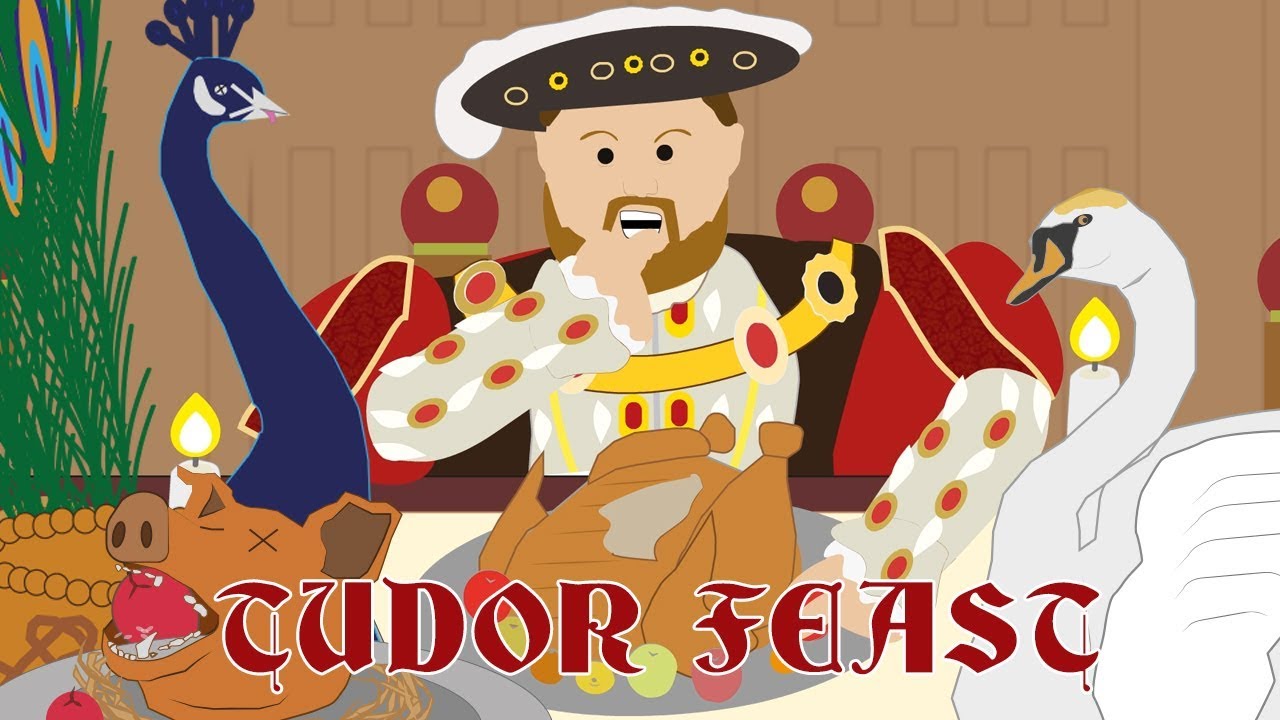
Dining for the nobility during the Tudor period was about much more than just food. The size of a household and the quantity and variety of food provided were an important way of demonstrating wealth and influence.
Let's explore the diet of King Henry VIII!
Become a Simple History member: https://www.youtube.com/simplehistory/join
Support us on Patreon: https://www.patreon.com/simplehistory
Copyright: DO NOT translate and re-upload our content on Youtube or other social media.
SIMPLE HISTORY MERCHANDISE
Get the Simple History books on Amazon:
https://www.amazon.com/Daniel-....Turner-%60/e/B00H5TY
T-Shirts
https://teespring.com/stores/s....imple-history-offici
Simple history gives you the facts, simple!
See the book collection here:
Amazon USA
http://www.amazon.com/Daniel-Turner/e/B00H5TYLAE/
Amazon UK
http://www.amazon.co.uk/Daniel....-Turner/e/B00H5TYLAE
https://www.facebook.com/Simpl....e-History-5494376751
https://twitter.com/SimpleHistoryYT
Credit:
Created by Daniel Turner
Narrator:
Chris Kane
https://vocalforge.com/
Music Credit:
Renaissance by Audionautix is licensed under a Creative Commons Attribution licence (https://creativecommons.org/licenses/by/4.0/)
Artist: http://audionautix.com/
Master of the Feast by Kevin MacLeod is licensed under a Creative Commons Attribution licence (https://creativecommons.org/licenses/by/4.0/)
Source: http://incompetech.com/music/r....oyalty-free/index.ht
Artist: http://incompetech.com/
sources:
Breverton, T. 2016. The Tudor Cookbook: From Gilded Peacock to Calves' Feet Pie. Amberley Publishing Limited
Henry VIII: King and Court
By Alison Weir
The Tudor Kitchen: What the Tudors Ate & Drank
By Terry Breverton
The Tudor Kitchen: What the Tudors Ate & Drank
By Terry Breverton
Groom, S. 2013. At the King’s Table: Royal Dining Through the Ages. London: Merrell
Weir, A. 2011. Henry VIII: King and Court. London: Vintage Books
https://www.hrp.org.uk/hampton-court-palace/
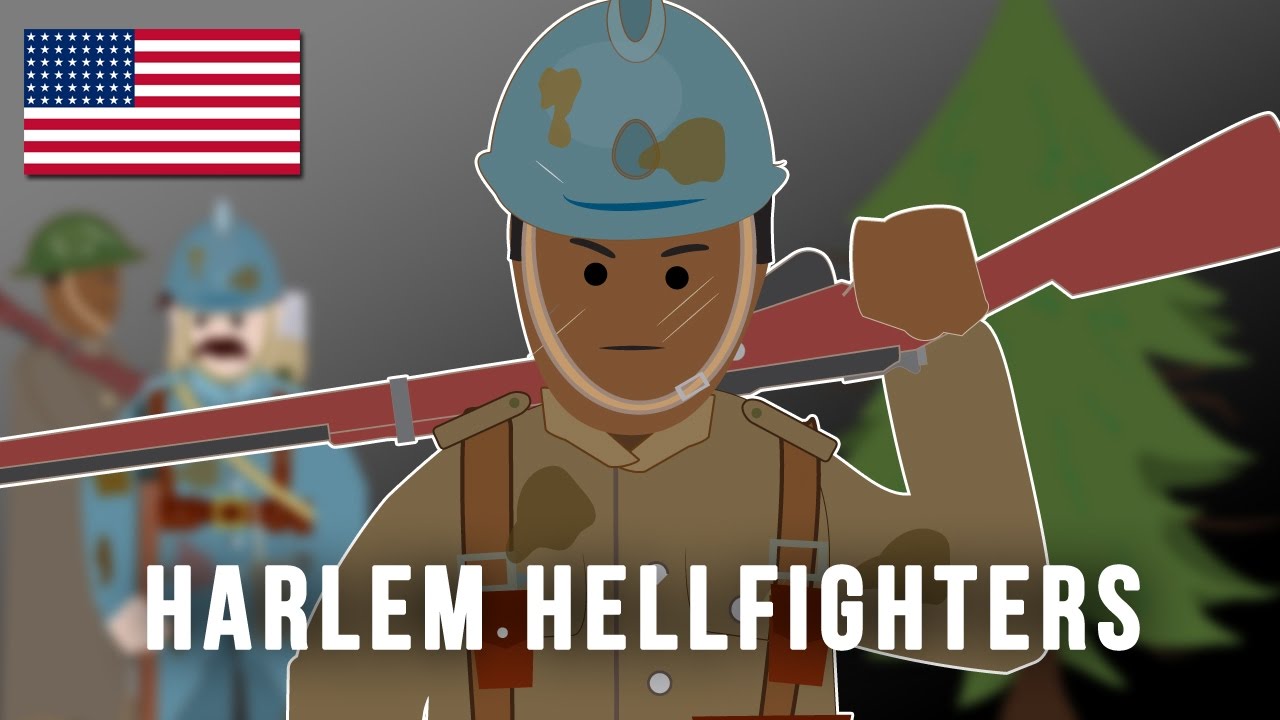
Learn history online by signing up for a free 7-day trial at http://www.americanhighschool.org
The 369th Infantry Regiment was constituted on 2nd June 1913 in the New York Army National Guard as the 15th New York Infantry Regiment. And would become known as the first ‘African-American regiment’ to serve with the American Expeditionary Forces during World War I.
Please consider supporting our videos on Patreon
https://www.patreon.com/simplehistory?ty=c
Get your copy of Simple History: World War I today!
https://www.amazon.com/Simple-....History-World-War-I/
Simple history gives you the facts, simple!
See the book collection here:
Amazon USA
https://www.amazon.com/Simple-....History-Vietnam-Dani
Amazon UK
http://www.amazon.co.uk/Daniel....-Turner-%60/e/B00H5T
http://www.simplehistory.co.uk
Facebook:
https://www.amazon.co.uk/Simpl....e-History-Vietnam-Da
Twitter:
https://twitter.com/simple_guides
Credit:
Narrator:
Chris Kane
https://ckvox.com/
Artwork:
Daniel turner
Direction, Animation:
Daniel Turner
Music:
'The Descent',"Prelude and Action"
by Kevin MacLeod (incompetech.com)
Licensed under Creative Commons: By Attribution 3.0 License
http://creativecommons.org/licenses/by/3.0/
Become a Simple History member: https://www.youtube.com/simplehistory/join
Support us on Patreon: https://www.patreon.com/simplehistory
17th Century -
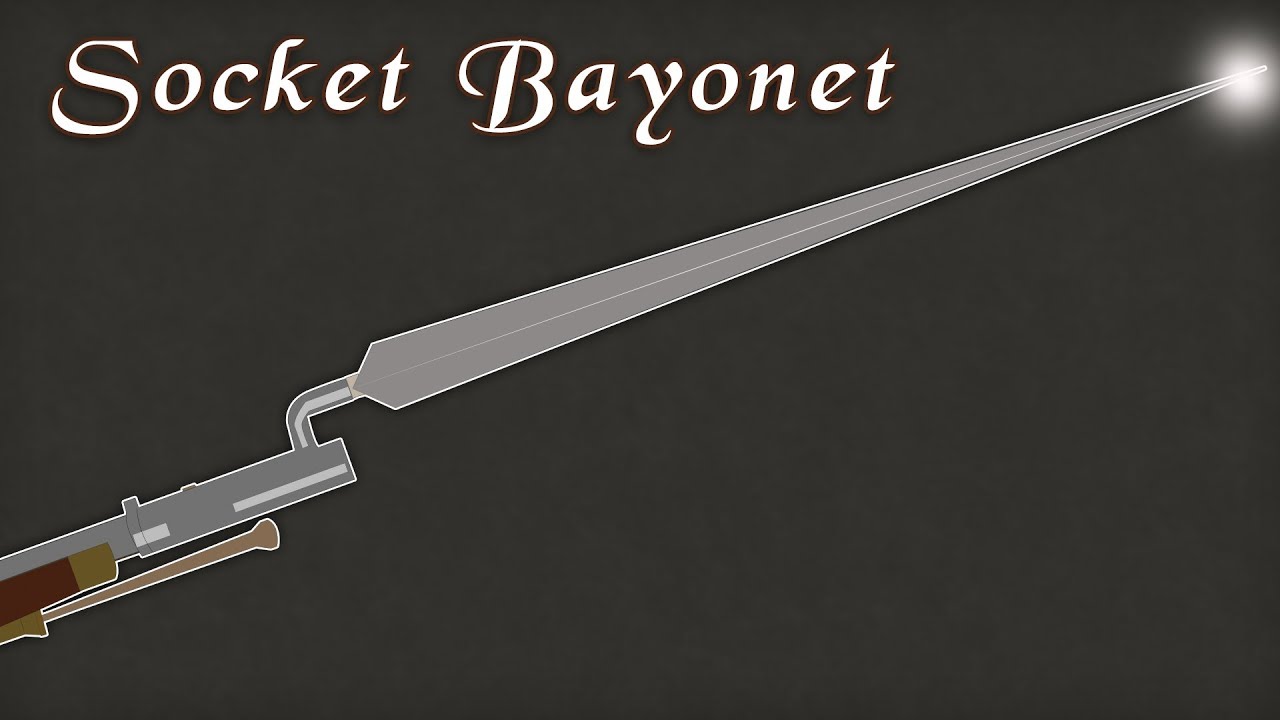
How did the 15 inch sized bayonets of the 17th century evolve by the 21st Century into a combat gadget the size of a pocket knife, that is still in widespread use today with armies across the world?
Copyright: DO NOT translate and re-upload our content on Youtube or other social media.
SIMPLE HISTORY MERCHANDISE
Get the Simple History books on Amazon:
https://www.amazon.com/Daniel-....Turner-%60/e/B00H5TY
T-Shirts
https://teespring.com/stores/s....imple-history-offici
Simple history gives you the facts, simple!
See the book collection here:
Amazon USA
http://www.amazon.com/Daniel-Turner/e/B00H5TYLAE/
Amazon UK
http://www.amazon.co.uk/Daniel....-Turner/e/B00H5TYLAE
https://www.facebook.com/Simpl....e-History-5494376751
https://twitter.com/SimpleHistoryYT
Credit:
Created by Daniel Turner
Script: Conan White
Narrator:
Bryan 'Lazlo' Beauregard
Music Credit:
Five Armies by Kevin MacLeod is licensed under a Creative Commons Attribution licence (https://creativecommons.org/licenses/by/4.0/)
Source: http://incompetech.com/music/r....oyalty-free/index.ht
Artist: http://incompetech.com/
Sources:
Sword, Lance and Bayonet
By Charles ffoulkes, E.C. Hopkinson
Bayonet to Barrage: Weaponry on the Victorian Battlefield
By Stephen Manning
Manual of the Bayonet, United States Army, 1913
By Herschel Tupes
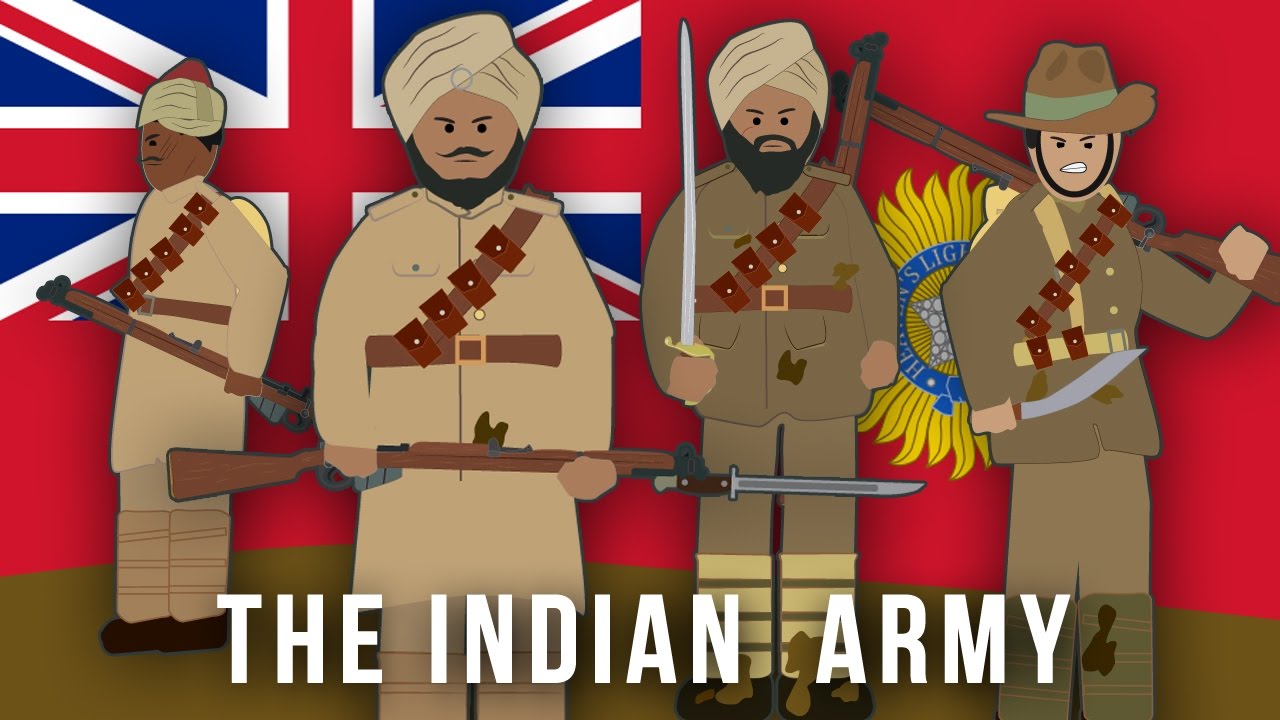
Faction: The Indian Army
The First World War
When the war broke out in 1914 there was growing political unrest in India against British rule.
Germany had even tried to stir up anti-british movements and rebellion.
However such fears were put to rest when India rallied to Britain’s cause. It was believed that India’s proposal of independence could best be served this way.
Please consider supporting our videos on Patreon
https://www.patreon.com/simplehistory?ty=c
Get your copy of Simple History: World War I today!
https://www.amazon.com/Simple-....History-World-War-I/
Simple history gives you the facts, simple!
See the book collection here:
Amazon USA
http://www.amazon.com/Daniel-Turner/e/B00H5TYLAE/ref=sr_ntt_srch_lnk_1?qid=1457289367&sr=8-1
Amazon UK
http://www.amazon.co.uk/Daniel-Turner/e/B00H5TYLAE/ref=sr_ntt_srch_lnk_1?qid=1457289367&sr=8-1
http://www.simplehistory.co.uk/
https://www.facebook.com/Simpl....e-History-5494376751
https://twitter.com/simple_guides
Credit:
Narrator:
Chris Kane
https://ckvox.com/
Animation:
Daniel Turner
Artwork:
Daniel turner
Weapons research :
Mike Edge
Music Credit
Ross Bugden- 'Drive'
‘Creative Commons Attribution 4.0 International License’.
Pictures: Wikimedia Commons (Public Domain)
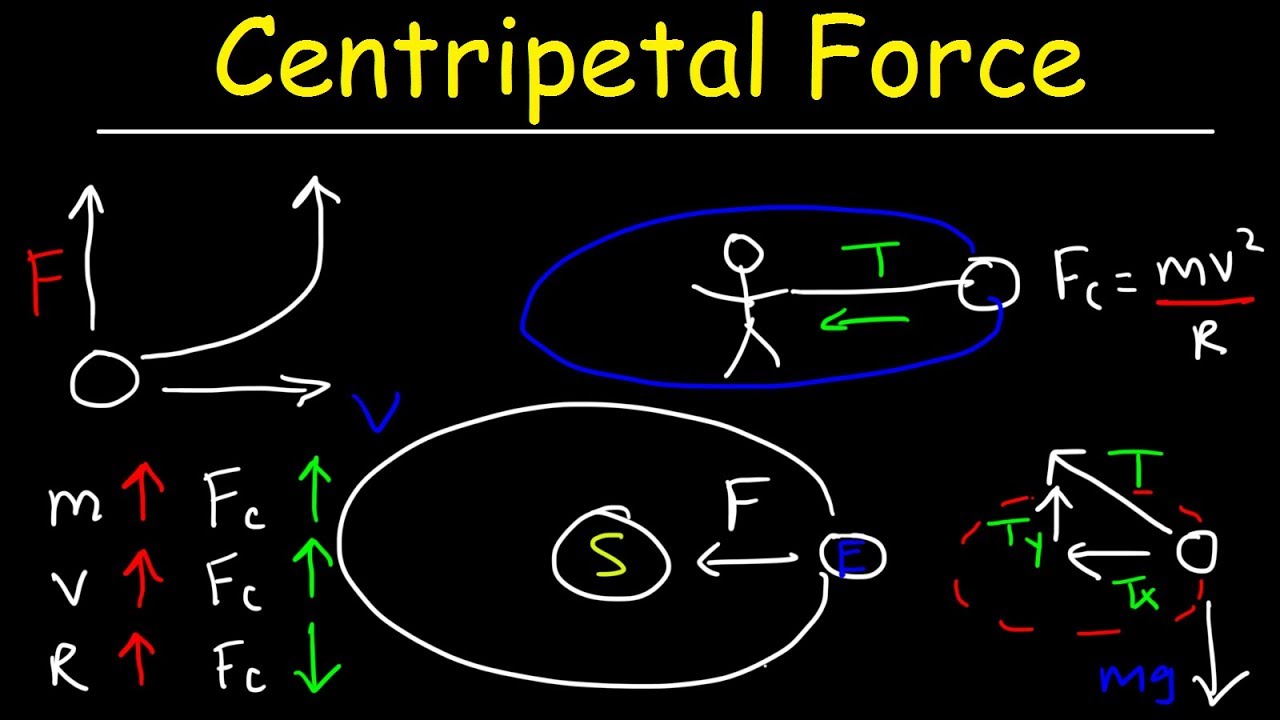
This physics video tutorial explains how to solve many centripetal force problems that cover topics such as the tension force in a horizontal circle or the maximum speed of a ball that a rope can support without breaking. This video only contains examples and practice problems on uniform circular motion where the speed of an object is constant while traveling in a circle.
Centripetal Acceleration:
https://www.youtube.com/watch?v=ZbLirQuT9uU
What Is a Centripetal Force?
https://www.youtube.com/watch?v=SQX22VVmRPs
Centripetal Force Physics Problems:
https://www.youtube.com/watch?v=ZZx3mYNk2wg
Tetherball Physics Problems:
https://www.youtube.com/watch?v=G0RikmNonoU
Tension Force - Vertical Circle:
https://www.youtube.com/watch?v=K9zIjUeI32k
_______________________________
Static Friction & Centripetal Force:
https://www.youtube.com/watch?v=dMgyy95uJUg
Normal Force on a Hill:
https://www.youtube.com/watch?v=Ec6btKP4qfg
Banked Turn Physics Problems:
https://www.youtube.com/watch?v=FWXT-IzgbP0
Non-Uniform Circular Motion:
https://www.youtube.com/watch?v=XlvD5_0FVSc
Gravitational Force:
https://www.youtube.com/watch?v=Ep1jIhHdf2A
______________________________
Circular Motion Review:
https://www.youtube.com/watch?v=_psIWtPBHzA
Kinetic Energy and Potential Energy:
https://www.youtube.com/watch?v=DyaVgHGssos
Work, Energy, and Power:
https://www.youtube.com/watch?v=_MR1Dp8-F8w
Full-Length Videos and Worksheets:
https://www.patreon.com/MathSc....ienceTutor/collectio
Physics PDF Worksheets:
https://www.video-tutor.net/ph....ysics-basic-introduc
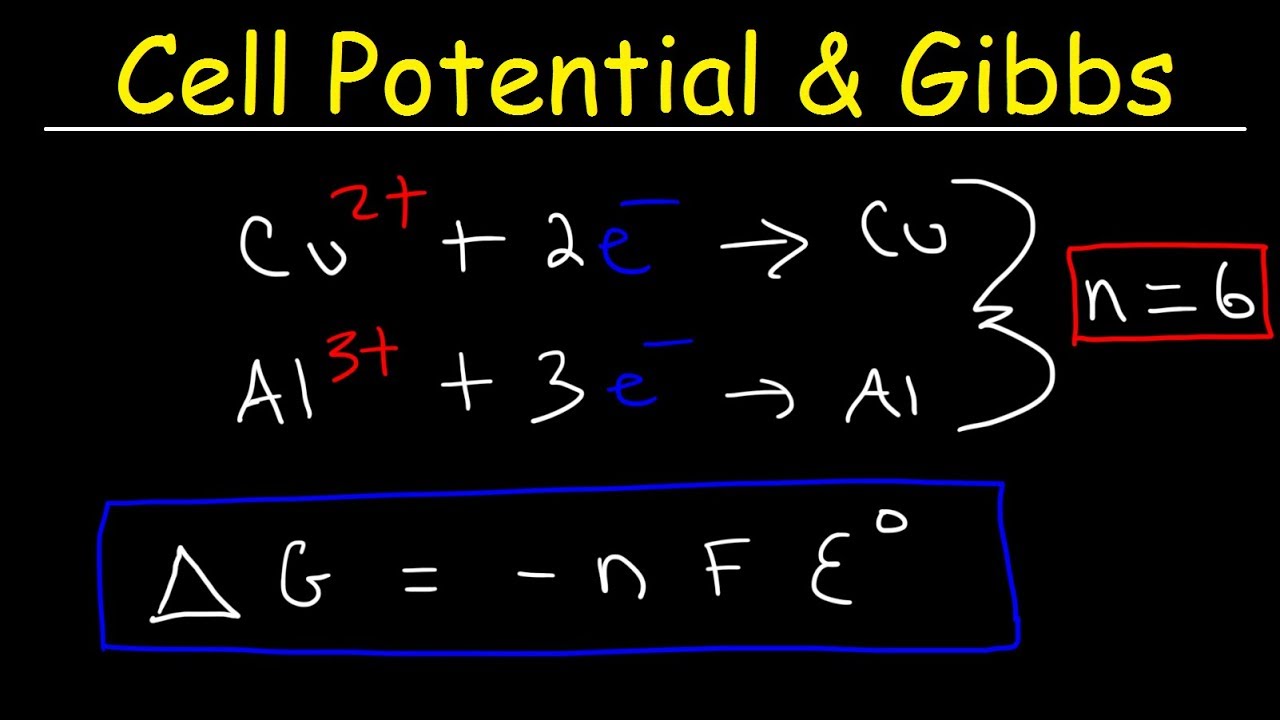
This chemistry video tutorial discusses the relationship between cell potential and gibbs free energy. It contains plenty of examples and chemistry practice problems. It discusses the signs of the potential energy and delta G in determining if a reaction is spontaneous or nonspontaneous. The system is in equilibrium whenever delta G and E is equal to zero. This video discusses Faraday's constant which relates the electric charge to moles of electrons per mole of substance. 1 volt is 1 Joule per coulomb. voltage is a measure of electrical potential energy per unit charge. delta G represents the maximum amount of electrical work that can be performed by a reaction. This tutorial contains problems where you have to find the value of n in order to use it in the equation delta G = -nFE. To find it, you need to balance the half reactions and make sure the moles of electrons are the same using the least common multiple rule. In addition, you need to calculate the cell potential of the net reaction using the standard reduction potential of the half reactions. This lesson is basically a section in electrochemistry.
Intro to Galvanic & Voltaic Cells:
https://www.youtube.com/watch?v=9blB-uMTIAM
How To Draw Galvanic Cells:
https://www.youtube.com/watch?v=vLCf4_NKjGU
Standard Reduction Potentials:
https://www.youtube.com/watch?v=lUXP856WluE
Cell Potential Problems:
https://www.youtube.com/watch?v=UzkLP8segcs
Cell Notation Problems:
https://www.youtube.com/watch?v=iWqUWwyPkSs
___________________________________
Concentration Cells:
https://www.youtube.com/watch?v=oOb-knvShdw
Cell Potential & Gibbs Free Energy:
https://www.youtube.com/watch?v=LqAfREfwt1Y
Cell Potential & Equilibrium K:
https://www.youtube.com/watch?v=n4JCEFJKWA0
Nernst Equation:
https://www.youtube.com/watch?v=jousNNceCXs
Electrolysis of Water:
https://www.youtube.com/watch?v=zMLNHm4nUCQ
_____________________________________
Electrolysis of Sodium Chloride:
https://www.youtube.com/watch?v=1nAe_T5mO2o
Electrolysis & Electroplating Problems:
https://www.youtube.com/watch?v=DnvKfiLa_HQ
Electrochemistry Practice Problems:
https://www.youtube.com/watch?v=S9frctwDyL0
SAT Chemistry Subject Test Review:
https://www.youtube.com/watch?v=ygpTfaSFqH8
Carbon -14 Dating:
https://www.youtube.com/watch?v=6aDswTVFGfs
Beer Lambert's Law:
https://www.youtube.com/watch?v=rllHziqWlgU
______________________________________
Final Exams and Video Playlists:
https://www.video-tutor.net/
Full-Length Videos and Worksheets:
https://www.patreon.com/MathSc....ienceTutor/collectio
Chemistry PDF Worksheets:
https://www.video-tutor.net/chemistry-basic-introduction.html

This chemistry video tutorial explains how to find the electron configuration of Ions such as Mg2+, P3-, Fe2+, and Fe3+.
Electron Configuration - Basic Intro: https://www.youtube.com/watch?v=NIwcDnFjj98
Noble Gas Notation:
https://www.youtube.com/watch?v=6MAKMnZdfbs
Electron Configuration Exceptions:
https://www.youtube.com/watch?v=Ur2PuzJ7KWs
How To Identify The Element:
https://www.youtube.com/watch?v=4qwJIJUaIeQ
Intro to Quantum Numbers:
https://www.youtube.com/watch?v=eRIN9CPDrpo
__________________________________
Orbitals & Atomic Energy Levels:
https://www.youtube.com/watch?v=4sLXUr2HWIs
Maximum Number of Electrons:
https://www.youtube.com/watch?v=UNE-7AuiMGs
Paramagnetic & Diamagnetic Elements:
https://www.youtube.com/watch?v=SO983iq9GaI
Aufbau's Principle & Hund's Rule:
https://www.youtube.com/watch?v=C6afrc1QS6Y
Valence Electrons & Periodic Table:
https://www.youtube.com/watch?v=FPk2ziB9iX0
_____________________________________
Effective Nuclear Charge:
https://www.youtube.com/watch?v=JDsMR1bHGO4
Quantum Numbers - Mega Review:
https://www.youtube.com/watch?v=lPptuKlCM6k
Quantum Numbers - Practice Test:
https://www.youtube.com/watch?v=E-nOH18dF-c
Lewis Structures Super Review:
https://www.youtube.com/watch?v=PeY_sihSh8E
Hybridization of Atomic Orbitals:
https://www.youtube.com/watch?v=pdJeQUd2g_4
Molecular Orbital Theory:
https://www.youtube.com/watch?v=6tB6E6R_XpQ
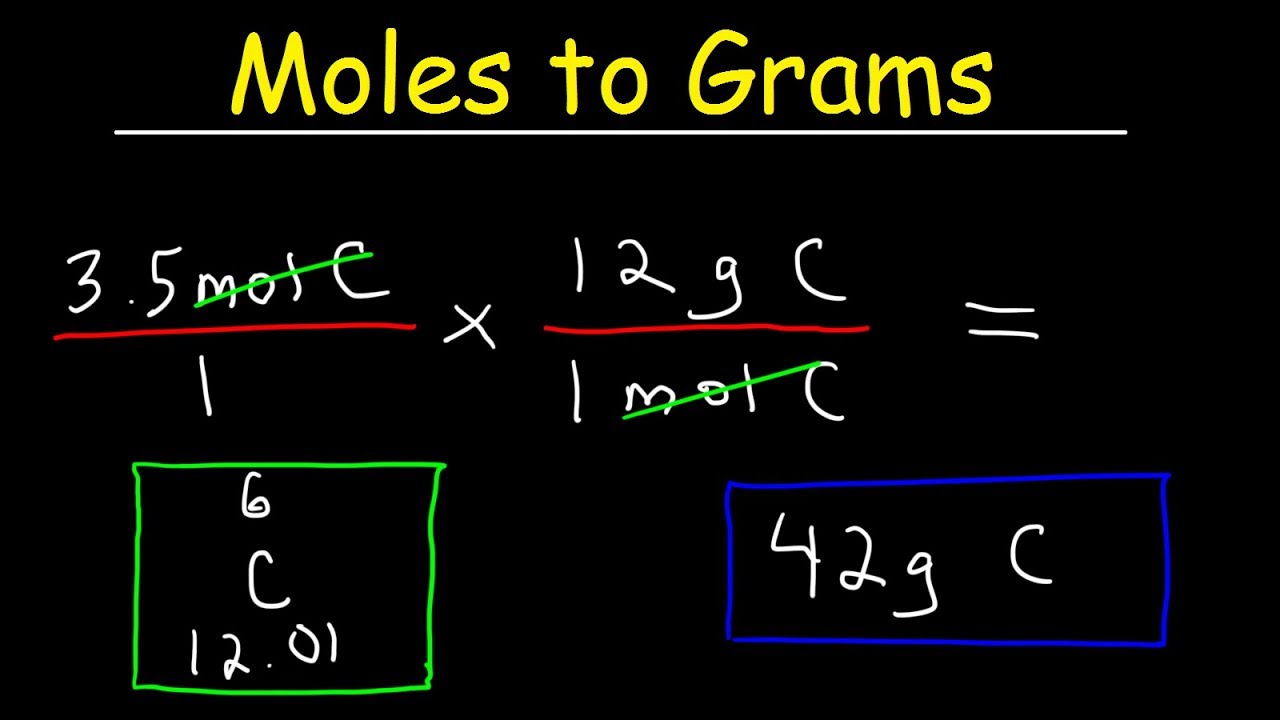
This chemistry video tutorial explains how to convert moles to grams including milligrams and kilograms which is useful in typical stoichiometry problems.
Introduction to Moles: https://www.youtube.com/watch?v=EowJsC7phzw
How To Calculate The Molar Mass:
https://www.youtube.com/watch?v=c_zHROisdP4
How To Convert Grams to Moles:
https://www.youtube.com/watch?v=irYPta9G_sw
How To Convert Moles to Grams:
https://www.youtube.com/watch?v=Bj3fr5pEn7U
Moles to Atoms Conversion:
https://www.youtube.com/watch?v=mpHQZ1PrkUI
Grams to Molecules Conversion:
https://www.youtube.com/watch?v=Ch16s4kYH1Q
_________________________________
Grams to Atoms:
https://www.youtube.com/watch?v=RFCtPjZ4Vzk
Moles, Atoms, & Grams Conversions:
https://www.youtube.com/watch?v=i1EPgeu_fJ8
How To Balance Chemical Equations:
https://www.youtube.com/watch?v=iUARzSxcKzk
Stoichiometry - Basic Introduction:
https://www.youtube.com/watch?v=7Cfq0ilw7ps
Avogadro's Number:
https://www.youtube.com/watch?v=74-X94OP2XI
_________________________________
Limiting Reactant Problems:
https://www.youtube.com/watch?v=IWtkhAv4RTo
Excess Reactant Problems:
https://www.youtube.com/watch?v=-7UloVZFG00
Theoretical & Percent Yield:
https://www.youtube.com/watch?v=hhEfqa_x7RQ
Percent Yield - More Examples:
https://www.youtube.com/watch?v=w1njGAkc8og
Percent Error:
https://www.youtube.com/watch?v=JbEo46uV6d4
_________________________________
Percent Composition By Mass:
https://www.youtube.com/watch?v=bGmbyztdCHE
Empirical Formula Problems:
https://www.youtube.com/watch?v=JeSSucG-CVw
Empirical Formula - Hydrated Compounds:
https://www.youtube.com/watch?v=gl_QAO5y9Ig
Combustion Analysis:
https://www.youtube.com/watch?v=uvR7zNJ1KoI
Stoichiometry Practice Test:
https://www.youtube.com/watch?v=mP2Yg8alyR0
_______________________________________
Final Exams and Video Playlists:
https://www.video-tutor.net/
Full-Length Videos and Worksheets:
https://www.patreon.com/MathSc....ienceTutor/collectio
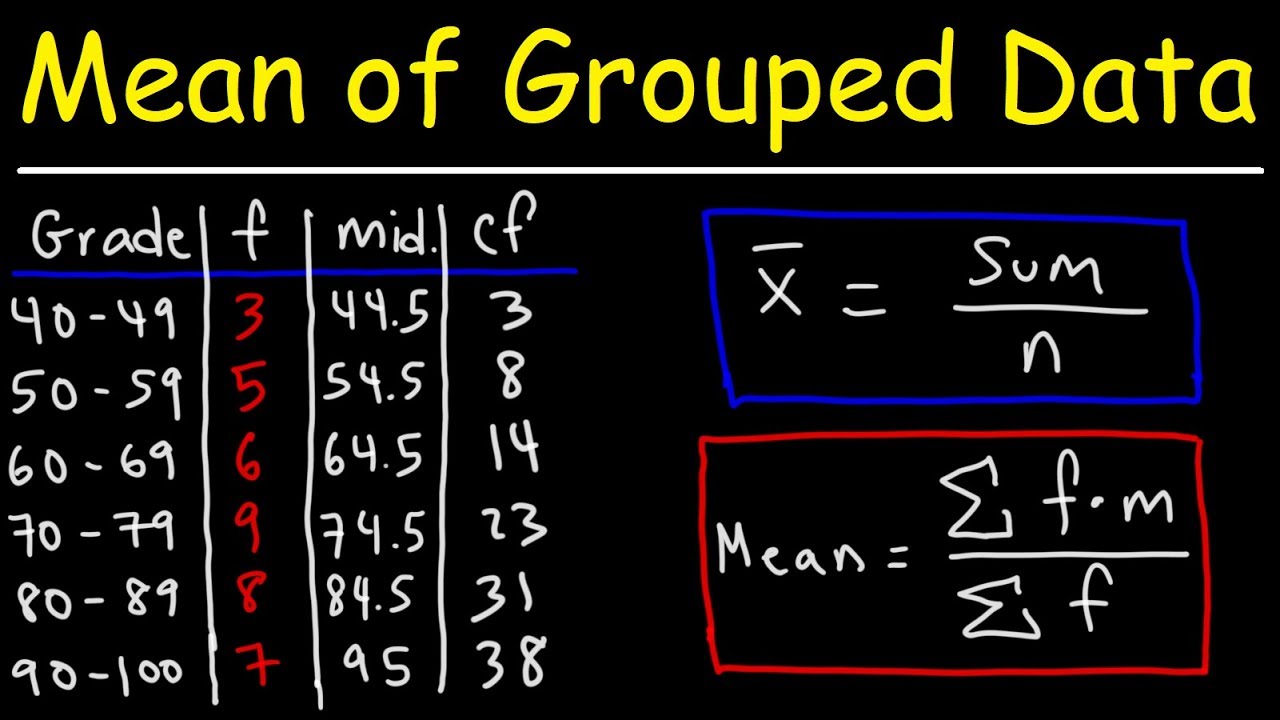
This statistics tutorial explains how to calculate the mean of grouped data. It also explains how to identify the interval that contains the median and mode of a grouped frequency distribution table.
Introduction to Statistics: https://www.youtube.com/watch?v=XZo4xyJXCak
Mean, Median, Mode, & Range:
https://www.youtube.com/watch?v=A1mQ9kD-i9I
Weighted Mean & Averages:
https://www.youtube.com/watch?v=LdrBNhWw9AM
Find Missing Value Given The Mean:
https://www.youtube.com/watch?v=l8KrAo089_U
_______________________________________
Arithmetic, Geometric, & Harmonic Mean:
https://www.youtube.com/watch?v=6G6i8vSa8Zs
Simple Frequency Tables:
https://www.youtube.com/watch?v=lyRbCwDDnJo
Stem and Leaf Plots:
https://www.youtube.com/watch?v=MUCvUgGfzdo
________________________________________
Quartiles, Deciles, & Percentiles:
https://www.youtube.com/watch?v=40o82o3uNfk
Interquartile Range & Outliers:
https://www.youtube.com/watch?v=STSP8gTSdT8
Standard Deviation of Grouped Data:
https://www.youtube.com/watch?v=x6Pnf57wRAs
________________________________________
Introduction to Probability:
https://www.youtube.com/watch?v=SkidyDQuupA
Probability Formulas:
https://www.youtube.com/watch?v=bddckR734aM
Probability Tree Diagrams:
https://www.youtube.com/watch?v=w4wKXVwtGac
Probability - Normal Distributions:
https://www.youtube.com/watch?v=CjF_yQ2N638
Final Exams and Video Playlists:
https://www.video-tutor.net/