סרטונים מובילים

Martin Luther King, Jr. for Kids is a short documentary and overview about the great civil rights leader. Together we will learn about the monumental impact he had and still has throughout the world.
MLK – They are three letters representing the Civil Rights movement in America during the 1950s and 1960s. Of course, the letters belong to the name- Martin Luther King Jr. Nearly everyone has heard of this Civil Rights leader, but many people do not know the journey of his life.
They see him as the person honored on the 3rd Monday in January
each year, giving a day off from school or work. However, there is much more to be known about this great leader, including his early life, education, religious background, civil rights activities, and much more.
To download an accompanying FREE lesson plan about Martin Luther King Jr please visit us at:
https://learnbright.org/lesson....s/social-studies/mar
We hope you enjoy!
Thank you for watching and learning with us! We’re constantly releasing new content and videos so click that “Subscribe” button and you’ll notified.
Find and Follow Us Online:
Facebook: https://www.facebook.com/LearnBright/
Instagram: https://instagram.com/LearnBrightEducation
Pinterest: https://pinterest.com/LearnBrightEducation
YouTube: https://www.youtube.com/LearnBright
Website: https://learnbright.org/
*Teachers and Parents! Did you know? In addition to these great videos, we have also created a library of high quality and engaging lessons for your elementary aged student(s). Visit us, sign up for a free account, and instantly you'll have access to thousands of lesson plans, learning materials, teaching instructions, activities, and assignments that your kids will really enjoy! We hope to see you soon!
Browse our entire collection of Social Studies lesson plans: https://learnbright.org/lessons/?filter_subject=social-studies
#ASL
#MartinLutherKingJr
#MLK

In our Cultures of the world video we will learn about what culture means and how cultures can be very different around the world. We will learn how to appreciate the differences and how they influence our own identities. We will explore the American culture, French, Chinese, and many other cultures around the world.
Looking for more Cultures of the World resources? Download our free comprehensive lesson plan here: https://learnbright.org/lesson....s/social-studies/cul
Check out some of our other culture-related videos here:
Europe: https://youtu.be/XZtZRw7zrqI
Asia: https://youtu.be/1pNBDTNVhCw
Africa: https://youtu.be/KcNVNsvyFfA
Australia: https://youtu.be/zmon5Tv6bYU
China: https://youtu.be/q7JK5Vxf_VQ
North America: https://youtu.be/JZk6_dgA9uQ
South America: https://youtu.be/Z4iwEMbal24
Mexico: https://youtu.be/hmhLgM9uGN0
Thank you for watching and learning with us! We’re constantly releasing new content and videos so click that “Subscribe” button and you’ll notified.
Find and Follow Us Online:
Facebook: https://www.facebook.com/LearnBright/
Instagram: https://instagram.com/LearnBrightEducation
Pinterest: https://pinterest.com/LearnBrightEducation
YouTube: https://www.youtube.com/LearnBright
Website: https://learnbright.org/
*Teachers and Parents! Did you know? In addition to these great videos, we have also created a library of high quality and engaging lessons for your elementary aged student(s). Visit us, sign up for a free account, and instantly you'll have access to thousands of lesson plans, learning materials, teaching instructions, activities, and assignments that your kids will really enjoy! We hope to see you soon!
Browse our entire collection of Social Studies lesson plans: https://learnbright.org/lessons/?filter_subject=social-studies
#ASL
#WorldCulture
#Cultures

Imagine having to hide in a secret hidden room to protect yourself and your family. That's what Anne Frank and her family had to do during World War II. In this video for kids, you will learn a lot about Anne Frank, an incredible individual who endured unimaginable suffering like so many other Jewish people during this time in history.
Anne Frank was born in Germany in 1929 to Otto and Edith Frank. She also had a sister named Margot. Otto's family, who was Jewish, had lived in Germany for many generations. Because Adolph Hitler, who hated Jews, gained control of the German government, the Franks had to move to the Netherlands. For a few years, life was pretty normal, but the family was unable to escape to the United States or England before the war started in 1939 and before the war spread to the Netherlands.
Jewish people had to endure immense persecution over the next couple years. There was always a threat of being sent to concentration camps. The Frank family decided to go into hiding. Otto, his family, and some friends moved to a secret annex in 1942, when Anne was just 13 years old. They lived there for a couple years, and Anne started writing a diary about her experiences. She hoped one day to publish it as The Secret Annex and become a famous writer.
Unfortunately, Anne Frank and her family were discovered in August of 1944 and arrested. They were sent to concentration camps a month later. Anne and her sister died of typhus in March of 1945, just two months before the end of the war. Of all the individuals who lived in the secret annex, Otto was the only one to survive. Miep Gies, a woman who had hidden Anne's diary when the Franks were arrested, gave the diary to Otto, who published it under the title The Secret Annex. Anne's wish came true—she became a famous writer whose book has sold over 30 million copies and been translated into 70 languages.
We hope you and your student(s) enjoyed learning about Anne Frank! If you want even more information, head over to our website and download one of our many free lesson plans, full of activities, worksheets, and more!
https://learnbright.org/lesson....s/social-studies/ann
What you will learn in Who Was Anne Frank?:
0:00 Introduction to who Anne Frank was
0:40 Childhood of Anne Frank and rise of Nazi party
1:49 Living in the Netherlands and start of WWII
2:45 What Jewish people had to do near beginning of the war
3:45 The Secret Annex
4:51 Anne keeps a diary
5:21 The Franks and others discovered
6:19 War ends and publication of Anne's diary
7:27 Reflection questions
Thank you for watching and learning with us! We’re constantly releasing new content and videos, so click that “Subscribe” button and you’ll get notified.
Find and Follow Us Online:
Facebook: https://www.facebook.com/LearnBright/
Instagram: https://instagram.com/LearnBrightEducation
Pinterest: https://pinterest.com/LearnBrightEducation
YouTube: @LearnBright
Website: https://learnbright.org/
*Teachers and Parents! Did you know? In addition to these great videos, we have also created a library of high-quality and engaging lessons for your elementary aged student(s). Visit us and sign up for a free account, and you'll instantly have access to thousands of lesson plans, learning materials, teaching instructions, activities, and assignments that your kids will really enjoy! We hope to see you soon!
Browse our entire collection of Social Studies lesson plans: https://learnbright.org/lessons/?filter_subject=social-studies
#AnneFrank
#WWII

The Checks and Balances that are in place in the United States are important for kids to understand and in this video we explain how the three branches of government can work together but are also in place to check on each other and make sure that not one branch has too much power.
Separation of power has been important since the United States were formed and In short the constitution states that there are to be three branches of government, and the balance of power between the branches will be equal. The 3 branches include the Legislative, Executive, and Judicial branches. The Legislative branch is made up of the House of Representatives and the Senate make up the Legislative branch. The Executive branch includes the President, Vice-President, and the Cabinet, which is made up of people who give advice to the President such as Secretary of State, Defense, Homeland Security and many others. Finally, the Judicial branch consists of nine judges called justices, and they oversee the United States court system (The Supreme Court).
Each of these branches can keep the other branches in check and to pass any major law or bill these branches must learn to work together. In this video your kids / students will learn how the three branches work independently and together.
Are you looking for more Checks and Balances Resources? Download our free 10 page PDF comprehensive lesson plan with more content, worksheets, engaging activities and more!
https://learnbright.org/lesson....s/social-studies/che
Video Timestamps:
0:00 Introduction to Checks and Balances
0:58 Three Branches of Government
1:10 What is the Legislative Branch?
2:26 What is the Executive Branch?
4:51 What is the Judicial Branch?
5:25 Checks and Balances Between the 3 Branches of Government
Thank you for watching and learning with us! We’re constantly releasing new content and videos so click that “Subscribe” button and you’ll notified.
Find and Follow Us Online:
Facebook: https://www.facebook.com/LearnBright/
Instagram: https://instagram.com/LearnBrightEducation
Pinterest: https://pinterest.com/LearnBrightEducation
YouTube: https://www.youtube.com/LearnBright
Website: https://learnbright.org/
*Teachers and Parents! Did you know? In addition to these great videos, we have also created a library of high quality and engaging lessons for your elementary aged student(s). Visit us, sign up for a free account, and instantly you'll have access to thousands of lesson plans, learning materials, teaching instructions, activities, and assignments that your kids will really enjoy! We hope to see you soon!
Browse our entire collection of Social Studies lesson plans: https://learnbright.org/lessons/?filter_subject=social-studies
#ChecksAndBalancesForKids
#ThreeBranchesOfGovernment
The Checks and Balances that are in place in the United States are important for kids to understand and in this video we explain how the three branches of government can work together but are also in place to check on each other and make sure that not one branch has too much power.
Separation of power has been important since the United States were formed and In short the constitution states that there are to be three branches of government, and the balance of power between the branches will be equal. The 3 branches include the Legislative, Executive, and Judicial branches. The Legislative branch is made up of the House of Representatives and the Senate make up the Legislative branch. The Executive branch includes the President, Vice-President, and the Cabinet, which is made up of people who give advice to the President such as Secretary of State, Defense, Homeland Security and many others. Finally, the Judicial branch consists of nine judges called justices, and they oversee the United States court system (The Supreme Court).
Each of these branches can keep the other branches in check and to pass any major law or bill these branches must learn to work together. In this video your kids / students will learn how the three branches work independently and together.
Are you looking for more Checks and Balances Resources? Download our free 10 page PDF comprehensive lesson plan with more content, worksheets, engaging activities and more!
https://learnbright.org/lesson....s/social-studies/che
Video Timestamps:
0:00 Introduction to Checks and Balances
0:58 Three Branches of Government
1:10 What is the Legislative Branch?
2:26 What is the Executive Branch?
4:51 What is the Judicial Branch?
5:25 Checks and Balances Between the 3 Branches of Government
Thank you for watching and learning with us! We’re constantly releasing new content and videos so click that “Subscribe” button and you’ll notified.
Find and Follow Us Online:
Facebook: https://www.facebook.com/LearnBright/
Instagram: https://instagram.com/LearnBrightEducation
Pinterest: https://pinterest.com/LearnBrightEducation
YouTube: https://www.youtube.com/LearnBright
Website: https://learnbright.org/
*Teachers and Parents! Did you know? In addition to these great videos, we have also created a library of high quality and engaging lessons for your elementary aged student(s). Visit us, sign up for a free account, and instantly you'll have access to thousands of lesson plans, learning materials, teaching instructions, activities, and assignments that your kids will really enjoy! We hope to see you soon!
Browse our entire collection of Social Studies lesson plans: https://learnbright.org/lessons/?filter_subject=social-studies
#ChecksAndBalancesForKids
#ThreeBranchesOfGovernment

What is DNA? This video designed for kids is a fun/exciting way to introduce DNA to children. In this video kids will learn facts all about DNA, what it is made of, chromosomes, traits and much more.
If you're looking for additional DNA teaching resources, check out our free lesson plan found here: https://learnbright.org/lessons/science/dna/
Thank you for watching and learning with us! We’re constantly releasing new content and videos, so click that “Subscribe” button and you’ll get notified.
Find and Follow Us Online:
Facebook: https://www.facebook.com/LearnBright/
Instagram: https://instagram.com/LearnBrightEducation
Pinterest: https://pinterest.com/LearnBrightEducation
YouTube: https://www.youtube.com/LearnBright
Website: https://learnbright.org/
*Teachers and Parents! Did you know? In addition to these great videos, we have also created a library of high quality and engaging lessons for your elementary aged student(s). Visit us, sign up for a free account, and instantly you'll have access to thousands of lesson plans, learning materials, teaching instructions, activities, and assignments that your kids will really enjoy! We hope to see you soon!
Browse our entire collection of Science lesson plans: https://learnbright.org/lessons/?filter_subject=science
#WhatIsDNAforKids

Have you every asked yourself: What is a Hurricane? or How do Hurricanes form? If so, our Hurricanes for Kids video will help! This video is a fun and engaging way to introduce hurricanes to children. In this video kids will learn how hurricanes form, how they get their names, more about the different levels of hurricanes, major recent hurricanes and take away some fun interesting facts everyone should know.
You can also learn more about hurricanes and other natural disasters by downloading our free PDF lesson plan found on our site here: https://learnbright.org/lesson....s/science/natural-di
Thank you for watching and learning with us! We’re constantly releasing new content and videos, so click that “Subscribe” button and you’ll get notified.
Find and Follow Us Online:
Facebook: https://www.facebook.com/LearnBright/
Instagram: https://instagram.com/LearnBrightEducation
Pinterest: https://pinterest.com/LearnBrightEducation
YouTube: https://www.youtube.com/LearnBright
Website: https://learnbright.org/
*Teachers and Parents! Did you know? In addition to these great videos, we have also created a library of high quality and engaging lessons for your elementary aged student(s). Visit us, sign up for a free account, and instantly you'll have access to thousands of lesson plans, learning materials, teaching instructions, activities, and assignments that your kids will really enjoy! We hope to see you soon!
Watch our Tornado Video Here: https://youtu.be/-swnFV_3tVc
Browse our entire collection of Science lesson plans: https://learnbright.org/lessons/?filter_subject=science
#HurricanesForKids
#NaturalDisasters
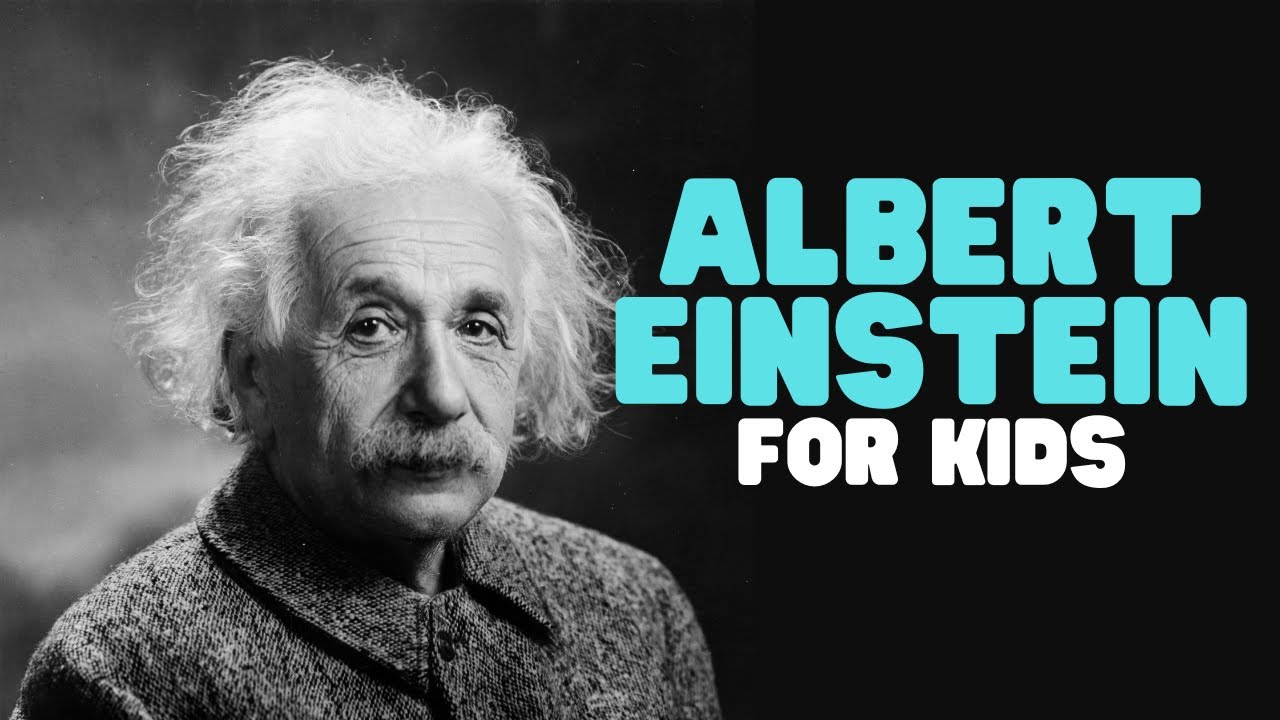
In this video about Albert Einstein for Kids we learn about one of the most famous scientists in history. Albert Einstein contributed to many scientific areas but one of his most important contribution to the world of physics and science is the Theory of Relativity. The theory changed how scientists observed the world and led to many modern inventions, including the nuclear bomb and nuclear energy. The theory explains how energy is related to mass.
One equation from the theory that you may have heard of is "E = mc2". The c represents the speed of light and never changes and is the fastest speed possible in the universe. E = energy, M = mass. His theory explains how time and distance may change when the different speed of an object or the observer is considered.
Believe it or not...Albert Einstein, like many people, struggled with education early in his life, he failed many tests and wasn't very organized, but he did not give up. He worked hard, became interested in math and science, and went on to become one of the most brilliant people in history. We all have learned and can continue to learn from the example of Albert Einstein.
In addition to this video we have created a free 11 page lesson plan with more learning content about Albert Einstein including worksheets and fun activities. Download our free comprehensive lesson plan here: https://learnbright.org/lesson....s/science/albert-ein
Video Quick Links:
0:00 Introduction to Albert Einstein
1:48 Albert's Introduction to Science
2:09 Moves to Italy at age 15... Graduates from Polytechnic Academy in Math and Physics
3:00 Starts first job as Patent Clerk, marries, and starts his family
4:00 Einstein was Jewish and in 1933 moves to the United States to avoid the Nazis
4:42 Theory of Relativity and modern inventions including nuclear energy
5:57 E = mc2
6:59 Speed is relative to the observer
7:38 How do Einsteins discoveries live on today?
8:03 Photon Discovery in 1905 and Nobel Prize in 1921
8:55 Einstein's Love of Music
9:13 Conclusion
Thank you for watching and learning with us! We’re constantly releasing new content and videos so click that “Subscribe” button and you’ll notified.
Find and Follow Us Online:
Facebook: https://www.facebook.com/LearnBright/
Instagram: https://instagram.com/LearnBrightEducation
Pinterest: https://pinterest.com/LearnBrightEducation
YouTube: https://www.youtube.com/LearnBright
Website: https://learnbright.org/
*Teachers and Parents! Did you know? In addition to these great videos, we have also created a library of high quality and engaging lessons for your elementary aged student(s). Visit us, sign up for a free account, and instantly you'll have access to thousands of lesson plans, learning materials, teaching instructions, activities, and assignments that your kids will really enjoy! We hope to see you soon!
Browse our entire collection of Social Studies lesson plans: https://learnbright.org/lessons/?filter_subject=social-studies
#AlbertEinstein
#EinsteinForKids

What does Newton's last law of motion state? In this Newton's Third Law of Motion video for kids, you will learn the answer to that question and much more. The third law states that for every action, there is an equal and opposite reaction. What does this actually mean?
Think of a rocket. The exhaust from an erupting rocket moves downward while the actual rocket moves upward. Another example is found when a cannonball shoots out of a cannon. The cannonball shoots forward as the cannon moves backward. Because the cannon is so much heavier than the cannonball, it doesn't look like it moves very far, but the reaction is still equal in the amount of force.
One last thing. Have you ever tried to move heavy furniture? You may have noticed that it starts out kind of hard to move. However, as you start to move the heavy object, it gets a little easier. The friction that happens is sliding friction, which is the same sensation you get when you rub your hands together really quickly! Notice how your hands get warm? That's why!
We hope you and your student(s) enjoyed learning about Newton's final law of motion! If you want to learn even more, head over to our website and download one of our many free lesson plans, full of activities, worksheets, and more!
https://learnbright.org/lesson....s/science/newtons-la
What you will learn in Newton's Third Law of Motion for Kids:
0:00 Introduction to Newton's third law of motion
0:47 How action and reaction work together in a rocket
1:54 Amount of force is always equal on both sides
2:40 Example of action and reaction
3:02 Static friction from horizontal force
Thank you for watching and learning with us! We’re constantly releasing new content and videos, so click that “Subscribe” button and you’ll get notified.
Find and Follow Us Online:
Facebook: https://www.facebook.com/LearnBright/
Instagram: https://instagram.com/LearnBrightEducation
Pinterest: https://pinterest.com/LearnBrightEducation
YouTube: @LearnBright
Website: https://learnbright.org/
*Teachers and Parents! Did you know? In addition to these great videos, we have also created a library of high-quality and engaging lessons for your elementary aged student(s). Visit us, sign up for a free account, and instantly you'll have access to thousands of lesson plans, learning materials, teaching instructions, activities, and assignments that your kids will really enjoy! We hope to see you soon!
Browse our entire collection of Science lesson plans: https://learnbright.org/lessons/?filter_subject=science
#NewtonsThirdLawOfMotion
#NewtonsLawsOfMotion

What is camouflage? Why do animals need to use it? Well, in Animal Camouflage, your kids and students will learn the answers to these questions! First off, there are many different kinds of camouflage, and we will discuss four of the main kinds that apply to animals in this video. Did you know that there is actually more than one reason that animals use camouflage?
A lot of animals use camouflage to hide from predators. The colors of their skin or fur helps them blend into the environment around them. Some animals, though, use camouflage to hunt. For the same reason that camouflage helps some animals hide to avoid predators, other animals blend into their surroundings to catch their prey unaware! In addition to hiding and hunting, a few animals use their coloring to communicate. Take the chameleon, for example. Most people think chameleons use color changing to fool predators. But that's not actually true! Chameleons change colors to communicate to other chameleons! They change color to communicate danger, to attract a mate, or simply to signal a change of environment.
These animals are so cool! You and your kids will discover just how many different types of animals take advantage of this amazing characteristic. And maybe you just might stumble upon one of these incredible creatures!
We hope you and your student(s) enjoyed learning about all these amazing and colorful animals! If you want to learn more, head over to our website and download our free lesson plan about animal camouflage, which is full of activities, worksheets, and more!
https://learnbright.org/lesson....s/science/animal-cam
What you will learn in this video:
0:00 Animal camouflage
0:31 Why animals use camouflage
1:09 4 types of camouflage
1:34 Concealing coloration camouflage
2:18 Disruptive coloration (patterning) camouflage
4:05 Disguise camouflage
5:23 Mimicry camouflage
6:45 Other reasons animals use camouflage
8:04 Review quiz
Thank you for watching and learning with us! We’re constantly releasing new content and videos, so click that “Subscribe” button and you’ll get notified.
Find and Follow Us Online:
Facebook: https://www.facebook.com/LearnBright/
Instagram: https://instagram.com/LearnBrightEducation
Pinterest: https://pinterest.com/LearnBrightEducation
YouTube: @LearnBright
Website: https://learnbright.org/
*Teachers and Parents! Did you know? In addition to these great videos, we have also created a library of high quality and engaging lessons for your elementary aged student(s). Visit us and sign up for a free account, and instantly you'll have access to thousands of lesson plans, learning materials, teaching instructions, activities, and assignments that your kids will really enjoy! We hope to see you soon!
Browse our entire collection of Science lesson plans: https://learnbright.org/lessons/?filter_subject=science
#ASL
#animalcamouflage
#camouflageforkids

In this video Fossil Fuels for Kids you and your students will learn all about fossil fuels, what they are, and where they come from. We talk about the kinds of fossil fuels (Coal, Oil, Natural Gas), Where they come from, common misconceptions about fossil fuels, what they are used for and so much more! We hope you and your kids enjoy learning all about fossil fuels.
Looking for more Fossil Fuel resources? Download our free comprehensive lesson plan here:
https://learnbright.org/lesson....s/science/fossil-fue
Thank you for watching and learning with us! We’re constantly releasing new content and videos, so click that “Subscribe” button and you’ll get notified.
Find and Follow Us Online:
Facebook: https://www.facebook.com/LearnBright/
Instagram: https://instagram.com/LearnBrightEducation
Pinterest: https://pinterest.com/LearnBrightEducation
YouTube: https://www.youtube.com/LearnBright
Website: https://learnbright.org/
*Teachers and Parents! Did you know? In addition to these great videos, we have also created a library of high quality and engaging lessons for your elementary aged student(s). Visit us, sign up for a free account, and instantly you'll have access to thousands of lesson plans, learning materials, teaching instructions, activities, and assignments that your kids will really enjoy! We hope to see you soon!
Browse our entire collection of Science lesson plans: https://learnbright.org/lessons/?filter_subject=science
#ASL
#FossilFuels

In this video for kids we learn all about Punctuation! From Commas to exclamation points we will learn about all the various types of punctuation marks that can be used and which sentence types they are used in. We hope you enjoy this comprehensive intro to punctuation for kids.
Looking for more punctuation resources? Download our free comprehensive lesson plan here: https://learnbright.org/?s=punctuation
Thank you for watching and learning with us! We’re constantly releasing new content and videos so click that “Subscribe” button and you’ll notified.
Find and Follow Us Online:
Facebook: https://www.facebook.com/LearnBright/
Instagram: https://instagram.com/LearnBrightEducation
Pinterest: https://pinterest.com/LearnBrightEducation
YouTube: https://www.youtube.com/LearnBright
Website: https://learnbright.org/
*Teachers and Parents! Did you know? In addition to these great videos, we have also created a library of high quality and engaging lessons for your elementary aged student(s). Visit us, sign up for a free account, and instantly you'll have access to thousands of lesson plans, learning materials, teaching instructions, activities, and assignments that your kids will really enjoy! We hope to see you soon!
Browse our entire collection of Language Arts lesson plans: https://learnbright.org/lessons/?filter_subject=language-arts
#ASL
#PunctuationForKids

Poetry for kids is a fun introductory video to all of the different types of poetry. We all love to hear a good story and one way to tell a great story is through Poetry. Poems are made up of different parts. The title of a poem is the name of the poem. The theme of a poem lets the reader know what the poem is about. A single line in a poem is called a verse and a group of lines in a poem, separated by a space, is called a stanza. In this video we learn all about the different kinds of poems like and your kids will learn to how to recognize them in a fun engaging way.
If you are looking for even more Poetry resources? Download our free lesson plan (complete with worksheets, poetry practice pages, activity pages, and more!) here: https://learnbright.org/?s=poetry
Thank you for watching and learning with us! We’re constantly releasing new content and videos so click that “Subscribe” button and you’ll notified.
Find and Follow Us Online:
Facebook: https://www.facebook.com/LearnBright/
Instagram: https://instagram.com/LearnBrightEducation
Pinterest: https://pinterest.com/LearnBrightEducation
YouTube: https://www.youtube.com/LearnBright
Website: https://learnbright.org/
*Teachers and Parents! Did you know? In addition to these great videos, we have also created a library of high quality and engaging lessons for your elementary aged student(s). Visit us, sign up for a free account, and instantly you'll have access to thousands of lesson plans, learning materials, teaching instructions, activities, and assignments that your kids will really enjoy! We hope to see you soon!
Browse our entire collection of Reading lesson plans: https://learnbright.org/lessons/?filter_subject=reading
#ASL
#Poetry
#PoetryForKids
#TypesOfPoetry

What is the difference between a rule and a law? What would life be like if neither rules nor laws existed? In Laws and Rules for Kids, you will discover the answer to these and other questions you have about these concepts. They have similarities, such as the fact that both exist to keep people safe. But they are also different in a few ways. For instance, if you break a law, it may have more serious consequences than breaking a rule does.
A law is created by the government, and the public enforces these laws. A rule relates to behaviors that we should follow in certain situations or places. Breaking a law and breaking a rule both lead to consequences. If you litter, which is breaking the law, you might have to pay a fine. If you throw a ball inside your house even though there is a rule not to, you might break something and get in trouble.
In general, rules are used by smaller groups, like families, schools, teams, and business. Laws are used in much larger groups, like cities, states, and countries. Individuals create rules for different places and situations, such as parents in a family or teachers in a classroom. On the other hand, laws must be voted on by people in government offices or by the citizens.
Again, the consequences or punishments for breaking rules are not as severe as those for breaking laws. If you break rules at school, you might have to skip recess or miss out on certain activities or privileges. If you break a law, you could pay a fine, go to court, do community service, or even serve jail time! Watch the video to see if you can tell the difference between a rule and a law.
We hope you and your student(s) enjoyed learning about the difference between a rule and a law! If you want even more information, head over to our website and download one of our many free lesson plans, full of activities, worksheets, and more!
https://learnbright.org/lesson....s/social-studies/law
What you will learn in Laws and Rules for Kids:
0:00 Introduction to laws and rules
0:40 Why laws and rules are important
1:49 Differences between rules and laws
2:57 Differences in consequences or effects from breaking rules versus laws
3:38 Quiz: Can you tell the difference between a rule and a law?
4:56 Why you should try to follow the rules and laws
5:48 Rules and laws can differ depending on various factors
Check out some of our other videos related to laws and rules here:
Rules and Responsibilities: https://youtu.be/FWwEMFSY1r0
Thank you for watching and learning with us! We’re constantly releasing new content and videos, so click that “Subscribe” button and you’ll get notified.
Find and Follow Us Online:
Facebook: https://www.facebook.com/LearnBright/
Instagram: https://instagram.com/LearnBrightEducation
Pinterest: https://pinterest.com/LearnBrightEducation
YouTube: @LearnBright
Website: https://learnbright.org/
*Teachers and Parents! Did you know? In addition to these great videos, we have also created a library of high-quality and engaging lessons for your elementary aged student(s). Visit us and sign up for a free account, and you'll instantly have access to thousands of lesson plans, learning materials, teaching instructions, activities, and assignments that your kids will really enjoy! We hope to see you soon!
Browse our entire collection of Social Studies lesson plans: https://learnbright.org/lessons/?filter_subject=social-studies
#ASL
#LawsAndRules
#Laws
#Rules

How many active volcanoes do you think there are in the world? What makes a volcano active versus dormant or extinct? In What Is a Volcano? for Kids, you and your students will learn the answers to the questions and more. Plus, you can conduct an experiment where you make your own model volcano!
A volcano is a mountain made from cooled lava, ash, or other material from previous eruptions. Some even exist on the ocean floor. There are over 1500 active volcanoes in the world today. Every day, 15 to 20 volcanoes erupt somewhere. In the United States, there are active volcanoes in Hawaii, Alaska, California, Oregon, and Washington. Movements of the earth's crust cause volcanic eruptions.
What's the difference between magma and lava? Magma is located beneath the earth's surface. It is made of liquid or semi-liquid rock. After gas bubbles inside the magma expand and build up the pressure in the volcano, the volcano erupts. Once the magma escapes the volcano, we call it lava. The more often a volcano erupts, the larger it becomes as the lava cools and builds up the volcano.
Keep watching to follow along with a fun experiment to see how volcanoes work. You can pause the video when prompted to make sure you gather all the necessary supplies (and people). For more detailed instructions, check out the link below to our Earthquakes and Volcanoes STEM lesson plan. Hope you enjoy!
We hope you and your student(s) enjoyed learning about volcanoes! If you want to learn even more, head over to our website and download one of our many free lesson plans about these natural features, full of activities, worksheets, and more!
https://learnbright.org/lesson....s/science/earthquake
https://learnbright.org/lesson....s/science/earthquake
Thank you for watching and learning with us! We’re constantly releasing new content and videos, so click that “Subscribe” button and you’ll get notified.
What you will learn in What Is a Volcano? for Kids:
0:00 Introduction to volcanoes
0:30 What is a volcano?
1:21 How volcanoes form and erupt
2:54 Stages of a volcano
3:39 Preparation for experiment
4:43 Completing the model volcano experiment
5:30 Observation time
Find and Follow Us Online:
Facebook: https://www.facebook.com/LearnBright/
Instagram: https://instagram.com/LearnBrightEducation
Pinterest: https://pinterest.com/LearnBrightEducation
YouTube: @LearnBright
Website: https://learnbright.org/
*Teachers and Parents! Did you know? In addition to these great videos, we have also created a library of high-quality and engaging lessons for your elementary aged student(s). Visit us, sign up for a free account, and instantly you'll have access to thousands of lesson plans, learning materials, teaching instructions, activities, and assignments that your kids will really enjoy! We hope to see you soon!
Browse our entire collection of Science lesson plans: https://learnbright.org/lessons/?filter_subject=science
#ASL
#Volcanoes
#Landforms

This video provides an insightful look into the history of Native Americans. We learn about the various tribes like Cherokee, Apache, Cheyenne, Iroquois, and Navajo. We also learn about Native American Homes (like the TeePee), What kind of clothes they would wear and much more.
If you're looking for even more resources you can download our comprehensive 11 page lesson plan complete with worksheets, activities, and other Native American resources. You can download the lesson here: https://learnbright.org/lesson....s/social-studies/nat
Thank you for watching and learning with us! We’re constantly releasing new content and videos so click that “Subscribe” button and you’ll notified.
Find and Follow Us Online:
Facebook: https://www.facebook.com/LearnBright/
Instagram: https://instagram.com/LearnBrightEducation
Pinterest: https://pinterest.com/LearnBrightEducation
YouTube: https://www.youtube.com/LearnBright
Website: https://learnbright.org/
*Teachers and Parents! Did you know? In addition to these great videos, we have also created a library of high quality and engaging lessons for your elementary aged student(s). Visit us, sign up for a free account, and instantly you'll have access to thousands of lesson plans, learning materials, teaching instructions, activities, and assignments that your kids will really enjoy! We hope to see you soon!
Browse our entire collection of Social Studies lesson plans: https://learnbright.org/lessons/?filter_subject=social-studies
#ASL
#NativeAmerican

In this video we learn all about comets for kids. Students will learn where comets come from, how comets are formed, what comets are made of and many other fun and interesting facts about comets.
We learn that a comet in the outer parts of the Solar System is too small to be seen from Earth. You can think of a comet as a large snowball filled with or covered by dust, metal, and debris. They have an icy core, covered by a layer of black dust. The center is mainly composed of water and gases, frozen and mixed together with bits of rock and metal. The nickname for a comet can be a “dirty snowball”.
When a comet gets closer to the Sun, the ice melts and changes into a gas. Dust particles spread out around the nucleus in a cloud called a coma, and the Sun causes them to glow. The coma of an average comet is sixty thousand miles across, but it is also very thin. Radiation and the solar wind drive the gases of the coma away causing it to form a straight tail. The tail may grow to ninety-million miles in length.
Do you want to learn more about Comets? Download our free comprehensive lesson plan packed with more content, activities, worksheets and more (Build for grades 4th-6th): https://learnbright.org/lesson....s/science/asteroids-
What is in the video?
0:00 Introduction to Comets
1:37 What is a Comet?
2:16 Comet Tails (Dust Tail and Ion Tails)
2:48 How are Comets Formed?
3:17 Where do Comets Come From?
3:45 Famous Comets (Halley's and Hale Bopp)
Thank you for watching and learning with us! We’re constantly releasing new content and videos, so click that “Subscribe” button and you’ll get notified.
Find and Follow Us Online:
Facebook: https://www.facebook.com/LearnBright/
Instagram: https://instagram.com/LearnBrightEducation
Pinterest: https://pinterest.com/LearnBrightEducation
YouTube: https://www.youtube.com/LearnBright
Website: https://learnbright.org/
*Teachers and Parents! Did you know? In addition to these great videos, we have also created a library of high quality and engaging lessons for your elementary aged student(s). Visit us, sign up for a free account, and instantly you'll have access to thousands of lesson plans, learning materials, teaching instructions, activities, and assignments that your kids will really enjoy! We hope to see you soon!
Browse our entire collection of Science lesson plans: https://learnbright.org/lessons/?filter_subject=science
#Comets
#CometsForKids
#WhatIsAComet
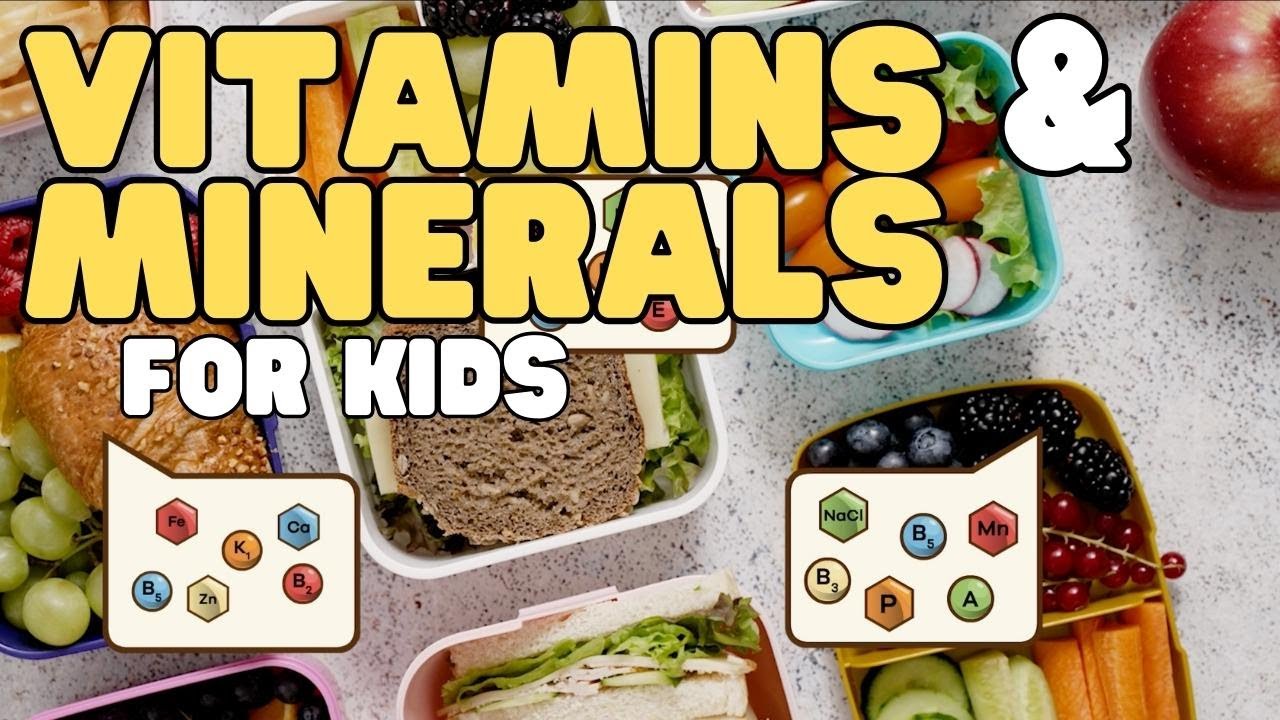
What exactly are vitamins and minerals? Many people think these two substances are the same, but they are not. But they are both important to keep our bodies strong and healthy. Vitamins are organic substances, meaning that plants and animals produce them. Minerals are inorganic and come from the soil and water. Then they are absorbed by plants or eaten by animals.
Vitamins are divided into two categories—fat soluble or water soluble. Which category a vitamin falls into depends on whether it dissolves best in fats or in water. The fat-soluble vitamins can be stored in the body, but the water-soluble vitamins need to dissolve in water before the body can absorb them. In addition, the body can’t store water-soluble vitamins. For this reason, we need a fresh supply of water-soluble vitamins each day.
When it comes to minerals, our bodies cannot break down or change them. Minerals can, however, form part of the structure of bones, teeth, nails, muscles, and red blood cells. There are several minerals the body needs. Calcium is one of the most common minerals. Our bodies need calcium to build and protect bones and teeth, support our muscles, and help with blood clots and nerves.
We hope you and your student(s) enjoyed learning about these essential nutrients! If you want to learn even more, head over to our website and download one of our many lesson plans about health, full of activities, worksheets, and more!
https://learnbright.org/lesson....s/science/vitamins-a
https://learnbright.org/lesson....s/science/food-group
https://learnbright.org/lesson....s/science/food-label
https://learnbright.org/lesson....s/science/the-digest
Thank you for watching and learning with us! We’re constantly releasing new content and videos, so click that “Subscribe” button and you’ll get notified.
What you will learn in Vitamins and Minerals for Kids:
0:00 Introduction
0:29 What the body needs to function properly
1:13 What vitamins and minerals do for you
2:06 Fat-soluble and water-soluble vitamins
3:00 Which vitamins do what for your body
4:27 Minerals (microminerals)
5:26 Review of the facts
Find and Follow Us Online:
Facebook: https://www.facebook.com/LearnBright/
Instagram: https://instagram.com/LearnBrightEducation
Pinterest: https://pinterest.com/LearnBrightEducation
YouTube: @LearnBright
Website: https://learnbright.org/
*Teachers and Parents! Did you know? In addition to these great videos, we have also created a library of high-quality and engaging lessons for your elementary aged student(s). Visit us, sign up for a free account, and instantly you'll have access to thousands of lesson plans, learning materials, teaching instructions, activities, and assignments that your kids will really enjoy! We hope to see you soon!
Browse our entire collection of Science lesson plans: https://learnbright.org/lessons/?filter_subject=science
#VitaminsAndMinerals
#Vitamins
#Minerals

When you think about the Statue of Liberty, what comes to mind? What do you know about it or its history? In this video for kids, you will learn lots of interesting facts about the history, construction, and significance of this beautiful monument. For instance, it's official name is Liberty Enlightening the World, not Statue of Liberty. It was designed to honor the end of enslavement in the United States.
This monument was a gift from France. The designer was a French sculptor, Frederic Bartholdi. He helped raise money for the statue's construction and picked the New York harbor for its display. It cost the equivalent of $14,000,000 in modern day! However, while Bartholdi was the designer, the original idea was from and anti-enslavement activist, Edouard de Laboulaye.
One fun fact is that the inside of the statue was built by none other than the engineer of the Eiffel Tower itself! Alexandre-Gustave Eiffel, builder of the Eiffel tower, was also responsible for constructing the interior of Lady Liberty (a nickname for the statue). The statue was built in pieces over a period of nine years. Then they had to take it apart, ship it to the United States, and reconstruct it, which took six months.
Here are some cool statistics. The statue weighs 225 tons and, with its pedestal, stands 305 feet tall! Lady Liberty's head is about 17 feet tall, and her nose alone is roughly 4.5 feet long. The right arm is 42 feet long, and the index finger is 8 feet long! Additionally, the outside layer is made of copper, so the statue was actually originally brown. But because the copper oxidized when exposed to water in the air, it turned green.
We hope you and your student(s) enjoyed learning about this beautiful monument! If you want even more information, head over to our website and download one of our many lesson plans, full of activities, worksheets, and more!
https://learnbright.org/lesson....s/social-studies/sta
What you will learn in Statue of Liberty Facts for Kids:
0:00 Introduction
0:30 Statue of Liberty's official name and purpose
1:34 Built in pieces over 9 years
2:16 Other statistics about the statue
3:15 Modeled after the Roman goddess, Libertas, and symbolism
4:24 Review of the facts
Thank you for watching and learning with us! We’re constantly releasing new content and videos, so click that “Subscribe” button and you’ll get notified.
Find and Follow Us Online:
Facebook: https://www.facebook.com/LearnBright/
Instagram: https://instagram.com/LearnBrightEducation
Pinterest: https://pinterest.com/LearnBrightEducation
YouTube: @LearnBright
Website: https://learnbright.org/
*Teachers and Parents! Did you know? In addition to these great videos, we have also created a library of high-quality and engaging lessons for your elementary aged student(s). Visit us and sign up for a free account, and you'll instantly have access to thousands of lesson plans, learning materials, teaching instructions, activities, and assignments that your kids will really enjoy! We hope to see you soon!
Browse our entire collection of Social Studies lesson plans: https://learnbright.org/lessons/?filter_subject=social-studies
#StatueOfLiberty
#LadyLiberty

Do you know what an abbreviation is or how to make one? An abbreviation is a shortened form of a word or phrase. You can make one by taking letters out and replacing them with other letters or symbols, such as a period. In this video, you and your kids will learn about some common abbreviations, many of which you probably use every day.
One of the most common abbreviations has to do with the time of day. We use a.m. in the morning hours and p.m. in the evening and night hours. What do those actually stand for? "Ante meridiem" is Latin for before noon, so we use a.m. for all the times before noon. "Post meridiem" is Latin for after noon, so we use p.m. for all the times after noon.
Other common abbreviations involve days of the week, months of the year, measurement, and time. For example, we can write Sat. for Saturday or Dec. for December rather than writing out the whole word. In recipe books, you will often find abbreviations for their measurements, like tsp for teaspoon or oz for ounce. And you've probably seen abbreviations like min for minutes or yr for year.
We hope you and your student(s) enjoyed learning about abbreviations! If you want even more practice, head over to our website and download one of our many free lesson plans, full of activities, worksheets, and more!
https://learnbright.org/lesson....s/language-arts/abbr
https://learnbright.org/lesson....s/language-arts/abbr
What you will learn in this video:
0:00 What abbreviations are and how to make them
0:23 Why we abbreviate words
1:27 Common abbreviations
2:14 What a.m. and p.m. stand for
3:17 More common abbreviations
3:42 Contractions are abbreviations!
Thank you for watching and learning with us! We’re constantly releasing new content and videos, so click that “Subscribe” button to get notified of any new content.
Find and Follow Us Online:
Facebook: https://www.facebook.com/LearnBright/
Instagram: https://instagram.com/LearnBrightEducation
Pinterest: https://pinterest.com/LearnBrightEducation
YouTube: @LearnBright
Website: https://learnbright.org/
*Teachers and Parents! Did you know? In addition to these great videos, we have also created a library of high-quality and engaging lessons for your elementary aged student(s). Visit us and sign up for a free account, and you will instantly have access to thousands of lesson plans, learning materials, teaching instructions, activities, and assignments that your kids will really enjoy! We hope to see you soon!
Browse our entire collection of Language Arts lesson plans: https://learnbright.org/lessons/?filter_subject=language-arts
#Abbreviations
#AbbreviationsForKids
As we discussed in the introduction video to this series, making a budget to balance your finances is a great way to ensure you have money for the things you want. Financial Literacy—Making a Budget explains how to create a budget based on your income and expenses. This will help your kids learn how to use a spending plan in order to use their money wisely.
Budgeting is a great skill to have that will help you learn how to save for something you want to buy. A budget is a spending plan to based on your income and expenses. In other words, it estimates how much money your earn and spend over time. Expenses can be either fixed or variable. Fixed expenses are the same every time you have to pay them. Variable expenses, well, vary.
To make a budget, you have to look are how much money your earn or receive as gifts (income). Then you look at your expenses. Subtracting your expenses from your income gives you the amount of money you have left over to spend on something you want. You must be careful to watch out for unexpected expenses though, which can put a dent in that budge of yours!
We hope you and your student(s) enjoyed learning about the difference between a need and a want! If you want even more information, head over to our website and download one of our many free lesson plans about financial literacy, full of activities, worksheets, and more!
https://learnbright.org/lesson....s/math/financial-lit
https://learnbright.org/lesson....s/math/introduction-
What you will learn in Financial Literacy—Making a Budget:
0:00 Introduction
0:36 What is a budget?
1:34 How to make a budget—income
2:20 How to make a budget—fixed and variable expenses
3:40 Accounting for unexpected expenses and contingencies
4:41 Try it at home!
Thank you for watching and learning with us! We’re constantly releasing new content and videos, so click that “Subscribe” button and you’ll get notified.
Find and Follow Us Online:
Facebook: https://www.facebook.com/LearnBright/
Instagram: https://instagram.com/LearnBrightEducation
Pinterest: https://pinterest.com/LearnBrightEducation
YouTube: @LearnBright
Website: https://learnbright.org/
*Teachers and Parents! Did you know? In addition to these great videos, we have also created a library of high-quality and engaging lessons for your elementary aged student(s). Visit us and sign up for a free account, and you'll instantly have access to thousands of lesson plans, learning materials, teaching instructions, activities, and assignments that your kids will really enjoy! We hope to see you soon!
Browse our entire collection of Math lesson plans:
https://learnbright.org/lessons/?filter_subject=math
#Budgeting
#FinancialLiteracy
#FinancialLiteracyForKids
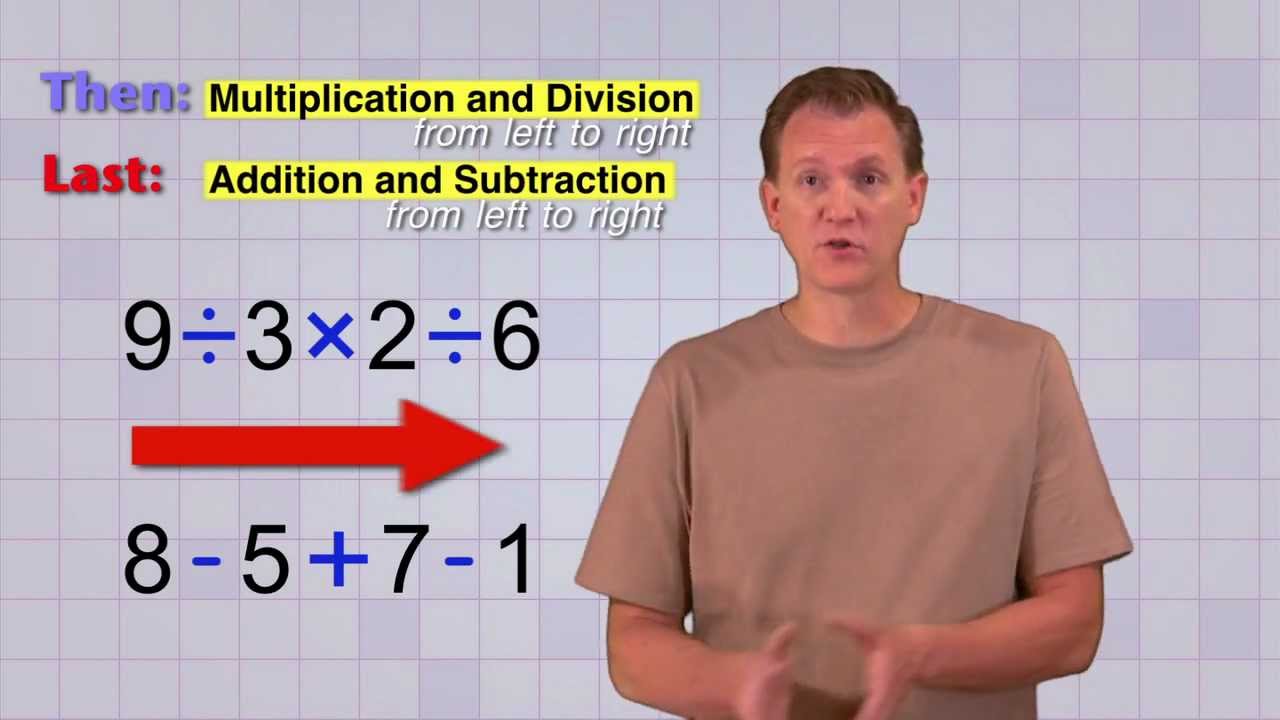
This video gives an overview of Algebra and introduces the concepts of unknown values and variables. It also explains that multiplication is implicit in Algebra.
The first video in the Algebra Basics Series:
https://www.youtube.com/watch?v=NybHckSEQBI&list=PLUPEBWbAHUszT_GebJK23JHdd_Bss1N-G
Learn More at mathantics.com
Visit http://www.mathantics.com for more Free math videos and additional subscription based content!
Learn More at mathantics.com
Visit http://www.mathantics.com for more Free math videos and additional subscription based content!

Learn More at mathantics.com
Visit http://www.mathantics.com for more Free math videos and additional subscription based content!

http://mathusee.com
Steve Demme explains how Math-U-See works.