Top videos

Welcome to Crash Course Statistics! In this series we're going to take a look at the important role statistics play in our everyday lives, because statistics are everywhere! Statistics help us better understand the world and make decisions from what you'll wear tomorrow to government policy. But in the wrong hands, statistics can be used to misinform. So we're going to try to do two things in this series. Help show you the usefulness of statistics, but also help you become a more informed consumer of statistics. From probabilities, paradoxes, and p-values there's a lot to cover in this series, and there will be some math, but we promise only when it's most important. But first, we should talk about what statistics actually are, and what we can do with them. Statistics are tools, but they can't give us all the answers.
Episode Notes:
On Tea Tasting:
"The Lady Tasting Tea" by David Salsburg
On Chain Saw Injuries:
https://www.cdc.gov/disasters/chainsaws.html
https://www.ncbi.nlm.nih.gov/pubmed/15027558
https://www.hindawi.com/journals/aem/2015/459697/
Crash Course is on Patreon! You can support us directly by signing up at http://www.patreon.com/crashcourse
Thanks to the following Patrons for their generous monthly contributions that help keep Crash Course free for everyone forever:
Mark Brouwer, Nickie Miskell Jr., Jessica Wode, Eric Prestemon, Kathrin Benoit, Tom Trval, Jason Saslow, Nathan Taylor, Divonne Holmes à Court, Brian Thomas Gossett, Khaled El Shalakany, Indika Siriwardena, Robert Kunz, SR Foxley, Sam Ferguson, Yasenia Cruz, Daniel Baulig, Eric Koslow, Caleb Weeks, Tim Curwick, Evren Türkmenoğlu, Alexander Tamas, Justin Zingsheim, D.A. Noe, Shawn Arnold, mark austin, Ruth Perez, Malcolm Callis, Ken Penttinen, Advait Shinde, Cody Carpenter, Annamaria Herrera, William McGraw, Bader AlGhamdi, Vaso, Melissa Briski, Joey Quek, Andrei Krishkevich, Rachel Bright, Alex S, Mayumi Maeda, Kathy & Tim Philip, Montather, Jirat, Eric Kitchen, Moritz Schmidt, Ian Dundore, Chris Peters, Sandra Aft, Steve Marshall
Want to find Crash Course elsewhere on the internet?
Facebook - http://www.facebook.com/YouTubeCrashC...
Twitter - http://www.twitter.com/TheCrashCourse
Tumblr - http://thecrashcourse.tumblr.com
Support Crash Course on Patreon: http://patreon.com/crashcourse
CC Kids: http://www.youtube.com/crashcoursekids
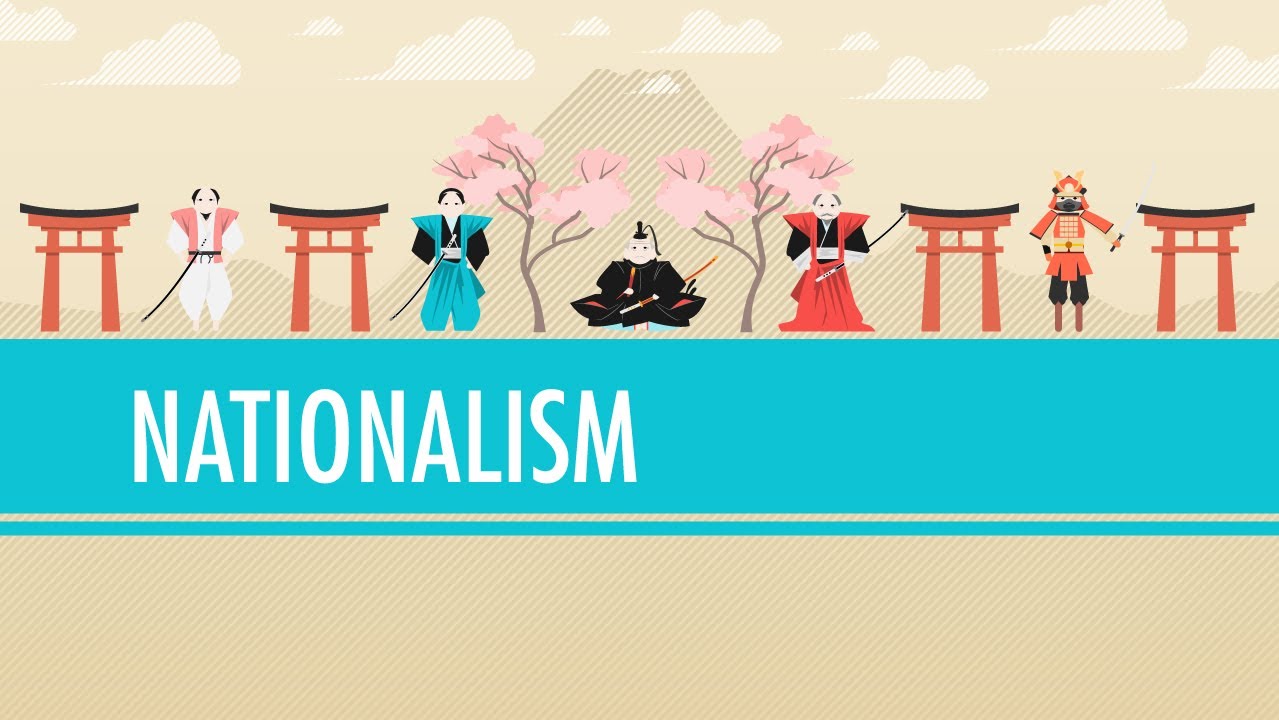
In which John Green teaches you about Nationalism. Nationalism was everywhere in the 19th century, as people all over the world carved new nation-states out of old empires. Nationalist leaders changed the way people thought of themselves and the places they lived by reinventing education, military service, and the relationship between government and governed. In Japan, the traditional feudal society underwent a long transformation over the course of about 300 years to become a modern nation-state. John follows the course of Japanese history from the emergence of the Tokugawa Shogunate to the Meiji Restoration and covers Nationalism in many other countries along the way. All this, plus a special guest appearance, plus the return of an old friend on an extra-special episode of Crash Course.
Chapters:
Introduction: Nationalism 00:00
Nationalism Around the World 0:49
The Modern Nation-State 1:52
The Tokugawa Bakufu of Japan 4:59
The Meiji Era and Japanese Nationalism 7:43
An Open Letter to Public Education 9:19
The Dark Side of Nationalism 10:28
Credits 11:18
Resources:
A Modern History of Japan by Andrew Gordon https://bit.ly/3Ocfxu0
Giving Up the Gun by Noel Perrin https://bit.ly/37JFQqA
Crash Course is on Patreon! You can support us directly by signing up at http://www.patreon.com/crashcourse
Want to find Crash Course elsewhere on the internet?
Facebook - http://www.facebook.com/YouTubeCrashCourse
Twitter - http://www.twitter.com/TheCrashCourse
Instagram - https://www.instagram.com/thecrashcourse/
CC Kids: http://www.youtube.com/crashcoursekids

¿Cómo puedo expresar mi opinión en español?
En cualquier conversación es normal que se quiera dar la opinión sobre el tema que se está conversando.
Expresar nuestra opinión es un paso importante para aprender cualquier idioma.
En este video aprenderás diferentes formas de expresar tu opinión en español con ejemplos de uso en conversaciones de la vida cotidiana.
Algunas formas de dar tu opinión que verás en el video:
00:00 Maneras de expresar tu opinión en español.
00:16 Disculpe, me gustaría dar mi opinión.
00:31 Me gustaría expresar mi opinión, por favor.
01:10 Opino lo mismo que usted.
01:32 No estoy de acuerdo.
01:42 Lo siento, pero no voy a cambiar mi opinión.
01:55 Lo siento. estoy en contra de eso que dices.
02:29 Tengo una opinión completamente diferente.
03:18 Estoy convencido de que necesitaré un coche nuevo.
04:01 Yo diría que...
04:25 Yo opino que...
04:40 Desde mi punto de vista...
05:07 En mi opinión, tomó la decisión equivocada.
05:48 Personalmente, opino que tiene métodos muy cuestionables.
06:06 Mantengo mi opinión sobre lo sucedido
06:32 Estoy segura de que puedes lograrlo
06:45 Si, creo que tienes razón
06:57 Yo también estoy de acuerdo contigo
07:08 No tengo una opinión al respecto
07:58 Pedir la opinión de otras personas
08:16 Rechazar la opinión de otra persona
Tienes un completo curso de español en nuestro canal:
https://www.youtube.com/channe....l/UC5mQl94AjMjaHH5-x
Recuerda suscribirte a nuestro canal y activar las notificaciones 🔔
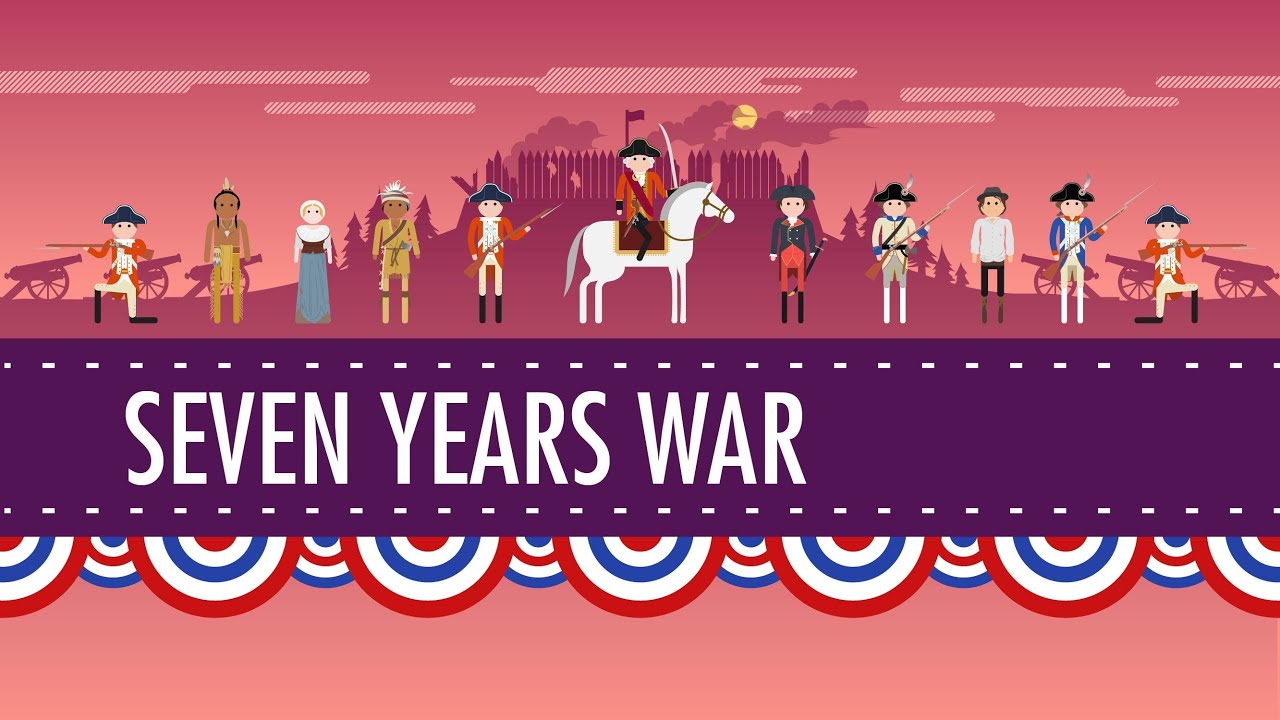
In which John Green teaches you about the beginnings of the American Revolution in a video titled The Seven Years War. Confusing? Maybe. John argues that the Seven Years' War, which is often called the French and Indian War in the US, laid a lot of the groundwork for the Revolution. More confusing? Why does this war have two names? Why were the French and Indians fighting each other? The Seven Years' war was actually a global war that went on for nine years. I think I'm having trouble making this clear. Anyway, the part of this global war that happened in North America was the French and Indian War. The French and Indian tribes were the force opposing the British, so that's the name that stuck. Let's get away from this war, as it makes my head hurt. Other stuff was going on in the colonies in the 18th century that primed the people for revolution. One was the Great Awakening. A religious revival was sweeping the country, introducing new ideas about religion and how it should be practiced. At the same time, thinkers like John Locke were rethinking the relationship between rulers and the ruled. So in this highly charged atmosphere, you can just imagine what would happen if the crown started trying to exert more control over the colonies. The colonists would probably just rise up, right? We'll see what happens next week.
Read the Mystery Document in its entirety in the Minutes of the Provincial Province of Pennsylvania Vol. IX: https://bit.ly/3jxHcrc
Hey teachers and students - Check out CommonLit's free collection of reading passages and curriculum resources to learn more about the events of this episode. Learn about how the European struggle for dominance throughout the French and Indian War impacted natives in North America: https://www.commonlit.org/text....s/french-and-indian-
Still curious? Watch this other Crash Course video!
The Seven Years War: Crash Course World History #26 https://www.youtube.com/watch?v=j0qbzNHmfW0
Chapters:
Introduction: The Seven Years War 00:00
Causes of the Seven Years War 0:32
Mercantilism in the American Colonies 1:14
Slave Labor in the American Colonies 1:46
French vs British Tensions Rise 2:09
The Battles of the Seven Years War 3:27
Outcomes of the Seven Years War 4:43
Mystery Document 5:35
Pontiac's Rebellion and the Proclamation Line 6:57
Republicanism & Liberalism in the American Colonies 7:42
The Great Awakening 8:37
Anti-Authority Sentiments in the American Colonies 9:44
Credits 10:11
Crash Course is on Patreon! You can support us directly by signing up at http://www.patreon.com/crashcourse
Want to find Crash Course elsewhere on the internet?
Facebook - http://www.facebook.com/YouTubeCrashCourse
Twitter - http://www.twitter.com/TheCrashCourse
Instagram - https://www.instagram.com/thecrashcourse/
CC Kids: http://www.youtube.com/crashcoursekids

Los estilos musicales en español
María quiere aprender sobre estilos musicales y le pregunta a su profesor.
La música Pop: https://youtu.be/e0hxEY8MC9Y?t=44
¿Música popular y música pop es lo mismo?: https://youtu.be/e0hxEY8MC9Y?t=70
¿Quién fue el primer artista pop?: https://youtu.be/e0hxEY8MC9Y?t=182
¿Cuáles son los artistas pop que podríamos escuchar?: https://youtu.be/e0hxEY8MC9Y?t=200
El rock: https://youtu.be/e0hxEY8MC9Y?t=264
¿Quiénes fueron los primeros en grabar una canción de Rock?: https://youtu.be/e0hxEY8MC9Y?t=306
Pioneros del rock: https://youtu.be/e0hxEY8MC9Y?t=368
¿Y el rock en España?: https://youtu.be/e0hxEY8MC9Y?t=420
El folk: https://youtu.be/e0hxEY8MC9Y?t=479
La música Folk en España: https://youtu.be/e0hxEY8MC9Y?t=615
El blues: https://youtu.be/e0hxEY8MC9Y?t=664
¿Cómo llegó el blues a España?: https://youtu.be/e0hxEY8MC9Y?t=762
Y a ti ¿Qué música te gusta? Puedes decirnos en los comentarios.
Y recuerda suscribirte a nuestro canal
/ Clase 126
🔔

Today we're learning about the Transatlantic Slave Trade, which brought millions of captive Africans to the Americas between the 16th and 19th centuries, with the largest number of people trafficked between 1700 and 1808. We'll look at the ships and crews that brought enslaved people across the ocean via what was known as the Middle Passage and explore the horrific conditions that these captives endured.
SOURCES
Africans in America: The Terrible Transformation 1450-1750. PBS. https://to.pbs.org/3botPFQ
The Atlantic Slave Trade: Crash Course World History. https://youtu.be/dnV_MTFEGIY
The Interesting Narrative of the Life of Olaudah Equiano, or Gustavus Vassa, The African by Olaudah Equiano. https://bit.ly/3uKSYSN
Encyclopedia of Slave Resistance and Rebellion, Volume 1 edited by Junius P. Rodriguez https://bit.ly/3bk4Nb9
Lepore, J. (2005). A World of Possibilities: Slavery and Freedom in Dutch New Amsterdam. In I. Berlin and L. Harris (Eds.), Slavery in New York (p. 57 – 90).
Gomez, Melissa. Charleston Apologizes for City’s Role in Slave Trade. New York Times, June 19, 2018 https://nyti.ms/3fdEVyN
Watch our videos and review your learning with the Crash Course App!
Download here for Apple Devices: https://apple.co/3d4eyZo
Download here for Android Devices: https://bit.ly/2SrDulJ
Check out Clint's book, How the Word is Passed: https://bookshop.org/a/3859/9780316492935
Crash Course is on Patreon! You can support us directly by signing up at http://www.patreon.com/crashcourse
Thanks to the following patrons for their generous monthly contributions that help keep Crash Course free for everyone forever:
Alexis B, Rene Duedam, Burt Humburg, Aziz, Nick, DAVID MORTON HUDSON, Perry Joyce, Scott Harrison, Mark & Susan Billian, Junrong Eric Zhu, Alan Bridgeman, Jennifer Smith, Matt Curls, Tim Kwist, Jonathan Zbikowski, Jennifer Killen, Sarah & Nathan Catchings, Brandon Westmoreland, team dorsey, Trevin Beattie, Eric Koslow, Indika Siriwardena, Khaled El Shalakany, Shawn Arnold, Siobhán, Ken Penttinen, Nathan Taylor, William McGraw, Laura Damon, Andrei Krishkevich, Sam Ferguson, Eric Prestemon, Jirat, Brian Thomas Gossett, Wai Jack Sin, Ian Dundore, Jason A Saslow, Justin, Jessica Wode, Mark, Caleb Weeks
__
Want to find Crash Course elsewhere on the internet?
Facebook - http://www.facebook.com/YouTubeCrashCourse
Twitter - http://www.twitter.com/TheCrashCourse
Tumblr - http://thecrashcourse.tumblr.com
Support Crash Course on Patreon: http://patreon.com/crashcourse
CC Kids: http://www.youtube.com/crashcoursekids
SOURCES
Africans in America: The Terrible Transformation 1450-1750. PBS. https://to.pbs.org/3botPFQ
The Atlantic Slave Trade: Crash Course World History. https://youtu.be/dnV_MTFEGIY
The Interesting Narrative of the Life of Olaudah Equiano, or Gustavus Vassa, The African by Olaudah Equiano. https://bit.ly/3uKSYSN
Encyclopedia of Slave Resistance and Rebellion, Volume 1 edited by Junius P. Rodriguez https://bit.ly/3bk4Nb9
Lepore, J. (2005). A World of Possibilities: Slavery and Freedom in Dutch New Amsterdam. In I. Berlin and L. Harris (Eds.), Slavery in New York (p. 57 – 90).
Gomez, Melissa. Charleston Apologizes for City’s Role in Slave Trade. New York Times, June 19, 2018 https://nyti.ms/3fdEVyN
#crashcourse #history #slavery

¡Aprende español práctico con situaciones reales! 🌟 En este video, seguimos dos diálogos esenciales para la vida diaria: hacer operaciones bancarias y hacer la compra en el supermercado. Perfecto para estudiantes de todos los niveles que quieran sonar más naturales en español.
🏦 Escena 1: En el Banco
Vocabulario clave:
Operaciones bancarias: ingresar dinero, saldo, tarjeta bancaria, DNI
Frases útiles:
"Quisiera ingresar dinero en mi cuenta"
"Introduce tu PIN"
"¿Podrías mostrarme el saldo?"
📌 Aprenderás:
Cómo realizar transacciones básicas en un banco.
Expresiones formales para tratar con empleados bancarios.
🛒 Escena 2: En el Supermercado
Vocabulario clave:
Productos: tomates, cebollas, brócoli, mozzarella, cheddar
Frases útiles:
"¿Has traído la lista de la compra?"
"Están en oferta"
"Ten cuidado, los huevos se rompen fácilmente"
📌 Aprenderás:
Cómo preguntar por productos y comparar precios.
Expresiones cotidianas entre familiares.
💡 ¡Practica con Estas Preguntas!
¿Cómo pedirías ingresar dinero en tu cuenta bancaria?
¿Qué dirías si ves un producto en oferta en el supermercado?
¿Cómo recomendarías un queso a un amigo?
🌟 ¿Qué otra situación cotidiana te gustaría ver en un diálogo? ¡Cuéntanos en los comentarios! 👇
🔔 Suscríbete para más conversaciones reales. ¡Nuevo video cada semana! 🚀
📚 Bonus: Si quieres más vocabulario, mira nuestro video "Diálogos Cotidianos | Parte 1" : https://youtu.be/jTlJIpoD9i0
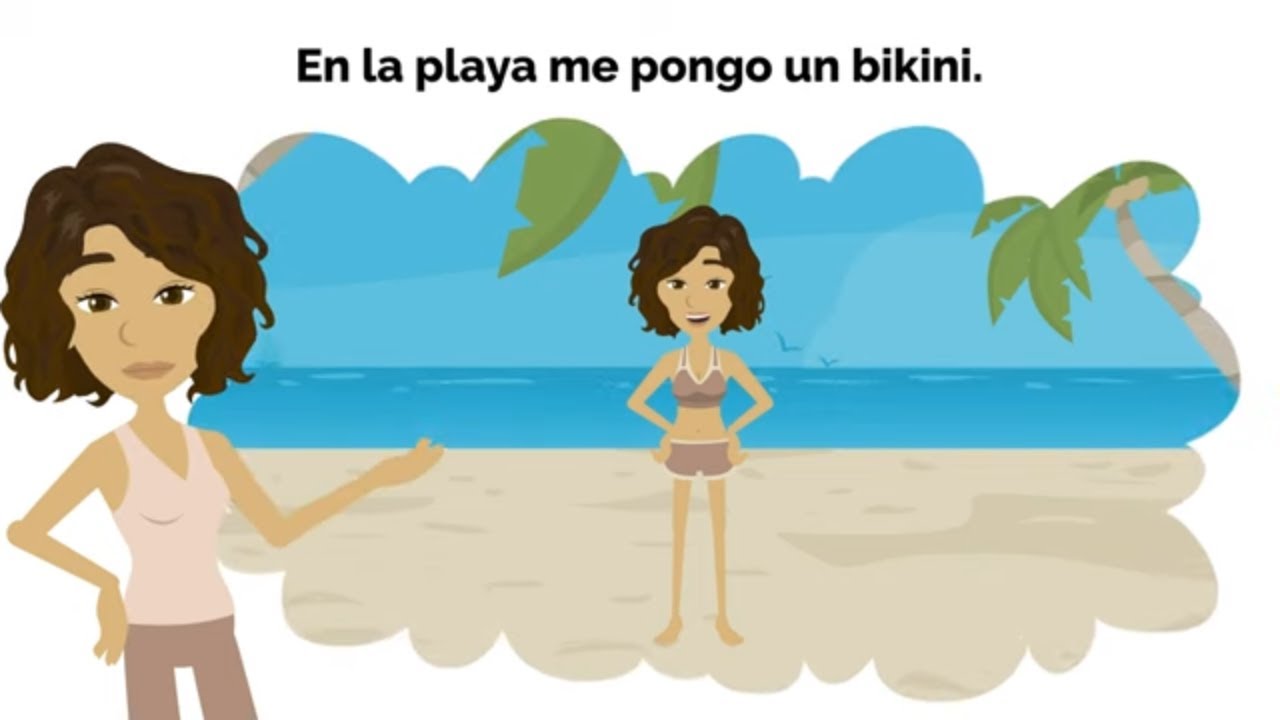
Ya estamos en verano y toca hacer una limpieza del armario.
En esta nueva clase de español podrás aprender un montón de vocabulario sobre la ropa que habitualmente usamos en verano.
La ropa forma parte de nuestro día a día y por lo tanto es fundamental que aprendas vocabulario para mejorar tu nivel de conversación en español.
Algunos ejemplos de ropa de verano que aprenderemos en el video:
Vestido 👗
Pantalón corto
Falda
Camisetas sin mangas
Bikini 👙
Sandalias 🩴
Traje de baño 🩱
Zapatillas de deporte 👟
Ropa deportiva
Faldas largas
Blusa
Vestido ligero de verano
Petos
Mochila
Maleta 🧳
Sombrero para el sol 👒
Chubasquero
Jersey fino
Camisetas
Pantalones largos 👖
Calcetines 🧦
Bragas 🩲
Sujetador
Pijama
Gorra 🧢
Camisa Hawaiana
Camisetas
Calcetines
Calzoncillos
Bañador 🩳
Vestido de noche
Vestido de verano
Tacones altos
Bolsos
Ropa interior de encaje
Camisones
Chaqueta de cuero
Ropa de bebé:
Bodies
Camisetas
Chaquetas finas
Calcetines finos
Medias finas
Pijamas
Sombrero
En el vídeo encontrarás oraciones con ejemplos de uso de cada una de estas palabras del vocabulario de ropa de verano, para que puedas utilizarlas de manera correcta en tus conversaciones en español.
Y tu, ¿Que vas a comprar en las rebajas de verano?
Cuéntanos en los comentarios
/ Clase 154
Recuerda suscribirte a nuestro canal 🔔

The Harlem Renaissance was one of the richest, most vibrant, and most culturally generative artistic periods in American history and the work that emerged from that period continues to shape the landscape of American arts and letters today. In this episode, we’re going to explore some of the writers, artists, and musicians who turned Harlem into a world-renowned hub of art and culture, and delve into the factors that brought them all together in the first place.
Clint's book, How the Word is Passed is available now! https://bookshop.org/a/3859/9780316492935
VIDEO SOURCES
https://americanart.si.edu/art....ist/richmond-barthe-
https://www.howardgreenberg.co....m/artists/james-van-
https://danforth.framingham.ed....u/wp-content/uploads
https://danforth.framingham.ed....u/exhibition/meta-fu
https://poets.org/poet/langston-hughes
https://sites.ed.gov/whhbcu/on....e-hundred-and-five-h
https://www.nypl.org/blog/2020..../10/05/arturo-schomb
https://www.naacp.org/naacp-hi....story-james-weldon-j
https://www.britannica.com/top....ic/Harlem-poem-by-Hu
https://www.poetryfoundation.o....rg/poems/46548/harle
https://www.biography.com/activist/walter-white
https://www.britannica.com/bio....graphy/Gwendolyn-Ben
https://www.britannica.com/bio....graphy/Zora-Neale-Hu
https://music.si.edu/story/jazz
https://www.pcs.org/archive/bl....og/item/under-the-in
https://wmich.edu/mus-gened/mu....s150/CB-Ellington.ht
https://www.rbsclibrary.com/langston-hughes.html
https://www.loc.gov/item/ihas.200038834/
https://www.britannica.com/biography/Eubie-Blake
https://www.poetryfoundation.o....rg/poets/countee-cul
https://www.poetryfoundation.o....rg/poets/claude-mcka
Angela Davis, Blues Legacies and Black Feminism: Gertrude ‘Ma’ Rainey, Bessie Smith, and Billie Holiday (New York: Pantheon Books, 1998).
Cheryl Wall, Women of the Harlem Renaissance (Bloomington: Indiana University Press, 1995).
Watch our videos and review your learning with the Crash Course App!
Download here for Apple Devices: https://apple.co/3d4eyZo
Download here for Android Devices: https://bit.ly/2SrDulJ
Crash Course is on Patreon! You can support us directly by signing up at http://www.patreon.com/crashcourse
Thanks to the following patrons for their generous monthly contributions that help keep Crash Course free for everyone forever:
DL Singfield, Jeremy Mysliwiec, Shannon McCone, Amelia Ryczek, Ken Davidian, Brian Zachariah, Stephen Akuffo, Toni Miles, Oscar Pinto-Reyes, Erin Nicole, Steve Segreto, Michael M. Varughese, Kyle & Katherine Callahan, Laurel A Stevens, Vincent, Michael Wang, Stacey Gillespie, Jaime Willis, Krystle Young, Michael Dowling, Alexis B, Rene Duedam, Burt Humburg, Aziz Y, DAVID MORTON HUDSON, Perry Joyce, Scott Harrison, Mark & Susan Billian, Junrong Eric Zhu, Alan Bridgeman, Rachel Creager, Jennifer Smith, Matt Curls, Tim Kwist, Jonathan Zbikowski, Jennifer Killen, Sarah & Nathan Catchings, Brandon Westmoreland, team dorsey, Trevin Beattie, Divonne Holmes à Court, Eric Koslow, Jennifer Dineen, Indika Siriwardena, Khaled El Shalakany, Jason Rostoker, Shawn Arnold, Siobhán, Ken Penttinen, Nathan Taylor, William McGraw, Andrei Krishkevich, ThatAmericanClare, Rizwan Kassim, Sam Ferguson, Alex Hackman, Jirat, Katie Dean, neil matatall, TheDaemonCatJr, Wai Jack Sin, Ian Dundore, Matthew, Justin, Jessica Wode, Mark, Caleb Weeks
__
Want to find Crash Course elsewhere on the internet?
Facebook - http://www.facebook.com/YouTubeCrashCourse
Twitter - http://www.twitter.com/TheCrashCourse
Tumblr - http://thecrashcourse.tumblr.com
Support Crash Course on Patreon: http://patreon.com/crashcourse
CC Kids: http://www.youtube.com/crashcoursekids
#crashcourse #history #blackhistory

En este nuevo vídeo aprenderemos a pedir una cita para ver un apartamento y las típicas preguntas que se hacen sobre una propiedad antes de alquilarla o compararla.
Es un vídeo lleno de diálogos y de vocabulario relacionado con el alquiler de un piso.
Podrás practicar diálogos en español y aprender un montón de vocabulario.
Vocabulario sobre propiedades
Vocabulario para alquilar
Vocabulario para alquilar un apartamento
Vocabulario para pedir una cita
¿Cuándo tiene una cita libre?
Vocabulario para alquilar una propiedad
Diálogos con la inmobiliaria
Concertar una cita por teléfono
Clase 98
Suscríbete a nuestro canal🔔

We make small choices like what to eat for lunch, but we also have to set goals, pick a career, and decide how to invest our hard-earned money. It’s not easy! We don’t want to make a decision out of fear, rather than doing what’s best for us. And we don’t want to regret a big choice and dwell on the “what ifs” either.
So today, we’re going to take a step back, understand how to really look at the decisions we’re making, and learn what not to do when facing a difficult choice.
***
Crash Course is on Patreon! You can support us directly by signing up at http://www.patreon.com/crashcourse
Thanks to the following patrons for their generous monthly contributions that help keep Crash Course free for everyone forever:
Eric Prestemon, Sam Buck, Mark Brouwer, Jonathan Zbikowski, Siobhan Sabino, Zach Van Stanley, Bob Doye, Jennifer Killen, Naman Goel, Nathan Catchings, Brandon Westmoreland, dorsey, Indika Siriwardena, Kenneth F Penttinen, Trevin Beattie, Erika & Alexa Saur, Glenn Elliott, Justin Zingsheim, Jessica Wode, Tom Trval, Jason Saslow, Nathan Taylor, Brian Thomas Gossett, Khaled El Shalakany, SR Foxley, Sam Ferguson, Yasenia Cruz, Eric Koslow, Caleb Weeks, Tim Curwick, D.A. Noe, Shawn Arnold, Malcolm Callis, William McGraw, Andrei Krishkevich, Rachel Bright, Jirat, Ian Dundore
--
Want to find Crash Course elsewhere on the internet?
Facebook - http://www.facebook.com/YouTubeCrashCourse
Twitter - http://www.twitter.com/TheCrashCourse
Tumblr - http://thecrashcourse.tumblr.com
Support Crash Course on Patreon: http://patreon.com/crashcourse
CC Kids: http://www.youtube.com/crashcoursekids

En esta nueva clase de español seguiremos a una pareja en su aventura de mudanza, llena de decisiones, problemas y una solución inesperada.
Algunas frases típicas usadas en el video:
"Madre mía" - Expresión de sorpresa o frustración.
"Ya es tarde para lamentos" - Frase hecha para indicar que es hora de actuar y no de arrepentirse.
Frases Importantes:
"¿Cómo vamos a mudarlas?" - Uso de 'ir a' para expresar planes futuros.
"Recuerda envolver las piezas frágiles" - Imperativo para dar instrucciones.
"Nos cobrarán un dineral en exceso de equipaje" - Uso de futuro para expresar suposiciones.
"¿Te animas a conducir un camión?" - 'Animarse a' como expresión de valentía o decisión.
Tiempos verbales:
Presente:
"¿Has visto la cantidad de cajas que tenemos?" - Presente perfecto, expresando una acción reciente con relevancia en el presente.
"Nos cobrarán un dineral en exceso de equipaje." - Futuro simple, pero en este contexto, se usa para expresar una suposición o probabilidad en el presente.
"Pero tenemos todas nuestras cosas dentro." - Presente simple, describiendo una situación actual.
Futuro:
"Hagámoslo, será divertido." - Futuro simple, expresando una decisión tomada en el momento.
"Nos cobrarán una penalización pero será mejor que perder todas nuestras cosas." - Futuro simple, para predecir una consecuencia futura.
Condicional:
"Tendríamos que haber contratado el servicio que retiraba las cosas por casa." - Condicional compuesto, expresando un arrepentimiento o una acción ideal en el pasado.
"No sé si estoy loca pero parece divertido." - Condicional simple, usado para expresar una acción hipotética.
Imperativo:
"Recuerda envolver las piezas frágiles" - Imperativo, dando una instrucción o consejo.
"Busquemos una solución." - Imperativo, sugiriendo una acción a realizar en conjunto.
La historia en un contexto real, la variación de tiempos verbales y los diálogos te permitirán aprender y practicar conceptos muy importantes como la gramática, la pronunciación y el enriquecimiento del diálogo.

Una relación complicada.
Leo y Julia tienen un profundo diálogo, hablan sobre su relación y como se sienten al respecto. Leo se disculpa con Julia por no buscarla en el aeropuerto porque tenía que trabajar en un nuevo trabajo que ha encontrado en un bar.
Luego discuten sobre la falta de tiempo juntos y cómo les gustaría compartir más tiempo juntos.
Julia se siente sola un una ciudad desconocida y no está cómoda con los compañeros de piso de Leo. Finalmente, la historia da un giro inesperado...
¿Continaurá? Quién sabe......
00:00 Comienza la historia para aprender español
00:27 Hola mi amor
00:45 Encontré un trabajo a tiempo parcial
01:06 Muéstrame tu habitación
01:23 Es pequeña y desordenada
01:47 ¿Cuando podemos salir?
02:25 No puedo esperar
02:43 Y mañana quiero dar un paseo
03:02 E ir de compras
03:34 Mañana tengo que descansar
03:45 Nunca tenemos tiempo juntos, estoy cansada
04:01 Hago lo mejor que puedo
04:20 Necesito más de tí
05:03 Es complicado
05:20 Yo vine aquí para estar contigo
06:45 Siento que no soy tu prioridad
07:12 Tenemos expectativas diferentes
08:01 ¿Quieres dejarlo conmigo?
09:08 Supongo que sabía que esto podía pasar
09:23 No quería hacerte daño
10:30 Quizás algún día nos volvamos a encontrar.
Si no has visto los otros capítulo de la historia para aprender español de Julia y Leo, aquí los tienes:
https://www.youtube.com/playli....st?list=PLyhXDeW_Wjh
Recuerda suscribirte a nuestro canal para ver más vídeos.
Suscribirse:https://www.youtube.com/Aprend....erespañolonline?sub_ 🔔
✅ Curso de español para principiantes: https://youtube.com/playlist?l....ist=PLyhXDeW_WjhBv8b
✅ Español nivel intermedio: https://youtube.com/playlist?l....ist=PLyhXDeW_WjhAlQR
✅ Verbos en español: https://youtube.com/playlist?l....ist=PLyhXDeW_WjhDyOv
En nuestro canal encontrarás un curso completo y gratuito de español (español como lengua extranjera) para principiantes y avanzados. Te prepara para el examen español DELE. En los videos aprenderás español a través de imágenes, diálogos, escuchar y hablar español.
Please Learn, Like, Comment and Subscribe! Don't forget to Turn on Notifications. 🔔

Night Night, Groot
by Brendan Deneen
Illustrated by Cale Atkinson
Read by Let’s Read Stories
It's been a long day for baby Groot and he's ready to be tucked in for bed. Just as his eyes start to close, Rocket Raccoon bursts onto the scene! Groot can't go to sleep yet, there's a whole galaxy that needs to be defended and they must work together to save the day! Then maybe, just maybe, Groot will finally get the rest he deserves! Each spread includes a tiny Ant-Man, let's see if you can find him. . .
Tuck your little avenger into bed with this adorable bedtime story. Night, Night Groot is the perfect story to introduce your child to rhymes and sounds. Kid book read aloud can help your little one with recognizing letters and words, speaking english, communication and literacy. Relax with the guardians of the galaxy while your toddler falls in love with abcs and 123s. Perfect for kindergarteners, preschooler, 1st or 2nd graders. Thanks for watching!
Click here to purchase Night Night, Groot: https://www.amazon.com/Night-G....root-Brendan-Deneen/

*Click CC to turn on subtitles in English to follow along*
Learn Spanish in the most natural way possible!
~~~~~~~~~~~~~
SUBSCRIBE for more Spanish videos: http://bit.ly/XGe7we
and make sure to click the notification bell!
Follow me on Facebook: https://www.facebook.com/srjordanspanish
Tweet me: https://twitter.com/senorjordan
Check out my website: http://www.senorjordan.com
Follow me on Instagram: @senorjordanvideos
Listen to my music on Soundcloud:
https://soundcloud.com/senorjordanspanish
Listen to my music on Spotify:
https://open.spotify.com/artis....t/2nyJ9GgLNMckXCuBHU
Buy my songs on iTunes:
https://music.apple.com/us/artist/1621526948
Buy my songs on Amazon:
https://www.amazon.com/music/p....layer/artists/B09Z35
Donate to my video-making project:
https://paypal.me/srjordanvideos?country.x=US&locale.x=en_US
~~~~~~~~~~~~~~~~~~~~~~~~~~~~~~

How Many Faces, Edges And Vertices Does A Hexagonal Prism Have?
Here we’ll look at how to work out the faces, edges and vertices of a hexagonal prism.
We’ll start by counting the faces, these are the flat surfaces that make the shape. A hexagonal prism has 8 faces altogether - 2 hexagons and 6 rectangles.
Next we’ll work out how many edges the hexagonal prism has, which are where two faces meet. A hexagonal prism has 18 edges.
Next we’ll count the corners of the shape (the corners). A count will show there are 12 vertices.
For the full playlist for the faces, edges and Vertices of a whole lot of 3D shapes go to https://www.youtube.com/playli....st?list=PLjbxBzUM6SL
To donate to the tecmath channel: https://paypal.me/tecmath?locale.x=en_AU
To support tecmath on Patreon: https://www.patreon.com/tecmath
To buy tecmath mechandise: https://teespring.com/stores/tecmath-store

Practice Your Spanish With Chateo - a Spanish-speaking chatbot! | Get a discount off your first 6 months with code CHATEOBOT | Sign up at: https://www.senorjordan.com/chat
~~~~~~~~~~~~~~~~~~~~~~~~~~~~~~
SUBSCRIBE for more Spanish videos: http://bit.ly/XGe7we
and make sure to click the notification bell!
Follow me on Facebook: https://www.facebook.com/srjordanspanish
Tweet me: https://twitter.com/senorjordan
Check out my website: http://www.senorjordan.com
Follow me on Instagram: @senorjordanvideos
Listen to my music on Soundcloud:
https://soundcloud.com/senorjordanspanish
Listen to my music on Spotify:
https://open.spotify.com/artis....t/2nyJ9GgLNMckXCuBHU
Buy my songs on iTunes:
https://music.apple.com/us/artist/1621526948
Buy my songs on Amazon:
https://www.amazon.com/music/p....layer/artists/B09Z35
Donate to my video-making project:
https://paypal.me/srjordanvideos?country.x=US&locale.x=en_US
~~~~~~~~~~~~~~~~~~~~~~~~~~~~~~
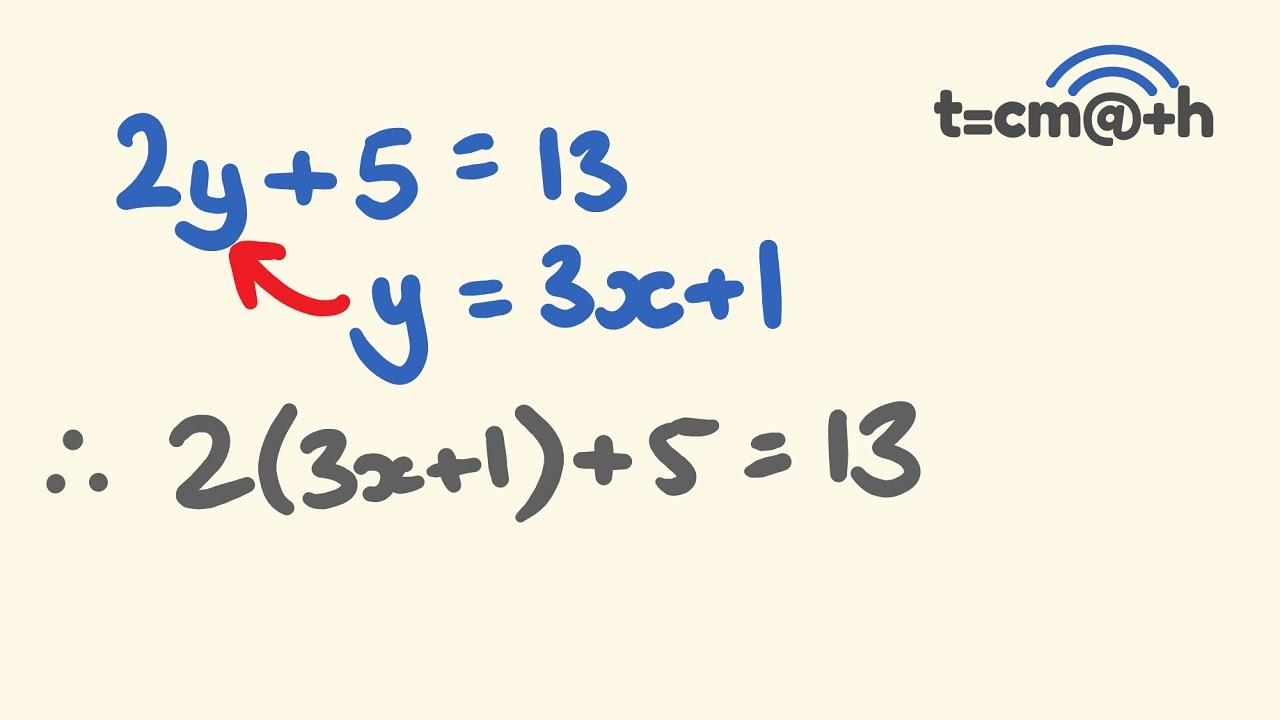
Simultaneous equations can be solved easily using either the substitution method or the elimination method. In this video we look at the elimination method to solve simultaneous equations. Don't forget to check your work! To support free math on Patreon (thank you): https://www.patreon.com/tecmath To donate to the tecmath channel: https://paypal.me/tecmath?locale.x=en_AU To donate to the tecmath channel: https://paypal.me/tecmath?locale.x=en_AU
To support tecmath on Patreon: https://www.patreon.com/tecmath
To buy tecmath mechandise: https://teespring.com/stores/tecmath-store

SUBSCRIBE for more Spanish videos: http://bit.ly/XGe7we
and make sure to click the notification bell!
Follow me on Facebook: https://www.facebook.com/srjordanspanish
Tweet me: https://twitter.com/senorjordan
Check out my website: http://www.senorjordan.com
Follow me on Instagram: @senorjordanvideos
Listen to my music on Soundcloud:
https://soundcloud.com/senorjordanspanish
Listen to my music on Spotify:
https://open.spotify.com/artis....t/2nyJ9GgLNMckXCuBHU
Buy my songs on iTunes:
https://music.apple.com/us/artist/1621526948
Buy my songs on Amazon:
https://www.amazon.com/music/p....layer/artists/B09Z35
Donate to my video-making project:
https://paypal.me/srjordanvideos?country.x=US&locale.x=en_US
~~~~~~~~~~~~~~~~~~~~~~~~~~~~~~
*Grammar Pop Up version!
See Non-grammar version here:
https://www.youtube.com/watch?v=MuhuHyVvFJo
This is a video in a new series to help people learn Spanish through repetition and storytelling.
This particular story is basic. We will be using the words from this episode in future episodes. The idea is to repeat words a lot in different ways and to get you forgetting that you're watching something in Spanish.
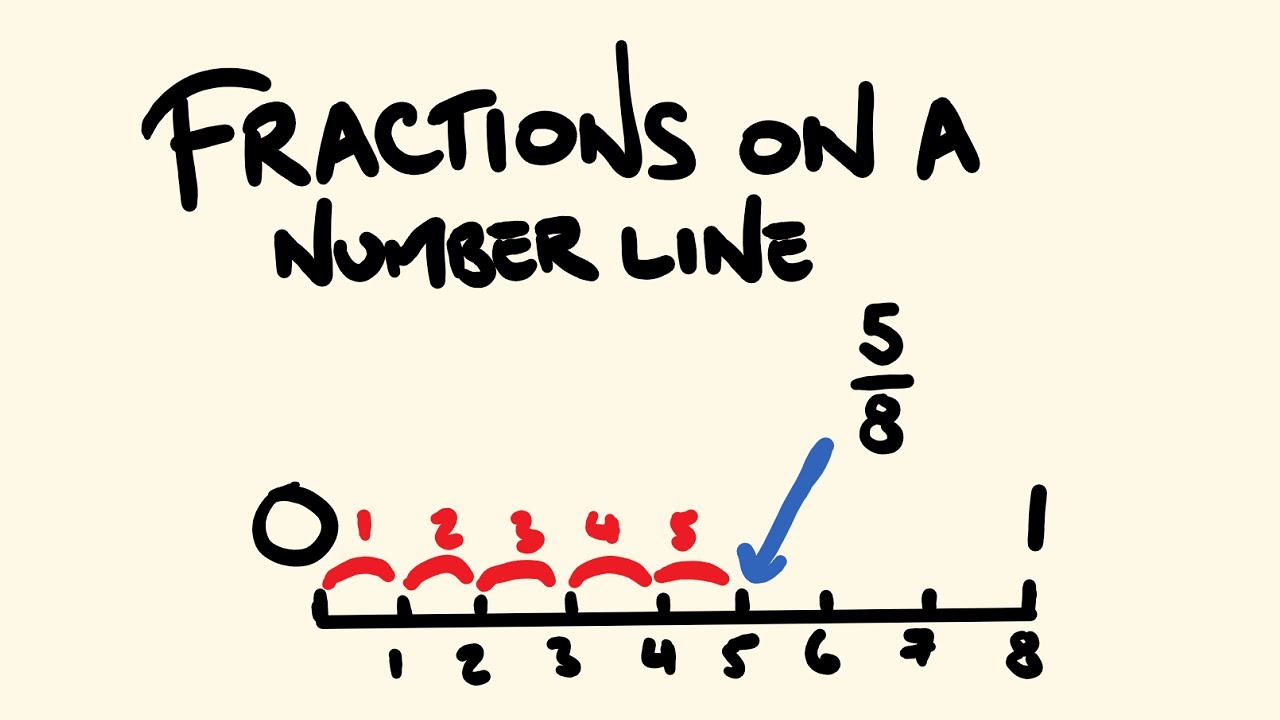
How do you put fractions on a number line? This allows you to compare equivalent fractions, and understand what the parts of a fraction mean. To donate to the tecmath channel: https://paypal.me/tecmath?locale.x=en_AU
To support tecmath on Patreon: https://www.patreon.com/tecmath
To buy tecmath mechandise: https://teespring.com/stores/tecmath-store
#fractions
#fraction
#fractionsmath