Top videos

How exactly does sound work? If a tree falls in a forest but no one is around to hear it, does it make a sound? In this video, you and your kids will be able to answer both those questions. There are sounds all around us. Sound is made from vibrations, which are a series of small, fast movements that move back and forth or from side to side. Even our voices create sound because our vocal cords move from side to side. We can feel it whenever we put our hands on our throats and hum.
When an object vibrates, it causes movement in the surrounding air particles. Those particles bump into other particles, making them vibrate too. This process continue until the particles run out of energy. This movement is called sound waves. Sound waves are what help vibrations travel. Whenever we are close enough to an object's vibrations, the sound waves it creates will reach our ear.
Have you ever heard of pitch and volume? Pitch has to do with the highness or lowness of a sound. Faster vibrations yield a higher pitch while slower vibrations yield a lower pitch. Volume, on the other hand, measures the loudness or quietness of sound. This is also called its intensity or power. The higher a sound's intensity, the higher its volume.
We hope you and your student(s) enjoyed learning about sound! If you want to learn even more, head over to our website and download one of our many lesson plans, full of activities, worksheets, and more!
https://learnbright.org/lessons/science/sound/
https://learnbright.org/lesson....s/science/the-human-
Thank you for watching and learning with us! We’re constantly releasing new content and videos, so click that “Subscribe” button and you’ll get notified.
Find and Follow Us Online:
Facebook: https://www.facebook.com/LearnBright/
Instagram: https://instagram.com/LearnBrightEducation
Pinterest: https://pinterest.com/LearnBrightEducation
YouTube: @LearnBright
Website: https://learnbright.org/
*Teachers and Parents! Did you know? In addition to these great videos, we have also created a library of high-quality and engaging lessons for your elementary aged student(s). Visit us, sign up for a free account, and instantly you'll have access to thousands of lesson plans, learning materials, teaching instructions, activities, and assignments that your kids will really enjoy! We hope to see you soon!
Browse our entire collection of Science lesson plans: https://learnbright.org/lessons/?filter_subject=science
#Sound
#SoundForKids

What is the difference between "extinct" and "endangered"? Animals and other living things that no longer exist are extinct, and those that are in danger of becoming extinct are endangered. In this video, you and your kids will learn about some of the things that cause living organisms to die out. You will also learn how to help protect endangered species!
You probably already know about dinosaurs and that there are no more on the earth today. That is because they are extinct. They're not the only ones, though. Animals like woolly mammoths and dodo birds used to exist. However, due to certain natural causes and to human interaction, they no longer do. There are several reasons a species might die out. For the dinosaurs, scientists believe an asteroid collided with earth and caused a mass extinction.
On the other hand, woolly mammoths lost their habitats, and the climate changed drastically enough that they couldn't adapt to their new surroundings. Similarly, the dodo bird became extinct because of overhunting and the destruction of its habitat. Not all animals that go extinct existed thousands or millions of years ago. The passenger pigeon died out much more recently, and for the same reasons as the dodo.
What about endangered animals? For the most part, human causes are the reason most animals and other species are in danger of dying out. Animals you may be familiar with that are on the endangered species list include black rhinos, orangutans, Bengal tigers, blue whales, and sea lions. The video explains several causes, many of which are the same as those you already learned about.
While you can't do anything about extinct species, there are a few ways to help protect endangered animals and plants. You can recycle, save energy, and plant a garden. These will all help improve the environment. In addition, you can even sponsor an endangered animal!
We hope you and your student(s) enjoyed learning about animals that are extinct or endangered! If you want to learn even more, head over to our website and download one of our many free lesson plans, full of activities, worksheets, and more!
https://learnbright.org/lesson....s/science/extinct-en
https://learnbright.org/lesson....s/science/extinction
https://learnbright.org/lessons/science/dinosaurs/
https://learnbright.org/lessons/science/fossils/
What you will learn in Extinct and Endangered Animals for Kids:
0:00 Introduction to what "extinct" and "endangered" mean
1:36 What causes extinction
2:23 Main reasons extinction occurs: natural occurring
3:15 Main reasons extinction occurs: human interaction
4:02 What endangered means and examples of endangered animals
5:20 Ways to help protect endangered animals
5:50 Review of the facts
Thank you for watching and learning with us! We’re constantly releasing new content and videos, so click that “Subscribe” button and you’ll get notified.
Find and Follow Us Online:
Facebook: https://www.facebook.com/LearnBright/
Instagram: https://instagram.com/LearnBrightEducation
Pinterest: https://pinterest.com/LearnBrightEducation
YouTube: @LearnBright
Website: https://learnbright.org/
*Teachers and Parents! Did you know? In addition to these great videos, we have also created a library of high-quality and engaging lessons for your elementary aged student(s). Visit us, sign up for a free account, and instantly you'll have access to thousands of lesson plans, learning materials, teaching instructions, activities, and assignments that your kids will really enjoy! We hope to see you soon!
Browse our entire collection of Science lesson plans: https://learnbright.org/lessons/?filter_subject=science
#Extinction
#EndangeredAnimals

Basic math skills question - order of operations, pemdas, number operations, fractions.
TabletClass Math Academy - https://TCMathAcademy.com/
Help with Middle and High School Math
Test Prep for High School Math, College Math, Teacher Certification Math and More!
Popular Math Courses:
Math Foundations
https://tabletclass-academy.te....achable.com/p/founda
Math Skills Rebuilder Course:
https://tabletclass-academy.te....achable.com/p/math-s
Pre-Algebra
https://tabletclass-academy.te....achable.com/p/tablet
Algebra
https://tabletclass-academy.te....achable.com/p/tablet
Geometry
https://tabletclass-academy.te....achable.com/p/tablet
Algebra 2
https://tabletclass-academy.te....achable.com/p/tablet
Pre-Calculus
https://tabletclass-academy.te....achable.com/p/tablet
If you’re looking for a math course for any of the following, check out my full Course Catalog at: https://TCMathAcademy.com/courses/
• MIDDLE & HIGH SCHOOL MATH
• HOMESCHOOL MATH
• COLLEGE MATH
• TEST PREP MATH
• TEACHER CERTIFICATION TEST MATH

Have you ever wondered where the olympics began? In Ancient Greece, you and your kids will learn the answer to this question. In fact, you will learn a lot about this amazing ancient civilization and its lasting impact on the world today.
Even today, modern society continues to see influences of Ancient Greece. Most capitol buildings, as well as the U.S. capitol and the Supreme Court Building, are modeled after the architecture of Ancient Greece. The area was made up of independent city-states like Sparta, Athens, and Thebes; it was not one big country. And as far as the Olympics are concerned, which we still participate in today, they started in 776 B.C. in Ancient Greece!
Have you ever heard of or do you remember the Pythagorean theorem? This geometrical equation come from Pythagoras, who was an ancient Greek scientist. The famous philosophers Socrates and Aristotle lived during the Classical period of Ancient Greece. Alexander the Great was also born near the end of the Classical period. He died during the Hellenistic period, and his death marked the beginning of the end for the ancient civilization.
In Ancient Greece, boys received a formal education, but girls were taught homemaking skills like cooking and sewing. Most Greek men were farmers, but other occupations were soldiers, craftsmen, or government workers. As far as the diet goes, it is similar to what we call the Mediterranean diet. It consisted of olives, cheeses, fruits and vegetables, and fish.
We hope you and your student(s) enjoyed learning about Ancient Greece! If you want even more information, head over to our website and download one of our many free lesson plans, full of activities, worksheets, and more!
https://learnbright.org/lesson....s/social-studies/anc
What you will learn in Ancient Greece:
0:00 Introduction to Ancient Greece
0:40 How the ancient Greeks contributed to modern society
1:13 Where was Ancient Greece located?
2:26 Archaic period (between 800 and 480 B.C.)
3:00 Classical period (between 480 and 323 B.C.)
3:45 Hellenistic period (between 323 and 146 B.C.)
4:14 Daily life in Ancient Greece
6:19 Review of the facts
7:10 Impact of Ancient Greeks
Thank you for watching and learning with us! We’re constantly releasing new content and videos, so click that “Subscribe” button and you’ll get notified.
Find and Follow Us Online:
Facebook: https://www.facebook.com/LearnBright/
Instagram: https://instagram.com/LearnBrightEducation
Pinterest: https://pinterest.com/LearnBrightEducation
YouTube: @LearnBright
Website: https://learnbright.org/
*Teachers and Parents! Did you know? In addition to these great videos, we have also created a library of high-quality and engaging lessons for your elementary aged student(s). Visit us and sign up for a free account, and you'll instantly have access to thousands of lesson plans, learning materials, teaching instructions, activities, and assignments that your kids will really enjoy! We hope to see you soon!
Browse our entire collection of Social Studies lesson plans: https://learnbright.org/lessons/?filter_subject=social-studies
#AncientGreece
#AncientGreeceFacts

Hey kids! Today we're asking, what a tornado is and how it forms.
This video teachings interesting facts all about tornados including:
How tornados are formed, the Enhanced Fujita Scale that measures tornados based on speeds and damage, how fast tornadoes can go, and maybe most importantly we learn about the possible warning signs of tornados that will help keep you safe if you are close to a storm.
Looking for more Tornado or Natural Disaster resources? Download our free comprehensive lesson plan here: https://learnbright.org/lesson....s/science/natural-di
Thank you for watching and learning with us! We’re constantly releasing new content and videos, so click that “Subscribe” button and you’ll get notified.
Find and Follow Us Online:
Facebook: https://www.facebook.com/LearnBright/
Instagram: https://instagram.com/LearnBrightEducation
Pinterest: https://pinterest.com/LearnBrightEducation
YouTube: https://www.youtube.com/LearnBright
Website: https://learnbright.org/
*Teachers and Parents! Did you know? In addition to these great videos, we have also created a library of high quality and engaging lessons for your elementary aged student(s). Visit us, sign up for a free account, and instantly you'll have access to thousands of lesson plans, learning materials, teaching instructions, activities, and assignments that your kids will really enjoy! We hope to see you soon!
Watch our Video about Hurricanes Here: https://youtu.be/vP2z8QAmQAQ
Browse our entire collection of Science lesson plans: https://learnbright.org/lessons/?filter_subject=science
#ASL
#Tornado
#NaturalDisasters


Have you ever wondered how your body breathes and converts carbon dioxide to oxygen? In The Respiratory System for Kids video, you will learn how exactly we do this. You will also learn about the other components and functions of this important body system. All living things need oxygen to survive. As humans, we use our lungs and other parts of the body to breathe properly and receive oxygen.
Our lungs take up most of the space in our chest, and our ribs are there to protect them and the heart. Speaking of the heart, the left lung is smaller than the right so that there's more room for the heart! On the outside, lungs are pink, spongelike, and kind of squishy. Another fun fact: Yawning is a sign that the body needs more oxygen. When we get sleepy, the brain sends a particular signal in tell our lungs to breathe in more air.
Have you ever noticed that you can breathe through both your mouth and your nose? If we breathe through the nose, the air gets filtered by tiny hairs called cilia. These hairs line the passageways of the nose to filter out dust and other substances. The air travels down the trachea, or windpipe, which is also lined with cilia.
The pharynx, which is actually part of both the respiratory and digestive systems, carries food and air divided into two pathways. The esophagus is for food and leads to the stomach. Air travels through the larynx (voice box) that leads to the trachea. At the back of the throat area is a flap of tissue called an epiglottis. The epiglottis covers the air-only passage when we swallow to keep food or drink out of the windpipe. Keep watching to learn more.
We hope you and your student(s) enjoyed learning about this important body system! If you want to learn even more, head over to our website and download one of our many free lesson plans about the human body and how it works, full of activities, worksheets, and more!
https://learnbright.org/lesson....s/science/the-respir
What you will learn in Respiratory System for Kids:
0:00 Introduction to the lungs
0:32 Main purpose of the respiratory system
1:10 How lungs function
2:06 Information about the diaphragm
3:02 The nose, mouth, pharynx, and trachea
4:07 The epiglottis, bronchi, and bronchioles
5:13 Alveoli and the exchange of oxygen and carbon dioxide
6:58 Review of the facts
Thank you for watching and learning with us! We’re constantly releasing new content and videos, so click that “Subscribe” button and you’ll get notified.
Find and Follow Us Online:
Facebook: https://www.facebook.com/LearnBright/
Instagram: https://instagram.com/LearnBrightEducation
Pinterest: https://pinterest.com/LearnBrightEducation
YouTube: @LearnBright
Website: https://learnbright.org/
*Teachers and Parents! Did you know? In addition to these great videos, we have also created a library of high-quality and engaging lessons for your elementary aged student(s). Visit us, sign up for a free account, and instantly you'll have access to thousands of lesson plans, learning materials, teaching instructions, activities, and assignments that your kids will really enjoy! We hope to see you soon!
Browse our entire collection of Science lesson plans: https://learnbright.org/lessons/?filter_subject=science
#ASL
#RespiratorySystem
#Breathing

Unlock the full potential of AI in your classroom with Matt Bergman’s 7 essential tips for crafting better AI prompts! In this video, Matt shares practical strategies that will help you create more effective and engaging prompts for your students using AI tools. Whether you’re a seasoned educator or just starting to explore AI in education, these tips will enhance your teaching practices and promote a more personalized, inclusive learning experience.
Want to dive deeper into AI and how it can transform your teaching? Check out the AI and UDL (Universal Design for Learning) course by Novak Education to learn more about how to integrate AI seamlessly into your teaching strategies.
👉 Learn more and enroll in the course here! https://www.novakeducation.com/ai-and-udl-course

This US States learning video for kids explores facts about New Mexico! The state of New Mexico is also called the Land of Enchantment and the Cactus State. This is going to be fun!
❤ Homeschool Pop? Join our team and get tattoos here: http://homeschoolpop.com
☃ You are SO cool! Say hello below, we would love to hear from you!
Thanks for watching this Homeschool Pop US States learning video on the state of New Mexico!
Thanks again and we hope to see you on the next US States video!
New Mexico for Kids | US States Learning Video
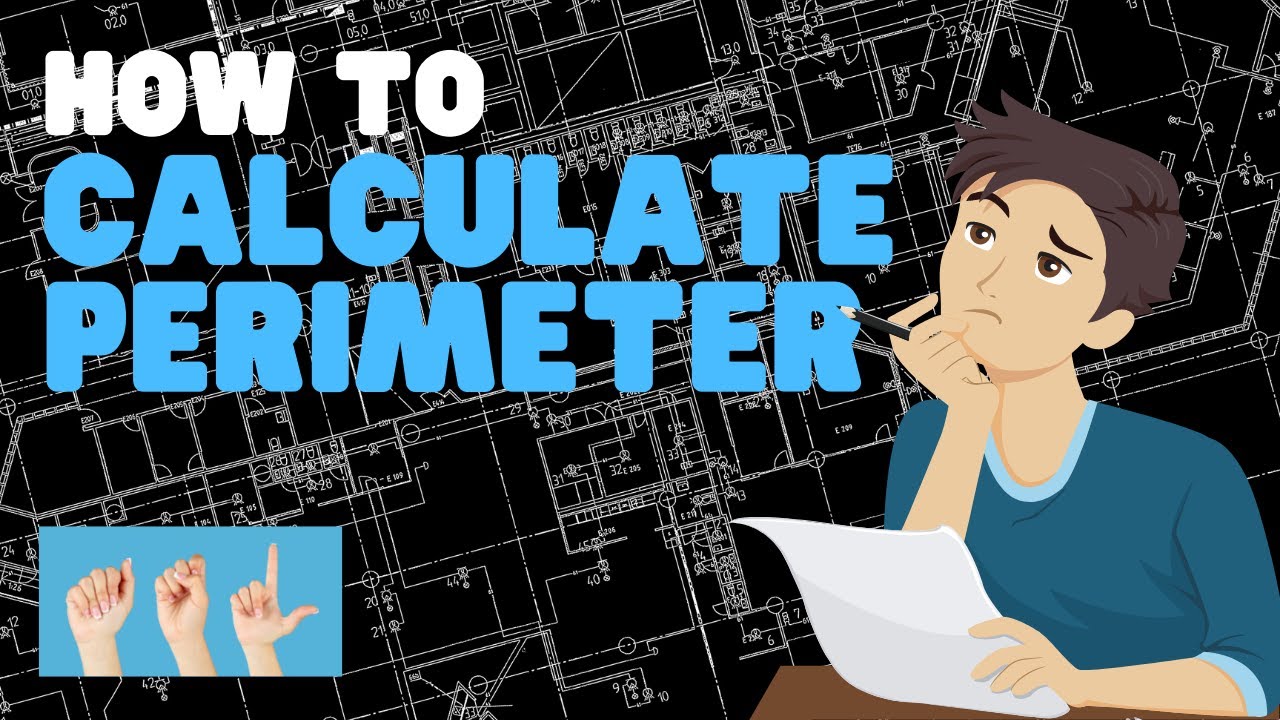
Are you wondering how to calculate perimeter? You've found the right video. Calculating perimeter can be quite easy! In this introduction video we learn how to find the perimeter of many different objects. We also discuss and learn the difference between perimeter and area! This video is designed to be a classroom resource for elementary students and when used in conjunction with our free lesson plan students will be able to find the perimeter of many objects and understand its real world uses.
Download our free comprehensive lesson plans here: https://learnbright.org/?s=perimeter
Thank you for watching and learning with us! We’re constantly releasing new content and videos so click that “Subscribe” button and you’ll notified.
Find and Follow Us Online:
Facebook: https://www.facebook.com/LearnBright/
Instagram: https://instagram.com/LearnBrightEducation
Pinterest: https://pinterest.com/LearnBrightEducation
YouTube: https://www.youtube.com/LearnBright
Website: https://learnbright.org/
*Teachers and Parents! Did you know? In addition to these great videos, we have also created a library of high quality and engaging lessons for your elementary aged student(s). Visit us, sign up for a free account, and instantly you'll have access to thousands of lesson plans, learning materials, teaching instructions, activities, and assignments that your kids will really enjoy! We hope to see you soon!
Browse our entire collection of Math lesson plans:
https://learnbright.org/lessons/?filter_subject=math
#ASL
#CalculatingPerimeter

Learn all about octopuses in this video for kids! Octopuses are mollusks that live in water. See what makes the octopus one of the most fascinating sea creatures in the world! Special thanks to Aiden for the video suggestion!
Music Credit:
"Soaring" Kevin MacLeod (incompetech.com)
Licensed under Creative Commons: By Attribution 3.0 License
http://creativecommons.org/licenses/by/3.0/
❤️ Homeschool Pop? Join our team and get tattoos here: http://homeschoolpop.com
Thanks for learning with us today! We hope to see you next video!
Homeschool Pop Team

This US States learning video for kids explores Massachusetts! Also known as the Bay State and the Pilgrim State, this state (officially called a commonwealth) is full of history and amazing creatures, like black-capped chickadee!
❤ Homeschool Pop? Join our team and get tattoos here: http://homeschoolpop.com
☃ You are SO cool! Say hello below, we would love to hear from you!
Thanks for watching this Homeschool Pop US States learning video on Massachusetts!
Thanks again and we hope to see you on the next US States video!
Massachusetts for Kids | US States Learning Video

Do you know where the "We Can Do It!" poster came from? In Who Was Rosie the Riveter? for Kids, you'll learn about the history of the poster and its significance during World War II. You may be wondering what exactly a riveter is. Well, it's someone who job is to fasten or secure things using rivets. You can find rivets on the hulls of ships or on airplanes where the metal skin attaches to the wings.
Before the war, mostly men worked factory jobs doing mechanical work, including the job of riveting. Once the US joined the war, most of the factory workers went to fight in the war. That meant there were lots of jobs that needed to be filled, especially since many of the things the military needed were the things factories produced. So who was left to fill those rolls? Women!
A campaign to recruit female workers began, and Rosie the Riveter was born! Redd Evans and John Jacob Loeb wrote the song entitled "Rosie the Riveter" in 1942, basing it off of a woman named Rosalind P. Walker. Rosalind was working at a factory that made fighter airplanes for the military. The famous poster was created in 1942 by J. Howard Miller to encourage people to work together to help the US win the war. It later became associated with the Rosie the Riveter campaign, which is why most people now associate the poster with Rosie the Riveter!
We hope you and your student(s) enjoyed learning about Rosie the Riveter! If you want to learn even more, head over to our website and download one of our many free lesson plans about famous women in history, full of activities, worksheets, and more!
https://learnbright.org/lesson....s/social-studies/ros
Thank you for watching and learning with us! We’re constantly releasing new content and videos, so click that “Subscribe” button and you’ll get notified.
What you will learn in Who Was Rosie the Riveter? for Kids:
0:00 Introduction to what a riveter is
0:53 Why so many women joined the workforce
1:46 Where the term Rosie the Riveter came from
2:55 We Can Do It! poster
3:23 Influence of Rosie the Riveter during and after the war
4:01 Review of the facts
Find and Follow Us Online:
Facebook: https://www.facebook.com/LearnBright/
Instagram: https://instagram.com/LearnBrightEducation
Pinterest: https://pinterest.com/LearnBrightEducation
YouTube: @LearnBright
Website: https://learnbright.org/
*Teachers and Parents! Did you know? In addition to these great videos, we have also created a library of high-quality and engaging lessons for your elementary aged student(s). Visit us, sign up for a free account, and instantly you'll have access to thousands of lesson plans, learning materials, teaching instructions, activities, and assignments that your kids will really enjoy! We hope to see you soon!
Browse our entire collection of Social Studies lesson plans: https://learnbright.org/lessons/?filter_subject=social-studies
#RosieTheRiveter
#WWIIHistory
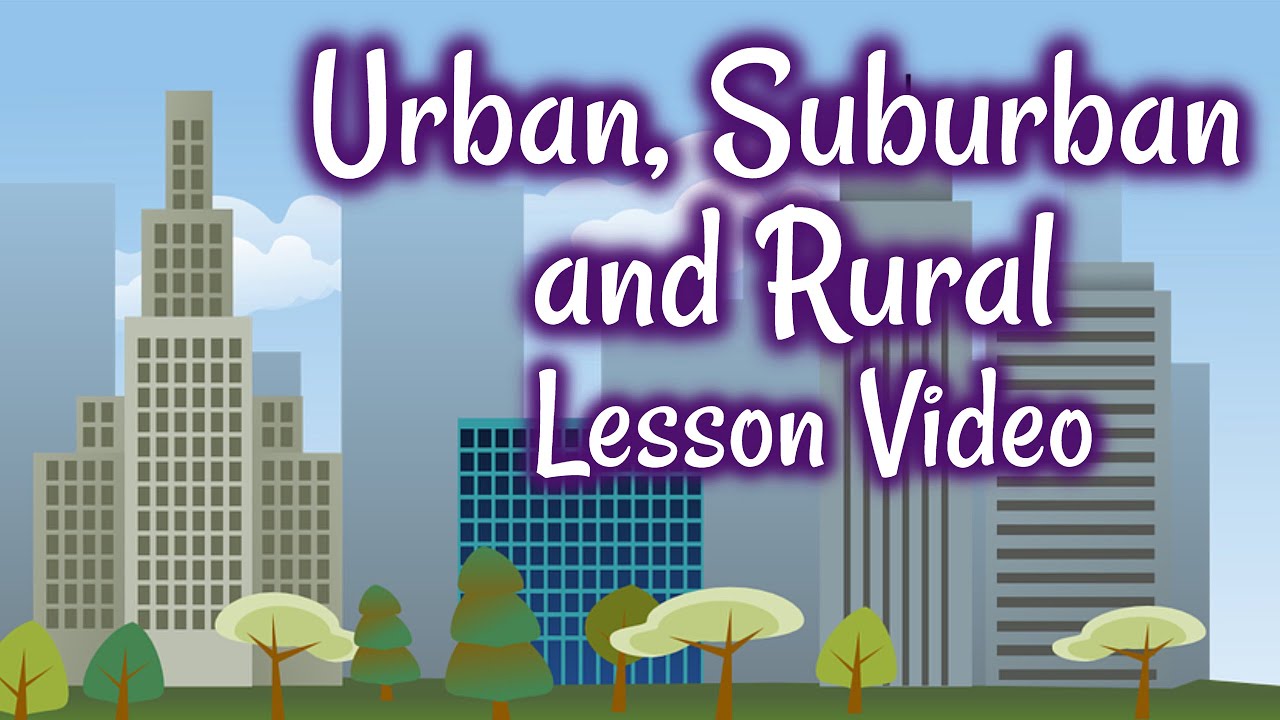
WOW! Learn about these three types of areas in this lesson video! Urban, suburban and rural communities are fun and easy to learn! Learn the differences between urban, suburban and rural communities and discover what type of community YOU live in!
00:00 Introduction
0:45 Urban
2:54 Suburban
4:53 Rural
7:07 Urban, rural or suburban game
❤️ Homeschool Pop? Join our team and get tattoos here: http://homeschoolpop.com
Thanks for learning with us today! We hope to see you next video!
Homeschool Pop Team

So what's with those small, plastic cards that adults use to buy stuff? In Financial Literacy—Debit and Credit, your students will discover the answer to that question. They will also realize that credit cards and debit cards are different, and each one can be helpful in different ways.
Credit cards and debit cards are both small, hard, plastic cards. But apart from that, they are quite difference. Credit cards, for instance, are not linked to a bank account, but debit cards are. That means you can use debit cards to pay for things with money you already have. Generally speaking, a debit card is directly linked to a checking account. Credit cards use money that is loaned. You can use it to buy something and pay for it later.
Credit card companies issue credit cards, and it's like a type of loan. You can pay back the loan according to the credit company's schedule. You usually have to make a minimum payment each month to reduce your debt. They can also charge interest if it takes you longer to pay the money back or if you don't pay the full amount back every month. However, if you pay your credit card bills in full every month, you won't be charged any interest.
We hope you and your student(s) enjoyed learning about these important skills! If you want even more information, head over to our website and download one of our many free lesson plans, full of activities, worksheets, and more!
https://learnbright.org/lesson....s/math/financial-lit
https://learnbright.org/lesson....s/math/introduction-
Thank you for watching and learning with us! We’re constantly releasing new content and videos, so click that “Subscribe” button and you’ll get notified.
What you will learn in Financial Literacy—Debit and Credit:
0:00 Introduction
1:11 Difference between debit and credit cards
2:11 How credit cards work
3:04 Example with Frankie Finance—credit card
4:13 Example—debit card
Find and Follow Us Online:
Facebook: https://www.facebook.com/LearnBright/
Instagram: https://instagram.com/LearnBrightEducation
Pinterest: https://pinterest.com/LearnBrightEducation
YouTube: @LearnBright
Website: https://learnbright.org/
*Teachers and Parents! Did you know? In addition to these great videos, we have also created a library of high-quality and engaging lessons for your elementary aged student(s). Visit us and sign up for a free account, and you'll instantly have access to thousands of lesson plans, learning materials, teaching instructions, activities, and assignments that your kids will really enjoy! We hope to see you soon!
Browse our entire collection of Math lesson plans:
https://learnbright.org/lessons/?filter_subject=math
#FinancialLiteracy
#FinancialLiteracyForKids
#Credit
#DebitCard

Have you ever wondered "What is Biofuel?" or "What is Biomass?" The need for energy is ever growing and biofuels and biomass are different materials that can be used for energy. Biomass and Biofuel are considered renewable energy because it mostly comes from plants that can be replanted and replaced when used for energy. In this video we will discuss all kinds of energy and the advantages and disadvantages to biomass or biofuel vs fossil fuels.
We also invite you to download our free biofuel and biomass lesson plan here: https://learnbright.org/lesson....s/science/biomass-an in this lesson and video students learn about specific examples of both biomass and biofuel and learn the advantages and disadvantages of using them through engaging content, worksheets, activities and more! Check it out!
Thank you for watching and learning with us! We’re constantly releasing new content and videos, so click that “Subscribe” button and you’ll get notified.
Find and Follow Us Online:
Facebook: https://www.facebook.com/LearnBright/
Instagram: https://instagram.com/LearnBrightEducation
Pinterest: https://pinterest.com/LearnBrightEducation
YouTube: https://www.youtube.com/LearnBright
Website: https://learnbright.org/
*Teachers and Parents! Did you know? In addition to these great videos, we have also created a library of high quality and engaging lessons for your elementary aged student(s). Visit us, sign up for a free account, and instantly you'll have access to thousands of lesson plans, learning materials, teaching instructions, activities, and assignments that your kids will really enjoy! We hope to see you soon!
Browse our entire collection of Science lesson plans: https://learnbright.org/lessons/?filter_subject=science
#ASL
#WhatIsBiofuel

https://www.patreon.com/homeschoolpop Learn all about scarecrows in this fun video for kids! You'll learn when scarecrows were first used, how they work and how they became a symbol of the fall and Halloween!
00:00 Introduction
0:13 What do scarecrows do?
0:33 The history of scarecrows
2:20 Scarecrows are a symbol of farms and the fall
2:35 Why are scarecrows a symbol of Halloween?
2:55 How scarecrows work
3:54 Are scarecrows still used today?
4:12 Newer ways to keep birds away
4:47 Final scarecrow review
❤️ Homeschool Pop? Join our team and get tattoos here: http://homeschoolpop.com
Don't forget to follow us on Instagram:
https://www.instagram.com/homeschoolpop/?hl=en
Music credits:
Still Pickin by Kevin MacLeod
Link: https://incompetech.filmmusic.io
License: http://creativecommons.org/licenses/by/4.0/
River Fire by Kevin MacLeod
Link: https://incompetech.filmmusic.io
License: http://creativecommons.org/licenses/by/4.0/
Digital Lemonade by Kevin MacLeod
Link: https://incompetech.filmmusic.io
License: http://creativecommons.org/licenses/by/4.0/
Thanks for watching!
I hope to see you next video!
Daniel
"Homeschool Pop"

Learn all about Gorillas in this video for kids! Gorillas are the biggest apes in the world. Discover what makes these incredible animals so unique!
Music Credit:
"Night Cave" Kevin MacLeod (incompetech.com)
Licensed under Creative Commons: By Attribution 3.0 License
http://creativecommons.org/licenses/by/3.0/
Picture of the silverback:
Gorilla, Congo. September 2008. Pierre Fidenci
❤️ Homeschool Pop? Join our team and get tattoos here: http://homeschoolpop.com
Thanks for learning with us today! We hope to see you next video!
Homeschool Pop Team

Martin Luther King, Jr. for Kids is a short documentary and overview about the great civil rights leader. Together we will learn about the monumental impact he had and still has throughout the world.
MLK – They are three letters representing the Civil Rights movement in America during the 1950s and 1960s. Of course, the letters belong to the name- Martin Luther King Jr. Nearly everyone has heard of this Civil Rights leader, but many people do not know the journey of his life.
They see him as the person honored on the 3rd Monday in January
each year, giving a day off from school or work. However, there is much more to be known about this great leader, including his early life, education, religious background, civil rights activities, and much more.
To download an accompanying FREE lesson plan about Martin Luther King Jr please visit us at:
https://learnbright.org/lesson....s/social-studies/mar
We hope you enjoy!
Thank you for watching and learning with us! We’re constantly releasing new content and videos so click that “Subscribe” button and you’ll notified.
Find and Follow Us Online:
Facebook: https://www.facebook.com/LearnBright/
Instagram: https://instagram.com/LearnBrightEducation
Pinterest: https://pinterest.com/LearnBrightEducation
YouTube: https://www.youtube.com/LearnBright
Website: https://learnbright.org/
*Teachers and Parents! Did you know? In addition to these great videos, we have also created a library of high quality and engaging lessons for your elementary aged student(s). Visit us, sign up for a free account, and instantly you'll have access to thousands of lesson plans, learning materials, teaching instructions, activities, and assignments that your kids will really enjoy! We hope to see you soon!
Browse our entire collection of Social Studies lesson plans: https://learnbright.org/lessons/?filter_subject=social-studies
#ASL
#MartinLutherKingJr
#MLK
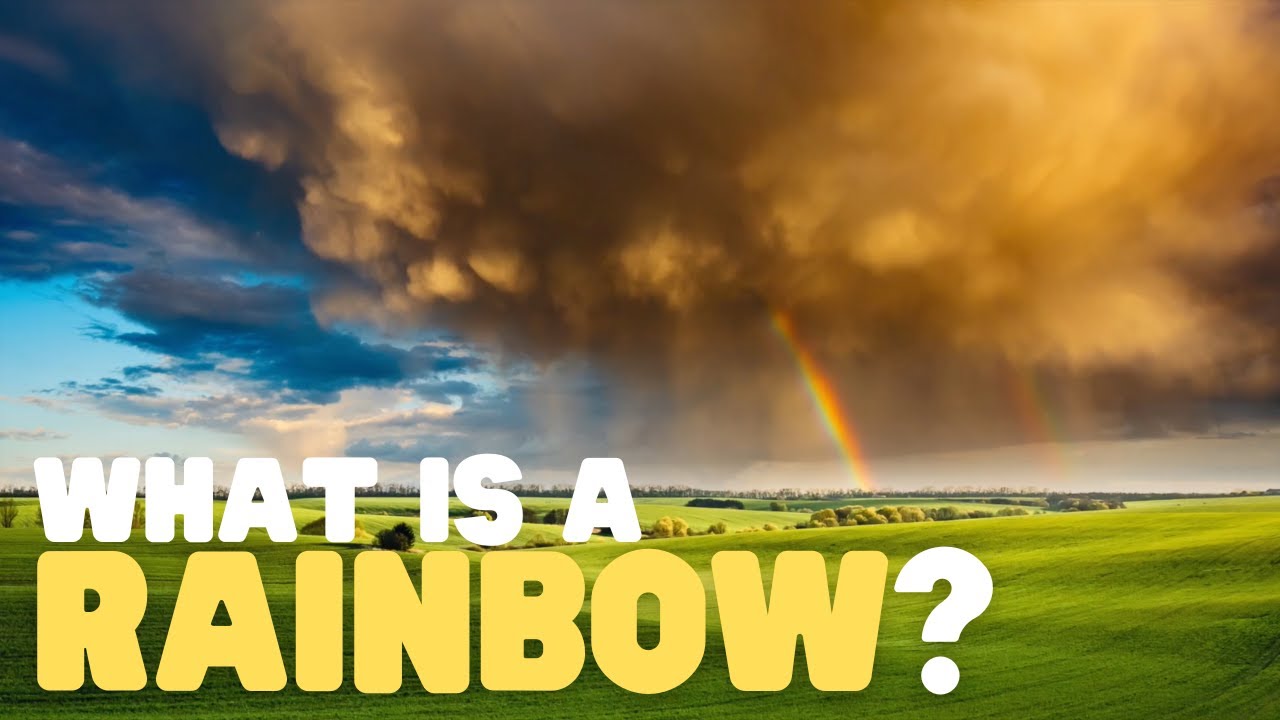
What does it take to make a rainbow? Are there two points at which the rainbow touches the earth's surface? In this video for kids, you will learn all about the science behind how a rainbow forms. It takes three simple ingredients: light, water, and you!
Light is important because rainbows are actually made of light. The white light we see from the sun actually contains seven colors: red, orange, yellow, green, blue, indigo, and violet. When light enters a raindrop, it bends or refracts, and all the colors band together on the other side. That's what makes the light appear in a ribbon of color.
Rainbows appear in an arc shape. When the sun is low in the sky, the arc looks tall. When the sun is higher up, the arc of the rainbow is lower. But believe it or not, rainbows don't have an arc shape. It's an optical illusion! If you are in an airplane and you see a rainbow, it will be in a circular shape. All rainbows are circular.
Some rainbows appear at night, and we call these moonbows. Moonbows appear as a faint circle around the moon. They are usually not easy to see, and sometimes they even look white instead of colorful. There are also double rainbows and upside-down rainbows. Upside-down are very rare, and they actually only occur when light bends through the thin screen of tiny ice crystals high in the sky.
We hope you and your student(s) enjoyed learning about this beautiful natural phenomenon! If you want to learn even more, head over to our website and download one of our many lesson plans about rainbows and light, full of activities, worksheets, and more!
https://learnbright.org/lessons/science/rainbows/
https://learnbright.org/lesson....s/science/rainbows-s
https://learnbright.org/lessons/science/light/
https://learnbright.org/lesson....s/science/properties
https://learnbright.org/lesson....s/science/reflection
Thank you for watching and learning with us! We’re constantly releasing new content and videos, so click that “Subscribe” button and you’ll get notified.
What you will learn in What Is a Rainbow?:
0:00 Introduction
0:41 Importance of light for rainbows
1:24 Refraction of light
2:23 White light and the visible light spectrum
3:41 How rainbows work
4:20 Shape of a rainbow
5:21 Double and upside rainbows
6:33 Experiment time
7:03 Review of the facts
Find and Follow Us Online:
Facebook: https://www.facebook.com/LearnBright/
Instagram: https://instagram.com/LearnBrightEducation
Pinterest: https://pinterest.com/LearnBrightEducation
YouTube: @LearnBright
Website: https://learnbright.org/
*Teachers and Parents! Did you know? In addition to these great videos, we have also created a library of high-quality and engaging lessons for your elementary aged student(s). Visit us, sign up for a free account, and instantly you'll have access to thousands of lesson plans, learning materials, teaching instructions, activities, and assignments that your kids will really enjoy! We hope to see you soon!
Browse our entire collection of Science lesson plans: https://learnbright.org/lessons/?filter_subject=science
#Rainbows
#RainbowsForKids
#Light