Top videos

#pemdas #viralvideo #viralmaths

#mathreview #mathisfun
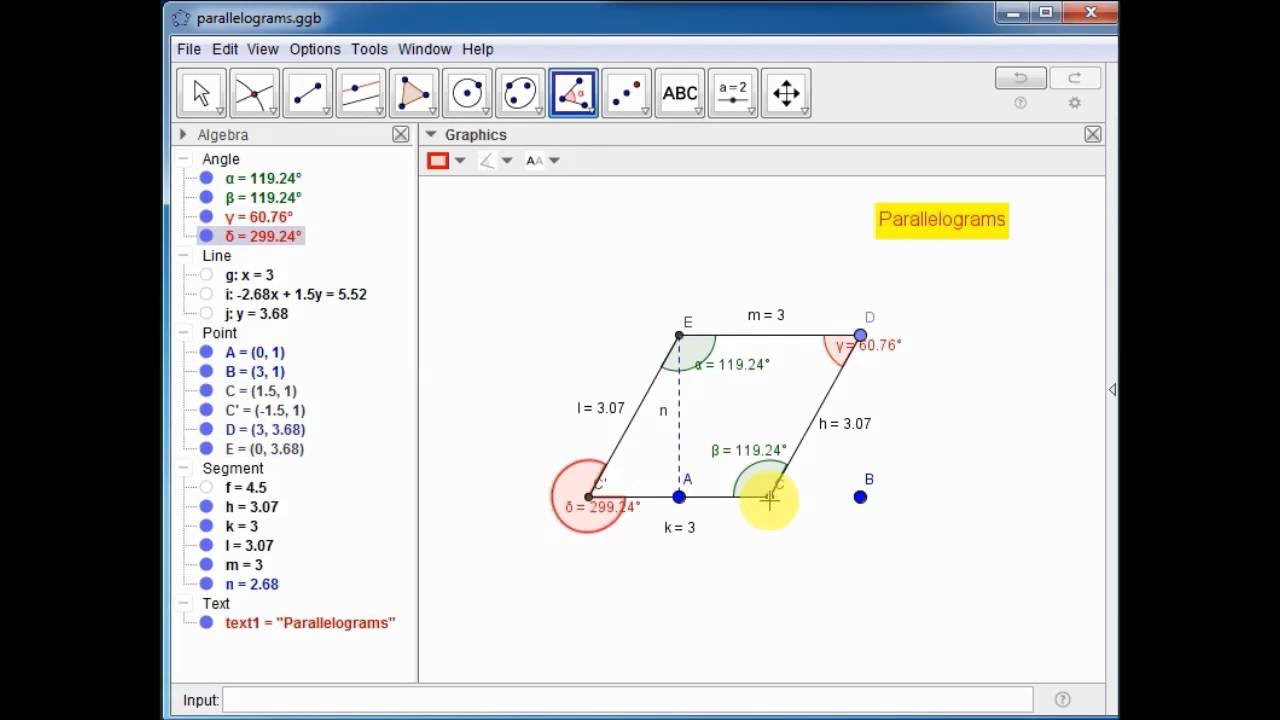
Tutorial geogebra
parallelograms in geogebra help you to learn it.
you can try the video

For more episodes and free, supporting teachers' notes: https://www.bbc.co.uk/teach/sc....hool-radio/primary-a
This video celebrates Midsummer's Day and the summer and winter solstices. It can also be used to celebrate the beauty of the natural world and explore the seasons.
This short film is from the series School Radio Assemblies.
It is designed to be a classroom resource suitable for assemblies and for teaching PSHE at KS1 and KS2 in England and Wales, KS1 and KS2 in Northern Ireland, and First and Second Level in Scotland.
For more content like this, visit the BBC Teach website. Whether you're at home or at school, you can use BBC Teach for free. Our website is home to thousands of free curriculum-mapped videos, arranged by age-group and subject: https://www.bbc.co.uk/teach
Subscribe to the BBC Teach YouTube channel: https://www.youtube.com/bbctea....ch?sub_confirmation=
Get in touch via Facebook: https://www.facebook.com/BBCTeach/
Find more resources on BBC Bitesize: https://www.bbc.co.uk/bitesize
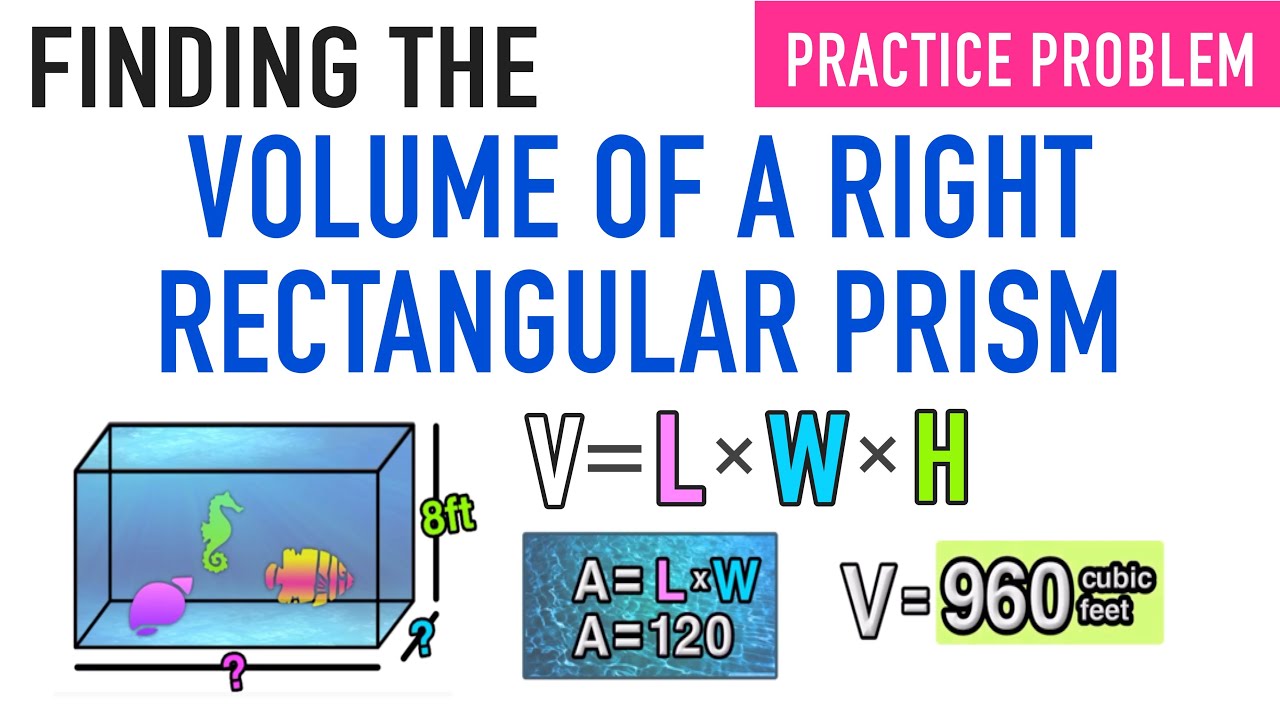
On this lesson, we will work through a finding the volume of a right rectangular prism example using the volume of a rectangular prism formula.
Join us on this flipped math lesson for CCLS 5.MD.C.5.B where we work through a problem that was inspired by a released common core exam item where we gain apply our understanding of volume and right rectangular prisms to a real world situation.
This lesson answers the question: What is a right rectangular prism? How do I find volume? What is the volume in cubic feet? What is the formula for finding volume of a fish tank? What is length, width, and height? How do I measure volume? How do I find volume if I know the area?
Our lessons are perfect for flipped classroom math teachers and students and for warm-up and exit ticket activities . This lesson is aligned with the 6th grade common core math learning standards for math and the SAT math curriculum as well.
Be sure to join our mailing list at http://www.mashupmath.com
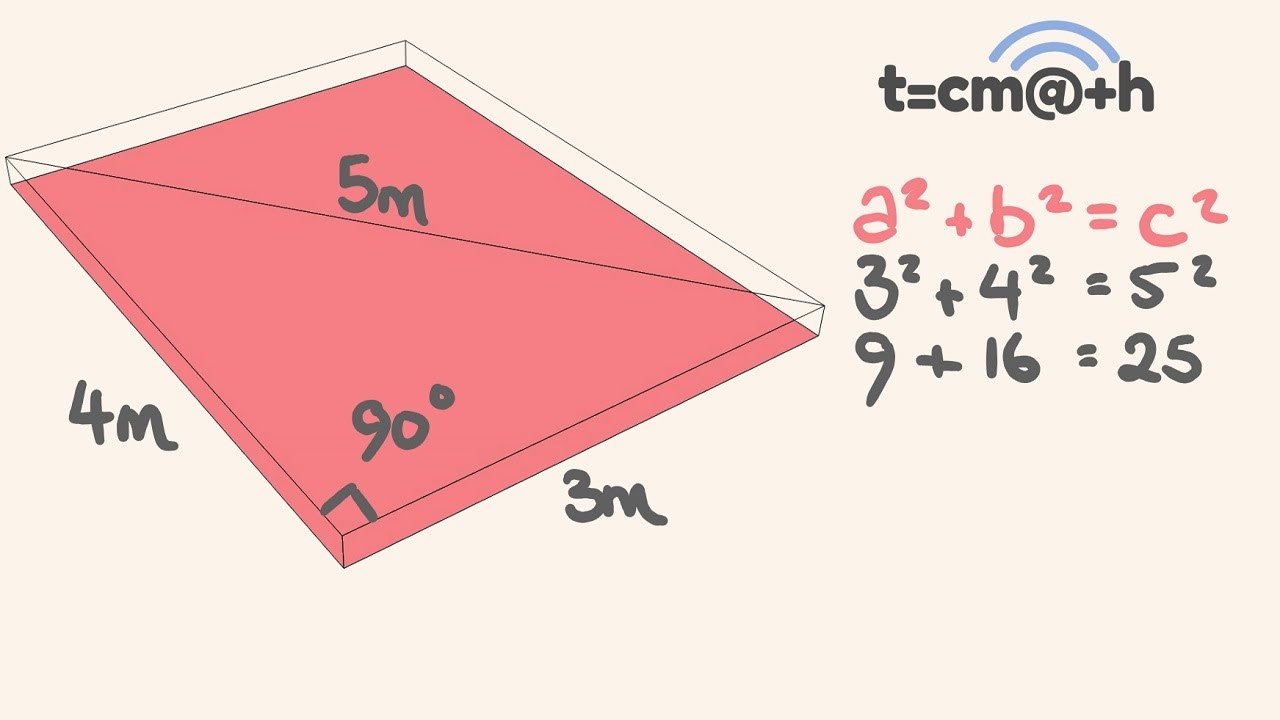
Okay, you've got me - this is Pythagorus' theorum....
Really easy though! Great for putting is a wall square and setting out.
In a right angled triangle the square of the two smaller sides added together is the same as the square of the diagonal.
To support free math by tecmath on Patreon (thankyou): https://www.patreon.com/tecmath
To donate to the tecmath channel:
https://paypal.me/tecmath?locale.x=en_AU To donate to the tecmath channel: https://paypal.me/tecmath?locale.x=en_AU
To support tecmath on Patreon: https://www.patreon.com/tecmath
To buy tecmath mechandise: https://teespring.com/stores/tecmath-store

The ratio tricks range from the easy and useful in everyday life, right through to the only in math class but it will save you a tonne of time variety.
Ratios are easy with these easy to understand tips and tricks!
To donate to the tecmath channel:https://paypal.me/tecmath
To support tecmath on Patreon: https://www.patreon.com/tecmath
To buy tecmath mechandise: https://teespring.com/stores/tecmath-store

The thing about European History is that it tends to leak out of Europe. Europeans haven't been great at staying put in Europe. As human beings do, the people of Europe were very busy traveling around to trade, to spread religion, and in a lot of cases to try and conquer other people. In the 15th and 16th centuries, Europeans developed a bunch of tools and techniques that would allow them to travel around the world, in numbers and force heretofore unseen on the planet. And a lot of the results weren't great for the people who already lived in the places Europeans were "visiting."
Sources
Fernandez-Armesto, Felipe. Pathfinders: A Global History of Exploration. New York: W. W. Norton, 2006.
Smith, Bonnie G. Modern Empires: A Reader. New York: Oxford University Press, 2016.
Crash Course is on Patreon! You can support us directly by signing up at http://www.patreon.com/crashcourse
Thanks to the following patrons for their generous monthly contributions that help keep Crash Course free for everyone forever:
Eric Prestemon, Sam Buck, Mark Brouwer, Jonathan Zbikowski, Siobhan Sabino, Zach Van Stanley, Bob Doye, Jennifer Killen, Naman Goel, Nathan Catchings, Brandon Westmoreland, dorsey, Indika Siriwardena, Kenneth F Penttinen, Trevin Beattie, Erika & Alexa Saur, Glenn Elliott, Justin Zingsheim, Jessica Wode, Tom Trval, Jason Saslow, Nathan Taylor, Brian Thomas Gossett, Khaled El Shalakany, SR Foxley, Sam Ferguson, Yasenia Cruz, Eric Koslow, Caleb Weeks, Tim Curwick, D.A. Noe, Shawn Arnold, Malcolm Callis, William McGraw, Andrei Krishkevich, Rachel Bright, Jirat, Ian Dundore
--
Want to find Crash Course elsewhere on the internet?
Facebook - http://www.facebook.com/YouTubeCrashCourse
Twitter - http://www.twitter.com/TheCrashCourse
Tumblr - http://thecrashcourse.tumblr.com
Support Crash Course on Patreon: http://patreon.com/crashcourse
CC Kids: http://www.youtube.com/crashcoursekids

The way light behaves can seem very counterintuitive, and many physicists would agree with that, but once you figure out light waves it all starts to make more sense! In this episode of Crash Course Physics, Shini shows us how we know that light exists as a wave and why that's really cool!
--
Produced in collaboration with PBS Digital Studios: http://youtube.com/pbsdigitalstudios
--
Want to find Crash Course elsewhere on the internet?
Facebook - http://www.facebook.com/YouTubeCrashC...
Twitter - http://www.twitter.com/TheCrashCourse
Tumblr - http://thecrashcourse.tumblr.com
Support CrashCourse on Patreon: http://www.patreon.com/crashcourse
CC Kids: http://www.youtube.com/crashcoursekids

Educational video for children in which children will learn the /m/ sound in English. Little ones will discover how to pronounce the sound of the letter M through a fun song and numerous examples alongside our favorite seal, Feli. Phonics is a very successful method used to teach reading through letter sounds. In this simple video for children who are beginning to read, we work on phonemic awareness and phonological awareness, two important skills for early readers and young children who are developing reading skills. It is an interactive video that asks viewers to participate by singing and repeating the sounds along with Feli.
This video is a very useful and interesting resource for children to learn the sounds of the English language. It is an excellent video for preschool, primary, and bilingual education.
Thanks for visiting us! If you want your children to smile and learn, subscribe! :D
If you like our videos, download Smile and Learn now. You’ll discover thousands of activities for children aged 3 to 12 years, all designed by educators. We have hundreds of games, interactive stories and videos in five languages: English, Spanish, Portuguese, Italian, Turkish and French. Try a month for free and start the adventure!
www.smileandlearn.com

#matematikbulmacası
#mathpuzzle
#mathpuzzleforbeginners

Lavet for 6. klasserne på Damhusengens Skole

#Itissentences
#readingtutorial
#onlinetutor
#onlinetutorforreading
#teacherAya
#basicsentencesforgrade1
#readingenglishgrade1
#readingenglishkinder
#readingenglishsentences
#practicereadingenglish
#englishfortoddlers
#englishforkids
#practicereadingenglishforbeginners
#readingsimplesentences
#sentencesstartingwithIhave
#grade1English
#KinderEnglish
#Grade2English
#practicereadingenglishsentences
#BasicEnglishsentences
#backtoschool
#backtoschoollesson


Discovery K12 online homeschool offers curriculum for pre-k to twelfth grade with over 100 courses, 16,000 assignments, quizzes and tests, and an optional Parent/Teacher Account that provides curriculum, assessment, and reporting tools.
Curriculum by grade: http://discoveryk12.com/dk12/curriculum
How it works: http://discoveryk12.com/dk12/how-it-works
Student account that include all curriculum are free.
Use it part time, full time, or as a supplement to any current K12 education.

💡 Improve your offer with mCurriculum: the world’s biggest and most comprehensive collection of interactive Math and Science lessons for K12 education. Over 1000 e-lessons, 11,200 interactive ePages, 23,600 top quality multimedia. Easily localized and adapted to any curriculum, culture or language, regardless of the alphabet. mCurriculum uses Big Data, works both online and offline, on every device. For free demos in various languages visit https://www.learnetic.com/mcurriculum and learn how you can become an exclusive distributor in your region.
🏢 Learnetic is an experienced, technology-based company operating in educational publishing business. Offering authoring tools, digitization services, LMS platforms and highly interactive educational content, we support all stages of e-publishing processes - from ideas to first "A"s of your students. Our worldwide partners include such notable publishers as Pearson, Klett, Cyberbook and Hachette Antoine.
🖥 https://www.learnetic.com/
✉️ sales@learnetic.com
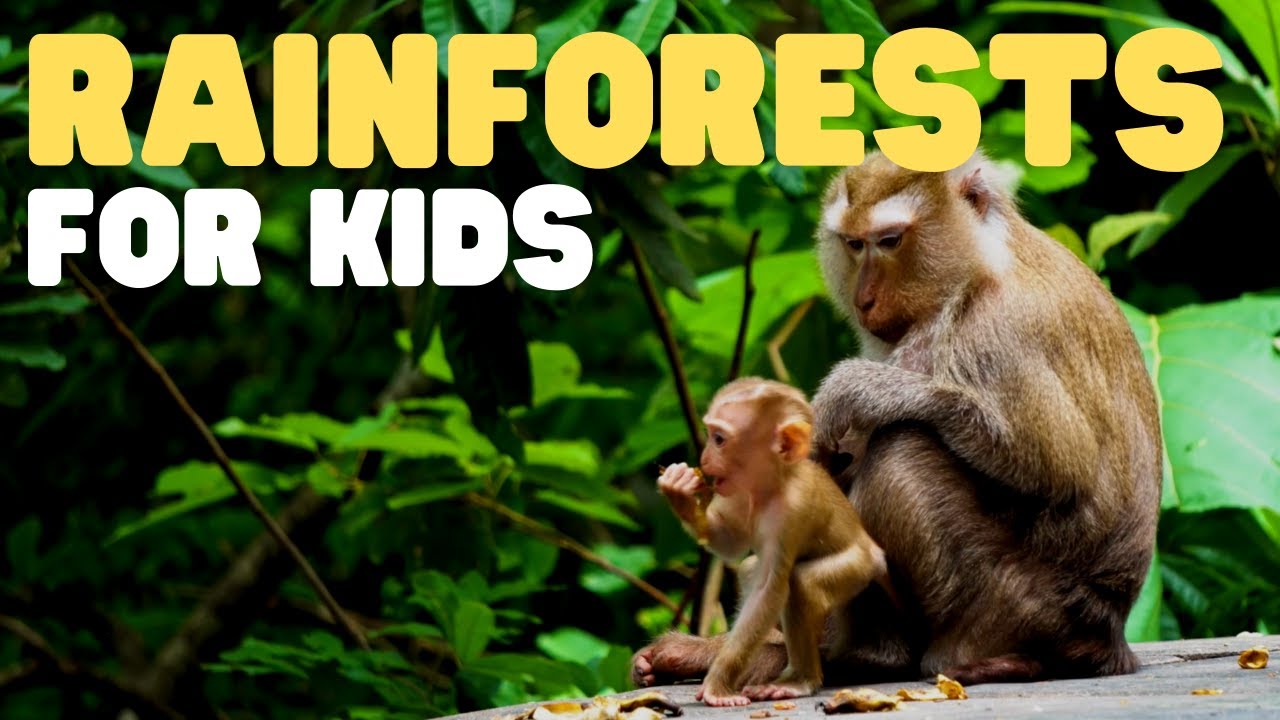
Rainforests for Kids explores the world of these dense, wet regions of the world. There are two kinds of rainforests—temperate and tropical. Despite covering less than 3% of the earth's surface, rainforests are home to more than half the world's animal species! They are essential to life on earth because they help maintain the fresh water supply and provide oxygen to the atmosphere. The world's climate depends on rainforests!
When you compare temperate and tropical rainforests, you will find a few differences. Tropical rainforests are closer to the equator and are thus a little warmer and have more rainfall. Temperate ones are found in cooler coastal areas. You can find a rainforest in every continent except for Antarctica. The largest rainforest in the world is the Amazon rainforest. Over 20% of the earth's oxygen is produced by the vegetation there!
There are four layers to a rainforest: emergent, canopy, understory, and forest floor. Different animals live in different layers. Small monkeys and snakes, for instance, live at the top. At the bottom, you would find leopards, elephants, and gorillas. The video describes some interesting facts about three cool animals in particular. Keep watching to learn more!
We hope you and your student(s) enjoyed learning about these amazing forests! If you want to learn even more, head over to our website and download one of our many free lesson plans about rainforests, full of activities, worksheets, and more!
https://learnbright.org/lesson....s/science/rainforest
What you will learn in Rainforests for Kids:
0:00 Introduction to rainforests
0:53 Two kinds of rainforests: temperate and tropical
1:41 The Amazon rainforest is world's largest rainforest
2:22 Emergent and canopy layers
3:09 Understory and forest floor layers
4:00 What lives in a rainforest?
5:31 Humans in the rainforest
6:09 Why rainforests are important
7:26 Review of the facts
Thank you for watching and learning with us! We’re constantly releasing new content and videos, so click that “Subscribe” button and you’ll get notified.
Find and Follow Us Online:
Facebook: https://www.facebook.com/LearnBright/
Instagram: https://instagram.com/LearnBrightEducation
Pinterest: https://pinterest.com/LearnBrightEducation
YouTube: @LearnBright
Website: https://learnbright.org/
*Teachers and Parents! Did you know? In addition to these great videos, we have also created a library of high-quality and engaging lessons for your elementary aged student(s). Visit us, sign up for a free account, and instantly you'll have access to thousands of lesson plans, learning materials, teaching instructions, activities, and assignments that your kids will really enjoy! We hope to see you soon!
Browse our entire collection of Science lesson plans: https://learnbright.org/lessons/?filter_subject=science
#RainforestForKids
#Rainforest

What does Newton's last law of motion state? In this Newton's Third Law of Motion video for kids, you will learn the answer to that question and much more. The third law states that for every action, there is an equal and opposite reaction. What does this actually mean?
Think of a rocket. The exhaust from an erupting rocket moves downward while the actual rocket moves upward. Another example is found when a cannonball shoots out of a cannon. The cannonball shoots forward as the cannon moves backward. Because the cannon is so much heavier than the cannonball, it doesn't look like it moves very far, but the reaction is still equal in the amount of force.
One last thing. Have you ever tried to move heavy furniture? You may have noticed that it starts out kind of hard to move. However, as you start to move the heavy object, it gets a little easier. The friction that happens is sliding friction, which is the same sensation you get when you rub your hands together really quickly! Notice how your hands get warm? That's why!
We hope you and your student(s) enjoyed learning about Newton's final law of motion! If you want to learn even more, head over to our website and download one of our many free lesson plans, full of activities, worksheets, and more!
https://learnbright.org/lesson....s/science/newtons-la
What you will learn in Newton's Third Law of Motion for Kids:
0:00 Introduction to Newton's third law of motion
0:47 How action and reaction work together in a rocket
1:54 Amount of force is always equal on both sides
2:40 Example of action and reaction
3:02 Static friction from horizontal force
Thank you for watching and learning with us! We’re constantly releasing new content and videos, so click that “Subscribe” button and you’ll get notified.
Find and Follow Us Online:
Facebook: https://www.facebook.com/LearnBright/
Instagram: https://instagram.com/LearnBrightEducation
Pinterest: https://pinterest.com/LearnBrightEducation
YouTube: @LearnBright
Website: https://learnbright.org/
*Teachers and Parents! Did you know? In addition to these great videos, we have also created a library of high-quality and engaging lessons for your elementary aged student(s). Visit us, sign up for a free account, and instantly you'll have access to thousands of lesson plans, learning materials, teaching instructions, activities, and assignments that your kids will really enjoy! We hope to see you soon!
Browse our entire collection of Science lesson plans: https://learnbright.org/lessons/?filter_subject=science
#ASL
#NewtonsThirdLawOfMotion
#NewtonsLawsOfMotion
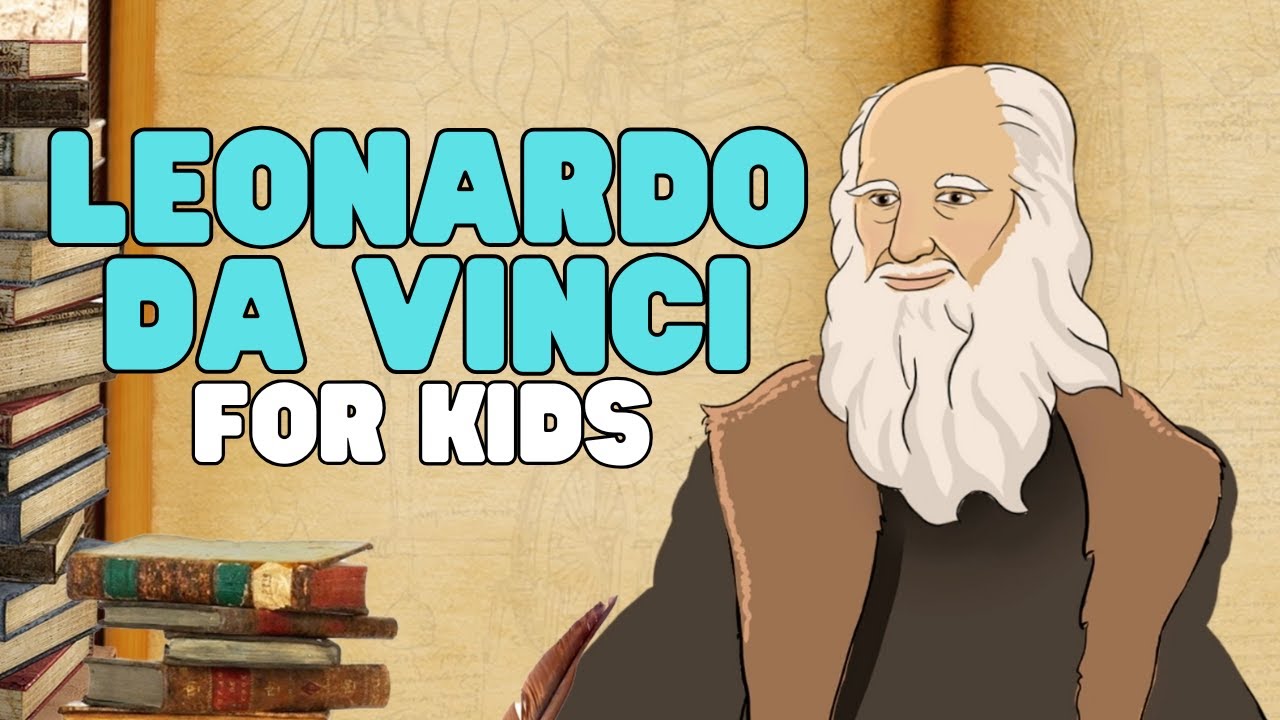
Have you ever heard of the painting we call the Mona Lisa? It's one of the most famous paintings in the whole world, and it was painted by one of the most famous artists ever: Leonardo da Vinci. In Leonardo da Vinci for Kids, you and your students will learn all about him and his life and accomplishments.
Leonardo da Vinci was born on April 15, 1452, in a city called Vinci, Italy, which is pretty close to Florence. He lived during the Renaissance period, the start of the Modern Age. A lot of famous artists, writers, and philosophers lived during this time as well. As a kid, Leonardo loved being out in nature and never went to school. Instead, he learned reading, writing, and mathematics at home. At age 15, he became an apprentice for a prominent artist, but he soon surpassed the skills of his mentor.
Some of the most famous artworks in da Vinci's lifetime include The Last Supper, the Mona Lisa, and Vitruvian Man. Interesting fact: The Duke of Milan asked Leonardo da Vinci to paint a mural on his dining room wall. And The Last Supper is what he painted! Da Vinci also did a lot of important things besides art. In fact, he had over 20,000 pages of notes filled with inventions and other ideas.
We hope you and your student(s) enjoyed learning about Galileo! If you want even more information, head over to our website and download one of our many free lesson plans, full of activities, worksheets, and more!
https://learnbright.org/lesson....s/social-studies/leo
What you will learn in Leonardo da Vinci for Kids:
0:00 Introduction to the painter
0:29 Childhood and early years of Leonardo da Vinci
1:28 Education and apprenticeship in Florence
2:11 Working for the Duke of Milan
3:08 Vitruvian Man, The Last Supper, and the Mona Lisa
4:11 Other important works and accomplishments
4:49 Review of the facts
Thank you for watching and learning with us! We’re constantly releasing new content and videos, so click that “Subscribe” button and you’ll get notified.
Find and Follow Us Online:
Facebook: https://www.facebook.com/LearnBright/
Instagram: https://instagram.com/LearnBrightEducation
Pinterest: https://pinterest.com/LearnBrightEducation
YouTube: @LearnBright
Website: https://learnbright.org/
*Teachers and Parents! Did you know? In addition to these great videos, we have also created a library of high-quality and engaging lessons for your elementary aged student(s). Visit us and sign up for a free account, and you'll instantly have access to thousands of lesson plans, learning materials, teaching instructions, activities, and assignments that your kids will really enjoy! We hope to see you soon!
Browse our entire collection of Social Studies lesson plans: https://learnbright.org/lessons/?filter_subject=social-studies
#LeonardoDaVinci
#MonaLisa
#TheLastSupper
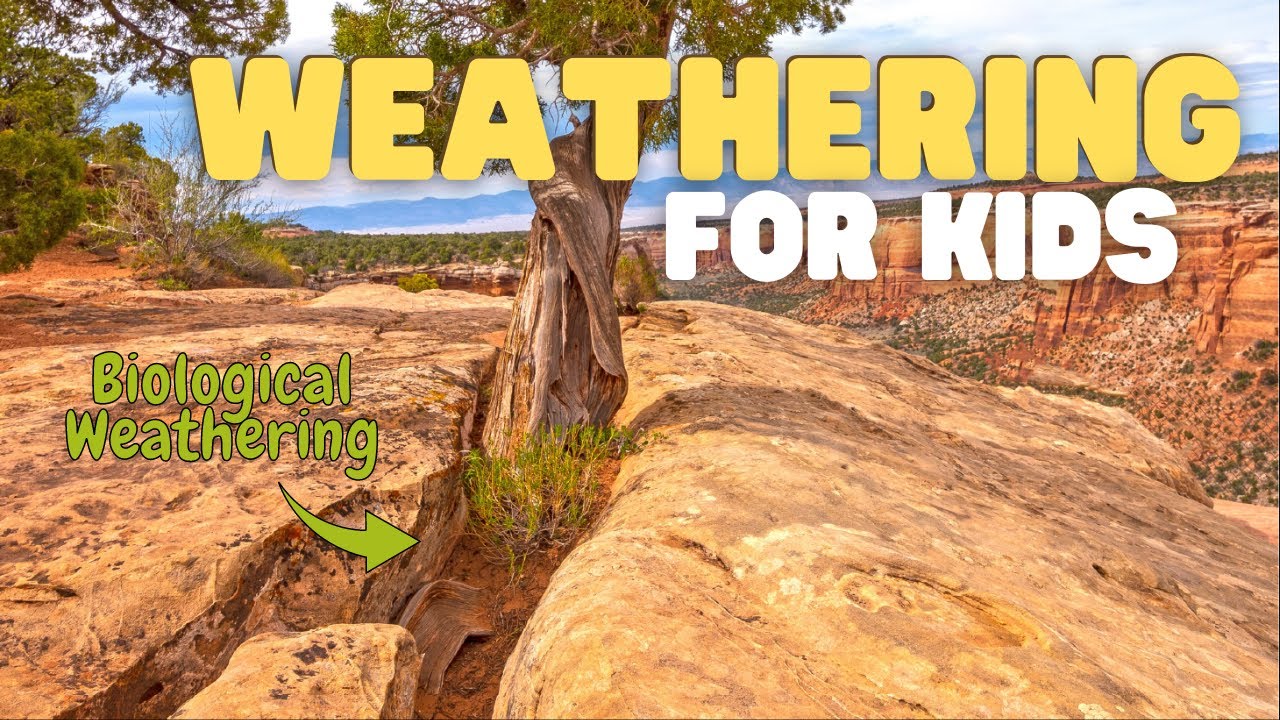
Have you ever wondered how cracks form on the sidewalk? Or have you ever thought about what caused the Grand Canyon to be so big and wide? In this video, you and your kids will learn about weathering, the three types of weathering, and how they affect the earth.
Chemical weathering involves chemical reactions within the minerals inside rocks. Water, acids, and some gases contribute to chemical weathering. Mechanical weathering, or physical weathering, is caused by frost or ice, moving water, or the heat of the sun. The most common type of weathering involves water freezing in cracks in rocks. Speaking of the Grand Canyon, scientists believe it was caused by the Colorado River wearing down the rocks over the course of a long period of time. Biological weathering happens when plants and animals, as well as other living things, cause rocks to be broken into smaller pieces. Tree roots or burrowing animals like rabbits are great examples of why rocks might break as these biological influences affect them over time.
The end of this video contains a short review to test your knowledge. See if you can answer all the questions correctly!
We hope you and your student(s) enjoyed learning about how the earth changes in these different ways! If you want to learn even more, head over to our website and download one of our many free lesson plans about weathering, full of activities, worksheets, and more!
https://learnbright.org/lesson....s/science/weathering
https://learnbright.org/lesson....s/science/the-rock-c
What you will learn in Weathering for Kids:
0:00 Introduction to weathering and the three types
0:24 What is weathering?
1:16 Chemical weathering
2:06 Mechanical weathering (physical weathering)
3:50 Biological weathering
4:58 Review of the facts
Thank you for watching and learning with us! We’re constantly releasing new content and videos, so click that “Subscribe” button and you’ll get notified.
Find and Follow Us Online:
Facebook: https://www.facebook.com/LearnBright/
Instagram: https://instagram.com/LearnBrightEducation
Pinterest: https://pinterest.com/LearnBrightEducation
YouTube: @LearnBright
Website: https://learnbright.org/
*Teachers and Parents! Did you know? In addition to these great videos, we have also created a library of high-quality and engaging lessons for your elementary aged student(s). Visit us, sign up for a free account, and instantly you'll have access to thousands of lesson plans, learning materials, teaching instructions, activities, and assignments that your kids will really enjoy! We hope to see you soon!
Browse our entire collection of Science lesson plans: https://learnbright.org/lessons/?filter_subject=science
#WeatheringForKids
#WhatIsWeathering?

Sometimes it's hard to distinguish whether something is a necessity or we just want that thing. Financial Literacy for Kids provides the basics about needs versus wants, budgeting, credit versus debit, and more. The points are easy to follow and understand. By the end, students will receive a good foundation of these points of financial literacy.
A need is something that is necessary to survival. Food, water, and shelter are needs because we need those things to survive. Wants include much more, from toys and books to phones and cars. While it can be difficult to tell the difference sometimes, these definitions will help you find the answer.
The video also reviews the concepts of saving versus borrowing. Saving money is something we do so that we can eventually buy something we want, like a new bike. This can take time. If you want something more immediately, you can borrow money. Borrowing money, however, means that you have to pay back the money you borrowed over time. And sometimes you have to pay interest.
Budgeting is a very helpful tool to help control or manage our finances. A budget designates a certain amount of money to go toward certain things. For instance, perhaps you budget $50 for food for a week. If you spend more money on food than you budgeted for that week, you may have to save money somewhere else to ensure you don't spend more money than you have and go into debt.
We hope you and your student(s) enjoyed learning about these important skills! If you want even more information, head over to our website and download one of our many free lesson plans, full of activities, worksheets, and more!
https://learnbright.org/lesson....s/math/introduction-
What you will learn in Financial Literacy for Kids:
0:00 Introduction
0:37 Needs versus wants
1:13 Making a budget
1:52 Saving versus borrowing
2:56 Savings and checking accounts
3:39 Credit versus debit
4:40 Review of the facts
Thank you for watching and learning with us! We’re constantly releasing new content and videos, so click that “Subscribe” button and you’ll get notified.
Find and Follow Us Online:
Facebook: https://www.facebook.com/LearnBright/
Instagram: https://instagram.com/LearnBrightEducation
Pinterest: https://pinterest.com/LearnBrightEducation
YouTube: @LearnBright
Website: https://learnbright.org/
*Teachers and Parents! Did you know? In addition to these great videos, we have also created a library of high-quality and engaging lessons for your elementary aged student(s). Visit us and sign up for a free account, and you'll instantly have access to thousands of lesson plans, learning materials, teaching instructions, activities, and assignments that your kids will really enjoy! We hope to see you soon!
Browse our entire collection of Math lesson plans:
https://learnbright.org/lessons/?filter_subject=math
#FinancialLiteracy
#FinancialLiteracyForKids

In this video we learn all about comets for kids. Students will learn where comets come from, how comets are formed, what comets are made of and many other fun and interesting facts about comets.
We learn that a comet in the outer parts of the Solar System is too small to be seen from Earth. You can think of a comet as a large snowball filled with or covered by dust, metal, and debris. They have an icy core, covered by a layer of black dust. The center is mainly composed of water and gases, frozen and mixed together with bits of rock and metal. The nickname for a comet can be a “dirty snowball”.
When a comet gets closer to the Sun, the ice melts and changes into a gas. Dust particles spread out around the nucleus in a cloud called a coma, and the Sun causes them to glow. The coma of an average comet is sixty thousand miles across, but it is also very thin. Radiation and the solar wind drive the gases of the coma away causing it to form a straight tail. The tail may grow to ninety-million miles in length.
Do you want to learn more about Comets? Download our free comprehensive lesson plan packed with more content, activities, worksheets and more (Build for grades 4th-6th): https://learnbright.org/lesson....s/science/asteroids-
What is in the video?
0:00 Introduction to Comets
1:37 What is a Comet?
2:16 Comet Tails (Dust Tail and Ion Tails)
2:48 How are Comets Formed?
3:17 Where do Comets Come From?
3:45 Famous Comets (Halley's and Hale Bopp)
Thank you for watching and learning with us! We’re constantly releasing new content and videos, so click that “Subscribe” button and you’ll get notified.
Find and Follow Us Online:
Facebook: https://www.facebook.com/LearnBright/
Instagram: https://instagram.com/LearnBrightEducation
Pinterest: https://pinterest.com/LearnBrightEducation
YouTube: https://www.youtube.com/LearnBright
Website: https://learnbright.org/
*Teachers and Parents! Did you know? In addition to these great videos, we have also created a library of high quality and engaging lessons for your elementary aged student(s). Visit us, sign up for a free account, and instantly you'll have access to thousands of lesson plans, learning materials, teaching instructions, activities, and assignments that your kids will really enjoy! We hope to see you soon!
Browse our entire collection of Science lesson plans: https://learnbright.org/lessons/?filter_subject=science
#Comets
#CometsForKids
#WhatIsAComet

NOTE: We would like to correct two errors in this video. T-Rexes were not ornithischians; they were saurischians. Additionally, the correct pronunciation of giganotosaurus is jai-ga-nuh-tuh-saw-ruhs. We apologize for the inconvenience.
When you think about dinosaurs, is the tyrannosaurs rex the first to come to mind? Maybe not, but we're sure you have at least heard of it! In this video for kids, you will learn fun facts about this king of the tyrant lizards.
The tyrannosaurs rex, or T-Rex, was an apex predator. That means that it was at the very top of the food chain; it was prey to no other animal. From snout to tail, it was up to 40 feet long, and it weighed 7 to 8 tons. That's as long and as heavy as a modern school bus! Despite the large size, these creatures could run as fast as 25 miles per hour!
The T-Rex had a strong sense of smell that helped them find prey as well as potential mates. In fact, their sense of smell is really similar to that of a house cat! And technically, the T-Rex is a distant cousin of the chicken as well. Some scientists even think the T-Rex might have had feathers.
Now, what about the arms? Well, watch the video to find out about these small but strong appendages.
We hope you and your student(s) enjoyed learning about these four different landforms! If you want to learn even more, head over to our website and download one of our many free lesson plans about dinosaurs, full of activities, worksheets, and more!
https://learnbright.org/lessons/science/dinosaurs/
https://learnbright.org/lessons/science/fossils/
What you will learn in T-Rex Facts for Kids:
0:00 Introduction to the T-Rex
0:40 Physicality of the T-Rex
1:53 What it ate and how it found its prey
2:24 Arms of the T-Rex
3:23 How the T-Rex relates to chickens
4:00 Review of the facts
Check out some of our other dinosaur-related videos here:
Dinosaurs: https://youtu.be/dktnOPfE7Dc
Dinosaur Facts: https://youtu.be/Q5z5C1MFmT8
Extinction: https://youtu.be/ogLFEq1X0RM
Fossils: https://youtu.be/tyOjxjFHW-c
Thank you for watching and learning with us! We’re constantly releasing new content and videos, so click that “Subscribe” button and you’ll get notified.
Find and Follow Us Online:
Facebook: https://www.facebook.com/LearnBright/
Instagram: https://instagram.com/LearnBrightEducation
Pinterest: https://pinterest.com/LearnBrightEducation
YouTube: @LearnBright
Website: https://learnbright.org/
*Teachers and Parents! Did you know? In addition to these great videos, we have also created a library of high-quality and engaging lessons for your elementary aged student(s). Visit us, sign up for a free account, and instantly you'll have access to thousands of lesson plans, learning materials, teaching instructions, activities, and assignments that your kids will really enjoy! We hope to see you soon!
Browse our entire collection of Science lesson plans: https://learnbright.org/lessons/?filter_subject=science
#TRex
#tyrannosaurusrex
#TRexFactsForKids

Free vs Pro Gemini for Education 🤔
What do you really get, and is it worth the upgrade?
Spoiler: even the free version goes hard. 🧠💥
Are you Team Free or Team Pro? Let’s hear it 👇
#EdTech #EduCoach #ETCoaches #BlendedLearning #EduTech #21stCenturySkills

🚀 Free AI Course for Beginners – Class 6
Welcome to Class 6 of our FREE Artificial Intelligence Course, where we learn about Google Gemini and one of its most exciting models — Nano Banana, explained in the simplest and most beginner-friendly way.
👉🏻AI Course Playlist: https://youtube.com/playlist?list=PLTukPelH6ee59Kt9WLEcR5Yea9uFZTuiO&si=8wlF0FMweB3j7YSt
👨🎓 Who Should Watch This Class?
Absolute beginners in AI
Students & college learners
Content creators
Freelancers & professionals
Anyone curious about Google AI tools
👉 No coding required
👉 No prior AI knowledge needed
📅 Free AI Course Progress
📍 Class 1: What is AI?
📍 Class 2: Large Language Models (LLMs)
📍 Class 3: Machine Learning & Algorithms
📍 Class 4: How to Write Better Prompts
📍 Class 5: How to Use ChatGPT
📍 Class 6: Google Gemini & Nano Banana (This Video)
👍 Like the video if Gemini feels easy now
📌 Subscribe for daily AI classes
📤 Share this with friends starting AI
🔍 SEO Keywords (Beginner & High-Search)
google gemini explained
nano banana model
google gemini for beginners
what is nano banana ai
google ai tools
gemini ai tutorial
free ai course
ai for beginners
Music : Epidemic Sound : https://share.epidemicsound.com/3qnmDP
SFX: Multiple Sources
🙏Huge thanks to all the Creative Artists for the inspiration and also for the Stocks 😊
✅Follow me on Instagram
https://www.instagram.com/rajp....hotoeditingmuchmore/