Video teratas
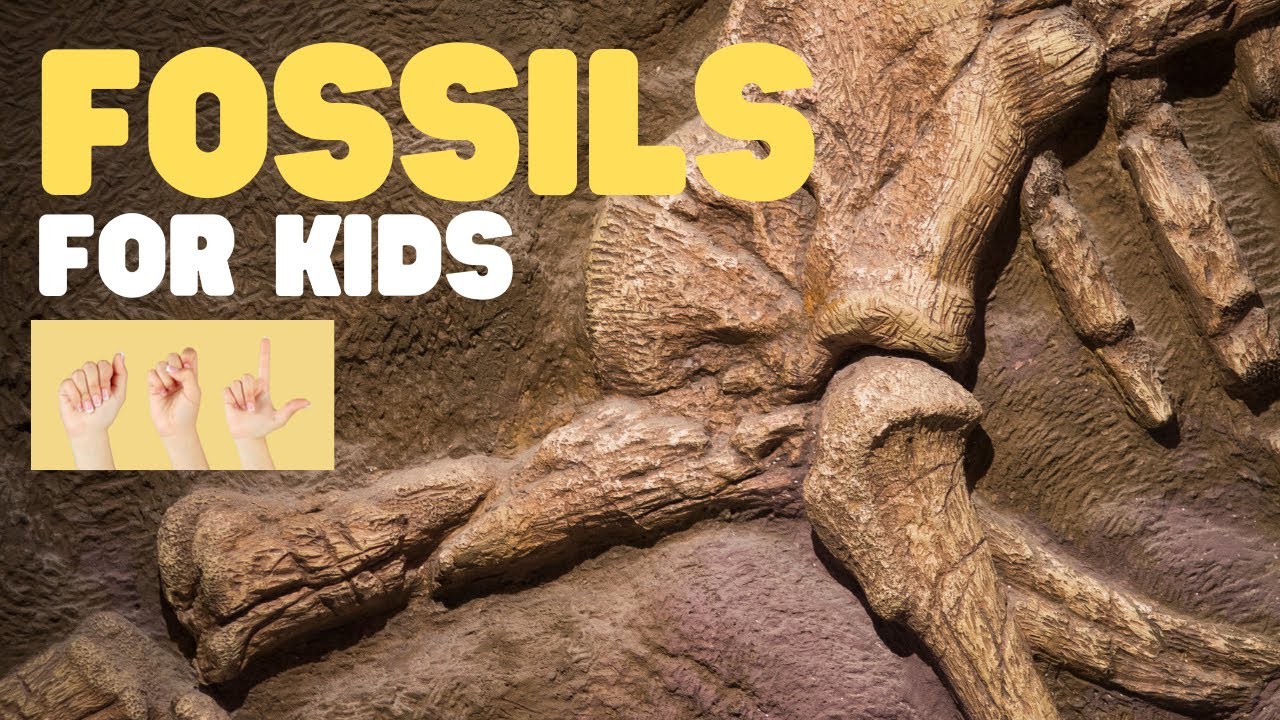
In our fossils for kids video we explore all sorts of interesting facts about fossils. In this video you will learn about how fossils are formed including extinct animals and trace fossils, you will also learn about how to find fossils and identify the different kinds. We answer questions like: "What is a fossil?", "How are Fossils Formed?", "What Kind of Fossils are there?" and much more! We hope you enjoy.
Looking for more Fossil resources? Download our free comprehensive lesson plan here: https://learnbright.org/lessons/science/fossils/
Thank you for watching and learning with us! We’re constantly releasing new content and videos, so click that “Subscribe” button and you’ll get notified.
Find and Follow Us Online:
Facebook: https://www.facebook.com/LearnBright/
Instagram: https://instagram.com/LearnBrightEducation
Pinterest: https://pinterest.com/LearnBrightEducation
YouTube: https://www.youtube.com/LearnBright
Website: https://learnbright.org/
*Teachers and Parents! Did you know? In addition to these great videos, we have also created a library of high quality and engaging lessons for your elementary aged student(s). Visit us, sign up for a free account, and instantly you'll have access to thousands of lesson plans, learning materials, teaching instructions, activities, and assignments that your kids will really enjoy! We hope to see you soon!
Browse our entire collection of Science lesson plans: https://learnbright.org/lessons/?filter_subject=science
#ASL
#Fossils

Come and learn all about Alexander Graham Bell for Kids in this this fun historical video. Throughout this video we highlight some important aspects of Alexander Graham Bell's life including his childhood, early adulthood, his passion for helping the deaf, and many of his other famous inventions. There may be some skepticism around who invented the phone but it is widely attributed to Bell and we learn how it all came to be!
Do you know what the first words ever spoken in a telephone were? Well...you'll find out in the video! Alexander Graham Bell went on to invent many more things including the metal detector, audiometer and many other things we still use today! He also founded Bell Telephone company or what we now call AT&T!
He truly was a fascinating person and an amazing inventor. The world is a more advanced place to live in because of the contributions of Alexander Graham Bell. So what is your favorite invention of Bell's?
If you'd like to learn even more, we invite you to download our complete lesson plan all about Alexander Graham Bell's life and inventions. The 11 page PDF lesson plan is full of worksheets, content, teacher instructions and activities. You can download here: https://learnbright.org/lesson....s/social-studies/ale
Thank you for watching and learning with us! We’re constantly releasing new content and videos so click that “Subscribe” button and you’ll notified.
Find and Follow Us Online:
Facebook: https://www.facebook.com/LearnBright/
Instagram: https://instagram.com/LearnBrightEducation
Pinterest: https://pinterest.com/LearnBrightEducation
YouTube: https://www.youtube.com/LearnBright
Website: https://learnbright.org/
*Teachers and Parents! Did you know? In addition to these great videos, we have also created a library of high quality and engaging lessons for your elementary aged student(s). Visit us, sign up for a free account, and instantly you'll have access to thousands of lesson plans, learning materials, teaching instructions, activities, and assignments that your kids will really enjoy! We hope to see you soon!
Browse our entire collection of Social Studies lesson plans: https://learnbright.org/lessons/?filter_subject=social-studies
#AlexanderGrahamBell

Thank you, Martin Luther King, Jr.!
Fore more resources check out: https://youtu.be/SZ5BgcFWTbo
Full Lesson Plan: https://learnbright.org/lesson....s/social-studies/mar
Thank you for watching and learning with us! We’re constantly releasing new content and videos, so click that “Subscribe” button and you’ll get notified.
Find and Follow Us Online:
Facebook: https://www.facebook.com/LearnBright/
Instagram: https://instagram.com/LearnBrightEducation
Pinterest: https://pinterest.com/LearnBrightEducation
YouTube: @LearnBright
Website: https://learnbright.org/
*Teachers and Parents! Did you know? In addition to these great videos, we have also created a library of high-quality and engaging lessons for your elementary aged student(s). Visit us and sign up for a free account, and you'll instantly have access to thousands of lesson plans, learning materials, teaching instructions, activities, and assignments that your kids will really enjoy! We hope to see you soon!
Browse our entire collection of Social Studies lesson plans: https://learnbright.org/lessons/?filter_subject=social-studies
#MartinLutherKingJr
#MLKDay
#MLK

Who is George Washington Carver? He wasn't the first President of the United States, even though his name is very similar! In this video, you and your kids will learn about this incredible scientist. You will discover many interesting facts about the history and life of this special man. For instance, George Washington Carver's exact birth date remains a mystery! Because he was born into slavery, his birth records were not kept. And he, one of his sister's, and his mom were kidnapped by Confederate raiders when he was a baby! He was eventually found, however, and returned to the Carver farm where he was born.
Unlike other boys his age, George didn't work in the fields. He was taught how to tend to the kitchen garden. And what a stroke of luck for the world! George learned all about plants and how to improve their health. He was very intelligent and graduated high school at a young age. His passion for plants led him to study botany in college. After graduating, he was asked to teach agriculture at a Tuskegee College.
Throughout his life, he discovered many wonderful things about plants that would end up helping farmers grow larger and healthier crops. These discoveries spread throughout the world. One of the most famous is his realization that growing and harvesting peanuts every other year or so with cotton kept a specific pest away from the crops and yielded healthier soil. Even though many farmers resisted initially, George came up with several inventive uses for peanuts that would make growing peanut crops worthwhile.
George Washington Carver's life work earned him several special nicknames: The Plant Doctor, The Peanut Man, The Farmer's Friend. We celebrate him and his life on January 5, George Washington Carver Recognition Day.
We hope you and your student(s) enjoyed learning about George Washington Carver! If you want even more information, head over to our website and download one of our many free lesson plans, full of activities, worksheets, and more!
https://learnbright.org/lesson....s/social-studies/geo
What you will learn in this video:
0:00 Introduction and history of George Washington Carver
1:20 George as The Plant Doctor
2:18 Education of George Washington Carver
3:04 Study of botany and teaching agriculture
4:10 George as The Peanut Man
5:15 George as The Farmer's Friend
5:38 Death and life legacy
6:11 Review of the facts
Thank you for watching and learning with us! We’re constantly releasing new content and videos, so click that “Subscribe” button and you’ll get notified.
Find and Follow Us Online:
Facebook: https://www.facebook.com/LearnBright/
Instagram: https://instagram.com/LearnBrightEducation
Pinterest: https://pinterest.com/LearnBrightEducation
YouTube: @LearnBright
Website: https://learnbright.org/
*Teachers and Parents! Did you know? In addition to these great videos, we have also created a library of high quality and engaging lessons for your elementary aged student(s). Visit us and sign up for a free account, and you'll instantly have access to thousands of lesson plans, learning materials, teaching instructions, activities, and assignments that your kids will really enjoy! We hope to see you soon!
Browse our entire collection of Social Studies lesson plans: https://learnbright.org/lessons/?filter_subject=social-studies
#GeorgeWashingtonCarver
#WhoIsGeorgeWashingtonCarver


Gemini Converts PDF into Full PPT from One Prompt 😳 | New Update for Teachers!
नमस्ते Teachers 👋
अगर आप भी PDF से PPT Slides बनाने में Time Waste करते हैं — तो अब ये Problem खत्म!
इस Video में मैं दिखाने वाला हूँ कि Google Gemini के New Update 2025 से अब आप सिर्फ एक Prompt देकर किसी भी PDF को Full Presentation (PPT) में बदल सकते हैं — वो भी कुछ ही Minutes में 😱
🎓 Perfect for:
✅ Teachers preparing Class Notes
✅ Online Educators creating Slides
✅ Students making Projects or Seminars
✅ Content Creators & Coaches
इस Video में आप सीखेंगे 👇
Gemini का नया “PDF to PPT” AI Tool कैसे काम करता है
Step-by-Step Process to Convert Any PDF into Slides
Smart Prompts for Teachers & Educators
Free Hacks to Design Professional PPTs in Minutes
💡 बस एक Prompt डालो — और पूरा PPT Ready!
Gemini आपके लिए automatically Text, Layout aur Design तैयार कर देगा।
👉 Watch till the end to see Live Demo + Free Prompt Template!
Online Teaching के लिए मेरा बना बनाया हुआ PowerPoint Template अपनाएं और अपना कीमती समय बचाएं !
Download Link: https://creatorclassroom.myinstamojo.com
It's effortless to use, saving you valuable time while providing professional design PowerPoint themes. 🌟
दोस्तों Educational YouTube चैनल शुरू करने की जानकारी लेना हो या कोई चीज बनबाना हो LOGO, Banner, Course Banner, Social Media Post, PPT, PDF, E-Book, THUMBNAIL etc. या Live Classes के लिए OBS Setup, MS Office, Video Editing के लिए Camtasia Software Install करना हो या किसी तरह की Technical सहायता चाहिए तो आप मुझे कॉल कर सकते हैं !
TALK WITH US AT
GET IN TOUCH: https://linktr.ee/creatorclassroom
Contact us at: creatorclassroomhelp@gmail.com
WhatsApp: +91-8877583535
Don’t forget to subscribe!
Product Link जो मई use करता हूँ
लैपटॉप :https://ekaro.in/enkr20231020s38728410
Mic:https://ekaro.in/enkr20231020s38728608
ग्राफ़िक्स पेंनटेब: https://ekaro.in/enkr20231020s38728686
वेबकैम :https://ekaro.in/enkr20231020s38728811
Ringlight:https://ekaro.in/enkr20231020s38728859
कुछ खास वीडियो लिंक्स:
1st. पावरपॉइंट में क्विज़ एनिमेशन कैसे बनाएँ: https://youtu.be/x23ATk5fyaM
2nd. YouTube पर पढ़ाने के लिए बेस्ट PDF कैसे बनाएँ: https://youtu.be/NeMZo2n5s_g
3rd. पीडीएफ से PPT बनाने का आसान तरीका : https://youtu.be/YRwOOCia7VI
4th. OBS Studio से स्क्रीन रिकॉर्डिंग कैसे करें: https://youtu.be/5QElMPQPPgg
5th. एजुकेशनल चैनल बनाने का आसान तरीका : https://youtu.be/sYIbnxvngdg
6th YouTube पर videos अपलोड करने का आसान तरीका : https://youtu.be/IKwwDaYcf7E
7th: आपके जैसा YOUTUBE पर Videos बनाने के लिए क्या करना पड़ेगा? : https://youtu.be/k9wK6sQl9SI
#CreatorClassroom #GoogleGemini #GeminiUpdate #AIPPT #AIEducation #PDFtoPPT #OnlineTeaching #GeminiForTeachers #GeminiAI #TeachingTools #CreatorClassroom#TeachingMethods #TeachingTools #EngagingVideos #AnimatedQuiz #MCQPPT #ऑनलाइनटीचिंग #यूट्यूबटीचर #पावरपॉइंटटिप्स #OBSStudio #टीचिंगटूल्स
Disclaimer:-
Copyright Disclaimer Under section 107 of the Copyright Act of 1976, allowance is made for “fair use” for purposes such as criticism, comment, news reporting, teaching, scholarship, education, and research. Fair use is permitted by copyright statutes that might otherwise be infringing.

Overview of Gemini's Notebook LM tool for teachers. #edtech #gemini #notebooklm
04:14 Studio Output Deep Dive
07:18 Nano Banana Overview
09:22 Sharing
10:41 Use with Google Classroom

👉 Join the fastest-growing AI education platform! Try it free and explore 20+ top-rated courses in AI: https://bit.ly/skill-leap
I go step by step to show how I tested Google’s new Gemini 3 Pro AI model. I’ve been using it for a few days now and share demos that highlight how good it really is. Gemini 3 Pro has a 1 million token context window, and it’s great at reasoning, coding, writing, and making interactive dashboards.
I try prompts like writing SEO blog posts, building games like Galaga, and creating tools like mortgage calculators and revenue tables. I also test its image reasoning with visual puzzles and even have it analyze video clips without audio. It works well with Google AI Studio and Canvas, and it’s already showing up in Search and other Google apps.
If you want to see how Gemini 3 Pro handles complex prompts, builds tools with just one input, and writes clean code, this video walks through it all. I also show some of its limits and where it still needs work. Gemini 3 is now the default model at gemini.google.com, even for free users, so it’s worth checking out.

👉JOIN THE COMMUNITY https://trainingsites.io/join
Gemini 3 Pro just changed the entire landscape for educators, course creators, and anyone building learning experiences. In this video, I break down why this release matters, what it replaces, and how it transforms the way we teach, learn, and deliver education online.
Links: https://aistudio.google.com
⚡ Skip the course chaos — and meet your new AI team.
https://trainingsites.io/profitable-skill
https://trainingsites.io/education-skill-creator/
🎯 Perfect for: Teachers, Educators, Course creators, coaches, consultants, and experts who to start, build and grow their education business.
👉 Don’t forget to like, comment, and subscribe for more tips on creating and teaching online effectively."
#ChatGPT #chatgptatlas #ContentCreation #OnlineCourses #DigitalEducation #YouTubeCreators #AIAgents #FutureOfContent #OnlineEducation #CourseCreators
Category: Education / Tech News
👉 Watch now to see how to future-proof your education business.
👉 Subscribe for weekly strategies on building your own AI Campus.
✨FOLLOW US ON SOCIAL MEDIA✨
Facebook: https://www.facebook.com/trainingsites
LinkedIn: https://www.linkedin.com/company/trainingsites/
Twitter: https://x.com/aitrainingsites
YouTube: https://youtube.com/@trainingsites
📲LINKS & RESOURCES
Campus Toolkit: https://trainingsites.io/resources/
FREE Courses: https://trainingsites.io/members/
Disclaimer: Some of the links contain affiliate links, meaning I will earn a small commission when you purchase through my link at no additional cost to you.

NotebookLM vs Gemini AI 🔥 Mind Maps Ka Real Truth! (2026 Update)
Why NotebookLM Mind Maps Fail? Gemini AI Ka Game-Changing Upgrade! 🚀
Gemini AI Beats NotebookLM? Mind Mapping Ka Future Yaha Hai! 😱
Kya NotebookLM ke Mind Maps sach me itne weak hain? 🤔
Is video me hum karenge deep comparison between NotebookLM vs Gemini AI, jahan aap dekhenge ki kaise Gemini AI ne mind mapping, knowledge visualization aur research workflow ko completely transform kar diya hai! 🚀
Agar aap students, content creators, researchers, ya YouTubers ho, to ye video aapke liye game-changer hone wala hai.
👉 Is video me aap seekhenge:
NotebookLM mind maps ki real problems & limitations
Gemini AI ka advanced mind mapping system
Kaise Gemini better hai in visual thinking & idea generation
Real-life use cases for study, research & content creation
2026 ke best AI tools for productivity & learning
💡 Agar aap apni productivity boost karna chahte ho aur smarter tarike se kaam karna chahte ho, to ye video end tak zaroor dekho!
https://youtu.be/K1loMb_EqEY
https://youtu.be/v-NA-Ig1k_I
https://youtu.be/2HrHFh8Pf7U
https://youtu.be/c_4mrwafQDg
https://youtu.be/Hr0h1zKjkmc
https://youtu.be/ob2bVaA5t60
https://youtu.be/OMfsirz_Kq4
https://youtu.be/VfS_mz7dVO8
https://youtu.be/J95USOXvch0
https://youtu.be/VtecLcQo1C0
https://youtu.be/TSImb1BHjqc
https://youtu.be/ubAsl2aFzdw
https://youtu.be/_n7su7s2QrI
https://youtu.be/ObB-p50wnoo
https://youtu.be/zQbMJL33Pi8
https://t.me/technicalfaiyaz/799
----------------------------------
Copyright Disclaimer Under Section 107 of the Copyright Act 1976, allowance is made for 'Fair Use'
for purposes such as criticism, comment, news reporting, teaching, scholarship, and research,
Fair use is a permitted by copyright statute that might otherwise be infringing,
Non-profit, educational or personal use tips the balance in favor of fair use.
#GeminiAI
#NotebookLM
#AITools
#MindMapping
#ProductivityHacks
#AIForStudents
#TechTrends
#AIVsAI
#DigitalLearning
#sarawesiwan

If you use AI for education, you need to watch this video. More than two millennia ago, Plato made a criticism of writing that perfectly applies to the disadvantages of using AI as an educational tool.
Plato understood education better than most: we are relational beings. Our way of learning is deeply linked to the personal and physical relationships we establish when studying. Hence, interaction with other human beings is the key to developing our skills and cementing knowledge in our souls.
What do you think of AI? Let me know in the comments!!!
---- TIMESTAMPS ----
00:00 Intro
02:15 First Problem
03:23 Second Problem
06:21 Third Problem
08:32 Why AI is Not Good for Education
13:30 What Do You Think of AI?
#learning #plato #ancientgreece #greek #greece #ai #allegoryofthecave #writing #inspiration #study #studying

NotebookLM + Gemini⚡️Will Create Stunning Professional AI Slides in Minutes for FREE…This ULTIMATE free Slides Creation Tool will save HOURS every week!
-----------------------------
⚡️Boost Your YouTube Teaching Career with this 🚀 ULTIMATE TEACHING-SYSTEM: https://courses.drnidhimishra.....com/learn/fast-check
-----------------------------
🔴 My recording gear ✨
🎙️Mic- https://amzn.to/3LbiwpZ
🌟Overhead recording setup- https://amzn.to/4jxJNzm
✍️Writing pad (Pen tablet)- https://amzn.to/4qg723r
👉Complete kit for video recording- https://amzn.to/45R0sZ4
🪄Adjustable Tripod Stand- https://amzn.to/4qo3r3y
💻 Laptop stand- https://amzn.to/45CZWxM
Teleprompter- https://amzn.to/4bxpIHr
💡Godox light- https://amzn.to/459nB8Y
💡Professional Ring Light with tripod- https://amzn.to/4qKIlMr
🌟Video Light Panel- https://amzn.to/49pzEjy
❇️ Studio Lights- https://amzn.to/4pH2RNh
📸 Full HD 1080P Webcam- https://amzn.to/4qhoULj
🎥 DJI Osmo Pocket 3, Vlogging Camera- https://amzn.to/45RcB07
Overhead Mobile Phone Stand- https://amzn.to/4jeD4Kz
-----------------------------
🔵 Want me to personally help you? Book your Google Meet call- https://topmate.io/nidhi
⭕️ Join our Instagram community 🙋♀️ https://www.instagram.com/nidhimishraofficial/
-----------------------------
My pen tablet recommendation for teachers- Deco M- https://amzn.to/3unc3vQ
🔺🔻Use Coupon code- XPMathsByNidhi to GET 5% discount on XP Pen store price- https://xp-pen.co.in/collectio....ns/deco-series-table
-------------------------
Links contain affiliates. Subscribe for more AI tutorials and educational content!
#NotebookLM #GeminiAI #madewithgemini
Topics included-
NotebookLM slides tutorial, Gemini presentation maker, Creating slides with AI, free presentation tools for teachers, NotebookLM for educators, google ai tools, slide creation ai, online teaching tools, time-saving tools for teachers, ai lesson planning tools

Start you tech career today with Simplilearn: https://bit.ly/Tech-with-Tim-AIML
AI is changing extremely fast in 2025, and so is the way that you should be learning it. So in this video, I'm going to break down exactly how I would learn AI & ML if I was starting completely from scratch with all of the knowledge that I have today.
Want to make real money with coding? I share high-signal insights on careers, monetization, and leverage in my free newsletter. Join here and get my guide How to Make Money With Coding instantly: https://techwithtim.net/newsletter
⏳ Timestamps ⏳
00:00 | Overview
00:16 | Step 0
00:55 | Step 1
03:26 | Step 2
04:19 | Step 3
05:28 | Step 4
06:52 | Step 5
09:14 | Step 6
Hashtags
#MachineLearning #ArtificialIntelligence #Python

आर्टिफिशियल इंटेलिजेंस क्या है? | Artificial Intelligence Explained in Hindi | AI Future & Benefits
क्या आप जानना चाहते हैं आर्टिफिशियल इंटेलिजेंस (AI) क्या है और यह हमारे भविष्य को कैसे बदल रहा है? इस वीडियो में हम आसान हिंदी में समझाएंगे AI के बारे में सब कुछ — इसकी शुरुआत, मशीन लर्निंग, डीप लर्निंग, और AI के हेल्थकेयर, एजुकेशन, फाइनेंस, और कृषि जैसे क्षेत्रों में इस्तेमाल।
AI के फायदे, चुनौतियाँ और इसका भविष्य क्या होगा, ये सभी जानकारी आपको इस वीडियो में मिलेगी।
#ArtificialIntelligence, #AI, #MachineLearning, #DeepLearning, #Technology, #FutureTech, #AIinHealthcare, #AIinEducation, #AIinFinance, #AIinAgriculture, #SpaceScience, #Robotics, #NaturalLanguageProcessing, #ComputerVision, #DailyGyaanDrop, #HindiTech, #TechInHindi, #FutureOfAI, #AIRevolution
OUTLINE:
00:00:00 Introduction to Artificial Intelligence
00:00:58 Defining Artificial Intelligence
00:01:53 The Goal and History of AI
00:02:46 The Mechanics of AI
00:03:56 Machine Learning and Deep Learning
00:04:36 Deep Learning and Neural Networks
00:05:13 Natural Language Processing and Computer Vision
00:05:53 Computer Vision and Robotics
00:06:30 Robotics and AI Integration
00:06:59 AI in Healthcare
00:07:46 AI in Education
00:08:16 AI in Finance
00:08:47 AI in Agriculture
00:09:12 AI in Space Science and Defense
00:09:38 Self-Learning Capabilities of AI
00:10:21 Building AI Systems
00:11:12 Benefits of AI
00:11:56 Challenges and Ethical Considerations
00:12:51 The Future of AI
00:14:07 Getting Started with AI
00:14:45 Conclusion
00:15:09 Outro and Call to Action
Artificial Intelligence, AI, AI in Hindi, आर्टिफिशियल इंटेलिजेंस, मशीन लर्निंग, Deep Learning, Artificial Intelligence Explained, AI Benefits, AI Future, AI Healthcare, AI Education, AI Finance, AI Agriculture, Robotics, Computer Vision, Natural Language Processing, AI Technology, Future Technology, हिंदी में AI, AI Tutorial, AI Revolution, Daily Gyaan Drop, Technology in Hindi, Science and Technology, AI and Space Science, Hindi Tech Video
Subscribe Now 👇
https://youtube.com/@DAILYGYAA....NDROP?si=JGyk21owVBx
Disclaimer:
This video is made for educational and informational purposes only. We do not provide financial, medical, legal, or professional advice. Some video clips, images, and music are licensed stock content or used under Fair Use for commentary, education, and research. All rights belong to their respective owners.
How do you teach AI how to create a better traffic infrastructure for a city? How about getting it to solve a bunch of puzzles first? We look into an interesting strategy dedicated to improving artificial intelligence by throwing as many different problems at it as possible.
-------------------------------------------------------
Subscribe to Fw:Thinking:
https://www.youtube.com/channe....l/UCnf7ZZpBsuTxnQgy1
For the audio podcast, blog and more, visit the Fw:Thinking website:
http://www.fwthinking.com
Fw:Thinking on Twitter: http://www.twitter.com/fwthinking
Jonathan Strickland on Twitter: http://www.twitter.com/jonstrickland
Fw:Thinking on Facebook: http://www.facebook.com/FWThinking01
Fw:Thinking on Google+: https://plus.google.com/u/0/108500616...
Teaching AI to Solve Problems:
https://www.youtube.com/user/fwthinking

Tnpsc First Ai Teaching |கூட்டுறவு சரத்துகள் |வெறும் 3 நிமிடம் | Polity| Easy Shortcut | 10k views |
கூட்டுறவு சரத்துகள் — TNPSC முக்கியமான பகுதி
3 நிமிட Shortcut விளக்கம் by AI Teacher
🔥 முக்கியமான பகுதி TNPSC Group 2, Group 4, TNUSRB, TET Exam
#TNPSC #AITEACHER #TNPSCTamil #கூட்டுறவு சரத்துகள் #உள்ளாட்சி #tamil TNPSC Study #Group2Preparation #aiteacher #Group4Preparation #TNPSCShortcut #AITEACHERTNPSC #tnpsc
👉 பஞ்சாயத்து சரத்துகள் Shortcut👈 வீடியோ: 👇👇
https://youtu.be/QaMIj7siWVc?si=lax6FBIoCKqy_r68
👉நகராட்சி சரத்துகள் short cut 👈
வீடியோ :👇👇
https://youtu.be/Ku6qJJCb_xY?si=gj-UVXSSuE-iz5j1
Try Langua here: https://languatalk.com/try-langua?via=new
For English or Spanish, also try Spoken (an app created by me): https://spoken.me?utm_source=YTbest
Read about other AI language tutors I tested: https://oh-yeah-sarah.medium.c....om/which-is-the-best
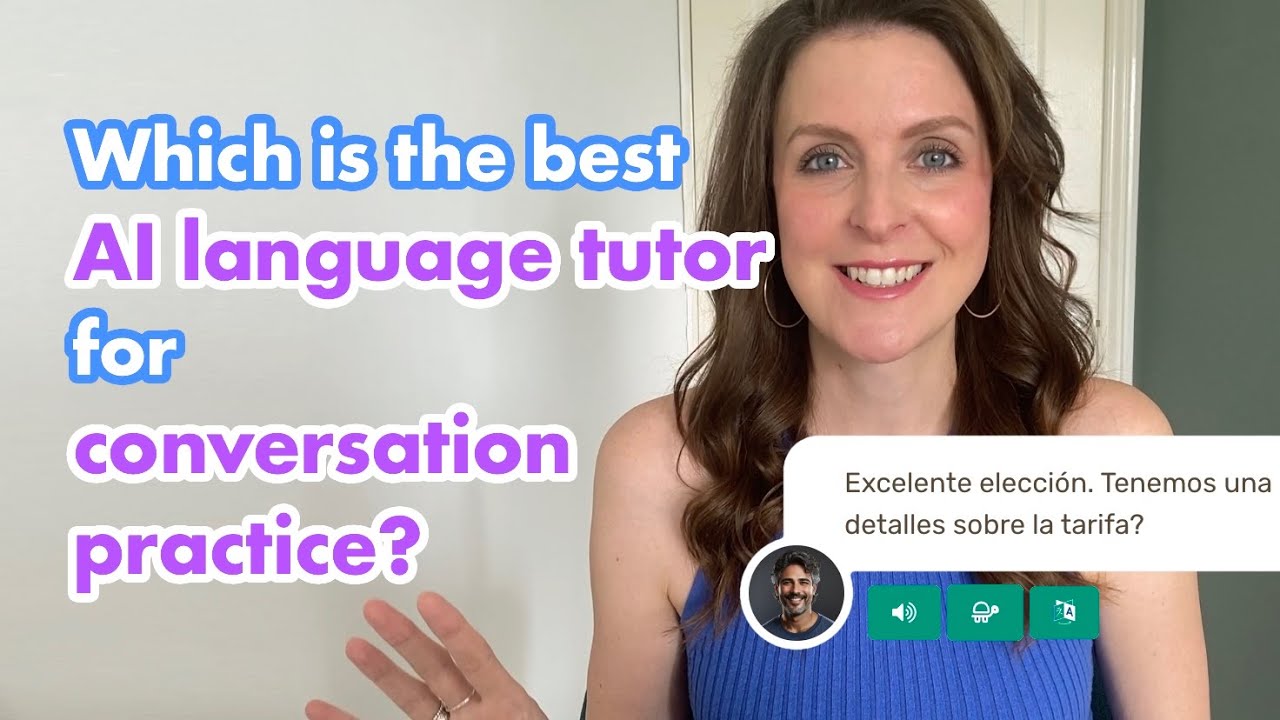
What is an AI language tutor? An AI language tutor is an app that uses AI to give spoken or written conversation practice in the language that you’re learning. I tested 5 and in this video I tell you about my favourite, Langua.
See also: Is you AI language tutor lying to you - https://www.youtube.com/watch?v=so34-XWE3Tk I investigate how reliable the grammar corrections are in AI language tutor apps.
#ailanguagetutor #aispeakingpractice #langua
Langua review

"Teachers! Want to save time and spark creativity? 🤖📚
Here are Top 5 AI tools that’ll change your teaching game!"
"Number 1 – Canva Magic Write! ✨ AI writing tool on a classroom laptop
Create lesson plans, worksheets, and quiz questions in seconds!"
"Number 2 – Eduaide.AI! 🧠 Teacher planning assistant,
It builds standards-aligned resources tailored to your students!"
"Number 3 – Curipod! 🎨 Interactive slide maker
Make interactive lessons with polls, questions, and activities!"
"Number 4 – Grammarly! 📝Writing checker,
Perfect for feedback, reports, and emails – error-free every time!"
"And Number 5 – Quizizz! 🎮AI quiz generator
Turn lessons into fun games and quizzes – students love it!"
Follow @AbroadTeacherJob for more!"
1. "Teachers! Use These 5 AI Tools to Save Time ⏳📚"
2. "Revolutionize Your Teaching with These 5 AI Tools!"
3. "5 Best AI Tools for Smart Teaching in 2025 🚀"
4. "AI for Teachers: Top 5 Tools You’ll Love!"
5. "2025 की 5 बेस्ट AI ऐप्स जो हर टीचर को चाहिए!"
#AIToolsForTeachers #TeachingWithAI #SmartTeaching
#EdTech2025 #AIInEducation #BestAITools2025
#TimeSavingTools #FutureOfTeaching #TeachersLife
Join this channel to get access to perks:
https://www.youtube.com/channe....l/UCdCFSLA2ooGn1MSuE
AI tools for teachers, best AI tools 2025, AI in education, teaching with AI, EdTech tools, time saving tools for teachers, smart teaching apps, AI lesson planner, quiz generator for teachers, online teaching tools, classroom technology, future of teaching, Canva for teachers, Quizizz, Curipod, Eduaide AI, Grammarly for teachers,
Disclaimer:
This video is fully designed for educational purposes. It has been used only under the proper use (FAIR USE) displayed logo, school name, or any institution. This video is not any kind of paid promotion. The purpose of this channel is only to provide information related to jobs/ vacancies/ career and education. It is advisable to personally verify the information given in the video.
Thank You!
(Note:Copyright Disclaimer Under section 107 of the Copyright Act of 1976, allowance is made for "fair use" for purposes such as criticism, comment, news reporting, teaching, scholarship, education, and research. Fair use is a use permitted by copyright statute that might otherwise be infringing.)
1. How to copy text from video or Images (Hindi Version)
https://youtu.be/3MWK3EUVbhY
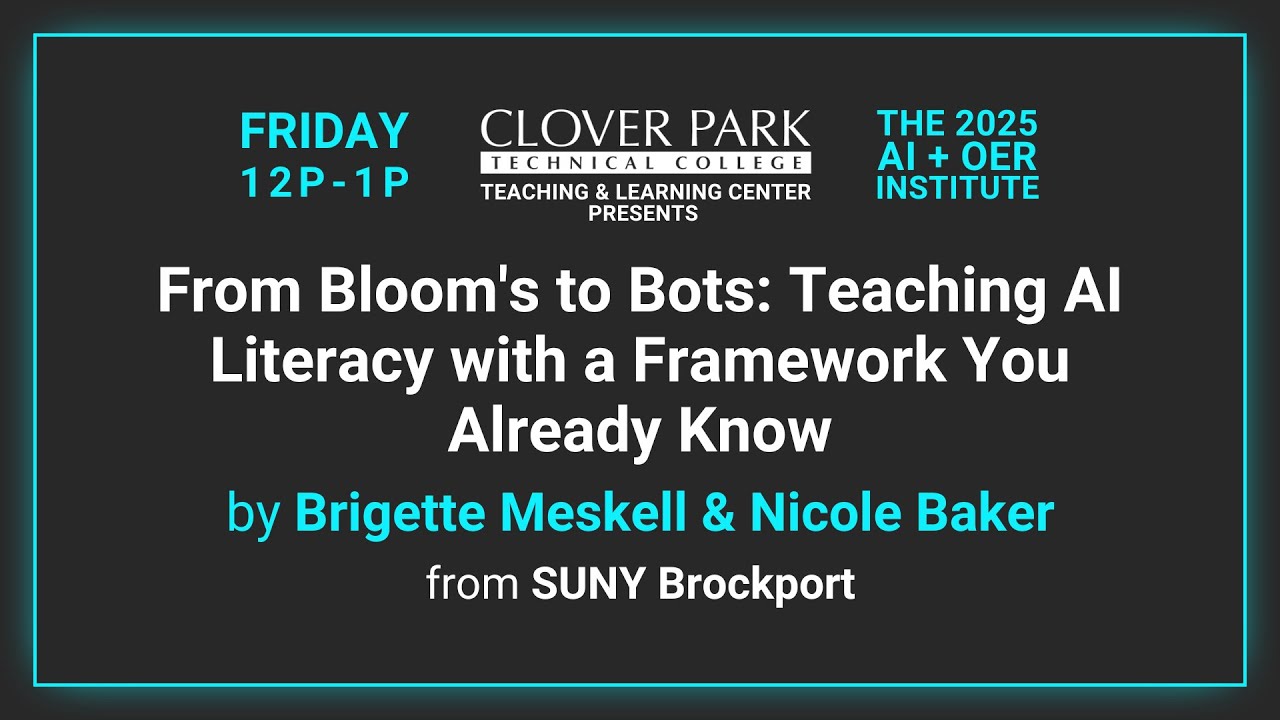
by Brigette Meskell & Nicole Baker from SUNY Brockport

2nd Channel: https://www.youtube.com/@cozmouzlabs
Discord: https://discord.gg/S2ZeaPMjdx
Twitter: https://twitter.com/cozmouzz
Mail: cozmouz@gmail.com
- - - - - - - - - - - - - - - - - - - - - - - - - - - - - - - - - - -
Video showcases AI trained using Deep Reinforcement Learning.
Music By Epidemic Sounds.
- - - - - - - - - - - - - - - - - - - - - - - - - - - - - - - - - - -
artificial intelligence, ai, machine learning, ai learns, deep reinforcement learning, ai training, evolution, neural networks, cozmouz #ai
- - - - - - - - - - - - - - - - - - - - - - - - - - - - - - - - - - -
Chapters:
00:00 - Intro
00:48 - Neural Networks
01:48 - Reward Function
02:44 - 1st Training Session
03:53 - 1st Training Session Analysis
04:26 - Changes [ Randomization ]
05:06 - 2nd Training Session
06:08 - Transfer Learning & Changes
07:28 - 3rd Training Session
08:06 - 100m in 12.30 sec
08:22 - 100m in 9.74 sec
08:35 - 100m in 7.38 sec [ Best Run ]
09:31 - Endless Runner

AI Teacher is the future or NOT ?
We tried to show this by a short Story.....Hope you will watch till end to find out the pros n cons....
Flipkart: Layerss of Learning - http://fkrt.it/R4lX5WNNNN
Amazon: Layerss of Learning- https://amzn.to/3HNjeHM
Disha Publication: Layerss of Learning- https://bit.ly/3H8rMJh
Also, OTHER CHANNELS:
MissAnand Shorts: https://www.youtube.com/channe....l/UCVoWodPGsp0rJNIm5
CookWithNisha: https://www.youtube.com/c/CookWithNisha
Follow my Insta for BTS: https://tinyurl.com/MyMissAnand
Instagram: https://www.instagram.com/cookwithnisha/
NEW UPLOADS every FRIDAY @2:00 PM.
------------------------------------------------------------------------
About MaaTri Media
MaaTri, represents the most beautiful relationship between a mother and a daughter - Nisha Topwal & Anantya Anand aka. MyMissAnand. MaaTri is formed through a combination of two Hindi words - Maa (Mother) and PuTri (daughter) that brings forth energy, enthusiasm and determination to spread positive vibes through their outstanding content. Their content revolves around fashion, food, comedy, parenting, travel, glimpse of their family and simple day-to-day activities that both enjoy doing together.
The duo captures a contemporary lifestyle of entrepreneur and food blogger mom and a teenage daughter and a social media influencer and shows how they both manage their work, school and personal life - simple pleasure of growing together, through engaging videos and fun visuals. Every post is curated and designed to make the audience laugh, learn, smile and entertain.
#mymissanand #missanand #anantyaanand #AI #Aitecher #abetterlife #anantya #Anantyanew video #sisters #comedy #backtoschool #school #missanand #anand #anantya
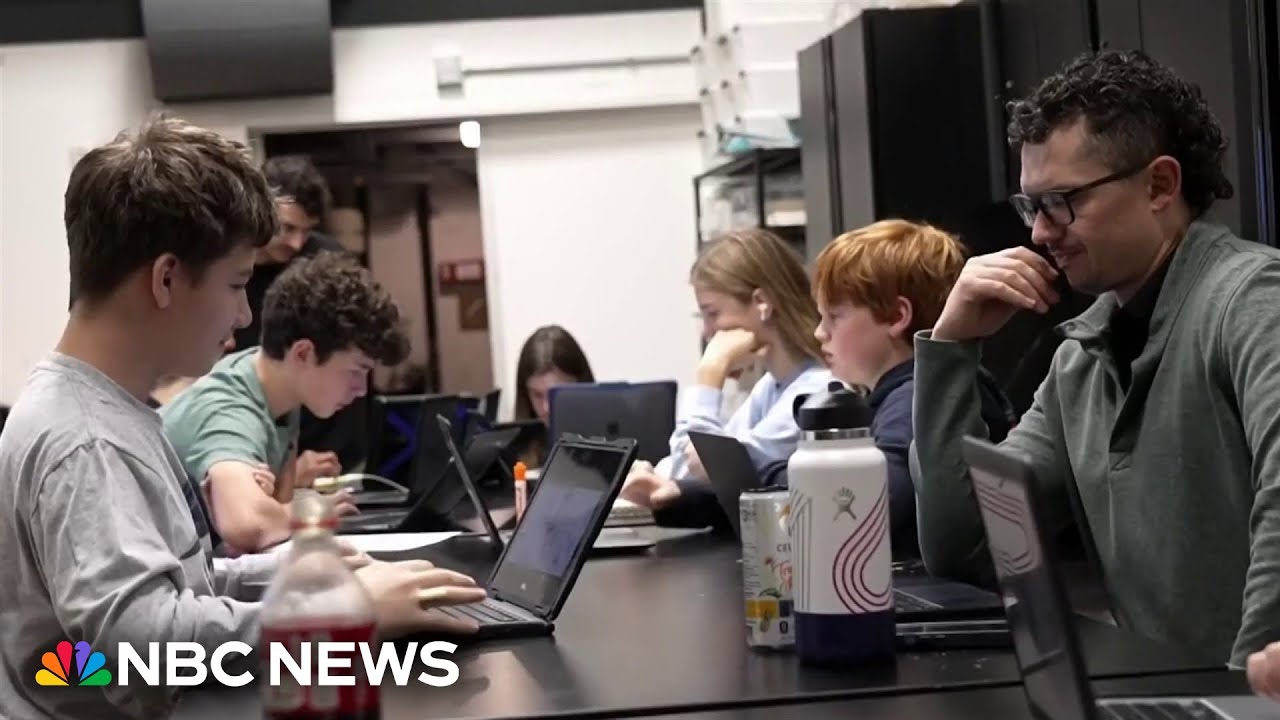
A high school in Austin, Texas uses artificial intelligence to teach core subjects, with even passion projects incorporating AI. All programs are highly personalized, even tracking and managing students' procrastination. Adults in the classroom serve as guides rather than traditional teachers, focusing on motivating and supporting students.
» Subscribe to NBC News: http://nbcnews.to/SubscribeToNBC
» Watch more NBC video: http://bit.ly/MoreNBCNews
NBC News Digital is a collection of innovative and powerful news brands that deliver compelling, diverse and engaging news stories. NBC News Digital features NBCNews.com, MSNBC.com, TODAY.com, Nightly News, Meet the Press, Dateline, and the existing apps and digital extensions of these respective properties. We deliver the best in breaking news, live video coverage, original journalism and segments from your favorite NBC News Shows.
Connect with NBC News Online!
NBC News App: https://apps.nbcnews.com/mobile
Breaking News Alerts: https://link.nbcnews.com/join/....5cj/breaking-news-si
Visit NBCNews.Com: http://nbcnews.to/ReadNBC
Find NBC News on Facebook: http://nbcnews.to/LikeNBC
Follow NBC News on Twitter: http://nbcnews.to/FollowNBC
Follow NBC News on Instagram: http://nbcnews.to/InstaNBC
#Texas #AI #Students

In this video, I explore how teachers can use Microsoft Copilot / AI to save time, improve lesson planning, and streamline admin tasks. AI is transforming education, and Copilot can be a powerful tool for educators looking to work smarter, not harder
Curious about how AI can support your teaching? In this introductory guide for teachers, I explore how Microsoft Copilot can help with:
✅ Lesson planning – Quickly generate structured lesson outlines
✅ Worksheets & resources – Create engaging materials in minutes
✅ Schemes of learning – Map out topics with AI assistance
✅ Time-saving admin – Reduce workload with AI-powered support
Whether you’re new to AI or looking for practical ways to use it in your teaching, this guide will help you get started.
Like, comment, and subscribe for more digital learning insights.
Resources:
Neon Vector Database: https://fyi.neon.tech/gs1
AWS Transcribe: https://aws.amazon.com/pm/transcribe
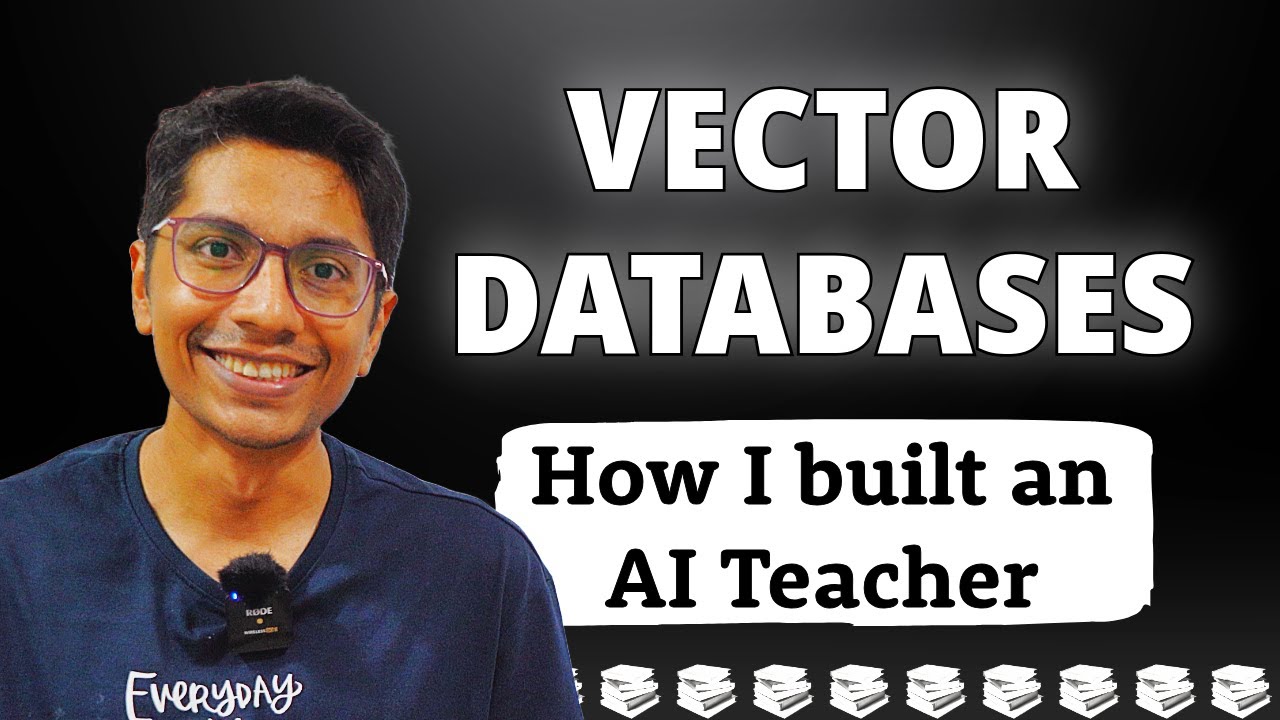
This is how I built an AI teaching assistant with vector databases and ChatGPT. The bot uses the RAG model to answer user questions in real-time.
This project took some time to create, and you can see it in action below:
https://interviewready.io/lear....n/system-design-cour
00:00 Agenda
00:16 Problem Statement
01:15 Vanilla ChatGPT
03:22 Vector Databases
06:49 Implementation
07:42 Internal Algorithms
09:30 Demo
11:17 RAG Model
12:03 Hmm...
#AI #VectorDatabase #RAG

A school in Texas is revolutionizing the way students learn by going all-in on artificial intelligence. Its leaders are using the technology to educate students without the help of a traditional teacher. NBC’s Gadi Schwartz reports for TODAY.
» Subscribe to TODAY: https://www.youtube.com/@TODAY
About: TODAY brings you the latest headlines and expert tips on money, health and parenting. We wake up every morning to give you and your family all you need to start your day. If it matters to you, it matters to us. We are in the people business. Subscribe to our channel for exclusive TODAY archival footage & our original web series.
Connect with TODAY Online!
Visit TODAY's Website: https://www.today.com/
Find TODAY on Facebook: https://www.facebook.com/today
Follow TODAY on Twitter: https://twitter.com/TODAYshow
Follow TODAY on Instagram: https://www.instagram.com/todayshow/
» Stream TODAY All Day: https://www.today.com/allday
About: TODAY All Day is a 24/7 streaming channel bringing you the top stories in news and pop culture, celebrity interviews, cooking, and more. All in one place.
#ai #parenting #school