トップ動画


Fortæller kort om hvor vigtigt det er at have styr på sine 1 til 9 tabeller og at videreføre 'rester' i udregningen.
Filmen siger også, at selv om der er 4 metoder at dividere på, og sikkert flere end det, er det vigtigt at man finder den metode som man selv bedst kan finde ud af at bruge, og så holder fast i den ene metode fremover.

Fractions are of the form p/q where q is not zero. If p is greater than q then the fraction is called improper fraction. Value of improper fraction is more than 1. We can divide the numerator by the denominator and then write it as a mixed number. Visual illustrations in this video help to understand the concept clearly in a very simple language. Video can help teachers and instructor to explain the concept. Thanks. Here are two Playlist: https://www.youtube.com/playli....st?list=PLJ-ma5dJyAq
https://www.youtube.com/playli....st?list=PLJ-ma5dJyAq
Improper Fractions Playlist: https://www.youtube.com/playli....st?list=PLJ-ma5dJyAq
#fractions #improperfractions #gcse #eqao #anilkumar #globalmathinstitute
Improper Fractions Complete Concept: https://www.youtube.com/watch?v=ARZA0VPREzQ&list=PLJ-ma5dJyAqr-3tiWdwQ6eAXre-k_d1X-&index=22
Fraction more than or equal to one are improper fractions.
Fraction represents part of the whole
Proper fractions lies between zero and one.
between any two fractions we have infinite fractions
Area Model to Multiply Proper Fraction: https://www.youtube.com/watch?v=tl8aXA6ciGc&list=PLJ-ma5dJyAqp7sSkSQQAE1sE5i4bgxX-N
#Fractions #AreaModel #GCSE #MultiplyFractions

An Extensive List of English Verbs with Pictures for English learners.
List of 700+ verbs in English: https://7esl.com/english-verbs/
Action verbs: https://7esl.com/action-verbs-vocabulary/
Verbs: https://7esl.com/verbs/
Irregular Verbs: https://7esl.com/irregular-verbs/
Regular Verbs: https://7esl.com/regular-verbs/
----------------------------------------------------------------------------------------
WATCH MORE:
★ Grammar: https://goo.gl/7n226T
★ Vocabulary: https://goo.gl/E5Ty4T
★ Expressions: https://goo.gl/JBpgCF
★ Phrasal Verbs: https://goo.gl/Ux3fip
★ Idioms: https://goo.gl/y7wNjN
★ Conversations: https://goo.gl/pmdpQT
★ English Writing: https://goo.gl/46gmY7
★ IELTS: https://goo.gl/Tg2U4v
★ TOEFL: https://goo.gl/8Zwvic
★ British vs. American English: https://goo.gl/VHa5W8
★ Pronunciation: https://goo.gl/P4eR39
★ Business English: https://goo.gl/r7jqtB
----------------------------------------------------------------------------------------
OUR SOCIAL MEDIA:
Pinterest: https://www.pinterest.com/7english/
----------------------------------------------------------------------------------------
For more videos and lessons visit:
https://7esl.com/

✅ MVSAT Registration Link: https://vsat.vedantu.com/?Ref_code=VVD8110
Class 12 Maths Playlist - https://vdnt.in/VMath_Class12Maths_2023
In this video, master teacher Harsh Priyam sir delves into the fascinating world of "Relations and Functions," the first chapter of Class 12 Mathematics as per the NCERT syllabus. We present to you the 10 most important questions from this chapter to help you understand the fundamental concepts and excel in your class 12 board exams.
Relations and Functions form the basis of various mathematical concepts and have practical applications in diverse fields. Harsh sir has carefully curated this video to cover the essential topics from the chapter and provide you with a comprehensive understanding of the subject matter.
📹 Relations and Functions complete chapter: https://youtube.com/live/BHcOvp6CYDU
🟢Join our TG channel for Academics only - https://t.me/vedantumathacadonly
📱Join the Official Vedantu Math Telegram Channel: 👉https://vdnt.in/y9hP3
➡️ Prebook 2-year Full Syllabus JEE Course (2023-25) - https://vdnt.in/DvDiF
➡️ Vedantu Manthan Droppers Batch - https://vdnt.in/DD6ta (Batch Start Date 22nd May)
🤙📲💬Click here to get assistance with course enrollment from your favorite Master Teacher's team via WhatsApp: https://vdnt.in/BDpD6
📙Session PDFs: https://vdnt.in/yVipu
📱Join the Official Vedantu Math Telegram Channel: 👉https://vdnt.in/y9hP3
🔊Do Subscribe to our channel and Press the Bell Icon 🔔 (All) to get notifications for all new videos for JEE/ NEET/CBSE Exam Preparations.- http://vdnt.in/math
#relationsandfunctions #relationsandfunctionsclass12 #relations #functions #class12maths #class12math #class12 #cbse12th #cbse12math #jee #vedantu #vedantumath
Matrices for jee mains, Matrices for jee advanced, Matrices for jee vedantu, Matrices for jee advanced 2021, Matrices for jee mains, Matrices class 12 unacademy, Matrices class 12 vedantu, Matrices class 12 cbse class videos, Matrices class 12 in hindi, Matrices class 12 formula, Matrices class 12 neha agarwal, Matrices class 12 maths, Matrices class 12th, Matrices class 12 arvind academy, Matrices class 12 all formulas, Matrices class 12 ashish kumar, Matrices class 12 apni kaksha, Matrices class 12 all formulas in hindi, Matrices class 12 all types, Matrices class 12 achieve it with jojo, Matrices class 12 aman dhattarwal, Matrices class 12 solutions, Matrices class 12 basics, Matrices class 12 by cbse classes, Matrices class 12 by neha agarwal, Matrices class 12 by unacademy, Matrices class 12 by priya thapar, Matrices class 12 by genius learning, Matrices class 12 by arvind academy, inintetion class 12 rk gupta, Matrices class 12 rs aggarwal solutions, Matrices by subject teacher, Matrices class 12 solving method, Matrices class 12 unknown teacher, Matrices class 12 short tricks, Matrices class 12 sagar college, Matrices class 12 sakala vidya, Matrices class 12 sahyadri tutorials, Matrices class 12 7.8, Matrices class 12 tricks, Matrices class 12 telugu, Matrices class 12 tamil, Matrices class 12 tricks neha agarwal, Matrices class 12 theory, Matrices class 12 tutorials point, Matrices class 12 teachoo, Matrices class 12 up board in hindi, Matrices class 12 unacademy nv sir,Matrices for jee, indefinite Matrices for jee advanced, differentiation and Matrices for jee, indefinite Matrices for jee, Matrices tricks for jee advanced, Matrices for jee by vedantu, complete Matrices for jee mains, Matrices for iit jee, Matrices for jee mains in one shot, Matrices jee, questions on Matrices for jee mains, Matrices tricks for jee mains, Matrices formulas for jee mains, application of Matrices for jee, Matrices formulas, Matrices for physics, Matrices formulas tricks, Matrices for nda, Matrices formulas list, Matrices for jee mains, Matrices for airforce x group, Matrices for neet, Matrices for jee, Matrices for beginners, Matrices for mht cet, Matrices for air force, Matrices for ap eamcet, Matrices for area under curve
,permutations, combinations, factorial,
permutation and combination class 12, permutation and combination, permutation and
Matrices tricks dear sir,
Matrices tricks Neha mam,
Matrices tricks in Hindi,
Matrices tricks in Telugu,
Matrices tricks for JEE Mains,
Matrices tricks by Dhansu sir,
Matrices tricks for air force,
Matrices tricks for NDA,
Matrices CA foundation,
Matrix tricks dear sir,
Matrix tricks Neha mam,
Matrix tricks in Hindi,
Matrix tricks in Telugu,
Matrix tricks for JEE Mains,
Matrix tricks by Dhansu sir,
Matrix tricks for air force,
Matrix tricks for NDA,
Matrix trick for class 12,
#ndamaths #ndapreparation #shorts #matrices #matrix
Welcome to Fractions of Whole Numbers with Mr. J! Need help with how to find a fraction of a whole number? You're in the right place!
Whether you're just starting out, or need a quick refresher, this is the video for you if you need help with finding fractions of whole numbers. Mr. J will go through examples and explain how to find a fraction of a number.
About Math with Mr. J: This channel offers instructional videos that are directly aligned with math standards. Teachers, parents/guardians, and students from around the world have used this channel to help with math content in many different ways. All material is absolutely free.
Click Here to Subscribe to the Greatest Math Channel On Earth: https://goo.gl/XHTrfY
Follow Mr. J on Twitter: @MrJMath5
Email: math5.mrj@gmail.com
Music: https://www.bensound.com/royalty-free-music
Hopefully this video is what you're looking for when it comes to finding fractions of whole numbers.
Have a great rest of your day and thanks again for watching!

Count by 1's to 20 by Jack Hartmann is a counting to 20 workout song that builds brain and body connections. This counting song will have you exercising as you count to 20 and crossing the midline as you workout to build that important brain communication of the hemispheres.
Count by 1's to 20 Lyrics
Raise your arms up
Sway them side to side
Count to 20 and exercise
Use your brain and count
Use your body, workout
Count by 1's to 20 now
Stretch your arms side to side
Let's go!
1
2
3
4
5
6
7
8
9
10
11
12
13
14
15
16
17
18
19
20
Raise your arms up
Sway them side to side
Count to 20 and exercise
Use your brain and count
Use your body, workout
Count by 1's to 20 now
Count 1 to 20 faster
1
2
3
4
5
6
7
8
9
10
Stretch your legs side to side
11
12
13
14
15
16
17
18
19
20
Raise your arms up
Sway them side to side
Count to 20 and exercise
Use your brain and count
Use your body, workout
Count by 1's to 20 now
Count 1 to 20 faster
Pump your arms way up high
1
2
3
4
5
6
7
8
9
10
11
12
13
14
15
16
17
18
19
20
Twist your body left and right
1
2
3
4
5
6
7
8
9
10
11
12
13
14
15
16
17
18
19
20
Great, you built up your brain and body
Nice going!
Help support us on Patreon!
https://www.patreon.com/jackhartmann
Jack Hartmann's website: https://jackhartmann.com
Subscribe to our YouTube Channel: https://goo.gl/ogaW1i
Remember to connect with Jack Hartmann on his Social Networks:
Facebook: https://facebook.com/hop2itmusic
Pinterest: https://pinterest.com/jackhartmann
Twitter: https://twitter.com/Jack_Hartmann
You can find Jack Hartmann's Music on:
Jack Hartmann Website: https://jackhartmann.com
iTunes: https://goo.gl/GeDJeJ
Amazon: https://goo.gl/Ei8C6B
Google Play: https://goo.gl/doZpfS
CD Baby: https://cdbaby.com/Artist/JackHartmann
Words and Music by Jack Hartmann
Copyright 2021
Jack Hartmann's Hop 2 It Music

In this video, I'm going to show you a really easy trick to learn and memorize the 12 times table. This trick will be really helpful to remember the 12 times table, so please share this video with your family and friends after you watch this video! Thank you and make sure to subscribe!

This video tutorial provides a basic introduction into geometry.
Lines, Rays, Line Segments, & Angles: https://www.youtube.com/watch?v=oeO8f0taQDA
Acute, Obtuse, Right, & Straight Angles: https://www.youtube.com/watch?v=VjRXfemAbuc
Decimal Degrees to DMS Formula: https://www.youtube.com/watch?v=W9kousU6AI0
Clock to Angle Problems: https://www.youtube.com/watch?v=LEHYr0XfSyI
Angle Bisector Theorem - Midpoints: https://www.youtube.com/watch?v=2I7ghedeoec
Converse, Inverse, & Contrapositive: https://www.youtube.com/watch?v=TCBu8PD4Lls
Geometry Probability - Length & Area: https://www.youtube.com/watch?v=DeH5aHWxEaI
Perpendicular Lines, Rays, & Segments: https://www.youtube.com/watch?v=-QFNMEnfRQA
Complementary & Supplementary Angles: https://www.youtube.com/watch?v=MKgsObfVHmk
Addition & Subtraction Equality Property: https://www.youtube.com/watch?v=RslDIFh_kG8
Multiplication & Division Property Equality: https://www.youtube.com/watch?v=nYCrcq5YDvQ
Transitive Property of Congruence: https://www.youtube.com/watch?v=H3hvDbxntfo
Triangles - Basic Introduction: https://www.youtube.com/watch?v=DdAwGinauoI
Alternate Interior & Exterior Angles: https://www.youtube.com/watch?v=e4o7X6LyX-I
______________________________________________________________________________________________
2 Column Proofs of Congruent Segments: https://www.youtube.com/watch?v=cboityRIf4Q
2 Column Proofs of Angles: https://www.youtube.com/watch?v=kXcG6oYh3i8
Triangle Congruence - SSS, SAS, ASA: https://www.youtube.com/watch?v=jWHOF6cFbpw
CPCTC - 2 Column Proofs With Triangles: https://www.youtube.com/watch?v=eq1frp_ZyP8
Median of a Triangle Formula: https://www.youtube.com/watch?v=_JdkDR4R8E4
Altitude of a Triangle - Orthocenter: https://www.youtube.com/watch?v=oJyTKVcE4iM
Triangles, Medians, & Altitudes - Proofs: https://www.youtube.com/watch?v=ZJ_gqFidInk
2 Column Proofs - Isosceles Triangles: https://www.youtube.com/watch?v=6Yx923Ocoh4
Angle Side Theorem - 2 Column Proofs: https://www.youtube.com/watch?v=mwcH3nhXtPQ
Hypotenuse Leg Theorem - HL Postulate: https://www.youtube.com/watch?v=DKSTjS0n3mY
______________________________________________________________________________________________
Detour Proofs - Double Triangle Congruence: https://www.youtube.com/watch?v=1HOrB5yvEl0
The Midpoint Formula: https://www.youtube.com/watch?v=pzDfd8NXRXk
Missing Diagrams - 2 Column Proofs: https://www.youtube.com/watch?v=IaqzuGweGZ8
Right Angle Theorem - SSS & SAS: https://www.youtube.com/watch?v=FRbFMp8mg1s
Perpendicular Bisector Theorem: https://www.youtube.com/watch?v=xyNBZuUjmSE
Altitude, Median, Midpoint & P. Bisector: https://www.youtube.com/watch?v=SyzkgBjXtIs
Parallel & Perpendicular Lines - Slope: https://www.youtube.com/watch?v=bq3fKZVTflU
Indirect Proofs - Example Problems: https://www.youtube.com/watch?v=GawWGpnjy1c
Proving Parallel Lines With Proofs: https://www.youtube.com/watch?v=0eYzPVgylO8
The Exterior Angle Theorem: https://www.youtube.com/watch?v=ndqxxAUDF5Y
Exterior Angle Inequality Theorem: https://www.youtube.com/watch?v=rfMZwrq-wL8
______________________________________________________________________________________________
Polygons: https://www.youtube.com/watch?v=E_-3ulbtcLk
Quadrilaterals: https://www.youtube.com/watch?v=ogcH3eM5beM
Parallelograms: https://www.youtube.com/watch?v=t42sLuns4Qs
Rectangles - Special Quadrilaterals: https://www.youtube.com/watch?v=Ov4aTty67A8
Isosceles Trapezoids: https://www.youtube.com/watch?v=AlyWS8bG3kE
The Rhombus: https://www.youtube.com/watch?v=uXo_Vpctmrg
Kites: https://www.youtube.com/watch?v=UTgF6lSAMa8
______________________________________________________________________________________________
Geometry Review - Study Guide: https://www.youtube.com/watch?v=KtZai86htng
Geometry Final Exam Review Questions: https://www.youtube.com/watch?v=puxjcvBL2IE

Engage NY // Eureka Math Grade 6 Module 1 Lesson 12 Problem Set @TheHomeworkHelper
Count by 1's to 20 by Jack Hartmann is a counting to 20 workout song that builds brain and body connections. This counting song will have you exercising as you count to 20 and crossing the midline as you workout to build that important brain communication of the hemispheres.
Count by 1's to 20 Lyrics
Raise your arms up
Sway them side to side
Count to 20 and exercise
Use your brain and count
Use your body, workout
Count by 1's to 20 now
Stretch your arms side to side
Let's go!
1
2
3
4
5
6
7
8
9
10
11
12
13
14
15
16
17
18
19
20
Raise your arms up
Sway them side to side
Count to 20 and exercise
Use your brain and count
Use your body, workout
Count by 1's to 20 now
Count 1 to 20 faster
1
2
3
4
5
6
7
8
9
10
Stretch your legs side to side
11
12
13
14
15
16
17
18
19
20
Raise your arms up
Sway them side to side
Count to 20 and exercise
Use your brain and count
Use your body, workout
Count by 1's to 20 now
Count 1 to 20 faster
Pump your arms way up high
1
2
3
4
5
6
7
8
9
10
11
12
13
14
15
16
17
18
19
20
Twist your body left and right
1
2
3
4
5
6
7
8
9
10
11
12
13
14
15
16
17
18
19
20
Great, you built up your brain and body
Nice going!
Help support us on Patreon!
https://www.patreon.com/jackhartmann
Jack Hartmann's website: https://jackhartmann.com
Subscribe to our YouTube Channel: https://goo.gl/ogaW1i
Remember to connect with Jack Hartmann on his Social Networks:
Facebook: https://facebook.com/hop2itmusic
Pinterest: https://pinterest.com/jackhartmann
Twitter: https://twitter.com/Jack_Hartmann
You can find Jack Hartmann's Music on:
Jack Hartmann Website: https://jackhartmann.com
iTunes: https://goo.gl/GeDJeJ
Amazon: https://goo.gl/Ei8C6B
Google Play: https://goo.gl/doZpfS
CD Baby: https://cdbaby.com/Artist/JackHartmann
Words and Music by Jack Hartmann
Copyright 2021
Jack Hartmann's Hop 2 It Music

Teachers can use this song for Math Class. I was inspired to sing this song for my math students. Feel free to use this song as motivation.
Math is Fun! Enjoy! God bless
Like, Comment, Share and Subscribe
Disclaimer: I hereby declare that I do not own the rights to earn through this music/song. All rights belong to the owner. No Copyright Infringement Intended.

https://memorycourse.brainathlete.com/memorytips
Get a free memory gift here and also find out about my Black Belt Memory course
0:00 Memorize Multiplication
1:03 The 1's
1:22 The 2's
2:38 The 3's
3:53 The 4's
4:49 The 5's
6:07 The 9's
When teaching a student to memorize the multiplication tables it is not as big of a challenge as it seems on the surface. The first reason is that the 1's and 10's are super easy. Any number multiplied by 1 is the number and any number multiplied by 10 you just add a zero to the number.
That is 20% of the table!
The 2's, 3's and 5's can be solved by teaching the student to learn to count by 2's, 3's and 5's. Also using the PLUS 4 and PLUS 4 strategy for learning the multiplication of 3's and 4's is helpful.
When memorizing the multiplication table you will also find some tricks like understanding that when a number is multiplied by 9 the answer adds up to 9. So 4 X 9 = 36 and 3+6 = 9.
The main thing when memorizing the multiplication tables really isn't to memorize them it is to learn the multiplication tables or to understanding the multiplication tables.
If you like my teaching of this and want to learn to memorize anything then get my free gift and Black Belt Memory course at https://memorycourse.brainathlete.com/memorytips

I get asked a lot what I recommend for assessing students’ math understanding. The answer is really based upon what you are using it for. I know we have requirements for the types of math assessments we have to give, but often those assessments don’t actually inform our instruction which to me is the most important reason to assess our students.
I’m Christina Tondevold, The Recovering Traditionalist, and today we’re going to take a look at The Best Math Assessment Tool That Informs Instruction in our quest to Build our own Math Minds so we can Build the Math Minds of our kiddos.
Go here to get any links mentioned in this video: https://www.therecoveringtradi....tionalist.com/best-m
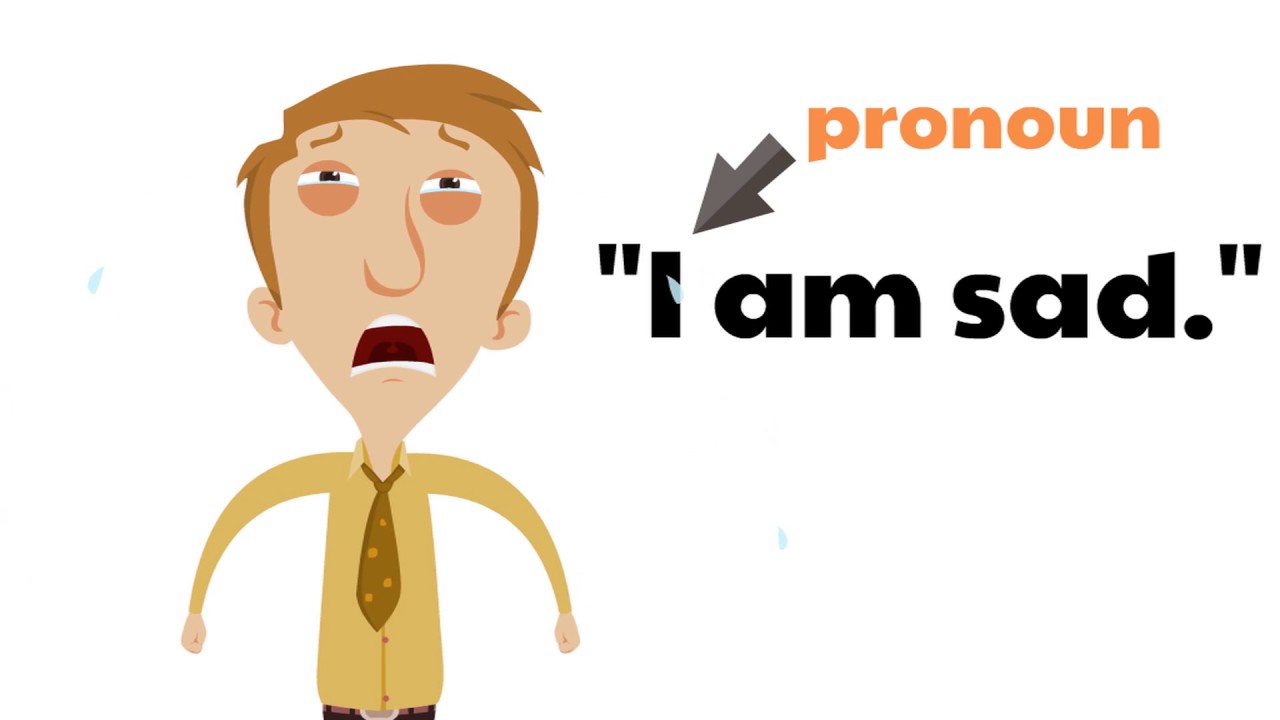
YIPPEE! In this pronoun video for kids you will learn about what pronouns are, professional words that replace nouns! Perfect video for the classroom or home. Let's learn!
Homeschool Pop offers a unique, dynamic learning experience. We strive to have the right balance of silliness and learning to keep students and children engaged as we look at the pronouns!
We hope you enjoyed the classroom edition of the pronoun video! Thanks for watching, and we hope you will keep watching and learning. You are awesome!
Learn the Pronouns | Classroom Lesson Video

Differences between Primary Key and Foreign Key #shorts #juzshineshorts #juzshinevideos #sql #sqlinterview
This animation teaches the learner to define and identify homophones.
0:00 - Introduction to Homophones
1:47 - Examples of Homophones
4:23 - Summary
#Homophones #EnglishGrammar #iKen
Subscribe to Iken Edu - https://www.youtube.com/c/Iken....Edu?sub_confirmation
Connect with us on #Whatsapp - +91 93281 77758
Join us on
#Facebook - https://www.facebook.com/ikenconnect/
#Twitter – https://twitter.com/ikenedu
#Instagram - https://www.instagram.com/ikenconnect/?hl=en
Download the iKen Learning App - https://app-iken.app.link/GJTIVYc9ZjNu
Click here for learning beyond the classroom through iKen - https://iken.in/
“Ikenedu” is a web channel intended to promote e-learning, visual aids, digital lessons for students, parents & teachers. It is intended primarily for the purpose of learning, teaching, reference of concepts and topics in the curriculum and beyond for the K12 segment and in general for the education domain. These characters, clips, animations, scripts and notes are all a work of Mexus Education Pvt Ltd of which iken is a brand and Mexus Education Pvt Ltd remains the owner/s of the copyright. As per section 14 of the copyrights act, the right of adaptation, right of reproduction, right of publication, right to make translations, communication to public etc. are held only with the owner of the content which is Mexus Education Pvt Ltd.
Punctuation marks are important parts of sentences because they help to express and link thoughts. There are many punctuation marks including comma (,), Full Stop (.), Exclamation(!), Apostrophe(') etc. These are important parts of English Grammar as they help you to write correct English.
0:00 - Introduction to Punctuation marks
3:01 - Capital letters
4:14 - Use of a Full Stop
4:53 - Use of a Question Mark
5:18 - The Exclamation Mark
6:13 - Capitalisation
6:36 - Use of Comma
8:22 - The Apostrophe
9:39 - Quotation Marks
10:06 - Uses of Punctuation marks
11:13 - Summary
#UseOfPunctuation #Punctuations #iken
Subscribe to Iken Edu - https://www.youtube.com/c/Iken....Edu?sub_confirmation
Connect with us on #Whatsapp - +91 93281 77758
Join us on #Facebook - https://www.facebook.com/ikenconnect/
Follow us on #Twitter – https://twitter.com/ikenedu
Download the iKen Learning App - https://app-iken.app.link/GJTIVYc9ZjNu
Click here for learning beyond the classroom through iKen - https://iken.in/
“Ikenedu” is a web channel intended to promote e-learning, visual aids, digital lessons for students, parents & teachers. It is intended primarily for the purpose of learning, teaching, reference of concepts and topics in the curriculum and beyond for the K12 segment and in general for the education domain. These characters, clips, animations, scripts and notes are all a work of Mexus Education Pvt Ltd of which iken is a brand and Mexus Education Pvt Ltd remains the owner/s of the copyright. As per section 14 of the copyrights act, the right of adaptation, right of reproduction, right of publication, right to make translations, communication to public etc. are held only with the owner of the content which is Mexus Education Pvt Ltd.
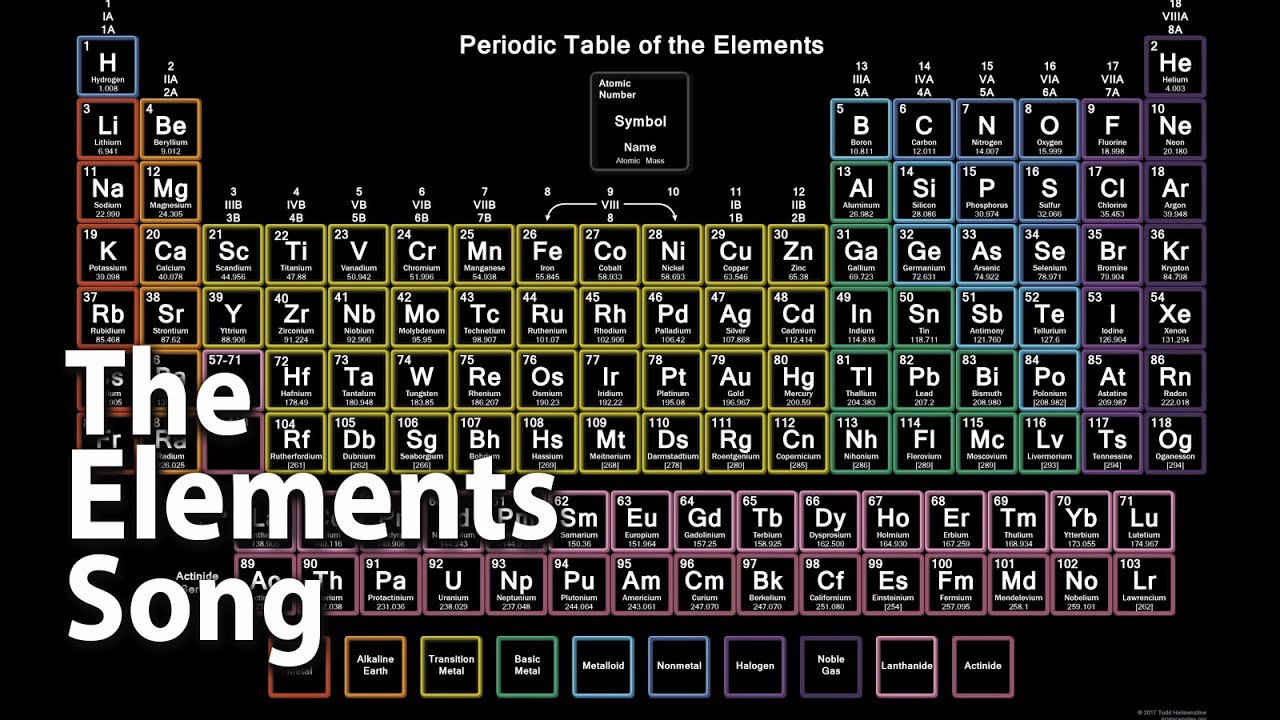
Satirist Tom Lehrer's Elements song updated to the current 118 Elements. It's a bit slower to help with easier memorization, and humbly performed by Dennis Nowicki.
Bored with the same old educational videos? Do you have kids and looking for some educational and entertaining videos? Then, check out these fun music videos that you and your kids will surely love! Subscribe now, so you don't miss out on any future posts! Please show your support by subscribing to our YouTube channel: ➡️➡️ SUBSCRIBE: https://bit.ly/Cenapsis
This educational media is designed to help you and your children learn about school subjects such as math, science, history, geography, and other topics. You'll also find songs that are ideal for ESL and elementary school! In addition, we have a large library of educational music videos for homeschoolers of all ages. We make music videos that serve as teaching aids and help your children and students learn while having fun.
Website: https://cenapsis.com
On Spotify: https://open.spotify.com/artis....t/0tFlig5hbSJG1bEJDd
Correction to the 114th element, Flerovium. I mispronounced It as Flevorium. My applogies for any confusion.
Watch more educational music videos:
➡️ The Americas Song: https://youtu.be/_iBX1heTuys
➡️ The Biology Song: https://youtu.be/KZB7H6-NM1s
➡️ The Amendments Song: https://youtu.be/TBQ4wVITpjQ
The music only video is available here: https://www.youtube.com/watch?v=41SUJsKEUNQ&t=2s
Here are the elements in order:
There's antimony,
arsenic,
aluminum,
selenium,
and hydrogen,
and oxygen,
and nitrogen,
and rhenium,
and nickel,
neodymium,
neptunium,
germanium,
and iron,
americium,
ruthenium,
uranium,
Europium,
zirconium,
lutecium,
vanadium,
and lanthanum,
and osmium,
and astatine,
and radium
and gold,
protactinium,
and indium,
and gallium,
and iodine,
and thorium,
and thulium,
and thallium.
There's yttrium,
ytterbium,
actinium,
rubidium
and boron,
gadolinium,
niobium,
iridium,
and strontium,
and silicon,
and silver,
and samarium,
and bismuth,
bromine,
lithium,
beryllium,
and barium.
There's holmium,
and helium,
and hafnium,
and erbium,
and phosphorus,
and francium,
and fluorine,
and terbium,
and manganese,
and mercury,
molybdenum,
magnesium,
dysprosium,
and scandium,
and cerium,
and cesium,
and lead,
praseodymium,
and platinum,
plutonium,
palladium,
promethium,
potassium,
polonium,
and tantalum,
technetium,
titanium,
tellurium,
and cadmium,
and calcium,
and chromium,
and curium.
There's sulfur,
californium,
and fermium,
berkelium,
and also mendelevium,
einsteinium,
and nobelium,
and argon,
krypton,
neon,
radon,
xenon,
zinc,
and rhodium,
and chlorine,
carbon,
cobalt,
copper,
tungsten,
tin,
and sodium.
There’s seaborgium,
meitnerium,
nihonium,
and bohrium,
and hassium,
lawrencium,
dubnium,
livermorium,
tennessine,
oganneson,
copernicium,
flerovium,
Rutherfordium,
darmstadtium,
roentgenium,
moscovium.
118 elements, I think we've got these covered
But, who knows, there may still be more that are yet undiscovered.
Thank you for being here!
Stay Safe and Healthy,
Cenapsis
#educationalmedia
#elementaryeducation
#secondaryeducation
#homeschool
#homeschooling
#schoolsubjects
#teachingaid
#whatischemistry
#elementssong

The COMPLETE Periodic Table!
The END OF THE UNIVERSE Song: https://youtu.be/o6UPfdhOHIY
iTunes http://bit.ly/asaptable
Check out http://asapscience.com for more
Bandcamp: https://asapscience.bandcamp.c....om/track/the-updated
In celebration of National Periodic Table Day, here is our song updated with the 4 newly named elements!
https://www.asapscience.com/
FOLLOW US!
Instagram and Twitter: @whalewatchmeplz and @mitchellmoffit
Clickable: http://bit.ly/16F1jeC and http://bit.ly/15J7ube
AsapINSTAGRAM: https://instagram.com/asapscience/
Facebook: http://facebook.com/AsapSCIENCE
Twitter: http://twitter.com/AsapSCIENCE
Tumblr: http://asapscience.tumblr.com
Vine: Search "AsapSCIENCE" on vine!
SNAPCHAT 'whalewatchmeplz' and 'pixelmitch'
Send us stuff!
ASAPSCIENCE INC.
P.O. Box 93, Toronto P
Toronto, ON, M5S2S6
------------------------------------------
Written, Directed, Produced, Edited and Sung by Mitchell Moffit.
Based on the "Can-Can" music, by Offenbach.
LYRICS:
There's Hydrogen and Helium
Then Lithium, Beryllium
Boron, Carbon everywhere
Nitrogen all through the air
With Oxygen so you can breathe
And Fluorine for your pretty teeth
Neon to light up the signs
Sodium for salty times
Magnesium, Aluminium, Silicon
Phosphorus, then Sulfur, Chlorine and Argon
Potassium, and Calcium so you'll grow strong
Scandium, Titanium, Vanadium and Chromium and Manganese
CHORUS
This is the Periodic Table
Noble gas is stable
Halogens and Alkali react agressively
Each period will see new outer shells
While electrons are added moving to the right
Iron is the 26th
Then Cobalt, Nickel coins you get
Copper, Zinc and Gallium
Germanium and Arsenic
Selenium and Bromine film
While Krypton helps light up your room
Rubidium and Strontium then Yttrium, Zirconium
Niobium, Molybdenum, Technetium
Ruthenium, Rhodium, Palladium
Silver-ware then Cadmium and Indium
Tin-cans, Antimony then Tellurium and Iodine and Xenon and then Caesium and...
Barium is 56 and this is where the table splits
Where Lanthanides have just begun
Lanthanum, Cerium and Praseodymium
Neodymium's next too
Promethium, then 62's
Samarium, Europium, Gadolinium and Terbium
Dysprosium, Holmium, Erbium, Thulium
Ytterbium, Lutetium
Hafnium, Tantalum, Tungsten then we're on to
Rhenium, Osmium and Iridium
Platinum, Gold to make you rich till you grow old
Mercury to tell you when it's really cold
Thallium and Lead then Bismuth for your tummy
Polonium, Astatine would not be yummy
Radon, Francium will last a little time
Radium then Actinides at 89
REPEAT CHORUS
Actinium, Thorium, Protactinium
Uranium, Neptunium, Plutonium
Americium, Curium, Berkelium
Californium, Einsteinium, Fermium
Mendelevium, Nobelium, Lawrencium
Rutherfordium, Dubnium, Seaborgium
Bohrium, Hassium then Meitnerium
Darmstadtium, Roentgenium, Copernicium
Nihonium, Flerovium
Moscovium, Livermorium
Tennessine and Oganesson
And then we're done!!
Fortæller om de forskellige typer celler, og hvilke forskelle der er vigtige.
Denne video handler om, hvornår man skal bruge bestemt og ubestemt.


You can buy Universe Sandbox 2 game here: http://amzn.to/2yJqwU6
Hello and welcome!
My name is Anton and in this video, we will talk about the discovery of water vapor around an interesting exoplanetknown as K2-18b that's orbiting in the habitable zone of its planet.
Paper: https://arxiv.org/pdf/1909.04642.pdf
Support this channel on Patreon to help me make this a full time job:
https://www.patreon.com/whatdamath
Space Engine is available for free here: http://spaceengine.org
Enjoy and please subscribe.
Music: Home - We're Finally Landing - https://www.last.fm/music/Home
Twitter: https://twitter.com/WhatDaMath
Facebook: https://www.facebook.com/whatdamath
Twitch: http://www.twitch.tv/whatdamath
Bitcoins to spare? Donate them here to help this channel grow!
1GFiTKxWyEjAjZv4vsNtWTUmL53HgXBuvu
The hardware used to record these videos:
CPU: https://amzn.to/2LZFQCJ
Video Card: https://amzn.to/2M1W26C
Motherboard: https://amzn.to/2JYGiQQ
RAM: https://amzn.to/2Mwy2t4
PSU: https://amzn.to/2LZcrIH
Case: https://amzn.to/2MwJZz4
Microphone: https://amzn.to/2t5jTv0
Mixer: https://amzn.to/2JOL0oF
Recording and Editing: https://amzn.to/2LX6uvU
Thank you to all Patreon supporters of this channel
Specifically, great thanks to the following members:
Morrison Waud
Mark Teranishi
Vlad Manshin
TheHuntress
Daniel Rosvall
Alex M
Lilith Dawn
Greg Lambros
Albert B. Cannon
Ralph Spataro
adam lee
Bartholomew Macaluso
Nick Dolgy
Henry Spadoni
Jer
Luminger
UnexpectedBooks.com
Konrad Kummli
Lauren Smith
Michael Tiganila
George Williams
Lyndon Riley
Shinne
Jakub Glos
Johann Goergen
Dave Blair
Jake Salo
LS Greger
Marcel Levi
Michael Mitsuda
Gabriel Seiffert
J Carter
Mary Kristof
Russell Sears
Vinod sethi
Brian Szkotak
Robert Wyssbrod
Gordon Cooper
L Joseph Parker MD
RandalM
Tracy Burgess
Jayjay Volz
Kai Raphahn
Sander Stols
Sergio Ruelas
Anataine Deva
Assaf Dar Sagol
Liam Moss
Timothy Welter MD
Olegas Budnik
Bodo Graßmann
gary steelman
Michael Koebel
Shelley Passage
Steven Aiello
xyndicate
Honey Suzanne Lyons
Dale Andrew Darling
Douglas Burns
James Myers
Jan Šoulák
Niji
Peter Hamrak
Matthew Lazear
Becky
Steven
Anton Newman
Charles Nadeau
Dave A
Doug Baker
Doug MacDonald
George Lincoln Rockwell
GrittyFlix
Minovsky Man
Mr Fluffington
Paul Koploy
Sal Carrera
Jacob Spencer
Veronika A. Czebe
brian plummer
Daniel Charles Smith
Daniel G.
Eugene Sandulenko
Lee Densmore
Max McNally
Sir David Coyne
Steve Wotton
Victor Julian Castillo
Daniel Coleman
Rock Howard
Aaron Fineout
Adam Smith
Alberto Diaz Saldana
Chaos Gamer
Kearny Li
Rafael Aguila
Vincent L. Cleaver
Claye Griffith
David Lewis
JohnTaylorWalker
Kyle eagle
Michael J Fluharty
Tarik Qassem
Tedd Speck
rfc1135
Greyson Flippo
Hampton Tunis
Ivan Gallagher
Janne Vuorenpää
Jordaen Davids
Lynn Johnson
Rob Law
Scary ASMR
Thierry Gasnier
Troy Schmidt
William Warren
Arp Lee
Jana Persson
Lisa Stadlbauer
Lisette Ramos-Voigt
Márton Fülöp
Reynir Örn Guðmundsson
Rs Wlms
tom g.
Arikkat Unnikrishnan
Uwe Böhnke
Carla
Deanna Korell-Hall
Dipen Bhattacharya
Josh Shultz
Samuel Mathison
Brittany House
David Bennett
david jungerman
Doug Beeferman
JL Solidum
Lionel Sleeper
Luis M Gaytan Tovar
Markus Bidi
Martin Swiaczny
Matthew C Weiss
www.squidlord.us
Men I Trust
Michael McCloskey
Orlando J Carter
Peter Sedmák
Sol Bergeron Beauchemin
Vladyslav Kurmaz
Hernán Coronel
Christopher Borra
Ingmar Rauschert
karlos preddie
Luis Lengsfeld
Lumi Pakkanen
Miek Thompson
Susanne Bauer
Yvan Lengwiler
Branden Loizides
Bryan Linsley
Chris Bingley
Chris the Mad Sciencer
Dave
David Wortz
Douglas Wilkinson
Hein Spijker
James McClarty
John Smith
Kitara Burke
Lance Fielden
Laura Coutu
MARK ANDERSON
Michael R Mendoza
Mr. Numi Who-
N30D@nt3
Randall J Silva
Robert Clyde
Steven Uttley
Suzanne Brummitt
Todd Gregory-Gibbs
Walter van der Kamp
Łukasz Adamski
Adam Burnett
Cameron Arno
Christian Rane
gene valle
Jan-Chris
Jelle Baris
john requa
Joseph Conard
kristian svensson
Qauthar Saleh
Tuukka Arola
Marcel Barros
Bonnie Veldey
Christian Jochum
Daniel Morris
Dreameroutthere
Jeff Blakemore
Maciej Świerczewski
Mahesh Gopalan
Marilyn Aldridge
Paul Maybury
Richard Reich
RiddleJacks
Sean Spartan
Allen DuBeau
Bob Goswick
Daniel Schakel
Derek Bamber
Gerald Williams
Gideon Falta
Gregory T Hart
Michael Luce
Peyton Vaughn
Quasar
Robert the Green
Sandy Flowers
JoachimB
Alec Estrada
Devonte Foy
Gawen Thompson
Jessica
Ketan More
Kevin McCarthy
Nina and Ivan
PartyMartyy & Dem OTF Bois
Patrick Denny
PAUL G STEWART
Sander Hollebrand
Suzanne Miezis
Galen Thurber
Check Patreon to join!