Top videos

📝 FULL TUTORIAL & PROMPTS: https://go9x.me/xeb8jm
Learn how to build powerful AI agents that connect directly to your business tools in this comprehensive Make.com tutorial. Perfect for beginners looking to automate repetitive tasks with custom AI agents in 2025.
In this step-by-step guide, you'll build a complete Task Manager Agent that lives in Telegram and manages your Notion database. The agent sends daily task summaries at 8:30 AM and responds to natural language commands like "what are my open tasks?" or "mark the first task as done and change the due date for the second one."
What you'll learn:
▶︎ Setting up Make.com AI agents from scratch
▶︎ Creating a Telegram bot integration
▶︎ Connecting Make agents to Notion
▶︎ Building agent tools and functions
▶︎ Writing effective system prompts
▶︎ Adding agent memory for conversations
▶︎ Setting up scheduled agent triggers
▶︎ Reusing agents across multiple scenarios
▶︎ Natural language task management
⏰ TIMESTAMPS
00:00 Introduction to Make AI Agents
01:45 What we're building today
03:20 Setting up your Make account
04:15 Creating the Telegram trigger
06:30 Adding the Make AI agent
08:45 Configuring the AI model
10:20 Adding agent memory
12:15 Sending responses to Telegram
14:30 Building your first agent tool
18:45 Creating the update task tool
23:10 Building the create task tool
28:30 Writing the system prompt
31:40 Adding filters for specific users
33:45 Testing the complete workflow
35:30 Setting up scheduled triggers
37:15 Reusing agents in multiple scenarios
38:00 Next steps with ChatGPT agents
🔑 GETTING YOUR AI API KEYS
https://www.youtube.com/watch?v=SzPE_AE0eEo
https://www.youtube.com/watch?v=vgncj7MJbVU
https://www.youtube.com/watch?v=6BRyynZkvf0
👨🏫 OUR COURSES
🆓 AI Starter Course: https://go9x.me/7jevew
🧠 AI Operator Course: https://go9x.me/9u8ltj
🤖 AI Builder Course: https://go9x.me/rpxzbe
🤝 CONNECT WITH 9x
🌐 9x Website: https://go9x.me/h4wqch
💻 9x LinkedIn - https://www.linkedin.com/company/go9x/
💭 Jan - https://www.linkedin.com/in/jan-meinecke/
💭 Alex: https://www.linkedin.com/in/akantjas/
💭 PYV: https://www.linkedin.com/in/thisispyv/
📺 Subscribe - https://www.youtube.com/@go9x?sub_confirmation=1
#MakeAIAgents #Make #Automation #AIAgent #Telegram #Notion #NoCode #TaskManagement #Productivity #AI2025
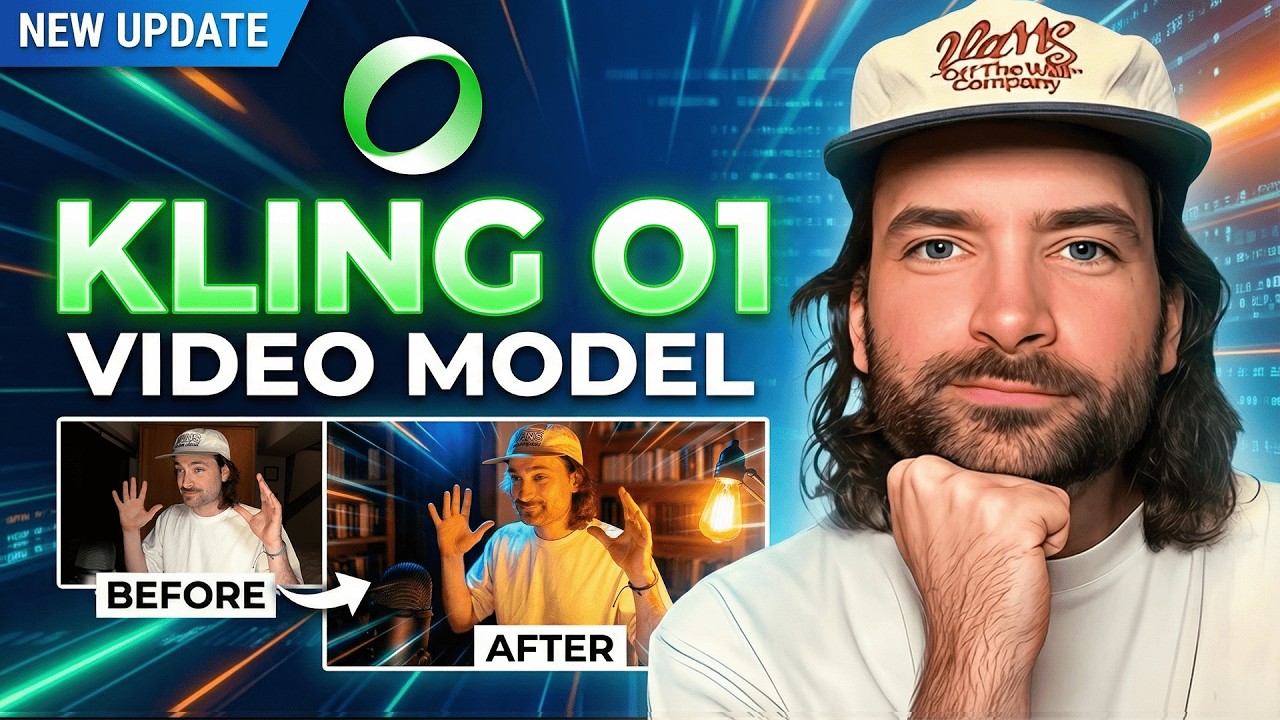
Try Kling O1 here: https://klingaiaffiliate.pxf.io/JKWQMe
GenHQ: https://www.skool.com/genhq
Kling O1 truly the "Nano-Banana" of AI video editing? 🍌🤖 In this Kling AI video tutorial, we dive deep into the massive O1 (Omni-1) update—the first unified AI model that lets you edit existing videos just by typing!
🔥 What is the "Nano-Banana" of AI Video? Just like the viral image models before it, Kling O1 is being dubbed the "Nano-Banana" because it’s the first tool to combine high-speed generation, incredible prompt adherence, and native video editing in one package. No more complex workflows—just upload, type, and transform.
🚀 In this video, you will learn:
The O1 "Unified" Engine: How Kling now handles Text, Image, and Video in a single model.
Native Video Editing: How to upload any video and completely change the lighting, background, or style.
Character & Clothing Swaps: The secret workflow to change a character's outfit while keeping the video motion 100% consistent.
1080p & 10-Second Workflows: How to get high-res, longer clips without the glitchy artifacts.
💡 Key Features Covered:
Change Lighting: Turn day into night or studio lighting into neon cyberpunk.
Change Backgrounds: Transport your subject from a bedroom to a beach instantly.
Change Clothing: Swap shirts, dresses, or uniforms using simple text prompts.
Change Characters: Replace the actor entirely while preserving the original movement.
#KlingAI #KlingO1 #AIVideoEditing #NanoBanana #KlingTutorial #TextToVideo #VideoToVideo #AIFilmmaking
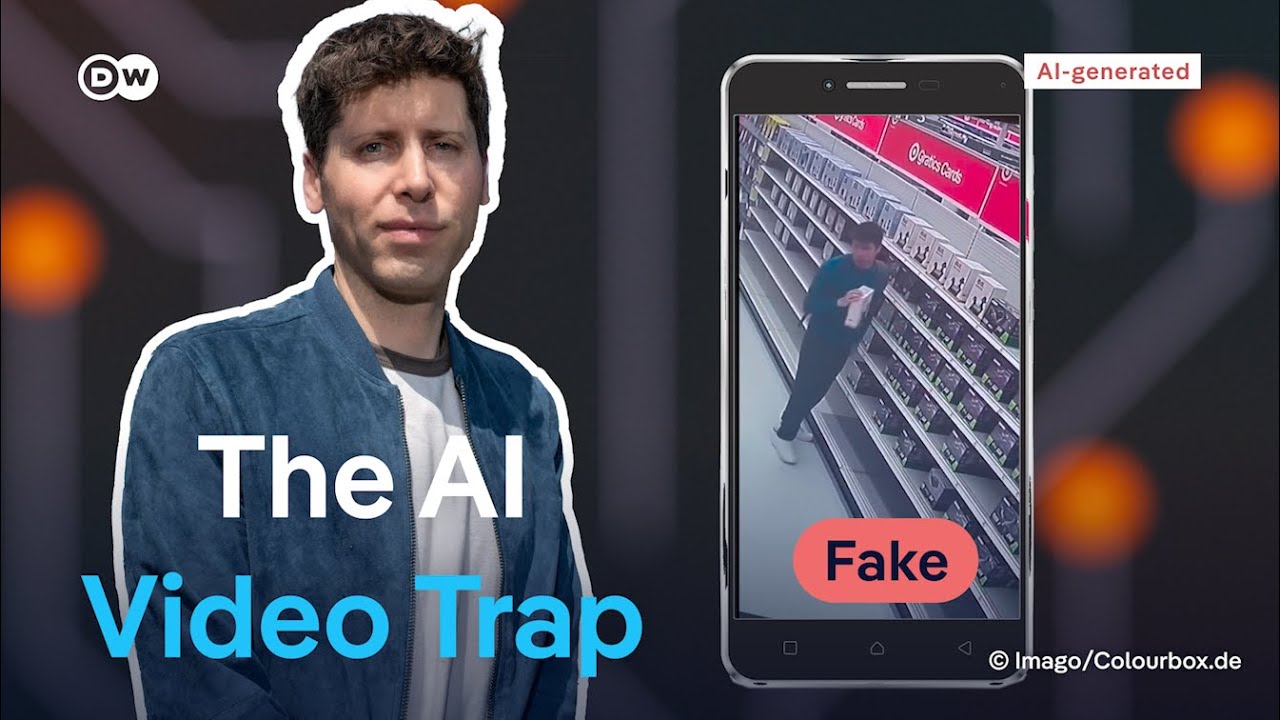
AI videos are flooding our social media feeds. Why is AI-generated content so good at triggering our emotions? What gives them away? And how are they created?
#dwdigital #aideepfakes
#samaltman
For more news go to: http://www.dw.com/en/
Follow DW on social media:
►Instagram: https://www.instagram.com/dwnews
►TikTok: https://www.tiktok.com/@dwnews
►Facebook: https://www.facebook.com/deutschewellenews/
►Twitter: https://twitter.com/dwnews
Für Videos in deutscher Sprache besuchen Sie: https://www.youtube.com/dwdeutsch
Subscribe: https://www.youtube.com/user/d....eutschewelleenglish?

► DataCamp | Python Fundamentals Track https://datacamp.pxf.io/2aER0Q
► DataCamp | AI Engineer for Developers https://datacamp.pxf.io/mOAO91
► DataCamp | AI Engineer for Data Scientists https://datacamp.pxf.io/jekex0
Get 25% OFF DataCamp's Here https://datacamp.pxf.io/bOEe66
🎁 *Notion Roadmap* https://www.notion.so/template....s/aiengineering-road
👉 Support my Channel by Sub/Like/Comment https://www.youtube.com/@UC8_RSKwbU1OmZWNEoLV1tQg
━━━━━
*MY COURSES*
To get certified, better clean structure & progress, support me:
🏅SQL https://www.datawithbaraa.com/....course/sql-full-cour
🏅Tableau https://www.datawithbaraa.com/....course/tableau-ultim
🏅Udemy SQL: https://bit.ly/4hH947P
🏅Udemy Tableau: https://bit.ly/3xFiDDk
━━━━━
*CONNECT WITH ME*
📬 Newsletter https://www.blog.datawithbaraa.com/subscribe
👨💻 LinkedIn https://www.linkedin.com/in/baraa-khatib-salkini/
📸 Instagram https://www.instagram.com/datawithbaraa/
🎥 TikTok https://www.tiktok.com/@datawithbaraa
🌍 Website https://www.datawithbaraa.com/
💬 Discord https://discord.gg/gsVJbMxKcA
🧭 Notion Roadmaps https://www.notion.com/@datawithbaraa
⭐ Favorite Books/Gear https://candle-gosling-511.not....ion.site/My-Favorite
📩 Sponsorships baraa@datawithbaraa.com
━━━━━
*MY FREE COURSES*
*SQL* https://youtu.be/SSKVgrwhzus
*Python* https://www.youtube.com/playli....st?list=PLNcg_FV9n7q
*Tableau* https://youtu.be/UcGF09Awm4Y
*Real World Data Projects* https://www.youtube.com/playli....st?list=PLNcg_FV9n7q
*Data Career Roadmaps* https://www.youtube.com/playli....st?list=PLNcg_FV9n7q
━━━━━
Visually explained step-by-step guide on how to learn Python fast with a clear roadmap, practical projects, and smart learning strategies.
📖 *Table of Content*
00:00 - Intro
00:48 - What is AI Engineer
02:20 - Phase 1 - Foundations
03:58 - Phase 2 - LLM Model Interaction
05:26 - DataCamp
09:27 - Phase 3 - Build and Run AI Systems
16:29 - Phase 4 - Get Hired
#aiengineering #aiengineer

Seedance 2.0 review. Seedance 2.0 initial tests & features. Best AI video generator. #seedance #seedance2 #ai #aivideo #aitools
Thanks to our sponsor Higgsfield. Try it for free: https://higgsfield.ai/?utm_source=AISearch
Seedance 2.0 will be released in Capcut Dreamina soon. Stay tuned: https://dreamina.capcut.com/
Meanwhile, you can try KLING 3.0. It's also great https://youtu.be/_ey0HNGdMBk
0:00 Seedance 2.0 intro
0:55 How to use Seedance 2.0
1:50 First last frame kungfu test
3:26 Anime fight test
4:58 Character consistency and bg test
6:08 3D reference to video
7:54 Video ref camera control
9:05 Video expression transfer
9:45 Manga to anime
10:52 Storyboard to video
12:15 3D pixar test
14:01 Commercial test
15:06 Product commercial
17:21 Higgsfield
18:46 2D cartoon test
20:10 UI motion graphics
20:48 UGC with product
21:52 Language test
22:41 UGC day in life test
23:10 Song to MV
24:44 Multi-sequence tests
26:52 Emotion and dialogue tests
28:42 Gymnastics test
29:42 Physics test
30:10 Pythagoream theorem
30:55 Drum playing test
31:47 Other Seedance features
Learn AI: https://ai-search.io/courses
Newsletter: https://aisearch.substack.com/
Find AI tools & jobs: https://ai-search.io/
Support: https://ko-fi.com/aisearch
Here's my equipment, in case you're wondering:
Lenovo Thinkbook: https://amzn.to/4jWeKwH
Dell Precision 5690: https://www.dell.com/en-us/dt/ai-technologies/index.htm?utm_source=AISearchTools&utm_medium=youtube&utm_campaign=precisionai#tab0=0
GPU: Nvidia RTX 5000 Ada https://nvda.ws/3zfqGqS
Mic: Shure SM7B https://amzn.to/3DErjt1
Audio interface: Scarlett Solo https://amzn.to/3qELMeu

I cloned myself with AI, created 2 faceless YouTube videos, and made money. Here's how you can too—and the new YouTube rules you MUST follow to avoid getting banned.🔥 Try out invideo AI for FREE here! ➡️ https://ai.invideo.io/thinkmedia
📈 Want to break through on YouTube? Join our FREE 3-Day YouTube Growth Sprint for the ultimate plan to start getting views and grow your channel fast! ➡ http://YTSprint.com/
⭐️ Our free YouTube growth class reveals 3 essential secrets we're using in 2026 to get more views, subscribers, and income—watch here ➡️ http://ThinkMasterclass.com
This video is sponsored by @InVideoOfficial. Some product links are affiliate links which means if you buy something we'll receive a small commission.
=============================
All Products and Gear Mentioned in this video
=============================
🔥 Try out invideo AI for FREE here! ➡️ https://ai.invideo.io/thinkmedia
===========================
Connect with us!
=============================
Tik Tok: ➡︎ https://www.tiktok.com/@thinkmediaofficial/
IG: ➡︎ https://www.instagram.com/officialthinkmedia/
===========================
Subscribe and Listen to the Think Media Podcast HERE:📱
===========================
➡︎YT: @ThinkMediaPodcast
➡︎Apple: https://apple.co/2F3tmIS
➡︎Spotify: https://spoti.fi/36qevE8
⏰ Timecodes ⏰
0:00 - I Cloned Myself with AI & Made Money on YouTube
0:41 - Is YouTube Banning AI Videos? (The Real Answer)
2:23 - AI Slop vs. AI Craft: Why Most AI Videos Fail
3:48 - The Easiest AI Tool for Creating Videos (InVideo AI)
4:11 - TUTORIAL: Step-by-Step: How to Create Your AI Twin
6:06 - How to Edit Your Video with Simple Prompts
6:52 - CASE STUDY: My Faceless AI Channel Got 11,000 Views Overnight
8:22 - Another Opportunity: Using AI Actors for UGC & TikTok Shop
10:23 - The 4-Step Checklist for SUCCESSFUL AI Videos
10:41 - Step 1: Find a Strong Idea
11:03 - Step 2: Nail the Hook
11:18 - Step 3: Write & Shape the Script Yourself
11:52 - Step 4: Optimize Your Video Packaging (Title & SEO)
12:57 - Your Next Step
===========================
Here are the ways to work with us here at Think Media:
===========================
⚡️FREE CLASS: Watch our FREE YouTube class here: ➡︎ http://ThinkMasterclass.com
⚡️BOOK: Check out the #1 best-selling book YouTube Secrets here: ➡︎ https://ytsecrets.com/
⚡️For Support inquires, or Business inquiries, please go to ➡︎ http://ThinkMediaSupport.com
⚡️Join our YouTube Course & Community TODAY with this special limited-time bundle at: http://joinvra.com
===========================
Connect with Sean Cannell on Social Media:
===========================
➡︎https://www.linkedin.com/in/seancannell/
➡︎https://twitter.com/seancannell
➡︎https://instagram.com/seancannell
===========================
What We Use For Music:
===========================
🔥 Get a 7-day free trial for new personal and commercial plan here! ➡️ http://thinkmediasounds.com
===========================
In-Depth Channel Analytics and Ideas
===========================
Get a 30-Day trial of vidIQ's Boost plan for just $1 here: 👉 http://vidiq.com/think
===========================
#thinkmedia #seancannell #youtubetips
YouTube is cracking down on low-effort "AI Slop," but they are actively monetizing and promoting high-quality "AI Craft." This video is your complete guide to understanding the difference and leveraging AI to build a profitable, faceless YouTube channel in 2026.
We'll debunk the myths around YouTube's new AI policy and show you a real-world case study of a brand new faceless channel that got 11,000 views overnight using the exact tool and strategy outlined in this tutorial.
In this guide to making money with AI videos, you will learn:
- The truth about YouTube's new AI monetization rules.
- The difference between "AI Slop" that gets banned and "AI Craft" that gets paid.
- A step-by-step tutorial on how to clone yourself or use AI actors with InVideo AI.
- A case study of a faceless AI channel that got monetized.
- The 4-step checklist to ensure your AI videos get views and subscribers.
Our mission here at Think Media is to help purpose-driven entrepreneurs go full-time doing what they love and making an impact through the power of video.
Disclaimer: Please see the link for our disclaimer policy for all of our videos on the Think Media and Think Media Podcast YouTube channels. https://go.thinkmedia.com/youtube-disclaimer
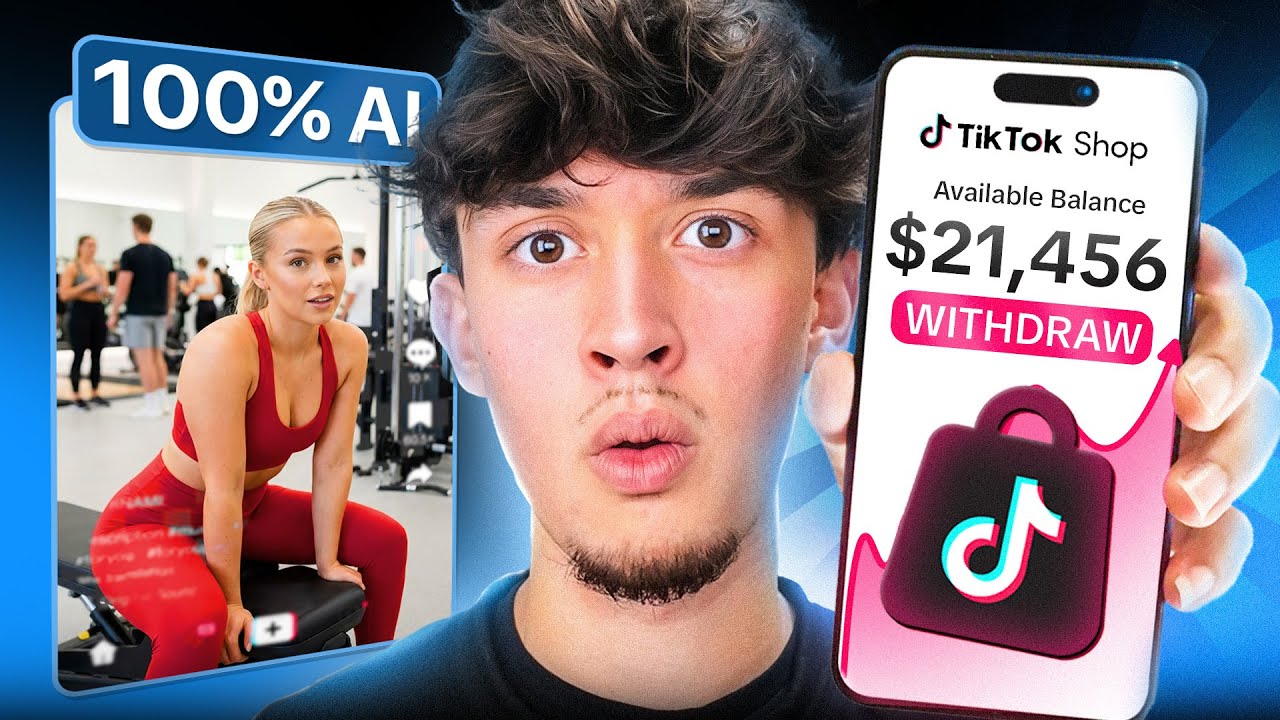
How To Do TikTok Shop With No Product In Hand (Using Kling 3.0 AI Generated Videos)
Try Higgsfield Here Today: https://higgsfield.ai/kling-3.....0/?utm_source=TaroCr
Free Discord + Free Course: https://whop.com/4orte
TikTok Shop No Product In Hand: https://youtu.be/UOjkV3QafQ8?si=hVoBo3pKM7kgIqKs
TikTok Shop Anywhere In The World: https://youtu.be/kP0DdMIXAYI?si=KXZLd6zWLWTKjQpg
In this video, I show you how to make viral AI videos using Kling's New 3.0 that drive sales with TikTok Shop Affiliate. You’ll learn how to use AI tools to create high-converting content, structure your videos for maximum engagement, and earn commissions without showing your face or holding a product.
Instagram: https://www.instagram.com/taro4orte/
Second Channel: https://www.youtube.com/@taro4orte
If you enjoyed, feel free to drop a like and subscribe. Any feedback is appreciated.
#Higgsfield #Kling3.0 #AIVideo #FreeKling #KlingUnlimited
Contact me: contact@4ORTEstudios.com
Disclaimer: This video is intended for educational and informational purposes only. The strategies and methods shared are drawn from my personal experience and should not be interpreted as a guarantee of specific results. Success on TikTok can vary based on several factors, including content quality, consistency, niche selection, and compliance with TikTok’s policies.
I fully adhere to TikTok and YouTube’s Community Guidelines and Terms of Service, and I encourage all viewers to familiarize themselves with these policies before implementing any of the techniques discussed. I do not endorse or support any practices that violate TikTok or YouTube’s rules, including but not limited to spamming, deceptive conduct, or copyright infringement.
By watching this video, you acknowledge that you are solely responsible for your actions and agree to use YouTube in accordance with its guidelines. For more information on YouTube’s official policies, please visit: https://www.youtube.com/howyou....tubeworks/our-polici
Timestamps:
0:00 Intro
0:30 Examples Of Repurposed Content
3:29 Full Tutorial
14:21 Outro

This is the only video you need to learn how to build a faceless YouTube Shorts channel. I show the full step-by-step process I use to run my own YouTube Shorts business.
Try Viblo to make viral shorts with AI: https://viblo.ai/
-----------------------------------------------------------------------
If you're new around here, I'm Kellan Henneberry and over the last year I've dedicated 100% of my time to creating viral short-form content.
I got into YouTube Shorts 10 months ago and in that time, I have built 5+ successful channels, gained hundreds of thousands of subscribers, and generated over 6 figures in pure profit.
I post weekly videos packed with value to show you exactly how to go viral with YouTube Shorts, and make your first $5k/mo with faceless content.

Easiest Way to Start a One-Person Business Using AI.
► Shopify Free Trial Link https://utm.io/ukZvv
► Explore Shopify Community https://utm.io/ukZwh
► Free Business Name Generator https://utm.io/uk0Sm
► Free Logo Maker https://utm.io/uk0Tq
––––––––––––––––––––––––––––––––––––––––––––
Building a 1-person business has changed forever in 2026. With AI advancing at lightning speed, the gap between having a "big idea" and launching a global brand has virtually disappeared. In this video, I’m breaking down the exact roadmap to becoming a successful solopreneur using the latest AI tools to handle everything from your initial brainstorm to your first five-figure month. Whether you’re a total beginner or looking to scale, these strategies are designed to make you more efficient than a team of ten.
The old barriers to entry—like high startup costs and technical complexity—are gone. Now, your laptop and a strategic plan are your most powerful assets. I’ll show you how to leverage AI as your creative partner and operational backbone so you can stop drowning in "busy work" and start focusing on the high-level strategy that actually grows your empire. We’ll dive into the world of autonomous agents, AI-powered branding, and the new era of e-commerce that allows you to build a professional storefront in seconds.
By the end of this guide, you’ll have a complete toolkit of free and affordable AI resources to launch your business today. We aren't just talking about theory; I'm showing you the real-world applications that turn quirky ideas into household names. Stop procrastinating on your dreams and learn how to use the AI revolution to your advantage. It’s time to build something you're genuinely excited about—let's get started!
*What We Cover in This Video:*
- The Solopreneur Shift: Why 2026 is the ultimate year for 1-person businesses.
- The "Vibe-Check" Brainstorm: Using AI models to validate ideas and calculate market potential.
- Human-Centric Branding: How to use AI to find a unique identity that people actually fall in love with.
- Instant Ecommerce: Building a fully functional Shopify store using nothing but descriptions and AI magic.
- The 10x Employee: Setting up autonomous AI agents to handle ads, emails, and deep research.
- Content That Competes: Leveraging cutting-edge video and image tools to stand out in a crowded social feed.
- Data-Driven Growth: Turning "scary" analytics into a clear game plan for scaling your sales.
––––––––––––––––––––––––––––––––––––––––––––
📺 *Watch More Learn with Shopify Video Tutorials:*
► The OFFICIAL Shopify Tutorial For Beginners 2026 (Part 1) https://youtu.be/RWI59fC7Z48
► How to Start a Dropshipping Business https://youtu.be/4dItZA66yM4
► The Complete Instagram For Business Tutorial https://youtu.be/HnLEQziOdPU
► How to Start a Blog For Your Business https://youtu.be/33loMajGAcY
► How to Become an Entrepreneur in 2026 https://youtu.be/cX0NfPzf1aQ
► How To SELL On Instagram in 2026 https://youtu.be/C4eyDXVorEo
► Give Me 10 Minutes and I'll Make You A Shopify Pro! https://youtu.be/kZ5ZnHFuQPE
► Product Research: How to Find Trending Products to Sell Right Now https://youtu.be/Xk6S5ZdzwE4
► How to Optimize Your Shopify Store for Higher Conversions https://youtu.be/kFWPkoOx_ao
► How to Build a Brand from Scratch in 2026 https://youtu.be/4xnLp9A8G_U
► Build a Shopify Store in 10 Minutes With Lovable! (New Integration) https://youtu.be/09nWzXMm9Ag
––––––––––––––––––––––––––––––––––––––––––––
🔗 Tools & Resources:
► Shopify Academy https://utm.io/ukZzZ
► Join our Shopify Community https://utm.io/ukZvv
► Shopify Masters Podcast @shopifymasters
► Mystery Link https://utm.io/ukZxK
––––––––––––––––––––––––––––––––––––––––––––
🔔 Subscribe to @learnwithshopify for more productivity tutorials and tips for entrepreneurs of all stages.
––––––––––––––––––––––––––––––––––––––––––––
#AI #Solopreneur #BusinessTips2026 #Entrepreneur #ShopifyMagic #OnePersonBusiness #AITools #PassiveIncome #SideHustle #Ecommerce2026 #Automation #StartupLife #ArtificialIntelligence #BusinessGrowth #DigitalMarketing #WorkFromHome #SmallBusinessTips #FutureOfWork #AIAutomation #BrandStrategy #FinancialFreedom #TechTrends #OnlineBusiness #ContentCreator #LearnWithShopify


🌍🧭 Welcome to Happy Learning’s LIVE educational video about Planet Earth! In this fun and informative session, primary school children will discover the main features of our planet: its shape, internal layers, continents and oceans, climates, landforms, and how water and the atmosphere make life possible.
📖 SUBJECT PLAYLISTS
🦖⛰️🐅 NATURAL SCIENCES for Primary School: https://www.youtube.com/playli....st?list=PLLF_mZmNqOn
👨🏫 SOCIAL SCIENCES for Primary School: https://www.youtube.com/playli....st?list=PLLF_mZmNqOn
➕✖️ MATH for Primary School Children: https://www.youtube.com/playli....st?list=PLLF_mZmNqOn
🤴🏰 HISTORY for Primary School Children: https://www.youtube.com/playli....st?list=PLLF_mZmNqOn
🌍⛰️ GEOGRAPHY for Primary School Children: https://www.youtube.com/playli....st?list=PLLF_mZmNqOn
🤝😊 Values and Emotions for Primary School Children: https://www.youtube.com/playli....st?list=PLLF_mZmNqOn v=KkCIIQyevjo&list=PL_Y3qbepMRoY7gwuwniiq11oMo6Ofe724
🌍 THE HAPPY LEARNING UNIVERSE
✅ Learn more about Happy Learning and our educational platform: https://happylearning.tv/en/
✅ Discover our social mission: https://happylearning.tv/en/nemesio-diez-foundation/
✅ Download the Happy Learning App:
- iOS: https://apps.apple.com/es/app/....happy-learning-tv/id
- Android: https://play.google.com/store/apps/details?id=tv.happylearning.canal&pli=1
🎓 ABOUT HAPPY LEARNING
Happy Learning is a social enterprise created by the Nemesio Diez Foundation, working to improve people's quality of life through education, health, sports and culture.
As a social company, our mission is to educate all children in the world in values and knowledge, to promote their holistic development and their commitment to society and the planet.
We offer educational resources to families, schools, hospitals and NGOs to ensure that children everywhere have access to a high-quality, comprehensive education.
At Happy Learning, we turn learning into an exciting adventure for primary school children. 🚀
We offer over 2,000 educational resources that combine fun and learning through animated videos, reading materials, interactive games and real-world activities.
📺 HAPPY LEARNING YOUTUBE CHANNEL
Welcome to Happy Learning! 🚀📚
The educational channel where learning is an adventure. Our goal is to spark curiosity and a love for knowledge in primary school children through fun and dynamic educational videos.
Discover the fascinating world of science with videos on Dinosaurs, the Solar System, Invertebrate Animals, Arachnids and much more. Travel back in time with history videos covering Prehistory, the Discovery of America or Ancient Egypt. Learn geography with content about The Earth and Its Movements, the Water Cycle and Parts of the Earth. Strengthen math skills with videos on Multiplication, Subtraction and Matter and Its Properties, and improve Spanish language understanding with lessons on Nouns, Sentences and Subject and Predicate.
Happy Learning transforms education into an exciting experience through animated videos, clear explanations and interactive activities. Perfect for children, parents and teachers seeking high-quality educational content.
🌟 Join our community of explorers!

Subscribe to Happy Learning: https://my.happylearning.tv/
More related videos: https://www.youtube.com/playli....st?list=PLLF_mZmNqOn
Curiosities for kids:https://www.youtube.com/playli....st?list=PLLF_mZmNqOn
EARTH AND ITS PARTS | Happy Learning 🌍🔍
Hello, Happy Learners! 🎉🌍 Welcome to a new Happy Learning video. Today, we are going to explore the incredible planet **Earth** and its different parts. 🌟✨ We will discover the layers of the Earth, the continents, the oceans, and much more. 🌊🏔️
Did you know that the Earth is made up of several layers, including the crust, mantle, and core? 🤔🔍 Join us on this fascinating educational adventure and learn amazing facts about our wonderful planet. It will be a journey full of discoveries and fun! 😄🎉
Don't miss it! Give it a like 👍, subscribe 🔔, and share this video with all your friends. Let's learn and have fun together! 🚀😊
#Earth #GeographyForKids #EducationForKids #Curiosities #HappyLearning #LearningIsFun #PlanetEarth #EducationalVideos
Discover hundreds of never-before-seen resources! Create your free account at https://my.happylearning.tv/ and learn in the most fun way.
#happylearning
#learning
#happy
Discover hundreds of never-before-seen resources! Create your free account at https://my.happylearning.tv/ and start learning in the most entertaining way.

NEW VIDEOS https://www.youtube.com/playli....st?list=PLLF_mZmNqOn
MORE HISTORY https://www.youtube.com/playli....st?list=PLLF_mZmNqOn
🌎⛵ In this educational video for kids, you’ll learn about the Discovery of America in 1492. Discover who Christopher Columbus was, how the journey across the Atlantic took place, and what the impact was of the meeting between two cultures.
"History in Primary School allows children to learn about and understand the past in order to make sense of the present and build the future. From Prehistory, Ancient Egypt, and the Roman Empire to the Middle Ages, discoveries, and revolutions, each video is designed to make learning dynamic and exciting.
Students will explore how societies have evolved, how inventions and advances have transformed the world, and why learning from history is essential to making better decisions."
📖 SUBJECT PLAYLISTS
🦖⛰️🐅 NATURAL SCIENCES for Primary School: https://www.youtube.com/playli....st?list=PLLF_mZmNqOn
👨🏫 SOCIAL SCIENCES for Primary School: https://www.youtube.com/playli....st?list=PLLF_mZmNqOn
➕✖️ MATH for Primary School Children: https://www.youtube.com/playli....st?list=PLLF_mZmNqOn
🤴🏰 HISTORY for Primary School Children: https://www.youtube.com/playli....st?list=PLLF_mZmNqOn
🌍⛰️ GEOGRAPHY for Primary School Children: https://www.youtube.com/playli....st?list=PLLF_mZmNqOn
🤝😊 Values and Emotions for Primary School Children: https://www.youtube.com/playli....st?list=PLLF_mZmNqOn v=KkCIIQyevjo&list=PL_Y3qbepMRoY7gwuwniiq11oMo6Ofe724
🌍 THE HAPPY LEARNING UNIVERSE
✅ Learn more about Happy Learning and our educational platform: https://happylearning.tv/en/
✅ Discover our social mission: https://happylearning.tv/en/nemesio-diez-foundation/
✅ Download the Happy Learning App:
- iOS: https://apps.apple.com/es/app/....happy-learning-tv/id
- Android: https://play.google.com/store/apps/details?id=tv.happylearning.canal&pli=1
🎓 ABOUT HAPPY LEARNING
Happy Learning is a social enterprise created by the Nemesio Diez Foundation, working to improve people's quality of life through education, health, sports and culture.
As a social company, our mission is to educate all children in the world in values and knowledge, to promote their holistic development and their commitment to society and the planet.
We offer educational resources to families, schools, hospitals and NGOs to ensure that children everywhere have access to a high-quality, comprehensive education.
At Happy Learning, we turn learning into an exciting adventure for primary school children. 🚀
We offer over 2,000 educational resources that combine fun and learning through animated videos, reading materials, interactive games and real-world activities.
📺 HAPPY LEARNING YOUTUBE CHANNEL
Welcome to Happy Learning! 🚀📚
The educational channel where learning is an adventure. Our goal is to spark curiosity and a love for knowledge in primary school children through fun and dynamic educational videos.
Discover the fascinating world of science with videos on Dinosaurs, the Solar System, Invertebrate Animals, Arachnids and much more. Travel back in time with history videos covering Prehistory, the Discovery of America or Ancient Egypt. Learn geography with content about The Earth and Its Movements, the Water Cycle and Parts of the Earth. Strengthen math skills with videos on Multiplication, Subtraction and Matter and Its Properties, and improve Spanish language understanding with lessons on Nouns, Sentences and Subject and Predicate.
Happy Learning transforms education into an exciting experience through animated videos, clear explanations and interactive activities. Perfect for children, parents and teachers seeking high-quality educational content.
🌟 Join our community of explorers!

Discover hundreds of never-before-seen resources! Create your free account at https://my.happylearning.tv/ and start learning in the most entertaining way.
What are you waiting for? MATHS IS EASY PEASY with Happy Learning
💭Who has practiced and now knows their 4 x tables??
👇Tell us if it helped you in the comments below!!
👉SUBSCRIBE TO HAPPY LEARNING! http://bit.ly/HappyLearningTV
👉Web site: https://happylearning.tv/en/
👉Follow us on Facebook: https://www.facebook.com/HappyLearningTv
Recommended Video: 3 Times Table Song: Easy Peasy Maths
--------------
Hello Happy Friends, Welcome to a new Happy Learning Video!
Today, we're going to learn the 3 times table!
1 X 4 = 4
2 X 4 = 8
3 X 4 = 12
4 X 4 = 16
5 X 4 = 20
6 X 4 = 24
7 X 4 = 28
8 X 4 = 32
9 X 4 = 36
10 X 4 = 40
One more time!
Today we are going to learn many fascinating things about sound!
We embark on a journey to uncover the mysteries of sound and how it shapes the world around us.
Through colorful animations and lively narration, young viewers will learn about the basics of sound, including how it travels, what causes it, and how our ears enable us to hear. From the chirping of birds to the rumble of thunder, children will discover the diverse sources of sound in nature and everyday life.
But our exploration doesn't stop there! Kids will also delve into the science behind sound waves, discovering concepts such as frequency, pitch, and volume in a fun and accessible way. With interactive demonstrations and easy-to-understand explanations, this video aims to spark curiosity and encourage further exploration of the auditory world.
Get ready for a sonic adventure like no other!
Discover hundreds of never-before-seen resources! Create your free account at https://my.happylearning.tv/ and start learning in the most entertaining way.
What are you waiting for? MATHS IS EASY PEASY with Happy Learning
💭Who has practiced and now knows their 4 x tables??
👇Tell us if it helped you in the comments below!!
👉SUBSCRIBE TO HAPPY LEARNING! http://bit.ly/HappyLearningTV
👉Web site: https://happylearning.tv/en/
👉Follow us on Facebook: https://www.facebook.com/HappyLearningTv
Recommended Video: 3 Times Table Song: Easy Peasy Maths
--------------
Hello Happy Friends, Welcome to a new Happy Learning Video!
Today, we're going to learn the 3 times table!
1 X 4 = 4
2 X 4 = 8
3 X 4 = 12
4 X 4 = 16
5 X 4 = 20
6 X 4 = 24
7 X 4 = 28
8 X 4 = 32
9 X 4 = 36
10 X 4 = 40
One more time!

Do you know how harmful palm oil is for the planet? Discover with us the consequences it causes and how it affects the Earth.
PREMIERES! 👉 https://www.youtube.com/playli....st?list=PLLF_mZmNqOn
Discover hundreds of never-before-seen resources! Create your free account at https://my.happylearning.tv/ and start learning in the most entertaining way.
What are you waiting for? Happy Learning is channel for kids. Here they can find educational videos with which they can learn and have fun.
We have two playlist, the first one is for toddlers and the second is for children a little bit older;
▶ PreSchool Playlist: http://bit.ly/Preschool-HL
▶ Educational Videos: http://bit.ly/EducationalVideos-HL
▶ SUBSCRIBE HAPPY LEARNING! http://bit.ly/HappyLearningTV
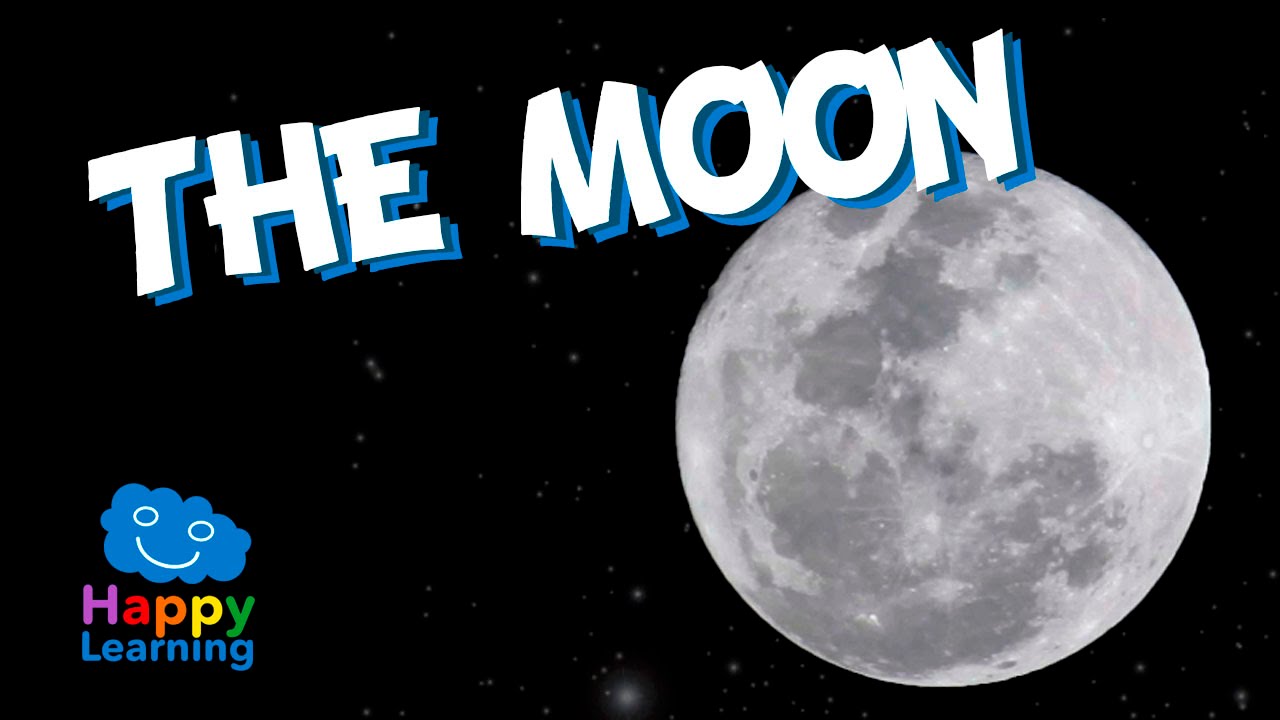
The Moon and the Earth
Hello friends, welcome to a new video from Happy Learning. Today we are going to learn about… the Moon.
The Moon is the only satellite that rotates around our planet and it takes 28 days to completely go around the Earth. But, do we now what a satellite is? A natural satellite is any kind of celestial body that rotates, or actually, orbits around a planet.
The Moon is never still, it moves and in two ways. It has a movement of rotation, which means it turns in its own axis, and a movement of translation, that is to say, it rotates around the Earth.
The duration of the movement of rotation and translation is 28 days. Because it takes the same amount to rotate on its own axis and to completely go around the Earth, the Moon always shows us the same face.
When we observe the Moon along a period of time it appears to change shape. These changes in appearance are called lunar phases and they repeat every 28 days. There are four: full Moon, first quarter, new Moon and last quarter. The Moon phases are produced by two reasons: the movement of the Moon around the Earth and because the Moon reflects light form the sun as a mirror.
New Moon
In this phase the Moon is passing between the Earth and the Sun. The illuminated face of the Moon is facing the opposite direction to Earth. The dark side ends up facing the Earth, and this is why we cannot see the Moon.
First Quarter
You can see it approximately one week after the new Moon. One half of the illuminated side faces the Earth. It is called the first quarter because, from the new Moon phase, the zone illuminated by the sun grows every time.
Full Moon
Approximately a week after the first quarter, we can see the whole Moon illuminated. The Earth is between the Moon and the sun and we can see it fully.
Last Quarter
The Moon presents its other half face illuminated. The name of the last quarter comes from the fact that the illuminated side becomes smaller and smaller each time
A very easy trick to now whether the Moon is in its first or last quarter is the following. If the Moon has the shape of a C, it is in its last quarter and if it has the shape of a D, it is in its first quarter.
So now you know, the Moon has 4 phases:
New Moon, first quarter, full Moon and last quarter.
Know we are going to learn a few facts about the Moon
Do you know the distance between the Moon and the Earth? Although it looks as though it is not very far away, the Moon is about 385,000 kilometers from the Earth.
Another very interesting fact is that a rocket takes three days to get to the Moon. Its incredible, isn’t it?
The first astronaut that stepped on the Moon was Neil Armstrong and this very important accomplishment occurred in the year 1969 aboard the Apollo 11 rocket.
The Moon is 4 times smaller than the Earth, but it is very important for the sustainability of life in our planet. The Moon generates tides; Do you now what that is? A tide is the rise and fall of the sea level. They occur every 6 hours approximately.
Well now you know a little bit more about the Moon, very interesting, right?
Bye friends and don’t forget to subscribe to the Happy learning channel.
Discover hundreds of never-before-seen resources! Create your free account at https://my.happylearning.tv/ and start learning in the most entertaining way.
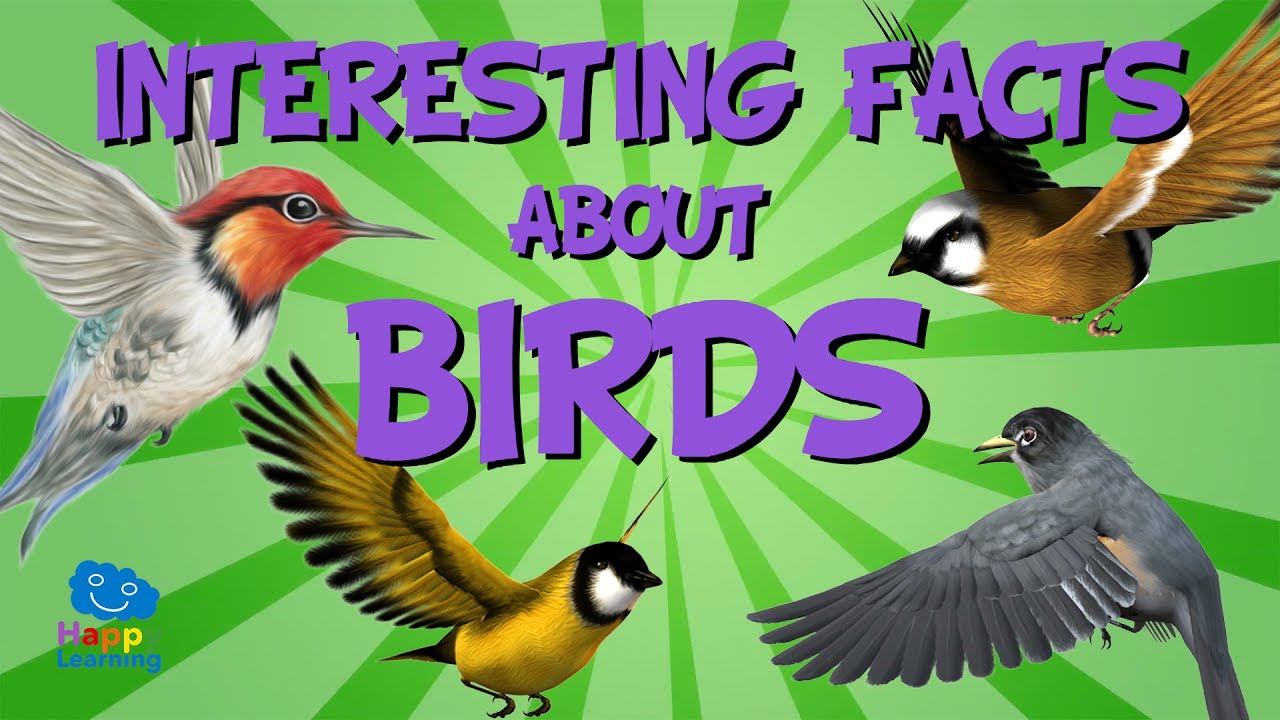
What are you waiting for? Did you now that the fastest bird is the peregrine hawk? This bird of prey can reach up to 400 kilometers per hour whist free falling. Wow it’s so fast, poor dove if it were to cross its path…
On the other hand, the American Woodcock is the slowest bird on the planet, flying at a mere speed of 8 km per hour. Oh, check out
it´s cute little babies!
And did you know that the fastest land bird is the ostrich? This huge bird, actually the largest in the world, cannot fly but can reach up to 70 kilometers per hour…running…it’s faster than a moped!
This tiny hummingbird also holds an impressive record. Besides being the smallest bird, it can also flap its wings 200 times per second or in other words, 12 thousand times in a minute…incredible! They beat so fast that you can hardly even see them, and it looks like they are floating in the air whilst eating…
Did you know that the penguin is the aquatic bird champion? Penguins don’t fly and on land are rather clumsy, but they are incredible in the water. Some species can reach the speed of…36 kilometers per hour. They swim four times faster than a person can…but the most impressive penguin is the emperor penguin. A person can dive to the depth of 260 meters whereas this penguin species dives 535 meters deep and can hold its breath for 5 to 18 minutes. It’s a bird, it has a beak and feathers but it seems as if it wants to be a fish…
Now we have learnt a few records and fascinating facts about birds. The truth is it is beautiful observing them fly in the sky or swim in the sea but as we are always reminding you in Happy Learning, so as to continue enjoying them, we must look after our environment; do not contaminate the air, the sky, the rivers and seas. We must take care of our nature and all that is around us, and like that we will be able to live in a happier world.

Discover hundreds of never-before-seen resources! Create your free account at https://my.happylearning.tv/ and start learning in the most entertaining way.

Discover hundreds of never-before-seen resources! Create your free account at https://my.happylearning.tv/ and start learning in the most entertaining way.
What are you waiting for? Hello friends, I am the Earth, your planet and I want to talk to you about the ground, which is really important and yet we rarely take it into consideration.
The ground which you walk on everyday is my most superficial part, it´s where your houses are built on, your schools and also the roads on which you travel. It´s where rivers run along, plants grow on and animals live on.
How do you think the ground was made? Well it was a very long process, taking millions of years, and is still continuing, in which some really strong workers who never get tired are involved: the sun, the wind, the water and living things. Rocks which at the beginning made up my surface, bit by bit began to crack breaking into smaller pieces because of the strength of those workers. This mixture of different minerals grew richer with organic matter coming from plants and dead animals. It takes a hundred years to obtain just one centimeter of soil. The result of all this process gives us a surface where life can live, full of wonderful creatures.
We must look after our ground just as we are maintaining our air clean as well as our water because it´s imperative for living things for them to be able to eat as well as to have a place to live. And there are so many dangers which, in a very short time, can transform fertile land into a desert where it is impossible for life to thrive.
Forest fires as well as cutting down large amounts of trees are examples of how the soil is left defenseless. Without the help of the roots from trees and plants in the ground, rain water and wind wipe away the nutrients in the soil. This is called erosion. And when this occurs, nothing will be able to grow there again. The same thing happens when toxic products are thrown on the ground killing living things and contaminating the water that flows underground making the land sterile.
Without healthy soil it is impossible to have a healthy life, so we must look after it all together. The ground you walk on is the ground which allows you to live. It is for this reason that we must help maintain it clean and respecting it by never throwing rubbish on it.
If we keep it clean, I the Earth, your house in the universe and all living things which live on me, will all be a lot happier.
Because as you know…children can make a world of difference.

What Is The Big Bang Theory? I THE ORIGIN OF THE UNIVERSE | Educational Videos for Children
Join Happy Learning on an extraordinary journey to unravel the mysteries of the universe's origin! In this captivating video, we'll embark on a cosmic adventure to explore the Big Bang theory and how our vast universe came into existence. From the formation of stars and galaxies to the birth of planets, we'll discover awe-inspiring facts about the cosmos that will spark curiosity and wonder in young minds. Get ready for an out-of-this-world exploration filled with fascinating discoveries and captivating visuals. Subscribe to Happy Learning for more exciting educational content that brings the wonders of the universe to life!
Discover hundreds of never-before-seen resources! Create your free account at https://my.happylearning.tv/ and start learning in the most entertaining way.
#bigbang #curiosities #sciencefacts
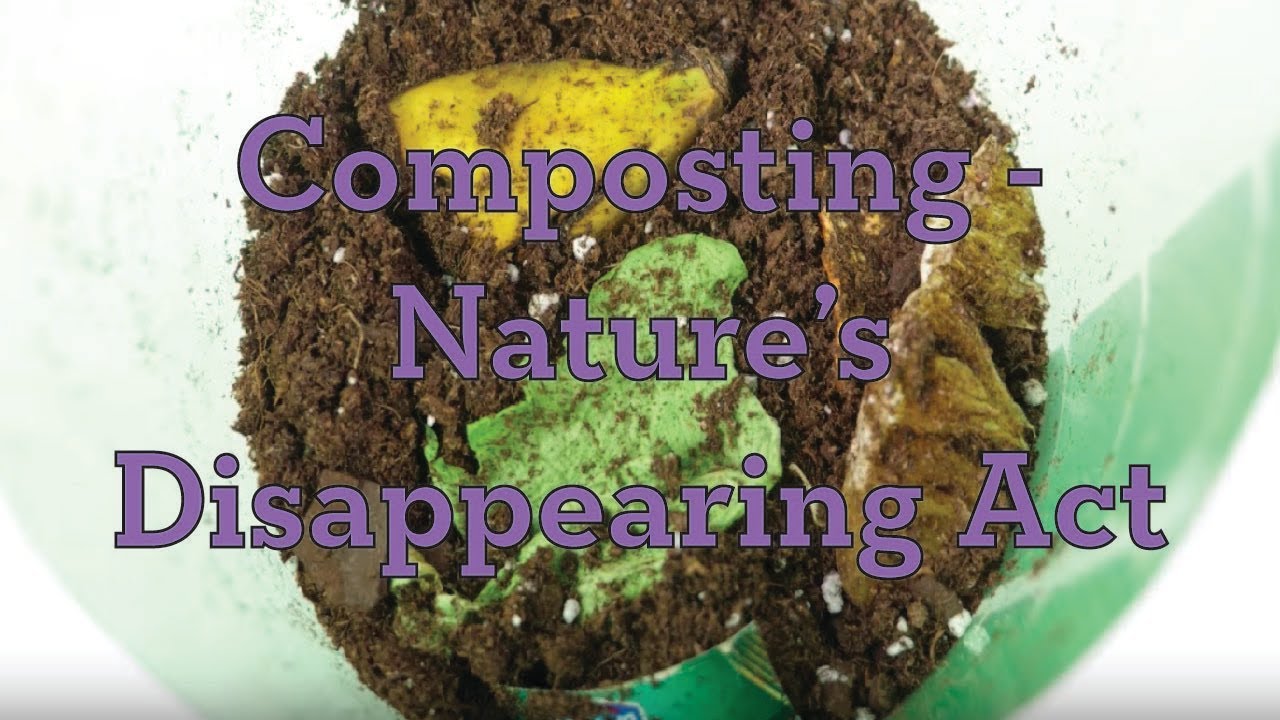
Students explore the concept of biodegradability by building and observing model landfills to test the decomposition of samples of everyday garbage items. They collect and record experiment observations over five days, seeing for themselves what happens to trash when it is thrown "away" in a landfill environment. This shows them the difference between biodegradable and non-biodegradable and serves to introduce them to the idea of composting. Students also learn about the role of engineering in solid waste management.
View the full activity on TeachEngineering:
https://www.teachengineering.o....rg/activities/view/c
TeachEngineering has over 1,500 FREE lessons and activities. Visit https://www.teachengineering.org/ for more!
Music: Undeniable

Students construct paper recombinant plasmids to simulate the methods genetic engineers use to create modified bacteria. They learn what role enzymes, DNA and genes play in the modification of organisms. For the particular model they work on, they isolate a mammal insulin gene and combine it with a bacteria's gene sequence (plasmid DNA) for production of the protein insulin.
View the full activity at TeachEngineering:
https://www.teachengineering.o....rg/activities/view/u
TeachEngineering has over 1,500 FREE lessons and activities. Visit http://www.TeachEngineering.org for more!
Music: How We Like It - Dan Lebowitz

Use this board game to introduce the concepts of energy use in our lives and the very real impact that personal choices can have on our energy consumption, energy bills and fuel supply. The game begins as students select cards that define their modes of transportation and home design. The players roll dice and move around the board, landing on "choice" or "situation" blocks and selecting cards that describe consumer choices and real-life events that impact their energy consumption and annual energy bills. As the players pass gasoline stations or energy bill gates, they must pay annual expenses as defined by their original cards, with amounts altered by the choices they've made along the way. Gasoline cards are collected to represent total consumption. Too many gas-guzzling vehicles can result in total depletion of their gasoline supply – at which point everyone must walk or ride the bus. At the end of the game, the players count their remaining dollars to determine the winner. Discussion questions probe the students to interpret what choices they made and which situations they encountered had the most impact on their energy consumption and energy bills. All game board, card and money files are available online free of charge.
This engineering curriculum aligns to Next Generation Science Standards (NGSS).
View the full activity on TeachEngineering:
https://www.teachengineering.o....rg/activities/view/c
TeachEngineering has over 1,500 FREE lessons and activities. Visit https://www.teachengineering.org/ for more
Music: Bicycle Reunited