Top videos

Students investigate circuits and their components by building a basic thermostat. They learn why key parts are necessary for the circuit to function, and alter the circuit to optimize the thermostat temperature range. They also gain an awareness of how electrical engineers design circuits for the countless electronic products in our world.
View the full activity at TeachEngineering:
https://www.teachengineering.o....rg/activities/view/c
TeachEngineering has over 1,500 FREE lessons and activities.
Visit http://www.TeachEngineering.org for more!
Music: Electrodoodle- Kevin MacLeod

Students learn about the role engineers and mathematicians play in developing the perfect bungee cord length by simulating and experimenting with bungee jumping using washers and rubber bands. Working as if they are engineers for a (hypothetical) amusement park, students are challenged to develop a show-stopping bungee jumping ride that is safe. To do this, they must find the maximum length of the bungee cord that permits jumpers (such as brave Washy!) to get as close to the ground as possible without going "splat"! This requires them to learn about force and displacement and run an experiment. Student teams collect and plot displacement data and calculate the slope, linear equation of the line of best fit and spring constant using Hooke's law. Students make hypotheses, interpret scatter plots looking for correlations, and consider possible sources of error. An activity worksheet, pre/post quizzes and a PowerPoint® presentation are included.
View the full activity on TeachEngineering:
https://www.teachengineering.o....rg/activities/view/n
TeachEngineering has over 1,500 FREE lessons and activities. Visit https://www.teachengineering.org/ for more
Music: Morning Mist - Quincas Moreira

Students design and construct electromagnets that must pick up 10 staples. They begin with only minimal guidance, and after the basic concept is understood, are informed of the properties that affect the strength of that magnet. They conclude by designing their own electromagnets to complete the challenge of separating scrap steel from scrap aluminum for recycling, and share it with the class.
View the full activity on TeachEngineering:
https://www.teachengineering.o....rg/activities/view/v
TeachEngineering has over 1,500 FREE lessons and activities. Visit http://www.TeachEngineering.org for more!
Music: Sunday Spirit - Audionautix
Sunday Spirit by Audionautix is licensed under a Creative Commons Attribution license (https://creativecommons.org/licenses/by/4.0/)
Artist: http://audionautix.com/

Posed with a paradigmatic engineering problem, students consider and explore mathematical algorithms and/or geometric concepts to devise possible solutions. The problem: How should a robotic vacuum move in order to best clean a floor of unknown shape and dimensions? They grapple with what could be a complex problem by brainstorming ideas, presenting the best idea for a solution and analyzing all presented solutions, and then are introduced to an elegant solution. Rather than elaborately calculating the most efficient route and keeping track of which tiles the robot has visited, a random number generator determines which direction the robot will take when it hits a barrier. Students are able to visually confirm how an unfamiliar programming concept (a random number generator) can make for a simple and efficient program that causes an EV3 robot (that is suitably equipped) to clean a bare floor. Then students think of other uses for random numbers.
View the full activity at TeachEngineering:
https://www.teachengineering.o....rg/activities/view/n
TeachEngineering has over 1,500 FREE lessons and activities. Visit http://www.TeachEngineering.org for more!
Music: London Bayou - ALBIS

Students are introduced to renewable energy, including its relevance and importance to our current and future world. They learn the mechanics of how wind turbines convert wind energy into electrical energy and the concepts of lift and drag. Then they apply real-world technical tools and techniques to design their own aerodynamic wind turbines that efficiently harvest the most wind energy. Specifically, teams each design a wind turbine propeller attachment. They sketch rotor blade ideas, create CAD drawings (using Google SketchUp) of the best designs and make them come to life by fabricating them on a 3D printer. They attach, test and analyze different versions and/or configurations using a LEGO wind turbine, fan and an energy meter. At activity end, students discuss their results and the most successful designs, the aerodynamics characteristics affecting a wind turbine's ability to efficiently harvest wind energy, and ideas for improvement. The activity is suitable for a class/team competition. Example 3D rotor blade designs are provided.
View the full activity at TeachEngineering:
https://www.teachengineering.o....rg/activities/view/n
TeachEngineering has over 1,500 FREE lessons and activities. Visit http://www.TeachEngineering.org for more!
Music: Straighty Baby - Audionautix
Straighty Baby by Audionautix is licensed under a Creative Commons Attribution license (https://creativecommons.org/licenses/by/4.0/)
Artist: http://audionautix.com/

Refreshed with an understanding of the six simple machines; screw, wedge, pully, incline plane, wheel and axle, and lever, student groups receive materials and an allotted amount of time to act as mechanical engineers to design and create machines that can complete specified tasks. For the competition, they choose from pre-determined goal options such as: 1) dumping goldfish into a bowl, 2) popping a balloon, or 3) dropping mint candies into soda pop (creating a fizzy reaction). Students demonstrate their functioning contraptions to the class, earning points for using all six simple machines, successful transitions from one chain reaction to the next, and completion of the end goal.
View the full activity at TeachEngineering:
https://www.teachengineering.o....rg/activities/view/c
TeachEngineering has over 1,500 FREE lessons and activities. Visit https://www.teachengineering.org/ for more!
Music: Stand - Anno Domini Beats
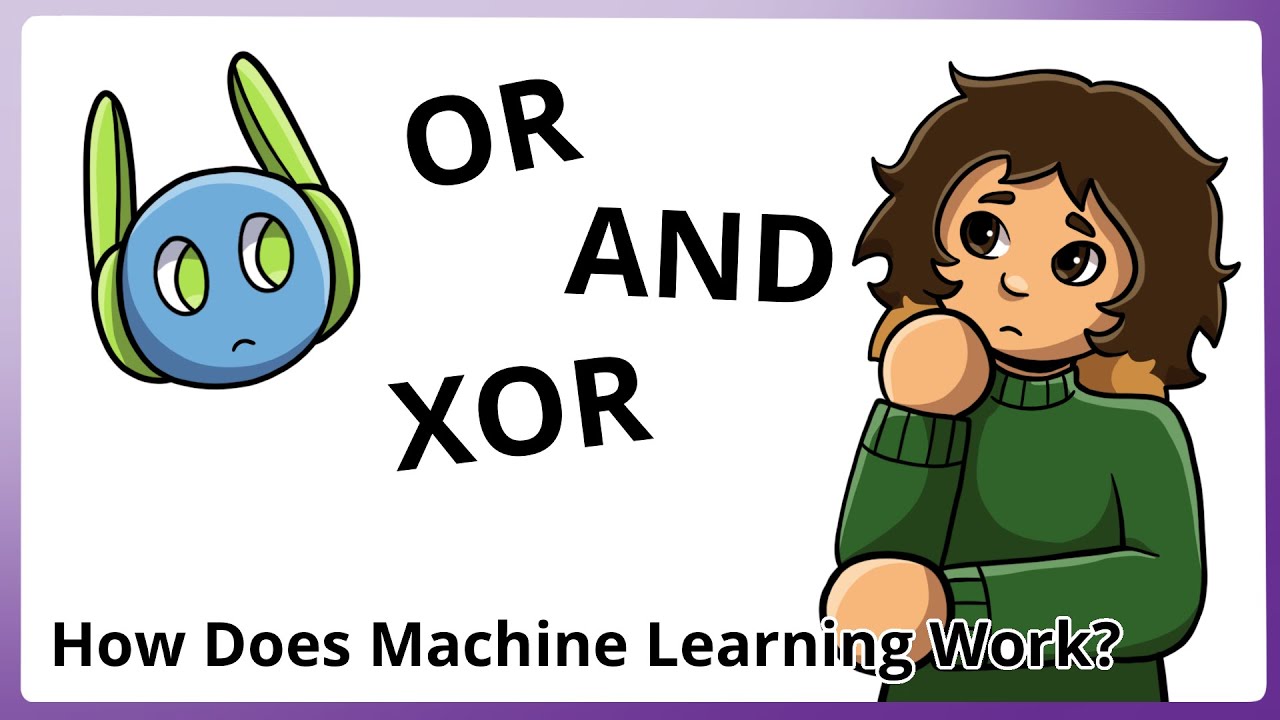
Dive into the rapidly emerging world of machine learning, where students come to understand the first attempts at developing the perceptron model—a simplified model of a biological neuron. Students also learn about the logic of the perceptron model and its limitations, which led to the development of multi-layer networks.
View the full lesson on TeachEngineering:
https://www.teachengineering.o....rg/lessons/view/mis-
Teach Engineering has over 1,900 FREE lessons and activities. Visit http://www.TeachEngineering.org for more!
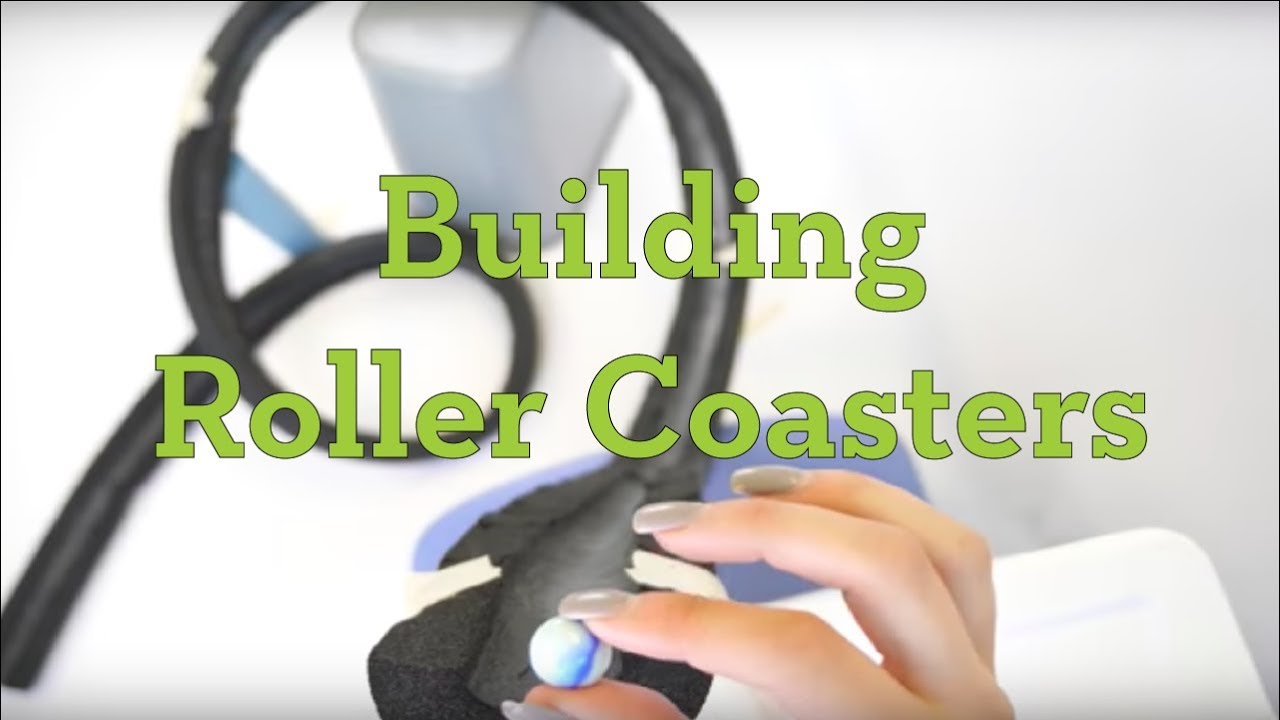
Students build their own small-scale model roller coasters using pipe insulation and marbles, and then analyze them using physics principles learned in the associated lesson. They examine conversions between kinetic and potential energy and frictional effects to design roller coasters that are completely driven by gravity. A class competition using different marbles types to represent different passenger loads determines the most innovative and successful roller coasters.
View the full activity on TeachEngineering: https://www.teachengineering.o....rg/activities/view/d
TeachEngineering has over 1,500 FREE lessons and activities. Visit http://www.TeachEngineering.org for more!
Music: Moose - Bensound.com
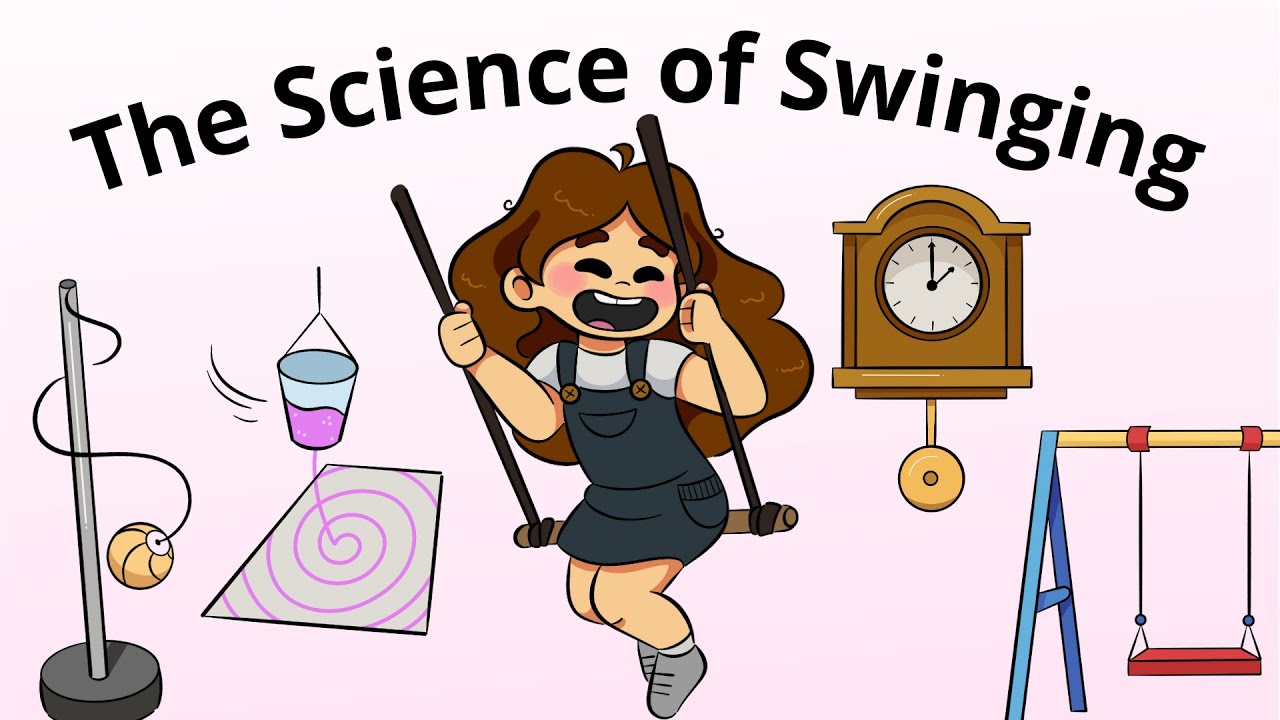
Students learn what a pendulum is and how it works in the context of amusement park rides. While exploring the physics of pendulums, they are also introduced to Newton's first law of motion — about continuous motion and inertia.
View the full lesson on TeachEngineering: https://www.teachengineering.o....rg/lessons/view/cub_
TeachEngineering has over 1,500 FREE lessons and activities. Visit https://www.teachengineering.org/ for more

Students groups use balsa wood and glue to build their own towers using some of the techniques they learned from the associated lesson. While general guidelines are provided, give students freedom with their designs and encourage them to implement what they have learned about structural engineering. The winning team design is the tower with the highest strength-to-weight ratio.
View the full activity on TeachEngineering:
https://www.teachengineering.o....rg/activities/view/d
TeachEngineering has over 1,500 FREE lessons and activities. Visit https://www.teachengineering.org/ for more!
Music: Payday - Silent Partner

By better understanding a specific type of disability through a cultural lens, students can better understand how to use the engineering design process to solve specific problems. In this activity, students research, brainstorm, and design a type of pre-braille (a type of braille that is used to introduce children at a young age) toy that is readily accessible to young students. They then create and test their toys while gaining information on what needs to be improved within their design through feedback provided by their classmates and teachers. To show understanding of the objective, students create a marketing poster explaining their findings and the use of their toy.
View the full lesson on Teach Engineering:
https://www.teachengineering.o....rg/activities/view/u
Teach Engineering has over 1,900 FREE lessons and activities. Visit https://www.teachengineering.org/ for more
Life of Riley - Kevin MacLeod

Students learn the history of the waterwheel and common uses for water turbines today. They explore kinetic energy by creating their own experimental waterwheel from a two-liter plastic bottle. They investigate the transformations of energy involved in turning the blades of a hydro-turbine into work, and experiment with how weight affects the rotational rate of the waterwheel. Students also discuss and explore the characteristics of hydroelectric plants.
View the full activity on TeachEngineering: https://www.teachengineering.o....rg/activities/view/c
TeachEngineering has over 1,500 FREE lessons and activities. Visit http://www.TeachEngineering.org for more!
Music: Inevitable

After watching a short online video that recaps the enormous scale of accumulating plastic waste in our oceans, student teams are challenged to devise a method to remove the most plastic microbeads from a provided commercial personal care product—such as a facial cleanser or body wash. They brainstorm filtering methods ideas and design their own specific procedures that use teacher-provided supplies (coffee filters, funnels, plastic syringes, vinyl tubing, water, plastic bags) to extract the microplastics as efficiently as possible. The research and development student teams compare the final masses of their extracted microbeads to see which filter solutions worked best. Students suggest possible future improvements to their filter designs.
View the full activity at TeachEngineering:
https://www.teachengineering.o....rg/activities/view/u
TeachEngineering has over 1,500 FREE lessons and activities. Visit http://www.TeachEngineering.org for more!
Music: It's All Happening - Huma-Huma

Through Internet research, patent research, standards and codes research, user interviews (if possible) and other techniques (idea web, reverse engineering), students further develop the context for their design challenge. In subsequent activities, the design teams use this body of knowledge about the problem to generate product design ideas. (Note: Conduct this activity in the context of a design project that students are working on, which could be a challenge determined by the teacher, brainstormed with the class, or the example project challenge provided [to design a prosthetic arm that can perform a mechanical function]. This activity is Step 2 in a series of seven steps that guide students through the engineering design process.)
View the full activity on TeachEngineering:
https://www.teachengineering.o....rg/activities/view/c
TeachEngineering has over 1,500 FREE lessons and activities. Visit https://www.teachengineering.org/ for more
Music - Aimless Amos

By tracing the movement of radiation released during an accident at the Chernobyl nuclear power plant, students see how air pollution, like particulate matter, can become a global issue.
View the full activity on TeachEngineering:
https://www.teachengineering.o....rg/activities/view/c
TeachEngineering has over 1,500 FREE lessons and activities. Visit https://www.teachengineering.org/ for more
Music: Blue Macaw

Students apply several methods developed to identify and interpret patterns to the identification of fingerprints. They look at their classmates' fingerprints, snowflakes, and "spectral fingerprints" of elements. They learn to identify each image as unique, yet part of a group containing recognizable similarities.
View the full activity on TeachEngineering:
https://www.teachengineering.o....rg/activities/view/c
TeachEngineering has over 1,500 FREE lessons and activities. Visit http://www.TeachEngineering.org for more!
Audio: campfire_song
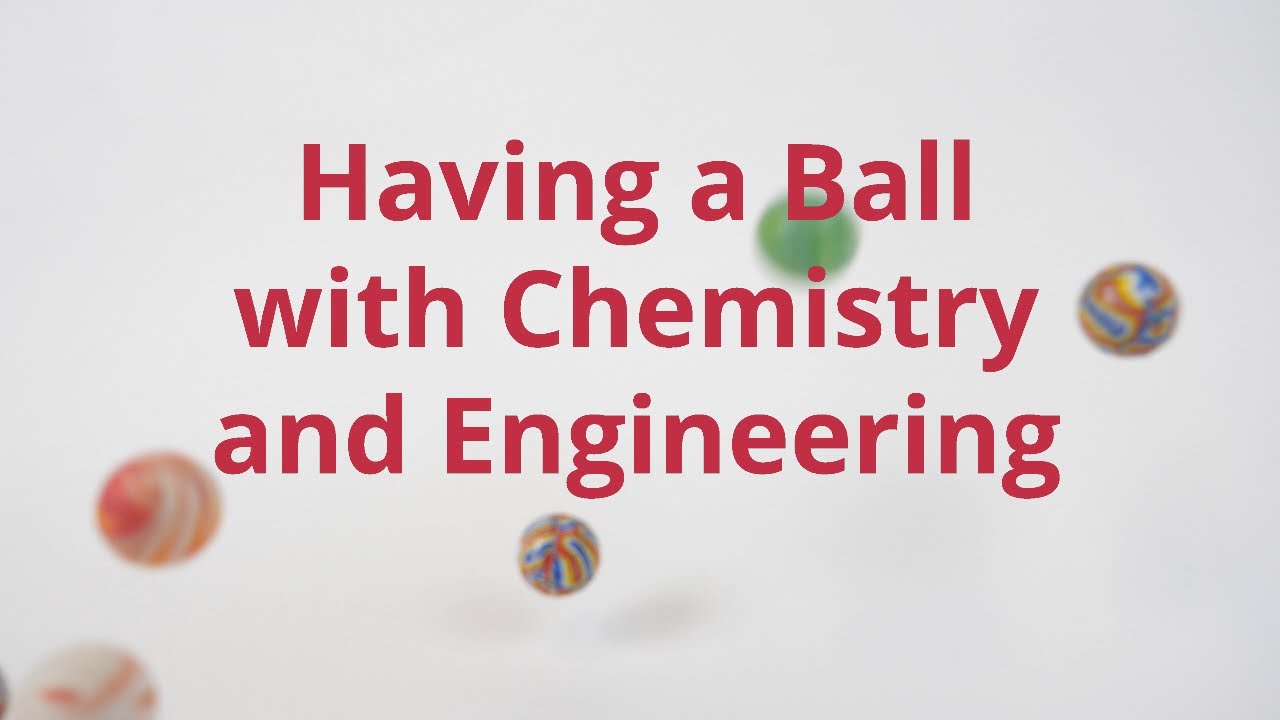
Students work as materials and chemical engineers to develop a bouncy ball using a select number of materials. They move through the engineering design process. They first develop a plan of what materials they might need to design their product. Then, the students create and test their bouncy ball. Based on their tests, students then determine how to re-design and retest their creations to create the bounciest ball possible!
View the full activity on TeachEngineering:
https://www.teachengineering.o....rg/makerchallenges/v
TeachEngineering has over 1,500 FREE lessons and activities. Visit https://www.teachengineering.org/ for more
Music: Milos
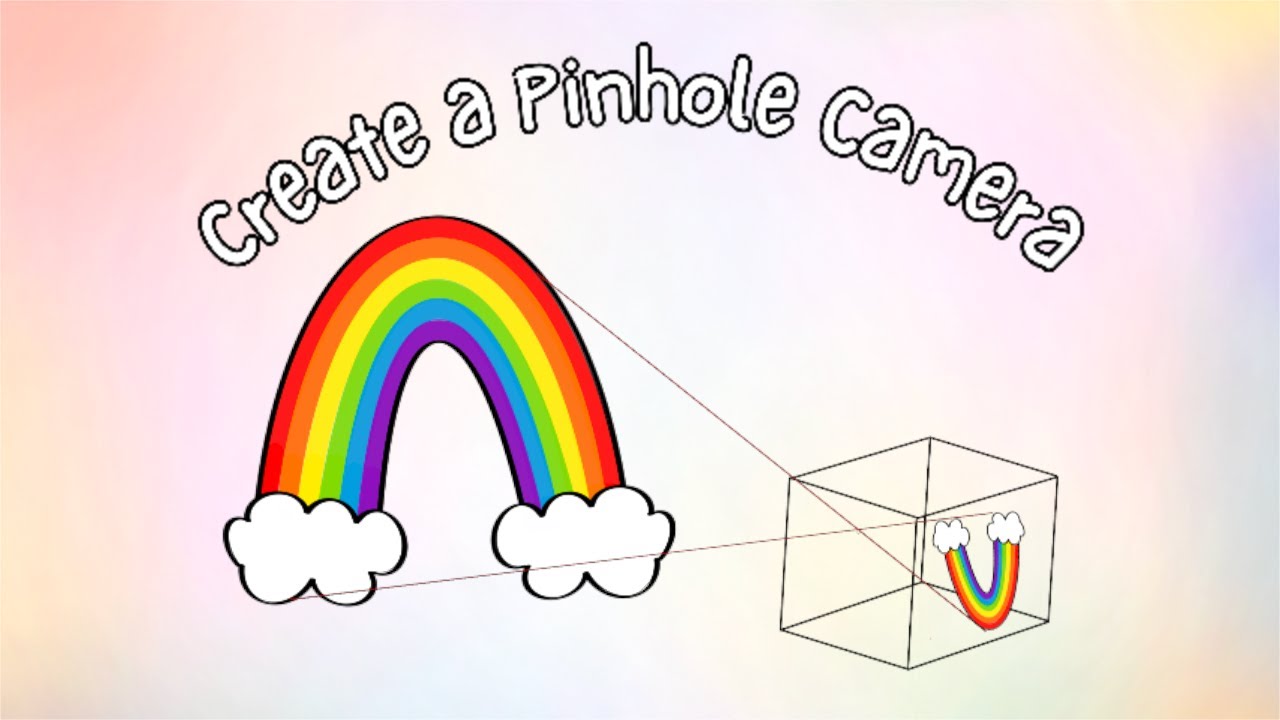
In this hands-on activity, students learn how light travels in straight lines and how images are inverted when passing through a small hole by creating their own pinhole camera. They explore the historical development of cameras, from the camera obscura to modern digital cameras, and discuss how engineers have played a role in these advancements.
View the full lesson on TeachEngineering:
https://www.teachengineering.o....rg/activities/view/c
TeachEngineering has over 1,900 FREE lessons and activities. Visit http://www.TeachEngineering.org for more!
Santo Rico - Twin Musicom

What do plants need? Students examine the effects of light and air on green plants, learning the processes of photosynthesis and transpiration. Student teams plant seeds, placing some in sunlight and others in darkness. They make predictions about the outcomes and record ongoing observations of the condition of the stems, leaves and roots. Then, several healthy plants are placed in glass jars with lids overnight. Condensation forms, illustrating the process of transpiration, or the release of moisture to the atmosphere by plants.
This engineering curriculum aligns to Next Generation Science Standards (NGSS).
View the full activity on TeachEngineering:
https://www.teachengineering.o....rg/activities/view/c
TeachEngineering has over 1,500 FREE lessons and activities. Visit https://www.teachengineering.org/ for more
Music: Believer

Students imagine they are stranded on an island and must create the brightest light possible with the meager supplies they have on hand in order to gain the attention of a rescue airplane. In small groups, students create circuits using items in their "survival kits" to create maximum voltage, measured with a multimeter and two LED lights. To complete the activity, students act as engineers by using the given materials to create circuits that produces the highest voltage and light up the most LED lights. They apply their knowledge of how voltage differs in a series circuit and a parallel circuit to design their solutions.
View the full activity at TeachEngineering:
https://www.teachengineering.o....rg/activities/view/c
TeachEngineering has over 1,500 FREE lessons and activities. Visit http://www.TeachEngineering.org for more!
Music: Awaken - Anno Domini Beats
The Teach Engineering Digital Library is an educational resource featuring standards-aligned, design-rich curricula to help educators foster design thinking.
Put the ‘E’ in STEM by making applied science, technology, and math come alive through engineering design and design thinking.

Congratulations, Class of 2025! 🎓 🎉 We’re so happy to celebrate your milestone and share in your joy as we mark 25 years of online learning. We’re amazed at all you’ve done—from embracing innovation to discovering your passions and finding the courage to forge your own path.
We see the future of education in you. We thank you and your families for putting your trust in our vision of personalized learning for all students, everywhere. And we’re more inspired than ever to advance and improve education options for the next 25 years of graduates.
Celebrate with us and see our stories at https://bit.ly/4ddMIIM. #25YearsOfK12 #Graduation #2025Grad #ClassOf2025
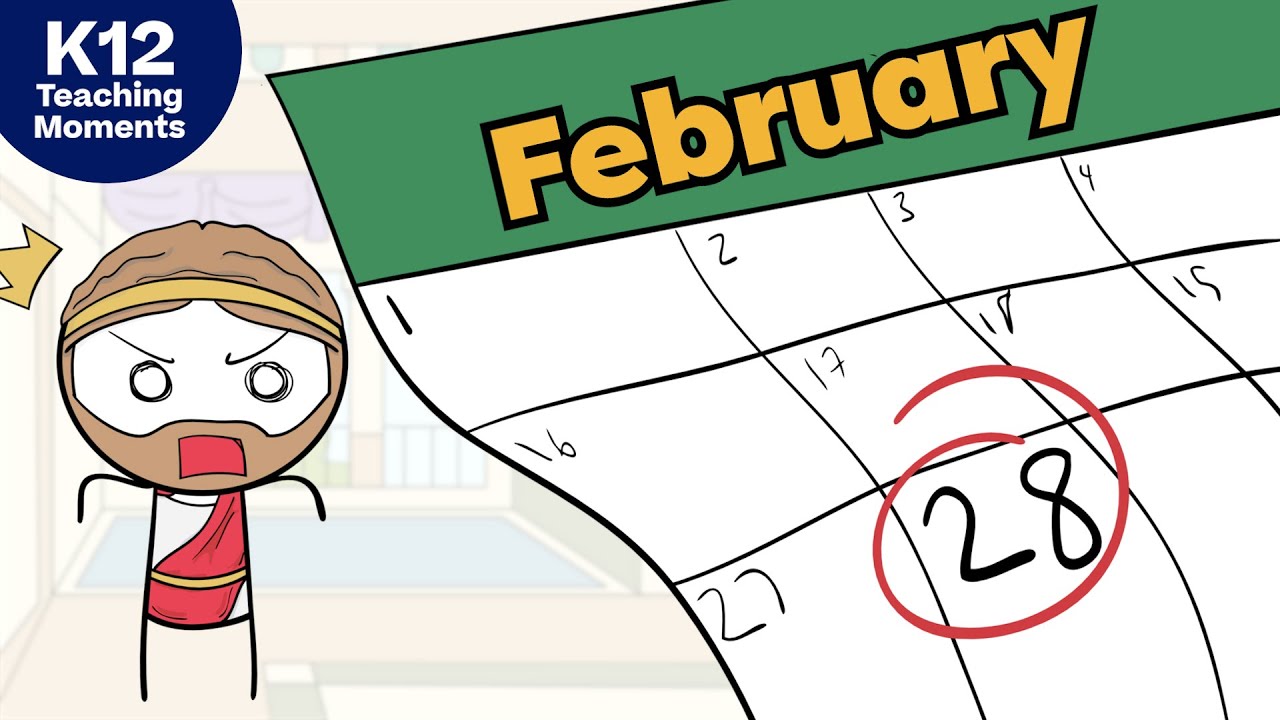
Happy February! It’s the month we celebrate Black history, love, and famous presidents— yet it’s the shortest of the year. Why, you ask? Find out in this K12 Teaching Moment.
Let’s travel back in time to ancient Rome. The Roman calendar year began in March and only had 304 days. That was until Roman king Numa Pompilius decided to align the calendar with the Lunar New Year, typically up to 355 days long.
Romans were superstitious of even numbers and considered them unlucky. So, King Pompilius added January and February to the calendar and changed each month to an odd number of days, either 29 or 31. But odd numbers across 12 months would sum up to an even number!
February had to be the “odd one out” with a mere 28 days.
The calendar we know today has changed since then, but February is stuck with 28 days—29 if it’s a leap year, but that’s a different episode!

Did you know the bald eagle almost didn’t become America’s national bird? There was another surprising contender in the mix. Want to know how it all went down? Watch this K12 Teaching Moment for an unexpected twist!
_________________________________________________________________________________
Connect with K12!
Find a school: K12.com
Facebook: facebook.com/StrideK12
Instagram: instagram.com/k12learn
TikTok: tiktok.com/@stridek12

K12 started 25 years ago with one goal: to bring learning online. Today, more than 3 million students have chosen K12-powered online schools, and the employees, teachers, and leaders of K12 are committed to serving them another 25 years and beyond.
To celebrate 25 years of K12, real employees and educators share letters of gratitude, support, and their biggest cheers. Subscribe to our social channels to hear more stories from students, families, teachers, and employees and celebrate 25 years of K12.
Connect with K12!
Find a school: K12.com
Facebook: facebook.com/StrideK12
Instagram: instagram.com/k12learn
TikTok: tiktok.com/@stridek12