Top videos
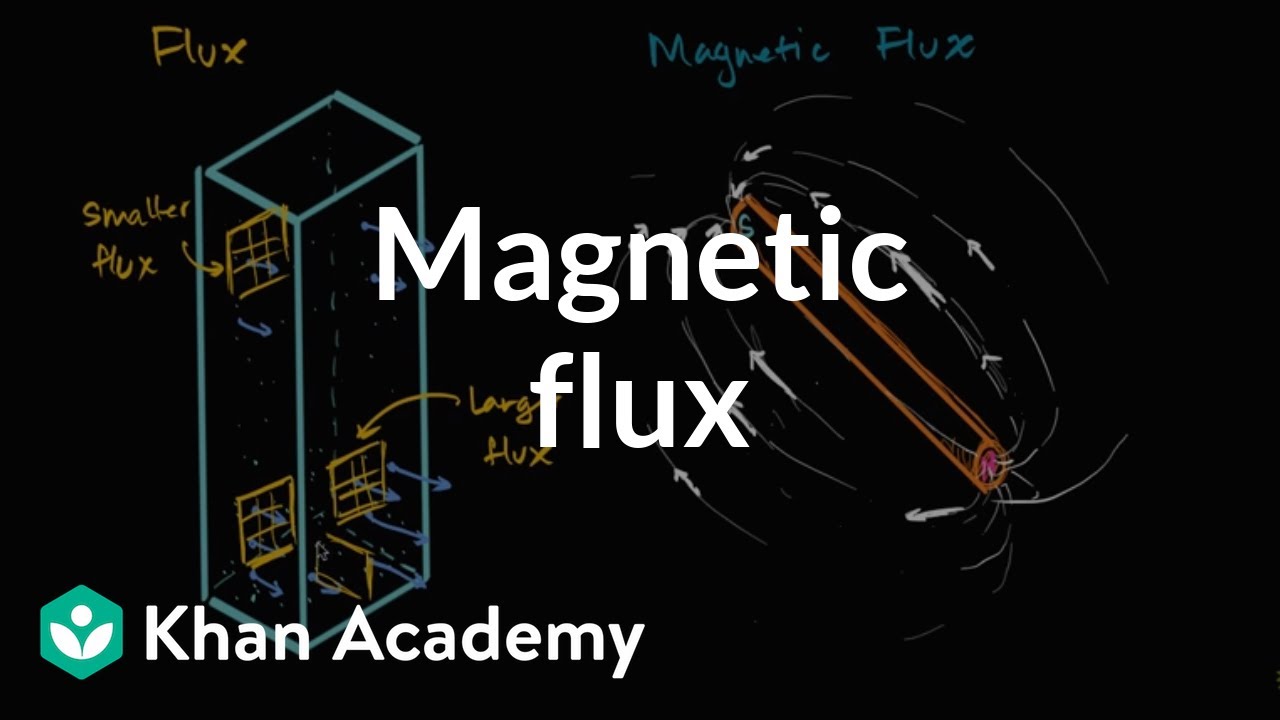
Courses on Khan Academy are always 100% free. Start practicing—and saving your progress—now: https://www.khanacademy.org/sc....ience/physics/magnet
Introduction and intuition for flux and magnetic flux.

Practice Your Spanish With Chateo - a Spanish-speaking chatbot! | Get a discount off your first 6 months with code CHATEOBOT | Sign up at: https://www.senorjordan.com/chat
~~~~~~~~~~~~~~~~~~~~~~~~~~~~~~
Get the packet for the Ser vs Estar series here: https://www.teacherspayteacher....s.com/Product/Worksh
SUBSCRIBE for more Spanish videos: http://bit.ly/XGe7we
and make sure to click the notification bell!
Follow me on Facebook: https://www.facebook.com/srjordanspanish
Tweet me: https://twitter.com/senorjordan
Check out my website: http://www.senorjordan.com
Follow me on Instagram: @senorjordanvideos
Listen to my music on Soundcloud:
https://soundcloud.com/senorjordanspanish
Listen to my music on Spotify:
https://open.spotify.com/artis....t/2nyJ9GgLNMckXCuBHU
Buy my songs on iTunes:
https://music.apple.com/us/artist/1621526948
Buy my songs on Amazon:
https://www.amazon.com/music/p....layer/artists/B09Z35
Donate to my video-making project:
https://paypal.me/srjordanvideos?country.x=US&locale.x=en_US
~~~~~~~~~~~~~~~~~~~~~~~~~~~~~~
Hola. In this lesson we'll be covering some rules about when ser is used in Spanish.
To see how we use Estar, click here:
http://www.youtube.com/watch?v=RNxCbazeswo
To practice Ser, click here:
http://www.youtube.com/watch?v=MwkFiR_69Jg
To take the Ser vs Estar test, click here:
http://www.youtube.com/watch?v=WdRquhucvnA
¡Gracias por mirar!
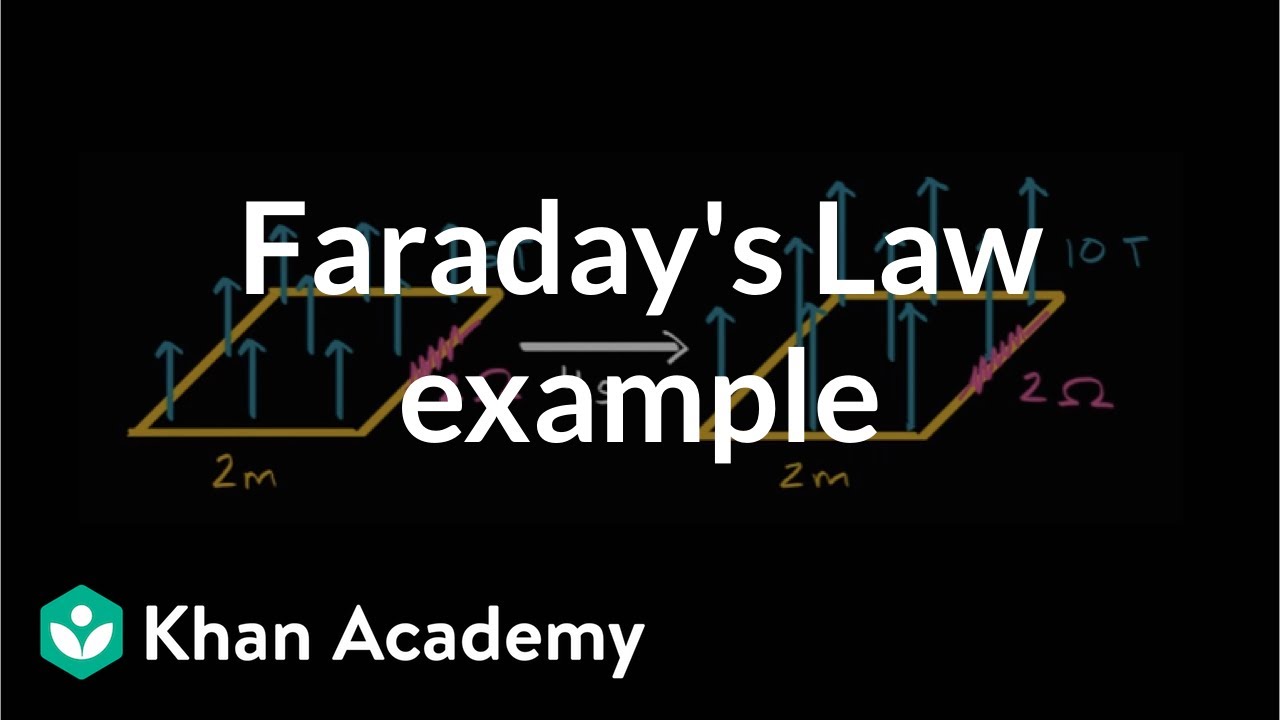
Courses on Khan Academy are always 100% free. Start practicing—and saving your progress—now: https://www.khanacademy.org/sc....ience/physics/magnet
Example calculating induced current based on change in flux.
Physics on Khan Academy: Physics is the study of the basic principles that govern the physical world around us. We'll start by looking at motion itself. Then, we'll learn about forces, momentum, energy, and other concepts in lots of different physical situations. To get the most out of physics, you'll need a solid understanding of algebra and a basic understanding of trigonometry.
About Khan Academy: Khan Academy offers practice exercises, instructional videos, and a personalized learning dashboard that empower learners to study at their own pace in and outside of the classroom. We tackle math, science, computer programming, history, art history, economics, and more. Our math missions guide learners from kindergarten to calculus using state-of-the-art, adaptive technology that identifies strengths and learning gaps. We've also partnered with institutions like NASA, The Museum of Modern Art, The California Academy of Sciences, and MIT to offer specialized content.
For free. For everyone. Forever. #YouCanLearnAnything
Subscribe to Khan Academy’s Physics channel: https://www.youtube.com/channe....l/UC0oGarQW2lE5PxhGo
Subscribe to Khan Academy: https://www.youtube.com/subscr....iption_center?add_us

WEBSITE: http://www.teachertube.com learn basic congruency lines and shapes

Astronomers have finally cracked one of the biggest cosmic mysteries — those strange red dots glowing in deep space. For years, scientists couldn’t explain what they were. Were they galaxies? Giant stars? Or something entirely new? Now, powerful telescopes like the James Webb have revealed that these glowing red spots might be some of the earliest galaxies ever formed — ancient and massive beyond belief. This discovery could completely rewrite our understanding of how the universe began and what’s still out there waiting to be found.
Credit:
CC BY-SA 4.0 https://creativecommons.org/licenses/by-sa/4.0/:
black hole: by ESO/L. Calçada/M.Kornmesser, https://www.eso.org/public/images/eso1004a/, https://commons.wikimedia.org/....wiki/File:Artist’s_i
HR 6819: by ESO/L. Calçada, https://www.eso.org/public/images/eso2007a/, https://commons.wikimedia.org/....wiki/File:HR_6819.ti
ZS7 environment: by ESA/Webb, NASA, CSA, J. Dunlop, D. Magee, P. G. Pérez-González, H. Übler, R. Maiolino, et. al, https://esawebb.org/images/weic2413a, https://commons.wikimedia.org/....wiki/File:ZS7_enviro
Avi Loeb: by A.R.~hewiki, https://commons.wikimedia.org/....wiki/File:Avi_Loeb.j
NGC 6604: by ESO, https://www.eso.org/public/images/eso1218a/, https://commons.wikimedia.org/....wiki/File:The_star_c
AviLoeb15: by Aviloeb, https://commons.wikimedia.org/....wiki/File:AviLoeb15.
Fabio Pacucci: by Fabio Pacucci, CC0 1.0 https://creativecommons.org/pu....blicdomain/zero/1.0/ https://www.fabiopacucci.com/, https://commons.wikimedia.org/....wiki/File:Portrait_o
M92: by Daniel Bramich (ING) and Nik Szymanek., https://www.ing.iac.es/PR/science/high.html, https://commons.wikimedia.org/....wiki/File:M92_arp_75
Mission Overview 2023: by NASA's Goddard Space Flight Center, https://svs.gsfc.nasa.gov/14381/
XRISM: by NASA's Goddard Space Flight Center, https://svs.gsfc.nasa.gov/14244/
James Webb Space: by NASA's Goddard Space Flight Center, https://svs.gsfc.nasa.gov/13367/
Titan science: by NASA's Goddard Space Flight Center Conceptual Image Lab, https://svs.gsfc.nasa.gov/20403/
Missing Dark Matter: by NASA's Scientific Visualization Studio, NASA, ESA, and P. van Dokkum (Yale University), https://svs.gsfc.nasa.gov/13131/
Dwarf Galaxies: by NASA/Goddard Space Flight Center, https://svs.gsfc.nasa.gov/10943/
Dwarf Galaxy Spotted: by NASA Goddard Space Flight Center/ESO/JPL-Caltech/DSS, https://images.nasa.gov/details/PIA16613
Active Black Hole: by NASA/JPL-Caltech, https://images.nasa.gov/details/PIA15625
Quasar: by NASA/ESA, https://images.nasa.gov/details/PIA16114
Little Red Dots: by Image: NASA, ESA, CSA, STScI, Dale Kocevski (Colby College), https://science.nasa.gov/asset..../webb/little-red-dot
Black Hole: by NASA's Goddard Space Flight Center, https://svs.gsfc.nasa.gov/14408/
heart of M87: by ESO/L. Calçada, Digitized Sky Survey 2, ESA/Hubble, RadioAstron, De Gasperin et al., Kim et al., EHT Collaboration. Music: Niklas Falcke, https://www.eso.org/public/videos/eso2105b/
star WOH G64: by ESO/Digitized Sky Survey 2/N. Risinger (skysurvey.org)/R. Gendler, ESO/M.-R. Cioni/VISTA Magellanic Cloud survey. Acknowledgment: Cambridge Astronomical Survey Unit. Music: Astral Electronics., https://www.eso.org/public/videos/eso2417b/
Animation is created by Bright Side.
----------------------------------------------------------------------------------------
Music from TheSoul Sound: https://thesoul-sound.com/
Check our Bright Side podcast on Spotify and leave a positive review! https://open.spotify.com/show/....0hUkPxD34jRLrMrJux4V
Subscribe to Bright Side: https://goo.gl/rQTJZz
----------------------------------------------------------------------------------------
Our Social Media:
Facebook: https://www.facebook.com/brightplanet/
Instagram: https://www.instagram.com/brightside.official
TikTok: https://www.tiktok.com/@bright....side.official?lang=e
Stock materials (photos, footages and other):
https://www.depositphotos.com
https://www.shutterstock.com
https://www.eastnews.ru
----------------------------------------------------------------------------------------
For more videos and articles visit: http://www.brightside.me
----------------------------------------------------------------------------------------
This video is made for entertainment purposes. We do not make any warranties about the completeness, safety and reliability. Any action you take upon the information in this video is strictly at your own risk, and we will not be liable for any damages or losses. It is the viewer's responsibility to use judgement, care and precaution if you plan to replicate.

Have you ever seen a duck-billed platypus? This video for kids talks all about one of the most curious mammals in the world. With a duck bill, beaver tail, and otter foot, the platypus is quite strange. Despite being a mammal, it actually lays eggs instead of experiencing live births. They lay their eggs in underground burrows near water that hatch around two weeks later. The young stay with their mother for only about four weeks before swimming off to forage on its own.
While its features are odd, they all have their use. The duck bill is flexible and soft and has thousands of receptors to help them find food in the dark. Their webbed feet push through water quickly. And their tails act like rudders on a ship. They steer the platypuses where they want to go. Additionally, a platypus can remain under water for nearly two minutes before coming up for air!
Believe it or not, a platypus doesn't have any teeth. When it shovels mud and silt into its bill, it also captures gravel. It uses the gravel to chew and grind food. These shy creatures are also very small. Adults weight only around three pounds. That makes them pretty easy prey. However, male platypuses have venomous stingers on their rear feet that can deliver a poisonous sting to attackers.
We hope you and your student(s) enjoyed learning about this interesting creature! If you want to learn even more, head over to our website and download one of our many lesson plans about animals, full of activities, worksheets, and more!
https://learnbright.org/lesson....s/science/duck-bille
https://learnbright.org/lesson....s/science/reptiles-a
Thank you for watching and learning with us! We’re constantly releasing new content and videos, so click that “Subscribe” button and you’ll get notified.
Find and Follow Us Online:
Facebook: https://www.facebook.com/LearnBright/
Instagram: https://instagram.com/LearnBrightEducation
Pinterest: https://pinterest.com/LearnBrightEducation
YouTube: @LearnBright
Website: https://learnbright.org/
*Teachers and Parents! Did you know? In addition to these great videos, we have also created a library of high-quality and engaging lessons for your elementary aged student(s). Visit us, sign up for a free account, and instantly you'll have access to thousands of lesson plans, learning materials, teaching instructions, activities, and assignments that your kids will really enjoy! We hope to see you soon!
Browse our entire collection of Science lesson plans: https://learnbright.org/lessons/?filter_subject=science
#Platypus
#Mammals

A quick demo of using Geogebra to demonstrate angle relationships for parallel lines cut by a transversal.

Fun worksheet for students to create with GeoGebra 4.

4th Grade English Vocabulary Test on the Part 4 word list gives your student a measurement of progress in their quest to build an amazing vocabulary.
Click this link to go to the Answer key video:
https://youtu.be/c_qBnz2C4bw
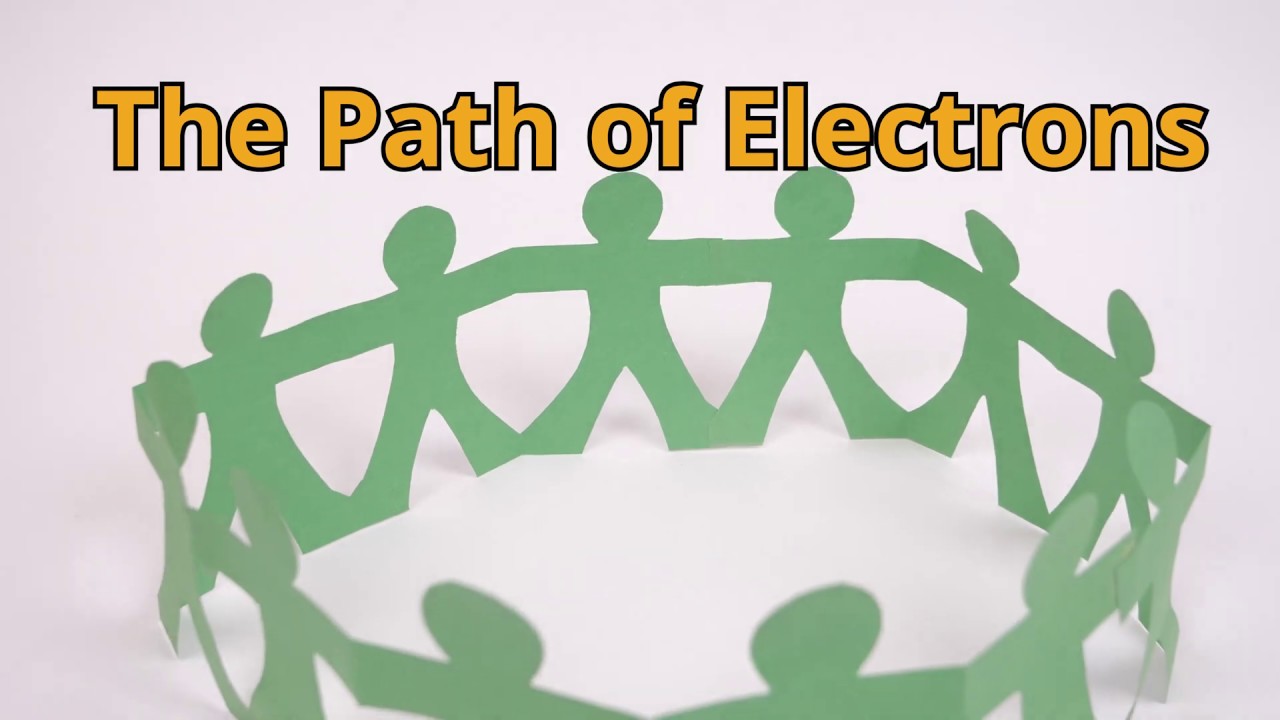
Students engage in an interactive "hot potato" demonstration to gain an appreciation for the flow of electrons through a circuit. Students role play the different parts of a simple circuit and send small items representing electrons (paper or candy pieces) through the circuit.
View the full activity at TeachEngineering:
https://www.teachengineering.o....rg/activities/view/c
TeachEngineering has over 1,500 FREE lessons and activities. Visit http://www.TeachEngineering.org for more!
Music: Stuck In The Air - The Tower of Light


Subscribe to KLT: https://www.youtube.com/channe....l/UC7EFWpvc1wYuUwrtZ
Listen to KLT Music on Spotify: https://open.spotify.com/artist/3RvQsrlQFlGXHeLl1Vl9e0?si=Q-yVLAGmQEO-4hnbXvWe_Q&nd=1
Learn everything you need to know about the 8 planets in our solar system with this Planet Song featuring Mercury, Venus, Earth, Mars, Jupiter, Saturn, Uranus, and Neptune Planet Song.
Subscribe to my channel: https://www.youtube.com/channe....l/UC7EFWpvc1wYuUwrtZ
Check out my newest videos: https://youtube.com/playlist?l....ist=PLmIHwWY0hiuyOsg
Here are my most popular videos: https://youtube.com/playlist?l....ist=PLmIHwWY0hiuwJoM
KLT educates kids about the solar system and geography through music and animation with a fun and unique approach to learning! Join us for weekly videos about geography, stars, space, planets, shapes, and more educational videos . Our videos make learning about the world so much fun!
KLT App for iPhone & iPad
* https://apps.apple.com/us/app/....kids-learning-tube/i
Android Phone and Tablet
* https://play.google.com/store/....apps/details?id=com.
https://kidslearningtubeshop.c....om/products/video-me
Watch KLT ad-free for $12 a YEAR! See the latest videos before anyone else in the world. Sign up today for ad-free video streaming for all KLT videos!
KLT Website: https://kidslearningtubeshop.com/
T-Shirts, Blankets and More: https://kidslearningtubeshop.com/
Music Downloads: https://kidslearningtubeshop.com/collections/music
Facebook: https://www.facebook.com/kidslearningtube
Tweet Us: https://twitter.com/learningtube
Instagram: https://instagram.com/kidslearningtube
iTunes: http://itunes.apple.com/album/id1192890817?ls=1&app=itunes
#solarsystem #planetsong #planetsongforkids

Research Tv India
#K218b #Alienplanet #K218bplanet #Superearth #Earth2 #Researchtvindia
FOLLOW US
◆Facebook - https://www.facebook.com/researchtvindia/
◆Twitter - https://twitter.com/researchtvindia
◆Instagram- https://www.instagram.com/researchtvindia/
◆LinkedIn- https://www.linkedin.com/in/researchtvindia/
◆Youtube- http://www.youtube.com/c/ResearchTvIndia
Music Source:
Martian Cowboy Kevin MacLeod (incompetech.com)
Licensed under Creative Commons: By Attribution 3.0 License
http://creativecommons.org/licenses/by/3.0/

New AR background options in #GeoGebra #3D #Calculator! 🎈🎉
1. Camera (clear)
2. Filter (partially clear)
3. Opaque Color (no background)
Enjoy!
Download links (iOS and Android): https://www.geogebra.org/m/bcdafv8s

Herzlich Willkommen zurück! In diesem Video zeige ich dir, wie du mithilfe einer Konfusionsmatrix Klassifikationsmodelle bewerten kannst. Dazu berechnet du die Parameter Korrektklassifizierungsrate, Relevanz, Sensitivität und Spezifität in deinen Google Sheets Tabellen.
Leo Office Tutorials - Docs - Sheets - Slides - Word - Excel - PowerPoint - Apps Script
Artikel zum Video: https://leoofficetutorials.com/sheets/2024/586
Kapitelmarken
0:00 Begrüßung & Intro
0:32 Beispiel Klassifikation
1:37 Konfusionsmatrix
4:16 Korrektklassifizierungsrate
4:49 Relevanz
5:26 Sensitivität
6:01 Spezifität
7:38 Fazit & Schluss
Kanalmitglied werden und exklusive Vorteile erhalten:
https://www.youtube.com/channe....l/UCZM2U4pbqvSia_-kE
Hat dir das Video gefallen? Zeige es mir mit einem Like!
TWITTER: https://twitter.com/LeoTutorials
INSTAGRAM: https://instagram.com/leo_officetutorials
TIKTOK: https://www.tiktok.com/@leoofficetutorials
LINKEDIN: https://bit.ly/3EdhzEZ
FACEBOOK: https://bit.ly/3Ecqw1t
Abonnieren nicht vergessen ;)
Hast du Fragen? Ab damit in die Kommentare!
Meine Playlist!
Alle Tutorials: https://bit.ly/3bxPVUm
Google Docs: https://bit.ly/2wJq9h1
Google Sheets: https://bit.ly/2vP3gbo
Apps Script: https://bit.ly/3wcRDV8
Google Slides: https://bit.ly/2Jvq6IB
Word Online: https://bit.ly/3aqGB4c
Excel Online: https://bit.ly/3bw0xD6
Power Point Online: https://bit.ly/2KIs6Ry
Word: https://bit.ly/3408AFP
Meine YouTube Shorts: https://bit.ly/3dZgRAv
Word Online: https://www.office.com/launch/word
Excel Online: https://www.office.com/launch/excel
PowerPoint Online: https://www.office.com/launch/powerpoint
Google Docs: https://docs.google.com
Google Sheets: https://sheets.google.com
Google Slides: https://slides.google.com
Für Vorschläge oder Videowünsche schreibt mir bitte auf Instagram.
Intro Musik: Cat Shat in the Box - josh pan
https://www.youtube.com/c/joshpan89
Endcard Musik: JPB & MYRNE - Feels Right (ft. Yung Fusion)
https://www.youtube.com/watch?v=dXYFK-jEr8Y
Kanal: https://youtube.com/Leoofficetutorials
#tutorial #googlesheets #sheets #statistik

Subscribe to Happy Learning: https://my.happylearning.tv/
More related videos:
Curiosities for kids:https://www.youtube.com/playli....st?list=PLLF_mZmNqOn
❤️ The human heart is the engine of our body, beating over 100,000 times a day. In this video, we’ll explain how this incredible muscle works and explore its most important parts.
🩺 What will you learn?
Heart anatomy: Discover how the atria, ventricles, and valves work together to keep blood flowing properly.
The circulatory system: Learn how arteries carry oxygen-rich blood, veins return it to the heart, and capillaries connect everything in a perfect circuit.
Fascinating facts: Did you know the human heart weighs around 450 grams? It’s one of the strongest and most vital muscles in your body!
Heart care tips: Keep your heart healthy by exercising, eating nutritious foods, and avoiding harmful habits like smoking.
🌍 This video is perfect for learning about the human body in a fun and educational way. Don’t miss the chance to understand more about this vital organ and how to keep it in great shape.
👉 Subscribe to Happy Learning and continue exploring the wonders of the human body. Let’s take care of our hearts! ❤️
Discover hundreds of never-before-seen resources! Create your free account at https://my.happylearning.tv/ and start learning in the most entertaining way.

🎉 NEW Videos: https://www.youtube.com/playli....st?list=PLLF_mZmNqOn
🕵️♀️ Amazing Things for Kids: https://www.youtube.com/playli....st?list=PLLF_mZmNqOn
Why does a stone sink in water while a metal ship can float? ⚖️ 🌊 The answer lies in density and buoyancy.
In this educational video from Happy Learning, you'll learn in a simple way how density works and why some objects float while others sink. Even submarines have their own trick to float and dive!
🚀 Join us on this scientific adventure and discover how density affects everything around us.
Subscribe to Happy Learning: https://my.happylearning.tv/
Curiosities for kids:https://www.youtube.com/playli....st?list=PLLF_mZmNqOn
Discover hundreds of never-before-seen resources! Create your free account at https://my.happylearning.tv/ and start learning in the most entertaining way.

https://www.patreon.com/homeschoolpop Learn all about raccoons in this fun learning video! I teach you what raccoons look like, where they live, what baby raccoons are called, and much more!
00:00 Introduction
0:36 What are raccoons?
1:29 Where in the world do raccoons live?
2:18 Raccoons are nocturnal
3:01 Spelling the word "raccoon"
3:42 What are baby raccoons called?
4:21 Raccoons are omnivores
4:48 Are raccoons good swimmers?
Photo credits:
Picture of a kit
Matt Harriger, CC BY-SA 2.0 https://creativecommons.org/licenses/by-sa/2.0, via Wikimedia Commons
A picture of 4 kits
Christoph Hester, CC BY-SA 3.0 https://creativecommons.org/licenses/by-sa/3.0, via Wikimedia Commons
Music credits:
Paradise Found; Tech Live; Bit Quest; Magic Scout- Farm; Wholesome; Apero Hour; Silly Fun; Teddy Bear Waltz, Basic Implosion; Vicious; Digital Lemonade by Kevin MacLeod
Link: https://incompetech.filmmusic.io
License: http://creativecommons.org/licenses/by/4.0/
Thanks for watching!
Daniel
"Homeschool Pop"
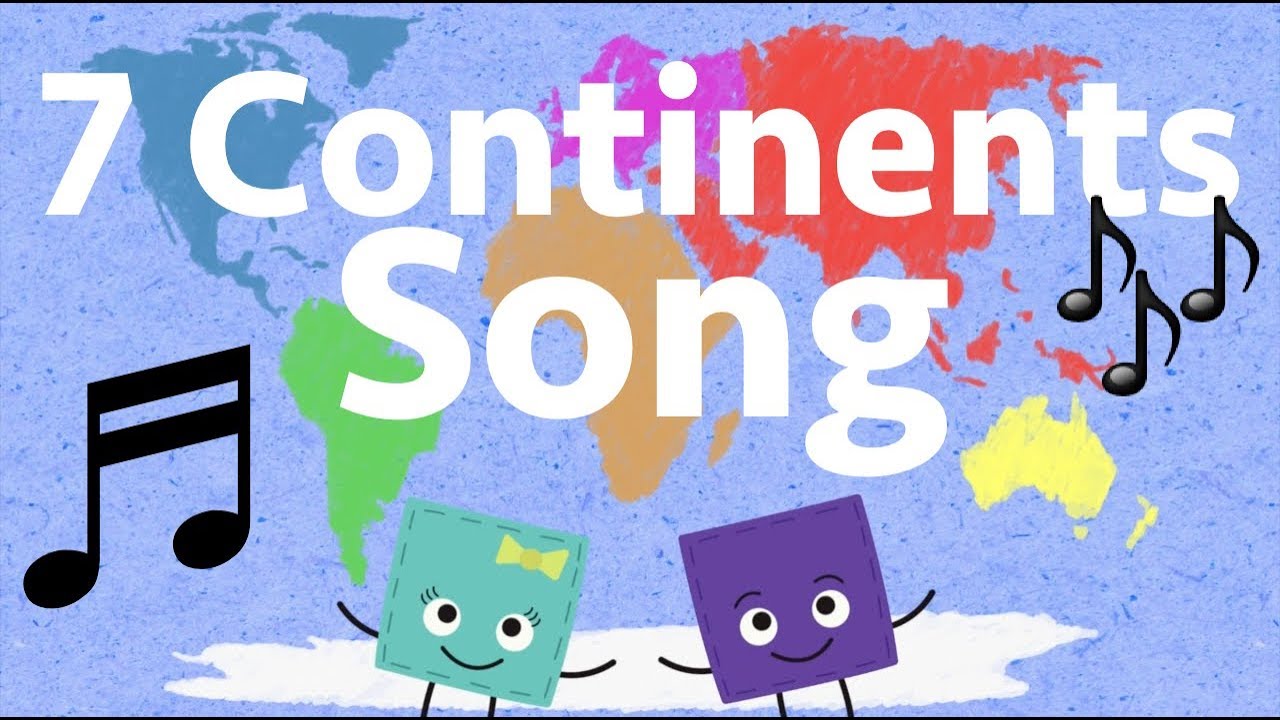
A song to help kids learn the 7 continents in order from largest to smallest.
Subscribe! ➜ https://www.youtube.com/c/hops....cotchsongs?sub_confi
Visit the Hopscotch Shop! ➜ https://www.hopscotchsongs.com/shop
Download the song ➜ https://www.hopscotchsongs.com/shop/seven-continents-mp3
Listen on:
Spotify ➜ https://open.spotify.com/album..../2qaZl3G4NFQws4Yqevy
Apple Music ➜ https://music.apple.com/us/album/seven-continents-single/1270466307?uo=4&app=apple+music
Amazon ➜ https://www.amazon.com/Seven-Continents/dp/B087QQBX3G/ref=sr_1_2?dchild=1&keywords=seven+continents+hopscotch&qid=1588266487&sr=8-2
Deezer ➜ https://www.deezer.com/album/46120392
Tidal ➜ http://www.tidal.com/album/77359346
Napster ➜ https://us.napster.com/artist/....hopscotch-songs/albu
*NEW* Ukulele Tabs ➜ https://www.hopscotchsongs.com/shop/seven-continents-ukulele
Piano/Vocal/Guitar sheet ➜ https://www.hopscotchsongs.com/shop/seven-continents-pianovocalguitar-sheet
Lead sheet ➜ https://www.hopscotchsongs.com/shop/seven-continents-lead-sheet
Karaoke/backing track ➜ https://www.hopscotchsongs.com/shop/seven-continents-backing-track
Oceania Version ➜ https://youtu.be/xzWdvq_veUM
Australasia Version ➜ https://www.youtube.com/watch?v=35V2dm7JIwE
Song by Joanna and Matt Pace
Video animated by Steven Freebairn: http://www.freebreezy.com
Continent voices:
Asia & Europe: Matt Pace
Africa: Evette Dutton (https://evettedutton.com)
North America: Jessica Pace (https://www.TheHooverJam.com)
South America: Wesley Monahan (http://suitupsoldier.com)
Antarctica: Elena Dutton
Australia: the Cook kids
Title animation by Brenden Nelson: https://www.brendennelson.com
Follow Hopscotch!
Twitter: https://twitter.com/hopscotchsongs
Facebook: https://www.facebook.com/hopscotchsongs
Instagram: https://www.instagram.com/hopscotchsongs
Lyrics:
The world is split up into continents, there are seven in all
And if you get the gist, we’re gonna make a list from biggest to small:
They are:
Asia, Africa, North and South America
Antarctica, Europe, and finally Australia
Asia, Africa, North and South America
Antarctica, Europe, and finally Australia
Hey! My name is Asia,
And more than half of the world lives here, but, whatever
And I am Africa, with desert for miles
And my Nile is the longest river
North America! Start down in Panama,
Wide open spaces, all the way to Canada
I'm South America with animals galore,
Where the rainforest grows ‘cause the rain really pours
I’m Antarctica, and I’m totally ice
And I’m Europe. You’re welcome...
For the pasta, pizza, waffles, and fries
I am Australia, some call me Oceania,
I got a lot of islands, too many to explain to ya
We are
Asia, Africa, North and South America
Antarctica, Europe, and finally Australia
Copyright © 2017 Hopscotch
#SevenContinents #7Continents #HopscotchSongs
Learn More at mathantics.com
Visit http://www.mathantics.com for more Free math videos and additional subscription based content!