Top Videos

In this video, we will teach you how to write a story... in just one sentence!
We hope you are enjoying our large selection of engaging core & elective K-12 learning videos. New videos are added all the time - make sure you come back often to learn more! If you'd like us to cover any additional topics, please let us know.
For practice, assessment, and many interactive activities that go along with each video, as well as a teacher/parent dashboard, go to Miacademy.co for Grades K-8 or Miaprep.com for grades 9-12!

We hope you are ready to laugh! Our 4th of July jokes video for kids will share some hilarious jokes you can share with others on the 4th of July! Spread the holiday cheer by telling people why Uncle Sam wears those red, white and blue suspenders! Or share with people how they came up with the American flag! All of these jokes and more await you!
Thanks for watching this Homeschool Pop video! Special thanks to Kevin for some of the music!
"Americana" Kevin MacLeod (incompetech.com)
Licensed under Creative Commons: By Attribution 3.0 License
http://creativecommons.org/licenses/by/3.0/
Thanks for watching, we hope to hear from YOU! What was your favorite joke? Or, maybe you can share one you have heard that we didn't include. Either way, HAPPY 4th of July!
Thanks for watching our 4th of July jokes video for kids!

best earning platform for students
👇👇👇👇
Rush App per Ludo, Carrom jaisi 10 se zyaada games khelo aur daily cash jeeto!
Mere link se app install karo aur pao Free Rs.50 on Signup.
Install Now- https://rushbyhike.app.link/3uEFnQkvzDb
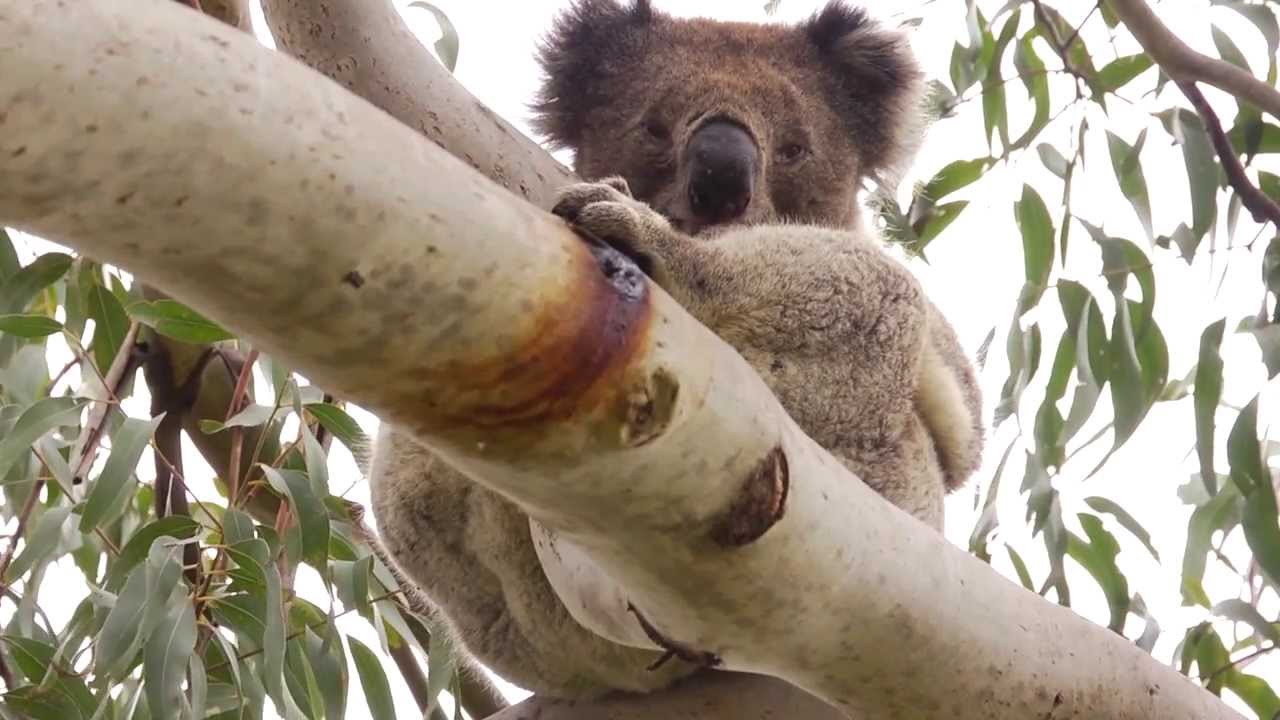
I saw my first wild koalas while driving on the great ocean road. Generally their days are not very exciting. They spend most of their time sleeping and the rest of the time eating eucalyptus leaves. The eucalyptus leaves are tough to digest which explains their consumate napping. Plus they require bacteria in their gut to help them break down their food. This bacteria must be passed down from mother to child through the mother's poo. It's a tough start to life for koalas!
There are roughly 6,500 spoken languages in the world today
Our Official Channels
"15up people" Channel link https://www.youtube.com/15uppeople
Other Channel
“Mahbub Ali” Channel link https://www.youtube.com/mahbubali
“15up Creators” Channel link https://www.youtube.com/channe....l/UCw4s25qaaFCKjq5wZ
Our funny video
"Oshikhito mosha ( অশিক্ষিত মশা) " https://www.youtube.com/watch?v=74tBJaGWnMU
"Kar Chole" https://www.youtube.com/watch?v=S_eqBXW4p_A
"Emni Bollam" https://www.youtube.com/watch?v=oVwSv-EuDag
"Telapoka Food" https://www.youtube.com/watch?v=BjM7r-yZPJM

We compare some of the most popular languages in the world, what are the odds and probability of speaking certain language, which language has the most alphabets. Which language has the most words? How many words does English, Spanish, Arabic or Hindi have? What is the most difficult language to learn? What are the major languages of the world? We visualize the animated scale of alphabets, characters and words.
Disclaimer:
Only words of languages with over 20 million speakers are included otherwise the video would get too long. The only exceptions are the top 5. Thus apologies if your language is not included.
Only Alphabets with a usage of above 50 million, according to World Atlas, are included, with some exceptions. Video makes no distinction between speech, dialect and literacy.
Number referenced for words tend to be the largest dictionary that can be found online. Dictionary referenced in video. There may be bigger dictionaries though.
Usage or number of words may be outdated, but are often after 2010. More info in references.
There is difficulty researching between different formal definition of letters, diacritics and circumflexes, whichever probability and number given for the Alphabets are stated in the sources. There may be unintentional mistake, kindly comment if spotted.
Sources and References: https://pastebin.com/Ahx6TT0B
Music: Adventure by Alexander Nakarada (www.serpentsoundstudios.com)
Licensed under Creative Commons BY Attribution 4.0 License
http://creativecommons.org/licenses/by/4.0/
List of Languages and Words featured:
Arabic, Azerbaijani, Bengali, Chinese, Dutch, English, Finnish, French, German, Greek, Gujarati, Hindi, Icelandic, Indonesian, Italian, Japanese, Javanese, Korean, Latin, Malay, Marathi, Persian, Polish, Portuguese, Romanian, Russian, Serbo-Croatian, Swahili, Swedish, Tagalog, Tamil, Telugu, Thai, Turkish, Ukrainian, Urdu, Vietnamese.
List of Alphabets and Scripts featured:
Arabic Alphabet, Armenian Alphabet, Bengali Alphabet, Burmese Alphabet, Chinese Characters, Cyrillic Alphabet, Danish Alphabet, Devanagari Alphabet, Dutch Alphabet, Filipino Alphabet, Finnish Alphabet, French Alphabet, German Alphabet, Greek Alphabet, Hebrew Alphabet, Hungarian Alphabet, Icelandic Alphabet, Italian Alphabet, Japanese Kana, Japanese Kanji, Kangxi Radicals, Khmer Alphabet, Hangul Alphabet, Kurdish Alphabet, Latin Alphabet, Lithuanian Alphabet, Polish Alphabet, Portuguese Alphabet, Spanish Alphabet, Swedish Alphabet, Tamil Alphabet, Telugu Alphabet, Thai Alphabet,Turkish Alphabet, Vietnamese Alphabet, Welsh Alphabet.

Understanding these 3 foundational skills--phonemic awareness, phonics and phonological awareness.
Subscribe to my news letter here:
https://kathleenjasper.com/pag....es/youtube-subscribe
=============================================================
I specialize in helping prospective teachers and leaders achieve their goals in certification and career. For more go to https://kathleenjasper.com/
Check out my FREE resources.
https://kathleenjasper.com/pages/free-webinars-with-kathleen-jasper
=============================================================
Other videos you may be interested in are:
Work Backwards
https://youtu.be/JXeWdDZoYSQ
Good Words Bad Words
https://youtu.be/lEPQYDRTdgY
Fab 5 of Reading Instruction
https://youtu.be/g6luhHATUFk
=============================================================
Subscribe to my channel - https://bit.ly/30kt5gh
Follow me.
Website: http://KathleenJasper.com/
Facebook: https://www.facebook.com/KathleenJasperEdD
Twitter: https://twitter.com/KathleenJasper
Instagram: https://www.instagram.com/kj_kathleenjasper/

On a stream of water you can levitate light balls of all sizes and even disks and cylinders. The mechanism is not the Bernoulli effect...
Want to make this at home? https://youtu.be/BppcHF2EdAY
My friend Blake from InnoVinci emailed me with a cool idea for a video and footage of levitating balls in water streams. Initially it was tough to explain the physics of what was going on. The standard Bernoulli effect relies on the object being completely immersed in the upward-flowing fluid. But in this case the water seems to form a single stream around the object and it's deflected away and down from the stream. By Newton's third law, the force on the water by the ball is equal and opposite to the force of the water back on the ball, pushing it up into the stream. There is a stable equilibrium position because if the ball moves into the stream, it "cuts off" the water going over the ball so it drifts out. If it drifts out too far, then lots of water passes over the ball, pushing it back into the stream.
Special thanks to Patreon Supporters:
Tony Fadell, Donal Botkin, Jeff Straathof, Zach Mueller, Ron Neal, Nathan Hansen
Support Veritasium on Patreon: http://ve42.co/patreon
Filmed by Raquel Nuno
Slow motion by Hollywood Special Ops http://hollywoodspecialops.com
Music from Epidemic Sound http://epidemicsound.com "Colored Spirals 3" "Magnified X 3" "In Orbit 2" "ExperiMental 1"

Go to https://brilliant.org/nutshell/ to dive deeper into these topics and more with a free 30-day trial + 20% off the premium subscription!
This video was sponsored by Brilliant. Thanks a lot for the support!
Wishlist Star Birds on Steam: http://kgs.link/starbirds 🚀✨
Sources & further reading:
https://sites.google.com/view/....sources-reality-is-n
Reality is not real. Your world is a prediction. Every sight, sound, and touch you experience is the result of calculations your brain makes before reality even reaches you. It fills in gaps, fabricates details, and even alters time itself so you feel like you’re in control. But if everything you know is an illusion… what does that say about you? What does it mean for your choices? Is there even free will?
OUR CHANNELS
▀▀▀▀▀▀▀▀▀▀▀▀▀▀▀▀▀▀▀▀▀▀▀▀▀▀
German: https://kgs.link/youtubeDE
Spanish: https://kgs.link/youtubeES
French: https://kgs.link/youtubeFR
Portuguese: https://kgs.link/youtubePT
Arabic: https://kgs.link/youtubeAR
Hindi: https://kgs.link/youtubeHI
Japanese: https://kgs.link/youtubeJA
Korean: https://kgs.link/youtubeKO
HOW CAN YOU SUPPORT US?
▀▀▀▀▀▀▀▀▀▀▀▀▀▀▀▀▀▀▀▀▀▀▀▀▀▀
This is how we make our living and it would be a pleasure if you support us!
Get Products designed with ❤️ https://shop.kgs.link
Join the Patreon Bird Army 🐧 https://kgs.link/patreon
DISCUSSIONS & SOCIAL MEDIA
▀▀▀▀▀▀▀▀▀▀▀▀▀▀▀▀▀▀▀▀▀▀▀▀▀▀
TikTok: https://kgs.link/tiktok
Reddit: https://kgs.link/reddit
Instagram: https://kgs.link/instagram
Twitter: https://kgs.link/twitter
Facebook: https://kgs.link/facebook
Discord: https://kgs.link/discord
Newsletter: https://kgs.link/newsletter
OUR VOICE
▀▀▀▀▀▀▀▀▀▀▀▀▀▀▀▀▀▀▀▀▀▀▀▀▀▀
The kurzgesagt voice is from
Steve Taylor: https://kgs.link/youtube-voice
OUR MUSIC ♬♪
▀▀▀▀▀▀▀▀▀▀▀▀▀▀▀▀▀▀▀▀▀▀▀▀▀▀
700+ minutes of kurzgesagt soundtracks by Epic Mountain:
Spotify: https://kgs.link/music-spotify
Soundcloud: https://kgs.link/music-soundcloud
Bandcamp: https://kgs.link/music-bandcamp
Youtube: https://kgs.link/music-youtube
Facebook: https://kgs.link/music-facebook
The soundtrack of this video:
SoundCloud: https://bit.ly/3FDfmIe
Bandcamp: https://bit.ly/41zJdc3
If you want to help us caption this video, please send subtitles to subtitle@kurzgesagt.org
You can find info on what subtitle files work on YouTube here:
https://support.google.com/youtube/answer/2734698?hl=en-GB&ref_topic=7296214
Thank you!
🐦🐧🐤 PATREON BIRD ARMY 🐤🐧🐦
▀▀▀▀▀▀▀▀▀▀▀▀▀▀▀▀▀▀▀▀▀▀▀▀▀▀
Many thanks to our wonderful Patreons (from http://kgs.link/patreon) who support us every month and made this video possible:
Aleksandr Korobkov, Spreadsheets24x7, berfta, Matt, Quentin Carnis, SkelligeDane, Alexburea, l.tan, Kai Hein, Twisted, Anton Lelios, Guinux, Cameron Stephens, Madison Herbert, Lucas, Wrikken, Rho Datcu, Daniil Grytsiuk, Michael Vlaming, Vordy, Barg Leonid, Dr. Stephan Zschiegner, Chris Knight, The Stargazer, Ella, Dice, Ryan Ham, Jamie Oglethorpe, Cherished-Stardust, Noah Spear, Kevin Valk, Adithya Udupa, Jeremiah, Mike Guadian, Sean van der Merwe, Timothy Brown, Ted, Kevin Low, Pascal, Gerrald Bowman, Potato_K, Olga Kellner, Diana Melissa Castillo Abarca, Gianluca ODOARDI, Alexander S.

#shortsfeed
#shorttricks
#shortvideo
#linearequations
#vedicmaths
#mentalmath
#youtube #youtubeshorts #youtubeshort #equation #tricks #Suresh #sureshaggarwal #math #maths #mathematics #shortcuts #equations #equation
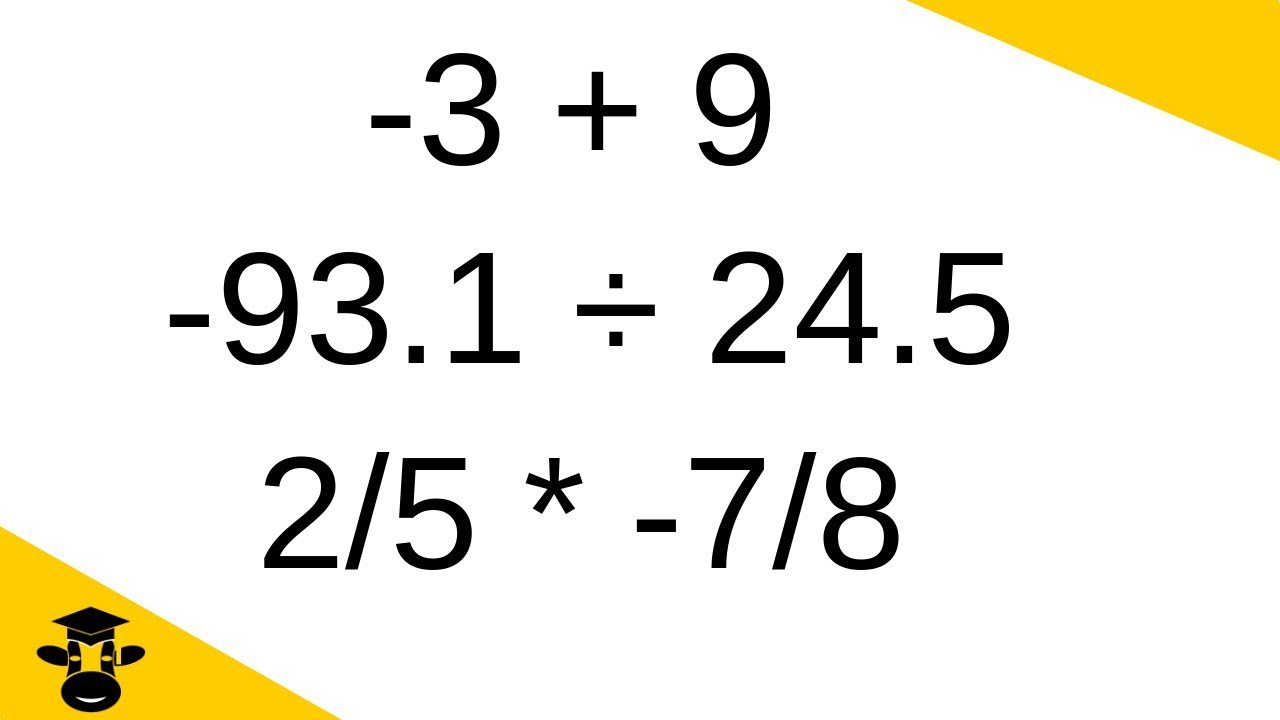
State of Georgia 7th Grade Math Year in Review
Topics covered this video
Adding sign numbers
Subtracting sign numbers
Dividing Decimals
Multiplying fractions
Divide mixed numbers
Convert fractions to a decimal
Convert percent to a decimal
Convert decimal to a percent
Example Problems
-3 + 9
-24 + -17
72 - -5
-93.1 ÷ 24.5
3/4 * 1 2/3
convert 2/5 to a fraction
convert 5/8 to a decimal
convert 20% to a fraction
7th Grade Math Playlist ( Entire Year)
https://www.youtube.com/playli....st?list=PLurjkZV1ykG

Here is a quick and easy Vedic math trick called "line addition" to add many single-digit numbers together. This is a very neat and quick trick that saves a lot of time, so please subscribe to my channel for more tricks and tips!
#Mathtricks #LineAddtitionTrick #VedicMath
Answers to the homework:
7 + 6 + 8 + 6 + 3 = 30
8 + 9 + 4 + 1 + 8 + 1 + 7 = 38
3 + 2 + 5 + 8 + 6 + 9 + 8 + 7 + 2 + 5 = 55

Parker and Preston dissect the Clarity Act's impact on Bitcoin, explore the AI-Bitcoin energy dynamic, and reveal why Bitcoin’s binary success path may define future economic stability.
What you'll learn here:
00:00:00 - Intro
00:00:27 - Why the Clarity Act may pose risks to Bitcoin developers and self-custody
00:07:54 - How Texas is strategically investing in Bitcoin
00:13:03 - How AI could both mislead and inform the public on Bitcoin
00:21:43 - The economic interplay between AI and Bitcoin energy consumption
00:24:30 - Three core reasons behind Bitcoin’s long-term opportunity
00:30:19 - Why Bitcoin’s success is viewed as binary and what that means
00:35:46 - What the “ribeye index” reveals about real inflation
00:40:19 - Why understanding Bitcoin is crucial to protecting against hyperinflation
00:52:59 - How accepting Bitcoin as payment reflects deeper conviction in its value
Transcript & Guest Info:
https://www.theinvestorspodcas....t.com/bitcoin-fundam
Join our highly vetted community of value investors: https://www.theinvestorspodcast.com/mastermind
▶️ Related Episodes:
- Bitcoin Mastermind Q1 2026: https://youtu.be/bzzFBvzONBo
- Bitcoin & Macro Overview Q4 2025 w/ Luke Gromen: https://youtu.be/RA2cvfdwy0I
- Bitcoin & Texas: A Roadmap for the Global Financial Shift w/ Parker Lewis: https://youtu.be/xcjv8UWkJwc
Listen to our episodes here: https://open.spotify.com/show/....28RHOkXkuHuotUrkCdvl
Visit our website: https://www.theinvestorspodcas....t.com/bitcoin-fundam
Free PDF: Investing for Beginners: 4 Principles of Stock-Picking: https://www.theinvestorspodcas....t.com/subscribe-yout
⚠️ Disclaimer: This show is for entertainment purposes only. Before making any decisions, consult a professional. This show is copyrighted by The Investor’s Podcast Network. Written permission must be granted before syndication or rebroadcasting.
#Bitcoin #ClarityAct #BitcoinAdoption #AIandBitcoin #SoundMoney

In diesem Video zeige ich, wie die Kombination aus NotebookLM und Google Gemini einen leistungsstarken KI-Workflow bildet, mit dem sich Recherche in strukturierte, visuelle Ergebnisse verwandeln lässt.
Du siehst, wie NotebookLM dabei hilft, verlässliche Quellen einzubinden, Informationen gezielt zu extrahieren und sauber zu strukturieren – und wie Gemini diese Inhalte anschließend in animierte Diagramme, Infografiken,
Heatmaps und interaktive Strategieboards umsetzt.
Anhand von vier konkreten Use Cases führe ich Schritt für Schritt durch den gesamten Prozess: von der Recherche bis hin zu präsentationsfertigen Visuals. Wenn du schneller arbeiten, den Überblick behalten und hochwertige Ergebnisse ohne manuellen Designaufwand erstellen möchtest, bietet dieses Video einen praxisnahen Einstieg.
Kapitel
00:00 Einleitung
00:22 Animiertes Rangfolgen-Diagramm
01:51 Infografik
03:42 Animierte Heatmap
06:18 Interaktives Strategieboard
------------------
**LASS UNS VERNETZEN**
📸 Instagram – https://instagram.com/shakeelazq
🎬 TikTok – http://tiktok.com/@shakeela_zq
💼 LinkedIn – https://www.linkedin.com/in/sh....akeela-qureshi-78699
Video hashtags:
#notebooklm
#gemini
#googleki
#kiworkflow
#deepresearch
#kiproduktivität
#kitools
#kitutorials
#künstlicheintelligenz
📍📍歡迎收看《English Speaking系列》📍📍
Talking about your neighbourhood
👉https://youtu.be/pVZsqtQ2pMA
Talking about different festivals
👉https://youtu.be/7XWE_QB0qEk
Introduce your school
👉https://www.youtube.com/watch?v=DPfvjdEI7Dw
Back to school
👉https://www.youtube.com/watch?v=NSv5QyPmhpw
Good manners_actions
👉https://youtu.be/_Swu0JtZke0
Good manners
👉https://www.youtube.com/watch?v=HGME2UCt6-M&t=29s
Talking about daily routines
👉https://youtu.be/Np8mJ1uw8c8
📍📍歡迎收看《Grammar系列》📍📍
Lesson 5_irregular verbs_part3
👉https://youtu.be/2gGmVYQW_0k
Lesson4_common mistakes
👉https://youtu.be/A7Yz6eEcYPs
Lesson3_irregular verbs_part2
👉https://youtu.be/vE6AnyrYDZQ
Lesson2_irregular verbs_part 1
👉https://youtu.be/C_p_r053MeQ
Lesson1_Opposite words
👉https://youtu.be/ftz3u46E0Zo
📍📍歡迎收看《Cooking系列》📍📍
Make fresh juice
👉https://www.youtube.com/watch?v=VFOo2RW_qoI
📍📍歡迎收看《Shorts系列》📍📍
Funny jokes 5
👉https://youtube.com/shorts/7Rq0v77lq3Q
Funny jokes 3
👉https://youtube.com/shorts/VJe4DCE9lLs
Funny joke 2
👉https://youtube.com/shorts/2ouEf37QtdQ
Funny joke 1
👉https://youtube.com/shorts/OJ2-YEfl2uw
Tongue twister_whose/shoes/choose
👉https://youtube.com/shorts/S9Rrw_scQ8o
Tongue twister_birdie vs turdie vs pie
👉https://youtube.com/shorts/yvOv4EVm6Xc
Tongue twister_scream vs ice cream
👉https://youtube.com/shorts/KBi79AOOPow
Tongue twister_fuzzy vs wuzzy
👉https://youtube.com/shorts/pwGPW_cWdxc
Tongue twister_whether vs weather
👉https://youtube.com/shorts/_3yjqCC4ASA
Read with me_Irregular verbs Part A
👉https://youtube.com/shorts/OfA0FlrxVy8
Read with me_Irregular verbs Part B
👉https://youtube.com/shorts/GV9iXpKMUAk
📍📍歡迎收看《Fun Games系列》📍📍
Make a guess
👉https://youtu.be/J0E2LF9_chU
Quiz Time
👉https://youtu.be/M4JrGzedjH0
Quiz Time
👉https://youtu.be/k7cTb77sh1Q
Quiz Time
👉https://www.youtube.com/watch?v=QGwhG4Mk_Ow&t=5s
Quiz Time
👉https://www.youtube.com/watch?v=xDUJPNRh3mA
📍📍歡迎收看《Basic conversation系列》📍📍
Basic conversation Lesson 9_How can I help you
👉https://youtu.be/6Nx1dXLeQMU
Basic conversation Lesson 8_Talking about your best friend
👉https://youtu.be/NknxeVxhP7A
Basic conversation Fun Lesson_Different languages
👉https://youtu.be/mCJPRD7pahw
Basic conversation Lesson 7_Apply for a library card and borrow books
👉https://www.youtube.com/watch?v=5XCmL9clkQY
Basic conversation Lesson 6_Ordering food
👉https://youtu.be/xaJKiHn6vuc
Basic conversation Lesson 5_Visiting friends
👉https://youtu.be/5TkeC8iirVA
Basic conversation Lesson 4_Making phone calls
👉https://youtu.be/B2CUxLSK5CU
Basic conversation Lesson 3_Types of weather
👉https://youtu.be/ivyo-t50qnw
Basic conversation Lesson 2_Days in a week
👉https://youtu.be/fAtrVak5qLo
Basic conversation Lesson 1_Greetings
👉https://youtu.be/hl_foOF6EjY
📍📍歡迎收看其他《Vocabulary詞匯系列》📍📍
Animals on land_陸地動物
👉https://youtu.be/XxZXjGkJkCQ
Animals in the sea_海洋動物
👉https://youtu.be/gN7GsS6cCeg
Parts of the body_身體部份名稱
👉https://youtu.be/GviCG650sng
Theme Park facilities_主題公園設施
👉https://youtu.be/RiP4etv1ANs
Famous Landmarks_國家名勝地標名稱
👉https://youtu.be/-_rRauEiDic
Colour_顏色
👉Part 2https://youtu.be/78xUTO1My_E
Furniture in the living room_客廳內傢俱名稱
👉https://www.youtube.com/watch?v=smN7hHwHL1g
2D shapes_平面形狀的名稱
👉https://www.youtube.com/watch?v=P4wT5wmqIRY
Jobs_職業名稱
👉https://www.youtube.com/watch?v=NYDTE...
Hairstyle_不同髮型的英文名稱
👉https://www.youtube.com/watch?v=PU_BB2Kvj_w
Solar System_太陽系
👉https://www.youtube.com/watch?v=Qwwczge-_ks
Tableware_餐具名稱
👉https://www.youtube.com/watch?v=rm4FNlRQZxE
Hats_帽子的名稱
👉https://www.youtube.com/watch?v=Pl3g8JgXeGc
Egg_蛋的不同煮法名稱
👉https://www.youtube.com/watch?v=alwVK7zoplc
National Flags_國家及國旗
👉https://youtu.be/tBwHd6XHfE0
The 12 Chinese Zodiac_12生肖
👉https://youtu.be/ii8djvnF-pk
Fruit_水果名稱
👉https://youtu.be/ozwI9sk-bo4
Stationery_文具名稱
👉https://youtu.be/jsjwHTaWfkg
Colour_顏色 Part 1
👉https://youtu.be/AiiGKUEuWx4
📍📍歡迎收看《停課不停學系列》 📍📍
Number 1-10
👉https://youtu.be/wVn_0fY5i1o
Fruit
👉https://youtu.be/C3jy63nGhgA
Transportation in HK
👉https://youtu.be/5qQX0ymwwqo
Vegetables
👉https://m.youtube.com/watch?v=iu1OnlmqRI4
Sports
👉https://youtu.be/eF_Dv6owlM8
Relaxing activities
👉https://www.youtube.com/watch?v=ROv7OlyXe0A
📍📍歡迎收看《Writing a composition系列》 📍📍
👉School Picnic Day
https://youtu.be/GNXyS84JrQo
At the beach
👉https://www.youtube.com/watch?v=WcERiNMpb9s
📍📍歡迎收看《小一叩門面試》系列 📍📍
👉School Interview_Part 1:Talking about yourself
https://www.youtube.com/watch?v=wWTwr2o4_uo
👉小一叩門:不能不看題目背後的真正意義
https://m.youtube.com/watch?v=msqXn02v8tw
👉小一叩門:面試陷阱
https://m.youtube.com/watch?v=OrTx4B_cnkw

O Google acabou de liberar uma das maiores atualizações que já vimos no Gemini! Eles fundiram o NotebookLM (a poderosa ferramenta de pesquisa do Google) diretamente na interface do Gemini, e o resultado é absolutamente INSANO!
Neste vídeo, vou te mostrar o passo a passo de como usar essa nova seção de "Notebooks" , que finalmente resolve a maior dor dos usuários: um sistema real de pastas e projetos para organizar todos os seus chats!
Mas o verdadeiro superpoder que vai explodir sua mente é a nova função de "memória". Agora, o Gemini considera e lembra de todas as conversas anteriores dentro daquele notebook para adaptar as respostas.É como ter um assistente que evolui e te conhece cada vez melhor!
Além disso, você vai aprender a usar as fontes para gerar resumos em áudio, apresentações, flashcards e muito mais. Assista até o final para descobrir como configurar as instruções personalizadas de tom e transformar essa IA na sua maior máquina de produtividade!
🔗 ESMAGA O LIKE e se INSCREVA no canal para não perder os próximos hacks de automação que vão te deixar 100x mais rápido!
@InventecomIA
🔗 Entre no nosso Grupo VIP do WhatsApp - novidades grátis sobre IA
https://conteudo.invente.com/g....rupo_vip_invente_com
🔗 Google Gemini
https://gemini.google.com/
🔗 NotebookLM
https://notebooklm.google.com/
🔗 Me acompanhe no Insta para dicas práticas e rápidas:
https://www.instagram.com/fredisfer/
🔗 Vídeo - Como usar o NotebookLM
https://www.youtube.com/watch?v=0wEBwGBwcYo&t=0s
🔗 Playlist com dicas extras sobre o NotebookLM
https://www.youtube.com/watch?v=SJiDqLy6WeE&list=PLtaoKQsrFg0tU7gbDUBVOM6WOH1jhkb__
#GoogleGemini #notebooklm #InteligenciaArtificial #googleai

¡Hola, compañeros de NextGen IA Hub! En el vídeo de hoy, vais a alucinar con la última actualización de Google Gemini que integra a la perfección NotebookLM. Esta no es solo una mejora, es una potenciación brutal que transforma completamente cómo interactuamos con la inteligencia artificial para el aprendizaje, la productividad y la creación de contenido.
Descubre cómo he logrado convertir un simple documento en un dashboard interactivo, infografías impresionantes, una landing page totalmente funcional y hasta una aplicación educativa completa, todo ello utilizando mis propias fuentes y apuntes en NotebookLM, y la potencia de Gemini. Si pensabas que la IA ya era increíble, prepárate para ver cómo esta fusión tecnológica eleva el listón, haciendo que el proceso de investigación, estudio y desarrollo sea más rápido, efectivo y divertido.
En este tutorial completo, te guiaré paso a paso para que puedas:
Conectar tus cuadernos de NotebookLM a Gemini.
Utilizar el modo Canvas de Gemini para generar visualizaciones asombrosas.
Crear infografías automáticas a partir de tus textos.
Diseñar dashboards interactivos para organizar tu aprendizaje o proyectos.
Generar páginas web dinámicas en HTML basadas en tus datos.
Desarrollar aplicaciones educativas interactivas para aprender cualquier tema de forma divertida.
Esta conjunción de agentes de IA es un cambio de juego. Forget las horas buscando PDFs, descargando, y luego cargando. Ahora, tu segundo cerebro digital está más integrado y potente que nunca. ¡No te pierdas cómo exprimir al máximo esta herramienta brutal de Google!
Timestamps:
00:00 Intro: La actualización que lo cambia todo
00:42 Cómo acceder a NotebookLM desde Gemini
02:13 Creación de un Cuaderno y búsqueda de fuentes
03:11 La Fusión: Conectando el Cuaderno a Gemini
03:47 Ejemplo 1: Creando Infografías (Gemini vs NotebookLM)
05:05 Ejemplo 2: Generando un Dashboard con Canvas
06:11 Ejemplo 3: El modo "Aprendizaje Guiado"
07:44 Ejemplo 4: De PDF a Página Web (Landing Page)
09:45 Ejemplo 5: Creando una App Interactiva desde cero
11:41 Conclusiones finales y despedida
Herramientas mencionadas en el vídeo:
🔗 Google Gemini: https://gemini.google.com/
🔗 NotebookLM: https://notebooklm.google.com/
¿Tienes una idea o truco de IA? Comenta usando #DavidNextGenIA y lo destaco en próximos vídeos
🔔 Suscríbete para más contenido sobre IA: https://www.youtube.com/@NextG....en_IA_YT?sub_confirm
👉 Mi lista de reproducción: https://www.youtube.com/@NextGen_IA_YT/playlists
EMAIL COLABORACIONES:
📩 nextgeniahub@gmail.com
📩 hammer31_73@gmail.com
#NotebookLM #GoogleGemini #InteligenciaArtificial #GeminiCanvas #Productividad #Estudiantes #NoCode #IA #GoogleAI #DavidNextGenIA

What art that brings you comfort right now? What art do you want to be thinking about? In this episode, we make a book of art by Alec Soth, Miyoko Ito, Giorgio Morandi, Vija Celmins, Sam Gilliam, Sheila Hicks, and Wayne Thiebaud. Make your own art book and share it with #youareanartist.
Order You Are an Artist here: https://bitly.com/2kplj2h.
Thanks to our Grandmasters of the Arts Divide By Zero Collection and David Golden, and to all of our patrons, especially Anthony Chivetta, Rich Clarey, Iain Eudailey, Tom Forwood, Patrick Hanna, Andrew Huynh, Eve Leonard, David Moore, Jane Quale, Gabriel Civita Ramirez, Andrew Sheeler, Boris Silantiev, Josh Thomas, Constance Urist, and Roberta Zaphiriou. To support our channel, visit: http://www.patreon.com/artassignment.
Subscribe for new episodes of The Art Assignment every other Thursday, and follow us elsewhere for the full Art Assignment experience:
Twitter: http://twitter.com/artassignment
Instagram: http://instagram.com/theartassignment/
Facebook group: https://www.facebook.com/group....s/artassignmentextra


Math Made Fun: Learn 5-10 times tables the easy way! | Unlocking the secrets
Multiplication Table of 5 to 10
#Learn and #Play #Tableof3 Times Table How to Learn the Easy Way?
Subscribe for more interesting videos 📸
https://www.youtube.com/@Faria....kidsshow?sub_confirm
Cover Topic :-
2x1=2 Multiplication
3x1=3 Multiplication
4x1=4 Multiplication
5x1=5 Multiplication
6x1=6 Multiplication
7x1=7 Multiplication
8x1=8 Multiplication
9x1=9 Multiplication
10x1=10 Multiplication
Tables Song Multiplication Time of tables
#MathsTables
Multiplication,
maths tables,
multiplication tables,
multiplication table,
multiplication tricks,
maths for beginners,
Multiplication Table of 5
Multiplication Table of 6
Multiplication Table of 7
Multiplication Table of 8
Multiplication Table of 9
Multiplication Table of 10
table of 3;
Easy method of tables,
times tables,
learn times tables,
3 ka pahada,
3 ka table english mein,
3 ka table,
table of 3 in english,
learn table of 3,
pahada,
ginti,
tables tables,
learn multiplication,
maths tables,
multiplication tables,
table of 3,
#LearnTimesTable #Mathematics #Multiplication #Education #StudyTips #SchoolHelp #MathTricks #MathHelp #Tutoring #Numeracy #Arithmetic #MemorizationTechniques #HomeworkHelp #MathClass #TimesTablePractice #mathskills
table of multiplication 2-10
table of 2 to 5
table of 2
table of 3
table of 4
table of 5
table of 6
table of 7
table of 8
table of 9
table of 10
table of 2 to 5
table of 2 to 10
table of 2 to 10 in english
#tableof7 #tableof8 #tableof9 #tableof10
table 2 to 10
maths concept for class 1
2 se 10 tak pahada
Basic Maths
Maths basics for kids
maths for kids
maths basic
maths basic concepts
maths basics
maths basics in english
maths tricks
maths basic formulas
math concepts
math concepts channel
math concepts for kindergarten
math concepts and tricks
math concepts for grade 1
math concepts for grade 2
math concepts explained
math concepts for grade 3
math concepts for grade 4
math concepts for grade 3
kids learning videos
kids learning
kids learning videos preschool
kids learning englishenglish
#EasyMath
#EasyMathtricks
#AddMaths
#Learningforchildren
#Learningforkids
#Learningforkidz
#Kids
#kidsforkids
#kidsvideos
#mathstables
#maths #timestable
#table1to10
#tableof2to10
#mathstable
#2to10table
#1to10table
#multiplication
#multiplicationtables
#tables
#tablesforkids
#Math
#PremathConcepts
#Mathematics
#Mathematicsforkids
#Mathsforclass1
#Premathforkids
#BasicPremath
#PremathConcepts
#PremathConcept
#Mathematics
#Mathematicsforkids
#Additionsubtraction
#Mathsforkids
#KidsMaths
#Premathconcept
#Mathsforkids
#Mathsforlkg
#Mathsforukg
#Mathsforclass1
#Mathsforclass2
#Mathsforclass3
#LoveToLearn
#Kids
#Kidslearningvideos
Times Tables Made Easy, Times Tables Practice, Times Tables Worksheets,
Times Tables Tips, , Times Tables 1 to 20, TimesTables Rhymes,Learn Times Tables, Learn Times Tables on Fingers,
Learn "Table of Two to Ten (2 to 10)" in a very interesting and easy way.
#KidsLearning
#KidsLine
#KidsArea
#Kidslearningvideos
#Kidslearningclub
#Kidslearningmadeeasy
#learnmaths
Math
Times Table
Learning
Education
Study
School
Tutoring
Mathematics
Practice
Memorization
Techniques
Tips
Tricks
Memorizing
Numeracy
Arithmetic
Calculation
Homework
Classroom
premath concept
pre math concepts
pre math concepts for class 1
pre math concepts for class 2
pre math concepts for class 3
Preschool math concepts
Learn pre math concepts
Learn premath concepts
pre number concepts in maths
pre number concepts
pre number concepts for class1
pre number concepts for class2
pre number concepts for class3
multiplication table 2 to 10
multiplication table 2 to 5
multiplication table 2 to 9
multiplication table 5 to 10
Math Table Learning trick
faria kids show,
learning videos,
learning cartoon,
kids song,
kids show,
#dianashow,
diana kids show,
moral story for kids,
for kids,
kids youtube channel,
Kids videos
learn cartoon,
#fariakidsshow
#Multiplication #Tableof2and3 #mathsforbeginners #number #ginti #cbse
#LearnandplayTableof 3TimesTable #tablesofthree,#learntableofthree,#LearnAndPlay,#learncartoon,#kidsvideos,#animals,#nurseryrhymes,#babysongs,#preschool,#kidseducation #asaantarikesepahade
#bachhokepahade
#studygenius
#dianashow,
diana kids show,
moral story for kids,
for kids,
kids youtube channel,
#asaantarikesepahade
#bachhokepahade
#studygenius
#earlychildhoodeducation
Faria Kids Show brought entertaining and fun-filled Nursery Rhymes, Counting, Colours, Shapes and many more titles for your children, keep watching. Subscribe to Faria kids show youtube channel, Enjoy our collection of Educational Videos, Nursery Rhymes, Moral Stories, Fairy Tales, Times Table, A to Z and much more.