Top videos

Meet Zoey—author, adventurer, and online student who lets nothing get in her way! Hear her talk about the ideas behind some of her advocacy projects, how she’s accomplished some pretty incredible goals, and how her efforts have directly benefited her community.
Zoey’s mom describes her spunk, her passions, and how she’s grown with the freedom and flexibility online school provides. Zoey also lets us in on what she’s planning next!
K12 is proud to provide quality online learning for students like Zoey, giving her an education option that lets her confidence and abilities soar! We’re celebrating 25 years of K12-powered schools, but like Zoey, we’re just getting started! Learn more at: https://bit.ly/4gvVtzU

Krampus: The Dark Side of Christmas You Need to Know! | K12 #k12 #virtual #onlinelearning #education
You better watch out—St. Nick isn’t the only one coming to town! Meet the mythological creature that gives weight to the saying “naughty or nice,” Krampus.
Half-goat and half-demon, Krampus is said to have Pagan origins and appears in Austrian, German, and Czech folklore. On December 5, also known as Krampusnacht (Krampus Night), Krampus travels alongside his better and nicer counterpart, St. Nicholas. The dynamic duo visits children throughout the night, and as St. Nick awards good children, Krampus punishes them. In some myths, he takes them to the underworld in a sack and saves them for a midnight snack. In others, he swats them like a piñata. Coal doesn’t seem so bad now, does it?
Nowadays, you’ll only see Krampus on the big screen or in traditions like Krampuslauf, where people run amok dressed as the creature and scare children. And if you see him elsewhere, you probably didn’t make the nice list. Happy holidays!
Connect with K12!
Find a school: K12.com
Facebook: facebook.com/StrideK12
Instagram: instagram.com/k12learn
TikTok: tiktok.com/@stridek12
Watch real K12 employees and educators share their heartfelt letters of gratitude and support for the millions of students who chose a K12-powered education. We’re so proud to celebrate this milestone with you—cheers to 25 years and many more! #K12 #HappierAtK12 #25YearsOfK12 #shorts

Witches, vampires, and werewolves, oh my. In this special Halloween episode of K12 Teaching Moments, uncover the origins of werewolves and why they’re among the supernatural creatures we know, fear, and love today.
Connect with K12!
Find a school: K12.com
Facebook: facebook.com/StrideK12
Instagram: instagram.com/k12learn
TikTok: tiktok.com/@stridek12

25 years ago, K12 reimagined education with online learning. Today, with more than 3 million students and counting, we’re more dedicated than ever to making personalized learning accessible to everyone.
The amazing achievements of our K12 community inspire us, and we’re excited to share their stories, celebrating the incredible moments that have shaped their success.
Meet Evan, a K12-powered student and swimmer on the U.S. national team, whose success story launches our Voices series, celebrating the extraordinary achievements made possible through K12’s flexible, personalized learning. Subscribe to our social channels to stay tuned as we spotlight more inspiring journeys.
#K12 #K12Voices #HappierAtK12 #25YearsOfK12
______
Connect with K12!
Find a school: K12.com
Facebook: facebook.com/StrideK12
Instagram: instagram.com/k12learn
TikTok: tiktok.com/@stridek12
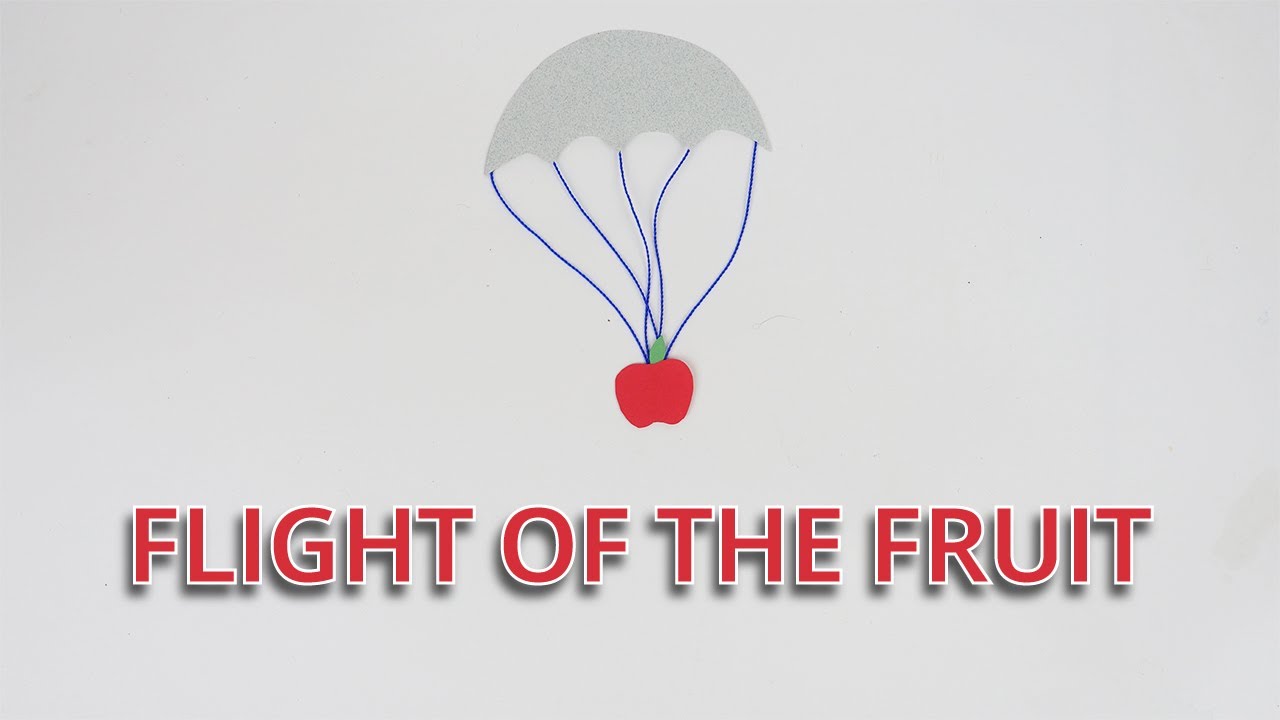
Testing a model parachute can tell us many things and help us learn about a variety of concepts, such as proportionate size and scale, gravity, air resistance, weight relationships. In this freeform activity about preventing free-falling, students design their own model parachutes while considering factors in their test drops such as distance, weight, and time.
View the full activity on TeachEngineering:
https://www.teachengineering.o....rg/activities/view/u
TeachEngineering has over 1,500 FREE lessons and activities. Visit https://www.teachengineering.org/ for more!
Music: Hyperfun - Kevin MacLeod
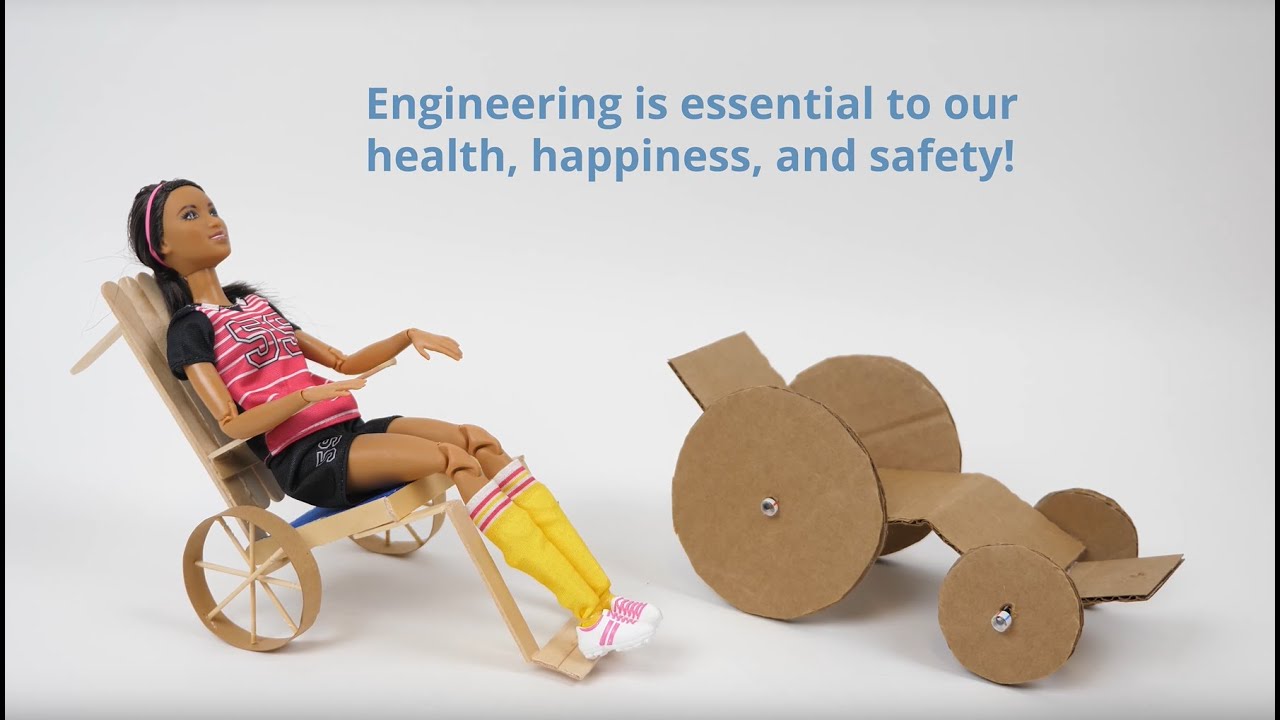
Students further their understanding of the engineering design process (EDP) while being introduced to assistive technology devices and biomedical engineering. They are given a fictional client statement and are tasked to follow the steps of the EDP to design and build small-scale, off-road wheelchair prototypes. As part of the EDP, students identify appropriate materials and demonstrate two methods of representing solutions to their design problem (scale drawings and simple scale models). They test the scale model off-road wheelchairs using spring scales to pull the prototypes across three different simulated off-road surfaces.
View the full activity at TeachEngineering:
https://www.teachengineering.o....rg/activities/view/w
TeachEngineering has over 1,500 FREE lessons and activities. Visit http://www.TeachEngineering.org for more!
Music: Sky_Scraper

The school’s playground is flooded again, and the students cannot go out to recess! Students learn about the different states of matter and how water changes. They use this knowledge, along with research about natural disasters, to come up with an engineering solution that prevents playground flooding. They plan and design a model, test it, and share results. After sharing results, they redesign and complete at least two more trials to find the optimal solution.
View the full activity on TeachEngineering:
https://www.teachengineering.o....rg/activities/view/u
TeachEngineering has over 1,500 FREE lessons and activities. Visit https://www.teachengineering.org/ for more
Music: Cold Funk Funkorama
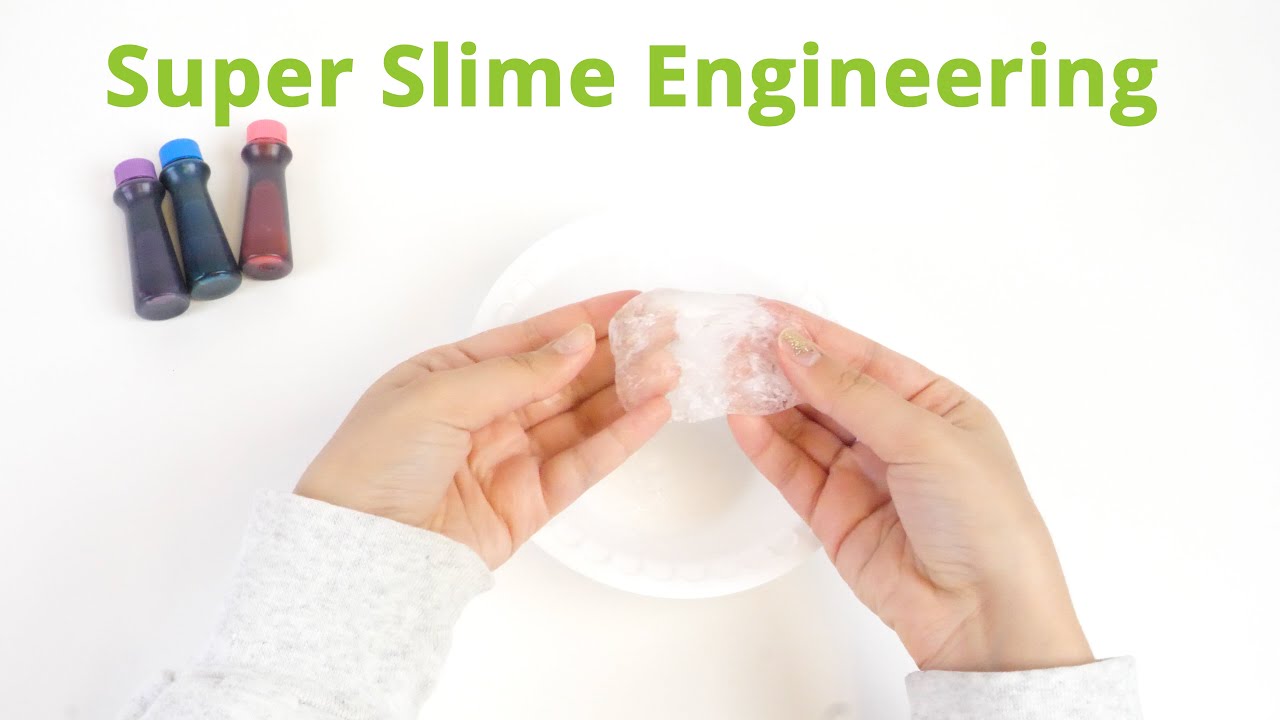
Who can engineer the best slime? Beginning with a preset recipe, students make slime, observe it, and then decide on what and how they want to improve it, such as making it stickier or less sticky. Students then make their updated slime by implementing the changes they want to make. They are introduced to product optimization, material science and polymer engineering.
View the full activity on TeachEngineering:
https://www.teachengineering.o....rg/activities/view/u
TeachEngineering has over 1,500 FREE lessons and activities. Visit https://www.teachengineering.org/ for more
Music: Comparsa_Latinesque by Kevin MacLeod

Through a teacher-led class demo, students observe a simple water cycle model to better understand its role in pollutant transport. Using kitchen or lab equipment, the demo simulates a point source of pollution in a lake and the resulting environmental consequences—one way in which pollution is affected by the water cycle. A student worksheet is provided.
This engineering curriculum aligns to Next Generation Science Standards (NGSS).
View the full activity on TeachEngineering:
https://www.teachengineering.o....rg/activities/view/c
TeachEngineering has over 1,500 FREE lessons and activities. Visit https://www.teachengineering.org/ for more
Music: Blue Macaw

Many of today's popular sports, like soccer, basketball, and tennis, involve using balls, but each ball is unique in its own way. These balls are carefully created with special features to make playing each sport a fun and exciting experience. Students explore the concept of reverse engineering to understand how and why engineers use it. Then, students investigate how different balls bounce by dropping them from various heights and create graphs to show their findings. Through their investigation and analysis, they are able to reverse-engineer different characteristics of several types of balls.
View the full lesson on TeachEngineering:
https://www.teachengineering.o....rg/activities/view/b
TeachEngineering has over 1,500 FREE lessons and activities. Visit https://www.teachengineering.org/ for more
Music - EDM Detection Mode By Kevin MacLeod

Students are introduced to the concepts of graywater and water reuse within households. They calculate the amount of used water a family generates in one day and use a model of home plumbing to find out how much graywater is produced in homes every day. They graph their results and discuss energy efficiency implications. Students are then challenged to find ways to reduce water use within the home.
This engineering curriculum aligns to Next Generation Science Standards (NGSS).
View the full activity on TeachEngineering:
https://www.teachengineering.o....rg/activities/view/c
TeachEngineering has over 1,500 FREE lessons and activities. Visit https://www.teachengineering.org/ for more
Music: Toe Jam
Reduce, reuse, recycle—engineer! In this activity that focuses on environmental awareness, students research and read books about various items and buildings made from recycled or reused materials. They then plan, design, and construct a storage space for an individual snack using the engineering design process. They consider key elements such as temperature control, budget, materials, and size.
This engineering curriculum aligns to Next Generation Science Standards (NGSS).
View the full activity on TeachEngineering:
https://www.teachengineering.o....rg/activities/view/u
TeachEngineering has over 1,500 FREE lessons and activities. Visit https://www.teachengineering.org/ for more
Music: Epidermis the Sun Really Shines

In this activity, students design and create a slide that will get Jack away from the Giant as fast as possible. Using the engineering design process, students identify the problem, brainstorm solutions, plan a design, create and test a prototype, and make improvements to help Jack escape the Giant!
This engineering curriculum aligns to Next Generation Science Standards (NGSS).
View the full activity on TeachEngineering:
https://www.teachengineering.o....rg/activities/view/u
TeachEngineering has over 1,500 FREE lessons and activities. Visit https://www.teachengineering.org/ for more
music - Trancer
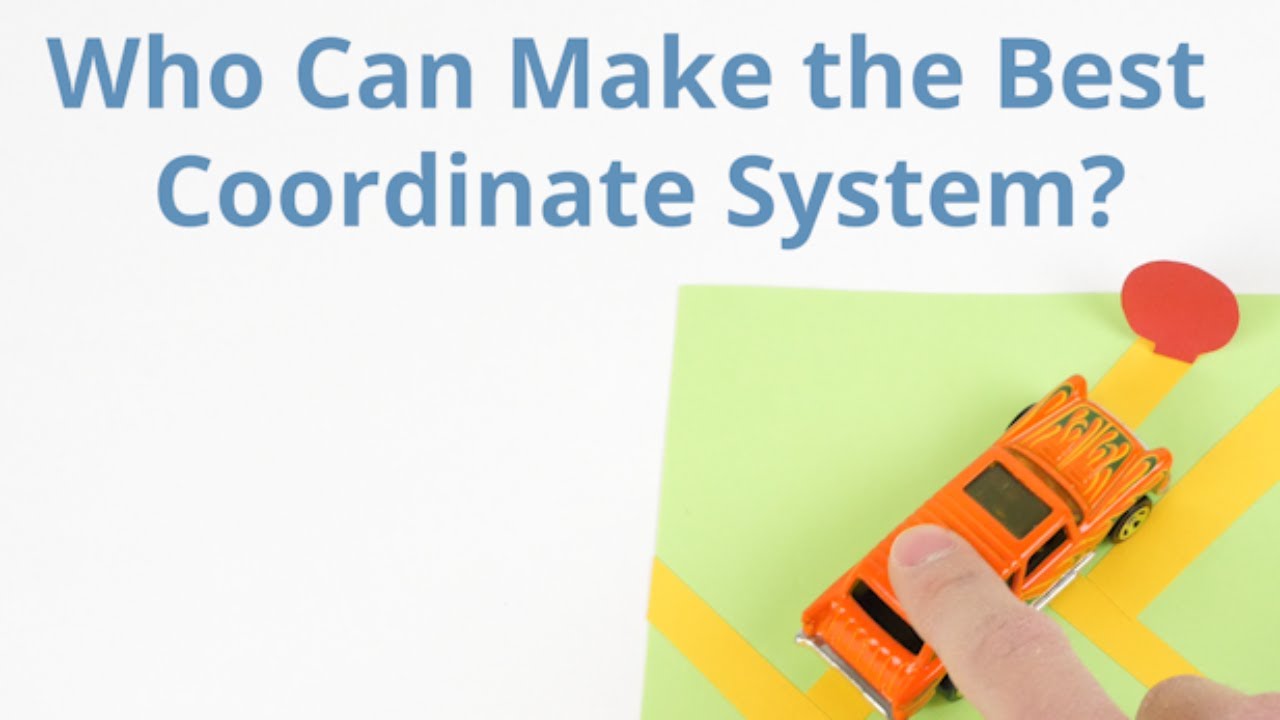
Students learn about coordinate systems in general by considering questions concerning what it is that the systems are expected do, and who decided how they look. They attempt to make their own coordinate systems using a common area across all groups and compete to see who can make the best one. Then they analyze why it is that some systems work better than others and consider what those observations mean for evaluating and choosing geographic coordinate systems commonly available today.
View the full activity on TeachEngineering:
https://www.teachengineering.o....rg/activities/view/u
TeachEngineering has over 1,500 FREE lessons and activities. Visit https://www.teachengineering.org/ for more
music: Cats and Gats - Dyalla
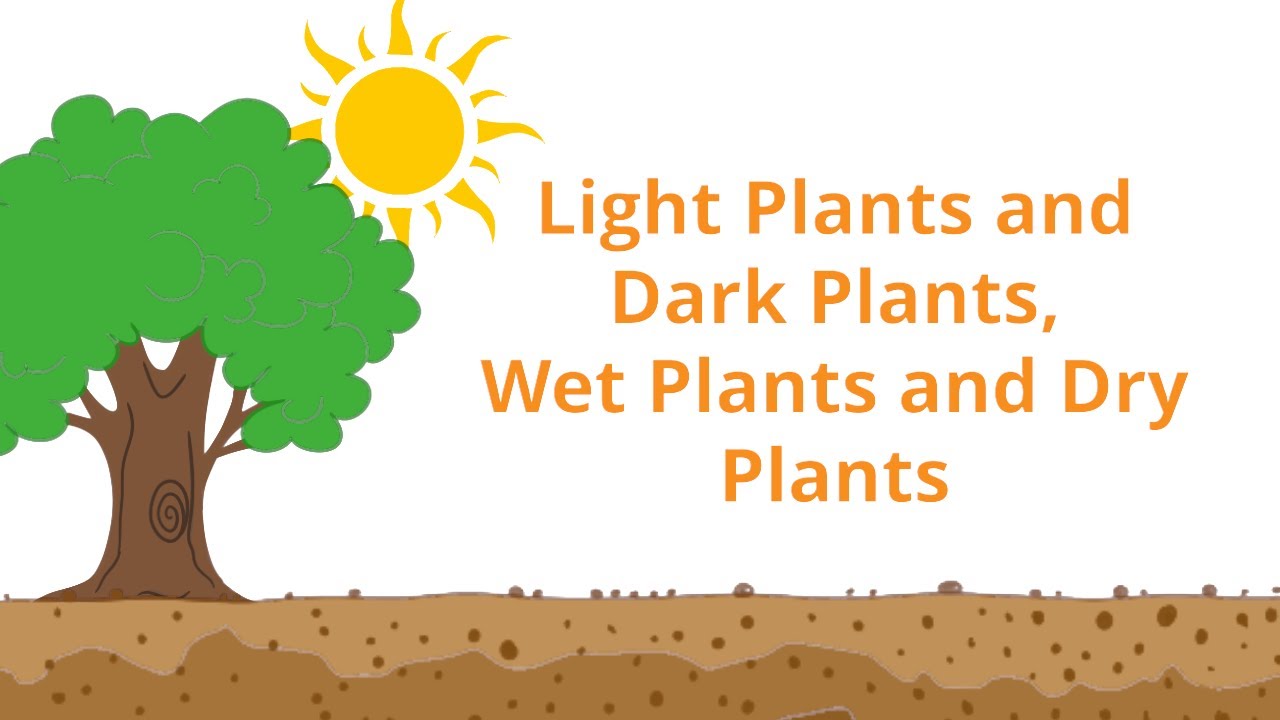
Students plant sunflower seeds in plastic cups, and once germinated, expose them to varying light or soil moisture conditions. They measure the seedlings' growth every few days using non-standard measurement (inch cubes). After a few weeks, they compare the growth of plants exposed to the different conditions and make comparative bar graphs that they analyze to draw conclusions about plant needs.
View the full lesson on TeachEngineering:
https://www.teachengineering.o....rg/activities/view/d
TeachEngineering has over 1,900 FREE lessons and activities. Visit http://www.TeachEngineering.org for more!
Cold Funk - Funkorama by Kevin MacLeod
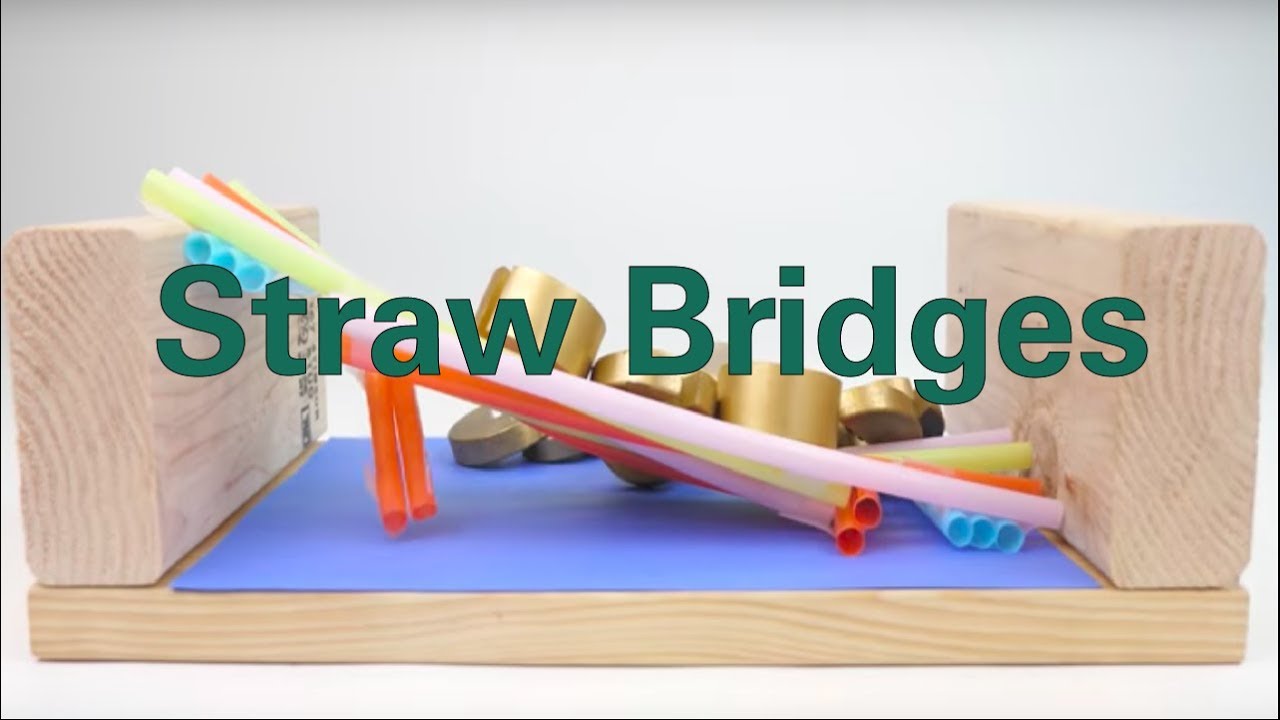
Working as engineering teams, students design and create model beam bridges using plastic drinking straws and tape as their construction materials. Their goal is to build the strongest bridge with a truss pattern of their own design, while meeting the design criteria and constraints. They experiment with different geometric shapes and determine how shapes affect the strength of materials. Let the competition begin!
View the full activity on TeachEngineering: https://www.teachengineering.o....rg/activities/view/c
TeachEngineering has over 1,500 FREE lessons and activities. Visit http://www.TeachEngineering.org for more!
Music: Above and Beyond - Silent Partner

Using spaghetti and marshmallows, students experiment with different structures to determine which ones are able to handle the greatest amount of load. Their experiments help them to further understand the effects that compression and tension forces have with respect to the strength of structures. Spaghetti cannot hold much tension or compression; therefore, it breaks very easily. Marshmallows handle compression well, but do not hold up to tension.
View the full activity at TeachEngineering:
https://www.teachengineering.o....rg/activities/view/c
TeachEngineering has over 1,500 FREE lessons and activities. Visit https://www.teachengineering.org/ for more!
Music: Toe Jam - Diamond Ortiz

One way to conserve energy in a building is to use adequate insulation to help keep hot or cool air inside or outside of the structure. Inefficient heating and cooling of buildings is a leading residential and industrial source of wasteful energy use. In this activity, student groups conduct a scientific experiment to help an engineering team determine which type of insulation conserves the most energy—a comparison of newspaper, wool, aluminum foil and thin plastic. They learn about different kinds of insulation materials and that insulation prevents the transfer of heat, electricity or sound. Student teams collect data and make calculations, then compare and discuss their results. A student worksheet is provided.
View the full activity at TeachEngineering:
https://www.teachengineering.o....rg/activities/view/c
TeachEngineering has over 1,500 FREE lessons and activities. Visit https://www.teachengineering.org/ for more!
Music: Travel Light - Audionautix
Travel Light by Audionautix is licensed under a Creative Commons Attribution license (https://creativecommons.org/licenses/by/4.0/)
Artist: http://audionautix.com/
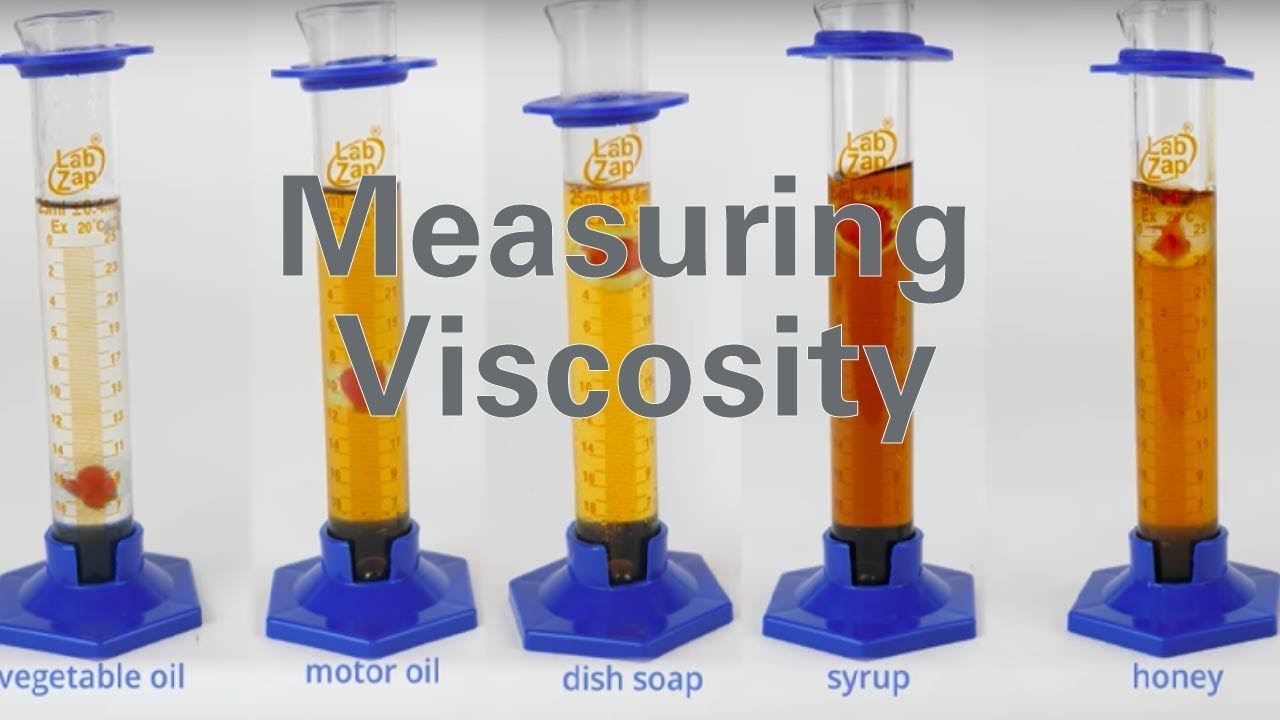
Students calculate the viscosity of various household fluids by measuring the amount of time it takes marble or steel balls to fall given distances through the liquids. They experience what viscosity means, and also practice using algebra and unit conversions.
View the full activity on TeachEngineering:
https://www.teachengineering.o....rg/activities/view/c
TeachEngineering has over 1,500 FREE lessons and activities. Visit https://www.teachengineering.org/ for more!
Music: Bubblegum Ballgame - JR Tundra

Students use the associated activity to learn about atoms and their structure (protons, electrons, neutrons) — the building blocks of matter. They see how scientific discoveries about atoms and molecules influence new technologies developed by engineers.
View the full lesson on TeachEngineering: https://www.teachengineering.o....rg/lessons/view/cub_
TeachEngineering has over 1,500 FREE lessons and activities. Visit https://www.teachengineering.org/ for more

Students learn about biomimicry and how engineers often imitate nature in the design of innovative new products. They demonstrate their knowledge of biomimicry by practicing brainstorming and designing a new product based on what they know about animals and nature.
View the full activity on TeachEngineering:
https://www.teachengineering.o....rg/activities/view/c
TeachEngineering has over 1,500 FREE lessons and activities. Visit https://www.teachengineering.org/ for more
Music: Sunday Spirit

Students come to understand the basics of engineering associated with the use, selection, and properties of fabrics. A wide variety of natural and synthetic fibers are used in our clothing, home furnishings and in our travel and sports equipment. The specific material chosen for each application depends on how closely the properties of the material match the design needs. This activity focuses on the different characteristics of fabrics and shows students how natural and synthetic fabrics differ from one another. Students weigh the advantages and disadvantages of fabrics when considering the appropriate fabric to be used.
View the full activity on TeachEngineering:
https://www.teachengineering.o....rg/activities/view/c
TeachEngineering has over 1,500 FREE lessons and activities. Visit https://www.teachengineering.org/ for more
Music - Brightly Fancy Oddities

Students learn about various natural hazards and specific methods engineers use to prevent these hazards from becoming natural disasters. They study a hypothetical map of an area covered with natural hazards and decide where to place natural disaster prevention devices by applying their critical thinking skills and an understanding of the causes of natural disasters.
This engineering curriculum aligns to Next Generation Science Standards (NGSS).
View the full activity on TeachEngineering:
https://www.teachengineering.o....rg/activities/view/c
TeachEngineering has over 1,500 FREE lessons and activities. Visit https://www.teachengineering.org/ for more
Music: EDM Detection Mode
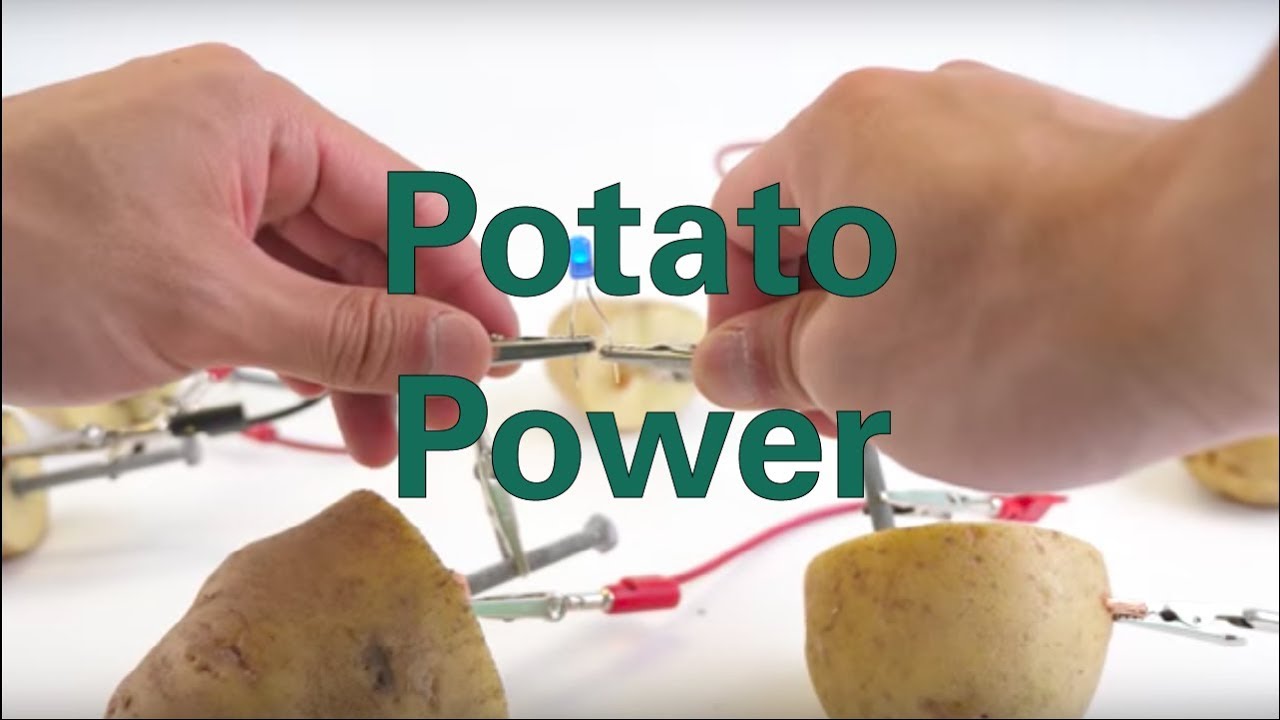
Students use potatoes to light an LED clock (or light bulb) as they learn how a battery works in a simple circuit and how chemical energy changes to electrical energy. As they learn more about electrical energy, they better understand the concepts of voltage, current and resistance.
View the full activity on TeachEngineering: https://www.teachengineering.o....rg/activities/view/c
TeachEngineering has over 1,500 FREE lessons and activities. Visit http://www.TeachEngineering.org for more!
Music: Moose - Bensound.com