Top videos
Learn More at mathantics.com
Visit http://www.mathantics.com for more Free math videos and additional subscription based content!

Learn More at mathantics.com
Visit http://www.mathantics.com for more Free math videos and additional subscription based content!
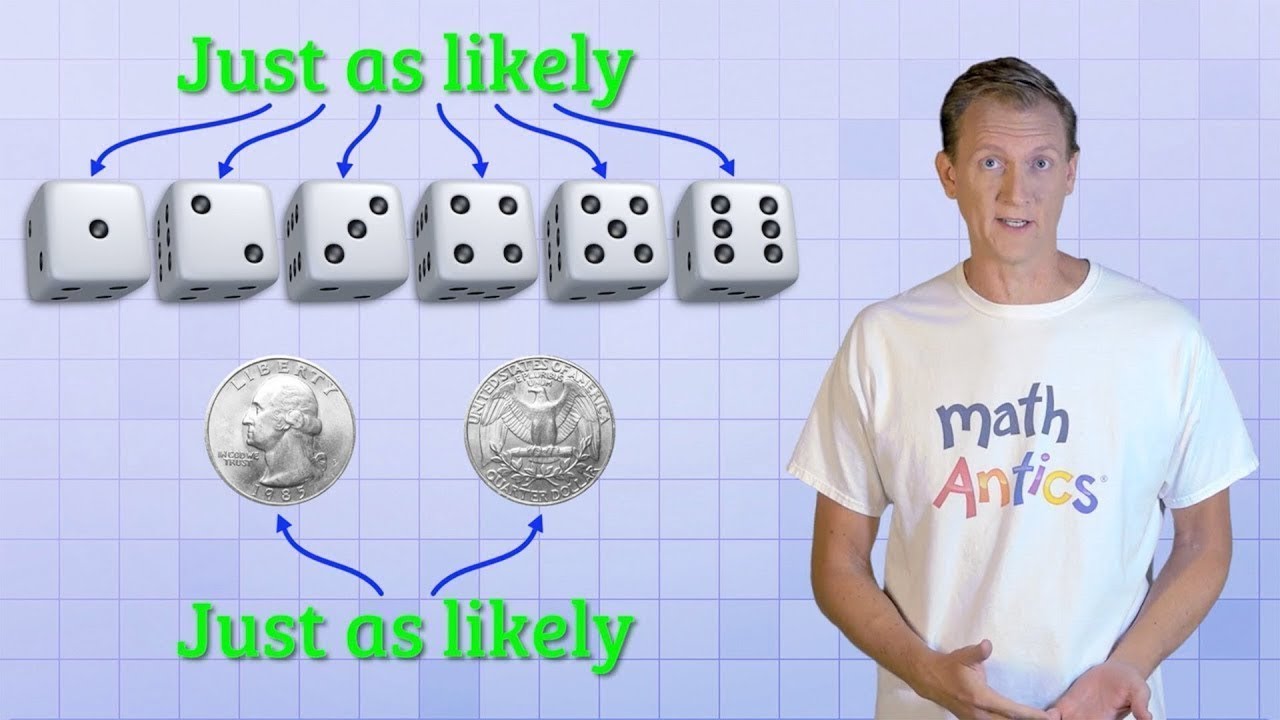
This is a re-upload to correct some terminology.
In the previous version we suggested that the terms “odds” and “probability” could be used interchangeably. While this may be okay in casual conversation (since both have to do with the likelihood of an event), the two terms mean something slightly different in math and are calculated differently. We apologize for any confusion.

Learn More at mathantics.com
Visit http://www.mathantics.com for more Free math videos and additional subscription based content!

Learn More at mathantics.com
Visit http://www.mathantics.com for more Free math videos and additional subscription based content!
Learn More at mathantics.com
Visit http://www.mathantics.com for more Free math videos and additional subscription based content!

Fortunately we had filmed this episode before the COVID-19 lockdowns. It's taken us a while to do the editing, but we hope you all like it!
Learn More at mathantics.com
Visit http://www.mathantics.com for more Free math videos and additional subscription based content!
Learn More at mathantics.com
Visit http://www.mathantics.com for more Free math videos and additional subscription based content!

As we discussed in the introduction video to this series, deciding between needs and wants can be tough. Financial Literacy—Needs and Wants explains the difference between needs versus wants. But it goes further and describes what opportunity cost is. This will help your kids learn how to make decisions, not between needs and wants, but wants and more wants.
A need, as you now know, is something that is necessary to your survival. Food, water, and shelter are needs because we have to have those things in order to survive. Wants include way more things because there are lots of things in this world that we don't have to have to survive. Toys, games, books, subscriptions to stuff. While it may be hard to decide between a need and want, sometimes it's even harder to decide between two wants.
Opportunity cost relates to decisions between wants. It is basically the cost of missing out on the option you do not choose. The video offers an example in which Frankie Finance has to choose between a pair of rollerblades she has saved up for and going to the movies with her friends. The rollerblades cost more than she has, but there will be a sale to bring down the price to one she can afford.
If Frankie chooses the rollerblades, she will miss out on a movie night with her friends. If she chooses to go to the movie, she will not be able to afford the rollerblades, which will be on sale for one day only. If she doesn't buy them then, she will not be able to get them. There is an opportunity cost tied to each decision. One thing you can do to help you make decisions like this is to create a pros and cons list!
We hope you and your student(s) enjoyed learning about the difference between a need and a want! If you want even more information, head over to our website and download one of our many free lesson plans about financial literacy, full of activities, worksheets, and more!
https://learnbright.org/lesson....s/math/financial-lit
https://learnbright.org/lesson....s/math/introduction-
What you will learn in Financial Literacy—Needs and Wants:
0:00 Introduction
0:32 Difference between needs and wants
1:39 Opportunity costs
2:01 Example of opportunity cost in action
3:19 How to decide between options
Thank you for watching and learning with us! We’re constantly releasing new content and videos, so click that “Subscribe” button and you’ll get notified.
Find and Follow Us Online:
Facebook: https://www.facebook.com/LearnBright/
Instagram: https://instagram.com/LearnBrightEducation
Pinterest: https://pinterest.com/LearnBrightEducation
YouTube: @LearnBright
Website: https://learnbright.org/
*Teachers and Parents! Did you know? In addition to these great videos, we have also created a library of high-quality and engaging lessons for your elementary aged student(s). Visit us and sign up for a free account, and you'll instantly have access to thousands of lesson plans, learning materials, teaching instructions, activities, and assignments that your kids will really enjoy! We hope to see you soon!
Browse our entire collection of Math lesson plans:
https://learnbright.org/lessons/?filter_subject=math
#FinancialLiteracy
#FinancialLiteracyForKids

Algae is all around us and has many important uses. But what exactly is Algae and what are the different types of algae? We will learn about this and more in this video all about algae for kids! Algae (alga is the singular spelling) are a type of plant-like living things
that make their food just like all other plants, from sunlight by photosynthesis.
Algae are commonly found living in the sea, oceans,
rivers, lakes, ponds, or even in aquariums. There
are two different types of algae: macroalgae and
microalgae. Macroalgae are something you are very
familiar with-- seaweed. Microalgae are referred to as phytoplankton. Micro- means very small, so think of them as small plants that
live in the ocean, rivers, ponds, or lakes.
There are many different kinds of Algae from Seaweed, to Brown, Green and Red Algae and all have different purposes that we explore in the video! We also invite you to download our FREE comprehensive Algae lesson plan that is packed full of more content, activities, algae worksheets and more! Download the free resource here: https://learnbright.org/lessons/science/algae/
Thank you for watching and learning with us! We’re constantly releasing new content and videos, so click that “Subscribe” button and you’ll get notified.
Find and Follow Us Online:
Facebook: https://www.facebook.com/LearnBright/
Instagram: https://instagram.com/LearnBrightEducation
Pinterest: https://pinterest.com/LearnBrightEducation
YouTube: https://www.youtube.com/LearnBright
Website: https://learnbright.org/
*Teachers and Parents! Did you know? In addition to these great videos, we have also created a library of high quality and engaging lessons for your elementary aged student(s). Visit us, sign up for a free account, and instantly you'll have access to thousands of lesson plans, learning materials, teaching instructions, activities, and assignments that your kids will really enjoy! We hope to see you soon!
Browse our entire collection of Science lesson plans: https://learnbright.org/lessons/?filter_subject=science
#Algae
#WhatisAlgae
#TypesofAlgae
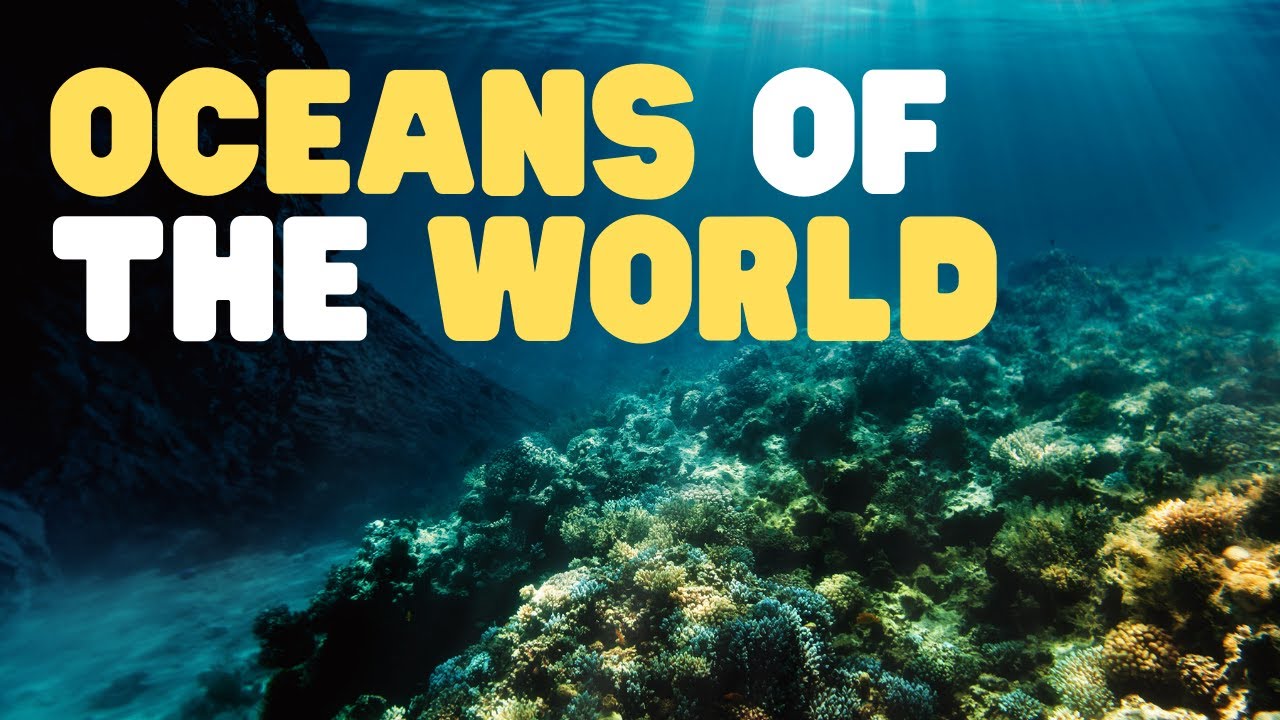
Learn all about the 5 Oceans of the World in this video designed for kids and elementary students. We walk through the geographic locations for each ocean and share some unique facts about each area. We hope you enjoy learning all about our Oceans. For more resources download our comprehensive lesson plan found here:
Oceans of the World: https://learnbright.org/lesson....s/science/oceans-of-
What Lives in the Oceans: https://learnbright.org/lesson....s/science/what-lives
The Oceans of the earth are vast…they are humongous! Over 72% of the earth is covered with water called Oceans and Seas
There are five major Oceans of the world, and although these Oceans are all connected, they each have a different name. They are; The Pacific Ocean…the Atlantic Ocean…the Indian Ocean…The Southern Ocean (also called the Antarctic Ocean) …and the Arctic Ocean.
Here are some specific facts about each ocean.
Pacific Ocean: Located between the continents of Asia, N./S. America & Australia
~The largest of the 5 oceans, covers 30% of the Earth’s surface.
~ The word Pacific means peaceful, but the ocean is not calm or peaceful.
~ Many volcanoes are located in the ocean: The “Ring of Fire”.
~ The deepest part is nearly 7 miles below the surface.
~ The Great Barrier Reef is located off the Australian coast.
Atlantic Ocean: Located between the continents America, Europe, and Africa
~ About half the size of the Pacific Ocean
~ Many sharks are found in the waters of the ocean.
~ Islands located in the Atlantic include the Bahamas and Greenland, which is the largest island on Earth.
~ The word Atlantic means “Sea of Atlas”.
~ Cities on the Atlantic Ocean include Miami and London.
Indian Ocean: Located between Africa, Australia and parts of Asia
~ Largest breeding grounds of the world for humpback whales.
~ The Suez Canal in Egypt is a waterway in the ocean.
~ Cities along the ocean include Mumbai, India; Perth, Australia;
and Singapore.
~ Many endangered species live here such as turtles and seals.
Arctic Ocean: Located around the North Pole across the Arctic circle
~ Home to many of the Polar Bears of the world.
~ Smallest ocean and most shallow, but is the coldest.
~ Sometimes called the “frozen ocean”, almost completely covered in ice during the winter,
~ There are more fish species here than anywhere else in the world.
Southern Ocean: Located around the South Pole across the Antarctic circle
~ Home to the Emperor Penguins and Wandering Albatrosses
~ Sometimes it is also called the Antarctic Ocean
~ Icebergs are found throughout the Southern Ocean
~ No people live along the coast of the ocean
Check out some of our other ocean-related videos here:
Ocean Animals: https://youtu.be/8adtdg0N2-g
Sharks: https://youtu.be/kl9qJMpoYqs
Coral Reefs: https://youtu.be/8d0MgxoECq8
All about Fish: https://youtu.be/TwVAMry3SQ0
Thank you for watching and learning with us! We’re constantly releasing new content and videos, so click that “Subscribe” button and you’ll get notified.
Find and Follow Us Online:
Facebook: https://www.facebook.com/LearnBright/
Instagram: https://instagram.com/LearnBrightEducation
Pinterest: https://pinterest.com/LearnBrightEducation
YouTube: https://www.youtube.com/LearnBright
Website: https://learnbright.org/
*Teachers and Parents! Did you know? In addition to these great videos, we have also created a library of high quality and engaging lessons for your elementary aged student(s). Visit us, sign up for a free account, and instantly you'll have access to thousands of lesson plans, learning materials, teaching instructions, activities, and assignments that your kids will really enjoy! We hope to see you soon!
Browse our entire collection of Science lesson plans: https://learnbright.org/lessons/?filter_subject=science
#OceansOfTheWorldForKids
#FiveOceans

NOTE: The Aconcagua peak is the highest in the Southern and Western Hemispheres. We apologize for the error in the video and thank our wonderful viewers for their attention to detail!
What do you know about the continent of South America and its countries? In All about South America for Kids, you will learn facts about the geography, people, and history of the fifth largest continent in the world. You might already know some things about it, but let's see what else you can learn!
Speaking of geography, South America touches three of the five oceans: Pacific, Atlantic, and Antarctic (Southern). And only two of its countries are landlocked, meaning that they don't touch an ocean. The largest country is Brazil, which is home to the most populous city on the continent, Sao Paolo, which has almost 15 million people! The total population of Brazil overall is over 200 million, about half the number of people living on the entire continent.
One of the most famous landmarks in South America is Machu Picchu, an ancient landmark meaning old mountain that was discovered in 1911. Even though the Spanish captured much of the Incan civilization that lived along the Andes Mountains, they did not find Machu Picchu. This ancient city is one of the seven new wonders of the world.
South America boasts several other famous attractions, such as the Christ the Redeemer statue, a 125-foot-tall statue overlooking the city of Rio de Janeiro. It is also one of the seven new wonders of the world. Another cool place is in Bolivia: Salar de Uyuni is the world's largest salt flat, spanning over 4,000 square miles! Lots of pink flamingos live on this prehistoric dry lake.
We hope you and your student(s) enjoyed learning about this cool continent! If you want even more information, head over to our website and download one of our many free lesson plans, full of activities, worksheets, and more!
https://learnbright.org/lesson....s/social-studies/all
https://learnbright.org/lesson....s/social-studies/the
What you will learn in All about South America for Kids:
0:00 Introduction
0:36 History of South America
1:57 Facts about South America
2:39 Languages of the countries
3:20 Specifics about the countries
4:15 Andes Mountains, Amazon River, and Angel Falls
5:02 Amazon Rainforest and its wildlife
6:16 Other famous landmarks
7:00 Review of the facts
Thank you for watching and learning with us! We’re constantly releasing new content and videos, so click that “Subscribe” button and you’ll get notified.
Find and Follow Us Online:
Facebook: https://www.facebook.com/LearnBright/
Instagram: https://instagram.com/LearnBrightEducation
Pinterest: https://pinterest.com/LearnBrightEducation
YouTube: @LearnBright
Website: https://learnbright.org/
*Teachers and Parents! Did you know? In addition to these great videos, we have also created a library of high-quality and engaging lessons for your elementary aged student(s). Visit us and sign up for a free account, and you'll instantly have access to thousands of lesson plans, learning materials, teaching instructions, activities, and assignments that your kids will really enjoy! We hope to see you soon!
Browse our entire collection of Social Studies lesson plans: https://learnbright.org/lessons/?filter_subject=social-studies
#SouthAmerica
#Continents

Have you ever heard of a region of the world known as Oceania? Oceania for Kids explores the history and some interesting facts about the area. It consists of 10,000 islands and 14 countries in the Pacific Ocean. In fact, Oceania covers around 20 million square miles, which is about a third of the entire Pacific Ocean! However, if you condense it all down to just land area, it is much smaller in comparison, at just under 3.3 million square miles.
Historians believe that over 30,000 years ago, humans migrated from Asia to the islands in Oceania. Most think the first immigrants stopped in New Guinea and eventually travelled to the other islands. While the people started with one culture, traveling to other islands led to the development of unique cultures in each place. That makes Oceania one of the most culturally diverse areas on the planet.
The video describes a little bit about each of the 14 countries that are part of this beautiful region. For instance, Australia makes up most of the land mass given its massive size as an island. Fiji is made of 332 islands, but only around a third of them are inhabited. Kiribati is the only country in the world that has islands spread across all four hemispheres.
Micronesia is home to the world's only ancient city built on a coral reef. The city is called Nan Madol. The country is also home to the largest crabs in the world. Nauru is only eight square miles in area, which is smaller than most cities in the US! Almost half of all dolphin and whale species can be found off the coast of New Zealand. Keep watching to learn more!
We hope you and your student(s) enjoyed learning about Oceania! If you want to learn even more, head over to our website and download one of our many free lesson plans about this cool region, full of activities, worksheets, and more!
https://learnbright.org/lesson....s/social-studies/oce
Thank you for watching and learning with us! We’re constantly releasing new content and videos, so click that “Subscribe” button and you’ll get notified.
What you will learn in All about Oceania:
0:00 What and where is Oceania?
0:57 History of Oceania
1:56 Countries that compose Oceania
2:27 Facts about Australia, Fiji, and Kiribati
3:09 Marshall Islands, Micronesia, and Nauru
4:16 New Zealand and Palau
5:05 Papua New Guinea, Samoa, and Solomon Islands
6:08 Tonga, Tuvalu, and Vanuatu
Find and Follow Us Online:
Facebook: https://www.facebook.com/LearnBright/
Instagram: https://instagram.com/LearnBrightEducation
Pinterest: https://pinterest.com/LearnBrightEducation
YouTube: @LearnBright
Website: https://learnbright.org/
*Teachers and Parents! Did you know? In addition to these great videos, we have also created a library of high-quality and engaging lessons for your elementary aged student(s). Visit us, sign up for a free account, and instantly you'll have access to thousands of lesson plans, learning materials, teaching instructions, activities, and assignments that your kids will really enjoy! We hope to see you soon!
Browse our entire collection of Social Studies lesson plans: https://learnbright.org/lessons/?filter_subject=social-studies
#Oceania
#OceaniaHistory
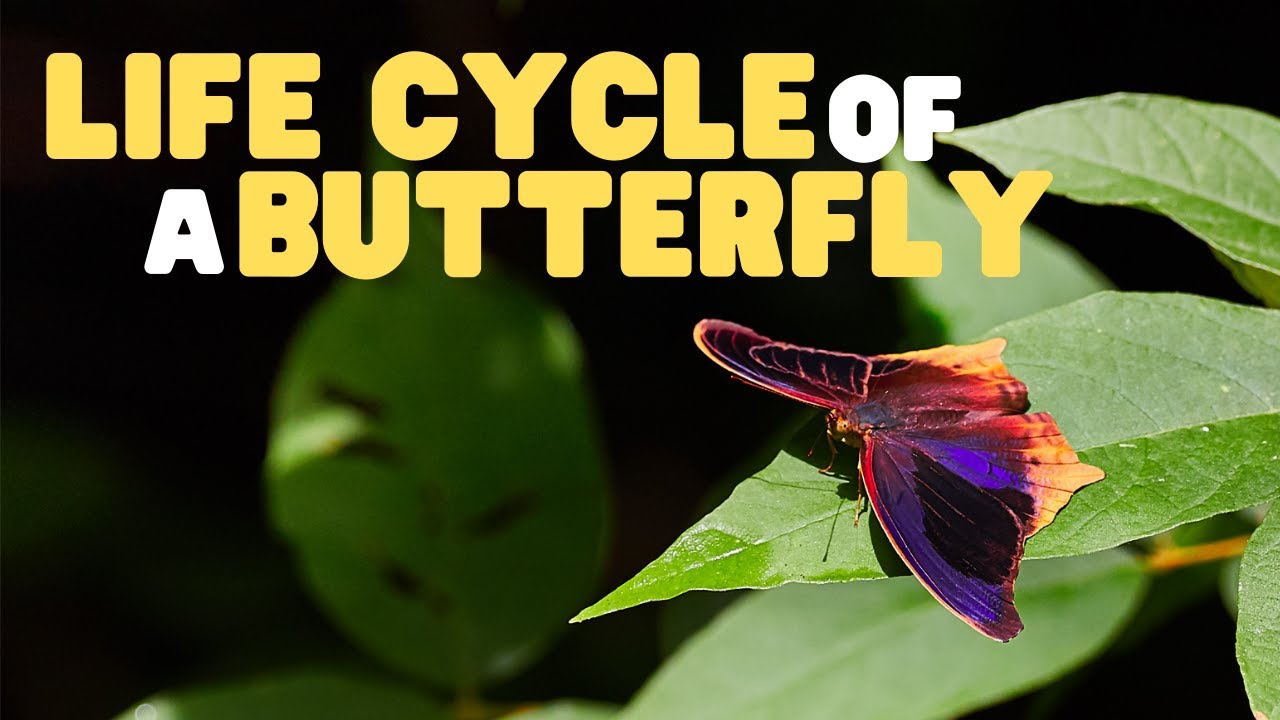
The life cycle of a butterfly is one of the most amazing things in all of the natural world. In this video we help kids and students learn about butterflies and the 4 main stages of their life cycles, which are:
Stage 1 - All butterflies are born from eggs, which are attached to leaves. They only last for up to couple of weeks, or less, depending on the butterfly species. When hatched the first phase of a butterfly is being a caterpillar.
Stage 2 - Once the caterpillar is fully developed, it hatches from the egg. This is also called a larva. The stage lasts about 5 to 10 days. The caterpillar has strong jaws and eats leaves.
Stage 3 - In this Pupa stage, the caterpillar or larva attaches itself to a branch or the underside of a leaf. For a final time, the caterpillar sheds its skin and then begins metamorphosis, changing into a butterfly. It may take between 7 to 10 days for the butterfly to emerge from the pupa.
Stage 4 - When the full butterfly emerges it will live anywhere from just a week to nearly a year, depending on the species of butterfly. The butterfly’s goal is to reproduce and to lay eggs. The life cycle of the butterfly will begin again.
The life cycle of a butterfly truly is amazing! We hope you and your kids enjoyed the video. If you're looking for more resources about butterflies, download our free lesson plan, complete with more resources and activities.
https://learnbright.org/lesson....s/science/all-about-
Thank you for watching and learning with us! We’re constantly releasing new content and videos, so click that “Subscribe” button and you’ll get notified.
Find and Follow Us Online:
Facebook: https://www.facebook.com/LearnBright/
Instagram: https://instagram.com/LearnBrightEducation
Pinterest: https://pinterest.com/LearnBrightEducation
YouTube: https://www.youtube.com/LearnBright
Website: https://learnbright.org/
*Teachers and Parents! Did you know? In addition to these great videos, we have also created a library of high quality and engaging lessons for your elementary aged student(s). Visit us, sign up for a free account, and instantly you'll have access to thousands of lesson plans, learning materials, teaching instructions, activities, and assignments that your kids will really enjoy! We hope to see you soon!
Browse our entire collection of Science lesson plans: https://learnbright.org/lessons/?filter_subject=science
#LifeCycleOfAButterfly
#ButterfliesForKids

Have you ever heard the name Harriet Tubman before? She was an incredible person who did some very brave things. After escaping slavery through the Underground Railroad, she later became known as the Conductor of the Underground Railroad. This is because she went back to the South to help thousands of others like her achieve freedom!
Both of Harriet's parents were slaves, so she was born into slavery herself. She endured a lot of pain and abuse growing up because she was a slave. Some of her siblings were even sold to other plantations. When she was 24, she married a freeman named John Tubman. Around this time, her father was released from slavery at the age of 45. He kept working on the plantation even though he was free because his family was still enslaved.
In 1849, Harriet escaped to Pennsylvania with the help of the Underground Railroad, a network of people, homes, and hiding places that were set up to help slaves escape to the North. In all, about 100,000 people escaped enslavement using this network! After escaping herself, Harriet returned to the South to help others escape, too. She earned the nickname of the Conductor of the Underground Railroad.
We hope you and your student(s) enjoyed learning about this incredible woman! If you want even more information, head over to our website and download one of our many free lesson plans, full of activities, worksheets, and more!
https://learnbright.org/lesson....s/social-studies/har
https://learnbright.org/lesson....s/social-studies/und
https://learnbright.org/lesson....s/social-studies/sla
What you will learn in Harriet Tubman for Kids:
0:00 Introduction to who Harriet Tubman is
0:33 Harriet Tubman born into slavery
1:24 Harriet marries freeman John Tubman
2:19 What was the Underground Railroad?
3:01 Harriet Tubman, the Conductor of the Underground Railroad
3:48 Harriet works with Union Army
4:37 Harriet married again in 1869
5:06 Lasting legacy of Harriet Tubman
Thank you for watching and learning with us! We’re constantly releasing new content and videos, so click that “Subscribe” button and you’ll get notified.
Find and Follow Us Online:
Facebook: https://www.facebook.com/LearnBright/
Instagram: https://instagram.com/LearnBrightEducation
Pinterest: https://pinterest.com/LearnBrightEducation
YouTube: @LearnBright
Website: https://learnbright.org/
*Teachers and Parents! Did you know? In addition to these great videos, we have also created a library of high-quality and engaging lessons for your elementary aged student(s). Visit us and sign up for a free account, and you'll instantly have access to thousands of lesson plans, learning materials, teaching instructions, activities, and assignments that your kids will really enjoy! We hope to see you soon!
Browse our entire collection of Social Studies lesson plans: https://learnbright.org/lessons/?filter_subject=social-studies
#HarrietTubman
#UndergroundRailroad

Did you know that 70% of the earth is covered by water? Water is everywhere! You and your kids or students will learn all sorts of interesting things about water in this video.. Water is a major necessity to life. Without water, life on Earth wouldn't even exist! And that includes all life—not just humankind.
This video describes what water is made of: hydrogen and oxygen. It also talks about how water can be found in the form of a solid, liquid, or gas. As a solid, it's called ice. That happens when water freezes. In fact, snowflakes are simply really, really small ice crystals, but they are still water! When water gets hot, it turns into a gas. This is called water vapor or steam.
Water can be found almost anywhere. Most of it is in liquid form and is found in the oceans all over the world. But don't forget about polar ice caps and glaciers, lakes and rivers, and ground water from rain that has seeped into the earth. There are two types of water: salt water and fresh water. Most of the water on Earth is salt water. Humans can only drink fresh water, however, because drinking salt water would make us sick. This video explains that if you compared all the water on the earth to a gallon of water, only a teaspoon of it would equal the amount of fresh water on the earth!
We hope you and your student(s) enjoyed learning about water! If you want to learn more, head over to our website and download one of our many free lesson plans about water full of activities, worksheets, and more!
https://learnbright.org/lesson....s/science/water-wate
What you will learn in this video:
0:00 Introduction to water and what we use it for
1:10 What is water?
1:32 What is water made of?
2:19 Water as a liquid, solid, and gas
3:30 Where does water come from?
4:18 Types of water
5:17 Salt water versus fresh water
6:00 The importance of fresh water and how to conserve it
7:14 Review time
8:12 What did you learn?
Thank you for watching and learning with us! We’re constantly releasing new content and videos, so click that “Subscribe” button and you’ll get notified.
Find and Follow Us Online:
Facebook: https://www.facebook.com/LearnBright/
Instagram: https://instagram.com/LearnBrightEducation
Pinterest: https://pinterest.com/LearnBrightEducation
YouTube: @LearnBright
Website: https://learnbright.org/
*Teachers and Parents! Did you know? In addition to these great videos, we have also created a library of high quality and engaging lessons for your elementary aged student(s). Visit us and sign up for a free account, and you'll instantly have access to thousands of lesson plans, learning materials, teaching instructions, activities, and assignments that your kids will really enjoy! We hope to see you soon!
Browse our entire collection of Science lesson plans: https://learnbright.org/lessons/?filter_subject=science
#WaterWaterEverywhere
#AllAboutWater

(footage provided by Library of Congress)
Have you ever wondered what life would be like if you could not see or hear anything? That was life for a woman named Helen Keller. In this video for kids, you will learn about the life and accomplishments of this incredible historical figure. Even today, her story and lasting impact are inspiring.
Helen Keller was born in Alabama on June 27, 1880. When she was a little under 2 years old, she fell ill to meningitis and lost both her sight and hearing. She hadn't yet learned how to speak. Her parents knew she would need special help and found that assistance through Anne Sullivan.
Anne Sullivan had been blind herself once but received it back after a surgery. She wanted Helen to live a normal life and began teaching and helping her at age 7. She would remain Helen's helper and companion for over 50 years! Anne first taught Helen words by placing an object in one of Helen's hands and using sign language to spell out the word in the other hand. In other words, she used Helen's sense of touch to teach her words.
Another teacher named Sarah Fuller helped Helen learn how to speak by using the vibrations of words on her own lips. Helen learned how to feel the vibrations and get a sense of how her own lips moved to make her own sounds. Eventually, she was able to speak as anyone else. She also learned how to read using Braille.
We hope you and your student(s) enjoyed learning about Helen Keller! If you want even more information, head over to our website and download one of our many free lesson plans, full of activities, worksheets, and more!
https://learnbright.org/lesson....s/social-studies/hel
What you will learn in Who Is Helen Keller for Kids:
0:00 Introduction to Helen Keller
0:38 How Helen Keller became deaf and blind
1:19 Anne Sullivan—Helen's companion and helper
2:01 How Anne Sullivan and Sarah Fuller helped Helen communicate
3:20 Helen Keller in college
4:15 Helen helps others with disabilities
5:21 Review of the facts
Thank you for watching and learning with us! We’re constantly releasing new content and videos, so click that “Subscribe” button and you’ll get notified.
Find and Follow Us Online:
Facebook: https://www.facebook.com/LearnBright/
Instagram: https://instagram.com/LearnBrightEducation
Pinterest: https://pinterest.com/LearnBrightEducation
YouTube: @LearnBright
Website: https://learnbright.org/
*Teachers and Parents! Did you know? In addition to these great videos, we have also created a library of high-quality and engaging lessons for your elementary aged student(s). Visit us and sign up for a free account, and you'll instantly have access to thousands of lesson plans, learning materials, teaching instructions, activities, and assignments that your kids will really enjoy! We hope to see you soon!
Browse our entire collection of Social Studies lesson plans: https://learnbright.org/lessons/?filter_subject=social-studies
#ASL
#HelenKeller

Air is all around us and we need it to survive. In this video we will learn about air pollution, what causes it, some of the bad effects air pollution can have on us and the atmosphere, and how we can all do things to help keep our air clean. It's important for kids to understand the importance of keeping our air quality clean and there are many ways we can do that.
After watching this video we invite you to download our free 10 page lesson plan designed for kids in grades 1-3. This lesson is complete with more air pollution content, worksheet, activities and more. https://learnbright.org/lesson....s/science/air-pollut
After watching this video and completing the lesson plan above your kids will be able to define air pollution, list some causes and effects of air pollution, and identify ways to reduce air pollution.
Thank you for watching and learning with us! We’re constantly releasing new content and videos, so click that “Subscribe” button and you’ll get notified.
Find and Follow Us Online:
Facebook: https://www.facebook.com/LearnBright/
Instagram: https://instagram.com/LearnBrightEducation
Pinterest: https://pinterest.com/LearnBrightEducation
YouTube: https://www.youtube.com/LearnBright
Website: https://learnbright.org/
*Teachers and Parents! Did you know? In addition to these great videos, we have also created a library of high quality and engaging lessons for your elementary aged student(s). Visit us, sign up for a free account, and instantly you'll have access to thousands of lesson plans, learning materials, teaching instructions, activities, and assignments that your kids will really enjoy! We hope to see you soon!
Browse our entire collection of Science lesson plans: https://learnbright.org/lessons/?filter_subject=science
#AirPollutionForKids
#WhatCausesAirPollution

You've heard them, but you may not have known it. In this video we are going to learn all about compound words. So, what are compound words? Compound words are creating when smaller
words are joined together to make new words with different meanings. There are thousands of compound words in the English language, but kids do not need to learn
all of them it is helpful to learn how to recognize them and throughout the video we share lots of examples and help students learn to identify compound words.
In this video we learn that there are three kinds of Compound Words.
1. Closed Compound Word: These words are written together. Examples include: haircut, airport, milkman, rollerblade, waterway, makeup
2. Open Compound Words: These are written as separate words, but together have a new meaning.
Some examples are: high school, dining room, school bus
3. Hyphenated Compounds: These words have a hyphen located between the words, like: well-known, merry-go-round, twenty-one, first-rate
We will help your kids learn about these kinds of compounds words and have a fun time as we practice throughout the video. For even more practice activities and worksheets, download our free lesson plan here: https://learnbright.org/lesson....s/language-arts/comp
Thank you for watching! Share your thoughts in the comments below and be sure to subscribe!
Follow us across the web!
Facebook: https://www.facebook.com/LearnBright/
Instagram: https://instagram.com/LearnBrightEducation
Pinterest: https://pinterest.com/LearnBrightEducation
YouTube: https://www.youtube.com/LearnBright
Website: https://learnbright.org/
Are you a K-6 grade teacher looking for more teaching resources? We don’t only provide video content but high quality lesson plans as well. 100% free with handouts, worksheets, classroom activities and more!
Browse our collection of other Language Arts lesson plans: https://learnbright.org/lessons/?filter_subject=language-arts
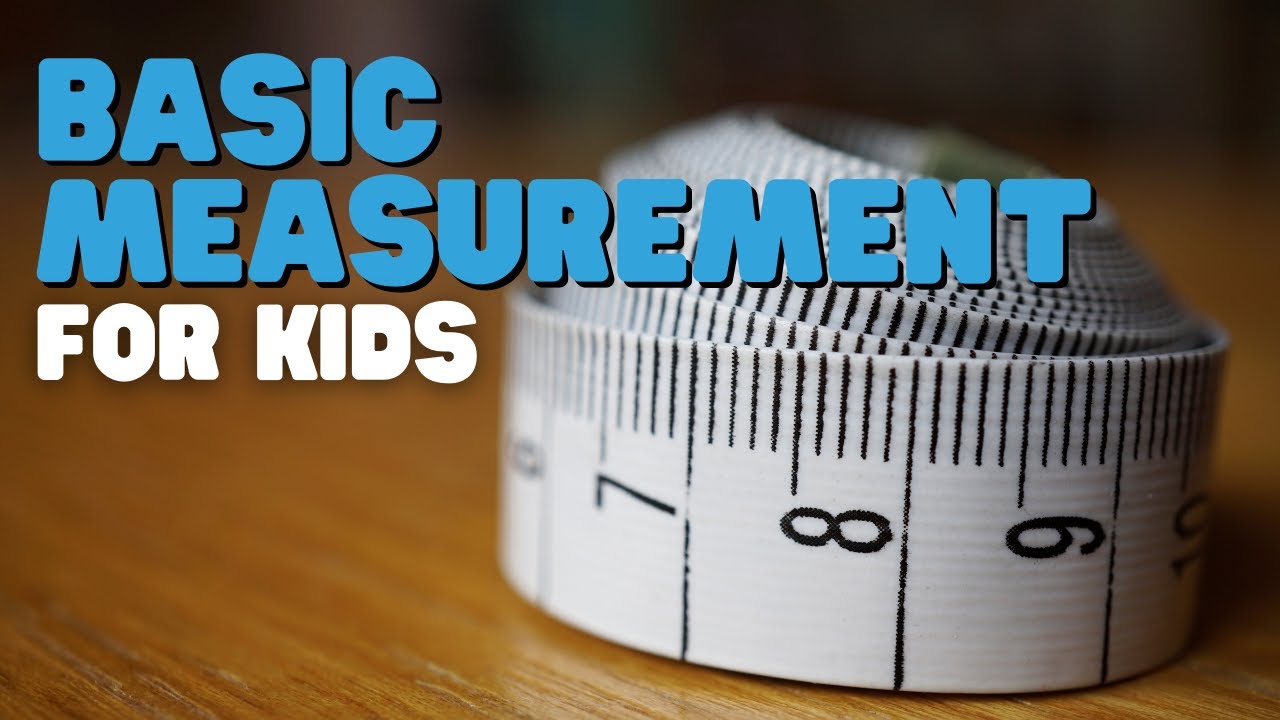
Basic measurement for kids! In this video you and your kids will learn about measurement and some ways that we can measure from Capacity, to Width and Height. After watching your student will have a better grasp on common measurement terms and what they mean! We hope you enjoy!
Download our free comprehensive lesson plan about Basic Measurement here:
https://learnbright.org/lesson....s/math/basic-measure
Thank you for watching and learning with us! We’re constantly releasing new content and videos so click that “Subscribe” button to get notified.
Find and Follow Us Online:
Facebook: https://www.facebook.com/LearnBright/
Instagram: https://instagram.com/LearnBrightEducation
Pinterest: https://pinterest.com/LearnBrightEducation
YouTube: https://www.youtube.com/LearnBright
Website: https://learnbright.org/
*Teachers and Parents! Did you know? In addition to these great videos, we have also created a library of high quality and engaging lessons for your elementary aged student(s). Visit us, sign up for a free account, and instantly you'll have access to thousands of lesson plans, learning materials, teaching instructions, activities, and assignments that your kids will really enjoy! We hope to see you soon!
Browse our entire collection of Math lesson plans:
https://learnbright.org/lessons/?filter_subject=math
#BasicMeasurement

In this video for kids we learn all about Punctuation! From Commas to exclamation points we will learn about all the various types of punctuation marks that can be used and which sentence types they are used in. We hope you enjoy this comprehensive intro to punctuation for kids.
Looking for more punctuation resources? Download our free comprehensive lesson plan here: https://learnbright.org/?s=punctuation
Thank you for watching and learning with us! We’re constantly releasing new content and videos so click that “Subscribe” button and you’ll notified.
Find and Follow Us Online:
Facebook: https://www.facebook.com/LearnBright/
Instagram: https://instagram.com/LearnBrightEducation
Pinterest: https://pinterest.com/LearnBrightEducation
YouTube: https://www.youtube.com/LearnBright
Website: https://learnbright.org/
*Teachers and Parents! Did you know? In addition to these great videos, we have also created a library of high quality and engaging lessons for your elementary aged student(s). Visit us, sign up for a free account, and instantly you'll have access to thousands of lesson plans, learning materials, teaching instructions, activities, and assignments that your kids will really enjoy! We hope to see you soon!
Browse our entire collection of Language Arts lesson plans: https://learnbright.org/lessons/?filter_subject=language-arts
#PunctuationForKids

In this video we discuss the difference between simple and compound sentences. Simple sentences must have just two parts; a Subject and a predicate or verb. Compound sentences are made up of two complete simple sentences or independent clauses. Don't worry, once you've watched this video you'll be able to identify the difference and feel comfortable with both types of sentences.
If your looking for more resources about Simple and compound sentences be sure to download our free 12 page lesson plan (built for grades 1-3) here: https://learnbright.org/lesson....s/language-arts/simp
Thank you for watching and learning with us! We’re constantly releasing new content and videos so click that “Subscribe” button and you’ll notified.
Find and Follow Us Online:
Facebook: https://www.facebook.com/LearnBright/
Instagram: https://instagram.com/LearnBrightEducation
Pinterest: https://pinterest.com/LearnBrightEducation
YouTube: https://www.youtube.com/LearnBright
Website: https://learnbright.org/
*Teachers and Parents! Did you know? In addition to these great videos, we have also created a library of high quality and engaging lessons for your elementary aged student(s). Visit us, sign up for a free account, and instantly you'll have access to thousands of lesson plans, learning materials, teaching instructions, activities, and assignments that your kids will really enjoy! We hope to see you soon!
Browse our entire collection of Language Arts lesson plans: https://learnbright.org/lessons/?filter_subject=language-arts
#SimpleSentence #CompoundSentence

Hawks are amazing birds with the best eyesight in the entire animal kingdom! They are the most common bird of prey, meaning they hunt animals for food. They build large nests in the tops of trees, on cliffs, and even in cactuses. At around 50 days, the young hawks leave the nest and fend for themselves. Hawks are also very intelligent and use tools like sticks and rocks to find food. Look out for the full video next week. And check out the high-interest reading lesson plan all about these beautiful birds.
https://learnbright.org/lessons/science/hawks/
We hope you and your student(s) enjoyed learning about these beautiful birds! If you want to learn even more, head over to our website and download one of our many lesson plans about animals, full of activities, worksheets, and more!
Thank you for watching and learning with us! We’re constantly releasing new content and videos, so click that “Subscribe” button and you’ll get notified.
Find and Follow Us Online:
Facebook: https://www.facebook.com/LearnBright/
Instagram: https://instagram.com/LearnBrightEducation
Pinterest: https://pinterest.com/LearnBrightEducation
YouTube: @LearnBright
Website: https://learnbright.org/
*Teachers and Parents! Did you know? In addition to these great videos, we have also created a library of high-quality and engaging lessons for your elementary aged student(s). Visit us, sign up for a free account, and instantly you'll have access to thousands of lesson plans, learning materials, teaching instructions, activities, and assignments that your kids will really enjoy! We hope to see you soon!
Browse our entire collection of Science lesson plans: https://learnbright.org/lessons/?filter_subject=science
#hawks
#birds

In this video we will learn all about the history of Ancient Mesopotamia for kids. We talk about the first civilization, the discovery of farming, the Sumerians, and much more! After viewing this video we invite you to download our free 13 page lesson plan full of ancient Mesopotamia resources, worksheets, and activities (Download here: https://learnbright.org/lesson....s/social-studies/anc When finished your student(s) will be able to describe, identify and list characteristics of Ancient Mesopotamia and its impact on future civilizations. We hope you enjoy!
Thank you for watching and learning with us! We’re constantly releasing new content and videos so click that “Subscribe” button and you’ll notified.
Find and Follow Us Online:
Facebook: https://www.facebook.com/LearnBright/
Instagram: https://instagram.com/LearnBrightEducation
Pinterest: https://pinterest.com/LearnBrightEducation
YouTube: https://www.youtube.com/LearnBright
Website: https://learnbright.org/
*Teachers and Parents! Did you know? In addition to these great videos, we have also created a library of high quality and engaging lessons for your elementary aged student(s). Visit us, sign up for a free account, and instantly you'll have access to thousands of lesson plans, learning materials, teaching instructions, activities, and assignments that your kids will really enjoy! We hope to see you soon!
Browse our entire collection of Social Studies lesson plans: https://learnbright.org/lessons/?filter_subject=social-studies
#ASL
#Mesopotamia

What is water pollution? Did you know there are different kinds of pollution? In this video, you and your kids will learn all about the ways that water is harmed and contaminated. You will also learn how we can help make water cleaner and safer for the wildlife that live there. Even though we, ourselves, need clean water for drinking and other uses, aquatic animals that live in oceans and lakes need clean water as well to survive.
Would you rather swim in a lake that is clear and blue or one that is filled with plastic bottles and bags, waste, and chemicals? Naturally, you would want to swim in a clean lake. Well, so do fish and other animals in the sea. Water pollution is caused by many different factors, but the primary one is humans. For many, many years, we have been throwing our "trash" in the ocean. Sometimes our trash is made up of actual garbage, such as plastic water bottles and grocery bags, soda can holders, and straws. Other times, it's made up of sewage and waste, chemicals, and oils.
What can you do to help the water pollution problem? First of all, you can share some of the facts you learn in this video with your friends and family. For instance, did you know that over one billion people do not have access to clean water? That is 13% of the world's population! You can also follow the three R's: reduce, reuse, and recycle. Reduce your water usage, reuse items whenever possible, and recycle any items that you can.
We hope you and your student(s) enjoyed learning about water pollution! If you want to learn more, head over to our website and download one of our many free lesson plans about water full of activities, worksheets, and more!
https://learnbright.org/lesson....s/science/water-poll
What you will learn in this video:
0:00 The water you drink
1:11 What is water pollution?
1:45 What causes water pollution?
2:43 How to tell if water is safe to drink
3:43 Facts about water pollution
4:22 Ways to prevent water pollution
5:24 Questions to test your water knowledge
6:19 Knowledge is power!
Thank you for watching and learning with us! We’re constantly releasing new content and videos, so click that “Subscribe” button and you’ll get notified.
Find and Follow Us Online:
Facebook: https://www.facebook.com/LearnBright/
Instagram: https://instagram.com/LearnBrightEducation
Pinterest: https://pinterest.com/LearnBrightEducation
YouTube: @LearnBright
Website: https://learnbright.org/
*Teachers and Parents! Did you know? In addition to these great videos, we have also created a library of high quality and engaging lessons for your elementary aged student(s). Visit us, sign up for a free account, and instantly you'll have access to thousands of lesson plans, learning materials, teaching instructions, activities, and assignments that your kids will really enjoy! We hope to see you soon!
Browse our entire collection of Science lesson plans: https://learnbright.org/lessons/?filter_subject=science
#ASL
#WaterPollution
#HowToKeepWaterClean