Top Videos

Let's learn about how air masses and temperature fronts work!
We hope you are enjoying our large selection of engaging core & elective K-12 learning videos. New videos are added all the time - make sure you come back often to learn more! If you'd like us to cover any additional topics, please let us know. For practice, assessment, and many interactive activities that go along with each video, as well as a teacher/parent dashboard, go to Miacademy.co for Grades K-8 or Miaprep.com for grades 9-12!
Get a 35% discount on our website - practice games, quizzes, and more to go along with each video: https://www.parents.miacademy.....co/coupon?code=VIDEO
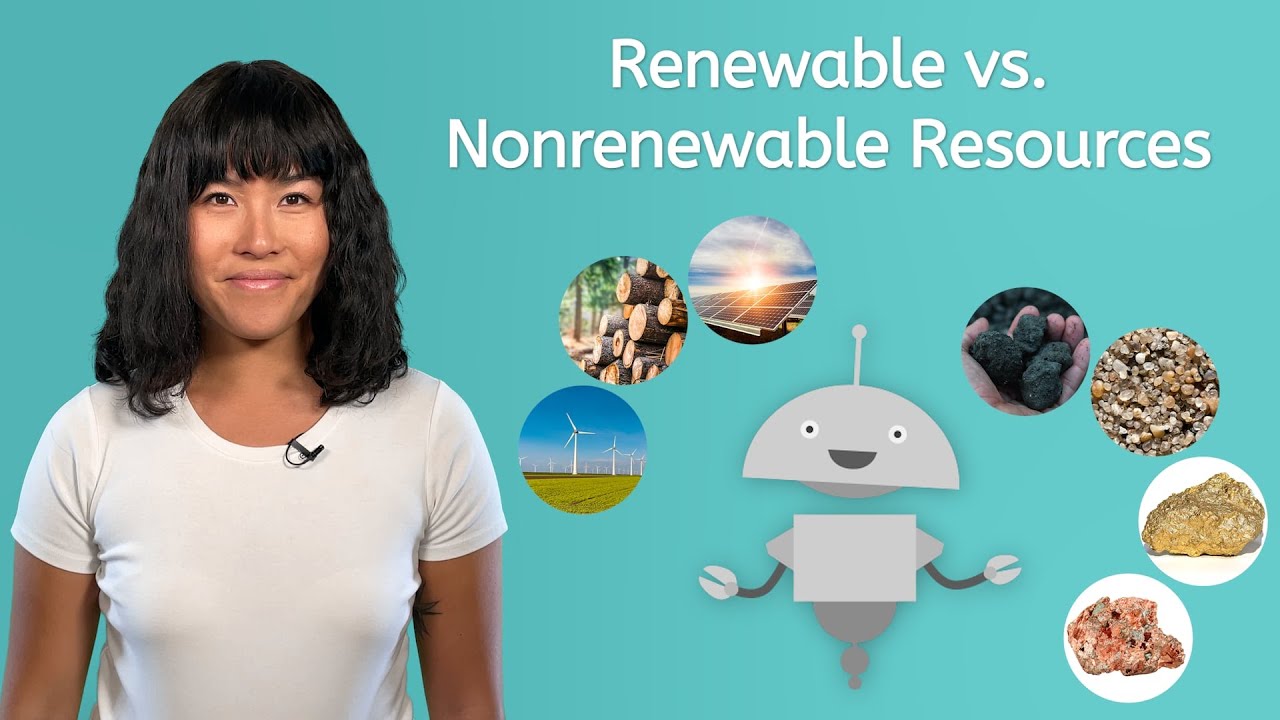
Let's learn which resources on our planet are renewable and which are not.
We hope you are enjoying our large selection of engaging core & elective K-12 learning videos. New videos are added all the time - make sure you come back often to learn more! If you'd like us to cover any additional topics, please let us know. For practice, assessment, and many interactive activities that go along with each video, as well as a teacher/parent dashboard, go to Miacademy.co for Grades K-8 or Miaprep.com for grades 9-12!
Get a 35% discount on our website - practice games, quizzes, and more to go along with each video: https://www.parents.miacademy.....co/coupon?code=VIDEO
In this video, you will learn how to tell the difference between demonstrative adjectives and pronouns.
We hope you are enjoying this video! For more in-depth learning, check out Miacademy.co (https://www.parents.miacademy.co/), an online learning platform with lessons and practice games that go along with our videos. Use coupon code VIDEOSPECIAL for a discount. Good for homeschoolers, Parents, Teachers, or anyone with kids in grades K-8.
Miacademy also offers many hands-on learning activities including a business simulation, writing in the Miacademy weekly, and creating artwork. Teaching social skills is also one of the key values at Miacademy. On the site, kids can interact safely in a moderated environment and share their artwork, videos, and ideas with each other.

In this video, we will teach you how write the basic elements of a story.
We hope you are enjoying our large selection of engaging core & elective K-12 learning videos. New videos are added all the time - make sure you come back often to learn more! If you'd like us to cover any additional topics, please let us know.
For practice, assessment, and many interactive activities that go along with each video, as well as a teacher/parent dashboard, go to Miacademy.co for Grades K-8 or Miaprep.com for grades 9-12!

We hope you are enjoying our large selection of engaging core & elective K-12 learning videos. New videos are added all the time - make sure you come back often to learn more! If you'd like us to cover any additional topics, please let us know. For practice, assessment, and many interactive activities that go along with each video, as well as a teacher/parent dashboard, go to Miacademy.co for Grades K-8 or Miaprep.com for grades 9-12!
Learn about the physical characteristics of Central America and its effect on its nations and peoples!
We hope you are enjoying our large selection of engaging core & elective K-12 learning videos. New videos are added all the time - make sure you come back often to learn more! If you’d like us to cover any additional topics, please let us know.
For practice, assessment, and many interactive activities that go along with each video, as well as a teacher/parent dashboard, go to Miacademy.co for Grades K-8 or Miaprep.com for grades 9-12!

Explore the unique and interesting characteristics of the USA and Canada with Kelsey!
We hope you are enjoying our large selection of engaging core & elective K-12 learning videos. New videos are added all the time - make sure you come back often to learn more! If you'd like us to cover any additional topics, please let us know.
For practice, assessment, and many interactive activities that go along with each video, as well as a teacher/parent dashboard, go to Miacademy.co for Grades K-8 or Miaprep.com for grades 9-12!

Let's learn how to take a break when our feelings are too big!
We hope you are enjoying our large selection of engaging core & elective K-12 learning videos. New videos are added all the time - make sure you come back often to learn more! If you'd like us to cover any additional topics, please let us know. For practice, assessment, and many interactive activities that go along with each video, as well as a teacher/parent dashboard, go to Miacademy.co for Grades K-8 or Miaprep.com for grades 9-12!
Learn about the physical characteristics of Central America and its effect on its nations and peoples!
We hope you are enjoying our large selection of engaging core & elective K-12 learning videos. New videos are added all the time - make sure you come back often to learn more! If you’d like us to cover any additional topics, please let us know.
For practice, assessment, and many interactive activities that go along with each video, as well as a teacher/parent dashboard, go to Miacademy.co for Grades K-8 or Miaprep.com for grades 9-12!

In this video, we will teach you how to arrange the lyrics when writing a song!
We hope you are enjoying this video! For more in-depth learning, check out Miacademy.co (https://www.parents.miacademy.co/), an online learning platform with lessons and practice games that go along with our videos. Use coupon code VIDEOSPECIAL for a discount. Good for homeschoolers, Parents, Teachers, or anyone with kids in grades K-8.
Miacademy also offers many hands-on learning activities including a business simulation, writing in the Miacademy weekly, and creating artwork. Teaching social skills is also one of the key values at Miacademy. On the site, kids can interact safely in a moderated environment and share their artwork, videos, and ideas with each other.

In this video, we will teach you how to create a wax resist pattern painting.
We hope you are enjoying our large selection of engaging core & elective K-12 learning videos. New videos are added all the time - make sure you come back often to learn more! If you'd like us to cover any additional topics, please let us know.
For practice, assessment, and many interactive activities that go along with each video, as well as a teacher/parent dashboard, go to Miacademy.co for Grades K-8 or Miaprep.com for grades 9-12!
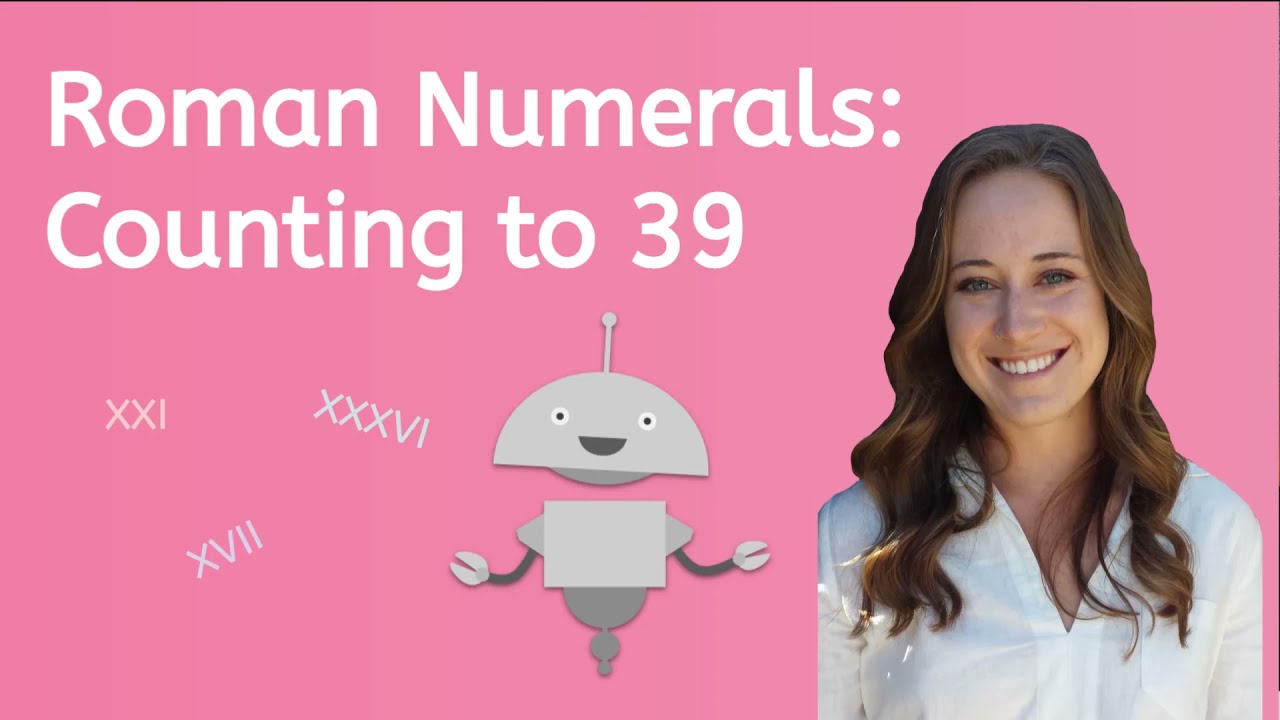
In this video, we will teach you how to count to 39 using roman numerals!
We hope you are enjoying this video! For more in-depth learning, check out Miacademy.co (https://www.parents.miacademy.co/), an online learning platform with lessons and practice games that go along with our videos. Use coupon code VIDEOSPECIAL for a discount. Good for homeschoolers, Parents, Teachers, or anyone with kids in grades K-8.
Miacademy also offers many hands-on learning activities including a business simulation, writing in the Miacademy weekly, and creating artwork. Teaching social skills is also one of the key values at Miacademy. On the site, kids can interact safely in a moderated environment and share their artwork, videos, and ideas with each other.

Learn about the functions of the immune system.
We hope you are enjoying our large selection of engaging core & elective K-12 learning videos. New videos are added all the time - make sure you come back often to learn more! If you'd like us to cover any additional topics, please let us know. For practice, assessment, and many interactive activities that go along with each video, as well as a teacher/parent dashboard, go to Miacademy.co for Grades K-8 or Miaprep.com for grades 9-12!
Get a 35% discount on our website - practice games, quizzes, and more to go along with each video: https://www.parents.miacademy.....co/coupon?code=VIDEO

We hope you are enjoying our large selection of engaging core & elective K-12 learning videos. New videos are added all the time - make sure you come back often to learn more! If you'd like us to cover any additional topics, please let us know. For practice, assessment, and many interactive activities that go along with each video, as well as a teacher/parent dashboard, go to Miacademy.co for Grades K-8 or Miaprep.com for grades 9-12!
Get a 35% discount on our website - practice games, quizzes, and more to go along with each video: https://www.parents.miacademy.....co/coupon?code=VIDEO

Learn how to have conversations in Spanish with Katherin!
We hope you are enjoying our large selection of engaging core & elective K-12 learning videos. New videos are added all the time - make sure you come back often to learn more! If you'd like us to cover any additional topics, please let us know.
For practice, assessment, and many interactive activities that go along with each video, as well as a teacher/parent dashboard, go to Miacademy.co for Grades K-8 or Miaprep.com for grades 9-12!
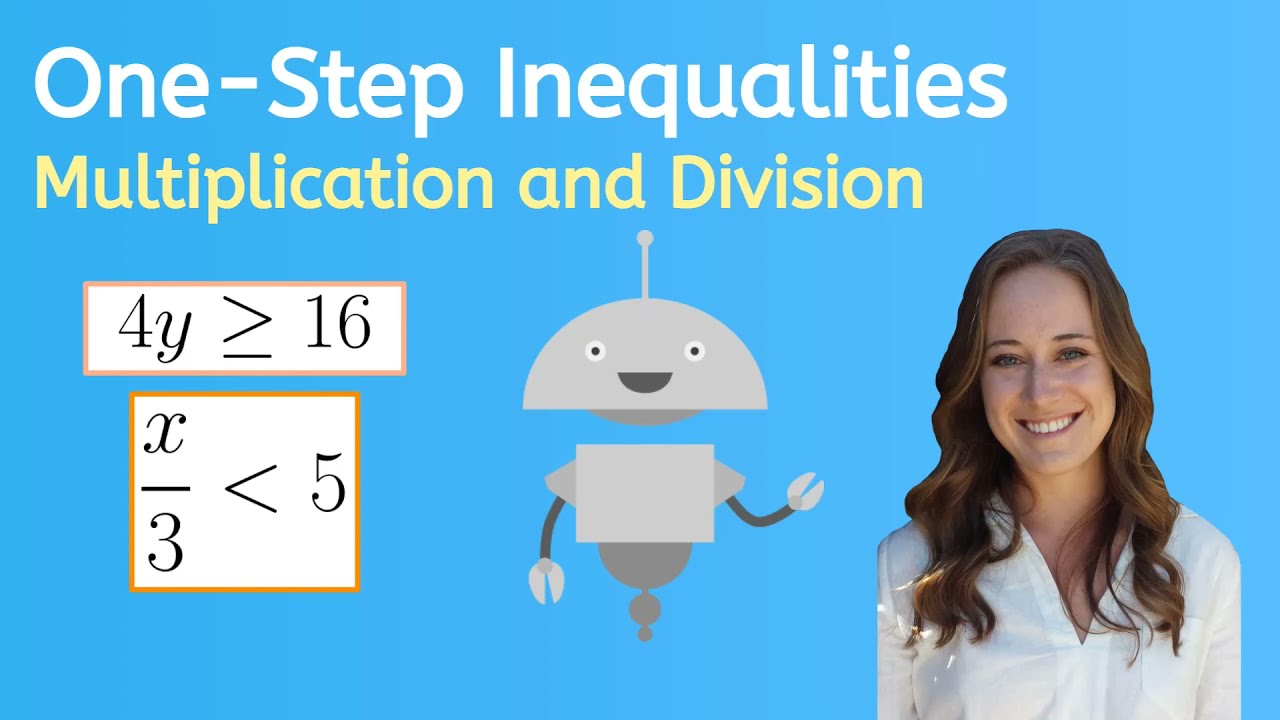
In this lesson, we are going to learn how to solve one-step inequalities using multiplication and division.
We hope you are enjoying our large selection of engaging core & elective K-12 learning videos. New videos are added all the time - make sure you come back often to learn more! If you'd like us to cover any additional topics, please let us know.
For practice, assessment, and many interactive activities that go along with each video, as well as a teacher/parent dashboard, go to Miacademy.co for Grades K-8 or Miaprep.com for grades 9-12!

Learn how to examine literary and informational texts in order to determine central ideas and themes that can be supported by textual evidence!
We hope you are enjoying our large selection of engaging core & elective K-12 learning videos. New videos are added all the time - make sure you come back often to learn more! If you’d like us to cover any additional topics, please let us know.
For practice, assessment, and many interactive activities that go along with each video, as well as a teacher/parent dashboard, go to Miacademy.co for Grades K-8 or Miaprep.com for grades 9-12!
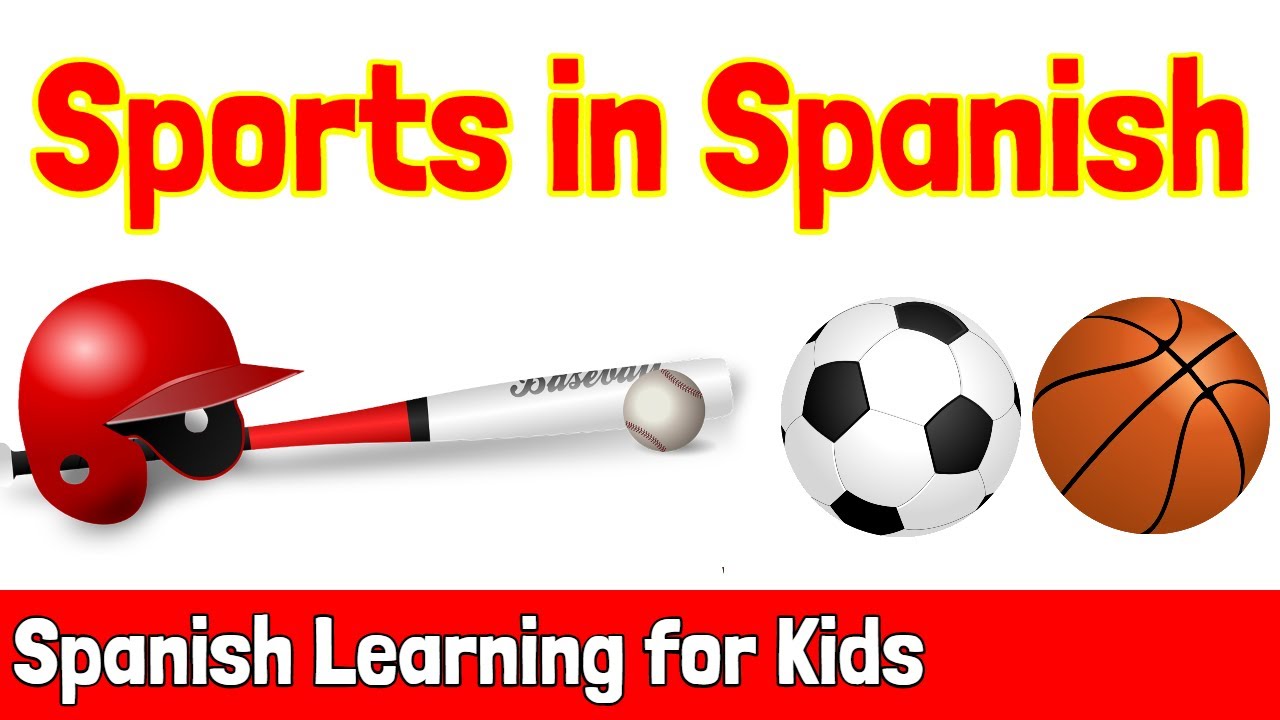
https://www.patreon.com/homeschoolpop Learn how to say some of your favorite sports in Spanish in this learning video for kids! See just how fun learning Spanish can be! You will learn about soccer, baseball, basketball and more!
00:00 Introduction
0:54 Soccer and Football
2:29 Baseball
4:27 Basketball
6:05 Tennis
7:20 Final Review
💙 Learning Spanish? Watch my other Spanish learning videos here: https://www.youtube.com/playli....st?list=PLNmq_T1B9lj
😎 You are SO cool! Thanks for learning with me!
Music credits:
"Prelude and Action", "Welcome to the Show", "Bassa Island Game Loop", "District Four" Kevin MacLeod (incompetech.com)
Licensed under Creative Commons: By Attribution 3.0 License
http://creativecommons.org/licenses/by/3.0/
Thanks again and I hope to see you next video!!
Daniel
"Homeschool Pop"

In this video, you will learn all about things with scales!
We hope you are enjoying this video! For more in-depth learning, check out Miacademy.co (https://www.parents.miacademy.co/), an online learning platform with lessons and practice games that go along with our videos. Use coupon code VIDEOSPECIAL for a discount. Good for homeschoolers, Parents, Teachers, or anyone with kids in grades K-8.
Miacademy also offers many hands-on learning activities including a business simulation, writing in the Miacademy weekly, and creating artwork. Teaching social skills is also one of the key values at Miacademy. On the site, kids can interact safely in a moderated environment and share their artwork, videos, and ideas with each other.

Learn about the death and resurrection of Jesus!
We hope you are enjoying our large selection of engaging core & elective K-12 learning videos. New videos are added all the time - make sure you come back often to learn more! If you’d like us to cover any additional topics, please let us know.
For practice, assessment, and many interactive activities that go along with each video, as well as a teacher/parent dashboard, go to Miacademy.co for Grades K-8 or Miaprep.com for grades 9-12!

Learn about a type of root similar to square roots - cube roots!
We hope you are enjoying our large selection of engaging core & elective K-12 learning videos. New videos are added all the time - make sure you come back often to learn more! If you’d like us to cover any additional topics, please let us know.
For practice, assessment, and many interactive activities that go along with each video, as well as a teacher/parent dashboard, go to Miacademy.co for Grades K-8 or Miaprep.com for grades 9-12!

Learn about the landmarks, culture, and fun facts of the Midwest region of the U.S.A.!
We hope you are enjoying our large selection of engaging core & elective K-12 learning videos. New videos are added all the time - make sure you come back often to learn more! If you’d like us to cover any additional topics, please let us know.
For practice, assessment, and many interactive activities that go along with each video, as well as a teacher/parent dashboard, go to Miacademy.co for Grades K-8 or Miaprep.com for grades 9-12!

Learn how something can change the freezing point of a solution!
We hope you are enjoying our large selection of engaging core & elective K-12 learning videos. New videos are added all the time - make sure you come back often to learn more! If you’d like us to cover any additional topics, please let us know.
For practice, assessment, and many interactive activities that go along with each video, as well as a teacher/parent dashboard, go to Miacademy.co for Grades K-8 or Miaprep.com for grades 9-12!

We hope you are enjoying our large selection of engaging core & elective K-12 learning videos. New videos are added all the time - make sure you come back often to learn more! If you'd like us to cover any additional topics, please let us know. For practice, assessment, and many interactive activities that go along with each video, as well as a teacher/parent dashboard, go to Miacademy.co for Grades K-8 or Miaprep.com for grades 9-12!
Get a 35% discount on our website - practice games, quizzes, and more to go along with each video: https://www.parents.miacademy.....co/coupon?code=VIDEO
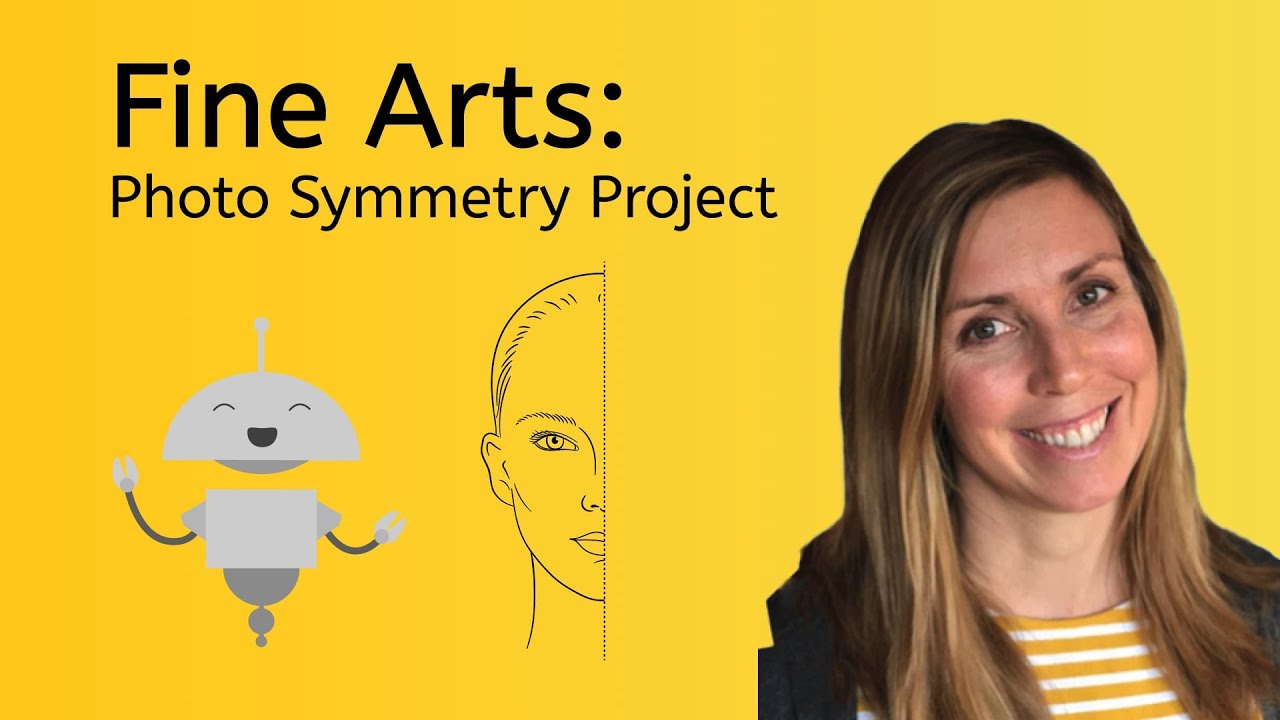
In this video, you will be challenged to draw half of a portrait using symmetry from a photo!
We hope you are enjoying our large selection of engaging core & elective K-12 learning videos. New videos are added all the time - make sure you come back often to learn more! If you'd like us to cover any additional topics, please let us know.
For practice, assessment, and many interactive activities that go along with each video, as well as a teacher/parent dashboard, go to Miacademy.co for Grades K-8 or Miaprep.com for grades 9-12!
Get a 35% discount on our website - practice games, quizzes, and more to go along with each video: https://www.parents.miacademy.....co/coupon?code=VIDEO