Top video's

How is this city like a cell?
They both need to store water and other materials.
Welcome to MooMooMath and Science and organelles and in this video, I will cover the main functions of a vacuole.
Vacuoles store water and waste and other materials in eukaryotic cells. Remember these are cells with membrane-bound organelles and a nucleus.
Vacuoles are storage sacks in plants and animal cells protists but they are not found in
bacterial cells in addition to storing water, vacuoles also store enzymes, waste, and even old damaged organelles.
You may also enjoy
Mitochondria
https://www.youtube.com/watch?v=SWsjm2a-usk

Pathway of Air Flow
Our journey of oxygen into the lungs and back begins when the brain stem sends a message to the diaphragm which is a muscle under the lungs.
As the diaphragm moves down the lungs expand.
Air enters the nose and mouth and enters the nasal passages.
Your nose and nasal passages have tiny hairs called cilia and mucus that help filter dirt and pollen out of the air.
The air next moves to the pharynx which is located at (the back of the mouth)
From the pharynx, it moves to the larynx which is commonly called the voice box.
the voice box (makes sounds when air
passes over the vocal cords)
Epiglottis: the flap of connective tissue that covers
over the larynx during breathing
It stands open during breathing, allowing air into the larynx. During swallowing, it closes to prevent choking on food
From the larynx, air travels to the Trachea which is a rigid tube made of cartilage.
The trachea leads into two tubes called the left and right bronchus
These tubes continue to branch until you reach a tiny air sac called a alveoli
At the alveoli, oxygen diffuses into the capillaries and carbon dioxide diffuse into the alveoli and is exhaled.
This process is repeated over and over again.
Updated Version
https://youtu.be/k-BkmhLD42U
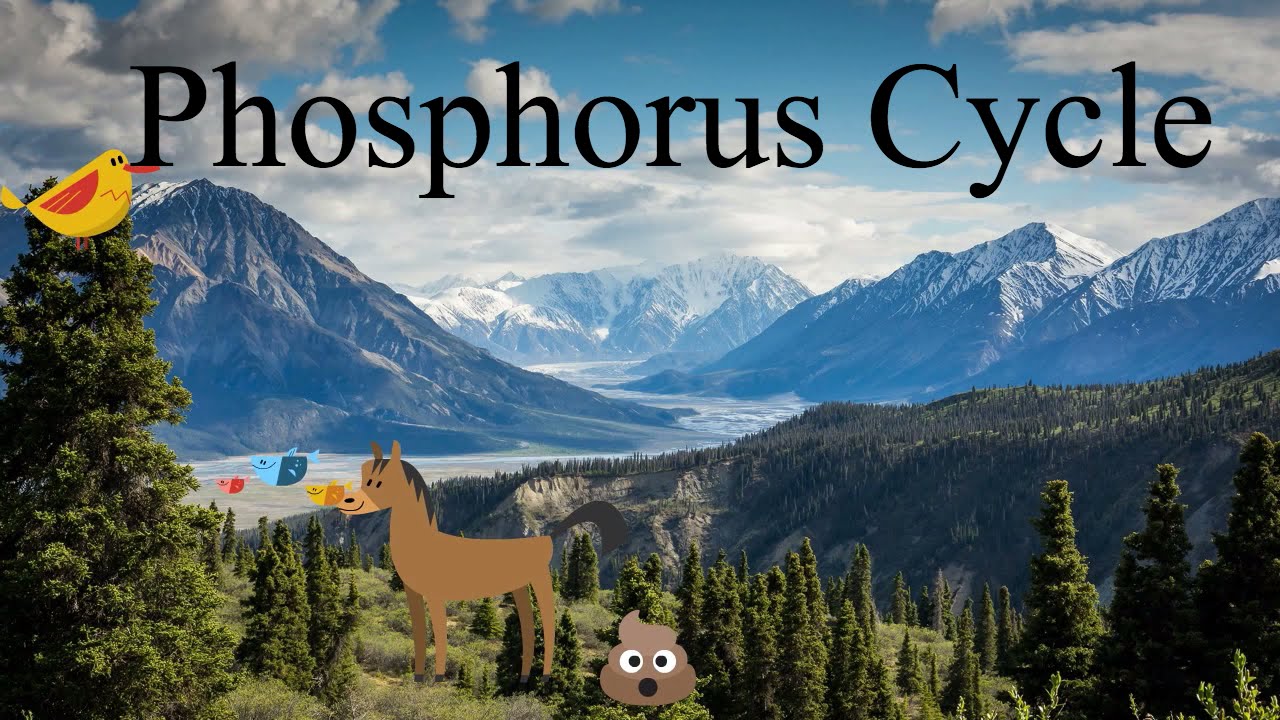
A simple phosphorus cycle explanation
Phosphorus is not found in the atmosphere. It is important for the production of ATP, DNA, and membrane.
Phosphorus follows a biogeochemical cycle that ensures the earth always has phosphorus and phosphate.
Substances like phosphorus, carbon, and nitrogen move from living organisms to abiotic factors This cycling from living organism to abiotic factor is a biogeochemical cycle.
Phosphorus Cycle
https://www.youtube.com/watch?v=c5KqwhX1dvk
-~-~~-~~~-~~-~-
Please watch: "Study Skills Teacher's Secret Guide to your Best Grades"
https://www.youtube.com/watch?v=f3bsg8gaSbw
-~-~~-~~~-~~-~-
*
*
For more Life Science videos and summaries see,
http://www.moomoomath.com/Midd....le-School-Science-an
Biogeochemical Cycles - How the Earth Recycles
https://moomoomath.com/how-the....-earth-recycles-elem

Genotype and phenotypesYour genotype is your genetic code of your cells. This genetic code is responsible for many of your traits. The physical expression of your genotype is your phenotype.
Your genetic information is stored in your chromosomes on sections called genes.
A gene is a portion of DNA that codes for a trait.
The following picture illustrates this.
If you look at this drawing of a gene, the different sections are your genes.
In genetics you will encounter these three types of genotypes.
Homozygous dominant is written BB
Homozygous recessive bb
Heterozygous Bb
For each trait you get some information from mom and some from dad.
The different forms of the same trait are called alleles.
Take a look at the different hair texture. These different forms are alleles. It is still hair, just different forms.
A dominant allele will cover up or mask a recessive allele.
You will only get a recessive allele if both alleles are recessive.
Your phenotype is the actual expression of the genotype.
For example this dog has a round nose, this cat has black hair. These are physical expression of the genetic code.
-~-~~-~~~-~~-~-
Please watch: "Study Skills Teacher's Secret Guide to your Best Grades"
https://www.youtube.com/watch?v=f3bsg8gaSbw
-~-~~-~~~-~~-~-
*
*
For more Life Science videos and summaries see,
http://www.moomoomath.com/Midd....le-School-Science-an

In this video, I cover the relationship of visible light and the electromagnetic spectrum. Visible light is found betwwen infared waves and ultraviolet waves.
White light is made up of different colors. You can use ROY G BIV to help remember the colors that make up white light.
Blogpost on Visible Light
http://www.moomoomathblog.com/....2022/04/visible-ligh

Many single-cell organisms, some plants, bacteria, and even animals have the ability to make copies of themselves.
In this video, I explain how fission, budding, spores, and regeneration allow unicellular and multicellular items to make copies of themselves.
Transcript
http://www.moomoomathblog.com/....2019/01/asexual-repr
https://moomoomath.com/asexual-reproduction/
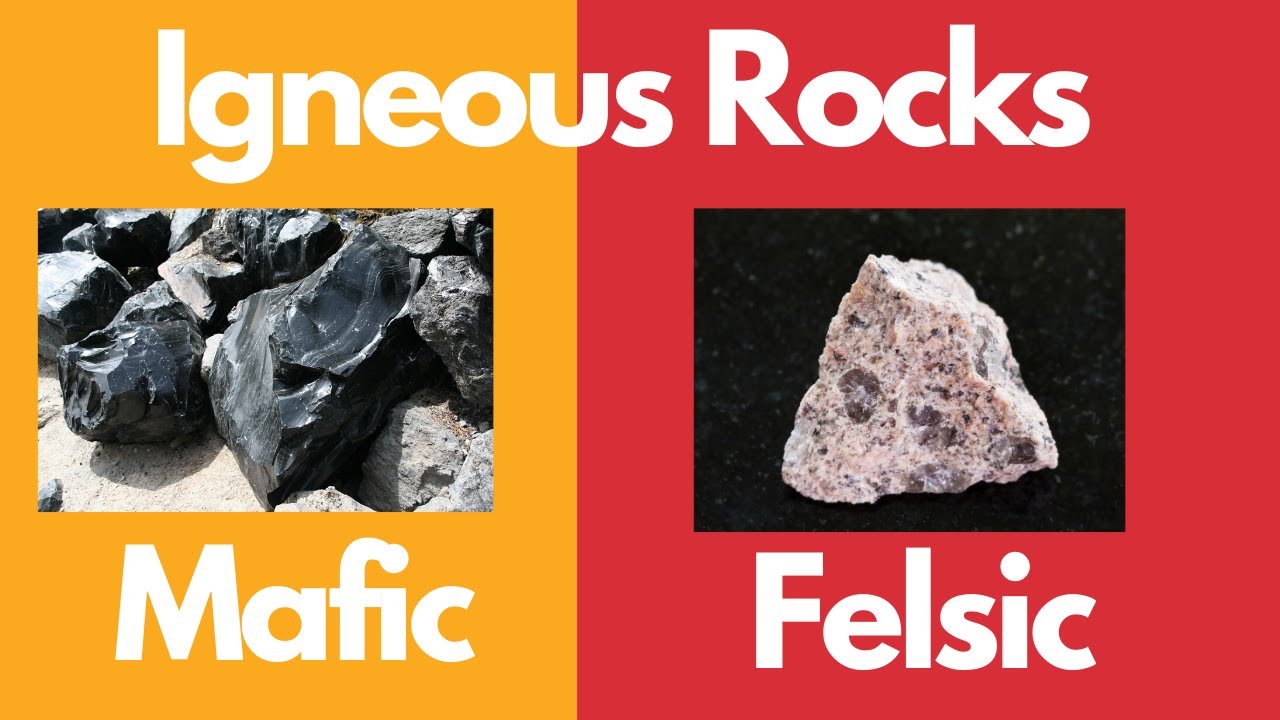
Igneous Rocks explained in simple terms with examples.
In this video. I cover intrusive and extrusive along with mafic and felsic.
You can classify igneous rocks is to determine if the rock is mafic or felsic.
Classifying as mafic or felsic is actually a scale of the percent of silica found in the rock
0% to 45% is considered mafic and 65% or greater silica is felsic
45 to 65 is considered intermediate.
Mafic rocks are dark in color and felsic rocks are lighter in color
The names give you a clue as to what other minerals make up these rocks
Mafic can be broken in MA for magnesium and fic which is Latin for iron
Felsic is broken into fel for feldspar and sic for silica
In the video, I take a look at some mafic and felsic igneous rocks.
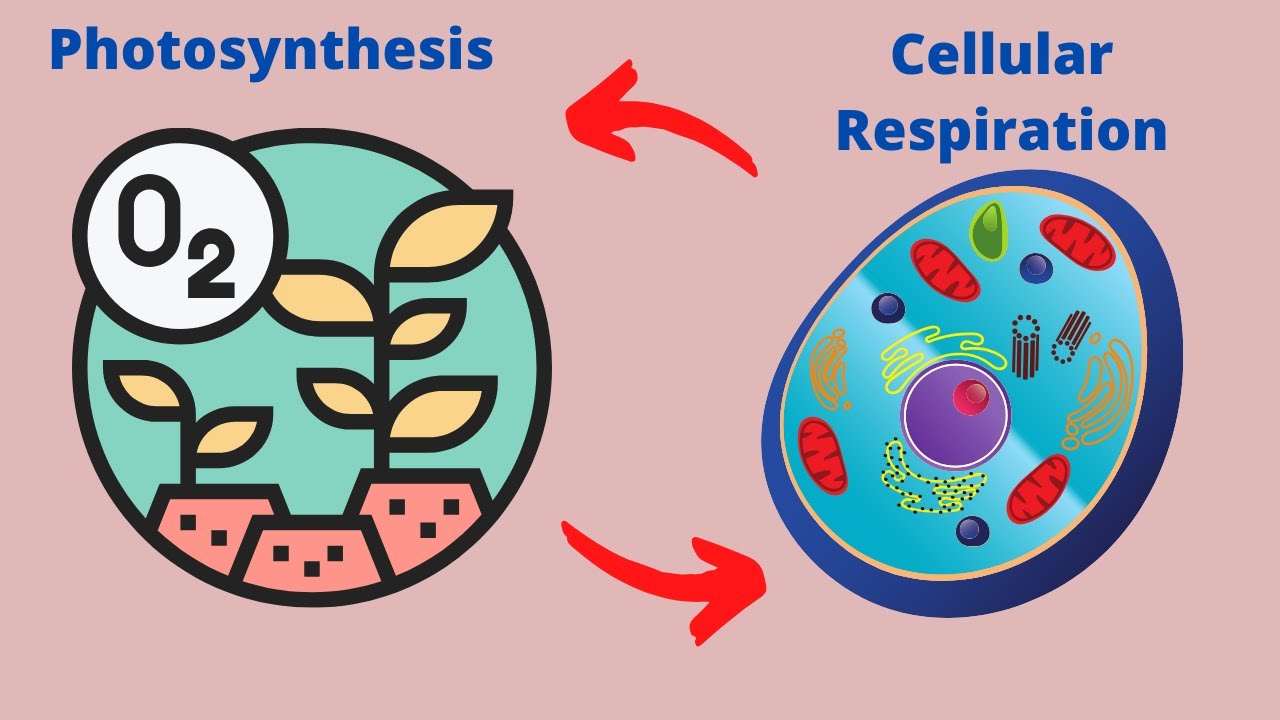
The relationship between cellular respiration and photosynthsis

Wetlands are transitional lands between lands and other bodies of water.
There are four main types of wetlands
Marsh
Swamp
Fen
Bog
You may also enjoy: Freshwater Ecosystems
https://www.youtube.com/watch?v=BwP1zxnKb14
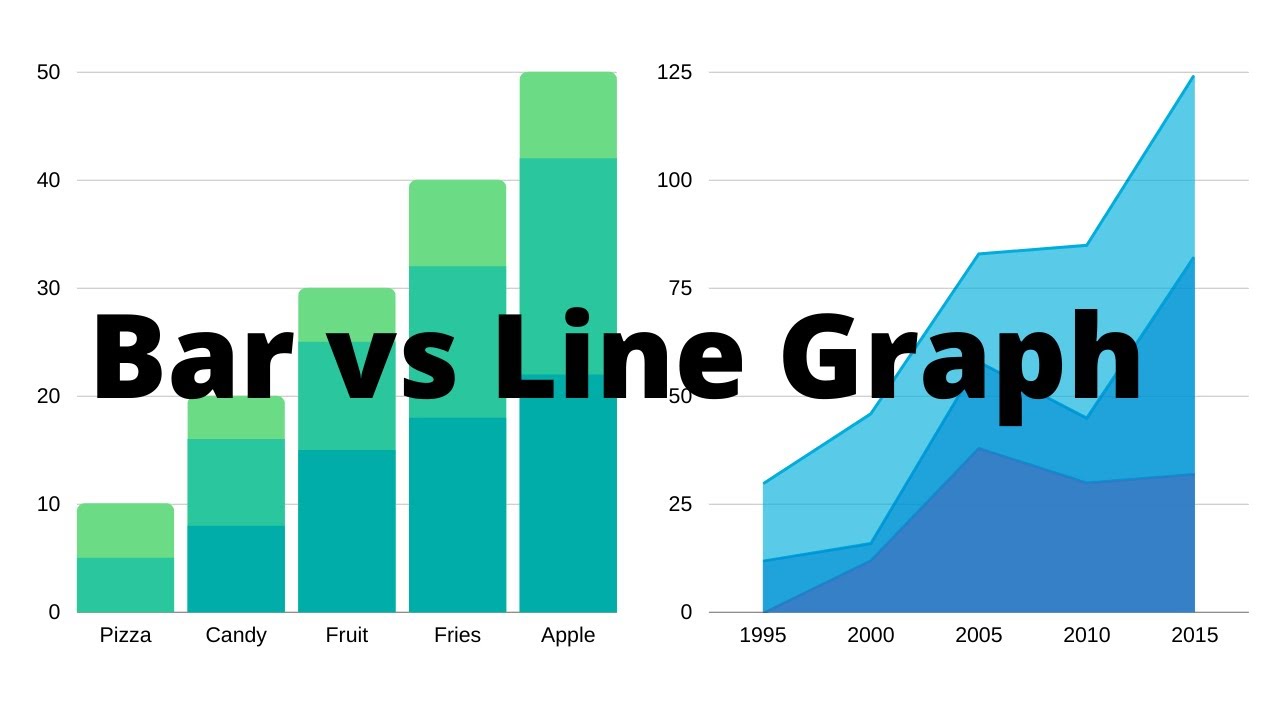
Learn which type of graph is best four your data. A line graph is helpful for data over time, and a bar graph is helpful for categories. This helps you decide which graph is best for data visualization and which type of graph to use.
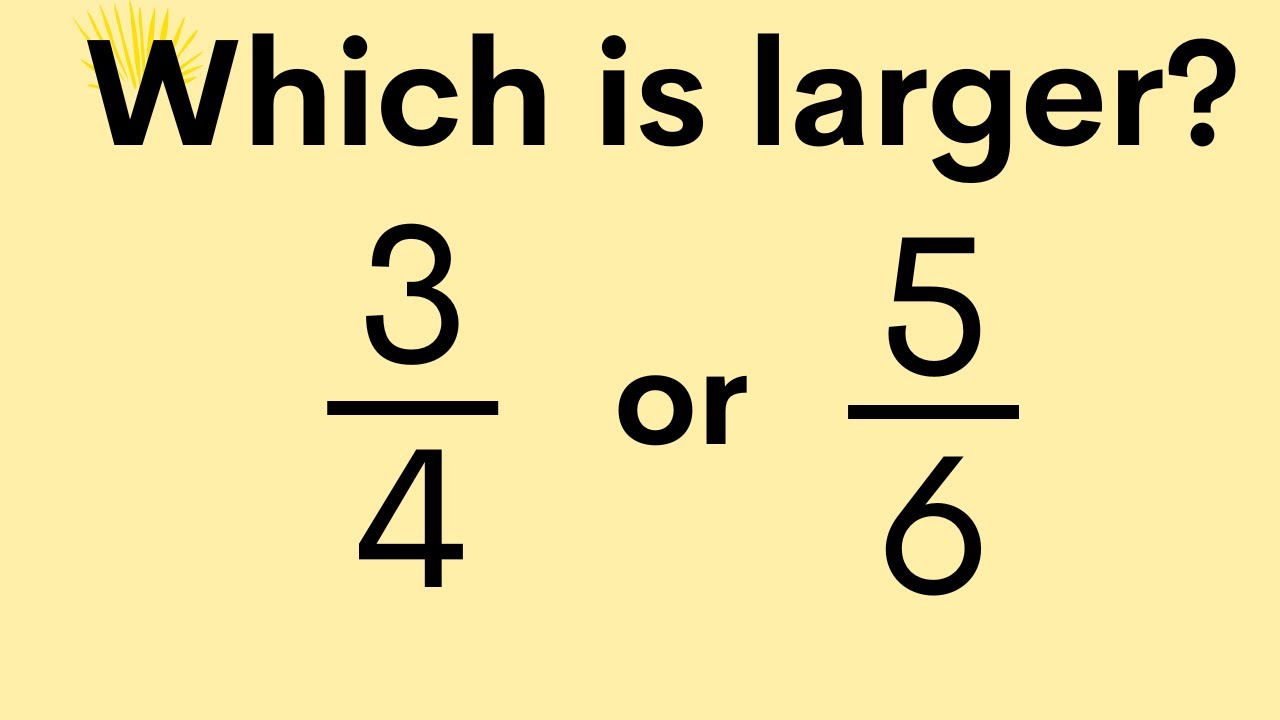
In this video, I cover 4 differents methods for determining which fraction is the largest.
Method 1. Is the one method. If the difference between the numerator and the denominator is 1, then the fraction with the largest numerator is the largest fraction.
Method 2. You can cross multiple and the largest product is the largest fraction.
Method 3. You can divide the numerator ( top number) by the denominator (bottom number) in order to create a decimal and compare decimals.
Method 4. You can find a common denominator and divide the denominator into this number and then multiply the numerator by the product. This allows you to compare similar fractions.
Transcript
http://www.moomoomathblog.com/....2023/02/how-to-deter

The Metric System is a system of measurement used in the scientific community. It refers to SI units of measurement. It involves units of measure, prefixes, and is a decimal system based on 10.
Transcript
http://www.moomoomathblog.com/....2020/07/the-metric-s
Summary with Pictures
https://moomoomath.com/a-begin....ners-guide-to-the-me
Measuring Temperature
https://youtu.be/TIShPqStCEw

Freshwater biomes are ecosystems take contain water with a low salinity.
In this video, I cover rivers and streams, lakes and ponds, and wetlands.
Rivers are bodies of water that are moving. They begin at the headwater and usually dump. into a larger body of water.
Lakes and ponds can be small or very large bodies of water.
Wetlands include a marsh,swamp, bog or fen.
You may enjoy ..
What is a river delta?
https://youtu.be/lWgP6vN5s2c

Malleability and Ductility-- Malleability and Ductility
Malleability is the ability of an object to be hammered into shapes.
Most metals are malleable.
Copper, gold, and silver are very malleable.
Ductility is the ability of an object to be stretched into wires.
Ductility and malleability are physical properties.

Learn the difference between an observation and an inference. An observations uses our 5 senses to make observations. These observations can be qualitative or quantitative.
An inference is an explanation of the observation based on prior experience.
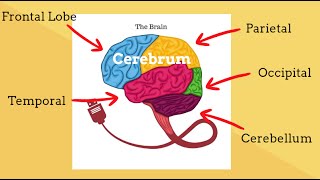
Parts of the Brain-Middle School Science
25 Facts about the lobes of the brain
http://www.moomoomathblog.com/....2017/12/25-facts-abo
Cerebrum Top part of the brain and the cerebrum is separated into four lobes.
Temporal,parietal,occipital, and the frontal
Cerebellum also called the little brain
Controls coordination, balance, and helps us talk and walk
Temporal Lobe Helps us process sounds, in other words, helps us hear. Also helps some with balance.
Parietal Lobe It is called the “association lobe” It communicates with other lobes.The parietal lobe is where information such as taste, temperature, and touch are integrated, or processed.
Occipital lobe This lobe is responsible for processing your vision
Frontal lobe Is responsible for executive function. This includes memory, impulse control, your emotions, planning, and organization.
The brain stem controls the flow of messages between the brain and the rest of the body, and it also controls basic body functions such as breathing,, heart rate, and blood pressure,
Updated Version
Parts of the Brain
https://youtu.be/PKggtq1FSGI
You may also enjoy...
Left brain/Right Brain
https://www.youtube.com/watch?v=j2pHD50u9MQ
-~-~~-~~~-~~-~-
Please watch: "Study Skills Teacher's Secret Guide to your Best Grades"
https://www.youtube.com/watch?v=f3bsg8gaSbw
-~-~~-~~~-~~-~-
*
*
For more Life Science videos and summaries see,
http://www.moomoomath.com/Midd....le-School-Science-an
You may enjoy " Activities to Improve Your Brain
https://youtu.be/4z1LMRjajaI
Quantitative Data vs Qualitative Data
Additional Information on Qualitative vs Quantitative Data
https://moomoomath.com/qualita....tive-vs-quantitative
Data can be divided into two groups called quantitative and qualitative data
Quantitative data is numerical
Qualitative Data id descriptive data
Let’s look at examples of both
Examples of quantitative data would be
The number of pets, time of day, the temperature outside
Quantitative data can be graphed
If you count or measure, you are collecting quantitative data
There are two types of quantitative data, discrete and continuous
Discrete data is usually data you can count and continuous data is usually data you measure. I have a separate video on these two types of data.
Qualitative is descriptive or observations and uses words
For example, the color of a house, smell of a sock, texture of a shirt
Quantitative or Qualitative
Consider a cat
Quantitative Data would be the cat has 4 legs and weighs 10 pounds
Qualitative data would be the cat is yellow, and has soft fur
A bookshelf
Quantitative would be you have 50 books and is 150 centimeters tall.
Qualitative data would be it is multi-color and has a smooth texture
You may also enjoy..
Qualitative and Quantitative Data
https://www.youtube.com/watch?v=2X-QSU6-hPU
Quantitative Qualitative Song
https://www.youtube.com/watch?v=-S2EiPD4-W0
-~-~~-~~~-~~-~-
Please watch: "Study Skills Teacher's Secret Guide to your Best Grades"
https://www.youtube.com/watch?v=f3bsg8gaSbw
-~-~~-~~~-~~-~-
A Coulomb is the SI unit for charge. It is equal to 6.24 x 10 to the 18th power.
Electric power is voltage times current. Voltage is equal to Joule/Coulomb and an ampere is equal to a Coulomb/Second. Let's take a look at what this SI unit for charge.
A Coulomb is also equal to 1 ampere ( the si unit for current) times 1 second
1C = 1A x 1s
In other words, if the current in a circuit is 1 ampere then 1 Coulomb passes a point each second.
1A = 1C/s
More Information on a Coulomb
http://www.moomoomathblog.com/....2022/02/what-is-coul

Digestive Enzymes are vital for our digestion. In this video, I cover these important proteins and where they are found in our digestive tract.
Digestion starts in the mouth where salivary glands start secreting enzymes. From the mouth, enzymes are added in the stomach, by your pancreas, and your small intestines.
Enzymes mentioned in this video
Lipase, Pepsin, Erepsin ,Maltase, Lactase,Sucrase
trypsinogen, chymotrypsinogen, elastase, carboxypeptidase, pancreatic lipase, nucleases, and amylase.
Digestive system crossword puzzle
http://www.moomoomath.com/dige....stive-enzymes-crossw

The cytoplasm is the fluid found in cells.
Cytoplasm is found in eukaryotic and prokaryotic cells.
The fluid of cytoplasm is called cytosol. It is made up mainly of water
The organelles are found floating in this liquid along with many other items
You can almost think of the cytoplasm as a crowded swimming pool
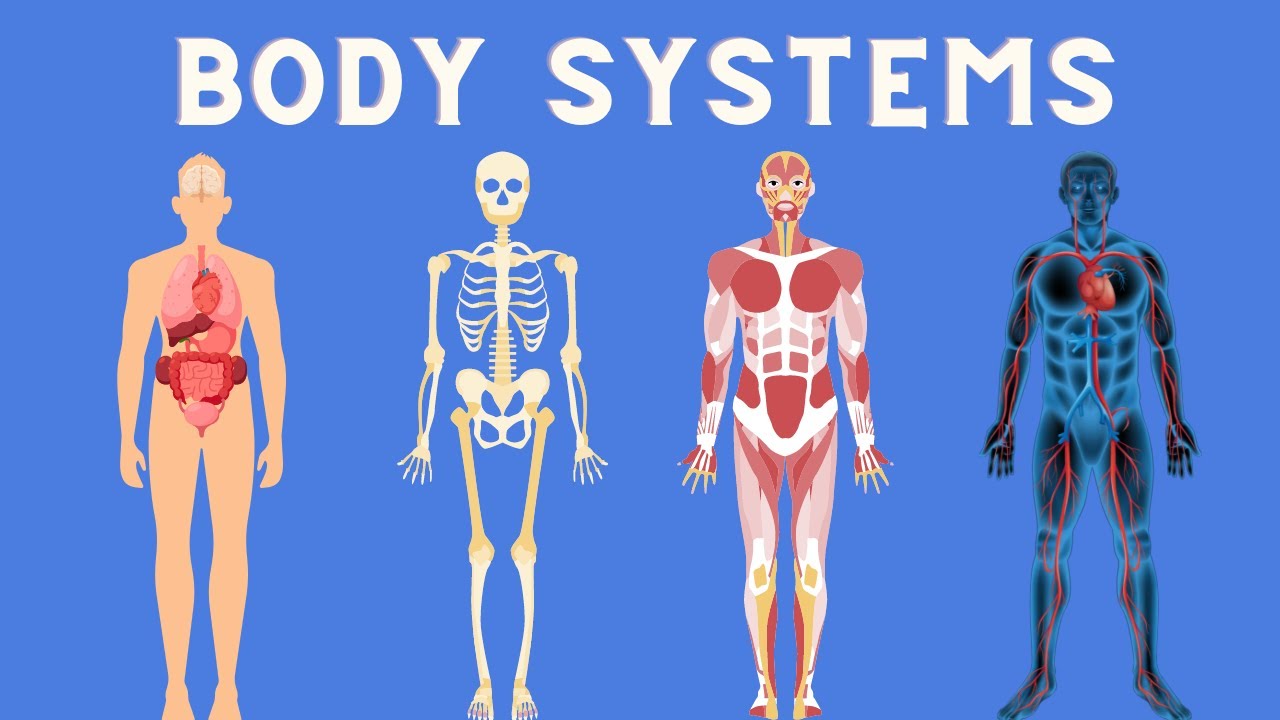
A description of 11 body systems. I cover, muscular,urinary,respiratory,digestive,endocrine, reproductive,lymphatic,integumentary,muscular, and the circulatory system.
11 Body Systems
http://www.moomoomathblog.com/....2024/01/11-body-syst

Learn the difference between myopia and hyperopia
Myopia which is also called nearsightedness is when you can see items up close clearly and distance objects are blurry.
Hyperopia is the opposite. You can see distant objects clearly and objects that are close are blurry.

Boiling point and Melting point--
The boiling point is the temperature at which a substance changes from a liquid into a gas.
The boiling point varies for different substances and can be used to help identify elements of the periodic table and other substances. For example, water and rubbing alcohol look similar but water has a boiling point of 212 f and 100 c and rubbing alcohol has a boiling point of 180.7 f and 82.6 c
The element found on the periodic table with the lowest boiling point is helium at -452.1 f and -269c
Tungsten has the highest boiling point at 10,030 f which is 5660 c
Boiling point varies with your elevation. It is higher at sea level and decreases as you gain elevation. As a result,
The standard boiling point has been defined by IUPAC since 1982 as the temperature at which boiling occurs under a pressure of 1 bar which is a fancy way of saying the standard boiling point is the boiling point at sea level
The melting point is the temperature at which a substance changes from a solid to a liquid.
This snow melting is an example of the water reaching it’s boiling point.
The melting point is also impacted by atmospheric pressure which changes with elevation but not as boiling point does.
The melting point is a physical property and can be used to identify substances.
The melting point of water is 32 f and 0 c
Helium has the lowest melting point at -272 c and carbon has the highest at 3500 c
Compare this to steel which has a melting point of 1510 degrees c
Boiling and Melting Point
https://moomoomath.com/boiling....-point-and-melting-p

Learn what an ion is in chemistry. You can produce a charged atom by taking a neutral atom and adding or removing one or more electrons which are called an ion
A positively charged ion is a cation
A negatively charged ion is called an anion.

Learn the difference between a physical property and a chemical property. In this video, I cover 9 physical properties and several chemical properties in order to help you understand the difference between these different types of properties.