Top videos

What is the difference between a geyser and a hot spring? In this video for kids, you'll learn the answer to that question. In fact, you will realize that all geysers are hot springs, but not all hot springs are geysers. Places where groundwater creates a pool of water are springs. And hot springs are pockets of water that are hotter than the surrounding ground and air temperatures.
The water in a hot spring is usually higher than 98°F when it comes out of the ground. Some hot springs, also called geothermal or thermal springs, turn into geysers. When a hot spring becomes pressurized and erupts, it becomes a geyser. Geysers specifically shoot water and steam high into the air, unlike normal hot springs. The word geyser comes from the Icelandic word that means to gush.
Keep watching to follow along with a fun experiment to see how geysers work. You can pause the video when prompted to make sure you gather all the necessary supplies (and people). Hope you enjoy!
We hope you and your student(s) enjoyed learning about geysers and hot springs! If you want to learn even more, head over to our website and download one of our many free lesson plans about these cool features, full of activities, worksheets, and more!
https://learnbright.org/lesson....s/science/geysers-an
https://learnbright.org/lesson....s/science/geysers-an
Thank you for watching and learning with us! We’re constantly releasing new content and videos, so click that “Subscribe” button and you’ll get notified.
What you will learn in Geysers and Hot Springs for Kids:
0:00 Introduction
0:47 What is a geyser?
1:28 Characteristics of geysers
1:54 What are hot springs?
2:28 Why we call them hot springs
3:08 Where do geysers exist?
3:45 Geyser simulation experiment
Find and Follow Us Online:
Facebook: https://www.facebook.com/LearnBright/
Instagram: https://instagram.com/LearnBrightEducation
Pinterest: https://pinterest.com/LearnBrightEducation
YouTube: @LearnBright
Website: https://learnbright.org/
*Teachers and Parents! Did you know? In addition to these great videos, we have also created a library of high-quality and engaging lessons for your elementary aged student(s). Visit us, sign up for a free account, and instantly you'll have access to thousands of lesson plans, learning materials, teaching instructions, activities, and assignments that your kids will really enjoy! We hope to see you soon!
Browse our entire collection of Science lesson plans: https://learnbright.org/lessons/?filter_subject=science
#Geysers
#HotSprings

In this video we learn all about the planets of our solar system. Our solar system so so large and vast and these enormous planets all orbiting around the sun are so amazing to look and and learn about. We will learn interesting things about each planet, including their size, orbit times, and other facts that are fun to know. After this video you will be able to recite the planets in order and share something unique about each planet.
After watching the video, head over to our website and download our Free comprehensive lesson plan about Planets and our Solar System. This lesson is packed with more engaging content, hands on activities, worksheets and more. Get your download here: https://learnbright.org/lesson....s/science/the-solar-
Timestamps:
0:00 Introductory Story about our Solar System
1:52 What is a Galaxy?
2:34 Our Solar System.
3:10 What is a Planet?
5:34 Planets Rotation and Spin
7:50 Closer Look at Each of Our 8 Planets
15:14 Learning the Names of the Planets in Order
15:48 Why is Pluto not a Planet Anymore?
16:45 Recap Planets Quiz / Activity
Thank you for watching and learning with us! We’re constantly releasing new content and videos, so click that “Subscribe” button and you’ll get notified.
Follow us across the web!
Facebook: https://www.facebook.com/LearnBright/
Instagram: https://instagram.com/LearnBrightEducation
Pinterest: https://pinterest.com/LearnBrightEducation
YouTube: https://www.youtube.com/learnbright
Website: https://learnbright.org/
*Teachers and Parents! Did you know? In addition to these great videos, we have also created a library of high quality and engaging lessons for your elementary aged student(s). Visit us, sign up for a free account, and instantly you'll have access to thousands of lesson plans, learning materials, teaching instructions, activities, and assignments that your kids will really enjoy! We hope to see you soon!
Browse our entire collection of Science lesson plans: https://learnbright.org/lessons/?filter_subject=science
#PlanetsOfOurSolarSystem
#PlanetsForKids

In our Ancient Egypt for Kids video students will learn all about the history of ancient Egypt and when watched in combination with our lesson plan students will be able to describe and identify the characteristics of the Egyptian Civilization and it's impact on all future civilizations. We cover the geography, time periods, and kingdoms (Old, Middle, and New). We also learn about the life people had in Ancient Egypt, their clothes, jobs, food and more! We hope you enjoy.
Looking for more Ancient Egypt resources? Download our free comprehensive lesson plan (built for grades 4-6) here: https://learnbright.org/lesson....s/social-studies/anc
Thank you for watching and learning with us! We’re constantly releasing new content and videos so click that “Subscribe” button and you’ll notified.
Find and Follow Us Online:
Facebook: https://www.facebook.com/LearnBright/
Instagram: https://instagram.com/LearnBrightEducation
Pinterest: https://pinterest.com/LearnBrightEducation
YouTube: https://www.youtube.com/LearnBright
Website: https://learnbright.org/
*Teachers and Parents! Did you know? In addition to these great videos, we have also created a library of high quality and engaging lessons for your elementary aged student(s). Visit us, sign up for a free account, and instantly you'll have access to thousands of lesson plans, learning materials, teaching instructions, activities, and assignments that your kids will really enjoy! We hope to see you soon!
Browse our entire collection of Social Studies lesson plans: https://learnbright.org/lessons/?filter_subject=social-studies
#AncientEgypt

Birds for Kids is a very fun and engaging introduction to birds for kids. In this video we will answer "What is a Bird?", we will learn about beaks and feathers, birds that fly and birds that don't, we will cover the places that different birds live: Land Birds, Water Birds, Arctic Birds, and Tropical Birds, we will learn about what birds eat and so much more!!
When you have finished the video head over to our website and download our FREE comprehensive lesson plan all about birds for grades 1-3 (complete with bird worksheets, activities and more!): https://learnbright.org/lessons/science/birds/
Check out some of our other bird-related videos here:
Habitats: https://youtu.be/40B2IjLWfTQ
Rainforests: https://youtu.be/sEQMEllUyks
Animal Camouflage: https://youtu.be/F-vRzYreZXY
Thank you for watching and learning with us! We’re constantly releasing new content and videos, so click that “Subscribe” button and you’ll get notified.
Find and Follow Us Online:
Facebook: https://www.facebook.com/LearnBright/
Instagram: https://instagram.com/LearnBrightEducation
Pinterest: https://pinterest.com/LearnBrightEducation
YouTube: https://www.youtube.com/LearnBright
Website: https://learnbright.org/
*Teachers and Parents! Did you know? In addition to these great videos, we have also created a library of high quality and engaging lessons for your elementary aged student(s). Visit us, sign up for a free account, and instantly you'll have access to thousands of lesson plans, learning materials, teaching instructions, activities, and assignments that your kids will really enjoy! We hope to see you soon!
Browse our entire collection of Science lesson plans: https://learnbright.org/lessons/?filter_subject=science
#ASL
#Birds
#WhatIsABird

Did you know that different parts of the world are called different things according to the areas properties and wildlife? In this video, you and your kids will learn about several types of habitats that are found all around the globe. You'll learn about the driest places, the wettest places, the coldest places, the tallest places, and more!
First up is grasslands. These areas are full of tall grass and not a lot of trees. You can find them on every continent except Antarctica. Types of grasslands include prairies and savannas. Deserts are next. Even though most people think deserts are always hot, this isn't actually true. Some are very cold. These places are defined as having very little rain or being incredibly dry. Not a lot of animals or plants can survive the desert habitat.
Next you'll learn about a few types of forests: rainforests, temperate forests, and coniferous forests. Rainforests receive rain all year around and are home to more animals than all the other habitats combined!. Temperate forests are ones with trees that lose their leaves in the winter or remain green all year around. Coniferous forests are the forests that have the tallest trees in the world. They can survive extremely cold temperatures.
Speaking of cold, mountain habitats are much cooler because they are so high up. They receive less oxygen. Polar regions are likewise extremely cold. In fact, they're the coldest places on Earth. There are only two polar regions—the Arctic at the top of the globe and the Antarctic at the bottom. Very few types of animals can live here, such as polar bears and whales.
Water habitats exist as well, both freshwater and saltwater bodies are home to habitats like coral reefs and oceans. Freshwater habitats can be found nearly anywhere in the world. Coral reefs are usually around tropical areas of the globe. The ocean is the largest animal habitat in the world. I bet you can guess why! And believe it or not, cities and farms are their own habitats as well.
We hope you and your student(s) enjoyed learning about several types of habitats that we have on Earth! If you want to learn even more, head over to our website and download one of our many free lesson plans about habitats, full of activities, worksheets, and more!
https://learnbright.org/lessons/science/habitats/
https://learnbright.org/lessons/science/forests/
https://learnbright.org/lesson....s/science/rainforest
https://learnbright.org/lessons/science/deserts/
https://learnbright.org/lesson....s/science/coral-reef
https://learnbright.org/lesson....s/science/what-lives
What you will learn in Habitats for Kids:
0:00 Introduction to habitats and what they are
1:29 Grasslands
2:09 Deserts
2:48 Tropical forests
3:46 Temperate and coniferous forest habitats
4:55 Mountain and polar region habitats
5:54 Freshwater and saltwater habitats
6:58 Cities and farms
7:34 Review of the facts
Thank you for watching and learning with us! We’re constantly releasing new content and videos, so click that “Subscribe” button and you’ll get notified.
Find and Follow Us Online:
Facebook: https://www.facebook.com/LearnBright/
Instagram: https://instagram.com/LearnBrightEducation
Pinterest: https://pinterest.com/LearnBrightEducation
YouTube: @LearnBright
Website: https://learnbright.org/
*Teachers and Parents! Did you know? In addition to these great videos, we have also created a library of high-quality and engaging lessons for your elementary aged student(s). Visit us, sign up for a free account, and instantly you'll have access to thousands of lesson plans, learning materials, teaching instructions, activities, and assignments that your kids will really enjoy! We hope to see you soon!
Browse our entire collection of Science lesson plans: https://learnbright.org/lessons/?filter_subject=science
#ASL
#HabitatsForKids
#Habitats

What do you know about dinosaurs? The Mesozoic era divides into three smaller periods: Triassic, Jurassic, and Cretaceous. To this day, scientists still debate about the cause of dinosaurs' extinction. Was it because lots of volcanoes erupted at the same time? Or was it because a meteor crashed into Earth and caused a ton of damage?
We hope you and your student(s) enjoyed learning about these four different dinosaurs! If you want to learn even more, head over to our website and download one of our many free lesson plans about dinosaurs, full of activities, worksheets, and more!
https://learnbright.org/lessons/science/dinosaurs/
https://learnbright.org/lessons/science/fossils/
https://learnbright.org/lesson....s/science/extinct-en
https://learnbright.org/lesson....s/science/extinction
Thank you for watching and learning with us! We’re constantly releasing new content and videos, so click that “Subscribe” button and you’ll get notified.
Find and Follow Us Online:
Facebook: https://www.facebook.com/LearnBright/
Instagram: https://instagram.com/LearnBrightEducation
Pinterest: https://pinterest.com/LearnBrightEducation
YouTube: @LearnBright
Website: https://learnbright.org/
*Teachers and Parents! Did you know? In addition to these great videos, we have also created a library of high-quality and engaging lessons for your elementary aged student(s). Visit us, sign up for a free account, and instantly you'll have access to thousands of lesson plans, learning materials, teaching instructions, activities, and assignments that your kids will really enjoy! We hope to see you soon!
Browse our entire collection of Science lesson plans: https://learnbright.org/lessons/?filter_subject=science
#DinosaurFactsForKids
#Dinosaurs

What do you know about magnets or magnetism? Magnets for Kids teaches you about magnets and how and why they work. People use magnets for more than just hanging up artwork and grocery lists on their refrigerators. In fact, the very center of the earth is made of two metals that cause a giant magnetic field! A magnetic field is the area surrounding a magnet. Let's see what else you learn!
Every magnet has a north pole and a south pole. A north and south pole will always pull toward each other, or attract to each other. If you try to take two magnets and face the north poles toward each other, they will repel. The same is true of the south poles.
There are a few types of magnets: temporary, permanent, and electromagnet. Temporary magnets become magnetized when a magnetic field is present. But they lose their magnetism when that magnetic field goes away. Permanent magnets, on the other hand, are made of materials like iron or nickel that are already magnetized and have their own magnetic field. In fact, the earth's core is made of iron and nickel, which is why it is magnetic.
Electromagnets are the last type. These magnets are created by running an electrical current through a coil with a metal core. The energized core creates a magnetic field. It stops working as soon as the electric current turns off. An MRI machine at a hospital is an example of an electromagnet. Other things with magnets in them include telephones, door bells, motors, and compasses.
We hope you and your student(s) enjoyed learning about magnetism and how magnets work! If you want to learn even more, head over to our website and download one of our many free lesson plans about magnets, full of activities, worksheets, and more!
https://learnbright.org/lessons/science/magnets/
What you will learn in Magnets for Kids:
0:00 Introduction to magnets
0:27 What is a magnet?
1:06 North and south poles of magnets
2:06 Three types of magnets—temporary, permanent, electromagnet
3:13 Where are magnets used?
4:04 Review of the facts
Thank you for watching and learning with us! We’re constantly releasing new content and videos, so click that “Subscribe” button and you’ll get notified.
Find and Follow Us Online:
Facebook: https://www.facebook.com/LearnBright/
Instagram: https://instagram.com/LearnBrightEducation
Pinterest: https://pinterest.com/LearnBrightEducation
YouTube: @LearnBright
Website: https://learnbright.org/
*Teachers and Parents! Did you know? In addition to these great videos, we have also created a library of high-quality and engaging lessons for your elementary aged student(s). Visit us, sign up for a free account, and instantly you'll have access to thousands of lesson plans, learning materials, teaching instructions, activities, and assignments that your kids will really enjoy! We hope to see you soon!
Browse our entire collection of Science lesson plans: https://learnbright.org/lessons/?filter_subject=science
#ASL
#Magnets
#WhatIsAMagnet
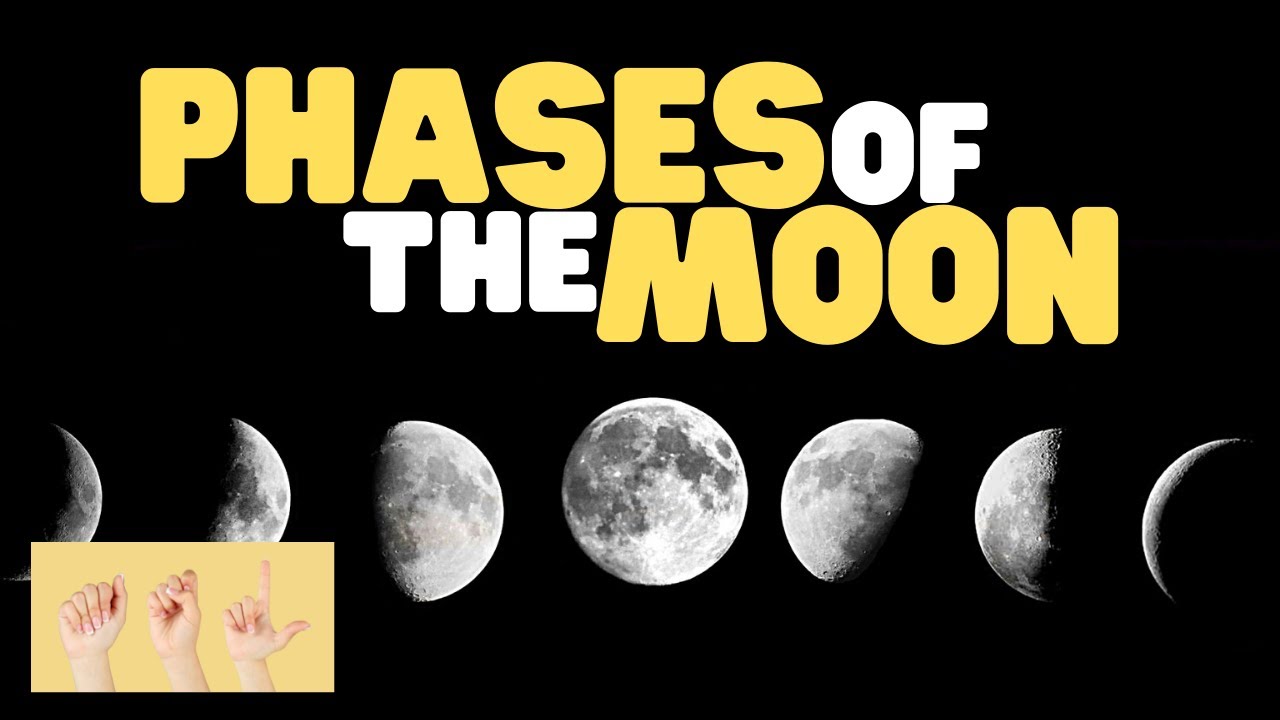
Phases of the Moon is a great introduction to the moon for kids. In this video we will learn all about the moon, the effects that it has on the earth, and how it orbits. We also talk about the first people who landed on the moon (Neil Armstrong and Buzz Aldrin). Last but not least we will learn all about and explain the different phases of the moon, including: New Moon, First Quarter Moon, Last Quarter Moon, Full Moon, Gibbous Moon, and Crescent Moon.
After finishing the video, head over to our site and download our free 9 page moon lesson plan. This lesson plan is build for 1st - 3rd grade and comes complete with instruction pages, activities, worksheets and more! Download here: https://learnbright.org/lessons/science/the-moon/
Thank you for watching and learning with us! We’re constantly releasing new content and videos, so click that “Subscribe” button and you’ll get notified.
Find and Follow Us Online:
Facebook: https://www.facebook.com/LearnBright/
Instagram: https://instagram.com/LearnBrightEducation
Pinterest: https://pinterest.com/LearnBrightEducation
YouTube: https://www.youtube.com/LearnBright
Website: https://learnbright.org/
*Teachers and Parents! Did you know? In addition to these great videos, we have also created a library of high quality and engaging lessons for your elementary aged student(s). Visit us, sign up for a free account, and instantly you'll have access to thousands of lesson plans, learning materials, teaching instructions, activities, and assignments that your kids will really enjoy! We hope to see you soon!
Browse our entire collection of Science lesson plans: https://learnbright.org/lessons/?filter_subject=science
#ASL
#PhasesOfTheMoon
#Moon

What is the difference between something that is alive and something that is not? You and your kids will learn all about the characteristics of both living and non-living things. Both have special characteristics that differentiate the two groups. Living things grow, eat, and reproduce. They can also breathe, have senses, and move. However, some non-living things can move, too. Think about fire or water. They aren't alive, but they definitely move!
Things that are alive grow, such as chicks that become hens or sprouts that become plants. They also have to eat, or take in nutrients, to survive. Different species need different nutrients, but they all require nutrients to live and grow. And both plants and animals reproduce to create more of their own kind. Non-living things can't do any of these things.
In addition, things that are not alive also do not breathe or have senses. For instance, a teddy bear cannot feel you touch it. A waterfall cannot see anything. However, some of these objects do move. As mentioned, fire and water aren't alive, but they move all on their own. Other things, like cars, can move as well, but not on their own. These objects require people to make them move. In addition, non-living things can be solids, liquids, or gases.
We hope you and your student(s) enjoyed learning about what determines if something is alive! If you want even more information, head over to our website and download one of our many free lesson plans, full of activities, worksheets, and more!
https://learnbright.org/lesson....s/reading/living-and
What you will learn in Living and Non-living Things for Kids:
0:00 Introduction to living and non-living things
0:34 What it means to be a living thing
1:15 Living things can grow
1:44 Living things can take in nutrients and reproduce
3:28 Characteristics of non-living things
4:41 Compare living and non-living things
5:23 Review of the facts
Thank you for watching and learning with us! We’re constantly releasing new content and videos, so click that “Subscribe” button and you’ll get notified.
Find and Follow Us Online:
Facebook: https://www.facebook.com/LearnBright/
Instagram: https://instagram.com/LearnBrightEducation
Pinterest: https://pinterest.com/LearnBrightEducation
YouTube: @LearnBright
Website: https://learnbright.org/
*Teachers and Parents! Did you know? In addition to these great videos, we have also created a library of high-quality and engaging lessons for your elementary aged student(s). Visit us and sign up for a free account, and you'll instantly have access to thousands of lesson plans, learning materials, teaching instructions, activities, and assignments that your kids will really enjoy! We hope to see you soon!
Browse our entire collection of Reading lesson plans: https://learnbright.org/lessons/?filter_subject=reading
#ASL
#LivingAndNonLivingThings
#WhatMakesSomethingAlive

What is the difference between "extinct" and "endangered"? Animals and other living things that no longer exist are extinct, and those that are in danger of becoming extinct are endangered. In this video, you and your kids will learn about some of the things that cause living organisms to die out. You will also learn how to help protect endangered species!
You probably already know about dinosaurs and that there are no more on the earth today. That is because they are extinct. They're not the only ones, though. Animals like woolly mammoths and dodo birds used to exist. However, due to certain natural causes and to human interaction, they no longer do. There are several reasons a species might die out. For the dinosaurs, scientists believe an asteroid collided with earth and caused a mass extinction.
On the other hand, woolly mammoths lost their habitats, and the climate changed drastically enough that they couldn't adapt to their new surroundings. Similarly, the dodo bird became extinct because of overhunting and the destruction of its habitat. Not all animals that go extinct existed thousands or millions of years ago. The passenger pigeon died out much more recently, and for the same reasons as the dodo.
What about endangered animals? For the most part, human causes are the reason most animals and other species are in danger of dying out. Animals you may be familiar with that are on the endangered species list include black rhinos, orangutans, Bengal tigers, blue whales, and sea lions. The video explains several causes, many of which are the same as those you already learned about.
While you can't do anything about extinct species, there are a few ways to help protect endangered animals and plants. You can recycle, save energy, and plant a garden. These will all help improve the environment. In addition, you can even sponsor an endangered animal!
We hope you and your student(s) enjoyed learning about animals that are extinct or endangered! If you want to learn even more, head over to our website and download one of our many free lesson plans, full of activities, worksheets, and more!
https://learnbright.org/lesson....s/science/extinct-en
https://learnbright.org/lesson....s/science/extinction
https://learnbright.org/lessons/science/dinosaurs/
https://learnbright.org/lessons/science/fossils/
What you will learn in Extinct and Endangered Animals for Kids:
0:00 Introduction to what "extinct" and "endangered" mean
1:36 What causes extinction
2:23 Main reasons extinction occurs: natural occurring
3:15 Main reasons extinction occurs: human interaction
4:02 What endangered means and examples of endangered animals
5:20 Ways to help protect endangered animals
5:50 Review of the facts
Thank you for watching and learning with us! We’re constantly releasing new content and videos, so click that “Subscribe” button and you’ll get notified.
Find and Follow Us Online:
Facebook: https://www.facebook.com/LearnBright/
Instagram: https://instagram.com/LearnBrightEducation
Pinterest: https://pinterest.com/LearnBrightEducation
YouTube: @LearnBright
Website: https://learnbright.org/
*Teachers and Parents! Did you know? In addition to these great videos, we have also created a library of high-quality and engaging lessons for your elementary aged student(s). Visit us, sign up for a free account, and instantly you'll have access to thousands of lesson plans, learning materials, teaching instructions, activities, and assignments that your kids will really enjoy! We hope to see you soon!
Browse our entire collection of Science lesson plans: https://learnbright.org/lessons/?filter_subject=science
#ASL
#Extinction
#EndangeredAnimals

Do you know where the "We Can Do It!" poster came from? In Who Was Rosie the Riveter? for Kids, you'll learn about the history of the poster and its significance during World War II. You may be wondering what exactly a riveter is. Well, it's someone who job is to fasten or secure things using rivets. You can find rivets on the hulls of ships or on airplanes where the metal skin attaches to the wings.
Before the war, mostly men worked factory jobs doing mechanical work, including the job of riveting. Once the US joined the war, most of the factory workers went to fight in the war. That meant there were lots of jobs that needed to be filled, especially since many of the things the military needed were the things factories produced. So who was left to fill those rolls? Women!
A campaign to recruit female workers began, and Rosie the Riveter was born! Redd Evans and John Jacob Loeb wrote the song entitled "Rosie the Riveter" in 1942, basing it off of a woman named Rosalind P. Walker. Rosalind was working at a factory that made fighter airplanes for the military. The famous poster was created in 1942 by J. Howard Miller to encourage people to work together to help the US win the war. It later became associated with the Rosie the Riveter campaign, which is why most people now associate the poster with Rosie the Riveter!
We hope you and your student(s) enjoyed learning about Rosie the Riveter! If you want to learn even more, head over to our website and download one of our many free lesson plans about famous women in history, full of activities, worksheets, and more!
https://learnbright.org/lesson....s/social-studies/ros
Thank you for watching and learning with us! We’re constantly releasing new content and videos, so click that “Subscribe” button and you’ll get notified.
What you will learn in Who Was Rosie the Riveter? for Kids:
0:00 Introduction to what a riveter is
0:53 Why so many women joined the workforce
1:46 Where the term Rosie the Riveter came from
2:55 We Can Do It! poster
3:23 Influence of Rosie the Riveter during and after the war
4:01 Review of the facts
Find and Follow Us Online:
Facebook: https://www.facebook.com/LearnBright/
Instagram: https://instagram.com/LearnBrightEducation
Pinterest: https://pinterest.com/LearnBrightEducation
YouTube: @LearnBright
Website: https://learnbright.org/
*Teachers and Parents! Did you know? In addition to these great videos, we have also created a library of high-quality and engaging lessons for your elementary aged student(s). Visit us, sign up for a free account, and instantly you'll have access to thousands of lesson plans, learning materials, teaching instructions, activities, and assignments that your kids will really enjoy! We hope to see you soon!
Browse our entire collection of Social Studies lesson plans: https://learnbright.org/lessons/?filter_subject=social-studies
#ASL
#RosieTheRiveter
#WWIIHistory

Algae is all around us and has many important uses. But what exactly is Algae and what are the different types of algae? We will learn about this and more in this video all about algae for kids! Algae (alga is the singular spelling) are a type of plant-like living things
that make their food just like all other plants, from sunlight by photosynthesis.
Algae are commonly found living in the sea, oceans,
rivers, lakes, ponds, or even in aquariums. There
are two different types of algae: macroalgae and
microalgae. Macroalgae are something you are very
familiar with-- seaweed. Microalgae are referred to as phytoplankton. Micro- means very small, so think of them as small plants that
live in the ocean, rivers, ponds, or lakes.
There are many different kinds of Algae from Seaweed, to Brown, Green and Red Algae and all have different purposes that we explore in the video! We also invite you to download our FREE comprehensive Algae lesson plan that is packed full of more content, activities, algae worksheets and more! Download the free resource here: https://learnbright.org/lessons/science/algae/
Thank you for watching and learning with us! We’re constantly releasing new content and videos, so click that “Subscribe” button and you’ll get notified.
Find and Follow Us Online:
Facebook: https://www.facebook.com/LearnBright/
Instagram: https://instagram.com/LearnBrightEducation
Pinterest: https://pinterest.com/LearnBrightEducation
YouTube: https://www.youtube.com/LearnBright
Website: https://learnbright.org/
*Teachers and Parents! Did you know? In addition to these great videos, we have also created a library of high quality and engaging lessons for your elementary aged student(s). Visit us, sign up for a free account, and instantly you'll have access to thousands of lesson plans, learning materials, teaching instructions, activities, and assignments that your kids will really enjoy! We hope to see you soon!
Browse our entire collection of Science lesson plans: https://learnbright.org/lessons/?filter_subject=science
#ASL
#Algae
#WhatisAlgae
#TypesofAlgae

In this video your students and kids will learn how animals are classified into different groups. Classification breaks very large groups down into smaller groups. This makes them easier to be studied. Scientists classify animals, plants and insects based on things they have in common. Just like kids would do with their toys!
Taxonomy means to classify living things. Scientists and biologists use a taxonomy chart to classify all the organisms on Earth. This chart includes the following groups: Domain, Kingdom, Phylum, Class, Order, Family, Genus and Species. Throughout the video we will learn about the different taxonomies, how animals are classified and spend a little more time on vertebrates and invertebrates. By the end you kid will have a more solid understanding of what makes animals different and may be able to classify them into their proper taxonomies.
Would you like even more Animal Classification Learning resources? Download our free comprehensive lesson plans here: https://learnbright.org/?s=animal+classification here you'll find access to lots more content, worksheets, learning activities and more.
Thank you for watching and learning with us! We’re constantly releasing new content and videos, so click that “Subscribe” button and you’ll get notified.
Follow us across the web!
Find and Follow Us Online:
Facebook: https://www.facebook.com/LearnBright/
Instagram: https://instagram.com/LearnBrightEducation
Pinterest: https://pinterest.com/LearnBrightEducation
YouTube: https://www.youtube.com/LearnBright
Website: https://learnbright.org/
Are you a K-6 grade teacher looking for more teaching resources? We don’t only provide video content but high quality lesson plans as well. 100% free with handouts, worksheets, classroom activities and more!
Browse our entire collection of Science lesson plans: https://learnbright.org/lessons/?filter_subject=science
#ASL
#AnimalClassificationForKids
#ClassifyAnimals
#ScienceForKids
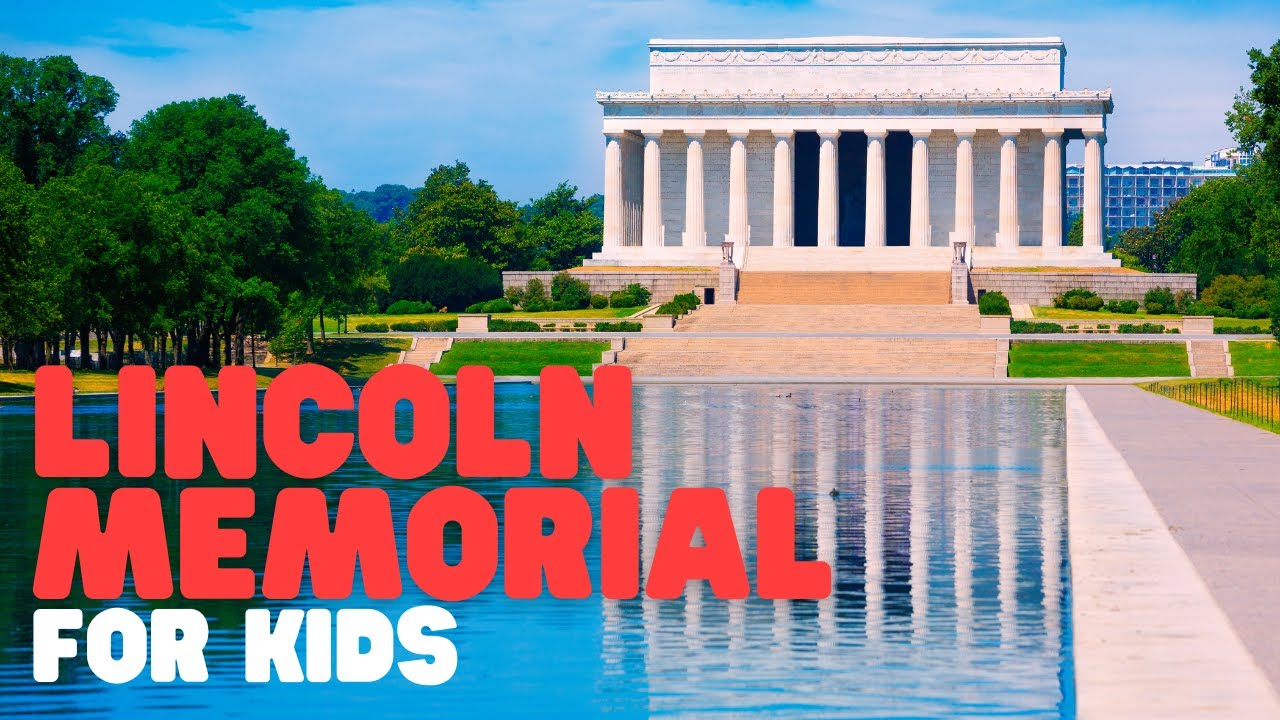
What is a memorial? In Lincoln Memorial for Kids, your students will learn the history surrounding this famous structure. Memorials or monuments (like statues) represent something unique to everyone who sees them. Monuments have meaning and significance to the people who visit them. Although there are thousands of monuments across the United States, many of the most famous monuments are in our nation’s capital—Washington, DC.
One of the most famous monuments in the US is the Lincoln Memorial. Abraham Lincoln is a true American success story. He was the son of a poor farmer who lived on the frontier. He read books that he borrowed after long days working on the farm. But eventually, in 1837, Lincoln worked hard enough to earn a law degree. In 1846, he was elected to the House of Representatives. His calm demeanor and willingness to compromise helped heal the war-torn nation and reunite the North and South into one country. Unfortunately, Lincoln was assassinated in April of 1865, in the middle of his second presidential term.
Congress began work to create a memorial to remember his patriotism two years after his death. In March of 1867, Congress created a commission to design and build the memorial. It would be another 43 years—1910—before Congress would pass a bill that allowed work to begin on the Lincoln Memorial! It took another 12 years to complete the project from the day of the design and construction. In 1922, President Harding and Chief Justice of the Supreme Court Robert Taft officially accepted the memorial on behalf of the American people.
Ironically, although many African Americans were invited and attended the event, they were moved to a segregated area near the monument. The very people Lincoln had fought so strongly to free still faced racial discrimination nearly 60 years after the Civil War ended in 1865.
We hope you and your student(s) enjoyed learning about this famous monument! If you want even more information, head over to our website and download one of our many free high-interest reading lesson plans, full of activities, worksheets, and more!
https://learnbright.org/lesson....s/social-studies/lin
https://learnbright.org/lesson....s/?filter_subject=hi
What you will learn in Lincoln Memorial for Kids:
0:00 Introduction
0:21 What are memorials and monuments?
1:47 Abe Lincoln History
2:28 Lincoln's political history
3:34 Congress begins plan to build memorial
4:43 Lincoln Memorial today
5:19 Review of the facts
Thank you for watching and learning with us! We’re constantly releasing new content and videos, so click that “Subscribe” button and you’ll get notified.
Find and Follow Us Online:
Facebook: https://www.facebook.com/LearnBright/
Instagram: https://instagram.com/LearnBrightEducation
Pinterest: https://pinterest.com/LearnBrightEducation
YouTube: @LearnBright
Website: https://learnbright.org/
*Teachers and Parents! Did you know? In addition to these great videos, we have also created a library of high-quality and engaging lessons for your elementary aged student(s). Visit us and sign up for a free account, and you'll instantly have access to thousands of lesson plans, learning materials, teaching instructions, activities, and assignments that your kids will really enjoy! We hope to see you soon!
Browse our entire collection of Social Studies lesson plans: https://learnbright.org/lessons/?filter_subject=social-studies
#LincolnMemorial
#WashingtonDC

What are Cardinal Directions? In this video built as an introduction to kids we will learn all about the 4 Cardinal Directions which are: North, South, East, West. Each time you go somewhere, you travel or move in a direction, which is the course or path you move in. You might walk down the street and then turn right or left, later turn around and return home. You are moving in different directions throughout the day. In the same way, cars, airplanes, buses, trains, and other vehicles move in different directions too. However, instead of turning to the right or left, or traveling up or down the
street, there are special words used to name the directions a vehicle or person can travel.
There are four main directions or points called cardinal directions (sometimes cardinal points). The four points include north (N), east (E), south (S), and west (W). The direction words are found on maps, compasses, street signs, and in many other places. The cardinal directions help people travel from place to place. In this video you'll learn it all and even have a chance to practice what you learn at the end.
To enhance your child's learning we invite you to visit us at https://learnbright.org/lesson....s/social-studies/car to download a free 10-page lesson plan with cardinal directions worksheets, activities, and even more fun content.
Thank you for watching and learning with us! We’re constantly releasing new content and videos so click that “Subscribe” button and you’ll notified.
Find and Follow Us Online:
Facebook: https://www.facebook.com/LearnBright/
Instagram: https://instagram.com/LearnBrightEducation
Pinterest: https://pinterest.com/LearnBrightEducation
YouTube: https://www.youtube.com/LearnBright
Website: https://learnbright.org/
*Teachers and Parents! Did you know? In addition to these great videos, we have also created a library of high quality and engaging lessons for your elementary aged student(s). Visit us, sign up for a free account, and instantly you'll have access to thousands of lesson plans, learning materials, teaching instructions, activities, and assignments that your kids will really enjoy! We hope to see you soon!
Browse our entire collection of Reading lesson plans: https://learnbright.org/lessons/?filter_subject=reading
#ASL
#CardinalDirections
#CardinalPoints

In this video about animal behavior we will learn all about the different kinds of behavior including, innate behaviors, reflex behaviors, learned behaviors, imprinting and more! Birds build nests. Dogs sit roll over, chase sticks, and may do other tricks. Spiders build intricate webs. People blink, read books, talk to each other. Bees do special dances. What does each of the actions have in common? You are correct if you said they are behaviors.
A behavior is a way in which an animal or person acts in response to a situation or stimulus. Behaviors are the ways animals interact with other animals or with their environment. However, not all behaviors are attained in the same manner. For example, you had to learn how to read, but you did not learn how to blink. A dog was taught to sit up or roll over, but a dog did not learn how to dig a hole in the ground. Some behaviors animals may be learned, and other behaviors are a part of the animal at birth, and they do not need to learn them. They are born with already knowing how to
perform certain behaviors. You had to learn how to talk, read, and write. Your parents or teachers have taught you to do things, or you may have learned on your own, like playing a favorite game. Other behaviors, like blinking and grasping, are called reflexes; you were born with those behaviors.
The two types of behaviors are called innate behaviors and learned behaviors and in this video we will learn all about these different kinds of animal behaviors.
After finishing the video, we invite you to download our free 12 page lesson plan with more activities, worksheets and learning opportunities about animal behavior. It can be downloaded here: https://learnbright.org/lesson....s/science/animal-beh
Thank you for watching and learning with us! We’re constantly releasing new content and videos, so click that “Subscribe” button and you’ll get notified.
Find and Follow Us Online:
Facebook: https://www.facebook.com/LearnBright/
Instagram: https://instagram.com/LearnBrightEducation
Pinterest: https://pinterest.com/LearnBrightEducation
YouTube: https://www.youtube.com/LearnBright
Website: https://learnbright.org/
*Teachers and Parents! Did you know? In addition to these great videos, we have also created a library of high quality and engaging lessons for your elementary aged student(s). Visit us, sign up for a free account, and instantly you'll have access to thousands of lesson plans, learning materials, teaching instructions, activities, and assignments that your kids will really enjoy! We hope to see you soon!
Browse our entire collection of Science lesson plans: https://learnbright.org/lessons/?filter_subject=science
#ASL
#AnimalBehaviorForKids

Have you ever wondered how your body breathes and converts carbon dioxide to oxygen? In The Respiratory System for Kids video, you will learn how exactly we do this. You will also learn about the other components and functions of this important body system. All living things need oxygen to survive. As humans, we use our lungs and other parts of the body to breathe properly and receive oxygen.
Our lungs take up most of the space in our chest, and our ribs are there to protect them and the heart. Speaking of the heart, the left lung is smaller than the right so that there's more room for the heart! On the outside, lungs are pink, spongelike, and kind of squishy. Another fun fact: Yawning is a sign that the body needs more oxygen. When we get sleepy, the brain sends a particular signal in tell our lungs to breathe in more air.
Have you ever noticed that you can breathe through both your mouth and your nose? If we breathe through the nose, the air gets filtered by tiny hairs called cilia. These hairs line the passageways of the nose to filter out dust and other substances. The air travels down the trachea, or windpipe, which is also lined with cilia.
The pharynx, which is actually part of both the respiratory and digestive systems, carries food and air divided into two pathways. The esophagus is for food and leads to the stomach. Air travels through the larynx (voice box) that leads to the trachea. At the back of the throat area is a flap of tissue called an epiglottis. The epiglottis covers the air-only passage when we swallow to keep food or drink out of the windpipe. Keep watching to learn more.
We hope you and your student(s) enjoyed learning about this important body system! If you want to learn even more, head over to our website and download one of our many free lesson plans about the human body and how it works, full of activities, worksheets, and more!
https://learnbright.org/lesson....s/science/the-respir
What you will learn in Respiratory System for Kids:
0:00 Introduction to the lungs
0:32 Main purpose of the respiratory system
1:10 How lungs function
2:06 Information about the diaphragm
3:02 The nose, mouth, pharynx, and trachea
4:07 The epiglottis, bronchi, and bronchioles
5:13 Alveoli and the exchange of oxygen and carbon dioxide
6:58 Review of the facts
Thank you for watching and learning with us! We’re constantly releasing new content and videos, so click that “Subscribe” button and you’ll get notified.
Find and Follow Us Online:
Facebook: https://www.facebook.com/LearnBright/
Instagram: https://instagram.com/LearnBrightEducation
Pinterest: https://pinterest.com/LearnBrightEducation
YouTube: @LearnBright
Website: https://learnbright.org/
*Teachers and Parents! Did you know? In addition to these great videos, we have also created a library of high-quality and engaging lessons for your elementary aged student(s). Visit us, sign up for a free account, and instantly you'll have access to thousands of lesson plans, learning materials, teaching instructions, activities, and assignments that your kids will really enjoy! We hope to see you soon!
Browse our entire collection of Science lesson plans: https://learnbright.org/lessons/?filter_subject=science
#ASL
#RespiratorySystem
#Breathing

In this video we discuss the difference between simple and compound sentences. Simple sentences must have just two parts; a Subject and a predicate or verb. Compound sentences are made up of two complete simple sentences or independent clauses. Don't worry, once you've watched this video you'll be able to identify the difference and feel comfortable with both types of sentences.
If your looking for more resources about Simple and compound sentences be sure to download our free 12 page lesson plan (built for grades 1-3) here: https://learnbright.org/lesson....s/language-arts/simp
Thank you for watching and learning with us! We’re constantly releasing new content and videos so click that “Subscribe” button and you’ll notified.
Find and Follow Us Online:
Facebook: https://www.facebook.com/LearnBright/
Instagram: https://instagram.com/LearnBrightEducation
Pinterest: https://pinterest.com/LearnBrightEducation
YouTube: https://www.youtube.com/LearnBright
Website: https://learnbright.org/
*Teachers and Parents! Did you know? In addition to these great videos, we have also created a library of high quality and engaging lessons for your elementary aged student(s). Visit us, sign up for a free account, and instantly you'll have access to thousands of lesson plans, learning materials, teaching instructions, activities, and assignments that your kids will really enjoy! We hope to see you soon!
Browse our entire collection of Language Arts lesson plans: https://learnbright.org/lessons/?filter_subject=language-arts
#ASL
#SimpleSentence
#CompoundSentence

What is an inference? Making an inference simply means to use what you already know to make a guess about something that you don’t know. It is a very important reading comprehension skill and throughout this video we help your kids and students practice making inferences.
There are 4 main steps to making inferences that we cover in this video. They are:
1. Read the text.
2. Look for clues or important facts and details.
3. Combine those details with things that you already know.
4. Make inferences about what you are reading.
We hope this video is helpful as you teach your kids about inferences and reading comprehension overall. If you are looking for more inferences resources? We have 6 different inference lesson plans with more activities, worksheets, classroom teaching ideas and more (for grades 1-6). Find your lesson here: https://learnbright.org/?s=inferences
Thank you for watching! Share your thoughts in the comments below and be sure to subscribe!
Find and Follow us Online:
Facebook: https://www.facebook.com/LearnBright/
Instagram: https://instagram.com/LearnBrightEducation
Pinterest: https://pinterest.com/LearnBrightEducation
YouTube: https://www.youtube.com/LearnBright
Website: https://learnbright.org/
Are you a K-6 grade teacher looking for more teaching resources? We don’t only provide video content but high quality lesson plans as well. 100% free with handouts, worksheets, classroom activities and more!
Browse our collection of other Reading lesson plans: https://learnbright.org/lessons/?filter_subject=reading
#Whatisaninference
#InferencesForKids

In this video we learn all about the five senses for Kids. Your students may wonder, "What are the Five Senses?" or not even realize that they use them every single day. As you know the 5 senses are: the sense of sight, sense of taste, sense of sound, sense of smell, and sense of touch. These senses are can vary between individuals (stronger or weaker) so throughout this video we will help your kids learn how each of them work AND be able to identify when we are experiencing one of these senses.
In addition to this video, we have a full 8 page lesson plan with worksheets and activities available for FREE here: https://learnbright.org/lesson....s/science/five-sense
Thank you for watching and learning with us! We’re constantly releasing new content and videos, so click that “Subscribe” button and you’ll get notified.
Find and Follow Us Online:
Facebook: https://www.facebook.com/LearnBright/
Instagram: https://instagram.com/LearnBrightEducation
Pinterest: https://pinterest.com/LearnBrightEducation
YouTube: https://www.youtube.com/LearnBright
Website: https://learnbright.org/
*Teachers and Parents! Did you know? In addition to these great videos, we have also created a library of high quality and engaging lessons for your elementary aged student(s). Visit us, sign up for a free account, and instantly you'll have access to thousands of lesson plans, learning materials, teaching instructions, activities, and assignments that your kids will really enjoy! We hope to see you soon!
Browse our entire collection of Science lesson plans: https://learnbright.org/lessons/?filter_subject=science
#ASL
#TheFiveSenses
#FiveSenses

What does Newton's last law of motion state? In this Newton's Third Law of Motion video for kids, you will learn the answer to that question and much more. The third law states that for every action, there is an equal and opposite reaction. What does this actually mean?
Think of a rocket. The exhaust from an erupting rocket moves downward while the actual rocket moves upward. Another example is found when a cannonball shoots out of a cannon. The cannonball shoots forward as the cannon moves backward. Because the cannon is so much heavier than the cannonball, it doesn't look like it moves very far, but the reaction is still equal in the amount of force.
One last thing. Have you ever tried to move heavy furniture? You may have noticed that it starts out kind of hard to move. However, as you start to move the heavy object, it gets a little easier. The friction that happens is sliding friction, which is the same sensation you get when you rub your hands together really quickly! Notice how your hands get warm? That's why!
We hope you and your student(s) enjoyed learning about Newton's final law of motion! If you want to learn even more, head over to our website and download one of our many free lesson plans, full of activities, worksheets, and more!
https://learnbright.org/lesson....s/science/newtons-la
What you will learn in Newton's Third Law of Motion for Kids:
0:00 Introduction to Newton's third law of motion
0:47 How action and reaction work together in a rocket
1:54 Amount of force is always equal on both sides
2:40 Example of action and reaction
3:02 Static friction from horizontal force
Thank you for watching and learning with us! We’re constantly releasing new content and videos, so click that “Subscribe” button and you’ll get notified.
Find and Follow Us Online:
Facebook: https://www.facebook.com/LearnBright/
Instagram: https://instagram.com/LearnBrightEducation
Pinterest: https://pinterest.com/LearnBrightEducation
YouTube: @LearnBright
Website: https://learnbright.org/
*Teachers and Parents! Did you know? In addition to these great videos, we have also created a library of high-quality and engaging lessons for your elementary aged student(s). Visit us, sign up for a free account, and instantly you'll have access to thousands of lesson plans, learning materials, teaching instructions, activities, and assignments that your kids will really enjoy! We hope to see you soon!
Browse our entire collection of Science lesson plans: https://learnbright.org/lessons/?filter_subject=science
#NewtonsThirdLawOfMotion
#NewtonsLawsOfMotion

What do you know about sharks? Did you know they are technically a type of fish? Did you know they have been around for about 450 million years? That's older than the dinosaurs! In this video, you and your kids will learn all about sharks and what makes them a unique creature on this earth.
For one thing, sharks don't have any bones in their bodies! Their skeletons are made of cartilage, which is what your ears and noses are made of. Sharks also have up to 14 gill slits that help them filter oxygen from the water. Most sharks look pretty similar to one another, but there a number of species that looks pretty interesting! Hammerheads and saw sharks are among those odd-looking fish.
The biggest fish in the world is the whale shark, which can weigh up to 41,000 pounds and be as long as 33 feet. Whale sharks are among the 400 currently known species of shark. And all these sharks often have distinct shapes, colors, teeth, diet, and more. In addition, there are a number of very unique qualities that make sharks special. Watch the video to find out!
We hope you and your student(s) enjoyed learning about sharks! If you want to learn even more, head over to our website and download one of our many free lesson plans about these cool fish, full of activities, worksheets, and more!
https://learnbright.org/lesson....s/science/types-of-f
https://learnbright.org/lesson....s/science/identify-a
What you will learn in Landforms for Kids:
0:00 Introduction to sharks and what they are
1:00 Different types of sharks and their characteristics
1:51 Largest shark and its traits
2:23 How many species of sharks are there?
3:03 Unique qualities of shark (tapetum, electroreceptors, placoid scales)
4:22 All about sharks' teeth
5:36 Tonic immobility
6:22 Review about sharks
Check out some of our other shark-related videos here:
Oceans: https://youtu.be/1WZsxVDTqcU
Ocean Animals: https://youtu.be/8adtdg0N2-g
All about Fish: https://youtu.be/TwVAMry3SQ0
Thank you for watching and learning with us! We’re constantly releasing new content and videos, so click that “Subscribe” button and you’ll get notified.
Find and Follow Us Online:
Facebook: https://www.facebook.com/LearnBright/
Instagram: https://instagram.com/LearnBrightEducation
Pinterest: https://pinterest.com/LearnBrightEducation
YouTube: @LearnBright
Website: https://learnbright.org/
*Teachers and Parents! Did you know? In addition to these great videos, we have also created a library of high-quality and engaging lessons for your elementary aged student(s). Visit us, sign up for a free account, and instantly you'll have access to thousands of lesson plans, learning materials, teaching instructions, activities, and assignments that your kids will really enjoy! We hope to see you soon!
Browse our entire collection of Science lesson plans: https://learnbright.org/lessons/?filter_subject=science
#AllAboutSharksForKids
#Sharks

Comparing and Contrasting can be difficult for kids to learn but it doesn't have to be! In this fun and interactive video you and your students will learn about comparing stories and how to identify similarities and differences between them. We share two unique stories about kids in similar but different situations and help your student(s) practice comparing/contrasting skills.
When completing this video (and the lesson plan with link below) students will learn the steps of
comparing similar stories. Your students will also be able to successfully identify similarities in stories after comparison. These skills greatly affect a child's overall reading comprehension. The more they learn to compare and contrast the more they will be able to comprehend and even remember what they are reading. We hope you enjoy!
Download the free lesson plan (for 1st, 2nd, and 3rd Grades) here: https://learnbright.org/lesson....s/reading/comparing-
Browse our entire collection of Reading lesson plans: https://learnbright.org/lesson....s/?filter_subject=re
Thank you for watching and learning with us! We’re constantly releasing new content and videos so click that “Subscribe” button and you’ll notified.
Find and Follow Us Online:
Facebook: https://www.facebook.com/LearnBright/
Instagram: https://instagram.com/LearnBrightEducation
Pinterest: https://pinterest.com/LearnBrightEducation
YouTube: https://www.youtube.com/LearnBright
Website: https://learnbright.org/
*Teachers and Parents! Did you know? In addition to these great videos, we have also created a library of high quality and engaging lessons for your elementary aged student(s). Visit us, sign up for a free account, and instantly you'll have access to thousands of lesson plans, learning materials, teaching instructions, activities, and assignments that your kids will actually enjoy! We hope to see you soon!
#ComparingSimilarStories
#ReadingComprehension

Industrial Revolution for Kids - a simple yet comprehensive overview to help your kids/students better understand and appreciate everything that went into the industrial revolution.
Together we will learn about how people during this time worked hard to provide everything that they had, from working the fields to sewing their own clothes. During this period, home and many other goods were transferred into factories to help build things faster and more efficiently.
The industrial revolution helped shape the world as we know it today! Use this video side by side with our Industrial Revolution Lesson plan found on our website.
Industrial Revolution Lesson Plan: https://learnbright.org/lesson....s/social-studies/the
Thank you for watching and learning with us! We’re constantly releasing new content and videos so click that “Subscribe” button and you’ll notified.
Find and Follow Us Online:
Facebook: https://www.facebook.com/LearnBright/
Instagram: https://instagram.com/LearnBrightEducation
Pinterest: https://pinterest.com/LearnBrightEducation
YouTube: https://www.youtube.com/LearnBright
Website: https://learnbright.org/
*Teachers and Parents! Did you know? In addition to these great videos, we have also created a library of high quality and engaging lessons for your elementary aged student(s). Visit us, sign up for a free account, and instantly you'll have access to thousands of lesson plans, learning materials, teaching instructions, activities, and assignments that your kids will really enjoy! We hope to see you soon!
Browse our entire collection of Social Studies lesson plans: https://learnbright.org/lessons/?filter_subject=social-studies
#IndustrialRevolution

In our overview of the Olympics for Kids video you will learn all about the history of the olympic games and their importance back then and even today. We learn about the symbols of the olympics, when they started, olympic events, the olympic torch and much more! Both the summer and winter olympic games carry incredible meaning and in this video we explore how we can gain a deeper appreciation for the olympics and our athletes. What olympic event do you want to participate in when you become an olympian?
As with all of our videos: this video was designed to be a teaching resource for k-6 students. Please visit our website for more resources for the olympic games, including worksheets, activities and more.
Olympic History Lesson Plan: https://learnbright.org/lesson....s/social-studies/oly
Thank you for watching and learning with us! We’re constantly releasing new content and videos so click that “Subscribe” button and you’ll notified.
Find and Follow Us Online:
Facebook: https://www.facebook.com/LearnBright/
Instagram: https://instagram.com/LearnBrightEducation
Pinterest: https://pinterest.com/LearnBrightEducation
YouTube: https://www.youtube.com/LearnBright
Website: https://learnbright.org/
*Teachers and Parents! Did you know? In addition to these great videos, we have also created a library of high quality and engaging lessons for your elementary aged student(s). Visit us, sign up for a free account, and instantly you'll have access to thousands of lesson plans, learning materials, teaching instructions, activities, and assignments that your kids will really enjoy! We hope to see you soon!
Browse our entire collection of Social Studies lesson plans: https://learnbright.org/lessons/?filter_subject=social-studies
More History Videos: https://www.youtube.com/watch?v=9jg0XqMNJME&list=PLyqf1JCzOf_lebjpcvYeBOEa8WXej7Kpt
#ASL
#OlympicHistory