Los mejores videos

Educational video for kids to learn Latin American flags. They will have to spot the different flag. With this challenge, kids will practise visual attention and mental agility. They'll have 15 seconds to spot the flag; if they can't make it within this time frame, you could always stop the video. Test you attention skills!
Thanks for visiting us! If you want your children to smile and learn, subscribe! :D
We only upload our own content, designed by educators so that children smile and learn while watching a video.
All of our content reinforces educational values, encouraging the use of multiple intelligences and language learning.
If you like our videos, download “The Smart Library” now. You’ll discover more than 70 interactive games and stories for children designed by educators. The stories are based on VALUES like friendship, respect, and generosity, and our games cover all of the MULTIPLE INTELLIGENCES. All our content is in SPANISH, ENGLISH, FRENCH, ITALIAN and PORTUGUESE.

Educational video focused on bilabial letters: letter B, letter M and letter P. Excellent educational resource perfect for Pre-K teachers. This video belongs to a collection of educational material for children to learn the letters of the alphabet.
Thanks for visiting us! If you want your children to smile and learn, subscribe! :D
We only upload our own content, designed by educators so that children smile and learn while watching a video.
All of our content reinforces educational values, encouraging the use of multiple intelligences and language learning.
If you like our videos, download “The Smart Library” now. You’ll discover more than 70 interactive games and stories for children designed by educators. The stories are based on VALUES like friendship, respect, and generosity, and our games cover all of the MULTIPLE INTELLIGENCES. All our content is in SPANISH, ENGLISH, FRENCH, ITALIAN and PORTUGUESE.
The perfect tool to use in and out of school.
Download it today!
-Apple Store: https://itunes.apple.com/us/ap....p/smart-edutainment-
-Google Play: https://play.google.com/store/....apps/details?id=net.
www.smileandlearn.com
Thank you for trusting us with your children's education!
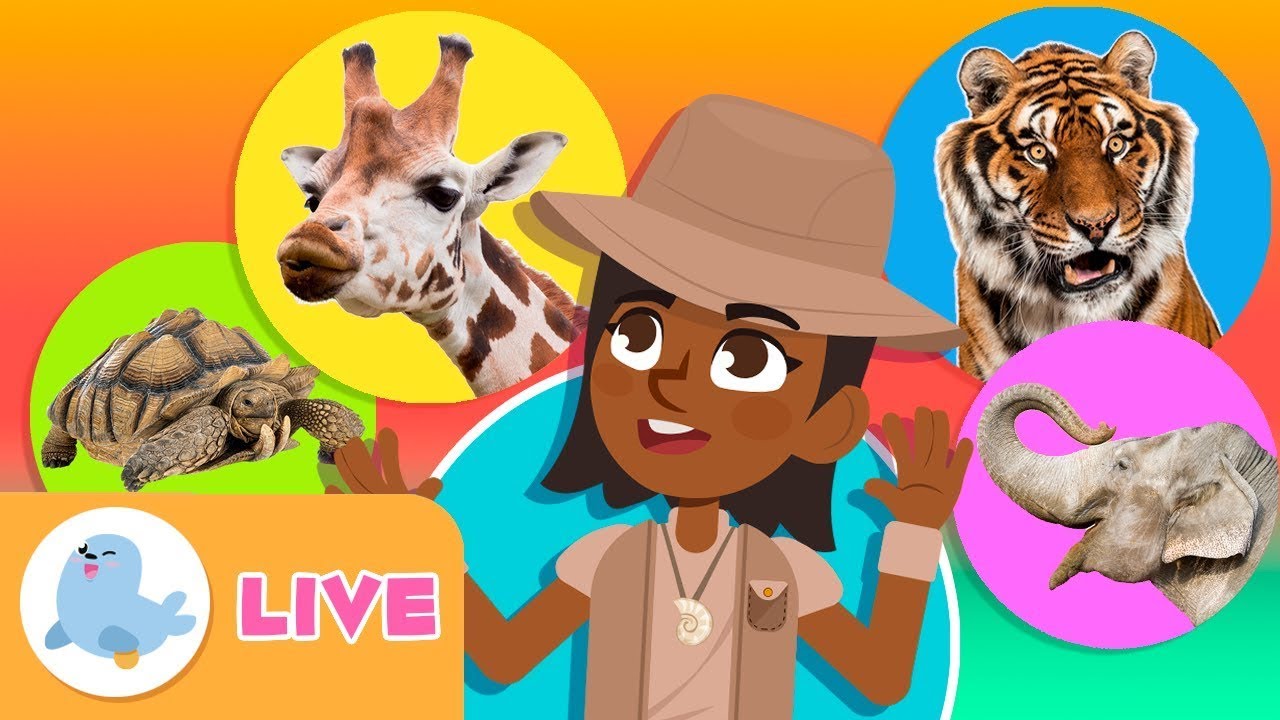
Educational video for children that talks about characteristics of various animals. The lion is a vertebrate animal, that is, it has an internal skeleton. It is a mammal and a carnivore, so it eats other animals that live in the same habitat, the savanna. The penguin is a vertebrate, so it has an internal skeleton as well. It is a flightless bird and feeds on small fish, crustaceans or plankton. The turtle is a vertebrate so it too has an internal skeleton. It is a member of the reptile group. Some turtles are herbivorous, but others are omnivorous, that is, in addition to plants, they also consume animals such as slugs or snails. Turtles live in forests, deserts, lakes and even the sea. Bees are invertebrates, which means they have no internal skeleton. They are arthropod insects and are herbivorous, since their main food is pollen and nectar from flowers, and the honey they make themselves. The elephant is a vertebrate with an internal skeleton. It is a mammal and a herbivore; it eats roots, leaves and the bark of some trees. Elephants live in tropical rainforests and savannas and they are huge. Frogs are vertebrate animals and belong to the amphibian group. There are many types of frogs, but they are all carnivorous; they eat crickets, butterflies, and flies among other things. They live in damp places near bodies of water like rivers, lakes, reservoirs, or even in large puddles. Giraffes are vertebrates, meaning they have an internal skeleton. It is a mammal and a herbivore, mainly eating leaves from the trees it finds in its habitat, the savanna. The shark is a vertebrate and belongs to the fish group. Sharks are carnivorous and their size depends greatly on the species. Jellyfish are invertebrate animals belonging to the coelenterate group. They are carnivorous and feed on plankton, crustaceans, fish eggs and larvae. The spider is an invertebrate and it is an arachnid arthropod. Spiders are carnivores and their size depends greatly on the species. Spiders can be found in all habitats. Butterflies are invertebrates and belong to the insect group. Ninety-nine percent of butterfly species are herbivorous and feed on leaves and nectar. Tigers are mammalian vertebrate animals. They are carnivores, and can be found in the savanna, rainforests and grasslands. Ducks are vertebrate animals belonging to the bird group. They are omnivores because they eat plants, seeds, insects and small fish. They live in damp areas such as rivers, swamps or ponds. Crocodiles are vertebrate animals belonging to the reptile group. They are carnivores and their size depends on the species. They live in rivers, lakes and wetlands. Dogs are vertebrates belonging to the mammal group. Their diet is omnivorous, that is, they eat both meat and vegetables. Their size depends on the breed. They are domestic animals, which means they live together with humans. The zebra is a vertebrate animal, belonging to the mammal group. Their diet is herbivorous, as they eat mainly grass, but also bushes, branches, leaves and bark. They can be found in the savanna and the desert.

Educational video for children to learn what is a volcano. A volcanic eruption occurs when there are fissures in the earth's crust and magma comes out from the earth's interior. And what is magma? Magma is molten rock at extremely high temperatures. When magma rises to the surface we call it lava. Volcanic eruptions emit gases and ash that can be harmful to living things.
This is a video resource that compiles information about volcanic eruptions, it is ideal for elementary school natural science.
Thanks for visiting us! If you want your children to smile and learn, subscribe! :D
If you like our videos, download Smile and Learn now. You’ll discover thousands of activities for children aged 3 to 12 years, all designed by educators. We have hundreds of games, interactive stories and videos in five languages: English, Spanish, Portuguese, Italian, Turkish and French. Try a month for free and start the adventure!
www.smileandlearn.com

Educational video for children that talks about storms. A storm occurs when two air masses of different temperatures and pressures collide and cause phenomena such as rain, hail, snow, lightning, strong winds and even tornadoes! Storms can have different intensities, sometimes they are very mild and sometimes they are very destructive. There are many types of storms such as thunderstorms, sandstorms or snowstorms. Sometimes storms produce hail, which is balls of ice that fall from the sky. Hail can be very harmful to the agriculture, destroying crops and spoiling harvests. It can also cause damage in cities by breaking windows or denting cars.
This video is a very useful and interesting resource for children. It is perfect for teaching about storms. It is an excellent video for early childhood and primary education.
Thanks for visiting us! If you want your children to smile and learn, subscribe! :D
If you like our videos, download Smile and Learn now. You’ll discover thousands of activities for children aged 3 to 12 years, all designed by educators. We have hundreds of games, interactive stories and videos in five languages: English, Spanish, Portuguese, Italian, Turkish and French. Try a month for free and start the adventure!
www.smileandlearn.com

Educational video for children to learn a lot about different eras in history. This is a compilation video of the video series "5 Things You Should Know About...", where children will discover facts about Prehistory (Paleolithic Times, Neolithic Times, Age of Metals), Ancient Egypt, Ancient Greece, the Roman Empire, the Middle Ages and the Industrial Revolution. This Social Studies video is an excellent resource for elementary school.
00:05 Prehistory
04:31 Paleolithic Times
08:23 Neolithic Times
12:04 Age of Metals
15:39 Ancient Egypt
18:40 Ancient Greece
23:06 The Roman Empire
27:29 The Middle Ages
31:31 The Industrial Revolution
Thanks for visiting us! If you want your children to smile and learn, subscribe! :D
We only upload our own content, designed by educators so that children smile and learn while watching a video.
All of our content reinforces educational values, encouraging the use of multiple intelligences and language learning.
If you like our videos, download Smile and Learn now. You’ll discover more than 5.000 activities for children aged 3 to 12 yeards, all designed by educators. We have 250 games and interactive stories and over 280 videos in five languages: English, Spanish, Portuguese, Italian and French. Try a month for free and start the adventure!

Educational video for children to learn numbers from 1 to 10. The little ones will learn how to trace numbers, how to pronounce them and how to count from 1 to 10. The video features a fun numbers song at the end, to consolidate learning. Let's learn how to count together!
This video belongs to a larger collection of numbers videos for children to learn how to count in a fun way. It's an excellent resource for Preschool Education.
Thanks for visiting us! If you want your children to smile and learn, subscribe! :D
We only upload our own content, designed by educators so that children smile and learn while watching a video.
All of our content reinforces educational values, encouraging the use of multiple intelligences and language learning.
If you like our videos, download Smile and Learn now. You’ll discover more than 5.000 activities for children aged 3 to 12 years, all designed by educators. We have 250 games and interactive stories and over 280 videos in five languages: English, Spanish, Portuguese, Italian and French. Try a month for free and start the adventure!

Educational video for children in which they will learn to subtract angles with the sexagesimal system, which uses degrees, minutes and seconds as units. One degree equals 60 minutes and one minute equals 60 seconds. In addition, children will see several examples as they learn how to subtract angles.
This video is a very useful and interesting resource for children to learn how to do angle subtraction. It is an excellent video for primary education.
Thanks for visiting us! If you want your children to smile and learn, subscribe! :D
If you like our videos, download Smile and Learn now. You’ll discover thousands of activities for children aged 3 to 12 years, all designed by educators. We have hundreds of games, interactive stories and videos in five languages: English, Spanish, Portuguese, Italian, Turkish and French. Try a month for free and start the adventure!
www.smileandlearn.com

Educational video for children to learn school related vocabulary. In this the third and last video, children will will find out what some school related words mean: blackboard, dictionary, backpack, timetable, classmates and atlas. They will also learn what these school subjects are: math, literature, natural science, geography, history, languages, arts and physical education. At the end of the video, children can recap what they learned with a fun questions and answers game. Excellent resource for preschool education.
Thanks for visiting us! If you want your children to smile and learn, subscribe! :D
We only upload our own content, designed by educators so that children smile and learn while watching a video.
All of our content reinforces educational values, encouraging the use of multiple intelligences and language learning.
If you like our videos, download Smile and Learn now. You’ll discover more than 5.000 activities for children aged 3 to 12 yeards, all designed by educators. We have 250 games and interactive stories and over 280 videos in five languages: English, Spanish, Portuguese, Italian and French. Try a month for free and start the adventure!

Educational video for children to learn color red, blue, yellow, green, orange, pink, brown, purple, black and white. Toddlers will find out how we pronounce each color and will watch super fun examples of different colored objects. They will also play seek and find games, and learn how to tell one color from the other. Kids will enjoy singing too. Let's learn the colors all together! This video belongs to a collection of videos for kids to learn colors in a fun way. Excellent resource for preschool education.
Thanks for visiting us! If you want your children to smile and learn, subscribe! :D
We only upload our own content, designed by educators so that children smile and learn while watching a video.
All of our content reinforces educational values, encouraging the use of multiple intelligences and language learning.
If you like our videos, download Smile and Learn now. You’ll discover more than 5.000 activities for children aged 3 to 12 yeards, all designed by educators. We have 250 games and interactive stories and over 280 videos in five languages: English, Spanish, Portuguese, Italian and French. Try a month for free and start the adventure!

Education video for children to learn about what are combined operations and how to solve them. Combined operations are those that combine several operations: addition, subtraction, multiplication and division. They can be with or without parentheses. Thanks to several examples, children will be able to practice what they have learned.
This is a useful and interesting video resource for children to learn how to do combined operations. It is a perfect resource for elementary education.
Thanks for visiting us! If you want your children to smile and learn, subscribe! :D
If you like our videos, download Smile and Learn now. You’ll discover thousands of activities for children aged 3 to 12 years, all designed by educators. We have hundreds of games, interactive stories and videos in five languages: English, Spanish, Portuguese, Italian, Turkish and French. Try a month for free and start the adventure!
www.smileandlearn.com

Educational video for kids to learn how to get to know themselves. They will identify both their positive and negative traits, learn how others see them and how they see themselves when they look inside.
This educational video helps to enhance the positive aspects of our personality and work on our negative traits in order to improve them. Wonderful resource for Primary Education.
Thanks for visiting us! If you want your children to smile and learn, subscribe! :D
We only upload our own content, designed by educators so that children smile and learn while watching a video.
All of our content reinforces educational values, encouraging the use of multiple intelligences and language learning.
If you like our videos, download “The Smart Library” now. You’ll discover more than 70 interactive games and stories for children designed by educators. The stories are based on VALUES like friendship, respect, and generosity, and our games cover all of the MULTIPLE INTELLIGENCES. All our content is in SPANISH, ENGLISH, FRENCH, ITALIAN and PORTUGUESE.
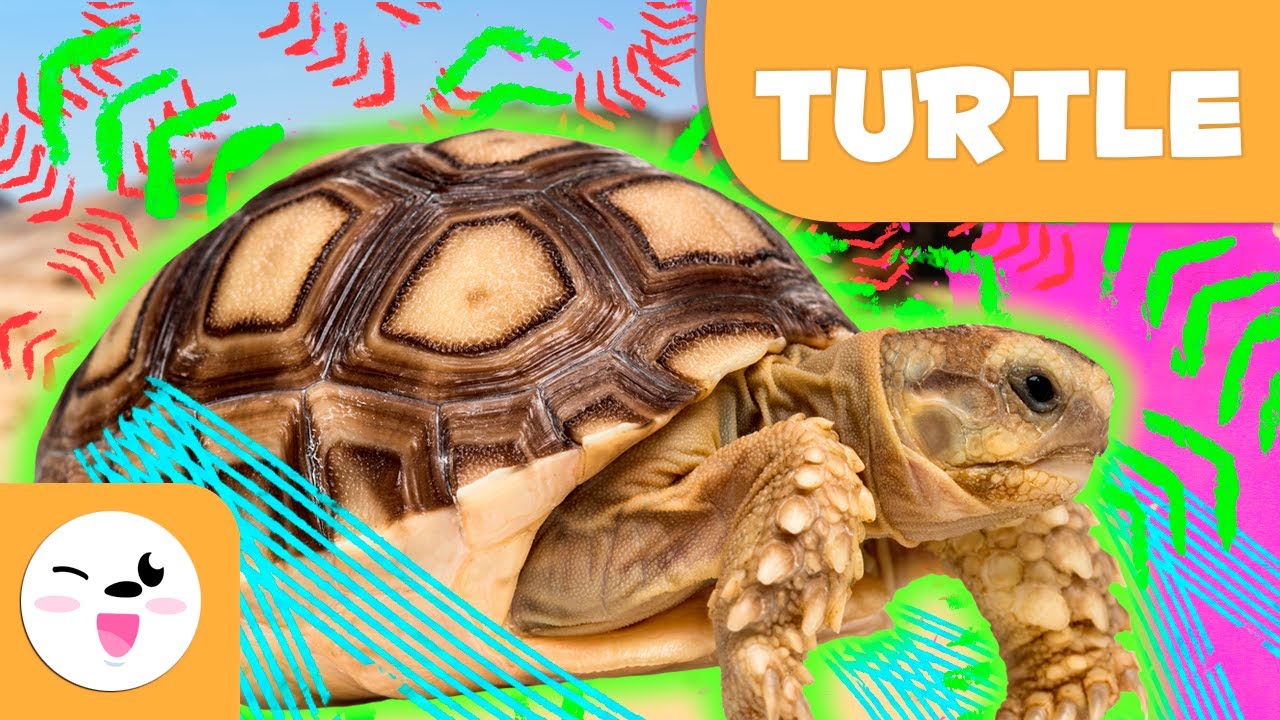
Educational video for children to learn about turtles' characteristics and curiosities. The turtle is a vertebrate, reptilian, and omnivorous animal that lives on every continent. Turtles are oviparous animals, that means, they lay eggs that their mothers incubate in nests that they dig in the ground. They are covered by a shell made up of many bones that serve as a protection against predators. Tortoises live for many years and they existed on land long before we did.
In this educational video, kids will find out lots of interesting facts about turtles. This is a perfect video for elementary education.
Thanks for visiting us! If you want your children to smile and learn, subscribe! :D
We only upload our own content, designed by educators so that children smile and learn while watching a video.
All of our content reinforces educational values, encouraging the use of multiple intelligences and language learning.
If you like our videos, download Smile and Learn now. You’ll discover thousands of activities for children aged 3 to 12 yeards, all designed by educators. We have hundreds of games, interactive stories and videos in five languages: English, Spanish, Portuguese, Italian and French. Try a month for free and start the adventure!

Educational video for children that talks about what landslides are. A landslide is a displacement of a large mass of earth or rocks that slides from a higher elevation to a lower one. Landslides can be caused by different factors, such as heavy rains, earthquakes, volcanoes or simply by instability in a particular area of land. As with other natural disasters, human action can intensify the severity of landslides. Deforestation is one of the triggers: when there are no roots to help keep the soil together, the soil becomes wet due to rainfall and landslides occur.
This video is a very useful and interesting resource for children. It is perfect for teaching about landslides. It is an excellent video for preschool and elementary school.
Thanks for visiting us! If you want your children to smile and learn, subscribe! :D
If you like our videos, download Smile and Learn now. You’ll discover thousands of activities for children aged 3 to 12 years, all designed by educators. We have hundreds of games, interactive stories and videos in five languages: English, Spanish, Portuguese, Italian, Turkish and French. Try a month for free and start the adventure!
www.smileandlearn.com

Educational video for children to learn about the characteristics and curiosities of frogs. Frogs are vertebrate and carnivorous animals. Like other amphibians, they live in damp places near water in rivers, ponds, reservoirs or even in large puddles. Did you know that the smallest frogs weigh about 0.18 ounces and the largest can weigh up to 18 ounces? This video is a very useful and an interesting resource for children, it explains the most important aspects of frogs, as well as the most shocking curiosities they may have heard. It is an excellent video for early childhood education and for teaching young children about some frog qualities.
Thanks for visiting us! If you want your children to smile and learn, subscribe! :D
If you like our videos, download Smile and Learn now. You’ll discover thousands of activities for children aged 3 to 12 yeards, all designed by educators. We have hundreds of games, interactive stories and videos in five languages: English, Spanish, Portuguese, Italian, Turkish and French. Try a month for free and start the adventure!
www.smileandlearn.com

Educational video for children that talks about the origin of materials. All objects are composed of materials. They can be of two types: natural or artificial. Natural materials are obtained from nature and can be of animal, plant or mineral origin. An example of a material of animal origin is wool, of plant origin is wood and of mineral origin is a silver chain. When we alter natural materials to create others, we are talking about artificial materials. For example, paper is made from the wood of trees.
This video is a very useful and interesting resource for children. It is perfect for teaching the origin of materials. It is an excellent video for primary education.
Thanks for visiting us! If you want your children to smile and learn, subscribe! :D
If you like our videos, download Smile and Learn now. You’ll discover thousands of activities for children aged 3 to 12 years, all designed by educators. We have hundreds of games, interactive stories and videos in five languages: English, Spanish, Portuguese, Italian, Turkish and French. Try a month for free and start the adventure!
www.smileandlearn.com

Educational video for kids which teaches them how to practice cursive script letter-writing for letter H. Kids will learn how to pronounce and write the alphabet letters with many word examples which start with or include the letter H. This video is part of a larger collection of videos with alphabet learning teaching material and cursive writing material. Excellent resource for Preschool Education.
Thanks for visiting us! If you want your children to smile and learn, subscribe! :D
We only upload our own content, designed by educators so that children smile and learn while watching a video.
All of our content reinforces educational values, encouraging the use of multiple intelligences and language learning.
If you like our videos, download “The Smart Library” now. You’ll discover more than 70 interactive games and stories for children designed by educators. The stories are based on VALUES like friendship, respect, and generosity, and our games cover all of the MULTIPLE INTELLIGENCES. All our content is in SPANISH, ENGLISH, FRENCH, ITALIAN and PORTUGUESE.

Educational video for children to learn kitchen utensils vocabulary. They will discover what kitchen utensils are and what we use them for. In this video, children will learn the words: fry-pan, pressure cooker, pot, blender, microwave, coffee maker, rolling pin, toaster, stove, kitchen knife, cutting board, refrigerator, freezer, platter, kitchen scale, dishwasher, spatula, peeler, squeezer, skimmer, colander, grater, ice tray, kitchen mortar, kitchen scissors, bowl and kitchen sink. At the end of the video, they will do a quick recap of all the newswords they've learned. Excellent resource for preschool education.
Thanks for visiting us! If you want your children to smile and learn, subscribe! :D
We only upload our own content, designed by educators so that children smile and learn while watching a video.
All of our content reinforces educational values, encouraging the use of multiple intelligences and language learning.
If you like our videos, download Smile and Learn now. You’ll discover more than 5.000 activities for children aged 3 to 12 yeards, all designed by educators. We have 250 games and interactive stories and over 280 videos in five languages: English, Spanish, Portuguese, Italian and French. Try a month for free and start the adventure!

Video to help young learners discovers the letter "D". They’ll have fun learning how it sounds, how to write it, and words that start with it.
Thanks for visiting us! If you want your children to smile and learn, subscribe! :D
Why is it good for children to see Smile and Learn’s videos?
+We only upload our own content, designed by educators so that children smile and learn while watching a video.
+All of our content reinforces educational values, encouraging the use of multiple intelligences and language learning.
*If you like our videos, download “The Smart Library” now. You’ll discover more than 30 interactive games and stories for children designed by educators. The stories are based on VALUES like friendship, respect, and generosity, and our games cover all of the MULTIPLE INTELLIGENCES. All our content is in SPANISH, ENGLISH, and FRENCH.
The perfect tool to use in and out of school.
Download it today!
-Apple Store: http://bit.ly/Biblioteca_Inteligente_...
-Google Play: http://bit.ly/Biblioteca_Inteligente_...
For more information, visit our website: https://smileandlearn.net/
If you want the latest news and new stories or games:
Follow us on:
+Facebook: https://www.facebook.com/Smileandlearn
+Instagram: https://www.instagram.com/smileandlea...
+Twitter: https://twitter.com/smileandlearn
+Pinterest: https://es.pinterest.com/smileandlearn/
Thank you for trusting us with your children's education!

An educational video about the city of Murcia. The children will learn about the most symbolic and traditional buildings, such as the Cathedral and the Romea Theatre, as well as it's traditions and characters.
Thanks for visiting us! If you want your children to smile and learn, subscribe! :D
Lola and Javi have a school project based on their family. Thanks to their dad's magic map, they will travel around the world. Visiting incredible cities and family members along the way. They will learn interesting facts about buildings, people and famous cultural habits. Thanks to this educational video, children will learn about Geography and different family members.
Why is it good for children to see Smile and Learn’s videos?
+We only upload our own content, designed by educators so that children smile and learn while watching a video.
+All of our content reinforces educational values, encouraging the use of multiple intelligences and language learning.
*If you like our videos, download “The Smart Library” now. You’ll discover more than 30 interactive games and stories for children designed by educators. The stories are based on VALUES like friendship, respect, and generosity, and our games cover all of the MULTIPLE INTELLIGENCES. All our content is in SPANISH, ENGLISH, and FRENCH.
The perfect tool to use in and out of school.
Download it today!
-Apple Store: http://bit.ly/Biblioteca_Intel....igente_SmileandLearn
-Google Play: http://bit.ly/Biblioteca_Inteligente_GooglePlay
For more information, visit our website: https://smileandlearn.net/
If you want the latest news and new stories or games:
Follow us on:
+Facebook: https://www.facebook.com/Smileandlearn
+Instagram: https://www.instagram.com/smileandlearnapp/
+Twitter: https://twitter.com/smileandlearn
+Pinterest: https://es.pinterest.com/smileandlearn/
Thank you for trusting us with your children's education!

Educational video for kids which teaches them how to practice cursive script letter-writing for letter R. Kids will learn how to pronounce and write the alphabet letters with many word examples which start with or include the letter R.
This video is part of a larger collection of videos with alphabet learning teaching material and cursive writing material. Excellent resource for Preschool Education.
Thanks for visiting us! If you want your children to smile and learn, subscribe! :D
We only upload our own content, designed by educators so that children smile and learn while watching a video.
All of our content reinforces educational values, encouraging the use of multiple intelligences and language learning.
If you like our videos, download “The Smart Library” now. You’ll discover more than 70 interactive games and stories for children designed by educators. The stories are based on VALUES like friendship, respect, and generosity, and our games cover all of the MULTIPLE INTELLIGENCES. All our content is in SPANISH, ENGLISH, FRENCH, ITALIAN and PORTUGUESE.
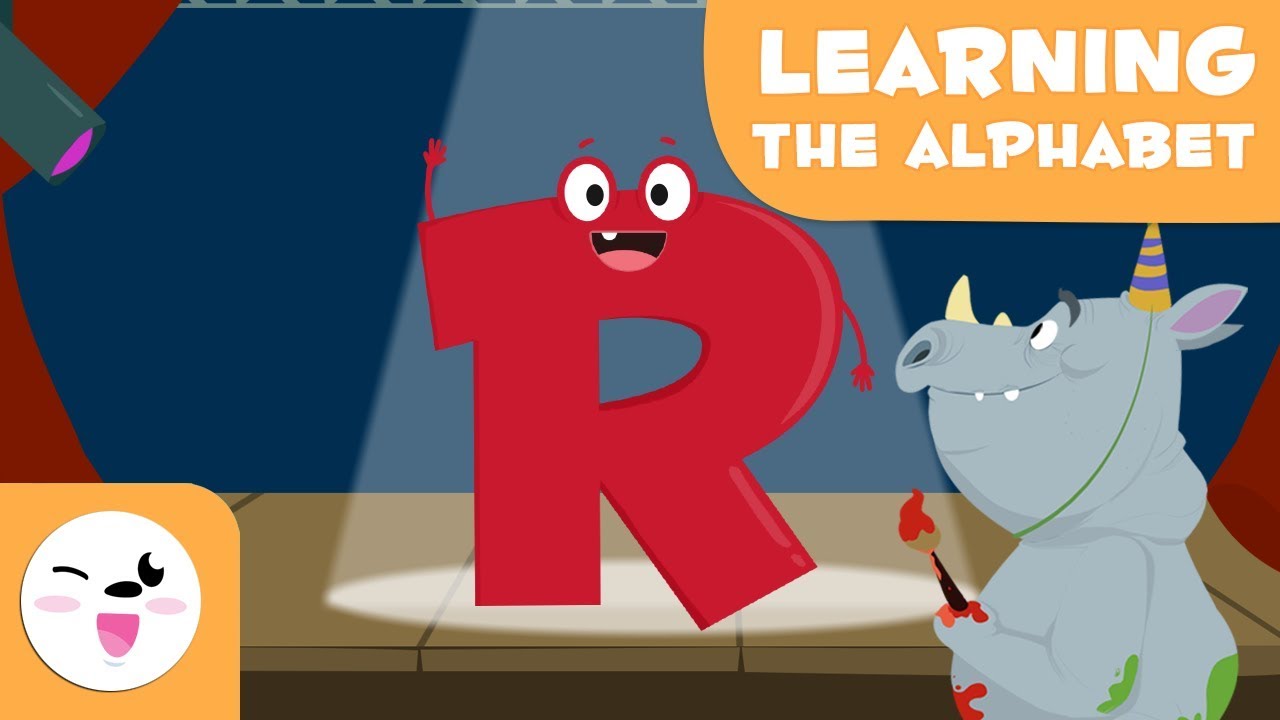
It's time to learn more about the alphabet! Today kids can learn more about the letter R by hearing its sound, writing it and memorizing words with the letter in it, always in a fun and entertaining way.
This video is part of a series focusing on the letters of the alphabet, the video shows some words that start with the letter R in order to check its sound. At the end of the video children can find a sing-along to practice!
Thanks for visiting us! If you want your children to smile and learn, subscribe! :D
Why is it good for children to see Smile and Learn’s videos?
+We only upload our own content, designed by educators so that children smile and learn while watching a video.
+All of our content reinforces educational values, encouraging the use of multiple intelligences and language learning.
*If you like our videos, download “The Smart Library” now. You’ll discover more than 30 interactive games and stories for children designed by educators. The stories are based on VALUES like friendship, respect, and generosity, and our games cover all of the MULTIPLE INTELLIGENCES. All our content is in SPANISH, ENGLISH, and FRENCH.
The perfect tool to use in and out of school.
Download it today!
-Apple Store: http://bit.ly/Biblioteca_Inteligente_...
-Google Play: http://bit.ly/Biblioteca_Inteligente_...
For more information, visit our website: https://smileandlearn.net/
If you want the latest news and new stories or games:
Follow us on:
+Facebook: https://www.facebook.com/Smileandlearn
+Instagram: https://www.instagram.com/smileandlea...
+Twitter: https://twitter.com/smileandlearn
+Pinterest: https://es.pinterest.com/smileandlearn/
Thank you for trusting us with your children's education!

Educational video for children to learn about the most used adjectives to describe objects. In this video children will learn some of the most common adjectives and their opposites: old, new, heavy, light, flexible, rigid, soft, hard, full, empty. Thanks to easy and fun examples, children will discover adjectives used to describe objects.
This video is a very useful and interesting resource for children to teach them about adjectives used to describe objects. It is an excellent video for early childhood education.
Thanks for visiting us! If you want your children to smile and learn, subscribe! :D
If you like our videos, download Smile and Learn now. You’ll discover thousands of activities for children aged 3 to 12 years, all designed by educators. We have hundreds of games, interactive stories and videos in five languages: English, Spanish, Portuguese, Italian, Turkish and French. Try a month for free and start the adventure!
www.smileandlearn.com

Discover the difference between climate and weather in this educational short for kids. Learn how factors like latitude, altitude and ocean currents influence weather, as well as how these elements vary from place to place. Join us on this weather adventure and have fun learning!
Thanks for visiting us! If you want your children to smile and learn, subscribe! :D
If you like our videos, download Smile and Learn now. You’ll discover thousands of activities for children aged 3 to 12 years, all designed by educators. We have hundreds of games, interactive stories and videos in five languages: English, Spanish, Portuguese, Italian, Turkish and French. Try a month for free and start the adventure!
www.smileandlearn.com

Educational video for children to learn about the letters g and j of the alphabet through a fun song and several examples. Children will discover how to pronounce the letters accompanied by other vowels: ga, ge, gi, go, gu, ja, je, ji, jo and ju. They will also sing along with super fun characters while learning the alphabet.
This is a very useful and interesting video resource for children to learn the ABC's. It is an excellent video for early childhood education.
Thanks for visiting us! If you want your children to smile and learn, subscribe! :D
If you like our videos, download Smile and Learn now. You’ll discover thousands of activities for children aged 3 to 12 years, all designed by educators. We have hundreds of games, interactive stories and videos in five languages: English, Spanish, Portuguese, Italian, Turkish and French. Try a month for free and start the adventure!
www.smileandlearn.com