Top videos
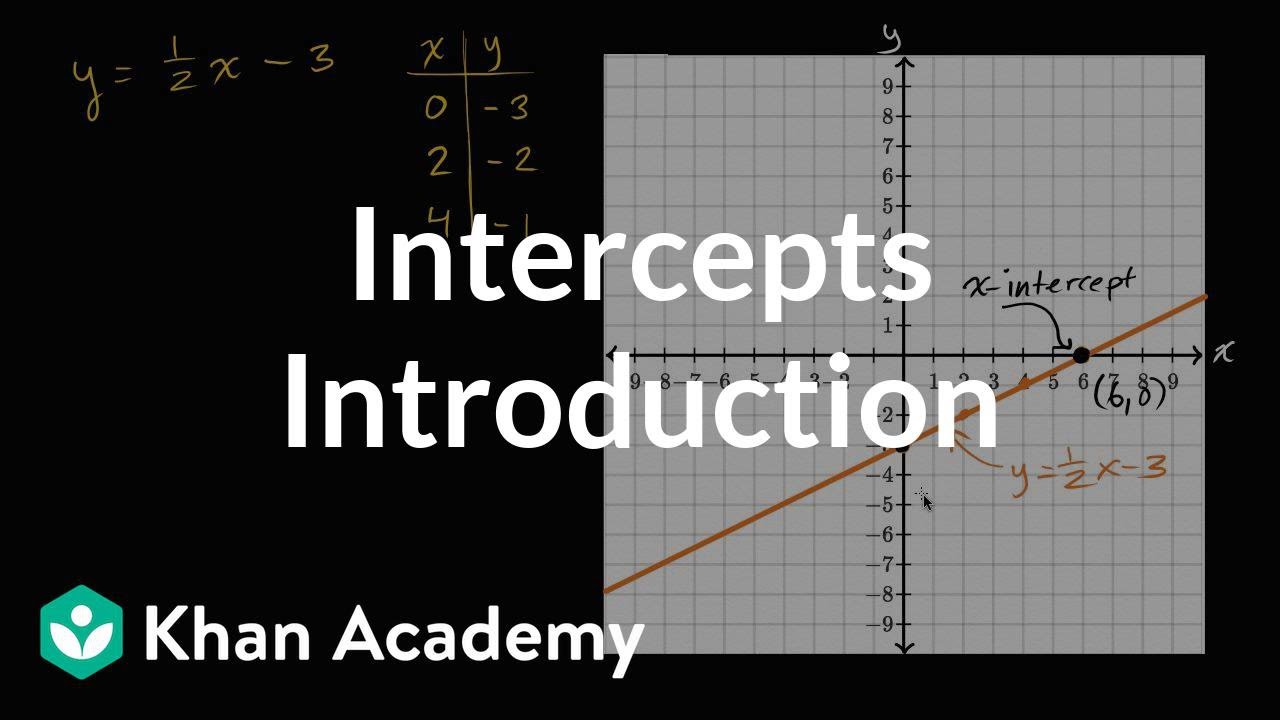
Courses on Khan Academy are always 100% free. Start practicing—and saving your progress—now: https://www.khanacademy.org/ma....th/algebra/x2f8bb115
Learn what x- and y-intercepts are. The equations used in this video are y = 0.5x - 3 and 5x + 6y = 30.
Watch the next lesson: https://www.khanacademy.org/math/algebra/two-var-linear-equations-and-intro-to-functions/x-and-y-intercepts/v/finding-x-intercept-of-a-line?utm_source=YT&utm_medium=Desc&utm_campaign=AlgebraI
Missed the previous lesson?
https://www.khanacademy.org/math/algebra/two-var-linear-equations-and-intro-to-functions/solutions-to-two-var-linear-equations/v/graphing-solutions-to-2-variable-linear-equations-1?utm_source=YT&utm_medium=Desc&utm_campaign=AlgebraI
Algebra I on Khan Academy: Algebra is the language through which we describe patterns. Think of it as a shorthand, of sorts. As opposed to having to do something over and over again, algebra gives you a simple way to express that repetitive process. It's also seen as a "gatekeeper" subject. Once you achieve an understanding of algebra, the higher-level math subjects become accessible to you. Without it, it's impossible to move forward. It's used by people with lots of different jobs, like carpentry, engineering, and fashion design. In these tutorials, we'll cover a lot of ground. Some of the topics include linear equations, linear inequalities, linear functions, systems of equations, factoring expressions, quadratic expressions, exponents, functions, and ratios.
About Khan Academy: Khan Academy offers practice exercises, instructional videos, and a personalized learning dashboard that empower learners to study at their own pace in and outside of the classroom. We tackle math, science, computer programming, history, art history, economics, and more. Our math missions guide learners from kindergarten to calculus using state-of-the-art, adaptive technology that identifies strengths and learning gaps. We've also partnered with institutions like NASA, The Museum of Modern Art, The California Academy of Sciences, and MIT to offer specialized content.
For free. For everyone. Forever. #YouCanLearnAnything
Subscribe to Khan Academy’s Algebra channel:
https://www.youtube.com/channe....l/UCYZrCV8PNENpJt36V
Subscribe to Khan Academy: https://www.youtube.com/subscr....iption_center?add_us
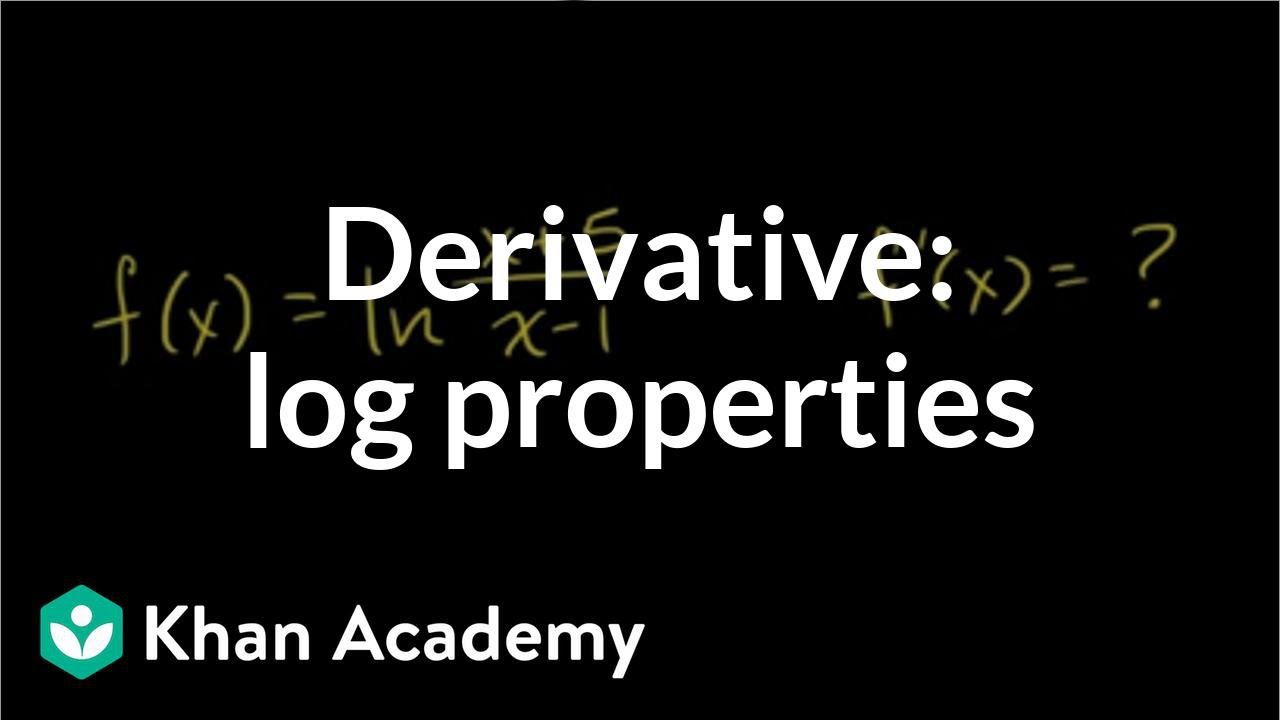
By exploiting our knowledge of logarithms, we can make certain derivatives much smoother to compute. Created by Sal Khan.
Watch the next lesson: https://www.khanacademy.org/math/ap-calculus-ab/ab-derivatives-advanced/ab-adv-derivatives-opt-vids/v/proof-of-derivative-of-ex?utm_source=YT&utm_medium=Desc&utm_campaign=APCalculusAB
Missed the previous lesson? https://www.khanacademy.org/math/ap-calculus-ab/ab-derivatives-advanced/ab-diff-log/v/chain-rule-with-triple-composition?utm_source=YT&utm_medium=Desc&utm_campaign=APCalculusAB
AP Calculus AB on Khan Academy: Bill Scott uses Khan Academy to teach AP Calculus at Phillips Academy in Andover, Massachusetts, and heÕs part of the teaching team that helped develop Khan AcademyÕs AP lessons. Phillips Academy was one of the first schools to teach AP nearly 60 years ago.
About Khan Academy: Khan Academy is a nonprofit with a mission to provide a free, world-class education for anyone, anywhere. We believe learners of all ages should have unlimited access to free educational content they can master at their own pace. We use intelligent software, deep data analytics and intuitive user interfaces to help students and teachers around the world. Our resources cover preschool through early college education, including math, biology, chemistry, physics, economics, finance, history, grammar and more. We offer free personalized SAT test prep in partnership with the test developer, the College Board. Khan Academy has been translated into dozens of languages, and 100 million people use our platform worldwide every year. For more information, visit www.khanacademy.org, join us on Facebook or follow us on Twitter at @khanacademy. And remember, you can learn anything.
For free. For everyone. Forever. #YouCanLearnAnything
Subscribe to Khan AcademyÕs AP Calculus AB channel: https://www.youtube.com/channe....l/UCyoj0ZF4uw8VTFbml
Subscribe to Khan Academy: https://www.youtube.com/subscr....iption_center?add_us

Courses on Khan Academy are always 100% free. Start practicing—and saving your progress—now: https://www.khanacademy.org/ma....th/geometry/hs-geo-s
Two example problems involving similarity
Practice this lesson yourself on KhanAcademy.org right now:
https://www.khanacademy.org/math/geometry/similarity/triangle_similarlity/e/solving_similar_triangles_1?utm_source=YT&utm_medium=Desc&utm_campaign=Geometry
Watch the next lesson: https://www.khanacademy.org/math/geometry/similarity/triangle_similarlity/v/similarity-example-where-same-side-plays-different-roles?utm_source=YT&utm_medium=Desc&utm_campaign=Geometry
Missed the previous lesson?
https://www.khanacademy.org/math/geometry/similarity/triangle_similarlity/v/similar-triangle-example-problems?utm_source=YT&utm_medium=Desc&utm_campaign=Geometry
Geometry on Khan Academy: We are surrounded by space. And that space contains lots of things. And these things have shapes. In geometry we are concerned with the nature of these shapes, how we define them, and what they teach us about the world at large--from math to architecture to biology to astronomy (and everything in between). Learning geometry is about more than just taking your medicine ("It's good for you!"), it's at the core of everything that exists--including you. Having said all that, some of the specific topics we'll cover include angles, intersecting lines, right triangles, perimeter, area, volume, circles, triangles, quadrilaterals, analytic geometry, and geometric constructions. Wow. That's a lot. To summarize: it's difficult to imagine any area of math that is more widely used than geometry.
About Khan Academy: Khan Academy offers practice exercises, instructional videos, and a personalized learning dashboard that empower learners to study at their own pace in and outside of the classroom. We tackle math, science, computer programming, history, art history, economics, and more. Our math missions guide learners from kindergarten to calculus using state-of-the-art, adaptive technology that identifies strengths and learning gaps. We've also partnered with institutions like NASA, The Museum of Modern Art, The California Academy of Sciences, and MIT to offer specialized content.
For free. For everyone. Forever. #YouCanLearnAnything
Subscribe to Khan Academy’s Geometry channel:
https://www.youtube.com/channe....l/UCD3OtKxPRUFw8kzYl
Subscribe to Khan Academy: https://www.youtube.com/subscr....iption_center?add_us

Courses on Khan Academy are always 100% free. Start practicing—and saving your progress—now: https://www.khanacademy.org/sc....ience/physics/magnet
See how a wire carrying a current creates a magnetic field. Created by Sal Khan.
Watch the next lesson: https://www.khanacademy.org/science/physics/magnetic-forces-and-magnetic-fields/magnetic-field-current-carrying-wire/v/magnetism-7?utm_source=YT&utm_medium=Desc&utm_campaign=physics
Missed the previous lesson? Watch the next lesson: https://www.khanacademy.org/science/physics/magnetic-forces-and-magnetic-fields/magnets-magnetic/v/magnetism-5?utm_source=YT&utm_medium=Desc&utm_campaign=physics
Physics on Khan Academy: Physics is the study of the basic principles that govern the physical world around us. We'll start by looking at motion itself. Then, we'll learn about forces, momentum, energy, and other concepts in lots of different physical situations. To get the most out of physics, you'll need a solid understanding of algebra and a basic understanding of trigonometry.
About Khan Academy: Khan Academy offers practice exercises, instructional videos, and a personalized learning dashboard that empower learners to study at their own pace in and outside of the classroom. We tackle math, science, computer programming, history, art history, economics, and more. Our math missions guide learners from kindergarten to calculus using state-of-the-art, adaptive technology that identifies strengths and learning gaps. We've also partnered with institutions like NASA, The Museum of Modern Art, The California Academy of Sciences, and MIT to offer specialized content.
For free. For everyone. Forever. #YouCanLearnAnything
Subscribe to Khan Academy’s Physics channel: https://www.youtube.com/channe....l/UC0oGarQW2lE5PxhGo
Subscribe to Khan Academy: https://www.youtube.com/subscr....iption_center?add_us

Practice this lesson yourself on KhanAcademy.org right now: https://www.khanacademy.org/math/linear-algebra/vectors_and_spaces/vectors/e/scaling_vectors?utm_source=YT&utm_medium=Desc&utm_campaign=LinearAlgebra
Watch the next lesson: https://www.khanacademy.org/math/linear-algebra/vectors_and_spaces/vectors/v/real-coordinate-spaces?utm_source=YT&utm_medium=Desc&utm_campaign=LinearAlgebra
Linear Algebra on Khan Academy: Have you ever wondered what the difference is between speed and velocity? Ever try to visualize in four dimensions or six or seven? Linear algebra describes things in two dimensions, but many of the concepts can be extended into three, four or more. Linear algebra implies two dimensional reasoning, however, the concepts covered in linear algebra provide the basis for multi-dimensional representations of mathematical reasoning. Matrices, vectors, vector spaces, transformations, eigenvectors/values all help us to visualize and understand multi dimensional concepts. This is an advanced course normally taken by science or engineering majors after taking at least two semesters of calculus (although calculus really isn't a prereq) so don't confuse this with regular high school algebra.
About Khan Academy: Khan Academy offers practice exercises, instructional videos, and a personalized learning dashboard that empower learners to study at their own pace in and outside of the classroom. We tackle math, science, computer programming, history, art history, economics, and more. Our math missions guide learners from kindergarten to calculus using state-of-the-art, adaptive technology that identifies strengths and learning gaps. We've also partnered with institutions like NASA, The Museum of Modern Art, The California Academy of Sciences, and MIT to offer specialized content.
For free. For everyone. Forever. #YouCanLearnAnything
Subscribe to KhanAcademy’s Linear Algebra channel:: https://www.youtube.com/channe....l/UCGYSKl6e3HM0PP7QR
Subscribe to KhanAcademy: https://www.youtube.com/subscr....iption_center?add_us


Learn about key details and more reading comprehension lessons in the FREE Khan Academy Kids app! https://go.learn.khanacademy.o....rg/khanacademy/YouTu
In this video, Reya and Sandy ask questions while they read a story. They wonder about what happens and pay attention to details along the way.
Visit us at http://www.khankids.org to learn more about Khan Academy Kids, a free educational app for preschool through 2nd grade available on Apple, Google Play, and Amazon app stores.
You can also access other videos on our Reading Comprehension playlist here: http://khan.co/KhanKids-ReadingComprehension.
Subscribe to our channel for more videos like this.
Questions? Reach our team at khankids@khanacademy.org.

Learn how to draw musical instruments on Circle Time with Khan Academy Kids. Get inspired during Show & Tell when Caroline and Sophie feature artwork made by kids. Then, listen as Kodi explains how to draw two musical instruments - a didgeridoo and drums! Peek inside Sandy’s room and listen to the sounds her instruments make. Draw a few instruments of your own, and don’t forget to submit your art!
We’d love to see what your kids create. Send artwork for Show & Tell here: http://khan.co/KhanKids-SubmitYourArt.
Learn more about Khan Academy Kids, our free educational app for children ages 2-7, at http://www.khankids.org.
Available on Apple, Google Play, and Amazon app stores:
http://khan.co/KhanKids-YT-Apple
http://khan.co/KhanKids-YT-Google
http://khan.co/KhanKids-YT-Amazon
Subscribe to our channel so you don’t miss a single resource from Khan Academy Kids, and access all of our Circle Time videos on our Circle Time Playlist! http://khan.co/KhanKids-CircleTimePlaylist.
Questions or ideas for Circle Time? Reach our team at khankids@khanacademy.org.

Become a Simple History member: https://www.youtube.com/simplehistory/join
Support us on Patreon: https://www.patreon.com/simplehistory
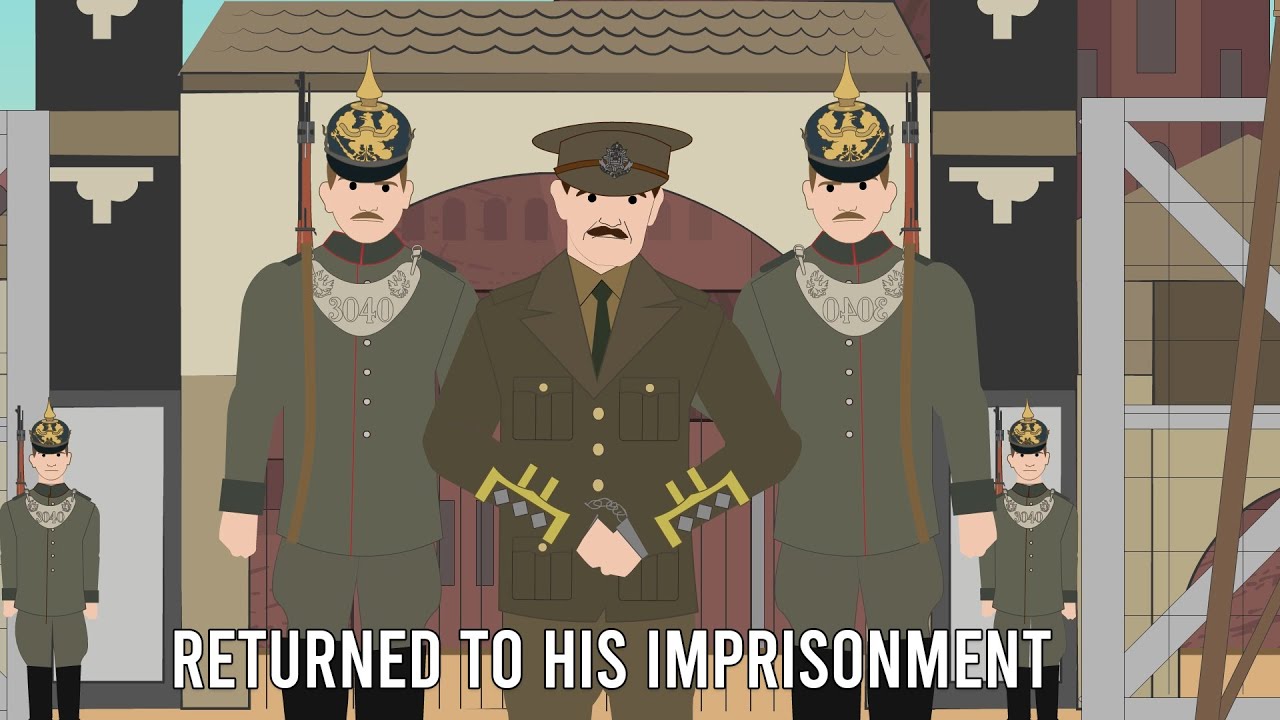
There would always be men who would have a special bond with their personal weapons. Sometimes it was so great that they preferred using their own guns from home instead of the army-issued ones in combat.
Copyright: DO NOT translate and re-upload our content on Youtube or other social media.
SIMPLE HISTORY MERCHANDISE
Get the Simple History books on Amazon:
https://www.amazon.com/Daniel-....Turner-%60/e/B00H5TY
T-Shirts
https://teespring.com/stores/s....imple-history-offici
Simple history gives you the facts, simple!
See the book collection here:
Amazon USA
http://www.amazon.com/Daniel-Turner/e/B00H5TYLAE/
Amazon UK
http://www.amazon.co.uk/Daniel....-Turner/e/B00H5TYLAE
https://www.facebook.com/Simpl....e-History-5494376751
https://twitter.com/SimpleHistoryYT
Credit:
Created by Daniel Turner (B.A. (Hons) in History, University College London)
Script: Dejan Milivojevic
Narrator:
Bryan 'Lazlo' Beauregard
Play Supremacy 1914 for FREE on PC and Mobile:
💥 https://s1914.onelink.me/TX2k/177af44d
Receive a Special Starter Pack, available only for the next 30 days!
Become a Simple History member: https://www.youtube.com/simplehistory/join
Support us on Patreon: https://www.patreon.com/simplehistory
Copyright: DO NOT translate and re-upload our content on Youtube or other social media.
SIMPLE HISTORY MERCHANDISE
Get the Simple History books on Amazon:
https://www.amazon.com/Daniel-....Turner-%60/e/B00H5TY
T-Shirts
https://teespring.com/stores/s....imple-history-offici
Simple history gives you the facts, simple!
See the book collection here:
Amazon USA
http://www.amazon.com/Daniel-Turner/e/B00H5TYLAE/
Amazon UK
http://www.amazon.co.uk/Daniel....-Turner/e/B00H5TYLAE
https://www.facebook.com/Simpl....e-History-5494376751
https://twitter.com/SimpleHistoryYT
Credit:
Created by Daniel Turner (B.A. (Hons) in History, University College London)
Script: Conan White
Narrator:
Chris Kane
https://vocalforge.com/
sources:
The Kaiser's Escapees: Allied POW escape attempts during the First World War
By Philip D. Chinnery
Meeting the Enemy: The Human Face of the Great War
By Richard van Emden
The Ghosts of the Great War: Reflections on Belgium
By Joan McMahon Flatt
#shorts
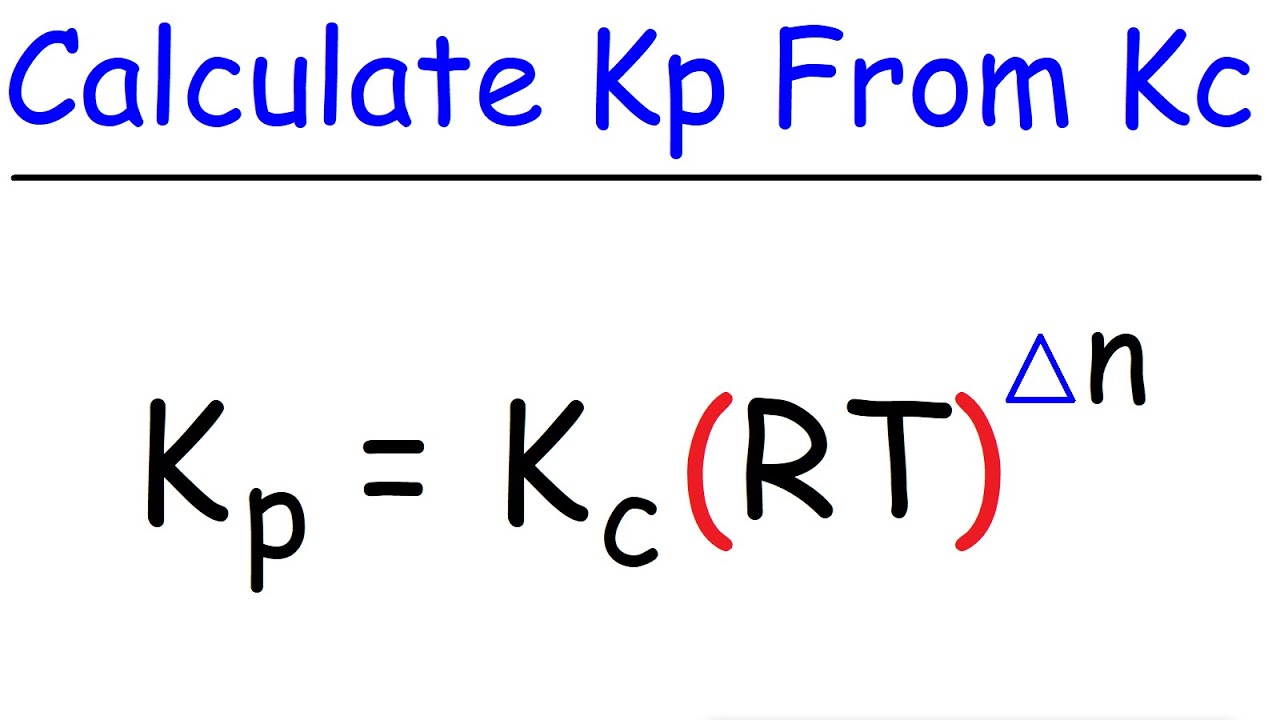
This chemistry video tutorial on chemical equilibrium explains how to calculate Kp from Kc using a simple formula.
Chemical Kinetics - Initial Rate Method: https://www.youtube.com/watch?v=oh4L2gcI5ds
Rate Constant k - Find The Units:
https://www.youtube.com/watch?v=1g-vDSWYins
Integrated Rate Laws - 1st & 2nd Order:
https://www.youtube.com/watch?v=7I0Xg92_eA4
Reaction Rate Factors:
https://www.youtube.com/watch?v=JpoOfrPKgmM
Collision Theory & Activation Energy:
https://www.youtube.com/watch?v=jX4dEOFwaLQ
___________________________________
Potential Energy Diagrams:
https://www.youtube.com/watch?v=HeKOb3efJmE
Elementary Rate Laws:
https://www.youtube.com/watch?v=S84Llf1vqiM
Rate Laws of Reaction Mechanisms:
https://www.youtube.com/watch?v=B1bWIrOe0SE
Intermediates & Catalysts:
https://www.youtube.com/watch?v=i_39q6N1sAs
Types of Catalysts:
https://www.youtube.com/watch?v=Tb0nzaj7bSA
____________________________________
The Equilibrium Expression:
https://www.youtube.com/watch?v=cmVuUFIaLW0
Calculating Kp From Kc:
https://www.youtube.com/watch?v=s0PnM_LlUp4
Chemical Equilibrium & Ice Tables:
https://www.youtube.com/watch?v=J4WJCYpTYj8
Le Chatelier's Principle:
https://www.youtube.com/watch?v=bNcTt3l3Q8k
Acids and Bases - Introduction:
https://www.youtube.com/watch?v=FM2MpMbV0rw
______________________________________
Final Exams and Video Playlists:
https://www.video-tutor.net/
Full-Length Videos and Worksheets:
https://www.patreon.com/MathSc....ienceTutor/collectio
Chemistry PDF Worksheets:
https://www.video-tutor.net/chemistry-basic-introduction.html
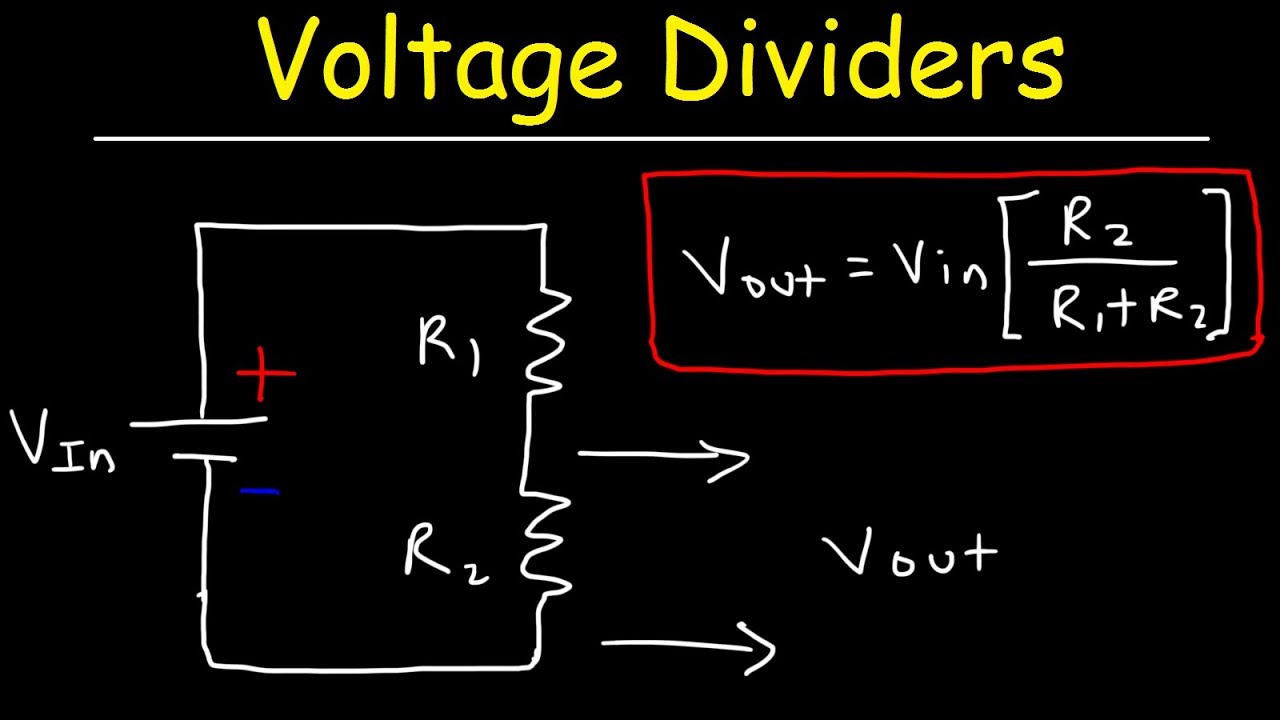
This physics video tutorial provides a basic introduction into voltage divider circuits. It provides a simple formula to calculate the voltage across a resistor in a series circuit with two resistors in series with a battery. it contains plenty of examples and practice problems. It discusses the effect on the output voltage of a voltage divider circuit when a load resistor is placed in parallel with R2. It discusses how to design a voltage divider circuit to meet certain requirements.
Schematic Diagrams & Symbols:
https://www.youtube.com/watch?v=Dl1gFBNa0Ik
Resistors In Series:
https://www.youtube.com/watch?v=9z53qVQjasU
Resistors In Parallel:
https://www.youtube.com/watch?v=SYrOiQs3X2U
Series and Parallel Circuits - Light Bulb Brightness:
https://www.youtube.com/watch?v=NjgxXcBfIII
Equivalent Resistance of Complex Circuits:
https://www.youtube.com/watch?v=kjW4H3fKi8o
How To Solve DC Circuits:
https://www.youtube.com/watch?v=eFlJy0cPbsY
_________________________
Current Dividers:
https://www.youtube.com/watch?v=PpfOH_uBKCw
Parallel Circuit Challenge Problem:
https://www.youtube.com/watch?v=y-gwr8LCHKo
Kirchhoff's Current Law:
https://www.youtube.com/watch?v=Q39xQUlTGew
Kirchhoff's Voltage Law:
https://www.youtube.com/watch?v=6F_rmZ1nXFQ
DC Circuits Review:
https://www.youtube.com/watch?v=wejz5s31Cts
____________________________
KCL and KVL Circuit Analysis:
https://www.youtube.com/watch?v=2Zu3ppq3n8I
Thevenin's Theorem - Circuit Analysis:
https://www.youtube.com/watch?v=zTDgziJC-q8
Norton's Theorem - Circuit Analysis:
https://www.youtube.com/watch?v=-kkvqr1wSwA
Superposition Theorem:
https://www.youtube.com/watch?v=EX52BuZxpQM
Maximum Power Transfer:
https://www.youtube.com/watch?v=8CA6ZNXgI-Y
Physics PDF Worksheets:
https://www.video-tutor.net/ph....ysics-basic-introduc
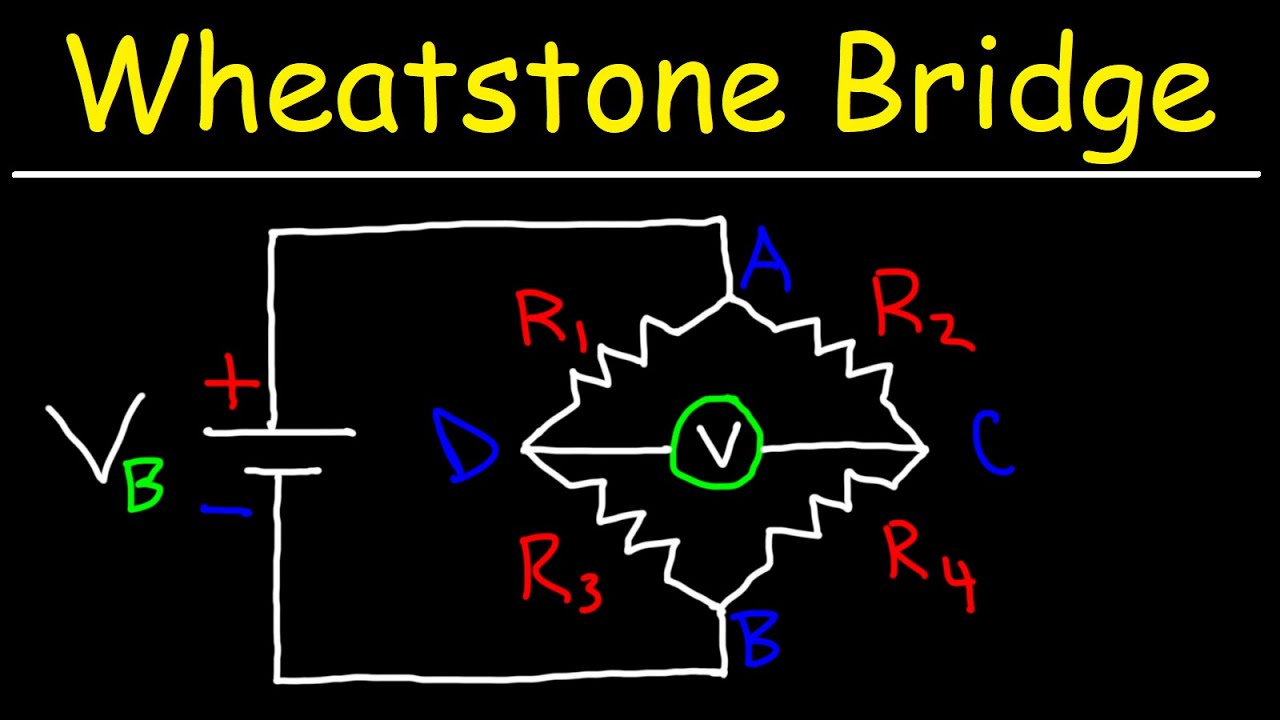
The full version of this video tutorial explains how to solve the WheatStone Bridge Circuit both in the balanced and unbalanced condition. It explains how to calculate the current in each resistor, the voltage across the resistors, as well as the equivalent resistance of the circuit. This video also explains how to solve the wheatstone bridge circuit using Kirchoff's current laws. It also provides formulas that can help you to quickly get the answer.
Access The Full 1 Hour Video:
https://www.patreon.com/MathScienceTutor
Direct Link To The Full Video:
https://bit.ly/3X3fDaI
Full 1 Hour Video on YouTube:
https://www.youtube.com/watch?v=AUjpDB7dzs4
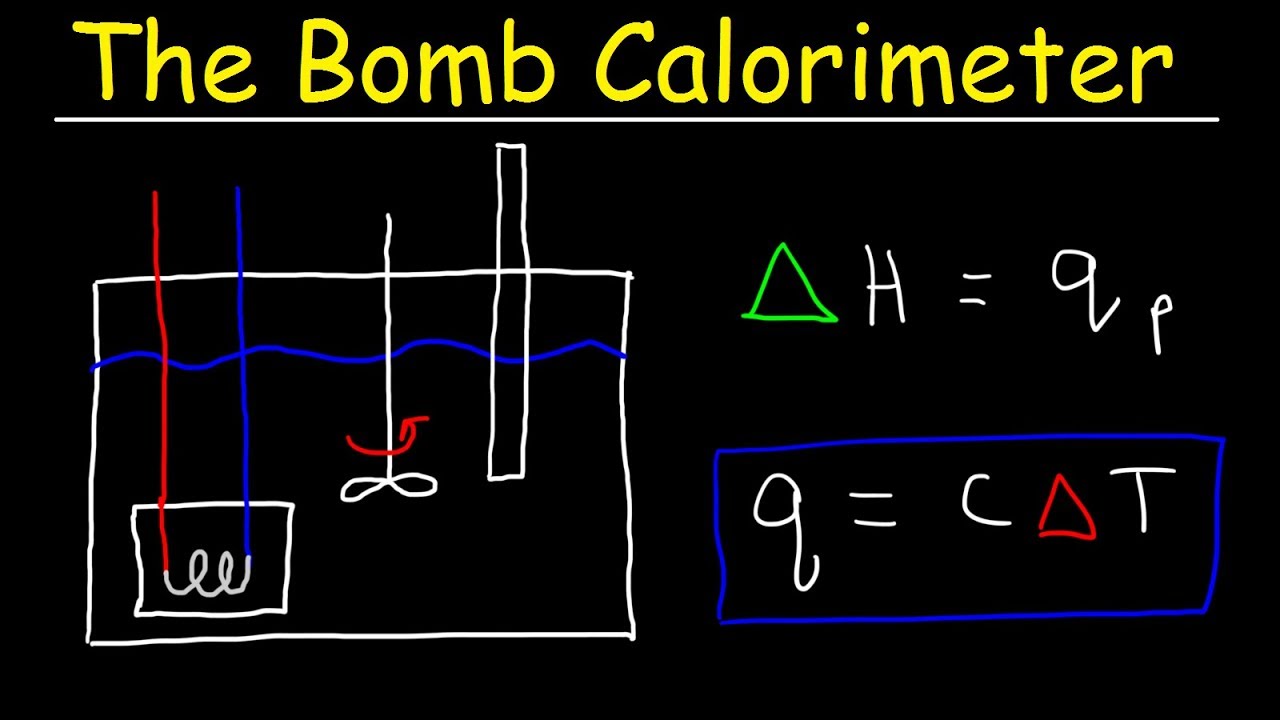
This chemistry video tutorial highlights the difference between the bomb calorimeter and the coffee cup calorimeter. The bomb calorimeter works at constant volume and the coffee cup calorimeter works at constant pressure. The coffee cup calorimeter is useful for measuring the enthalpy changes that occur in an aqueous reaction since enthalpy is equivalent to the amount of heat energy transferred at constant pressure. The bomb calorimeter is useful for measuring the energy of combustion of a substance. It's not used to measure the enthalpy change however.
First Law of Thermodynamics:
https://www.youtube.com/watch?v=NyOYW07-L5g
Thermochemistry Equations:
https://www.youtube.com/watch?v=GL3gCBUua4c
Internal Energy, Heat, and Work:
https://www.youtube.com/watch?v=E7s-hIoyNqY
Thermochemical Equations:
https://www.youtube.com/watch?v=qDrcHR4tSdE
Specific Vs Molar Heat Capacity:
https://www.youtube.com/watch?v=IoHXMaiwT80
________________________________
Basic Calorimetry Problems:
https://www.youtube.com/watch?v=BGcDUybbTW0
Final Temperature Calorimetry Problems:
https://www.youtube.com/watch?v=lxMwyxvSqgk
Latent Heat of Fusion & Vaporization:
https://www.youtube.com/watch?v=dxtz2POUTJE
Coffee Cup Calorimeter:
https://www.youtube.com/watch?v=-XnUypVXE88
More Calorimeter Problems:
https://www.youtube.com/watch?v=F2cMvNDRqQA
__________________________________
Specific Heat Capacity Problems:
https://www.youtube.com/watch?v=ePm_N6RgLfk
Hess Law Problems:
https://www.youtube.com/watch?v=2ixEf2zpR8E
More Hess Law Problems:
https://www.youtube.com/watch?v=Idv2C8HBbug
Enthalpy of Formation & Heat Combustion:
https://www.youtube.com/watch?v=FP-VYfTYi8Y
Enthalpy Practice Problems:
https://www.youtube.com/watch?v=Xe_N7WYl5BI
__________________________________
Speed of Light, Frequency, & Wavelength:
https://www.youtube.com/watch?v=LgYMxH1LCdo
Final Exams and Video Playlists:
https://www.video-tutor.net/
Full-Length Videos and Worksheets:
https://www.patreon.com/MathSc....ienceTutor/collectio

This trigonometry video tutorial provides a basic introduction into the pythagorean identities of trigonometric functions. it provides plenty of examples and practice problems of evaluating cosine given the value of sine.
Trigonometry - Basic Introduction:
https://www.youtube.com/watch?v=g8VCHoSk5_o
The Unit Circle:
https://www.youtube.com/watch?v=57VrEiEPD1I
How To Remember The Unit Circle Fast:
https://www.youtube.com/watch?v=gdJq1QunN-o
Reference Angles:
https://www.youtube.com/watch?v=E-xFXpVo14o
The Six Trigonometric Functions:
https://www.youtube.com/watch?v=WvoFgL4P_rw
How To Solve Right Triangles:
https://www.youtube.com/watch?v=i3bjEOA5_zc
_____________________________
Reciprocal Identities:
https://www.youtube.com/watch?v=UeuuFqbTYgA
Quotient Identities:
https://www.youtube.com/watch?v=7PVKbyLFY5U
Even and Odd Trigonometric Identities:
https://www.youtube.com/watch?v=5p8hokJ3Cqo
The Pythagorean Theorem:
https://www.youtube.com/watch?v=pbf4lcJhIfI
Trig Functions - Periodic Properties:
https://www.youtube.com/watch?v=8Z60_yXX4xA
________________________________
The Exact Value of Trig Functions:
https://www.youtube.com/watch?v=bTdjcvm6pPo
Special Right Triangles - 30 60 90:
https://www.youtube.com/watch?v=p70UBGCHZrQ
Special Patterns - Pythagorean Theorem:
https://www.youtube.com/watch?v=MeBcJPdjeI4
Cofunction Identities:
https://www.youtube.com/watch?v=35fxto48HZY
Final Exams and Video Playlists:
https://www.video-tutor.net/
Full-Length Videos and Worksheets:
https://www.patreon.com/MathSc....ienceTutor/collectio
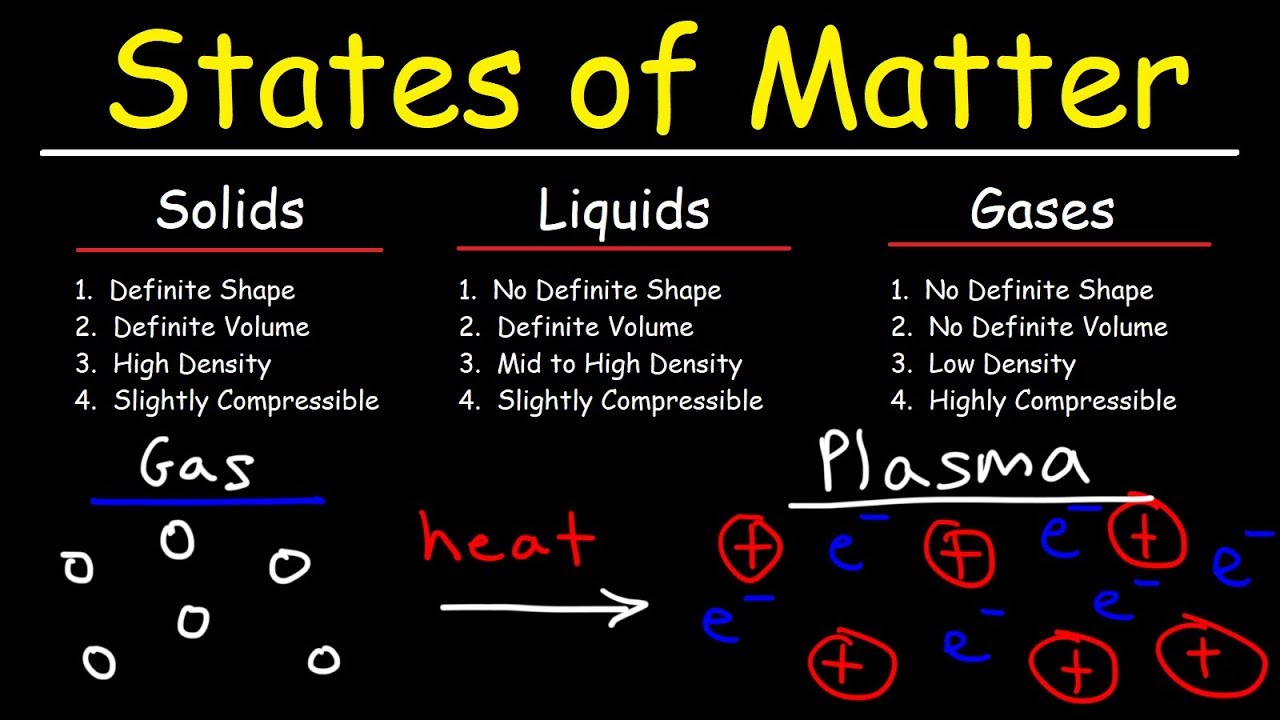
This chemistry video tutorial provides a basic introduction into the 4 states of matter such as solids, liquids, gases, and plasma. Solids have a definite shape and volume. Liquids have a definite volume but not a definite shape since they assume the shape of the container. Gases do not have a definite volume or shape. Solids and gases are fluid which mean they have the ability to flow. Plasma is an ionized gas that can conduct electricity. Solids and liquids have a relatively high density and gases have a low density.
Chemistry - Basic Introduction:
https://www.youtube.com/watch?v=-KfG8kH-r3Y
Scientific Notation Review:
https://www.youtube.com/watch?v=ZtB0vJMGve4
Significant Figures Review:
https://www.youtube.com/watch?v=l2yuDvwYq5g
Unit Conversion Problems:
https://www.youtube.com/watch?v=eK8gXP3pImU
Accuracy and Precision:
https://www.youtube.com/watch?v=0IiHPKAvo7g
Density Practice Problems:
https://www.youtube.com/watch?v=9CKDQE35qXQ
________________________________
Pure Substances & Mixtures:
https://www.youtube.com/watch?v=OHhnm2p5G3o
Homogeneous & Heterogeneous Mixtures:
https://www.youtube.com/watch?v=eI-tmv4DLEk
Physical and Chemical Changes:
https://www.youtube.com/watch?v=YE2xaMsoGFU
Solids, Liquids, Gases, & Plasma:
https://www.youtube.com/watch?v=9TVOlTolKFA
Physical Vs Chemical Properties:
https://www.youtube.com/watch?v=gH1R87ahFvA
__________________________________
Law of Conservation of Mass:
https://www.youtube.com/watch?v=eBTNzScLUg4
Law of Definite Proportions:
https://www.youtube.com/watch?v=ly0ywRdVG_M
Law of Multiple Proportions:
https://www.youtube.com/watch?v=sxE95VOY-YY
Rutherford's Gold Foil Experiment:
https://www.youtube.com/watch?v=sNQsdrqsD_s
Cathode Ray Tube Experiment:
https://www.youtube.com/watch?v=i6zyPOSreCg
_________________________________
Atoms - Basic Introduction:
https://www.youtube.com/watch?v=acdkMeEKCNQ
Cations and Anions Explained:
https://www.youtube.com/watch?v=aAV2DMAI5f8
Diatomic Elements & Molecules:
https://www.youtube.com/watch?v=gi337Mx7wTc
Elements, Atoms, & Molecules:
https://www.youtube.com/watch?v=pSJeMJaCkVU
Protons, Neutrons, & Electrons:
https://www.youtube.com/watch?v=65dDZulPhtg
_______________________________
Final Exams and Video Playlists:
https://www.video-tutor.net/
Full-Length Videos and Worksheets:
https://www.patreon.com/MathSc....ienceTutor/collectio
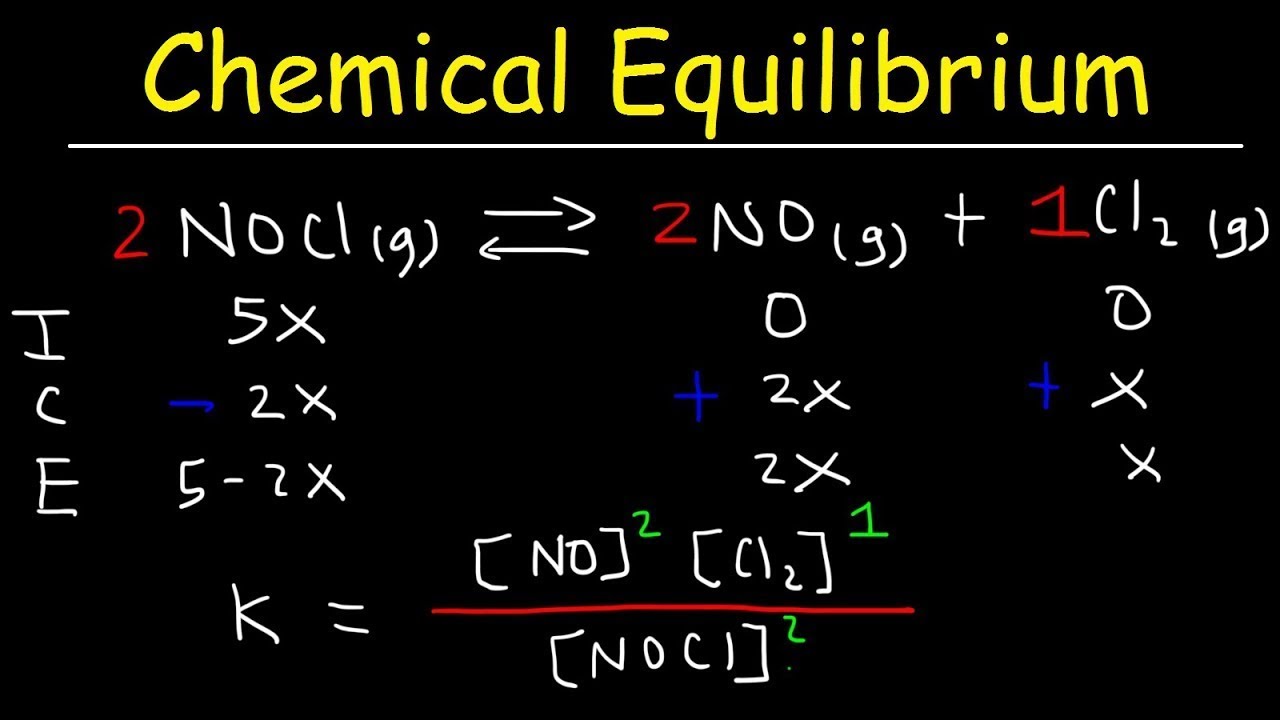
This chemistry video tutorial provides a basic introduction into how to solve chemical equilibrium problems. It explains how to calculate the equilibrium constant k value given the equilibrium concentrations and equilibrium partial pressures of all reactants and products. If explains how to calculate the equilibrium constant k for a new reaction by changing another reaction. Finally, it discusses how to calculate the equilibrium constant k using ice tables.
Get The Full 2 Hour 17 Min Video:
https://www.patreon.com/MathScienceTutor
PDF Worksheet - 25 Questions:
https://bit.ly/3IACEOl
Direct Link to The Full Video:
https://bit.ly/3GzT8Uy
Chemistry PDF Worksheets:
https://www.video-tutor.net/ch....emistry-basic-introd
_______________________________________
Full 2 Hour 17 Minute Video on YouTube:
https://www.youtube.com/watch?v=DLhUcBJmJAk
Join The YouTube Membership Program:
https://bit.ly/46xaQTR

Boost Your Child’s Learning with Kids Academy! 🌟
Are you a parent or educator seeking an engaging and effective learning app for kids? Look no further! Thousands of parents and educators are turning to Kids Academy, the app that makes real learning truly fun. Try it now with a 3-day FREE TRIAL1
How to Count Coins - Counting Coins Worksheets
In this captivating video from Kids Academy, a real teacher will guide your child through the world of coin values. Your little learner will recall different coins and their worth. Afterward, watch as the teacher counts the coins on the worksheet, matching them to the prices listed.
By watching this video, your child will enhance:
Mental Math and Addition Skills
Recollection and Ability to Add Using Money
Counting coins isn’t just about addition—it’s a practical skill that connects math to real-life scenarios! Use this video to give your child the practice needed for success in both math and life.
Counting Coins Worksheets for 1st, 2nd, and 3rd Grades
🌟 TalentedAndGifted 🌟 🌟 LearnWithKidsAcademy 🌟
Kids Academy Talented and Gifted Program is designed for kids aged 2-10. Explore it on:
App Store: Download Now
Google Play: Get It Here
Stay connected with us:
Our Site: Kids Academy
Facebook: Kids Academy Company
Twitter: @KidsAcademyCo 1

It's Kids Academy, and welcome back to our channel! In this educational video for kids, we will learn letters Y and Z. Your child can easily memorize letters I to L using our examples. It's ideal for preschool and kindergarten. Stay tuned!
Subscribe to our channel: https://goo.gl/iG2Bdr
#kidsacademy #LearnWithKidsAcademy
Connect with us on :
App Store: https://apps.apple.com/app/apple-store/id543851593
Google Play: https://play.google.com/store/....apps/details?id=air.
Our website: http://www.kidsacademy.mobi
Instagram: https://www.instagram.com/kidsacademyco
Facebook: https://www.facebook.com/KidsAcademyCompany

Thousands of parents and educators are turning to the kids’ learning app that makes real learning truly fun. Try Kids Academy with
3-day FREE TRIAL! https://bit.ly/2GuGyL2
Common Places in Your Community - City Vocabulary - Social Studies for Kids
Want to teach your kid some community places? Okay, let’s do it together. First, begin by explaining to your child what a community is.
A community is a place where we all live together. There are many places in this community where people go and spend some time either alone or with their friends and family. So now how can you make your kid familiar with the names of these places? Well, the most important thing is that you actually take your kid to these places so that he/she can see with their own eyes how this world works.
Then at home, of course, you can do some fun activities to keep the names in mind.
Using a search puzzle would be a great idea. Get or make an easy puzzle so that the child maintains an interest in it. Ask the kid to find out the names of the places mentioned in the puzzle. Use words like café, library, store, park, bank, school, etc. help the kid along and make sure that he/she finds all the words. This will help the kid increase his city vocabulary as well as recognize the common places in their community.
As long as the kid enjoys what he is doing, he learns fast and easy to make sure that the activity remains fun and interesting for the kid.
Subscribe to our channel: https://goo.gl/iG2Bdr
#TalentedAndGifted #LearnWithKidsAcademy
*****
Connect with us on :
App Store: https://smart.link/59833db06a6b8
Google Play: https://smart.link/597210af6eb83
Our website: http://www.kidsacademy.mobi
Facebook: https://www.facebook.com/KidsAcademyC...
Twitter: https://twitter.com/KidsAcademyCo

It's Kids Academy, and welcome back to our channel!
What’s the weather?
In today’s technology-laden world we can start the day by simply asking our digital assistants “What’s the weather going to be today?” But weather goes far deeper and can be far more interesting than just whether or not you are going to put on a jacket today. We are going to explore the fascinating world of weather and show fun ways you can interact with the weather every day!
Let’s start with what the weather is. Weather describes the conditions outside at any given time. This usually includes the temperature, if there are any clouds present and, the reason most of us check it, will there be any rain?
Let’s start with temperature. The temperature can tell you how hot or cold a day is going to be. In the United States we use the Fahrenheit scale. This scale is hundreds of years old and was based on human beings internal temperature being roughly 90 degrees fahrenheit. A thermometer is the device used to measure temperature. As technology improved and thermometers advanced we learned that a human body’s internal temperature is actually closer to 98 degrees fahrenheit than the 90 degrees that the scale was built off. The rest of the world, excepting Liberia and the Cayman Islands, uses the celsius scale. This scale is based on the freezing and boiling temperatures of water.
One of the questions students always ask me is “If I am 98 degrees then why does a 98 degree day feel so hot?” The answer to this question is all about the skin. When we take our temperature we usually put the thermometer in our mouth to get our internal body temperature. If you were to take the temperature of your skin it would be closer to 70 degrees. That is why we feel comfortable around that temperature and get hot or cold if the temperature goes above or below 70.
Our next big concern with weather is what is going on in the sky. Clouds can quickly turn a hot morning by the pool into a chilly afternoon. Clouds are made of evaporated water. As the sun heats oceans, lakes and even pools some of the water heats up enough to evaporate. This evaporation is what causes rain puddles to disappear when the sun comes out. The water warms and rises into the air until it reaches the colder parts of our sky. When the water cools down it condenses or sticks together, just like on a cold mirror in the bathroom after you take a hot shower. As the water sticks together it can form all kinds of different clouds. If enough of this water sticks together it can become too heavy and fall back down to earth.
Any water coming out of the sky is called precipitation. Precipitation can come in many forms. One of the most common forms is rain. As the tiny drops of water in clouds collect they will form raindrops, these drops fall through the cloud picking up more and more water on their way down. Sometimes raindrops can be small and misty, other times the drops can be huge and hit with a splash. If the temperature is cold enough these raindrops can freeze on their way down causing freezing rain, sleet and hail. If the cloud is cold enough the water freezes into ice crystals which fall as snow.
How can we interact with the weather? Grab a thermometer and head outside. Start by trying to guess what the temperature is before checking the thermometer. Set the thermometer down in a sunny spot and a shady spot. How do the temperatures differ when they're in the sun?
Make your own predictions. Head outside in the morning, look at the sky and guess or measure the temperature. What do you think the weather is going to be? Will there be rain, or is it going to be sunny all day? Write your predictions down and check to see if you were correct later on. Pretty soon you will be predicting the weather like a true meteorologist. (Scientist who studies the weather, not meteors.)
You can also build a rain gauge. A graduated cylinder works perfect but a cylindrical cup will work just fine. Put out your rain gauge before the rain and then measure how much rain fell by putting a ruler in the cup after. The number of inches of water in your cup is the number of inches of rain that fell during the storm. Did you know every 1 inch of rain would be 1 foot of snow if the weather was cold enough?
Weather is also not a local occurrence. A rainstorm in your area most likely formed hundreds or thousands of miles away. Many of these storms, like hurricanes, follow predictable paths. Using sites like ventusky.com you can track these storms as they begin forming hundreds of miles out in the ocean. You can also get a more global look at weather patterns.
We make a lot of decisions based on the weather. Most students just look at the weather as something that happens without spending a lot of time really thinking about what causes rain or where snow storms come from. Take some time with your student to observe, predict and even measure your local weather.
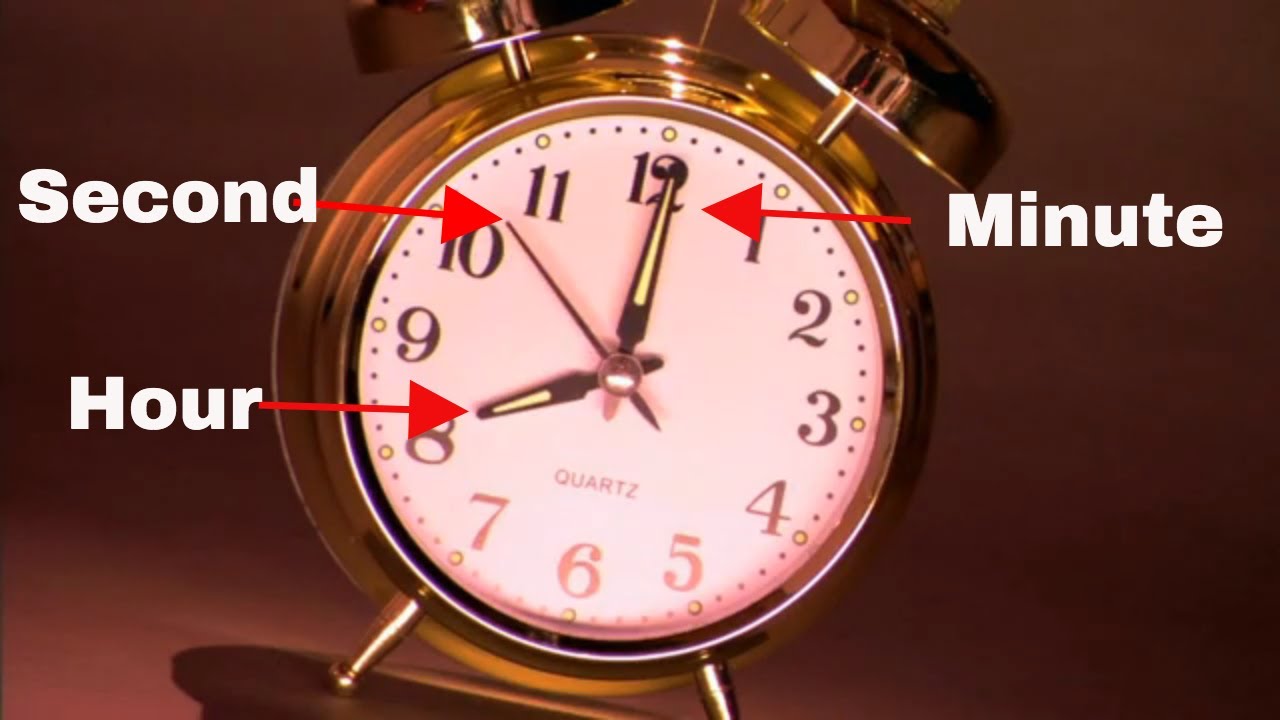
Learn to tell time on a clock that has three hands. The hands represent the hour, minute, and seconds.
There are 24 hours in a day
60 minutes in an hour
60 seconds in a minute
Use these 5 steps in order to make reading time easy
Step 1 start at the small hand look where the hour hand is pointing and write this number down.
Step 2 Draw two dots
Step 3 Read the large hand
Step 4 Draw two dots
Step 5 Read the skinny hand the seconds

Learn how to find the area of a circle.The area of a circle uses the formula is pi times radius squared.

Kingdom Mollusca Learn about snails, slugs, squid, and cuttlefish and several other invertebrates found in the phylum Mollusca. Animals in this phylum have soft bodies, many have a shell, a mantle, and a nervous system.
Some common members include snails, slugs, scallops, oysters, octopus, squid, nautilus, and cuttlefish.
Credit for the cuttlefish video:Title: Red cuttle hunting.webm
Author: John Turnbull
Date: 19 July 2014