Top videos
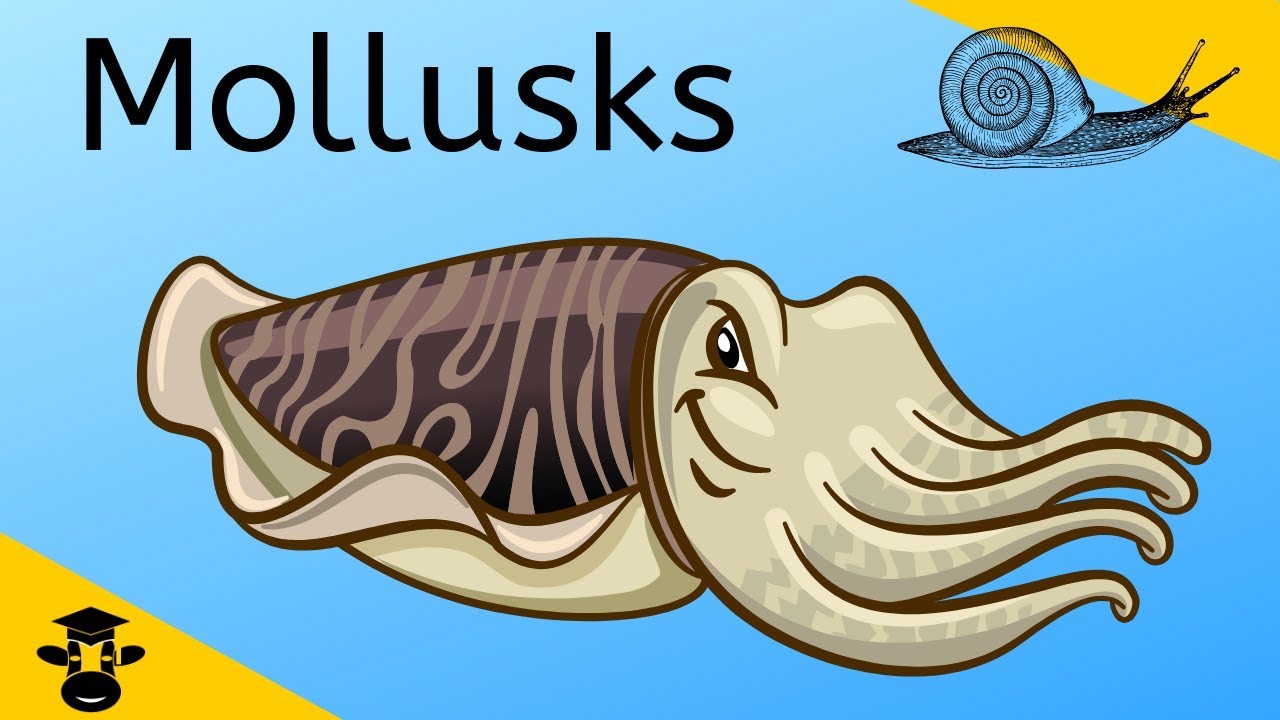
Kingdom Mollusca Learn about snails, slugs, squid, and cuttlefish and several other invertebrates found in the phylum Mollusca. Animals in this phylum have soft bodies, many have a shell, a mantle, and a nervous system.
Some common members include snails, slugs, scallops, oysters, octopus, squid, nautilus, and cuttlefish.
Credit for the cuttlefish video:Title: Red cuttle hunting.webm
Author: John Turnbull
Date: 19 July 2014
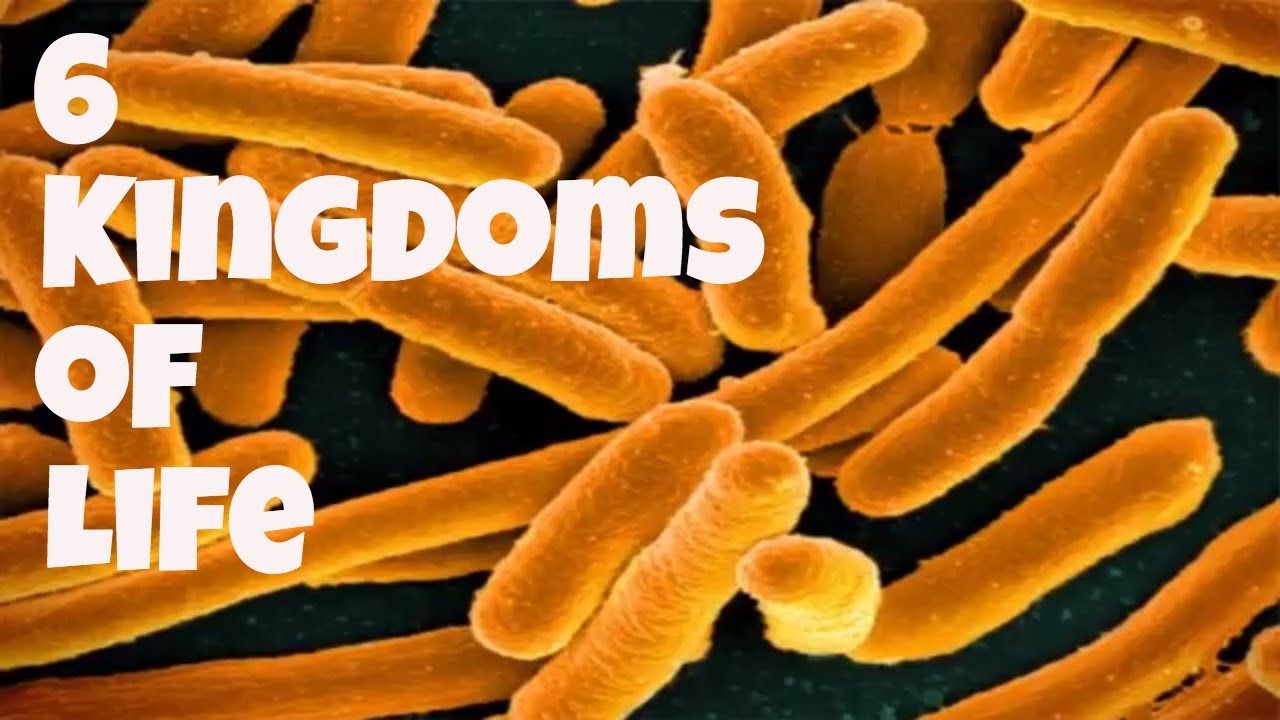
6 kingdoms of classification in 3 minutesThe 6 kingdoms are
Animal
Plant
Fungi
Protist
Eubacteria
Archaea
The Animalia kingdom is an extremely diverse group of individuals
Some animals are giant, like the blue whale, whereas others are tiny, like an ant Some have complex nervous systems and are very intelligent, whereas others are simpler, like the sponge.
Some common traits
Animals are heterotrophs, which means they eat other organisms for food.
Animals are multicellular, meaning they are made up of more than one cell.
Animal cells are eukaryotic, animal cells contain membrane-bound organelles, or tiny organs, which help the cell undergo certain processes it needs to function.
In addition, animals use the protein collagen to attach cell tissue together.
Finally, animal cells are diploid, meaning each cell has a two pair of chromosomes. One pair is is usually from mom and one from dad
Plantae kingdom contains large trees and flowers. Let’s see what they have in common.
First plants are autotrophs. This means they can get their food from the sun.
Next, they are eukaryotes and contain a cell wall and plants are multicellular
Fungi range from mushrooms to yeast
Some mushrooms are multicellular and others a unicellular
Fungi are eukaryotes and contain a cell wall
Fungi are also heterotrophs
Some fungi are decomposers while others are parasites
Protista
Kingdom Protista has been called the junk drawer kingdom. Protist range from single-cell organisms like euglena to multicellular kelp Some are plant-like, others animal-like, some fungi like
As the catchall kingdom for eukaryotic organisms if it is a not animal, plant, or fungi it is thrown in the protist kingdom it is not surprising that very few characteristics are common to all protists.
Some protists are heterotrophs but others are autotrophs.
Most protists are found in moist environments
Eubacteria single cells prokaryotes which mean they don’t have a nucleus or membrane-bound organelles
Have a cell wall, some move with a flagella
Eubacteria help digest food, make us sick, or help make yogurt
Archaea are prokaryotes like bacteria but are structurally different many handle extremes
Extreme temperatures, extreme salty conditions, or little or no oxygen
0:00 Introduction
0:04 6 Kingdoms of Classification
1:35 Fungi
2:23 Protist
This may be helpful
https://moomoomath.com/basic-t....axonomy-6-kingdoms-o

We hope you are enjoying our large selection of engaging core & elective K-12 learning videos. New videos are added all the time - make sure you come back often to learn more! If you'd like us to cover any additional topics, please let us know. For practice, assessment, and many interactive activities that go along with each video, as well as a teacher/parent dashboard, go to Miacademy.co for Grades K-8 or Miaprep.com for grades 9-12!
Get a 35% discount on our website - practice games, quizzes, and more to go along with each video: https://www.parents.miacademy.....co/coupon?code=VIDEO

In this video, we will explore inequalities using word problems.
We hope you are enjoying our large selection of engaging core & elective K-12 learning videos. New videos are added all the time - make sure you come back often to learn more! If you'd like us to cover any additional topics, please let us know.
For practice, assessment, and many interactive activities that go along with each video, as well as a teacher/parent dashboard, go to Miacademy.co for Grades K-8 or Miaprep.com for grades 9-12!

Live Makey Makey human synth performance at an interactive art show called Curious Sound Objects. Featuring Catherine Siller and several members of the audience.

this video discusses about how do we integrate graspable math with GeoGebra.
# Webinar
watch on live interactive sessions for Primary, Upper-Primary, Secondary and Senior Secondary classes on SWAYAM Prabha DTH-TV Channel #31 everyday.
Click to see the schedule:
https://ciet.nic.in/pages.php?id=transmission-schedule&ln=en
*LET US FIGHT #COVID-19, STAY SAFE & LEARN AT HOME*
The programs can be viewed on:
1. DD Free dish channel #128
2. Zee Dish TV Channel #950
3. TataSky Channel #756
4. Airtel TV Channel #440
5. VmVideocon Channel #477
6. Jio TV App (Swayam Prabha 31)
7. ‘NCERT OFFICIAL’ YouTube Channel
The viewers may send feedback, queries and suggestions through:
1. Toll free telephone numbers (1800111265, 1800112199)
2. Email (ciet.kishoremanch@gmail.com)
3. SWAYAM Prabha App
4. ePathshala Kishore Manch App
(https://play.google.com/store/....apps/details?id=in.g
5. Social Media Platforms of CIET & NCERT (YouTube, Facebook, Twitter, WhatsApp, Telegram)ewi

TeacherTube User: ybeunier
TeacherTube URL: http://www.teachertube.com/vie....wVideo.php?video_id=
This is a math video lesson to help you with new math, math tricks, and or simple math questions you may have.
Problem Solving Using Polynomial Equations
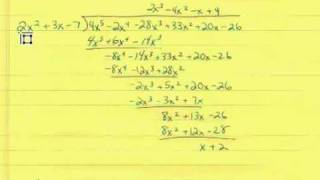
WEBSITE: http://www.teachertube.com Polynomial Division 1
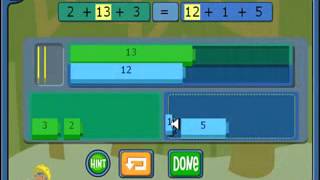
TeacherTube User: Dreamboxlearning
TeacherTube URL: http://www.teachertube.com/vie....wVideo.php?video_id=
This is a math video lesson to help you with new math, math tricks, and or simple math questions you may have.
Take a tour of DreamBox Learning an online math game for kids

WEBSITE: http://www.teachertube.com Construct a rectangle with compass and straight edge.
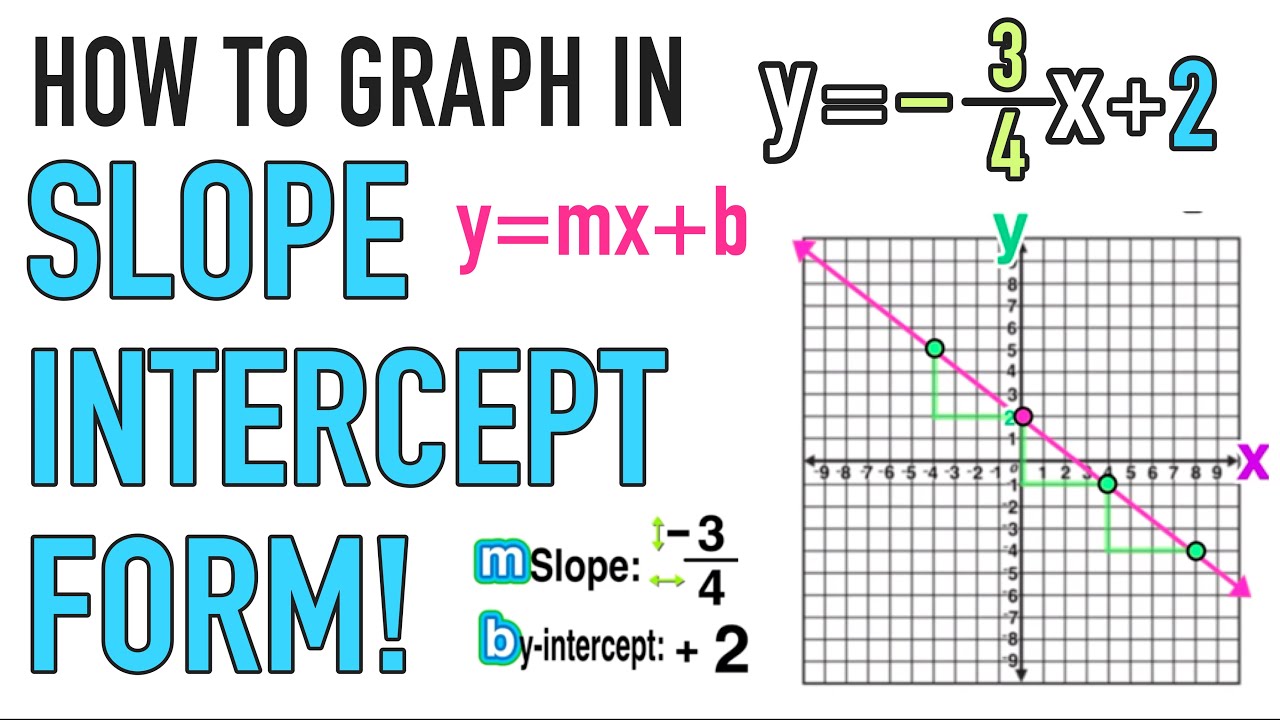
Join us on this flipped math lesson where we visually explore how to graph a linear function in slope intercept form also know as y=mx+b form.
For more MashUp Math content, visit http://www.mashupmath.com and join our free mailing list! :)
This lesson answers the questions: How do I graph a function? How do I graph a linear function? What is the difference between a linear function and a quadratic function? What is slope intercept form? How do I find the y-intercept? How do I find slope? How do I graph a line? What is the equation of a line?
Be sure to join our mailing list at http://www.mashupmath.com

The Night Before Halloween
by Natasha Wing
Illustrated by Cynthia Fisher
Read by Let's Read Stories
"'Twas the night before Halloween, and all through the house, All the creatures were stirring, except for the mouse.The monsters had gathered to plan and prepare,For the trick-or-treaters who soon would be there?."
Little monsters and goofy goblins take center stage in this silly, spooky spin on Clement C. Moore's beloved poem. But what will happen on Halloween when the monsters come face to face with human trick-or-treaters in this fun-filled book by the author of The Night Before Easter?
Click here to purchase The Night Before Halloween: https://www.amazon.com/Night-B....efore-Halloween-Nata

Time for Bed, Pete the Kitty: A Touch & Feel Book (Pete the Cat)
by James Dean
Read by Let's Read Stories
In this sweet touch-and-feel story, Pete the Kitty helps toddlers get ready for bed!
Pete takes a fun bubble bath, brushes his teeth, and picks out his pajamas before saying good night. Toddlers will love climbing into bed and snuggling up next to Pete the Kitty before bedtime.
From New York Times bestselling author-illustrator James Dean!
Click here to purchase Time For Bed Pete the Kitty: https://www.amazon.com/Time-Be....d-Pete-Kitty-Touch/d

Pete the Cat's Groovy Guide to Love
by James Dean
Illustrated by Kimberly Dean
Read by Let's Read Stories
Love is in the air!
Pete the Cat shares some groovy words from the heart in this fun collection of all his favorite famous quotes about living an awesome life filled with love.
This cool cat adds his heartfelt take on well-known classics, from Vincent van Gogh to Virgil to Ovid to Charles Dickens, because after all, the best advice is "Love conquers all."
Fans of the bestselling Pete the Cat series will delight in this fun take on quotes, which are accompanied by Pete's witty responses and illustrations by New York Times bestselling artist James Dean.
Click here to purchase Pete the Cat's Groovy Guide to Love: https://www.amazon.com/Pete-Ca....ts-Groovy-Guide-Love
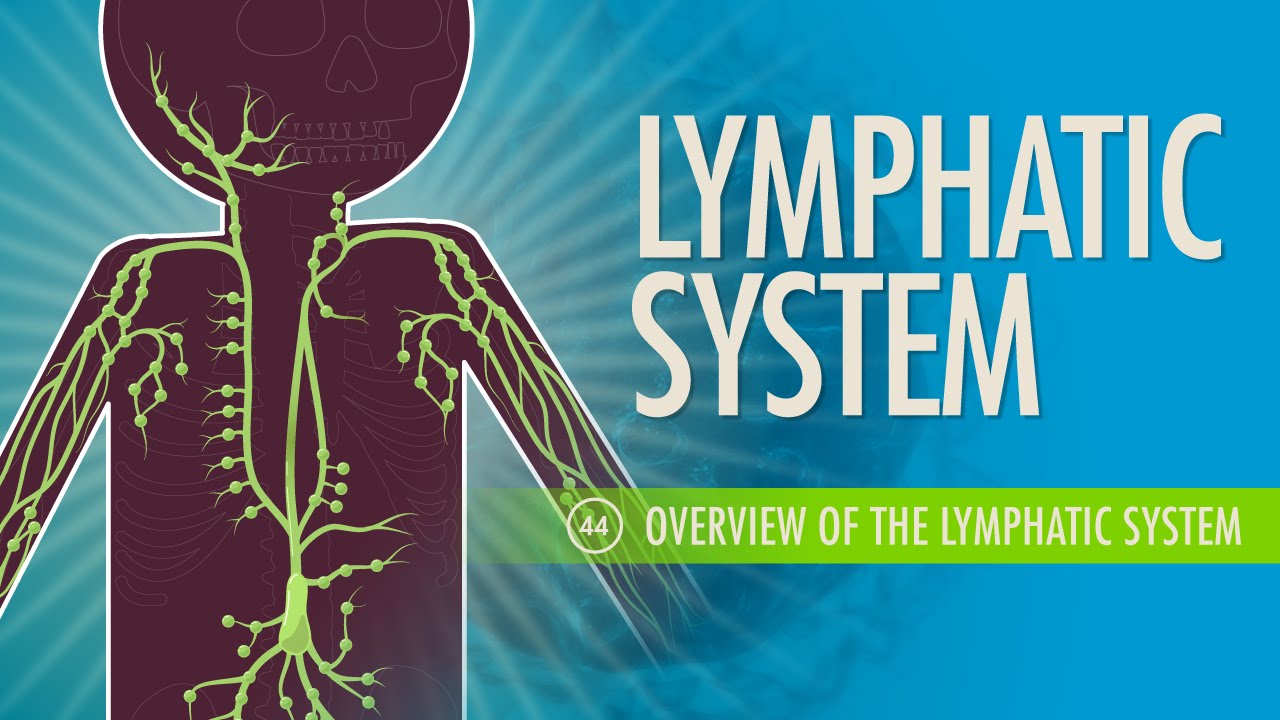
Hank describes the structure and function of your lymphatic system and how it supports your cardiovascular and immune systems. He'll explain how your lymphatic system collects, filters, and returns interstitial fluid back into your bloodstream, and how your lymph nodes and lymph organs activate your immune system to fight off infections.
Pssst... we made flashcards to help you review the content in this episode! Find them on the free Crash Course App!
Download it here for Apple Devices: https://apple.co/3d4eyZo
Download it here for Android Devices: https://bit.ly/2SrDulJ
Chapters:
Introduction: Airport Security 00:00
The Lymphatic System Structure 2:09
Origins of the Lymphatic System: Capillary Beds 3:12
Lymphatic Vessels 3:47
What Does the Lymphatic System Do? 5:05
Lymph Nodes 6:04
Mucosa-Associated Lymphoid Tissues (MALTs) 6:59
Review 8:04
***
Crash Course is on Patreon! You can support us directly by signing up at http://www.patreon.com/crashcourse
Thanks to the following Patrons for their generous monthly contributions that help keep Crash Course free for everyone forever:
Mark, Eric Kitchen, Jessica Wode, Jeffrey Thompson, Steve Marshall, Moritz Schmidt, Robert Kunz, Tim Curwick, Jason A Saslow, SR Foxley, Elliot Beter, Jacob Ash, Christian, Jan Schmid, Jirat, Christy Huddleston, Daniel Baulig, Chris Peters, Anna-Ester Volozh, Ian Dundore, Caleb Weeks
--
Want to find Crash Course elsewhere on the internet?
Facebook - http://www.facebook.com/YouTubeCrashCourse
Twitter - http://www.twitter.com/TheCrashCourse
Tumblr - http://thecrashcourse.tumblr.com
Support Crash Course on Patreon: http://patreon.com/crashcourse
CC Kids: http://www.youtube.com/crashcoursekids
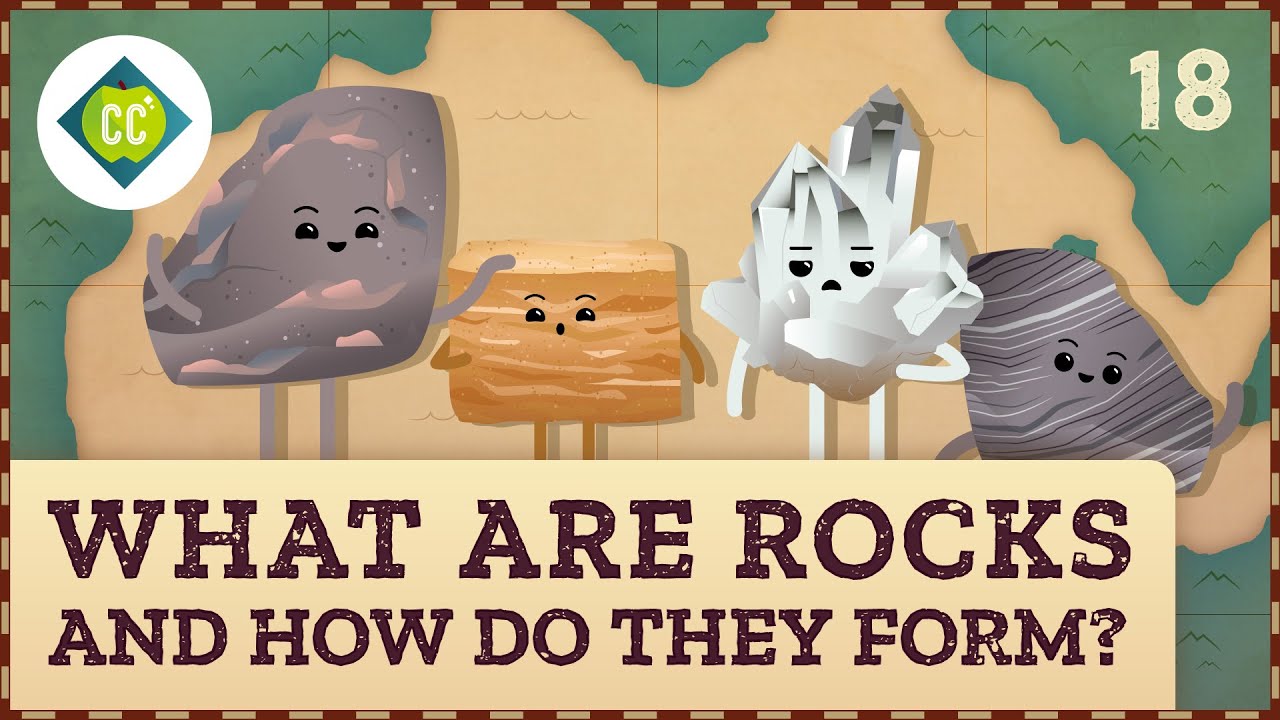
From towering mountains to pebbles along a river, the Earth is made of a huge variety of rocks. In today's episode, we're going to follow the rock cycle of a piece of granite in the Himalayan mountains, and as you'll see, every rock has a far-reaching story to tell often millions of years in the making.
Watch our videos and review your learning with the Crash Course App!
Download here for Apple Devices: https://apple.co/3d4eyZo
Download here for Android Devices: https://bit.ly/2SrDulJ
Crash Course is on Patreon! You can support us directly by signing up at http://www.patreon.com/crashcourse
Thanks to the following patrons for their generous monthly contributions that help keep Crash Course free for everyone forever:
Vincent, Emilee Murphy, Michael Wang, Jordan willis, Krystle Young, Michael Dowling, Alexis B, Rene Duedam, Burt Humburg, Aziz, Nick, DAVID MORTON HUDSON, Perry Joyce, Scott Harrison, Mark & Susan Billian, Junrong Eric Zhu, Alan Bridgeman, Rachel Creager, Jennifer Smith, Matt Curls, Tim Kwist, Jonathan Zbikowski, Jennifer Killen, Sarah & Nathan Catchings, Brandon Westmoreland, team dorsey, Trevin Beattie, Divonne Holmes à Court, Eric Koslow, Indika Siriwardena, Khaled El Shalakany, Shawn Arnold, Siobhán, Ken Penttinen, Nathan Taylor, William McGraw, Andrei Krishkevich, Sam Ferguson, Eric Prestemon, Jirat, TheDaemonCatJr, Wai Jack Sin, Ian Dundore, Jason A Saslow, Justin, Jessica Wode, Mark, Caleb Weeks
__
Want to find Crash Course elsewhere on the internet?
Facebook - http://www.facebook.com/YouTubeCrashCourse
Twitter - http://www.twitter.com/TheCrashCourse
Tumblr - http://thecrashcourse.tumblr.com
Support Crash Course on Patreon: http://patreon.com/crashcourse
CC Kids: http://www.youtube.com/crashcoursekids
#CrashCourse #Geography #Rocks

Educational video for children to learn how to subtract fractions with the same denominator. To subtract fractions with the same denominator, we leave the common denominator and only subtract the numerators. Let's look at an example! To subtract five ninths minus two ninths, we leave the same denominator in the answer, in this case that would be number 9; and we subtract the numerators, that is, 5 - 2 which equals 3; this would be the numerator in the result which is three ninths (3/9). This educational video includes several exercises with fun examples for children to learn math while having fun. Excellent resource for elementary school.
Thanks for visiting us! If you want your children to smile and learn, subscribe! :D
We only upload our own content, designed by educators so that children smile and learn while watching a video.
All of our content reinforces educational values, encouraging the use of multiple intelligences and language learning.
If you like our videos, download Smile and Learn now. You’ll discover more than 5.000 activities for children aged 3 to 12 yeards, all designed by educators. We have 250 games and interactive stories and over 280 videos in five languages: English, Spanish, Portuguese, Italian and French. Try a month for free and start the adventure!
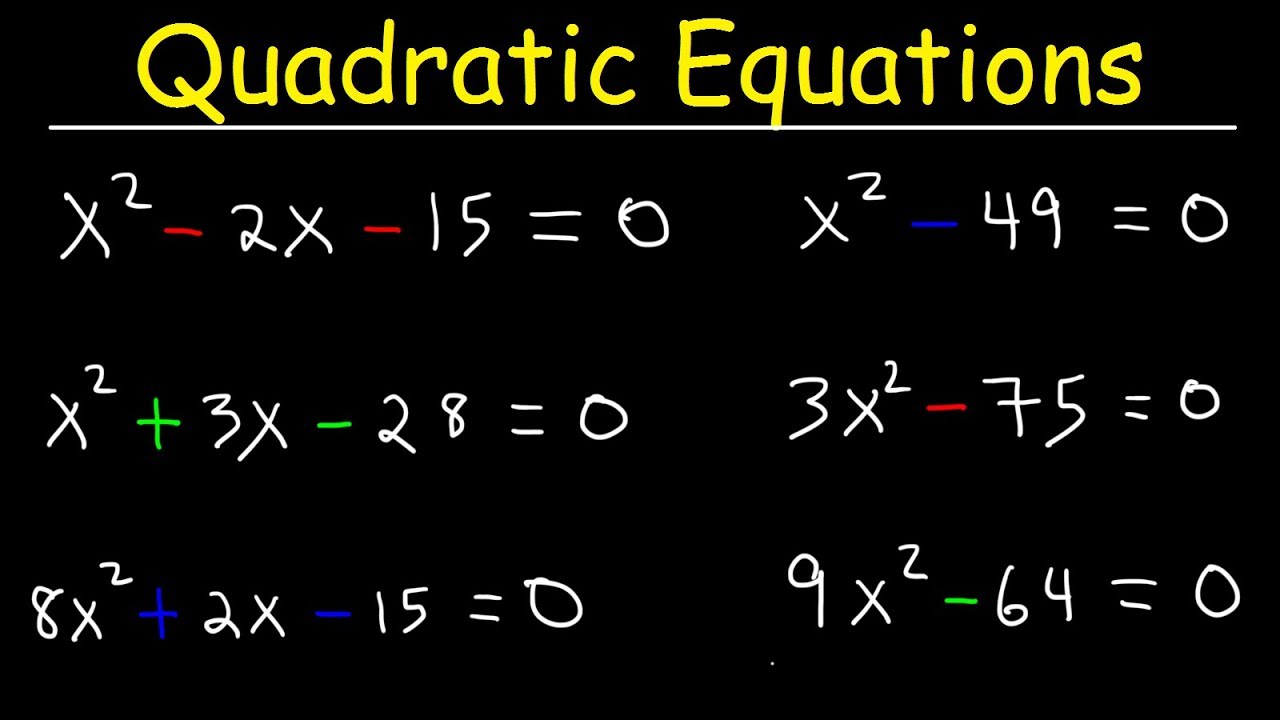
This algebra video tutorial explains how to solve quadratic equations by factoring in addition to using the quadratic formula. This video contains plenty of examples and practice problems.
How To Solve Simple Quadratic Equations: https://www.youtube.com/watch?v=-KWsS2FZVTA
Solving Quadratic Equations By Factoring:
https://www.youtube.com/watch?v=qeByhTF8WEw
How To Factor Difficult Quadratic Equations:
https://www.youtube.com/watch?v=VG1luiL_INQ
Solving QE By Completing The Square:
https://www.youtube.com/watch?v=WOb25i8FBBw
Solving Equations In Quadratic Form:
https://www.youtube.com/watch?v=eWjixwGK3YM
Sum and Products - Quadratic Equations:
https://www.youtube.com/watch?v=kBSj35rik8w
_______________________________________
How To Calculate The Discriminant:
https://www.youtube.com/watch?v=6fU9ZgwbU74
Standard Form to Vertex Form:
https://www.youtube.com/watch?v=pf9LkX8hpTQ
Graphing Quadratic Functions:
https://www.youtube.com/watch?v=H8OQtxSRe_k
How To Find The Axis of Symmetry:
https://www.youtube.com/watch?v=tyzd4VujaqY
Graphing Quadratic Functions - Vertex Form:
https://www.youtube.com/watch?v=OHH7fX_M8Ns
Graphing QF in Standard Form:
https://www.youtube.com/watch?v=uYNKJWFYh7k
___________________________________________
Writing Quadratic Equations:
https://www.youtube.com/watch?v=SB6eCyG4GEA
Maximum and Minimum Word Problems:
https://www.youtube.com/watch?v=d5YktqR-4FU
Systems of Quadratic Equations:
https://www.youtube.com/watch?v=rq5AjFs95qw
Systems of Nonlinear Equations:
https://www.youtube.com/watch?v=JPdLEaxlnZQ
Quadratic Inequalities:
https://www.youtube.com/watch?v=_gWjLKsFOPE
Quadratic Equations - Test Review:
https://www.youtube.com/watch?v=fFFA7Q4eVuY
___________________________________________
Final Exams and Video Playlists:
https://www.video-tutor.net/
Full-Length Videos and Worksheets:
https://www.patreon.com/MathSc....ienceTutor/collectio

NextGurukul is India's leading online K-12 community. Here students, parents, teachers, principals and trustees can connect, learn and share knowledge with each other.
It has a vast repository of summaries of concepts of all subjects, academic articles, ideas for projects and hands-on activities, videos and all the latest updates from the education sector. NextGurukul also provides a forum where students can get quick answers to all their doubts.
You can also communicate to us via Facebook by liking our official Facebook page.
Like Us on Facebook: https://goo.gl/41FQWg
Connect with us on G+: https://goo.gl/MYceSn

For Free Practice Go To: http://[a]www.ilearn.com%2Ffractions[/a]
iLearn provides professionally designed math instruction for all markets, including home, K-12, and college. Our instructional programs combine the best scientifically-designed curriculum with state-of-the art delivery systems. Our specialty is providing easy-to-use, highly effective support, for students who have difficulty learning math. It’s the easiest and fastest way to understand math and master math procedures.
This video is one of over 800 similar lessons from iLearn on math topics ranging from kindergarten through high school math.
• Subscribe to our channel and have access to all of our lessons here on YouTube.
• Share this video with your friends via your favorite social site.
For free access to unlimited online practice and tests, along with free access to these lessons, go to:
http://[a]www.ilearn.com%2Ffractions[/a]
For more information, contact us at: www.ilearn.com
1-877-789-2088 ext. 128 (toll free)
If you prefer to read, rather than watch this video, here’s the transcript:
Title: Multiplying Fractions - Fast And Easy Math Learning Videos
When we multiply two fractions, we can show the multiplication using the same array we’ve used before, like this.
Since we’re dealing with fractions of numbers, we need whole units that are bigger than these that we’ve used before. We can zoom in a little like this.
Now we can see each whole unit in more detail.
We start by showing the first fraction in the problem, two-fifths, on this scale.
So, we divide each unit into five equal parts to show fifths.
We show the second fraction on this scale.
So, we divide each unit into four equal parts to show fourths.
Next, two show the first fraction, we count two-fifths here, and show the second fraction by counting three-fourths here.
The product of these fractions is shown by this array.
We’re multiplying fractions, so the first thing we need to know is how many parts are in each whole unit in the answer. A whole unit is shown here
We have five parts per unit times four parts per unit.
When we multiply these two numbers, we see that we have twenty parts in a whole unit.
This means the denominator of the answer is 20.
Next, we need to know how many of these parts we have in the array we created by multiplying the fractions. Two parts are counted on this side, and three parts are counted on this side.
Two times three is six, so when we connect the lines we see that the array has six of these parts in all.
This means the numerator of the answer is 6.
Again, there are twenty parts in each whole unit, so the denominator is 20.
We have six parts in the array, so the numerator is six.
So the product of the two fractions is six-twentieths.
Now notice that the numerator, six, is equal to the product of the two numerators in the fractions we multiplied.
Two times three equals six.
Also notice that the denominator, twenty, is equal to the product of the two denominators in the fractions we multiplied.
Five times four equals twenty.
Here’s another example.
We can show the problem in an array.
We will show two-thirds on this side.
So, we divide the whole units into thirds, and count up two-thirds.
We will show the second fraction, 5/2 on this side.
So, we divide the whole units into halves, and count up five-halves.
The array for our problem looks like this.
So now we have whole units that have three parts times two parts.
So, we have six parts in each whole unit.
This means the denominator in the answer is 6.
To find the numerator of the answer, we count two parts times five parts.
So, there are a total of 10 parts counted in the array.
This means the numerator is 10.
Again, each unit is divided into six parts, so the denominator is six.
We count ten of these parts.
So, the numerator is ten.
Again, notice that the numerator in the answer is the product of the numerators in the fractions we multiplied.
The denominator is the product of the denominators in the fractions we multiplied.
We could solve every multiplication problem with fractions using diagrams like this. But, that would take a long time. In every case, the answer would be the same as we get if we just multiplied the numerators and denominators as we did in these examples.
We saw that when we multiply the denominators, we find how many parts are in each whole unit, which tells us the size of the parts in the array that represents the answer.
When we multiply the numerators, we find how many parts we have in the array.
Now that we know what multiplying fractions means, we can use these facts to solve all multiplication problems with fractions.
Here we have four-fifths times one-half. To multiply these two fractions, first we multiply the numerators.
Four times one equals 4.
Next, we multiply the denominators.
Five times two equals ten.
So the answer is four-tenths.
http://[a]www.ilearn.com%2Ffractions[/a]
https://youtu.be/kB5QEx4SNuI

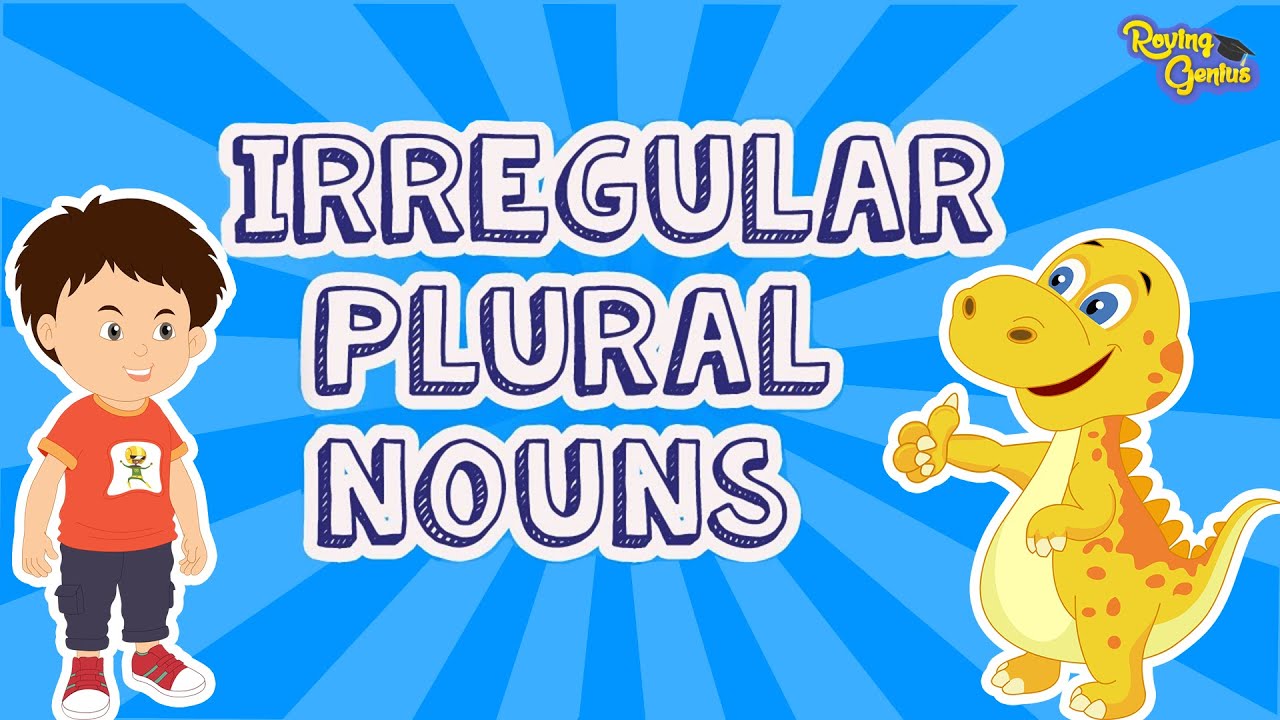
Nouns - Irregular Plural | English Grammar with Elvis | Roving Genius
You may have faced difficulty in understanding which Noun can be made plural by adding 's' and which require 'ies', 'es', 'ves' etc.
Let us watch this video to understand more about irregular plural nouns.
Let us know if you like it by commenting below!
Also do share the video with your Family, friends and kids and spread the knowledge.
You can watch our videos on English Grammar at: https://www.youtube.com/playli....st?list=PLZnpJUG_Dz0
On Kindergarten Concepts at: https://www.youtube.com/playli....st?list=PLZnpJUG_Dz0
On writing Alphabet Letters at: https://youtu.be/FcVna90JmFk?l....ist=PLZnpJUG_Dz0aUmR
On Science Concepts at: https://www.youtube.com/playli....st?list=PLZnpJUG_Dz0
Check out our other videos here http://vid.io/xq6O
Facebook: https://www.facebook.com/RovingGenius/
Follow Us @ https://twitter.com/Roving_Genius
Google Plus: https://plus.google.com/+RovingGenius

Valence Electron Basics
Learn how to use the periodic table in order to determine the number of valence electrons.
The valence electrons are the electrons found in the outer shell of an atom. The outer shell is also called the orbitals or the atomic electron shells.
I also show two methods of illustrating the valence electrons.
The Bohr diagram and the Lewis dot structure.
*********************************************************************
What happens when you mix sodium and water?
Hint: It involves fire.
https://www.youtube.com/watch?v=YRPuDQtB_5Y&t=41s