Top videos

Are artists really more tortured than the rest of us? Let's consider this myth and the studies that assess whether there might be a link between creativity and mental illness. If you need help with mental and/or substance use disorders, contact SAMHSA’s National Helpline: 1-800-662-HELP (4357) - Free, confidential, 24/7, 365-day-a-year treatment referral and information service: https://www.samhsa.gov/.
Thanks to our Grandmasters of the Arts Vincent Apa and Indianapolis Homes Realty, and all of our patrons, especially Bronze Bond, Patrick Hanna, M12 Studio, Jane Quale, and Constance Urist. To support our channel, visit: http://www.patreon.com/artassignment.
Studies:
Karolinska Institutet, 2013: https://www.ncbi.nlm.nih.gov/pubmed/23063328
Karolinska Institutet, 2011: https://www.ncbi.nlm.nih.gov/pubmed/21653945
Buffalo State, 2017: https://www.sciencedirect.com/....science/article/pii/
Johns Hopkins University, 1990: https://www.ncbi.nlm.nih.gov/pubmed/2258762
Centers for Disease Control, 2016: https://www.cdc.gov/mmwr/volum....es/65/wr/mm6525a1.ht
Articles:
Kay Redfield Jamison’s “Manic- Depressive Illness and Creativity”: https://pdfs.semanticscholar.o....rg/a0e3/238fd584c4d1
“The Real Link Between Creativity and Mental Illness”: https://blogs.scientificameric....an.com/beautiful-min
Critique of Redfield Jamison findings: https://scottbarrykaufman.com/....wp-content/uploads/2
“The relationship between measures of creativity and schizotypy”: https://www.psychologytoday.co....m/files/attachments/
The latest research on creativity and the arts, June 2014: http://www.apa.org/monitor/201....4/06/arts-creativity
Subscribe for new episodes of The Art Assignment every other Thursday!
--
Follow us elsewhere for the full Art Assignment experience:
Tumblr: http://theartassignment.com
Response Tumblr: http://all.theartassignment.com
Twitter: http://twitter.com/artassignment
Instagram: http://instagram.com/theartassignment/
Facebook: http://www.facebook.com/theartassignment
and don't forget Reddit!: http://www.reddit.com/r/TheArtAssignment

You've likely seen this glassy-eyed late 19th Century barmaid before, but what can we make of this painting today? Let's explore Edouard Manet's A Bar at the Folies-Bergère. You can go to https://wix.com/go/ArtAssignment to get started on your website!
Thanks to our Grandmasters of the Arts Vincent Apa and Indianapolis Homes Realty, and all of our patrons, especially Bronze Bond, Patrick Hanna, M12 Studio, and Constance Urist. To support our channel, visit: http://www.patreon.com/artassignment.
Subscribe for new episodes of The Art Assignment every other Thursday!
--
Follow us elsewhere for the full Art Assignment experience:
Tumblr: http://theartassignment.com
Response Tumblr: http://all.theartassignment.com
Twitter: http://twitter.com/artassignment
Instagram: http://instagram.com/theartassignment/
Facebook: http://www.facebook.com/theartassignment
and don't forget Reddit!: http://www.reddit.com/r/TheArtAssignment
Pre-order our book YOU ARE AN ARTIST (which includes new assignments!) here: http://bit.ly/2kplj2h This week we're talking about your Desktop Monuments! Your responses to Lee Boroson's assignment to capture the feeling of monumentality with miniature models have been fantastic -- keep submitting your responses with #theartassignment!
Watch the original assignment: https://youtu.be/EX9FiewKqI0
Featured in this video:
yes4poe: http://yes4poe.tumblr.com/post..../100405125312/canyon
Erin Carlson: http://hyperponderating.tumblr.....com/post/1017066017
lyriclorelei: http://lyriclorelei.tumblr.com..../post/110834727675/d
ljm792: https://www.youtube.com/watch?v=EX9FiewKqI0&lc=z12ksnkhdwqdwzy2i230zxnhbwqnipxgu04
Tessa: http://space-munchies.tumblr.com/post/100316250647
unnestedmatryoshka: http://unnestedmatryoshka.tumb....lr.com/post/10017888 / http://unnestedmatryoshka.tumb....lr.com/post/10017903
Kiley: http://princess-of-the-ooo-for....ests.tumblr.com/post
minnesbeta: http://minnesbeta.tumblr.com/p....ost/113417385789/the / http://minnesbeta.tumblr.com/p....ost/113417573184/the
Paralian - https://www.youtube.com/watch?v=EX9FiewKqI0&lc=z12lexuzsku3cznqh04cdftjuuqsstmxj4c
--
Follow us elsewhere for the full Art Assignment experience!
Tumblr: http://theartassignment.com
Response Tumblr: http://all.theartassignment.com
Twitter: http://twitter.com/artassignment
Instagram: http://instagram.com/theartassignment/
Facebook: http://www.facebook.com/theartassignment
and don't forget Reddit!: http://www.reddit.com/r/TheArtAssignment/

Pre-order our book YOU ARE AN ARTIST (which includes new assignments!) here: http://bit.ly/2kplj2h
In which Los Angeles-based artist Robyn O'Neil challenges you to draw a psychological landscape.
INSTRUCTIONS - Psychological Landscape
1. Get a piece of paper and something to draw with
2. Create a ground on your picture plane
3. Populate the ground with figures and give them human-like characteristics.
4. Upload it using #theartassignment
5. Fame and glory (your work might be in a future episode)
Learn more about Robyn's work here: http://www.robynoneil.com/
And follow her on twitter! @Robyn_ONeil
To learn more about The Art Assignment: http://theartassignment.com
Mentions include:
Bob Ross: https://www.youtube.com/watch?v=YLO7tCdBVrA
Albert Bierstadt, The Rocky Mountains, Lander's Peak, 1863, collection of the Metropolitan Museum of Art: http://www.metmuseum.org/Colle....ctions/search-the-co
Werner Herzog's Cave of Forgotten Dreams: http://www.ifcfilms.com/films/....cave-of-forgotten-dr
Chauvet Cave paintings: http://www.bradshawfoundation.com/chauvet/

The Art Assignment, launching early 2014, is a weekly PBS Digital Studios production hosted by curator Sarah Green. We will take you around the U.S. to meet working artists and solicit assignments from them that we can all complete.
Check us out online:
Twitter: twitter.com/artassignment
Tumblr: theartassignment.tumblr.com
Facebook: facebook.com/theartassignment
For more from PBS Digital Studios: youtube.com/pbsdigitalstudios

Pre-order our book YOU ARE AN ARTIST (which includes new assignments!) here: http://bit.ly/2kplj2h
This week we meet with experimental musicians Mark Stewart and Julia Wolfe at the Bang on a Can Summer Music Festival at MASS MoCA, an amazing contemporary art museum in North Adams, Massachusetts. They give us the challenge to FIND YOUR BAND.
INSTRUCTIONS - Find Your Band
1. Go through your day and notice all the sounds around you
2. Choose a group of those sounds to be your band
3. Join the band!
4. Record or document what happens and upload to your social media platform of choice with #theartassignment
5. Fame and glory (your work might be in a future episode)
Find out more about The Art Assignment and how to submit your response: http://theartassignment.com/

Pre-order our book YOU ARE AN ARTIST (which includes new assignments!) here: http://bit.ly/2kplj2h
In which we meet Florian Rivière & Jim Walker and play What, How, Where!: http://[a]www.whathowandwhere.com%2F[/a]
INSTRUCTIONS - What How Where
1. Visit www.whathowandwhere.com and click to receive an instruction
2. Do the instruction and document it using any medium
3. Upload it using #theartassignment
4. Fame and glory (your work might be featured in a future episode.)
Learn more about Florian's work: http://www.florianriviere.fr/
Learn more about Big Car: http://www.bigcar.org/
And click here to buy a book about Florian or a Drift Dice game based on the same ideas: https://www.etsy.com/shop/BigCarCollective

Pre-order our book YOU ARE AN ARTIST (which includes new assignments!) here: http://bit.ly/2kplj2h We may be on vacation this week but that doesn't mean that The Art Assignment is! Nature permitting, we're going to try to answer some of our favorite questions submitted by you, dear viewers.
--
Follow us elsewhere for the full Art Assignment experience!
Tumblr: http://theartassignment.com
Response Tumblr: http://all.theartassignment.com
Twitter: http://twitter.com/artassignment
Instagram: http://instagram.com/theartassignment/
Facebook: http://www.facebook.com/theartassignment
and don't forget Reddit!: http://www.reddit.com/r/TheArtAssignment/

Pre-order our book YOU ARE AN ARTIST (which includes new assignments!) here: http://bit.ly/2kplj2h It's been a year since Fritz Haeg asked us to make a rug, and you all delivered! We received so many responses to this assignment and it's been incredible watching your rugs grow over the last 12 months. Fritz intended this process to be ongoing, so keep adding to your rugs as you wear out more clothes!
If you're planning on attending Vidcon, we will be making a rug together at the PBS Digital booth! So bring your old tshirts with you to Anaheim.
Watch the original Make a Rug assignment: https://youtu.be/3GLmRJMTn6E
--
Follow us elsewhere for the full Art Assignment experience!
Tumblr: http://theartassignment.com
Response Tumblr: http://all.theartassignment.com
Twitter: http://twitter.com/artassignment
Instagram: http://instagram.com/theartassignment/
Facebook: http://www.facebook.com/theartassignment
and don't forget Reddit!: http://www.reddit.com/r/TheArtAssignment/
It's tax season in the United States, and the art market is one of the many ways rich people game the system to save billions of dollars in taxes each year. Here's how it's done.
To support our channel, visit: http://www.patreon.com/artassignment.
Thanks to our Grandmaster of the Arts Indianapolis Homes Realty, and all of our patrons, especially Lawrence Abrahamson, Patrick Hanna, M12 Studio, Robert Rupp, and Constance Urist.
Subscribe for new episodes of The Art Assignment every other Thursday!
--
Follow us elsewhere for the full Art Assignment experience:
Tumblr: http://theartassignment.com
Response Tumblr: http://all.theartassignment.com
Twitter: http://twitter.com/artassignment
Instagram: http://instagram.com/theartassignment/
Facebook: http://www.facebook.com/theartassignment
and don't forget Reddit!: http://www.reddit.com/r/TheArtAssignment
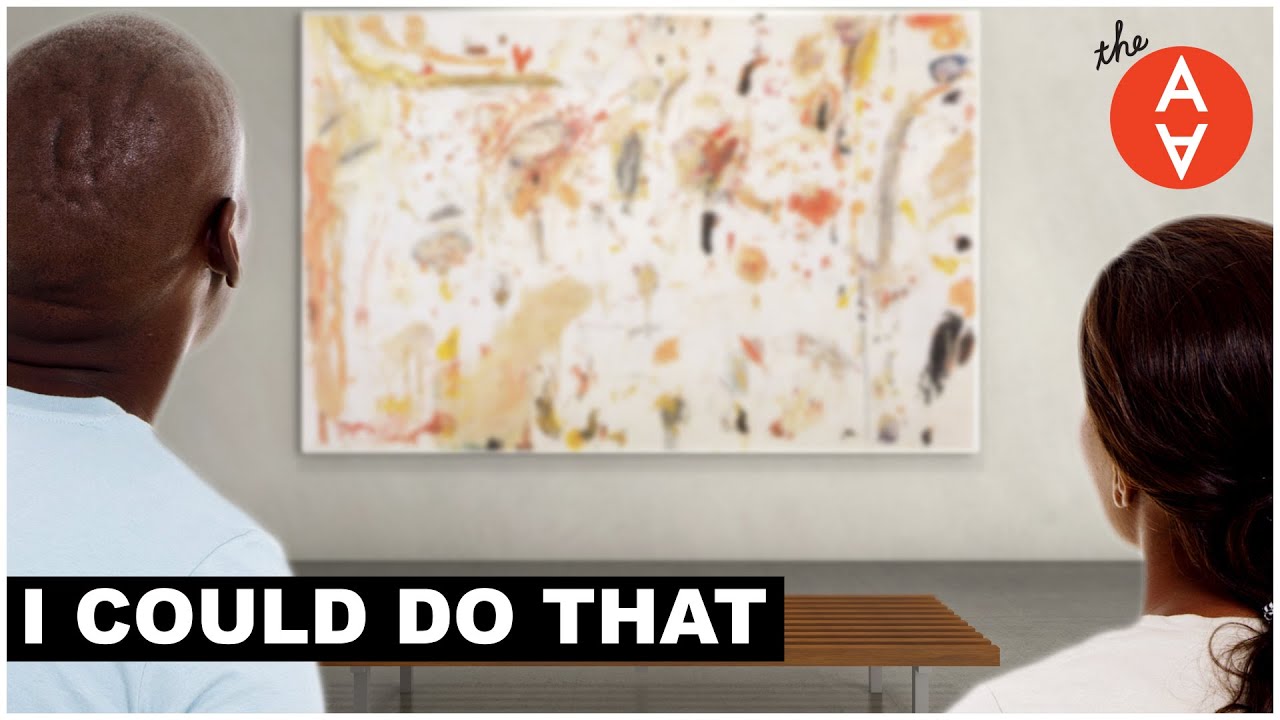
Pre-order our book YOU ARE AN ARTIST (which includes new assignments!) here: http://bit.ly/2kplj2h So you look at a work of art and think to yourself, I could have done that. And maybe you really could have, but the issue here is more complex than that -- why didn't you? Why did the artist? And why does it have an audience? We delve into it by looking at work by artists like Felix Gonzalez-Torres, Piet Mondrian, and Cy Twombly, among others. You might find it’s not quite as simple as you think.
---
Follow us elsewhere for the full Art Assignment experience!
Tumblr: http://theartassignment.com
Response Tumblr: http://all.theartassignment.com
Twitter: http://twitter.com/artassignment
Instagram: http://instagram.com/theartassignment/
Facebook: http://www.facebook.com/theartassignment
and don't forget Reddit!: http://www.reddit.com/r/TheArtAssignment/

Pre-order our book YOU ARE AN ARTIST (which includes new assignments!) here: http://bit.ly/2kplj2h So many of you came out to make a rug with us at VidCon and we couldn't be more thrilled with how it turned out. Thanks so much to all who participated, and especially those who were kind enough to share their thoughts about the experience!
In order of appearance (let us know if we have any of this wrong or if we can add any more information):
1) Oliver Bollmann / @LynxThoughts
2) June Kwon / youtube.com/TheJuneKwon
3) Michael Tsiang/ @gnaist / youtube.com/gnaistvlogs
4) Hussien Salama / @hussiens
5) Ashley Lehmann/ @Ashleyness683
6) Annie Leonard
7) Amy Folkedahl/ @x37adventures
8) David / @DavidGulfo
9) Alexis Webb Bechtold/ @x37adventures
10) Betty Chen/ @articulationsv
---
Follow us elsewhere for the full Art Assignment experience!
Tumblr: http://theartassignment.com
Response Tumblr: http://all.theartassignment.com
Twitter: http://twitter.com/artassignment
Instagram: http://instagram.com/theartassignment/
Facebook: http://www.facebook.com/theartassignment
and don't forget Reddit!: http://www.reddit.com/r/TheArtAssignment/

Pre-order our book YOU ARE AN ARTIST (which includes new assignments!) here: http://bit.ly/2kplj2h
Laurel Nakadate makes art by connecting with strangers, and she wants you to do this, too! She gives us the challenge of finding little known family members and making their photographic portrait.
Sarah also discusses photography as an artistic medium and highlights a specific theory in Roland Barthes' book, CAMERA LUCIDA.
INSTRUCTIONS - RELATIVE STRANGERS
1. Find a family member who you haven't seen in a while or have never met
2. Take their portrait
3. Upload it to your social media platform of choice using #theartassignment
4. Fame and glory (your work might be in a future episode)
Find out more about The Art Assignment and how to submit your response: http://theartassignment.com/

Pre-order our book YOU ARE AN ARTIST (which includes new assignments!) here: http://bit.ly/2kplj2h
Performance artist Ryan McNamara joins The Art Assignment to challenge you to play a game of Movement Telephone.
Sarah then compares this assignment to the evolution of the meme, which is a sophisticated and rapid form of imitation.
INSTRUCTIONS
1. Find a clip of movement on the internet. Watch it once.
2. Film yourself replicating that movement.
3. Watch your video and then film yourself replicating your movement in that video.
4. Repeat step 3.
5. Upload your 3 clips (edited together, ideally) and a link to your inspiration video with #theartassignment.
6. Fame and glory (your work may be in a future video).
Find out more about The Art Assignment and how to submit your response: http://theartassignment.com/
This episode of Art Cooking explores the life, art, and eating habits of the great Impressionist artist Claude Monet. We prepare a menu based on the journals Monet kept during his years in Giverny, France, enjoying the freshest produce from the vegetable garden he kept along side the extensive flower and water gardens you recognize from his paintings.
#claudemonet #impressionism #arthistory
Thanks to our Grandmasters of the Arts Vincent Apa, Josh Thomas, and Ernest Wolfe, and all of our patrons, especially Rich Clarey, Iain Eudaily, Frame Monster Design Laboratory, Patrick Hanna, Nichole Hicks, Andrew Huynh, Eve Leonard, David Moore, Gabriel Civita Ramirez, Constance Urist, Nicholas Xu, and Roberta Zaphiriou. To support our channel, visit: http://www.patreon.com/artassignment.
Subscribe for new episodes of The Art Assignment every other Thursday, and follow us elsewhere for the full Art Assignment experience:
Twitter: http://twitter.com/artassignment
Instagram: http://instagram.com/theartassignment/
Facebook group: https://www.facebook.com/group....s/artassignmentextra
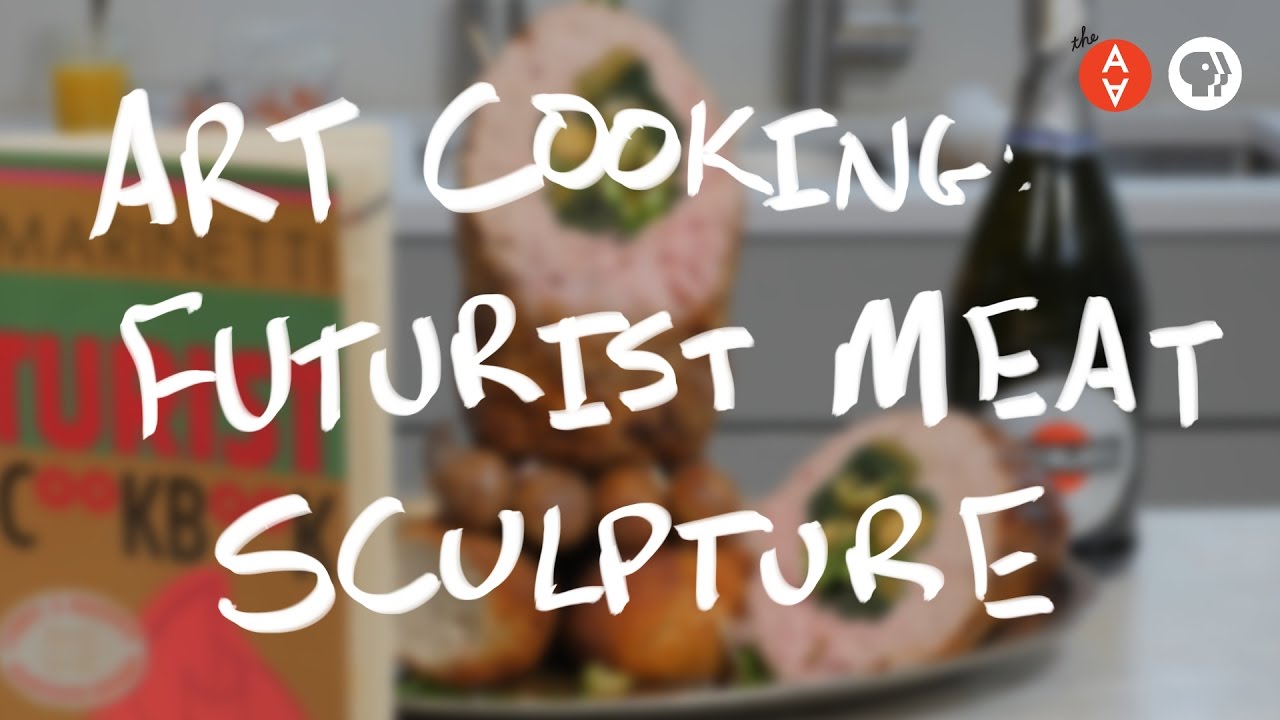
Exploring the intersection of art and food, we prepare two dishes from the 1930s devised by the pasta-hating Italian Futurists. BEHOLD: 1) MEAT SCULPTURE and 2) LIKE A CLOUD. To support our channel, or at least consider it: http://www.patreon.com/artassignment
Thanks to our Grandmaster of the Arts Indianapolis Homes Realty, and all of our patrons, especially Patrick Hanna, Constance Urist, and Chad Crews.
Assistance provided by: Futurist Friend Nichole Hicks.
Subscribe for new episodes of The Art Assignment every other Thursday!
--
Follow us elsewhere for the full Art Assignment experience:
Website: http://www.theartassignment.com
Instagram: http://instagram.com/theartassignment/
Extra Credit Group: http://www.facebook.com/groups..../artassignmentextrac
tumblr: http://theartassignment.tumblr.com/
All responses tumblr: http://all.theartassignment.com
Twitter: http://twitter.com/artassignment
Facebook: http://www.facebook.com/theartassignment
and maybe Reddit?: http://www.reddit.com/r/TheArtAssignment

Space travel is infamously bad for your health. But it turns out that in some very specific cases, space travel may actually be beneficial. Like by strengthening your bones, or repairing your DNA.
Hosted by:@NotesByNiba (she/her)
----------
Support us for $8/month on Patreon and keep SciShow going!
https://www.patreon.com/scishow
Or support us directly: https://complexly.com/support
Join our SciShow email list to get the latest news and highlights:
https://mailchi.mp/scishow/email
----------
Huge thanks go to the following Patreon supporters for helping us keep SciShow free for everyone forever: Eric Jensen, David Johnston, Alan Wong, Cye Stoner, Bethany Matthews, Adam Brainard, Friso, Matt Curls, Chris Mackey, Garrett Galloway, J.V. Rosenbalm, Toyas Dhake, Reed Spilmann, Jeremy Mattern, Jaap Westera, Chris Curry, Blood Doctor Kelly, Lyndsay Brown, Kevin Bealer, Piya Shedden, Joseph Ruf, Steve Gums, Jason A Saslow, Kevin Knupp, Alex Hackman, Chris Peters
----------
Looking for SciShow elsewhere on the internet?
SciShow Tangents Podcast: https://scishow-tangents.simplecast.com/
TikTok: https://www.tiktok.com/@scishow
Instagram: http://instagram.com/thescishow
Facebook: http://www.facebook.com/scishow
Bluesky: https://bsky.app/profile/scishow.bsky.social
#SciShow #science #education #learning #complexly
----------
Sources: https://docs.google.com/docume....nt/d/e/2PACX-1vSQ-Ju

Another YouTube #shorts from Dr. Joe! Subscribe for more fun science stories.
Join us on Patreon!
https://patreon.com/itsokaytobesmart
Instagram
http://www.instagram.com/DrJoeHanson
http://www.instagram.com/okaytobesmart
Facebook
https://www.facebook.com/itsokaytobesmartpbs/

Another YouTube #shorts from Dr. Joe! Subscribe for more fun science stories.
Join us on Patreon!
https://patreon.com/itsokaytobesmart
Instagram
http://www.instagram.com/DrJoeHanson
http://www.instagram.com/okaytobesmart
Facebook
https://www.facebook.com/itsokaytobesmartpbs/

Viewers like you help make PBS (Thank you 😃) . Support your local PBS Member Station here: https://to.pbs.org/PBSDSDonate
It's a long story…
↓ More info and sources below ↓
How do you make a Grand Canyon?
Thanks to Mike from PBS Idea Channel and Jamin from PBS Game/Show for hanging out at the Grand Canyon with me!
https://www.youtube.com/user/pbsideachannel
https://www.youtube.com/user/pbsgameshow
Special thanks to Raymond Schillinger for great camera work!
I was in Arizona recently for Phoenix Comic-Con, and had the amazing pleasure of seeing one of Earth's greatest natural wonders… the Grand Canyon. More than a mile deep, and several miles across, it just defies belief. But I couldn't help but think, the Colorado River down at the bottom isn't that big. How did it cut a canyon so massive? How old is the Grand Canyon?
Here's its story
http://www.nps.gov/grca/learn/....nature/geologicforma
Have an idea for an episode or an amazing science question you want answered? Leave a comment or check us out at the links below!
Follow on Twitter: http://twitter.com/okaytobesmart
http://twitter.com/jtotheizzoe
Follow on Tumblr: http://www.itsokaytobesmart.com
Follow on Instagram: http://instagram.com/jtotheizzoe
-----------------
It's Okay To Be Smart is written and hosted by Joe Hanson, Ph.DFollow me on Twitter: @jtotheizzoe
Email me: itsokaytobesmart AT gmail DOT com
Facebook: http://www.facebook.com/itsokaytobesmart
Google+ https://plus.google.com/+itsokaytobesmart
For more awesome science, check out: http://www.itsokaytobesmart.com
Produced by PBS Digital Studios: http://www.youtube.com/user/pbsdigitalstudios
Joe Hanson - Creator/Host/Writer… and camera for this one!
Joe Nicolosi - Director
Amanda Fox - Producer, Spotzen IncKate Eads - Producer
Andrew Matthews - Editing/Motion Graphics/Animation
Theme music: "Ouroboros" by Kevin MacLeod
Other music via APM
Stock images from Shutterstock, stock footage from Videoblocks
-----------------
Last week's video:
Why Are The Bees Dying?
https://youtu.be/rKQNx0av7eY?l....ist=PLsmqeqKj7M-pINc
More videos:
Why Does February Have 28 Days? https://www.youtube.com/watch?v=AgKaHTh-_Gs
Why Vaccines Work https://www.youtube.com/watch?v=3aNhzLUL2ys
Why Are Some People Left-Handed? https://www.youtube.com/watch?v=NPvMUpcxPSA
Where Does the Smell of Rain Come From? https://www.youtube.com/watch?v=lGcE5x8s0B8
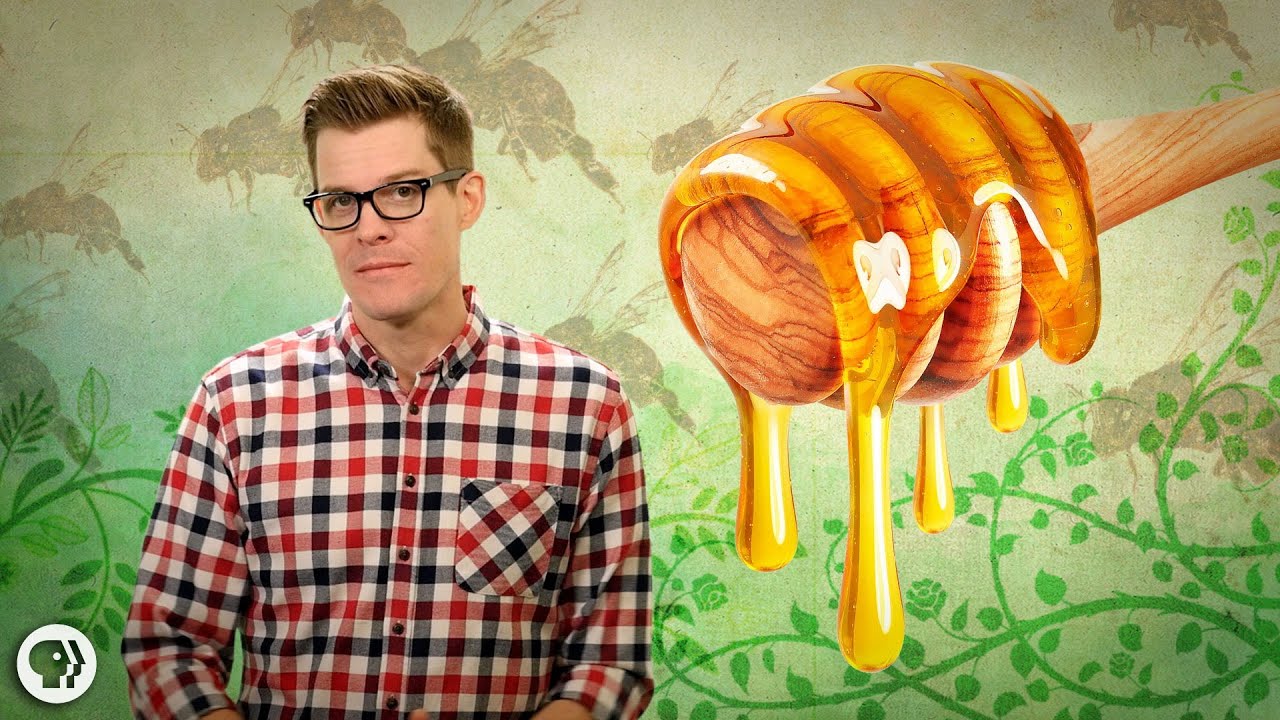
Viewers like you help make PBS (Thank you 😃) . Support your local PBS Member Station here: https://to.pbs.org/PBSDSDonate
Let PBS know more about you and what digital series you’d like to see: http://surveymonkey.com/r/pbsds2016
Tweet this ⇒ http://bit.ly/OKTBShunE Share on FB ⇒ http://bit.ly/OKTBShunEfb
↓ More info and sources below ↓
Check out our BEE PLAYLIST! http://bit.ly/OKTBSbeelist
The Honey Bee Dance Language Explained: https://www.cals.ncsu.edu/ento....mology/apiculture/pd
Being a queen is about more than royal jelly:
Mao, Wenfu, Mary A. Schuler, and May R. Berenbaum. "A dietary phytochemical alters caste-associated gene expression in honey bees."Science advances 1.7 (2015): e1500795
Multiple phenotypes coming from the same genetics (like workers and queens) is called “polyphenism”
https://en.wikipedia.org/wiki/Polyphenism
The social structure of honeybee hives: https://hymenoptera42.wordpres....s.com/2013/02/15/the
The following clips were used under Creative Commons CC-BY license:
Mary Ann Aschenbrennerhttps://www.youtube.com/watch?v=VG6tWrcy3mQ
BeesOnTheNet https://www.youtube.com/watch?v=OEMg_F1yUJk
Have an idea for an episode or an amazing science question you want answered? Leave a comment or check us out at the links below!
Follow on Twitter: http://twitter.com/okaytobesmart
http://twitter.com/jtotheizzoe
Follow on Tumblr: http://www.itsokaytobesmart.com
Follow on Instagram: http://instagram.com/jtotheizzoe
Follow on Snapchat: YoDrJoe
-----------------
It’s Okay To Be Smart is written and hosted by Joe Hanson, Ph.D.
Follow me on Twitter: @jtotheizzoe
Email me: itsokaytobesmart AT gmail DOT com
Facebook: http://www.facebook.com/itsokaytobesmart
For more awesome science, check out: http://www.itsokaytobesmart.com
Produced by PBS Digital Studios: http://www.youtube.com/user/pbsdigita...
Music via APM
Stock images from Shutterstock, stock footage from Videoblocks (unless otherwise noted)
To learn more about Brilliant, go to https://brilliant.org/BeSmart/ and sign up for free. First 200 people will get 20% off the annual Premium subscription.
↓↓↓ More info and sources below ↓↓↓
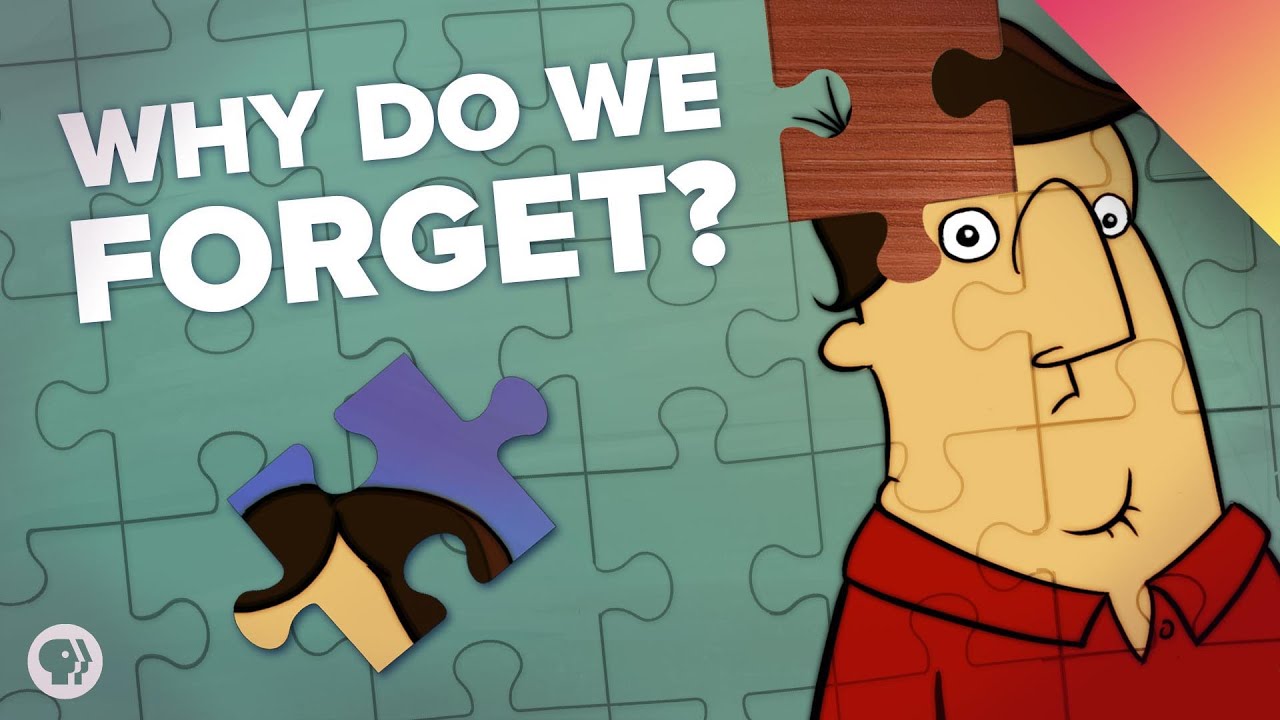
How does memory work? And how does… un-memory work? Our brain does a lot of remembering and forgetting every day, so you should probably make room for som info on how it works. You’ll also get to meet some people who can’t make memories, and also never forget anything.
References: http://bit.ly/2rdFW0O
-----------
FOLLOW US:
Twitter:@DrJoeHanson @okaytobesmart
Instagram: @DrJoeHanson
Merch: https://store.dftba.com/collec....tions/its-okay-to-be
Facebook: http://www.facebook.com/itsokaytobesmart
SEND US STUFF:
It’s Okay To Be Smart
PO Box 303356
Austin, TX 78703
USA
BOOKS WE’VE FEATURED:
http://smart-books.tumblr.com/
-----------
It’s Okay To Be Smart is hosted by Joe Hanson, Ph.D.
Director: Joe Nicolosi
Writer: Maria Ter-Mikaelian
Creative Director: David Schulte
Editor/animator: Karl Boettcher and Derek Borsheim
Producers: Stephanie Noone and Amanda Fox
Produced by PBS Digital Studios
Music via APM
Stock images from Shutterstock http://www.shutterstock.com

We’re on PATREON! Join the community: https://www.patreon.com/itsokaytobesmart
↓↓↓ More info and sources below ↓↓↓
Scorpions have been terrorizing other creatures on Earth for hundreds of millions of years. They’ve evolved a perfect cocktail of venom that can mess up both predators and prey. But they are also an evolutionary marvel that could show us the way to some powerful new life-saving medicines.
Filmed at the California Academy of Sciences @calacademy https://www.calacademy.org/
SUBSCRIBE so you don’t miss a video! ►► http://bit.ly/iotbs_sub
-----------
Be Smart is made possible by these Brain Trust Patrons and others:
Holly, Brett, and Ashe Bullion
Jaap Westera
Millennial Glacier
Mark Littlehale
Mehdi Damou
Barbora Bei
Burt Humburg
dani bowman
David Johnston
Salih Arslan
Baerbel Winkler
Robert Young
Eric Meer
Dustin
Karen Haskell
Join us on Patreon!
https://patreon.com/itsokaytobesmart
Twitter
http://www.twitter.com/DrJoeHanson
http://www.twitter.com/okaytobesmart
Instagram
http://www.instagram.com/DrJoeHanson
http://www.instagram.com/okaytobesmart

Thank you to Wren for supporting PBS. To learn more, go to https://wren.co/start/besmart
We’re on PATREON! Join the community https://www.patreon.com/itsokaytobesmart
↓↓↓ More info and sources below ↓↓↓
Movies. Video games. YouTube videos. All of them work because we accidentally figured out a way to fool your brain’s visual processing system, and you don’t even know it’s happening. In this video, I talk to neuroscientist David Eagleman about the secret illusions that make the moving picture possible.
Thank you to The Slow-Mo Guys for sharing some incredible footage with us. Here are the full videos:
https://youtu.be/3BJU2drrtCM
https://youtu.be/omuRkUFnnv4
https://youtu.be/eJVpYL44jUQ
References and sources:
https://sites.google.com/view/....be-smart-illusion-of
-----------
Special thanks to our Brain Trust Patrons:
Mehdi Damou
Barbora Bei
Ken Board
The Clinger-Hamilton Family
Attila Pix
Burt Humburg
DeliciousKashmiri
Brian Chang
Roy Lasris
dani bowman
David Johnston
Salih Arslan
Baerbel Winkler
Robert Young
Amy Sowada
Eric Meer
Dustin
Karen Haskell
AlecZero
Join us on Patreon!
https://patreon.com/itsokaytobesmart
Twitter
http://www.twitter.com/DrJoeHanson
http://www.twitter.com/okaytobesmart
Instagram
http://www.instagram.com/DrJoeHanson
http://www.instagram.com/okaytobesmart
Merch
https://store.dftba.com/collec....tions/its-okay-to-be
Facebook
https://www.facebook.com/itsokaytobesmartpbs/
Viewers like you help make PBS (Thank you 😃) . Support your local PBS Member Station here: https://to.pbs.org/PBSDSDonate
Hint: It's not black
Don’t miss our next video! SUBSCRIBE! ►► http://bit.ly/iotbs_sub
↓↓↓ More info and sources below ↓↓↓
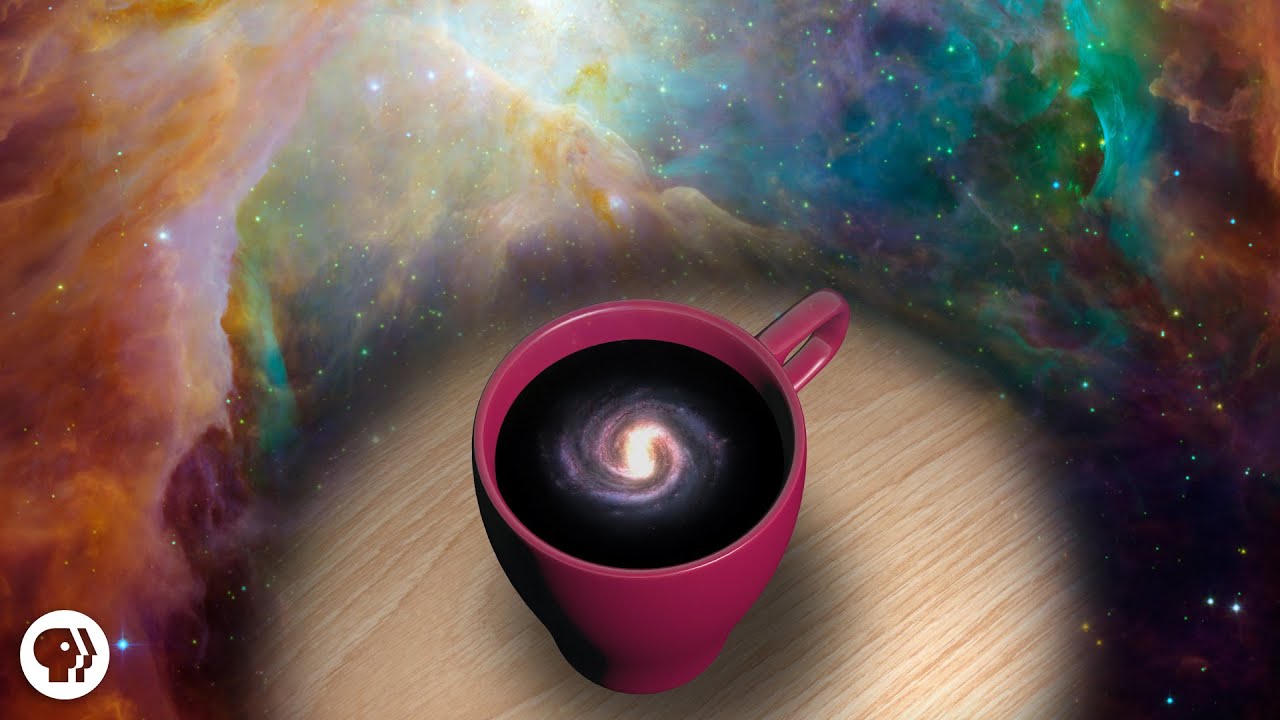
When you stare up at the night sky, you might think that the universe is really black, but that's just because our eyes aren't sensitive enough to see the billions and billions of multicolored stars out there. Ever wonder why certain stars are certain colors? And what color is our sun, really? If we looked at enough stars, could we figure out the average color of the universe?
Read more:
Stellar classification: http://en.wikipedia.org/wiki/S....tellar_classificatio
What color is the sun: http://casa.colorado.edu/~ajsh..../colour/Tspectrum.ht
Star colors in hex code: http://blogs.discovermagazine.....com/badastronomy/201
Color of the Milky Way: http://www.news.pitt.edu/milkywaycolor
Average color of the universe (cosmic latte): http://apod.nasa.gov/apod/ap020702.html
Have an idea for an episode or an amazing science question you want answered? Leave a comment below!
Follow on Twitter: http://twitter.com/okaytobesmart
http://twitter.com/jtotheizzoe
Follow on Tumblr: http://www.itsokaytobesmart.com
Follow on Instagram: http://instagram.com/jtotheizzoe
-----------------
It's Okay To Be Smart is written and hosted by Joe Hanson, Ph.D
Follow me on Twitter: @DrJoeHanson
Instagram: @DrJoeHanson
Email me: itsokaytobesmart AT gmail DOT com
Facebook: http://www.facebook.com/itsokaytobesmart
Produced by PBS Digital Studios: http://www.youtube.com/user/pbsdigitalstudios
Joe Hanson - Creator/Host/Writer
Joe Nicolosi - Director
Amanda Fox - Producer, Spotzen IncKate Eads - Associate Producer
Andrew Matthews - Editing/Motion Graphics/Animation
Katie Graham - Director of Photography
John Knudsen - Gaffer
Dalton Allen - Post-Production Intern
Theme music:
"Ouroboros" by Kevin MacLeod
Other music via APM
Stock images from Shutterstock
-----------------
Last week's video: Attack of the Zombie Parasites https://www.youtube.com/watch?v=AgCQStTSMuk
More videos:
Why Does February Have 28 Days? https://www.youtube.com/watch?v=AgKaHTh-_Gs
Why Vaccines Work https://www.youtube.com/watch?v=3aNhzLUL2ys
Why Are Some People Left-Handed? https://www.youtube.com/watch?v=NPvMUpcxPSA
Where Does the Smell of Rain Come From? https://www.youtube.com/watch?v=lGcE5x8s0B8