I migliori video

👩🏫 Elevate your teaching game with this step-by-step tutorial on using Canva and Google Classroom together! In this video, we'll show you tips and tricks on how to effortlessly create eye-catching assignments and engaging materials using Canva's design prowess. Learn to seamlessly integrate your stunning designs into Google Classroom, making the assignment posting process not only efficient but also visually captivating for your students. 💡 Enhance your online teaching experience and leave a lasting impact on your students with this powerful combination! 🚀 #CanvaClassroom #EdTechMagic #teacherhacks #GoogleClassroomDesigns #educationinnovation #edtech #canva #canvaforeducation #googleclassroom #creativeteaching #canvatipsandtricks #howtocreateanassignment
👩🏫 Elevate your teaching game with this step-by-step tutorial on using Canva and Google Classroom together! In this video, we'll show you tips and tricks on how to effortlessly create eye-catching assignments and engaging materials using Canva's design prowess. Learn to seamlessly integrate your stunning designs into Google Classroom, making the assignment posting process not only efficient but also visually captivating for your students. 💡 Enhance your online teaching experience and leave a lasting impact on your students with this powerful combination! 🚀 #CanvaClassroom #EdTechMagic #teacherhacks #GoogleClassroomDesigns #educationinnovation #edtech #canva #canvaforeducation #googleclassroom #creativeteaching #canvatipsandtricks #howtocreateanassignment

How To CREATE Canva Education Account (QUICK & EASY) 2026
In this video, I'll show you how to create a Canva Education account. This is a full guide on how to sign up for Canva for Education in 2026.
In case you've been trying to access Canva's free tools for teachers and students, this is the video you need to see!
__________________________________________________
🔔 If you own the website/application featured in the video and would prefer it not to be displayed on our channel, please contact us using the following email: nexllc1209@gmail.com. We'll happily remove the video.
__________________________________________________
*Affiliate Disclaimer:*
This video and description may contain affiliate links. If you click on a link and make a purchase, I may receive a small commission at no additional cost to you.
*Disclaimer:*
I am not a financial advisor. Nothing mentioned in the video is financial advice, and the video is created solely for educational and entertainment purposes.
__________________________________________________
https://www.youtube.com/@Insta....ntHowTo?sub_confirma If you find this video useful, please consider Subscribing to our channel. We won't bother you with notifications and it would help us a lot!

Canva Tutorial for Beginners- How to use Canva from square one!
If you're a complete newbie on Canva and need a step by step walk-through to see what Canva is all about and how to get started with it, this video is for you! Whether you're looking at using Canva Pro or Canva Free, I'm here to help you get your feet wet and grow in your graphic design knowledge. You can use Canva for so many things- digital products to sell online, personal projects, just for fun, Etsy digital products, and so much more. I personally use it EVERY SINGLE DAY in my online business. If you've been interested in the idea of making passive income working from home, creating digital products to sell on Etsy or another sales platform using Canva might just be the answer! If you've been scouring the internet for things like how to use Canva for beginners, how to remove background in Canva, tips to design with Canva, or looking for a complete Canva course, or graphic design full course, you're in the right place. In this video, I'm walking you through the basics you'll need to know to get started designing on Canva but I also have a Canva full course as well! Click the link below to see more details! You can also find a link below for Canva pro free for 30 days if you're interested in trying out the Pro plan. Check out my Canva playlist as well for more graphic design tutorials for beginners. But for now, let's jump into CANVA!
✨ Mentioned in this video:
➡️ CANVA (Free Pro Trial): https://partner.canva.com/c/3126932/619765/10068
🎥 DIGITAL PRODUCTS MASTERCLASS (Free Training Class): https://www.kate-hayes.com/dppreg
💻 CANVA HACKS CHEAT SHEET (Free Guide): https://www.kate-hayes.com/canvahacks
____________________________
✨ FREE RESOURCES:
👉 FREE DIGITAL PRODUCT STARTER GUIDE: https://www.kate-hayes.com/dig....ital-product-starter
👉 FREE MASTER LIST OF 100+ DIGITAL PRODUCT IDEAS: https://www.kate-hayes.com/digitalproductideas
👉 FREE DIGITAL PRODUCT MASTERCLASS (watch now): https://www.kate-hayes.com/dppreg
👉 FREE Etsy Success masterclass (watch now): https://www.kate-hayes.com/web....inar-registration-pa
👉 FREE ETSY SUCCESS GUIDE: https://www.kate-hayes.com/etsy-success-guide
___________________________
✨ GET COACHING FROM KATE:
💻 Join Kate's Facebook Coaching Group (Use code YTGROUP30 for $30 off): https://www.kate-hayes.com/offers/xrBgLcYg
💻 Check out all of Kate's courses and programs here: https://www.kate-hayes.com/courses
___________________________
✨ MY FAVORITE BUSINESS TOOLS:
➡️ CANVA (Free Pro Trial): https://partner.canva.com/c/3126932/619765/10068
➡️ CREATIVE FABRICA (Graphic Design Elements- FREE TRIAL, 10 free items): https://www.creativefabrica.co....m/promo/7110/0P705-A
➡️ SHOPIFY (Sell from your own e-commerce website, free trial): https://shopify.pxf.io/c/3126932/1061744/13624
➡️ KAJABI (Course Hosting Platform, Email Marketing, Landing Pages, and more, FREE TRIAL): https://app.kajabi.com/r/e8JFEaLi/t/lw32exhy
👉 SUBSCRIBE HERE: https://www.youtube.com/channe....l/UCfXzRcRPMHw_AF7Ed
ALSO, make sure to tap the BELL 🔔 icon to turn on your notifications- that way you won't miss any of our value-packed videos!
***SOCIAL:
✨INSTAGRAM: https://www.instagram.com/katehayes.co
✨FACEBOOK: https://www.facebook.com/profi....le.php?id=1000943689
We love sharing our story and the way we've found success with you. Of course, I can't talk about this without giving Jesus the glory. We work hard with the tools we have but ultimately HE is the one who has brought in every order. "In their hearts humans plan their course, but the Lord establishes their steps" -Prov. 16:9
➡️ CONTACT US (General Inquiries): kate@kate-hayes.com
➡️ CONTACT US (Brand Collab Inquiries): katehayes@agencycreativa.com
We are affiliates for some of the brands mentioned on the channel. As an Amazon Associate and affiliate for other brands, I earn from qualifying purchases. I only recommend products I actually use, love, and think you would benefit from.
#canva #canvassador

This video guides teachers through the steps of creating classes in Canva, organizing student groups, and assigning projects and activities. It also demonstrates how to share assignments with students and provide feedback directly within the Canva platform.
https://bit.ly/DearDIS subscribe for more tutorials.

Subscribe: https://www.youtube.com/channe....l/UC51g2r_bWOQq-7Y-V
The video tutorial demonstrates how to use Canva's new Magic Write AI functionality to create lesson plans quickly and easily. The presenter mentions that if you're a teacher or professor who wants to create a lesson plan without having to write it out and go through the process, then this tutorial is for you.
The presenter shows how to create a lesson plan in under a minute using Canva. First, go to Canva.com and click on "Create a Design" and then select "Docs" to create a design doc. Next, click on "Add Magic" and selects "Magic Trick."
The presenter writes in the lesson plan topic, such as "Grade 11 lesson plan about Macbeth and the three," and then clicks enter. After a few seconds, the presenter is presented with a lesson plan template that includes the title, objective, materials needed, procedure, assessment, and citations. The presenter notes that you can edit and adjust the template as needed. The presenter concludes by stating that Canva is an incredible tool, especially for teachers, and hopes that this tutorial helps.
#canvaAI #canvamagicwrite #magicwrite

Learn how to use Canva Quizzes and Forms to create interactive student quizzes, collect responses, and quickly see student data—all right inside Canva!
In this step-by-step Canva tutorial for teachers, I'll show you how to use Canva's Quiz and Form elements to turn your Canva designs into interactive activities that students can complete digitally.
We'll walk through how to add questions, create answer choices, collect student responses, and view the data after students submit their answers. This is such an easy way to use Canva for formative assessment, quick checks, exit tickets, review activities, and classroom quizzes!
The best part? Instead of printing papers or checking every quiz individually, you can collect student responses digitally and use the results to quickly see what your students understand—and where they may need a little more help.
✨ Canva Quizzes and Forms are perfect for:
• Formative Assessments
• Classroom Quizzes
• Exit Tickets
• Math Review
• Reading Comprehension
• Quick Checks for Understanding
• Bell Ringers
• Test Review
• Student Surveys
• Beginning-of-Year Activities
• Classroom Polls
• Digital Assignments
I'll also show you how students interact with the activity and where you can find their responses after they submit their answers.
If you're already creating lessons, presentations, games, and activities in Canva, this is such a fun way to make those resources even more interactive while also collecting useful student data!
If you love learning how to use Canva in your classroom, make sure to subscribe! I share easy Canva tutorials, classroom projects, teacher tips, templates, and creative ideas to help you get more out of Canva.
🔗 LINKS FROM THIS VIDEO:
Foxy Math Canva Template: https://www.canva.com/template....s/EAHE-06yRO4-math-5
TIMESTAMPS:
00:00 Welcome
00:43 Finding a Quiz Template
01:42 Form Element Quizzes in Canva
02:09 Editing the Form Element
04:26 Copying the Form Quiz Element
05:07 Sharing Your Canva Presentation and Quiz Form with Students
05:36 Testing the Quiz Form
06:06 Viewing Responses from Students
👍 Like this video if it was helpful!
💬 Comment below and let me know how you would use Canva Quizzes or Forms with your students!
🔔 Subscribe for more Canva tips and classroom ideas!
Want to create and sell teacher resources? Join the Teacher-Author Brilliance Club (TAB):
https://teresakwant.com/teacher-author-brilliance/
Follow Me:
📸 Instagram: https://www.instagram.com/teresakwant/
🎵 TikTok: https://www.tiktok.com/@teresakwant
🍎 Find me on TPT: https://www.teacherspayteacher....s.com/store/teresa-k
🛍️ Find me on Etsy: https://www.etsy.com/shop/TemplatesbyTeresaK

🔖 This video is part of the Engage Students with Canva course and Canva Education certification. Watch the full free course here:
https://www.canva.com/design-s....chool/courses/engagi
Learn how to use Canva for Education to create digital student journals that support reflection, student voice, and formative assessment. Journals are a powerful way to capture student thinking, and with Canva’s Visual Suite, you can design flexible, creative journals that bring everything into one organized space.
In this step-by-step Canva tutorial for teachers, you’ll learn how to build, customize, assign, and manage digital journals in your classroom using Canva templates, design tools, and collaboration features.
💡 WHAT YOU’LL LEARN ⏳
00:00 Why student thinking gets lost and how journals solve it
00:37 What Canva’s Visual Suite is and how to build a digital journal
01:08 Customizing journals with templates, fonts, colors, and document types
03:00 Exploring ready-to-go journal templates with dividers, notes, and SMART goals
04:53 Assigning journals and how students access, personalize, and reflect
07:18 Teacher view: tracking student progress, giving feedback, and next steps
Whether you're new to Canva or looking to deepen student engagement with digital learning tools, this tutorial will help you confidently use Canva in your classroom.
For more Canva lessons, tutorials, and teacher certifications, visit:
https://designschool.canva.com
💬 Have questions about using Canva in your classroom? Leave a comment below.
💻 Try Canva today: https://canva.me
About Canva Education:
Canva for Education is 100% free for eligible primary and secondary schools. Empower teachers and students to collaborate, create, and communicate visually with easy-to-use design and AI tools.
🎓 Get access: www.canva.com/education
#CanvaForEducation #CanvaTutorial #EdTech #DigitalLearning #StudentEngagement #FormativeAssessment #TeacherTools #ClassroomTechnology
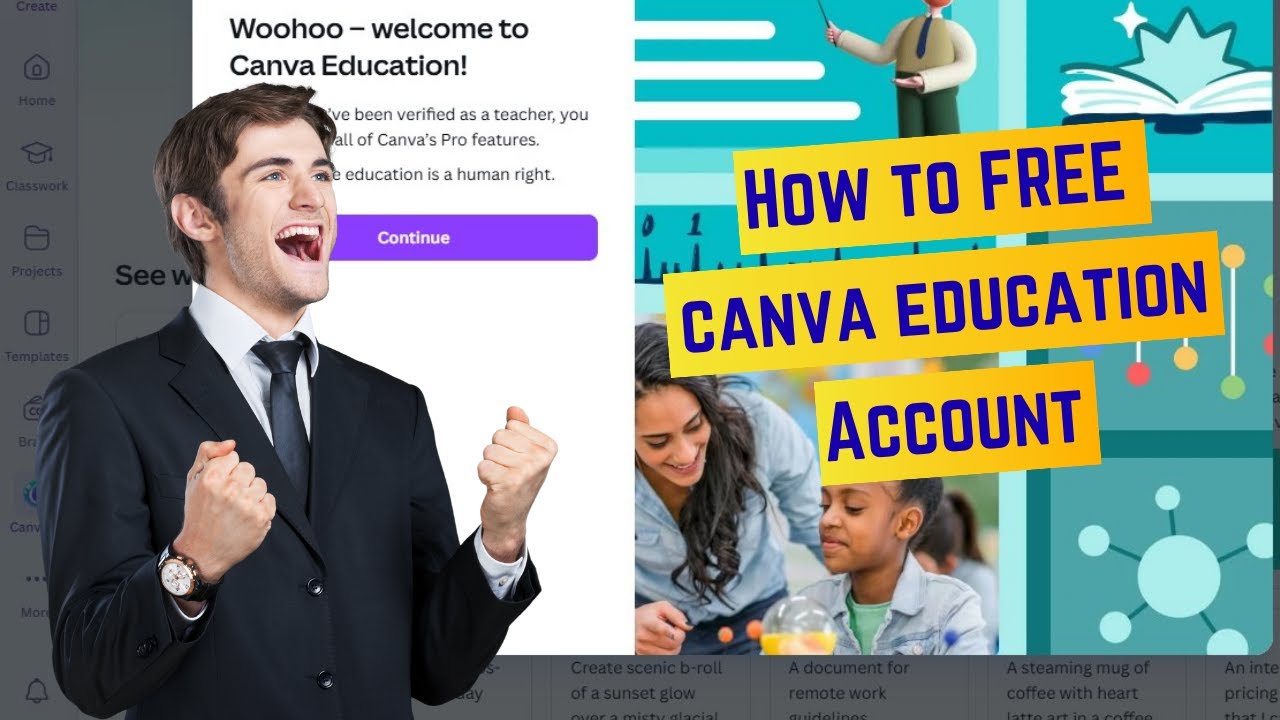
In this video, I will show you how to get a FREE Canva Education account step by step.
If you are a student or a teacher, you can use Canva Pro completely FREE with all premium features.
This method is:
✅ 100% Official & Safe
✅ No payment required
✅ No crack or hack
✅ Works worldwide (2025)
🔍 What you’ll learn in this video:
✔ What is Canva Education
✔ Who is eligible for Canva Education
✔ How to create a FREE Canva Education account
✔ Canva Education verification process
✔ Canva Pro premium features for free
✔ Common problems & solutions
🎨 Canva Education Premium Features:
✔ Unlimited premium templates
✔ Background remover
✔ Magic Resize
✔ Brand Kit
✔ Premium photos, videos & elements
👉 If you want to learn Canva, Graphic Design, Freelancing & Online Skills, make sure to Subscribe and turn on the notification bell 🔔
Tag:
free canva education account
how to get canva education account
canva pro free
canva pro free for students
canva pro free for teachers
canva education tutorial
canva education verification
canva pro free 2025
canva premium free
canva education worldwide
canva pro no payment
canva pro official method
learn canva for beginners
graphic design with canva
#CanvaEducation
#FreeCanvaPro
#CanvaProFree
#CanvaTutorial
#CanvaForStudents
#CanvaForTeachers
#GraphicDesign
#OnlineLearning
#Canva2025
🌟 Welcome to the step-by-step guide on crafting an engaging classroom newsletter in Canva! 📰✨
👩🏫 In this tutorial, we cover:
Design Basics: Learn how to layout your newsletter for maximum impact and readability.
Content Ideas: Get inspired with content that parents and students will find informative and entertaining.
Tools & Templates: Discover the best tools and templates to simplify your newsletter creation process.
Design Tips: Find out how to make your newsletters POP effortlessly using Canva.
🛠️ Don't worry if you're not tech-savvy! I'll guide you through the user-friendly Canva platform that make newsletter design a breeze.
🎥 Watch as we create a sample newsletter from scratch, giving you real-time examples of how to apply these techniques to make your own newsletters shine.
👇 Don't forget to like, subscribe, and hit the bell icon for more helpful teaching tips and tutorials. If you have any questions or need further assistance, drop a comment below or reach out through our social media channels!
Happy teaching! 🍎
00:00 Welcome
00:48 Setting up your design
01:16 Canva Templates
02:48 Creating a classroom newsletter from scratch
05:12 Choosing fonts and clip art for your newsletter

💥 Canva Code + Canvas LMS = A Classroom Game-Changer! 💥
In this video, I'm sharing a brand new AI-powered feature inside Canva called Canva Code — and trust me, it's about to make your online lesson planning 10x easier!
🎯 Whether you're teaching in-person, hybrid, or fully online with Canvas LMS, Canva Code lets you instantly create interactive activities like drag-and-drop games, quizzes, puzzles, and even custom content pages — all with just a simple prompt. No coding experience required!
👇 Here's what you'll learn:
00:00 – Intro: What is Canva Code?
01:04 – How to access Canva Code (free & paid accounts)
02:17 – Build a Drag & Drop Activity Using a Canva Prompt
04:34 – Embed the Activity into Canvas LMS
05:39 – Build a Vocabulary Matching Activity by Altering a Canva Prompt
07:31 – Build a Word Search Game from Scratch with a Custom Prompt
09:58 – Create a Reading Content Page Using a ChatGPT Prompt
14:15 – Final thoughts
✨ Ready to supercharge your Canvas course? Watch me walk through real examples and show you how to use Canva Code to build custom learning experiences your students will love.
💻 New to Canvas? TRY MY COURSE FOR FREE → Free Demo Access
Sign Up here 👉 https://www.edtech-training.co....m/try-our-course-for
—
💬 Have a request for future Canva Code tutorials? Drop it in the comments!
🔔 Subscribe for more Canvas LMS insights and tutorials!
👍 Like this video if you found it useful!
💬 Comment below if you have any questions!
🔗 Additional Resource Links 🔗
Check out my Website 🌐 - www.thecanvasqueen.com
Discover my TpT Store 🛍 - https://www.teacherspayteacher....s.com/Store/Canvas-Q
Join my Newsletter 💌 - https://mailchi.mp/b742b96a6ca....e/canvas-queen-newsl
#EdTech #K12Teachers #canva #canvacode #canvaai #canvadesign #canvatips #canvatutorial #canvacreate #teachertips #canvaslms #coursemanagement #blendedlearning #DigitalLearning #onlinelearning #instructionaldesigner #teacherhacks #gettingstartedwithcanvaslms #canvaslmsforteachers #canvaslms #CanvasForTeachers #TeacherTraining #EdTech #CanvasTutorial #BackToSchool #CanvasCourse #TeacherPD #DistanceLearning #LearningManagementSystem #InteractiveLessons #onlineteaching #CanvaForEducation #AIinEducation
Music by Jay Someday 🎹
http://bit.ly/JaySomedaySpotify
http://bit.ly/JaySomedayAppleMusic
https://soundcloud.com/jaysomeday
https://www.instagram.com/jaysomeday
http://bit.ly/jaysomedayUT

How To Create Teachers Pay Teachers Products in 2023 | Canva For Teachers Tutorial
If you want to learn how to create teachers pay teachers products in 2023 and how to make teachers pay teachers products in 2023 then this video is for you. I will teach you how to use Canva for Outschool and how to make things for teachers pay teachers. I made this Canva for teachers tutorial because I want them to learn how to design teachers pay teachers products and understand the teachers pay teachers design process. After learning how to start a teachers pay teachers store in 2023 the next thing that you need to learn is how to make products for teachers pay teachers. Even though making teachers pay teachers products is not easy, learning how to create for teachers pay teachers and how to use canva for teachers pay teachers will enable you to make your first teachers pay teachers product and start selling ASAP!
#teacherbusiness #teacherspayteachers #tpt
-------------------------------------------------------------------------
RESOURCES
✨ 1 Month FREE Canva Pro: https://bit.ly/3MSEubL
✨Teachers Pay Teachers Store (Guitar + Ukulele resources): https://www.teacherspayteacher....s.com/Store/Mini-Mus
-------------------------------------------------------------------------
L E T ’ S C O N N E C T :
📝 Apply to Teach for Outschool: http://katiegettys.com/apply-to-os
🎉 Join my monthly membership “The Online Teacher Academy” 👉 https://katiegettys.krtra.com/t/vQs6N7YqKF9c
📱DM me on IG here: https://www.instagram.com/katiegettys_
- - - - - - - - - - - - - - - - - - - - - - - - - - - - - - - - - - - - - - - - - - - - - - - - - - - - - - - - - - - -
F R E E B I E S :
👩🏻💻 30 Day Guide to Teach Online: https://katiegettys.krtra.com/t/L9g7vqMmlZCp
💚 TPT (Teachers Pay Teachers) Cheatsheet: https://katiegettys.krtra.com/t/OUwsHXodqPCp
🎵 Guide To Teach Music Online: https://katiegettys.krtra.com/t/h87BRFfMODYf
📈 Online Teacher’s Guide to Diversify: https://katiegettys.krtra.com/t/U6qDR8sAT1a4
-------------------------------------------------------------------------
TIMESTAMPS:
00:00 Intro to Canva For Teachers Tutorial
00:20 Choosing a Template in Canva
02:35 Backgrounds for TPT Products
04:38 Text for Teachers Pay Teachers Products
06:01 Elements for TPT Products
09:07 Sharing Teachers Pay Teachers Products
09:45 Use + Sell Your TPT Products
-------------------------------------------------------------------------
**Disclosure: This post may contain affiliate links that at no additional cost to you, I may earn a small commission. I only recommend products I would use myself and all opinions expressed here are my own.
This video is all about How To Create Teachers Pay Teachers Products in 2023 | Canva For Teachers Tutorial
Turn hours of lesson planning into minutes with Canva's AI-powered activities. Pick a whiteboard, worksheet, or interactive game — then tailor it to your classroom and share it instantly.
💡WHAT YOU'LL LEARN ⏳
00:37 Create a learning activity
03:02 Customize your activity for your students
04:30 Explore more activity types
🔖 Ready to level up your design skills even more? Find free resources and certified courses at https://designschool.canva.com
💬 Any questions? Leave a comment below, and our team will get back to you.
💻 View the guide here: https://www.canva.com/design-s....chool/resources/how-
💻 View the activity here: https://www.canva.com/design/D....AHL84tzEuU/mYapU9eJn
Canva Tutorial for Beginners- How to use Canva from square one!
If you're a complete newbie on Canva and need a step by step walk-through to see what Canva is all about and how to get started with it, this video is for you! Whether you're looking at using Canva Pro or Canva Free, I'm here to help you get your feet wet and grow in your graphic design knowledge. You can use Canva for so many things- digital products to sell online, personal projects, just for fun, Etsy digital products, and so much more. I personally use it EVERY SINGLE DAY in my online business. If you've been interested in the idea of making passive income working from home, creating digital products to sell on Etsy or another sales platform using Canva might just be the answer! If you've been scouring the internet for things like how to use Canva for beginners, how to remove background in Canva, tips to design with Canva, or looking for a complete Canva course, or graphic design full course, you're in the right place. In this video, I'm walking you through the basics you'll need to know to get started designing on Canva but I also have a Canva full course as well! Click the link below to see more details! You can also find a link below for Canva pro free for 30 days if you're interested in trying out the Pro plan. Check out my Canva playlist as well for more graphic design tutorials for beginners. But for now, let's jump into CANVA!
✨ Mentioned in this video:
➡️ CANVA (Free Pro Trial): https://partner.canva.com/c/3126932/619765/10068
🎥 DIGITAL PRODUCTS MASTERCLASS (Free Training Class): https://www.kate-hayes.com/dppreg
💻 CANVA HACKS CHEAT SHEET (Free Guide): https://www.kate-hayes.com/canvahacks
____________________________
✨ FREE RESOURCES:
👉 FREE DIGITAL PRODUCT STARTER GUIDE: https://www.kate-hayes.com/dig....ital-product-starter
👉 FREE MASTER LIST OF 100+ DIGITAL PRODUCT IDEAS: https://www.kate-hayes.com/digitalproductideas
👉 FREE DIGITAL PRODUCT MASTERCLASS (watch now): https://www.kate-hayes.com/dppreg
👉 FREE Etsy Success masterclass (watch now): https://www.kate-hayes.com/web....inar-registration-pa
👉 FREE ETSY SUCCESS GUIDE: https://www.kate-hayes.com/etsy-success-guide
___________________________
✨ GET COACHING FROM KATE:
💻 Join Kate's Facebook Coaching Group (Use code YTGROUP30 for $30 off): https://www.kate-hayes.com/offers/xrBgLcYg
💻 Check out all of Kate's courses and programs here: https://www.kate-hayes.com/courses
___________________________
✨ MY FAVORITE BUSINESS TOOLS:
➡️ CANVA (Free Pro Trial): https://partner.canva.com/c/3126932/619765/10068
➡️ CREATIVE FABRICA (Graphic Design Elements- FREE TRIAL, 10 free items): https://www.creativefabrica.co....m/promo/7110/0P705-A
➡️ SHOPIFY (Sell from your own e-commerce website, free trial): https://shopify.pxf.io/c/3126932/1061744/13624
➡️ KAJABI (Course Hosting Platform, Email Marketing, Landing Pages, and more, FREE TRIAL): https://app.kajabi.com/r/e8JFEaLi/t/lw32exhy
👉 SUBSCRIBE HERE: https://www.youtube.com/channe....l/UCfXzRcRPMHw_AF7Ed
ALSO, make sure to tap the BELL 🔔 icon to turn on your notifications- that way you won't miss any of our value-packed videos!
***SOCIAL:
✨INSTAGRAM: https://www.instagram.com/katehayes.co
✨FACEBOOK: https://www.facebook.com/profi....le.php?id=1000943689
We love sharing our story and the way we've found success with you. Of course, I can't talk about this without giving Jesus the glory. We work hard with the tools we have but ultimately HE is the one who has brought in every order. "In their hearts humans plan their course, but the Lord establishes their steps" -Prov. 16:9
➡️ CONTACT US (General Inquiries): kate@kate-hayes.com
➡️ CONTACT US (Brand Collab Inquiries): katehayes@agencycreativa.com
We are affiliates for some of the brands mentioned on the channel. As an Amazon Associate and affiliate for other brands, I earn from qualifying purchases. I only recommend products I actually use, love, and think you would benefit from.
#canva #canvassador
Learn how to use Canva Quizzes and Forms to create interactive student quizzes, collect responses, and quickly see student data—all right inside Canva!
In this step-by-step Canva tutorial for teachers, I'll show you how to use Canva's Quiz and Form elements to turn your Canva designs into interactive activities that students can complete digitally.
We'll walk through how to add questions, create answer choices, collect student responses, and view the data after students submit their answers. This is such an easy way to use Canva for formative assessment, quick checks, exit tickets, review activities, and classroom quizzes!
The best part? Instead of printing papers or checking every quiz individually, you can collect student responses digitally and use the results to quickly see what your students understand—and where they may need a little more help.
✨ Canva Quizzes and Forms are perfect for:
• Formative Assessments
• Classroom Quizzes
• Exit Tickets
• Math Review
• Reading Comprehension
• Quick Checks for Understanding
• Bell Ringers
• Test Review
• Student Surveys
• Beginning-of-Year Activities
• Classroom Polls
• Digital Assignments
I'll also show you how students interact with the activity and where you can find their responses after they submit their answers.
If you're already creating lessons, presentations, games, and activities in Canva, this is such a fun way to make those resources even more interactive while also collecting useful student data!
If you love learning how to use Canva in your classroom, make sure to subscribe! I share easy Canva tutorials, classroom projects, teacher tips, templates, and creative ideas to help you get more out of Canva.
🔗 LINKS FROM THIS VIDEO:
Foxy Math Canva Template: https://www.canva.com/template....s/EAHE-06yRO4-math-5
TIMESTAMPS:
00:00 Welcome
00:43 Finding a Quiz Template
01:42 Form Element Quizzes in Canva
02:09 Editing the Form Element
04:26 Copying the Form Quiz Element
05:07 Sharing Your Canva Presentation and Quiz Form with Students
05:36 Testing the Quiz Form
06:06 Viewing Responses from Students
👍 Like this video if it was helpful!
💬 Comment below and let me know how you would use Canva Quizzes or Forms with your students!
🔔 Subscribe for more Canva tips and classroom ideas!
Want to create and sell teacher resources? Join the Teacher-Author Brilliance Club (TAB):
https://teresakwant.com/teacher-author-brilliance/
Follow Me:
📸 Instagram: https://www.instagram.com/teresakwant/
🎵 TikTok: https://www.tiktok.com/@teresakwant
🍎 Find me on TPT: https://www.teacherspayteacher....s.com/store/teresa-k
🛍️ Find me on Etsy: https://www.etsy.com/shop/TemplatesbyTeresaK
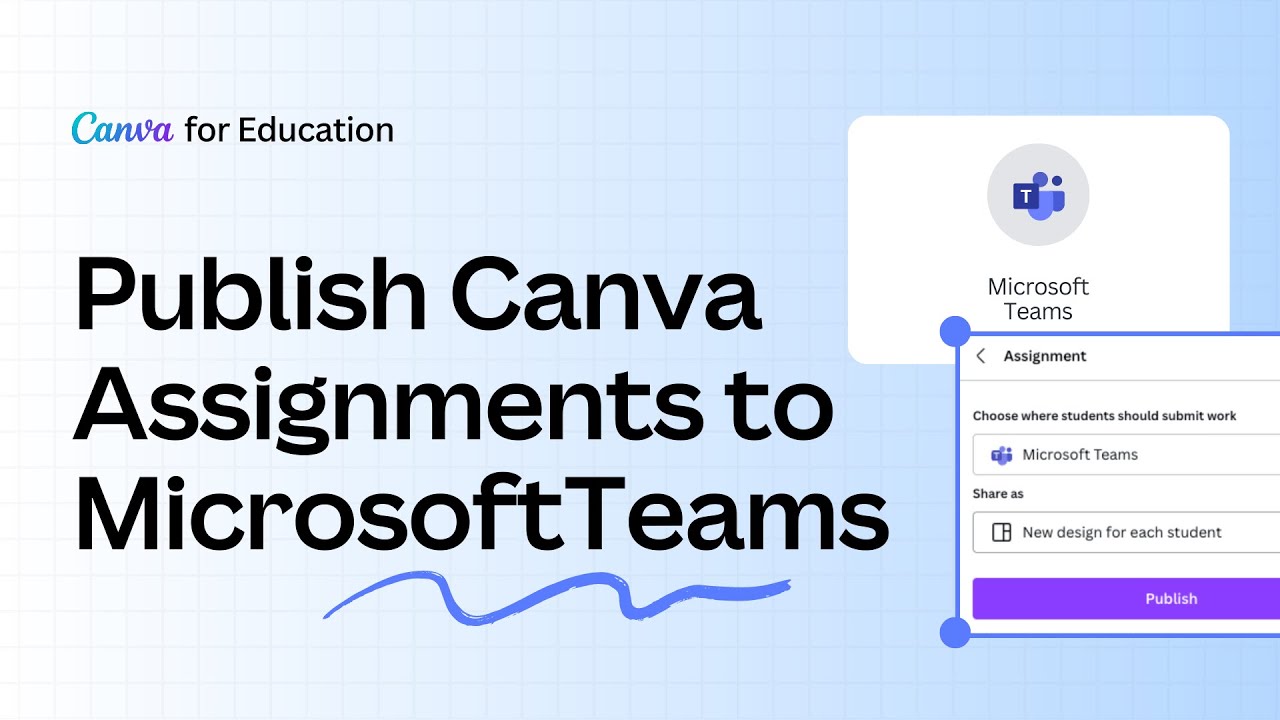
Learn how you can seamlessly assign and review Canva activities through Microsoft Teams.
📚 Check out our free teacher tutorials, courses and resources: https://bit.ly/3fS9aiZ
💡 WHAT YOU'LL LEARN
► How to select Microsoft Teams
► How to share a new design for each student
► How to assign to a class
_______________
✏️ CANVA FOR TEACHERS PLAYLIST
Our Canva for teachers tutorials will aid you in preparing the best lessons! You will learn about the many tools and templates Canva offers that will help you to engage your students and nurture their creativity.
Make sure you watch the other videos of the series here: https://bit.ly/329GMS8
Or subscribe to our channel to be notified when we upload new tutorials
🔔 https://bit.ly/YTCanvaDirectSub
Happy designing ✨
#Canva #CanvaForEducation #CanvaForTeachers

✅Get Access to my FREE guide on Canva Prompts & More - https://business-expedited.kit.com/0d6b8a7b75
✅Get 30-Days FREE with GoHighLevel and get group coaching with me when you use my link - https://whitneybonds.com/canva-tutorial (affiliate link)
In today's video I show you everything you need to know as a beginner about Canva in 2025. If you want to see more tutorials be sure to comment below and subscribe to the channel.
🔥Most people NEVER learn this—and it’s why they stay broke. Get my FREE guide of the Wealth Blueprint - https://business-expedited.kit.com/98670f8be6
MY FAVORITE GEAR:
🎥 My YouTube Equipment - https://www.amazon.com/shop/wh....itneybonds/list/3NB5
MY KEY LINKS:
🌟 Instagram - https://instagram.com/whitneybonds101
WHO AM I:
Whitney Bonds is the Founder of TriedandTrueMomJobs.com, a free digital resource to help people (especially moms) make legitimate money working from home. She's been featured in Parents, Forbes, Business Insider, YAHOO! Finance and more.
After leaving her corporate job as a marketing manager, she now helps people find high earning remote job opportunities through her website.

Learn how you can seamlessly assign and review Canva activities through Google Classroom.
📚 Check out our free teacher tutorials, courses and resources: https://bit.ly/3fS9aiZ
💡 WHAT YOU'LL LEARN
► How to select Google Classroom
► How to share a new design for each student
► How to assign to a class
_______________
✏️ CANVA FOR TEACHERS PLAYLIST
Our Canva for teachers tutorials will aid you in preparing the best lessons! You will learn about the many tools and templates Canva offers that will help you to engage your students and nurture their creativity.
Make sure you watch the other videos of the series here: https://bit.ly/3PGau5J
Or subscribe to our channel to be notified when we upload new tutorials
🔔 https://bit.ly/YTCanvaDirectSub
Happy designing ✨
#Canva #CanvaForEducation #CanvaForTeachers
Having a website will help you to give visibility to your brand and to manage the different services of your company. Designing it will be much easier if you do it with Canva templates following these simple steps! In this tutorial, Nick will show you how to make a website with Canva.
🌐 Build a Website with Canva: https://canva.me/e/Build-A-Website
💡 WHAT YOU'LL LEARN:
► The importance of having a company website
► How to design a website with Canva
► The importance of including a CTA on your design
⏳ TIMESTAMPS
00:00 Intro to Nick
00:02 Is it necessary to have a website?
01:14 How to find website templates in Canva?
01:45 How to edit a template
02:52 The importance of including a CTA on your website
04:02 How to publish your website created with Canva
Try it yourself with this FREE template https://bit.ly/3G3QRjN
Or explore our vast FREE template library https://bit.ly/3sIDwHR
💻 Build a website: https://canva.me/e/build-a-website
👍 Enjoyed this video? Hit the "Like" button to see more in your feed.
🔔 Subscribe so you never miss our new videos: https://bit.ly/YTCanvaDirectSub
About Canva:
Canva is the world’s most inclusive design platform that lets anyone design anything and publish anywhere. Canva can help you express ideas, unleash your creativity and achieve your goals. Available in 100 languages and on any device, start with one of Canva’s 75,000 templates and see where your creativity takes you.
❤️ Try Canva now for free: https://canva.me/design-on-canva
Happy designing ✨

Learn how to create a brainstorm scaffold for students using Canva Whiteboards. Watch the unlimited space come to life as students share big ideas and seamlessly work as a team while brainstorming.
📚 Check out our free teacher tutorials, courses and resources: https://bit.ly/3fS9aiZ
💡 WHAT YOU'LL LEARN
► How to locate whiteboard templates
► How to create a brainstorm scaffold for students
Video Content:
0:00 Intro
0:39 Start with a whiteboard
1:16 Add text and shapes
1:54 Create connections with lines
2:24 Share with students
3:13 Download
_____________
📚 CANVA TEACHER RESOURCES
Make sure you check out our free tutorials, courses and student resources here: https://bit.ly/3fS9aiZ
#Canva #CanvaForEducation #canvaedu

Unlock new possibilities in your classroom with our latest Canva Education webinar. 🚀 Join Jonathan, our dynamic product educator from Canva’s Design School, as he showcases how our newest features can revolutionize your teaching.
🔍 What you’ll learn:
⏵ Innovative features: See our new releases in action, including Polls and Quizzes, Canva AI, and Magic Activities.
⏵ Practical tips: Land quick wins that help elevate your teaching resources and impact.
⏵ Engaging resources: Discover resources made just for teachers in the all-new Design School 2.0
🎓 Perfect for teachers, tech coaches, and school leaders looking to stay on top of the latest in classroom tech and creativity.
🔗 Access the resource handbook here: https://canva.me/e/Whatsnew-Edu-Aug
📚 Explore more:
Design School for Teachers: canva.com/design-school
Student Poster Lesson: https://bit.ly/3SYC556
Canva for Education Community: https://www.canva.com/community/teach...
Watch more webinars: https://bit.ly/44nOMg4
About Canva:
Canva is the world’s most inclusive design platform that lets anyone design anything and publish anywhere. Canva can help you express ideas, unleash your creativity, and achieve your goals. Available in 100 languages and on any device, start with one of Canva’s 615,000 templates and see where your creativity takes you.
About Canva Education:
Empower your teachers, students, and staff to collaborate and communicate visually with Canva Education, 100% free for primary and secondary schools.
🔗 Get access to Canva Education: https://www.canva.com/education/
![3 Ways to Use ClassPoint with Canva [A Guide for Teachers]](https://i.ytimg.com/vi/Xcw0Tqk8nd4/maxresdefault.jpg)
Create intriguing presentations in Canva, then download to PowerPoint and add in your interactive ClassPoint questions for a totally upgraded lesson. Plus, you and your students can create lots of other visuals to keep an active and engaged classroom. Watch the video & download the sample file to find out more about using ClassPoint and Canva in your class!
🔔 Subscribe to stay updated: ► https://www.youtube.com/@ClassPoint/
Read the Blog: ► https://www.classpoint.io/blog..../canva-and-classpoin
🔗 Links
~~~~~~
Learn more about ClassPoint: ► https://www.classpoint.io/
Download Sample File: ► https://bit.ly/39VQ5WB
~~~~~~
*** Related Videos ***
🎬 4 Ways to Use ClassPoints Image Upload in PowerPoint for More Engaging Lessons ► https://youtu.be/uPBS92foShk
🎬 5 Ideas to Use ClassPoint's Slide Drawing Activity in Your Classroom ► https://youtu.be/HFuiihGQC30
🎬 4 Types of Whiteboard Backgrounds to Use in PowerPoint Presentations with ClassPoint ► https://youtu.be/H24IQ7Cl_6g
⌚ Timestamps:
[0:00] Intro
[0:45] What is ClassPoint?
[1:17] What is Canva?
[2:22] Create a Presentation in Canva
[4:10] Add a Canva Worksheet to Your PowerPoint
[5:10] Add a Canva Visual as a Whiteboard Background
[6:23] Design Thinking with your Students
[7:57] Collaborative Group Projects
#ClassPoint #Canva #InteractivePowerPoint
🚩 ClassPoint on Social Media:
YouTube: 👉🏻 https://www.youtube.com/c/ClassPoint
Facebook: 👉🏻 https://www.facebook.com/classpoint.io
Twitter: 👉🏻 https://twitter.com/ClassPointIo
📢 About This Channel
_________________________________
ClassPoint (https://www.classpoint.io/) seamlessly integrates with Microsoft PowerPoint to turn presentations into interactive lessons, enhancing engagement through live student response tools.
In this channel, we provide tutorials on ClassPoint, but also tutorials to help teachers use technology in their classrooms to engage students.
We aim to be a welcoming community for teachers around the world to learn and ask questions about different EdTech solutions.
SUBSCRIBE and tap the BELL for videos on learning to use technology to help you better connect and engage with your students. Plus, check out Edcafe AI - EdCafe (https://www.edcafe.ai/) is our AI-driven platform built specifically for teachers, offering advanced tools for lesson planning, personalized learning, and student interaction.

📄 FREE — The Canva Print Checklist — bleed, DPI, and the export setting that halves your resolution:
https://geniusjunkie.net/get-print-checklist/
🎨 Print-ready template packs & the Template Club:
https://geniusjunkie.net/templates/
▶️ Canva for Teachers — Worksheets & Printables:
https://www.youtube.com/playli....st?list=PLJ37gx5pXsx
━━━━━━━━━━━━━━━━━━━━━━━━━━━━━
📝 Want to create professional and engaging worksheets in Canva? In this step-by-step tutorial, I’ll show you how to design custom worksheets for your classroom, homeschool, or educational projects using Canva’s simple and powerful design tools! 🎨📚
In this video, you’ll learn: ✅ How to choose and customize worksheet templates
🎨 Adding educational content, graphics, and interactive elements
🖍️ Best design practices for effective learning materials
📥 Exporting your worksheets for print or digital use
With Canva, creating unique and eye-catching worksheets has never been easier. Perfect for teachers, parents, and educators looking to boost learning engagement! 🌟
Don’t forget to like, comment, and subscribe to Genius Junkie for more Canva tutorials and educational design tips! 🎯
#Canva #CreateWorksheets #CanvaForTeachers #GeniusJunkie #WorksheetDesign #CanvaTutorial

🔖 This video is part of the Work smarter with AI course and certification. Watch them all at: https://designschool.canva.com
Discover how Canva AI streamlines teamwork! Brainstorm, design, and create with ease. With conversation AI, simple chats bring your ideas to life.
💡 WHAT YOU'LL LEARN ⏳
00:30 Meet Canva AI
01:41 Create designs and presentations instantly, and on-brand
04:27 Brainstorm ideas with Canva AI’s chat feature
06:10 Personalize designs using simple voice or text commands
07:08 Collaborate and share with your team in real time
For more lessons, tutorials, and certifications, go to: https://designschool.canva.com
💬 Any questions? Leave a comment below, and our team will get back to you.
💻 Try it out today: https://canva.me

Want to make your own classroom banner in Canva?
In this step-by-step tutorial, I'll show you exactly how I create custom classroom banners in Canva and how to get them printed at CVS or Walgreens for an affordable price.
In this video you'll learn:
-How to set up the correct Canva dimensions
-Tips for designing your classroom banner
-The download setting I recommend for a clearer print
-How to upload your banner to CVS
-How to save money using CVS banner coupons
Whether you're decorating your classroom door or creating bulletein board decor, this tutorial will walk you thorught the entire process from start to finish.
Let me know in the comments:
What classroom project should I create next in canva?
Subscribe for more Canva tutorials, AI tools, and teacher tech tips!
#canva #classroomdecor #teachers