Top videos

Niagara Falls is one of the most famous waterfalls in the world. There are some pretty good reasons that it is such a popular natural landform. Located on the Niagara River, which creates a natural border between the U.S. and Canada, Niagara Falls is actually made of three separate waterfalls. Two are on the U.S. side—Victoria Falls and Bridal Veil Falls. The third and largest one is Horseshoe Falls, which is on the Canadian side.
Niagara Falls is a cataract waterfall, meaning that it is incredibly large and powerful. In fact, a total of 80,000 cubic feet of water flows over the edge every second. That equates to just over 598 thousand gallons of water every single second! This also means that Niagara Falls is an excellent source of hydroelectric power.
Scientists believe the falls started forming around 10 to 12 thousand ago because of melting glaciers. They have changed shape over time due to erosion. The unique green color of Niagara Falls comes from the dissolved salts and rocks in the water that have eroded. Scientists also estimate that over 60 tons of minerals sweep over the falls every minute.
Niagara Falls has attracted many tourists, including dare devils who either went over the edge in a barrel or walked across on a tight rope. The first person to challenge the falls was a 63-year-old teacher named Annie Taylor. She and her cat both got in a barrel and fell over the edge. While they were okay, many others who tried were not so lucky. Jean François Gravelet was the first to walk across on a tight rope, and he did it nine times in one year!
We hope you and your student(s) enjoyed learning about George Washington Carver! If you want even more information, head over to our website and download one of our many free lesson plans, full of activities, worksheets, and more!
https://learnbright.org/lesson....s/social-studies/all
What you will learn in Niagara Falls for Kids:
0:00 Introduction to the waterfall
0:28 Where is Niagara Falls located?
1:05 What sets Niagara Falls apart from others
2:17 Interesting history of the falls
3:22 Tourist attraction to daredevils
4:04 Walking across on a tight rope
4:40 Review of the facts
Thank you for watching and learning with us! We’re constantly releasing new content and videos, so click that “Subscribe” button and you’ll get notified.
Find and Follow Us Online:
Facebook: https://www.facebook.com/LearnBright/
Instagram: https://instagram.com/LearnBrightEducation
Pinterest: https://pinterest.com/LearnBrightEducation
YouTube: @LearnBright
Website: https://learnbright.org/
*Teachers and Parents! Did you know? In addition to these great videos, we have also created a library of high-quality and engaging lessons for your elementary aged student(s). Visit us and sign up for a free account, and you'll instantly have access to thousands of lesson plans, learning materials, teaching instructions, activities, and assignments that your kids will really enjoy! We hope to see you soon!
Browse our entire collection of Social Studies lesson plans: https://learnbright.org/lessons/?filter_subject=social-studies
#NiagaraFalls
#Waterfalls

In this video we will learn all about the different types of communities for kids. We will learn about Urban, Suburban and Rural communities and learn how to identify the characteristics of each kind of community. People around the world live in different kinds of communities and homes and learning about them helps students gain a deeper appreciation for our world, their own neighborhood, and where people come from all over the world.
Don't just stop at the video! We have a free 10 page lesson plan with activities, worksheet and more to reinforce the learning. You can download it here: https://learnbright.org/lesson....s/social-studies/com
Thank you for watching and learning with us! We’re constantly releasing new content and videos so click that “Subscribe” button and you’ll notified.
Find and Follow Us Online:
Facebook: https://www.facebook.com/LearnBright/
Instagram: https://instagram.com/LearnBrightEducation
Pinterest: https://pinterest.com/LearnBrightEducation
YouTube: https://www.youtube.com/LearnBright
Website: https://learnbright.org/
*Teachers and Parents! Did you know? In addition to these great videos, we have also created a library of high quality and engaging lessons for your elementary aged student(s). Visit us, sign up for a free account, and instantly you'll have access to thousands of lesson plans, learning materials, teaching instructions, activities, and assignments that your kids will really enjoy! We hope to see you soon!
Browse our entire collection of Social Studies lesson plans: https://learnbright.org/lessons/?filter_subject=social-studies
#TypesofCommunities

In this video we learn about the four types of sentences. We learn about Statement Sentences, Question Sentences, Emotion Sentences, and Command Sentences. Each of these kinds of sentences is used in different situations and by the end of the video you'll know what each does and fell confidant you will use them right.
If after the video you'd like even more help learning about the four types of sentences then download our 100% free lesson plan here: https://learnbright.org/lesson....s/language-arts/sent
Thank you for watching and learning with us! We’re constantly releasing new content and videos so click that “Subscribe” button and you’ll notified.
Find and Follow Us Online:
Facebook: https://www.facebook.com/LearnBright/
Instagram: https://instagram.com/LearnBrightEducation
Pinterest: https://pinterest.com/LearnBrightEducation
YouTube: https://www.youtube.com/LearnBright
Website: https://learnbright.org/
*Teachers and Parents! Did you know? In addition to these great videos, we have also created a library of high quality and engaging lessons for your elementary aged student(s). Visit us, sign up for a free account, and instantly you'll have access to thousands of lesson plans, learning materials, teaching instructions, activities, and assignments that your kids will really enjoy! We hope to see you soon!
Browse our entire collection of Language Arts lesson plans: https://learnbright.org/lessons/?filter_subject=language-arts
#TypesOfSentences

In this ABC Order video kids will learn how to place words in alphabetical order. Once you know the alphabet (ABCDEFGHIJKLMNOPQRSTUVWXYZ) it is very easy to arrange words in ABC order. We start by looking at the first letter of each work A is first and Z is last. If the words both start with the same letter then we look at the second letter of the word and put in order again A first and Z last. It's that easy!
Looking for more ABC Order resources? Download our free comprehensive lesson plan here: https://learnbright.org/lesson....s/language-arts/alph
Thank you for watching and learning with us! We’re constantly releasing new content and videos so click that “Subscribe” button and you’ll notified.
Find and Follow Us Online:
Facebook: https://www.facebook.com/LearnBright/
Instagram: https://instagram.com/LearnBrightEducation
Pinterest: https://pinterest.com/LearnBrightEducation
YouTube: https://www.youtube.com/LearnBright
Website: https://learnbright.org/
*Teachers and Parents! Did you know? In addition to these great videos, we have also created a library of high quality and engaging lessons for your elementary aged student(s). Visit us, sign up for a free account, and instantly you'll have access to thousands of lesson plans, learning materials, teaching instructions, activities, and assignments that your kids will really enjoy! We hope to see you soon!
Browse our entire collection of Language Arts lesson plans: https://learnbright.org/lessons/?filter_subject=language-arts
#ASL
#ABCOrder

Abraham Lincoln is largely considered one of the greatest presidents this country has ever seen. In Abraham Lincoln for Kids, you will learn so many wonderful things about this great president. For instance, did you know he was such a good wrestler that he is honored at the National Wrestling Hall of Fame?
Lincoln was born in Kentucky in 1809 to parents who could neither read nor write. He was rarely able to go to school and learned things himself from books he borrowed from others. At a young age, his mother died. After his father remarried, they moved to Illinois. Abraham worked as a storekeeper, surveyor, and post master. By the age of 25, he was elected to the local government.
He then started studying law and began working as lawyer. His work as a lawyer earned him the nickname many of us recognize—Honest Abe. This is because of the trustworthy way in which he ran his practice. Lincoln served one term in the US House of Representatives but failed twice in a row to be elected to the Senate. Nevertheless, his opposition to slavery helped him win the presidential nomination two years after his second Senate loss.
Abe Lincoln became president the same year as the start of the Civil War. He is known for his famous Gettysburg Address and the Emancipation Proclamation, which freed all slaves. He even crafted the Thirteenth Amendment. The end of the war finally came on April 9, 1865. Sadly, less than a week later, John Wilkes Booth assassinated the president, who had just been reelected for a second term.
We hope you and your student(s) enjoyed learning about the 16th president of the United States! If you want even more information, head over to our website and download one of our many lesson plans, full of activities, worksheets, and more!
https://learnbright.org/lesson....s/social-studies/was
https://learnbright.org/lesson....s/social-studies/get
https://learnbright.org/lesson....s/social-studies/lin
https://learnbright.org/lesson....s/social-studies/ema
https://learnbright.org/lesson....s/social-studies/sla
Thank you for watching and learning with us! We’re constantly releasing new content and videos, so click that “Subscribe” button and you’ll get notified.
What you will learn in Abraham Lincoln for Kids:
0:00 Introduction Abe Lincoln
0:45 Birth and childhood
1:32 Elected to local government
2:24 The 1860 presidential four-way race and Civil War
3:15 Why the Civil War started
4:20 Second presidential term and assassination
5:10 More interesting facts about Abraham Lincoln
5:51 Review of the facts
Find and Follow Us Online:
Facebook: https://www.facebook.com/LearnBright/
Instagram: https://instagram.com/LearnBrightEducation
Pinterest: https://pinterest.com/LearnBrightEducation
YouTube: @LearnBright
Website: https://learnbright.org/
*Teachers and Parents! Did you know? In addition to these great videos, we have also created a library of high quality and engaging lessons for your elementary aged student(s). Visit us, sign up for a free account, and instantly you'll have access to thousands of lesson plans, learning materials, teaching instructions, activities, and assignments that your kids will really enjoy! We hope to see you soon!
Browse our entire collection of Social Studies lesson plans: https://learnbright.org/lessons/?filter_subject=social-studies
#ASL
#AbrahamLincoln
#HonestAbe
#Presidents

Timelines for kids - A comprehensive overview of timelines for k-6 students. Learn all there is to know about timelines and how to create a timeline following 5 simple steps. Use this intro video with our timeline lesson plan found on our website here: https://learnbright.org/lesson....s/social-studies/cre
Thank you for watching and learning with us! We’re constantly releasing new content and videos so click that “Subscribe” button and you’ll notified.
Find and Follow Us Online:
Facebook: https://www.facebook.com/LearnBright/
Instagram: https://instagram.com/LearnBrightEducation
Pinterest: https://pinterest.com/LearnBrightEducation
YouTube: https://www.youtube.com/LearnBright
Website: https://learnbright.org/
*Teachers and Parents! Did you know? In addition to these great videos, we have also created a library of high quality and engaging lessons for your elementary aged student(s). Visit us, sign up for a free account, and instantly you'll have access to thousands of lesson plans, learning materials, teaching instructions, activities, and assignments that your kids will really enjoy! We hope to see you soon!
Browse our entire collection of Math lesson plans:
https://learnbright.org/lessons/?filter_subject=math
#ASL
#Timelines

Our Scientific Method for Kids video is a fun and engaging way to introduce the scientific method to children. In this video kids will learn all about the scientific method and its steps.
The Scientific Method steps we talk about in this video are: Make an Observation, Ask a Question, Make a hypothesis, Conduct your experiment, draw conclusions, and report the results. We hope you enjoy sharing this scientific method video with your kids and students.
After the video, download our free lesson plan full of other fun worksheets and activities about the Scientific Method: https://learnbright.org/lesson....s/science/scientific
Thank you for watching and learning with us! We’re constantly releasing new content and videos, so click that “Subscribe” button and you’ll get notified.
Find and Follow Us Online:
Facebook: https://www.facebook.com/LearnBright/
Instagram: https://instagram.com/LearnBrightEducation
Pinterest: https://pinterest.com/LearnBrightEducation
YouTube: https://www.youtube.com/LearnBright
Website: https://learnbright.org/
*Teachers and Parents! Did you know? In addition to these great videos, we have also created a library of high quality and engaging lessons for your elementary aged student(s). Visit us, sign up for a free account, and instantly you'll have access to thousands of lesson plans, learning materials, teaching instructions, activities, and assignments that your kids will really enjoy! We hope to see you soon!
Browse our entire collection of Science lesson plans: https://learnbright.org/lessons/?filter_subject=science
#ASL
#ScientificMethodForKids
#TheScientificMethod

What do you know about dinosaurs? In Dinosaur Facts for Kids, you will learn cool facts about many of these ancient animals. They lived during the Mesozoic era millions of years ago, which is divided into three smaller periods: Triassic, Jurassic, and Cretaceous. To this day, scientists still debate about the cause of their extinction. Was it because lots of volcanoes erupted at the same time? Or was it because a meteor crashed into Earth and caused a ton of damage?
Regardless, we can learn a lot about dinosaurs by studying their fossils. The first dinosaur bones ever found were found in China. The people originally thought they were the bones of giant dragons! The word dinosaur means “terrible lizard,” which works because most dinosaurs are classified as reptiles. Because of the work of paleontologists, we know that some dinosaurs walked on two legs while other walked on four. We also know that these terrible lizards varied greatly in size. Some were as small as chickens while others were bigger than a school bus!
The types of food that dinosaurs ate varied as well. Dinosaurs were either herbivores, carnivores, or omnivores, just like the animals of today. There are also some dinosaurs that are considered the ancient ancestors of birds!
We hope you and your student(s) enjoyed learning about these four different dinosaurs! If you want to learn even more, head over to our website and download one of our many free lesson plans about dinosaurs, full of activities, worksheets, and more!
https://learnbright.org/lessons/science/dinosaurs/
https://learnbright.org/lessons/science/fossils/
https://learnbright.org/lesson....s/science/extinct-en
https://learnbright.org/lesson....s/science/extinction
What you will learn in Dinosaur Facts for Kids:
0:00 Introduction to dinosaurs and the Mesozoic Era
0:58 What caused the extinction of dinosaurs
2:01 Chinese found first dinosaur bones
2:46 Paleontology and what we can learn
3:29 Facts about specific dinosaurs
4:26 Dinosaurs related to birds
5:05 Review of the facts
Thank you for watching and learning with us! We’re constantly releasing new content and videos, so click that “Subscribe” button and you’ll get notified.
Find and Follow Us Online:
Facebook: https://www.facebook.com/LearnBright/
Instagram: https://instagram.com/LearnBrightEducation
Pinterest: https://pinterest.com/LearnBrightEducation
YouTube: @LearnBright
Website: https://learnbright.org/
*Teachers and Parents! Did you know? In addition to these great videos, we have also created a library of high-quality and engaging lessons for your elementary aged student(s). Visit us, sign up for a free account, and instantly you'll have access to thousands of lesson plans, learning materials, teaching instructions, activities, and assignments that your kids will really enjoy! We hope to see you soon!
Browse our entire collection of Science lesson plans: https://learnbright.org/lessons/?filter_subject=science
#ASL
#DinosaurFactsForKids
#Dinosaurs

You probably know about weather, but do you know what it actually is, how it works, and why it changes depending on where you are in the world? In Weather for Kids, you will learn that there are a number of factors that affect the weather outside. It's not just about how hot or cold it is. Think about what it feels and looks apart from hot or cold, such as wet or dry, clear or cloudy, and calm or stormy. This video discusses what causes all of these effects.
You can use a thermometer to figure out how hot or cold it is outside quite easily. Should you weather a coat? Or is it time for a swim and a swimming suit would be more appropriate? Temperature is only one factor that affects the weather. Have you ever heard of humidity? The amount of water vapor in the air determines the humidity levels. Humidity refers to how wet or dry it is outside. The weather in hot desert likely has a very low humidity level, if any at all. However, in a tropical rainforest, even if it's warm as well, it may be very wet instead of dry.
Another factor is air pressure. What air pressure affects is the presence of clouds. Basically, places that experience high pressure will show clear skies. Areas with low pressure have lots of clouds. To measure air pressure, you would need a barometer. Finally, there is the factor of wind. Wind and wind speed relate to storms. If it's calm outside, it is likely that there isn't much wind. Or if there is, it's not very quick; it's a light breeze. On the other hand, storms imply a lot of fast wind. Have you ever noticed that when it's stormy, you also tend to feel the wind?
We hope you and your student(s) enjoyed learning about these four different landforms! If you want to learn even more, head over to our website and download one of our many free lesson plans about landforms, full of activities, worksheets, and more!
https://learnbright.org/lesson....s/science/introducti
What you will learn in Weather for Kids:
0:00 Introduction to weather and what it is
1:06 Factors that affect the weather
1:54 How meteorologists study and predict the weather
2:30 Temperature: hot or cold
3:19 Humidity: wet or dry
4:08 Air (atmospheric) pressure: clear or cloudy
5:15 Wind presence and speed: calm or stormy
6:13 Review of the facts
Thank you for watching and learning with us! We’re constantly releasing new content and videos, so click that “Subscribe” button and you’ll get notified.
Find and Follow Us Online:
Facebook: https://www.facebook.com/LearnBright/
Instagram: https://instagram.com/LearnBrightEducation
Pinterest: https://pinterest.com/LearnBrightEducation
YouTube: @LearnBright
Website: https://learnbright.org/
*Teachers and Parents! Did you know? In addition to these great videos, we have also created a library of high-quality and engaging lessons for your elementary aged student(s). Visit us, sign up for a free account, and instantly you'll have access to thousands of lesson plans, learning materials, teaching instructions, activities, and assignments that your kids will really enjoy! We hope to see you soon!
Browse our entire collection of Science lesson plans: https://learnbright.org/lessons/?filter_subject=science
#ASL
#WeatherForKids
#WhatIsWeather

Have you ever heard of a region of the world known as Oceania? Oceania for Kids explores the history and some interesting facts about the area. It consists of 10,000 islands and 14 countries in the Pacific Ocean. In fact, Oceania covers around 20 million square miles, which is about a third of the entire Pacific Ocean! However, if you condense it all down to just land area, it is much smaller in comparison, at just under 3.3 million square miles.
Historians believe that over 30,000 years ago, humans migrated from Asia to the islands in Oceania. Most think the first immigrants stopped in New Guinea and eventually travelled to the other islands. While the people started with one culture, traveling to other islands led to the development of unique cultures in each place. That makes Oceania one of the most culturally diverse areas on the planet.
The video describes a little bit about each of the 14 countries that are part of this beautiful region. For instance, Australia makes up most of the land mass given its massive size as an island. Fiji is made of 332 islands, but only around a third of them are inhabited. Kiribati is the only country in the world that has islands spread across all four hemispheres.
Micronesia is home to the world's only ancient city built on a coral reef. The city is called Nan Madol. The country is also home to the largest crabs in the world. Nauru is only eight square miles in area, which is smaller than most cities in the US! Almost half of all dolphin and whale species can be found off the coast of New Zealand. Keep watching to learn more!
We hope you and your student(s) enjoyed learning about Oceania! If you want to learn even more, head over to our website and download one of our many free lesson plans about this cool region, full of activities, worksheets, and more!
https://learnbright.org/lesson....s/social-studies/oce
Thank you for watching and learning with us! We’re constantly releasing new content and videos, so click that “Subscribe” button and you’ll get notified.
What you will learn in All about Oceania:
0:00 What and where is Oceania?
0:57 History of Oceania
1:56 Countries that compose Oceania
2:27 Facts about Australia, Fiji, and Kiribati
3:09 Marshall Islands, Micronesia, and Nauru
4:16 New Zealand and Palau
5:05 Papua New Guinea, Samoa, and Solomon Islands
6:08 Tonga, Tuvalu, and Vanuatu
Find and Follow Us Online:
Facebook: https://www.facebook.com/LearnBright/
Instagram: https://instagram.com/LearnBrightEducation
Pinterest: https://pinterest.com/LearnBrightEducation
YouTube: @LearnBright
Website: https://learnbright.org/
*Teachers and Parents! Did you know? In addition to these great videos, we have also created a library of high-quality and engaging lessons for your elementary aged student(s). Visit us, sign up for a free account, and instantly you'll have access to thousands of lesson plans, learning materials, teaching instructions, activities, and assignments that your kids will really enjoy! We hope to see you soon!
Browse our entire collection of Social Studies lesson plans: https://learnbright.org/lessons/?filter_subject=social-studies
#ASL
#Oceania
#OceaniaHistory
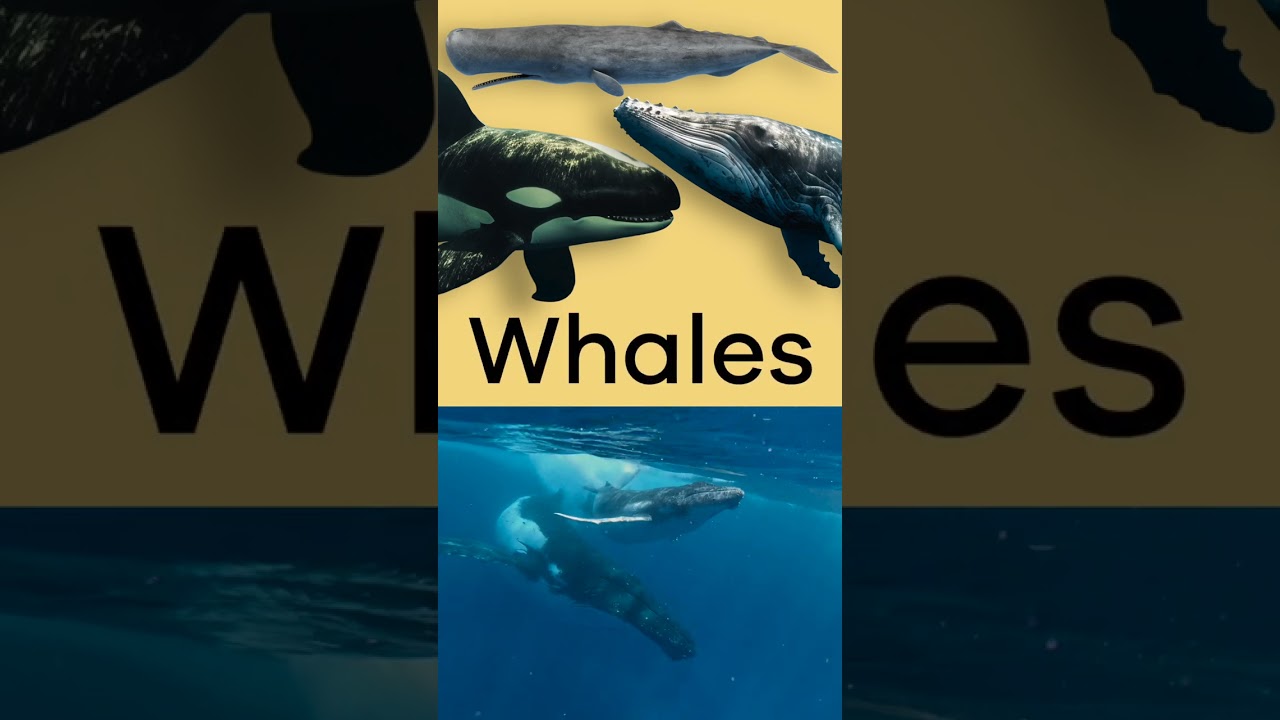
Dolphins are among the most unique mammals. Despite the fact that they look like really big fish, they are not! They breathe air, give live birth to their young, nurse their babies with milk, have hair at some point, and are warm-blooded. Did you know that dolphins are actually part of the larger group of animals called whales? Enjoy the full video here:
https://youtu.be/xWTWdLvA1P0
We hope you and your student(s) enjoyed learning about this intelligent marine mammal! If you want to learn even more, head over to our website and download one of our many lesson plans about animals, full of activities, worksheets, and more!
https://learnbright.org/lessons/science/dolphins/
https://learnbright.org/lesson....s/science/reptiles-a
Thank you for watching and learning with us! We’re constantly releasing new content and videos, so click that “Subscribe” button and you’ll get notified.
Find and Follow Us Online:
Facebook: https://www.facebook.com/LearnBright/
Instagram: https://instagram.com/LearnBrightEducation
Pinterest: https://pinterest.com/LearnBrightEducation
YouTube: @LearnBright
Website: https://learnbright.org/
*Teachers and Parents! Did you know? In addition to these great videos, we have also created a library of high-quality and engaging lessons for your elementary aged student(s). Visit us, sign up for a free account, and instantly you'll have access to thousands of lesson plans, learning materials, teaching instructions, activities, and assignments that your kids will really enjoy! We hope to see you soon!
Browse our entire collection of Science lesson plans: https://learnbright.org/lessons/?filter_subject=science
#Dolphins
#Mammals
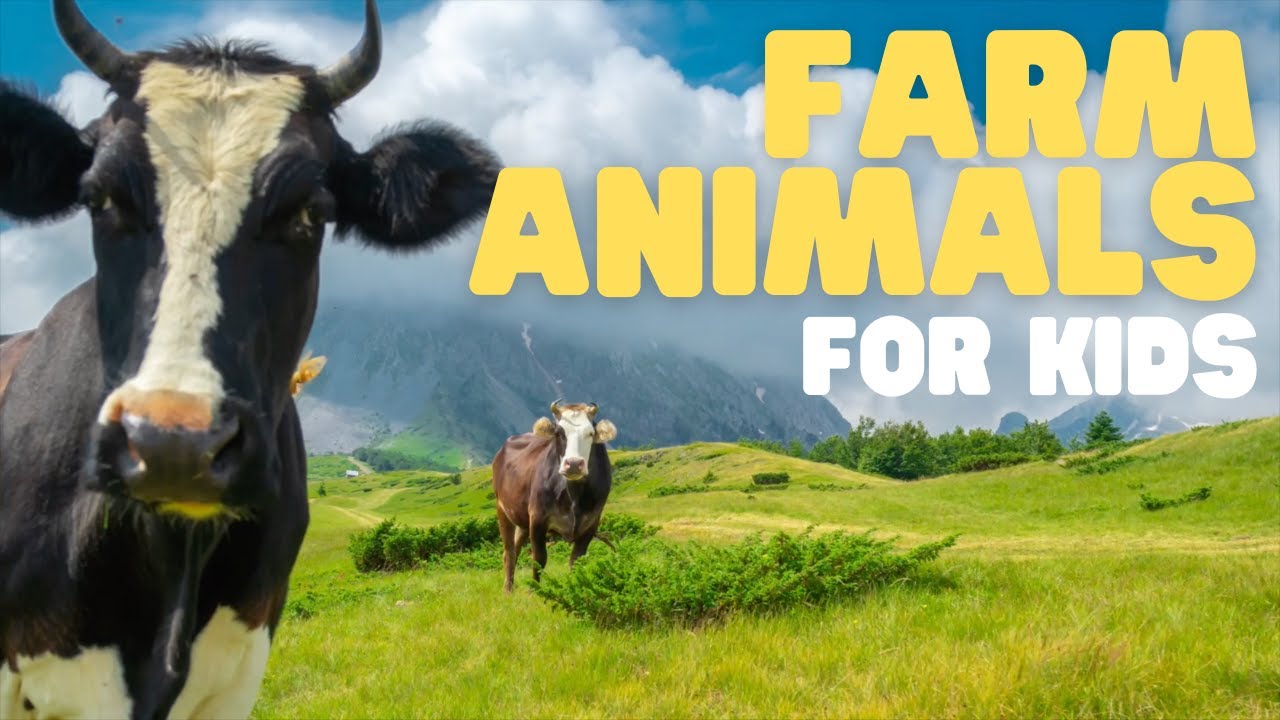
Have you ever visited a farm? Or perhaps you live on a farm! Farm Animals for Kids explores facts about some of the animals that live on farms and what they do. You might learn some fun facts along the way that you didn't know before! For instance, did you know
So what is a farm, exactly? A farm is an area of land used to grow crops and raise animals to produce food. The animals that live here are different from your average house pet. This is because farm animals usually have important jobs to do to keep the farm running. For instance, many farms have horses that help farmers prepare their crops.
One farm animal you're probably very familiar with is the cow. Cows are large and eat about 25 pounds of food per day. That's six to eight times as much as the average adult human! Most dairy farms have more than a thousand cows. These animals produce milk, that farmers can then sell to dairies that produce other dairy products like ice cream and cheese.
Chickens are another common farm animal. Some chickens can produce up to 300 eggs a year! Believe it or not, chickens didn't always live in America. But now there are more chickens in the U.S. than there are people! Another animal on the farm is the sheep. Farmers can sheer the sheep's wool once a year that they can then sell to companies that make clothing. Other farm animals include pigs, ducks, donkeys, and rabbits.
We hope you and your student(s) enjoyed learning about the importance of farms! If you want to learn even more, head over to our website and download one of our many free lesson plans about farms and food, full of activities, worksheets, and more!
https://learnbright.org/lesson....s/science/farm-anima
https://learnbright.org/lesson....s/science/farms-and-
What you will learn in Farm Animals for Kids:
0:00 Introduction to the animals of a farm
0:30 What a farm is and why farm animals are different
1:09 Cows, milk, and dairy products
2:12 Chickens and their eggs
3:07 Sheep and horses
4:20 Other animals that might live on a farm
4:45 Review of the facts
Thank you for watching and learning with us! We’re constantly releasing new content and videos, so click that “Subscribe” button and you’ll get notified.
Find and Follow Us Online:
Facebook: https://www.facebook.com/LearnBright/
Instagram: https://instagram.com/LearnBrightEducation
Pinterest: https://pinterest.com/LearnBrightEducation
YouTube: @LearnBright
Website: https://learnbright.org/
*Teachers and Parents! Did you know? In addition to these great videos, we have also created a library of high-quality and engaging lessons for your elementary aged student(s). Visit us, sign up for a free account, and instantly you'll have access to thousands of lesson plans, learning materials, teaching instructions, activities, and assignments that your kids will really enjoy! We hope to see you soon!
Browse our entire collection of Science lesson plans: https://learnbright.org/lessons/?filter_subject=science
#FarmAnimals
#Farming

In this video we cover the life of Christopher Columbus for kids! This video teaches kids about Christopher Columbus, who he was, why he thought he could sail west to Asia, and what actually happened on his voyage across the Atlantic Ocean.
It's hard to imagine because it was so long ago in history, many people thought a person could come aboard a ship in Europe, sail west, and end up in a port in Asia. Columbus was not the first to think this was possible, but he may be the best known because he left journals and logs of his trip. We hope you enjoy learning about this important part of history with us.
After watching the video, if you want even more learning activities, worksheets, or teaching ideas then head over to our website and download our FREE comprehensive lesson plan all about Christopher Columbus. You can download it here: https://learnbright.org/lesson....s/social-studies/col
Thank you for watching and learning with us! We’re constantly releasing new content and videos so click that “Subscribe” button and you’ll notified.
Find and Follow Us Online:
Facebook: https://www.facebook.com/LearnBright/
Instagram: https://instagram.com/LearnBrightEducation
Pinterest: https://pinterest.com/LearnBrightEducation
YouTube: @LearnBright
Website: https://learnbright.org/
*Teachers and Parents! Did you know? In addition to these great videos, we have also created a library of high quality and engaging lessons for your elementary aged student(s). Visit us, sign up for a free account, and instantly you'll have access to thousands of lesson plans, learning materials, teaching instructions, activities, and assignments that your kids will really enjoy! We hope to see you soon!
Browse our entire collection of Social Studies lesson plans: https://learnbright.org/lessons/?filter_subject=social-studies
#ColumbusForKids
#ChristopherColumbus

What is the difference between a buffalo and a bison? This video for kids explains that there are no buffalo in the United States (unless you can find one in a zoo, of course). That big brown creature that roams Yellowstone National Park is an American Bison. These mammals certainly look similar to yaks and buffalos and, to some degree, cows. But they are their own species. In fact, the scientific name for a bison is bison bison bison!
The diet for a bison consists of only plants. Bison do not eat meat. Primarily, they eat mostly grasses, weeds, and leafy plants. They actually consume around 24 pounds of grass every day. They eat until they are full, then they rest. Then they eat again and rest again. They do this over and over for nine to eleven hours every day!
At one point in American history, there were tens of millions of bison roaming North America. Sadly, this massive population was reduced to only 500 animals, almost sealing their fate as extinct. The animals were hunted as a sport or killed for other reasons, even government-encouraged reasons. But President Theodore Roosevelt saved the day for the bison when he realized amazing the land out West was with the bison on it. He and a man named William Hornaday formed the American Bison Society. Because of their efforts, bison now live in all 50 states!
We hope you and your student(s) enjoyed learning about this unique beast! If you want to learn even more, head over to our website and download one of our many lesson plans about animals, full of activities, worksheets, and more!
https://learnbright.org/lesson....s/science/bison-of-t
https://learnbright.org/lesson....s/science/reptiles-a
Thank you for watching and learning with us! We’re constantly releasing new content and videos, so click that “Subscribe” button and you’ll get notified.
Find and Follow Us Online:
Facebook: https://www.facebook.com/LearnBright/
Instagram: https://instagram.com/LearnBrightEducation
Pinterest: https://pinterest.com/LearnBrightEducation
YouTube: @LearnBright
Website: https://learnbright.org/
*Teachers and Parents! Did you know? In addition to these great videos, we have also created a library of high-quality and engaging lessons for your elementary aged student(s). Visit us, sign up for a free account, and instantly you'll have access to thousands of lesson plans, learning materials, teaching instructions, activities, and assignments that your kids will really enjoy! We hope to see you soon!
Browse our entire collection of Science lesson plans: https://learnbright.org/lessons/?filter_subject=science
#Bison
#AmericanBison
Photosynthesis for Kids is a great science video aimed to teach 1st to 3rd grade students learn about Photosynthesis and how plants are able to make their own food!
In this video we teach that plants and animals are living things. Both need the food and energy to live. Animals get their energy from the plants and animals they eat. Plants, however, do not have a mouth and cannot eat like animals.
The food-making process for plants is called photosynthesis. It might be a big word, but photosynthesis is used by plants to make their own food as well as produce oxygen for other living creatures.
Without plants making their own food through photosynthesis, living things could not survive. People and animals eat the food that comes from plants, but also take in the oxygen released by the plants. The air you breathe in has oxygen which came from plants.
So we learn that Photosynthesis is important not only for plants but for all living things! Come learn more in the video!
If you're looking for more photosynthesis resources check out our 100% FREE comprehensive lesson plans complete with activities, worksheets, assignments and more! The free lesson can be found at: https://learnbright.org/lesson....s/science/photosynth
Thank you for watching and learning with us! We’re constantly releasing new content and videos, so click that “Subscribe” button and you’ll get notified.
Find and Follow Us Online:
Facebook: https://www.facebook.com/LearnBright/
Instagram: https://instagram.com/LearnBrightEducation
Pinterest: https://pinterest.com/LearnBrightEducation
YouTube: https://www.youtube.com/LearnBright
Website: https://learnbright.org/
*Teachers and Parents! Did you know? In addition to these great videos, we have also created a library of high quality and engaging lessons for your elementary aged student(s). Visit us, sign up for a free account, and instantly you'll have access to thousands of lesson plans, learning materials, teaching instructions, activities, and assignments that your kids will really enjoy! We hope to see you soon!
Browse our entire collection of Science lesson plans: https://learnbright.org/lessons/?filter_subject=science
#Photosynthesis

In this video, your kids will learn all about nouns. So, what is a noun? A noun is a person, place, or thing. Throughout this video your student will be given lots of examples. They will be able to practice identifying nouns in a fun way.
The video describes each of the three groups of nouns one by one in detail. First, we will talk about nouns for people. Because people have titles, like doctor and baker, those are considered people nouns too! Then we discuss nouns for places. These can be cities like Atlanta or Paris, or they can be buildings like school or hospital. Last, we talk about nouns that describe things. Everything else that isn't a person or place falls into the things category. Things include dog, computer, water, window, and so many more. There are millions of nouns because there are millions of people, places, and things!
We hope you and your student(s) enjoyed learning how to identify nouns! If you want even more practice, head over to our website and download one of our many free lesson plans about nouns full of activities, worksheets, and more!
https://learnbright.org/?s=nouns&post_type=product
What you will learn in this video:
0:00 Introduction to words
0:44 Nouns for people
1:57 Nouns for places
2:12 Nouns for things
3:06 Practicing finding nouns
4:24 Two types of nouns
6:28 Dividing proper and common nouns
7:16 How to decide the type of noun
Thank you for watching and learning with us! We’re constantly releasing new content and videos, so click that “Subscribe” button and you’ll get notified.
Find and Follow Us Online:
Facebook: https://www.facebook.com/LearnBright/
Instagram: https://instagram.com/LearnBrightEducation
Pinterest: https://pinterest.com/LearnBrightEducation
YouTube: @LearnBright
Website: https://learnbright.org/
*Teachers and Parents! Did you know? In addition to these great videos, we have also created a library of high-quality and engaging lessons for your elementary aged student(s). Visit us and sign up for a free account, and you will instantly have access to thousands of lesson plans, learning materials, teaching instructions, activities, and assignments that your kids will really enjoy! We hope to see you soon!
Browse our entire collection of Language Arts lesson plans: https://learnbright.org/lessons/?filter_subject=language-arts
#NounsForKids
#Nouns
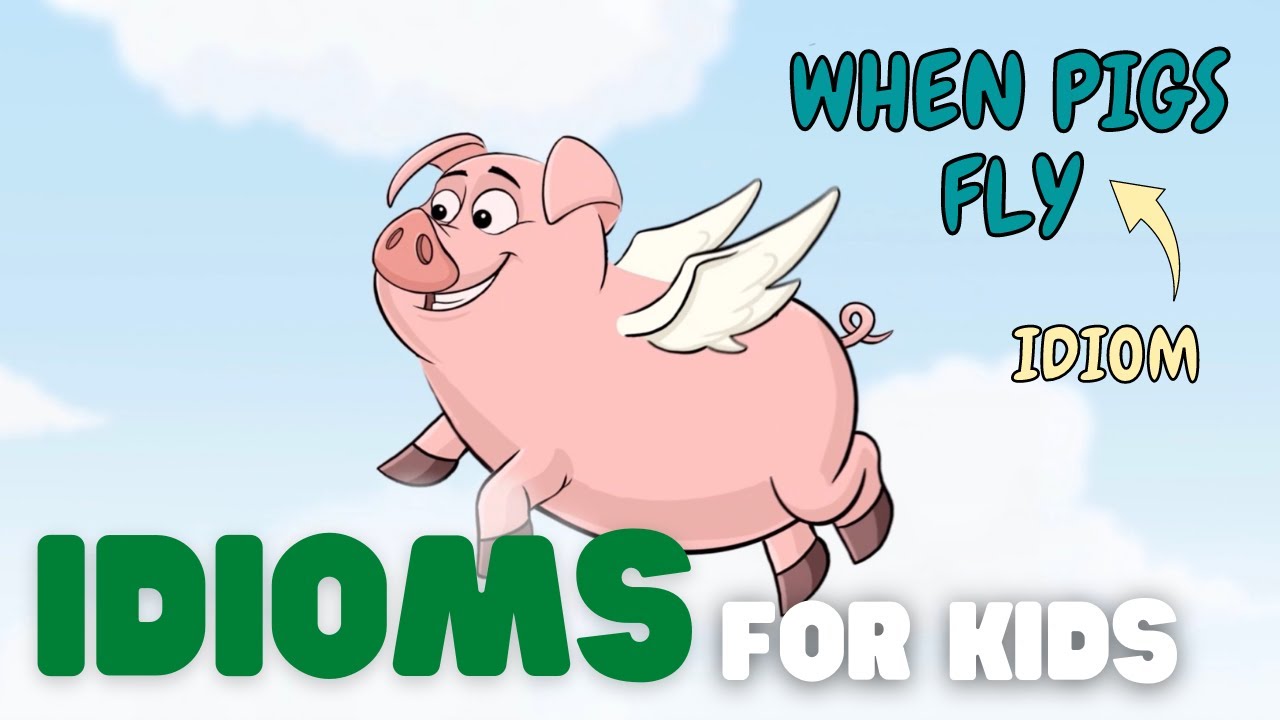
What is an idiom? These statements can often be a little confusing because they don't seem to make sense! In Idioms for Kids, your kids and students will learn what idioms are and how fun they can be to use. Idioms are considered a tool in figurative language to make something more interesting. Sometimes they use comparisons between very different things—like fish and visitors—to paint a picture for the hearer. Other times, they don't seem to make any sense at all. "When pigs fly" means that whatever you're describing will never happen, because pigs will never be able to fly. And to say "Break a leg!" means to wish someone good luck. Surely, breaking your leg is not good luck! As your kids will find out, idioms can often be rather strange.
This video also points out that idioms from one country may not make sense to people from another country. The phrases we use in America might not translate well for people who live in Australia or England, even though English is the common language among the three countries. Idioms make sense to the people that live in the country from which the phrase comes.
We hope you and your student(s) enjoyed learning about idioms! If you want some more examples, head over to our website and download one of our many free lesson plans about idioms that is full of activities, worksheets, and more!
https://learnbright.org/lesson....s/language-arts/idio
https://learnbright.org/lesson....s/language-arts/expl
What you will learn in Idioms for Kids:
0:00 Introduction to idioms
1:08 What is figurative language?
1:33 "Fish and visitors stink after three days" explanation
2:24 Examples of idioms
2:54 Definition of idiom
3:59 How idioms work around the world
5:12 How idioms can be used to express yourself
6:08 Where you can find idioms
Thank you for watching and learning with us! We’re constantly releasing new content and videos, so click that “Subscribe” button and you’ll get notified.
Find and Follow Us Online:
Facebook: https://www.facebook.com/LearnBright/
Instagram: https://instagram.com/LearnBrightEducation
Pinterest: https://pinterest.com/LearnBrightEducation
YouTube: @LearnBright
Website: https://learnbright.org/
*Teachers and Parents! Did you know? In addition to these great videos, we have also created a library of high quality and engaging lessons for your elementary aged student(s). Visit us and sign up for a free account, and you'll instantly have access to thousands of lesson plans, learning materials, teaching instructions, activities, and assignments that your kids will really enjoy! We hope to see you soon!
Browse our entire collection of Language Arts lesson plans: https://learnbright.org/lessons/?filter_subject=language-arts
#IdiomsForKids
#WhatIsAnIdiom
#FigurativeLanguage

What is the difference between a bee and a wasp? This video for kids provides some helpful information to help you answer that question! You will also learn some other fun information about both of these types of insect. If you like, you can download the lesson plan to follow along (link below).
Right off the bat, you can probably tell a few differences between bees and wasps, such as the fact that bees seem hairy while wasps look shiny and smooth. That's because bees tend to have hair that makes them look fuzzy. In fact, their fuzzy bodies help them collect and spread pollen. Wasps have slimmer bodies and aren't quite as good as bees at disseminating pollen.
Their diets differ as well. Bees tend to consume pollen and nectar, which is the sweet fluid that flowers produce. Wasps are natural predators, on the other hand. They feed arthropods and other insects to their young. They are aggressive hunters that leave their nests specifically to look for food. However, they do occasionally focus on collecting sweets during the later summer and fall months.
Both bees and wasps are extremely important to the environment. They help distribute pollen to cross-pollinate plants, which helps produce so much of our food sources! Wasps help keep the arthropod population under control as well. Without them, we would have way too many caterpillars, spiders, and flies. Sadly, the bee populations continue to decline.
We hope you and your student(s) enjoyed learning about these hard-working bugs! If you want to learn even more, head over to our website and download one of our many lesson plans about animals, full of activities, worksheets, and more!
https://learnbright.org/lesson....s/science/bees-and-w
https://learnbright.org/lesson....s/science/phyla-arth
https://learnbright.org/lessons/science/bugs/
Thank you for watching and learning with us! We’re constantly releasing new content and videos, so click that “Subscribe” button and you’ll get notified.
Find and Follow Us Online:
Facebook: https://www.facebook.com/LearnBright/
Instagram: https://instagram.com/LearnBrightEducation
Pinterest: https://pinterest.com/LearnBrightEducation
YouTube: @LearnBright
Website: https://learnbright.org/
*Teachers and Parents! Did you know? In addition to these great videos, we have also created a library of high-quality and engaging lessons for your elementary aged student(s). Visit us, sign up for a free account, and instantly you'll have access to thousands of lesson plans, learning materials, teaching instructions, activities, and assignments that your kids will really enjoy! We hope to see you soon!
Browse our entire collection of Science lesson plans: https://learnbright.org/lessons/?filter_subject=science
#BeesAndWasps
#Bees
#Wasps

What do spiders and lobsters have in common? It may surprise you to learn that these two animals actually fall into the same phylum: arthropods! In this video for kids, you will learn lots of interesting facts about the many different arthropods that live around us. Of all the groups of animals, arthropods are the most diverse. There are over a million different species!
Insects, arachnids, and crustaceans are the three largest groups of arthropods. Crustaceans, of course, live in water. Insects and spiders live on land. In fact, you can find arthropods in every habitat on earth! Some can easily live in really cold, frigid climates while others thrive in the heat of the hottest desert! Which ones live near you?
Most arthropods are segmented into three sections: head, thorax, and abdomen. Arthropods also have a nervous system with a brain and nerves! They also have a circulatory system and a digestive system. Speaking of food, their diets vary widely depending on the species.
Some eat plants, some eat animals, and some eat both. Usually, they have some form of appendage that helps them get food into their mouths. And there are others, such as some species of spiders, that have an appendage specifically for inserting venom into their prey. Ouch!
We hope you and your student(s) enjoyed learning about this huge group of animals! If you want to learn even more, head over to our website and download one of our many lesson plans about different kinds of animals, full of activities, worksheets, and more!
https://learnbright.org/lesson....s/science/phyla-arth
https://learnbright.org/lesson....s/science/phyla-vert
https://learnbright.org/lesson....s/science/phyla-plat
https://learnbright.org/lesson....s/science/phyla-pori
https://learnbright.org/lesson....s/science/phyla-moll
Thank you for watching and learning with us! We’re constantly releasing new content and videos, so click that “Subscribe” button and you’ll get notified.
What you will learn in What Is an Arthropod?:
0:00 Introduction to arthropoda
0:25 Facts about arthropods
1:41 Phylum Arthropoda
2:13 Anatomy of most land arthropods
3:09 Aquatic vs terrestrial arthropods
4:14 Egg-laying versus live birth
5:29 Review of the facts
Find and Follow Us Online:
Facebook: https://www.facebook.com/LearnBright/
Instagram: https://instagram.com/LearnBrightEducation
Pinterest: https://pinterest.com/LearnBrightEducation
YouTube: @LearnBright
Website: https://learnbright.org/
*Teachers and Parents! Did you know? In addition to these great videos, we have also created a library of high-quality and engaging lessons for your elementary aged student(s). Visit us, sign up for a free account, and instantly you'll have access to thousands of lesson plans, learning materials, teaching instructions, activities, and assignments that your kids will really enjoy! We hope to see you soon!
Browse our entire collection of Science lesson plans: https://learnbright.org/lessons/?filter_subject=science
#WhatIsAnArthropod
#Arthropods
#Animals

Newton's Laws of Motion revolutionized Science and the way that we all understand the world. In this video for kids we learn all about Sir Isaac Newton, his discoveries, and of course his law's of motion.
Throughout the video your students and kids will learn about Sir Isaac Newton's life and background and learn about his 3 main laws of motion. They will have the chance to see the laws in action and learn real world application for each video. We hope you have fun learning about Isaac Newton and his Laws of Motion.
When you're finished watching the video, come and download our free 11 page lesson plan with activities, worksheets, and more instructional content designed for grades 5 & 6: https://learnbright.org/lesson....s/science/newtons-la
Thank you for watching and learning with us! We’re constantly releasing new content and videos, so click that “Subscribe” button and you’ll get notified.
Follow us across the web!
Facebook: https://www.facebook.com/LearnBright/
Instagram: https://instagram.com/LearnBrightEducation
Pinterest: https://pinterest.com/LearnBrightEducation
YouTube: https://www.youtube.com/LearnBright
Website: https://learnbright.org/
Are you a K-6 grade teacher looking for more teaching resources? We don’t only provide video content but high quality lesson plans as well. 100% free with handouts, worksheets, classroom activities and more!
Download other Science lesson plans here: https://learnbright.org/lessons/?filter_subject=science

Did you know that plants require a lot of the same things you do to grow and survive? In How Plants Grow for Kids, you will learn about four of the main things plants need to grow. These "core four" elements are soil, sunlight, air, and water. What do each of these things do for plants? Let's find out!
Plants will find most of the nutrients they need in the soil. These nutrients include nitrogen, phosphorous, and potassium. Nitrogen is what causes the leaves of plants to be green. Phosphorous contributes to the overall health and strength of the plant and its root system. Potassium helps the plant fight off diseases. Soil also supports the plant and helps prevent it from falling over.
The next element is sunlight. The sun produces energy through the light that plants can use to make food. The leaves are the part of the plant that makes this process, photosynthesis, happen. Without this process, plants would not be able to survive. However, too much or too little sunlight can be harmful. Another important element is air. From the air, plants receive carbon dioxide, a component that, like sunlight, contributes to the process of photosynthesis. Carbon dioxide also allows plants to use the sun's energy to make its food and grow.
Finally, plants need water. Water is necessary for the plant to grow healthy and strong. The water a plant receives helps guide nutrients to the plant through its roots, stem, and leaves. It is possible for plants to receive too much water. Too much sunlight harms plants, and overwatering them can yield the same results. A couple other things plants need are temperature and space. Adequate temperatures ensure plants don't die out because of extreme hot or cold. And plants need enough room to grow into their full size. Overcrowding can cause disease or restrict plants from receiving enough air.
We hope you and your student(s) enjoyed learning about the factors that affect plants and their growth! If you want to learn even more, head over to our website and download one of our many free lesson plans about plants, full of activities, worksheets, and more!
https://learnbright.org/lesson....s/science/how-plants
https://learnbright.org/lesson....s/science/photosynth
https://learnbright.org/lesson....s/science/plant-and-
https://learnbright.org/lesson....s/science/plant-part
What you will learn in How Plants Grow for Kids:
0:00 General introduction to plants
0:44 What living things need to survive, be healthy, and grow
1:23 Core four: soil
2:09 Core four: sunlight
2:50 Core four: air
3:37 Core four: water
4:24 The necessity of temperature and space
5:16 Review of the facts
Thank you for watching and learning with us! We’re constantly releasing new content and videos, so click that “Subscribe” button and you’ll get notified.
Find and Follow Us Online:
Facebook: https://www.facebook.com/LearnBright/
Instagram: https://instagram.com/LearnBrightEducation
Pinterest: https://pinterest.com/LearnBrightEducation
YouTube: @LearnBright
Website: https://learnbright.org/
*Teachers and Parents! Did you know? In addition to these great videos, we have also created a library of high-quality and engaging lessons for your elementary aged student(s). Visit us, sign up for a free account, and instantly you'll have access to thousands of lesson plans, learning materials, teaching instructions, activities, and assignments that your kids will really enjoy! We hope to see you soon!
Browse our entire collection of Science lesson plans: https://learnbright.org/lessons/?filter_subject=science
#HowPlantsGrowForKids
#HowPlantsGrow
#Photosynthesis

Did you know that different parts of the world are called different things according to the areas properties and wildlife? In this video, you and your kids will learn about several types of habitats that are found all around the globe. You'll learn about the driest places, the wettest places, the coldest places, the tallest places, and more!
First up is grasslands. These areas are full of tall grass and not a lot of trees. You can find them on every continent except Antarctica. Types of grasslands include prairies and savannas. Deserts are next. Even though most people think deserts are always hot, this isn't actually true. Some are very cold. These places are defined as having very little rain or being incredibly dry. Not a lot of animals or plants can survive the desert habitat.
Next you'll learn about a few types of forests: rainforests, temperate forests, and coniferous forests. Rainforests receive rain all year around and are home to more animals than all the other habitats combined!. Temperate forests are ones with trees that lose their leaves in the winter or remain green all year around. Coniferous forests are the forests that have the tallest trees in the world. They can survive extremely cold temperatures.
Speaking of cold, mountain habitats are much cooler because they are so high up. They receive less oxygen. Polar regions are likewise extremely cold. In fact, they're the coldest places on Earth. There are only two polar regions—the Arctic at the top of the globe and the Antarctic at the bottom. Very few types of animals can live here, such as polar bears and whales.
Water habitats exist as well, both freshwater and saltwater bodies are home to habitats like coral reefs and oceans. Freshwater habitats can be found nearly anywhere in the world. Coral reefs are usually around tropical areas of the globe. The ocean is the largest animal habitat in the world. I bet you can guess why! And believe it or not, cities and farms are their own habitats as well.
We hope you and your student(s) enjoyed learning about several types of habitats that we have on Earth! If you want to learn even more, head over to our website and download one of our many free lesson plans about habitats, full of activities, worksheets, and more!
https://learnbright.org/lessons/science/habitats/
https://learnbright.org/lessons/science/forests/
https://learnbright.org/lesson....s/science/rainforest
https://learnbright.org/lessons/science/deserts/
https://learnbright.org/lesson....s/science/coral-reef
https://learnbright.org/lesson....s/science/what-lives
What you will learn in Habitats for Kids:
0:00 Introduction to habitats and what they are
1:29 Grasslands
2:09 Deserts
2:48 Tropical forests
3:46 Temperate and coniferous forest habitats
4:55 Mountain and polar region habitats
5:54 Freshwater and saltwater habitats
6:58 Cities and farms
7:34 Review of the facts
Thank you for watching and learning with us! We’re constantly releasing new content and videos, so click that “Subscribe” button and you’ll get notified.
Find and Follow Us Online:
Facebook: https://www.facebook.com/LearnBright/
Instagram: https://instagram.com/LearnBrightEducation
Pinterest: https://pinterest.com/LearnBrightEducation
YouTube: @LearnBright
Website: https://learnbright.org/
*Teachers and Parents! Did you know? In addition to these great videos, we have also created a library of high-quality and engaging lessons for your elementary aged student(s). Visit us, sign up for a free account, and instantly you'll have access to thousands of lesson plans, learning materials, teaching instructions, activities, and assignments that your kids will really enjoy! We hope to see you soon!
Browse our entire collection of Science lesson plans: https://learnbright.org/lessons/?filter_subject=science
#ASL
#HabitatsForKids
#Habitats

Do you know how to calculate sales tax? In part six of our Financial Literacy for Kids series, you will learn how to do just that! Sales tax is an extra cost that is added to a product or service that you buy. The government uses sales tax money to pay for things, such as new roads and water lines.
Some states don't use a sales tax. Those states are Delaware, Alaska, Montana, New Hampshire, and Oregon. That means that if you want to buy something for $100, you only pay exactly $100, and no more. There are also states that don't charge sales tax on certain kinds of purchases, such as groceries and food or prescription medications.
Sales tax is calculated as a percentage of the purchase price of an item. Generally, the percentage is somewhere between 4% and 9%. Keep watching to follow along with the example to figure out how to calculate sales tax. You will also learn a cool trick for calculating sales tax easily!
We hope you and your student(s) enjoyed learning about these important skills! If you want even more information, head over to our website and download one of our many free lesson plans, full of activities, worksheets, and more!
https://learnbright.org/lesson....s/math/financial-lit
https://learnbright.org/lesson....s/math/introduction-
Thank you for watching and learning with us! We’re constantly releasing new content and videos, so click that “Subscribe” button and you’ll get notified.
What you will learn in Financial Literacy—Calculating Sales Tax:
0:00 Introduction
0:33 What the government uses sales tax for
1:16 How to figure out sales tax
2:07 Scenario to calculate sales tax
3:38 Can Frankie buy the book?
Find and Follow Us Online:
Facebook: https://www.facebook.com/LearnBright/
Instagram: https://instagram.com/LearnBrightEducation
Pinterest: https://pinterest.com/LearnBrightEducation
YouTube: @LearnBright
Website: https://learnbright.org/
*Teachers and Parents! Did you know? In addition to these great videos, we have also created a library of high-quality and engaging lessons for your elementary aged student(s). Visit us and sign up for a free account, and you'll instantly have access to thousands of lesson plans, learning materials, teaching instructions, activities, and assignments that your kids will really enjoy! We hope to see you soon!
Browse our entire collection of Math lesson plans:
https://learnbright.org/lessons/?filter_subject=math
#FinancialLiteracy
#FinancialLiteracyForKids
#SalesTax

Learn More at mathantics.com
Visit http://www.mathantics.com for more Free math videos and additional subscription based content!

Learn More at mathantics.com
Visit http://www.mathantics.com for more Free math videos and additional subscription based content!