Top videos
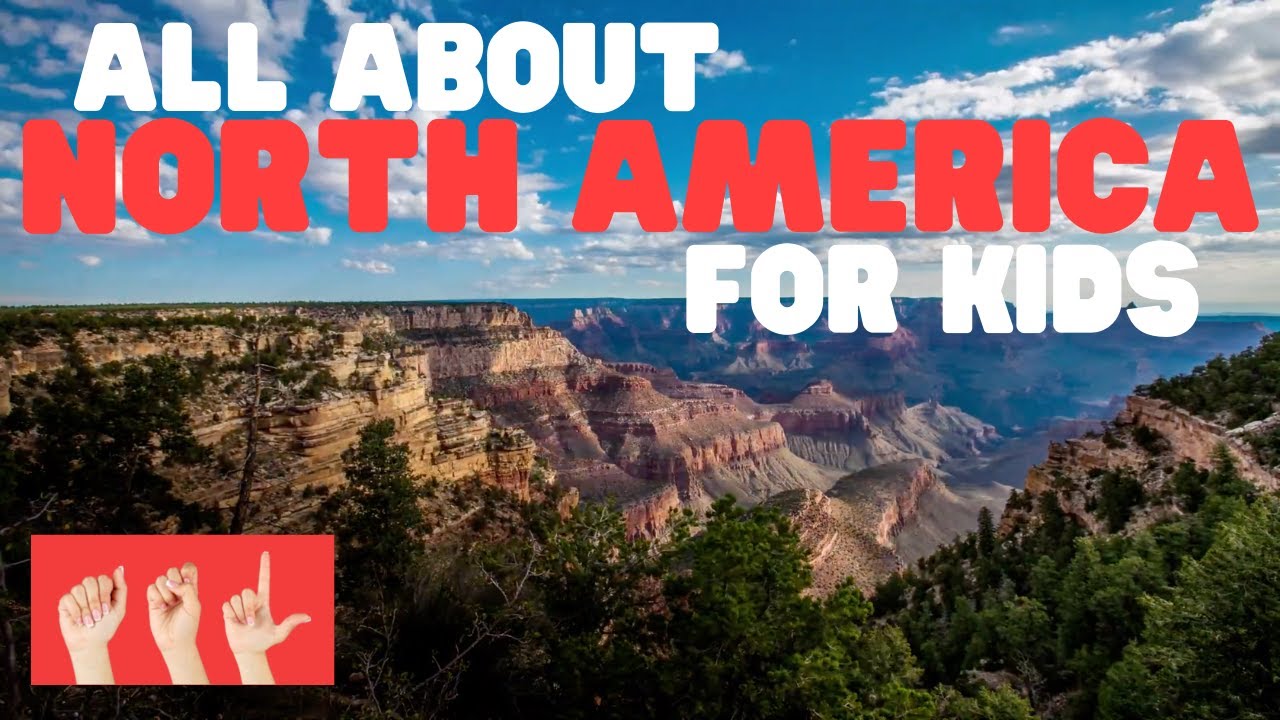
How many countries make up North America? A lot of people think of Canada, the USA, and Mexico. In All about North America for Kids, you and your students will learn that this continent actually includes 23 countries! These include Costa Rica, Honduras, Panama, Grenada, Saint Vincent, Cuba, and Haiti.
North America is the third largest continent in the world, behind Asia and Africa, and covers 16.5% of the earth's land area. It was named after the Italian explorer Amerigo Vespucci. The continent borders the Pacific and Atlantic Oceans, the Caribbean Sea, and South America. It also includes all the major biomes or habitats, such as tundra, coral reef, and desert. The geography of the countries of North American vary as much as its wildlife. There are around 965 different mammal species that call different parts of the continent home.
You will also learn a lot about the history of the continent. Scientists believe the Paleo-Indians from Eurasia used a land bridge between modern-day Siberia and Alaska to travel to North America to settle. They developed organized societies, and some ancient civilizations even built temples and created writing systems and calendars. Eventually colonizers from Europe traveled to the continent, which often displaced the native peoples of North America and settling on their lands.
There is so much more to learn about this continent. The video includes information on famous landmarks, such as Niagara Falls and the Great Pyramid of Tenochtitlan. These are only a few of the many attractions that millions of people visit every year.
We hope you and your student(s) enjoyed learning about the continent of North America! If you want even more information, head over to our website and download one of our many free lesson plans, full of activities, worksheets, and more!
https://learnbright.org/lesson....s/social-studies/all
https://learnbright.org/lesson....s/social-studies/the
What you will learn in All about North America for Kids:
0:00 Introduction to the North American continent
1:10 Geography of North America
1:46 Animals that live in North America
2:17 History of the continent
3:04 Countries, territories, and most common languages
4:02 Noteworthy facts about North America
5:00 Natural and manmade attractions
6:28 Review of the facts
Check out some of our other videos related to North America here:
Mount Rushmore: https://youtu.be/ExiE76ig0d8
Lewis and Clark: https://youtu.be/91IbDuiJNdM
Types of Communities: https://youtu.be/04lO0ISBT40
Thank you for watching and learning with us! We’re constantly releasing new content and videos, so click that “Subscribe” button and you’ll get notified.
Find and Follow Us Online:
Facebook: https://www.facebook.com/LearnBright/
Instagram: https://instagram.com/LearnBrightEducation
Pinterest: https://pinterest.com/LearnBrightEducation
YouTube: @LearnBright
Website: https://learnbright.org/
*Teachers and Parents! Did you know? In addition to these great videos, we have also created a library of high-quality and engaging lessons for your elementary aged student(s). Visit us and sign up for a free account, and you'll instantly have access to thousands of lesson plans, learning materials, teaching instructions, activities, and assignments that your kids will really enjoy! We hope to see you soon!
Browse our entire collection of Social Studies lesson plans: https://learnbright.org/lessons/?filter_subject=social-studies
#ASL
#NorthAmerica
#NorthAmericaForKids

In this video your students and kids will learn how animals are classified into different groups. Classification breaks very large groups down into smaller groups. This makes them easier to be studied. Scientists classify animals, plants and insects based on things they have in common. Just like kids would do with their toys!
Taxonomy means to classify living things. Scientists and biologists use a taxonomy chart to classify all the organisms on Earth. This chart includes the following groups: Domain, Kingdom, Phylum, Class, Order, Family, Genus and Species. Throughout the video we will learn about the different taxonomies, how animals are classified and spend a little more time on vertebrates and invertebrates. By the end you kid will have a more solid understanding of what makes animals different and may be able to classify them into their proper taxonomies.
Would you like even more Animal Classification Learning resources? Download our free comprehensive lesson plans here: https://learnbright.org/?s=animal+classification here you'll find access to lots more content, worksheets, learning activities and more.
Thank you for watching and learning with us! We’re constantly releasing new content and videos, so click that “Subscribe” button and you’ll get notified.
Follow us across the web!
Find and Follow Us Online:
Facebook: https://www.facebook.com/LearnBright/
Instagram: https://instagram.com/LearnBrightEducation
Pinterest: https://pinterest.com/LearnBrightEducation
YouTube: https://www.youtube.com/LearnBright
Website: https://learnbright.org/
Are you a K-6 grade teacher looking for more teaching resources? We don’t only provide video content but high quality lesson plans as well. 100% free with handouts, worksheets, classroom activities and more!
Browse our entire collection of Science lesson plans: https://learnbright.org/lessons/?filter_subject=science
#ASL
#AnimalClassificationForKids
#ClassifyAnimals
#ScienceForKids

Hey Teachers and Parents! In this video we explore climate change for kids. We learn all about the causes of climate change like the greenhouse effect, fossil fuel burning, farming, and even deforestation and why these are big dilemmas in today's world. We also cover ways that we can help prevent climate change and be friendlier to our environment including: walking, planting trees, using less electricity and other fun ways.
We hope you and your students have fun as they learn about climate change and what we can each do to help planet earth. We also invite you to download our FREE climate change lesson plan (for grades 4-6) that is complete with more content, worksheets, activities for kids, and more!
Download here: https://learnbright.org/lesson....s/science/climate-ch
Thank you for watching and learning with us! We’re constantly releasing new content and videos, so click that “Subscribe” button and you’ll get notified.
Find and Follow us Online:
Facebook: https://www.facebook.com/LearnBright/
Instagram: https://instagram.com/LearnBrightEducation
Pinterest: https://pinterest.com/LearnBrightEducation
YouTube: https://www.youtube.com/LearnBright
Website: https://learnbright.org/
Are you a K-6 grade teacher looking for more teaching resources? We don’t only provide video content but high quality lesson plans as well. 100% free with handouts, worksheets, classroom activities and more!
Check out our other videos about Climates and Climate Zones Here:
Climate Zones for Kids: https://youtu.be/Kp7ZhvJXrMc
Climates for Kids: https://youtu.be/41Bt4eOg6HU
#ASL
#ClimateChange
#ClimateChangeforKids

Comparing and Contrasting can be difficult for kids to learn but it doesn't have to be! In this fun and interactive video you and your students will learn about comparing stories and how to identify similarities and differences between them. We share two unique stories about kids in similar but different situations and help your student(s) practice comparing/contrasting skills.
When completing this video (and the lesson plan with link below) students will learn the steps of
comparing similar stories. Your students will also be able to successfully identify similarities in stories after comparison. These skills greatly affect a child's overall reading comprehension. The more they learn to compare and contrast the more they will be able to comprehend and even remember what they are reading. We hope you enjoy!
Download the free lesson plan (for 1st, 2nd, and 3rd Grades) here: https://learnbright.org/lesson....s/reading/comparing-
Browse our entire collection of Reading lesson plans: https://learnbright.org/lesson....s/?filter_subject=re
Thank you for watching and learning with us! We’re constantly releasing new content and videos so click that “Subscribe” button and you’ll notified.
Find and Follow Us Online:
Facebook: https://www.facebook.com/LearnBright/
Instagram: https://instagram.com/LearnBrightEducation
Pinterest: https://pinterest.com/LearnBrightEducation
YouTube: https://www.youtube.com/LearnBright
Website: https://learnbright.org/
*Teachers and Parents! Did you know? In addition to these great videos, we have also created a library of high quality and engaging lessons for your elementary aged student(s). Visit us, sign up for a free account, and instantly you'll have access to thousands of lesson plans, learning materials, teaching instructions, activities, and assignments that your kids will actually enjoy! We hope to see you soon!
#ASL
#ComparingSimilarStories
#ReadingComprehension

Do you know where the "We Can Do It!" poster came from? In Who Was Rosie the Riveter? for Kids, you'll learn about the history of the poster and its significance during World War II. You may be wondering what exactly a riveter is. Well, it's someone who job is to fasten or secure things using rivets. You can find rivets on the hulls of ships or on airplanes where the metal skin attaches to the wings.
Before the war, mostly men worked factory jobs doing mechanical work, including the job of riveting. Once the US joined the war, most of the factory workers went to fight in the war. That meant there were lots of jobs that needed to be filled, especially since many of the things the military needed were the things factories produced. So who was left to fill those rolls? Women!
A campaign to recruit female workers began, and Rosie the Riveter was born! Redd Evans and John Jacob Loeb wrote the song entitled "Rosie the Riveter" in 1942, basing it off of a woman named Rosalind P. Walker. Rosalind was working at a factory that made fighter airplanes for the military. The famous poster was created in 1942 by J. Howard Miller to encourage people to work together to help the US win the war. It later became associated with the Rosie the Riveter campaign, which is why most people now associate the poster with Rosie the Riveter!
We hope you and your student(s) enjoyed learning about Rosie the Riveter! If you want to learn even more, head over to our website and download one of our many free lesson plans about famous women in history, full of activities, worksheets, and more!
https://learnbright.org/lesson....s/social-studies/ros
Thank you for watching and learning with us! We’re constantly releasing new content and videos, so click that “Subscribe” button and you’ll get notified.
What you will learn in Who Was Rosie the Riveter? for Kids:
0:00 Introduction to what a riveter is
0:53 Why so many women joined the workforce
1:46 Where the term Rosie the Riveter came from
2:55 We Can Do It! poster
3:23 Influence of Rosie the Riveter during and after the war
4:01 Review of the facts
Find and Follow Us Online:
Facebook: https://www.facebook.com/LearnBright/
Instagram: https://instagram.com/LearnBrightEducation
Pinterest: https://pinterest.com/LearnBrightEducation
YouTube: @LearnBright
Website: https://learnbright.org/
*Teachers and Parents! Did you know? In addition to these great videos, we have also created a library of high-quality and engaging lessons for your elementary aged student(s). Visit us, sign up for a free account, and instantly you'll have access to thousands of lesson plans, learning materials, teaching instructions, activities, and assignments that your kids will really enjoy! We hope to see you soon!
Browse our entire collection of Social Studies lesson plans: https://learnbright.org/lessons/?filter_subject=social-studies
#RosieTheRiveter
#WWIIHistory

So what's with those small, plastic cards that adults use to buy stuff? In Financial Literacy—Debit and Credit, your students will discover the answer to that question. They will also realize that credit cards and debit cards are different, and each one can be helpful in different ways.
Credit cards and debit cards are both small, hard, plastic cards. But apart from that, they are quite difference. Credit cards, for instance, are not linked to a bank account, but debit cards are. That means you can use debit cards to pay for things with money you already have. Generally speaking, a debit card is directly linked to a checking account. Credit cards use money that is loaned. You can use it to buy something and pay for it later.
Credit card companies issue credit cards, and it's like a type of loan. You can pay back the loan according to the credit company's schedule. You usually have to make a minimum payment each month to reduce your debt. They can also charge interest if it takes you longer to pay the money back or if you don't pay the full amount back every month. However, if you pay your credit card bills in full every month, you won't be charged any interest.
We hope you and your student(s) enjoyed learning about these important skills! If you want even more information, head over to our website and download one of our many free lesson plans, full of activities, worksheets, and more!
https://learnbright.org/lesson....s/math/financial-lit
https://learnbright.org/lesson....s/math/introduction-
Thank you for watching and learning with us! We’re constantly releasing new content and videos, so click that “Subscribe” button and you’ll get notified.
What you will learn in Financial Literacy—Debit and Credit:
0:00 Introduction
1:11 Difference between debit and credit cards
2:11 How credit cards work
3:04 Example with Frankie Finance—credit card
4:13 Example—debit card
Find and Follow Us Online:
Facebook: https://www.facebook.com/LearnBright/
Instagram: https://instagram.com/LearnBrightEducation
Pinterest: https://pinterest.com/LearnBrightEducation
YouTube: @LearnBright
Website: https://learnbright.org/
*Teachers and Parents! Did you know? In addition to these great videos, we have also created a library of high-quality and engaging lessons for your elementary aged student(s). Visit us and sign up for a free account, and you'll instantly have access to thousands of lesson plans, learning materials, teaching instructions, activities, and assignments that your kids will really enjoy! We hope to see you soon!
Browse our entire collection of Math lesson plans:
https://learnbright.org/lessons/?filter_subject=math
#FinancialLiteracy
#FinancialLiteracyForKids
#Credit
#DebitCard

#CVC
#CVCsentences
#readinglessonforkids
#onlinereadinglesson
#practicereadingforkids
#practicereadingforbeginners
#readingguideforkids
#readingtutorialforkids
#basicsentencesforgrade1
#readingenglishgrade1
#readingenglishgrade2
#readingenglishkinder
#readingenglishsentences
#practicereadingenglish
#englishfortoddlers
#englishforkids
#practicereadingenglishforbeginners
#readingsimplesentences
#sentencesstartingwithIhave
#grade1English
#KinderEnglish
#Grade2English
#practicereadingenglishsentences
#basicenglishsentences
#readinglessonforkids
#simplesentences
The cat is fat.
The boy has a toy.
Ted has a net.
The wig is red.
Pam has a jam.
The pan is hot.
The man has a van.
The bus is red.
Pat has a bat.
Gab has a big cap.
The man has a hat.
Roy has a map.
The cat sat on the mat.
The pig is in the pen.
The rat has a hat.
Dan has a fan.

The Digestive System for Kids | A fun engaging overview of what happens when we eat will teach you everything you need to know about your body's digestive system. Lots happens when you eat so come with us as we learn all about it!
You may have recently eaten breakfast or lunch, and had a productive morning in class, or enjoyed recess. Now, you’re either at home reading this or in the classroom.
But the inside of your body is hard at work taking all the food you have eaten and turning it into nutrients and energy. It is the digestive system of your body responsible for breaking down the food you eat. The process of food being broken down is called digestion. Digestion allows the body to receive the nutrients and the energy from the food you eat. During digestion, all of the food you eat is eventually turned into the building blocks and fuel you need to live life each day.
In this video we learn about Digestion, Saliva, your stomach, intestines and so much more! We hope you enjoy The Digestive System for Kids video!
Want more? Check out our comprehensive lesson plan here:
Digestive System Lesson Plan: https://learnbright.org/lesson....s/science/the-digest
Thank you for watching and learning with us! We’re constantly releasing new content and videos, so click that “Subscribe” button and you’ll get notified.
Find and Follow Us Online:
Facebook: https://www.facebook.com/LearnBright/
Instagram: https://instagram.com/LearnBrightEducation
Pinterest: https://pinterest.com/LearnBrightEducation
YouTube: https://www.youtube.com/LearnBright
Website: https://learnbright.org/
*Teachers and Parents! Did you know? In addition to these great videos, we have also created a library of high quality and engaging lessons for your elementary aged student(s). Visit us, sign up for a free account, and instantly you'll have access to thousands of lesson plans, learning materials, teaching instructions, activities, and assignments that your kids will really enjoy! We hope to see you soon!
Browse our entire collection of Science lesson plans: https://learnbright.org/lessons/?filter_subject=science
#ASL
#DigestiveSystem

En este video aprendemos todo sobre los cinco sentidos para niños. Puede que tus estudiantes se pregunten, "¿Qué son los cinco sentidos?" o talvez ni siquiera se den cuenta de que los usan todos los días. Como ya sabes, los 5 sentidos son: el sentido de la vista, el sentido del gusto, el sentido del sonido, el sentido del olfato y el sentido del tacto. Estos sentidos pueden variar entre individuos (más fuertes o más débiles), por lo que a lo largo de este video ayudaremos a que tus niños aprendan cómo funciona cada uno de ellos Y a ser capaces de identificar cuándo estamos experimentando uno de estos sentidos.
Además de este video, tenemos un plan de clase completo de 8 páginas con hojas de trabajo y acti-vidades disponibles GRATIS aquí: https://learnbright.org/lesson....s/science/five-sense
¡Gracias por ver este video! Comparte tus ideas en los comentarios a continuación y asegúrate de suscribirte!
También puedes encontrarnos por los siguientes medios:
Facebook: https://www.facebook.com/LearnBright/
Instagram: https://instagram.com/LearnBrightEducation
Pinterest: https://pinterest.com/LearnBrightEducation
YouTube: https://www.youtube.com/LearnBright
Website: https://learnbright.org/
¿Eres maestro o maestra de grados K-6? ¿Buscas más recursos didácticos? No solo proporcionamos contenido de video, sino también planes de clase de alta calidad. ¡100% gratis con folletos, hojas de trabajo, actividades para el aula y más!
Más planes de clase cubriendo el tema de la Ciencia: https://learnbright.org/lessons/?filter_subject=science
#LosCincoSentidos
#CincoSentidos
* Nota: Nuestros materiales impresos están todos en inglés. En este momento, solo nuestros videos han sido traducidos al español.

In this video about Albert Einstein for Kids we learn about one of the most famous scientists in history. Albert Einstein contributed to many scientific areas but one of his most important contribution to the world of physics and science is the Theory of Relativity. The theory changed how scientists observed the world and led to many modern inventions, including the nuclear bomb and nuclear energy. The theory explains how energy is related to mass.
One equation from the theory that you may have heard of is "E = mc2". The c represents the speed of light and never changes and is the fastest speed possible in the universe. E = energy, M = mass. His theory explains how time and distance may change when the different speed of an object or the observer is considered.
Believe it or not...Albert Einstein, like many people, struggled with education early in his life, he failed many tests and wasn't very organized, but he did not give up. He worked hard, became interested in math and science, and went on to become one of the most brilliant people in history. We all have learned and can continue to learn from the example of Albert Einstein.
In addition to this video we have created a free 11 page lesson plan with more learning content about Albert Einstein including worksheets and fun activities. Download our free comprehensive lesson plan here: https://learnbright.org/lesson....s/science/albert-ein
Video Quick Links:
0:00 Introduction to Albert Einstein
1:48 Albert's Introduction to Science
2:09 Moves to Italy at age 15... Graduates from Polytechnic Academy in Math and Physics
3:00 Starts first job as Patent Clerk, marries, and starts his family
4:00 Einstein was Jewish and in 1933 moves to the United States to avoid the Nazis
4:42 Theory of Relativity and modern inventions including nuclear energy
5:57 E = mc2
6:59 Speed is relative to the observer
7:38 How do Einsteins discoveries live on today?
8:03 Photon Discovery in 1905 and Nobel Prize in 1921
8:55 Einstein's Love of Music
9:13 Conclusion
Thank you for watching and learning with us! We’re constantly releasing new content and videos so click that “Subscribe” button and you’ll notified.
Find and Follow Us Online:
Facebook: https://www.facebook.com/LearnBright/
Instagram: https://instagram.com/LearnBrightEducation
Pinterest: https://pinterest.com/LearnBrightEducation
YouTube: https://www.youtube.com/LearnBright
Website: https://learnbright.org/
*Teachers and Parents! Did you know? In addition to these great videos, we have also created a library of high quality and engaging lessons for your elementary aged student(s). Visit us, sign up for a free account, and instantly you'll have access to thousands of lesson plans, learning materials, teaching instructions, activities, and assignments that your kids will really enjoy! We hope to see you soon!
Browse our entire collection of Social Studies lesson plans: https://learnbright.org/lessons/?filter_subject=social-studies
#ASL
#AlbertEinstein
#EinsteinForKids

Have you ever heard the name Harriet Tubman before? She was an incredible person who did some very brave things. After escaping slavery through the Underground Railroad, she later became known as the Conductor of the Underground Railroad. This is because she went back to the South to help thousands of others like her achieve freedom!
Both of Harriet's parents were slaves, so she was born into slavery herself. She endured a lot of pain and abuse growing up because she was a slave. Some of her siblings were even sold to other plantations. When she was 24, she married a freeman named John Tubman. Around this time, her father was released from slavery at the age of 45. He kept working on the plantation even though he was free because his family was still enslaved.
In 1849, Harriet escaped to Pennsylvania with the help of the Underground Railroad, a network of people, homes, and hiding places that were set up to help slaves escape to the North. In all, about 100,000 people escaped enslavement using this network! After escaping herself, Harriet returned to the South to help others escape, too. She earned the nickname of the Conductor of the Underground Railroad.
We hope you and your student(s) enjoyed learning about this incredible woman! If you want even more information, head over to our website and download one of our many free lesson plans, full of activities, worksheets, and more!
https://learnbright.org/lesson....s/social-studies/har
https://learnbright.org/lesson....s/social-studies/und
https://learnbright.org/lesson....s/social-studies/sla
What you will learn in Harriet Tubman for Kids:
0:00 Introduction to who Harriet Tubman is
0:33 Harriet Tubman born into slavery
1:24 Harriet marries freeman John Tubman
2:19 What was the Underground Railroad?
3:01 Harriet Tubman, the Conductor of the Underground Railroad
3:48 Harriet works with Union Army
4:37 Harriet married again in 1869
5:06 Lasting legacy of Harriet Tubman
Thank you for watching and learning with us! We’re constantly releasing new content and videos, so click that “Subscribe” button and you’ll get notified.
Find and Follow Us Online:
Facebook: https://www.facebook.com/LearnBright/
Instagram: https://instagram.com/LearnBrightEducation
Pinterest: https://pinterest.com/LearnBrightEducation
YouTube: @LearnBright
Website: https://learnbright.org/
*Teachers and Parents! Did you know? In addition to these great videos, we have also created a library of high-quality and engaging lessons for your elementary aged student(s). Visit us and sign up for a free account, and you'll instantly have access to thousands of lesson plans, learning materials, teaching instructions, activities, and assignments that your kids will really enjoy! We hope to see you soon!
Browse our entire collection of Social Studies lesson plans: https://learnbright.org/lessons/?filter_subject=social-studies
#ASL
#HarrietTubman
#UndergroundRailroad

Our Natural Resources for Kids video is a fun and engaging way to introduce earths resources to children. In this video kids will learn all about natural resources and take away some fun interesting facts everyone should know.
We learn about of few of our resources like Water, Air, Coal and more, the difference between renewable and nonrenewable resources, how we can help our natural resources last and much much more! We hope you enjoy and LEARN!
This video is designed to be a teaching resource for k-6 classrooms and at home learning. Download our free Natural Resources Lesson plan: https://learnbright.org/lesson....s/science/natural-re
Thank you for watching and learning with us! We’re constantly releasing new content and videos, so click that “Subscribe” button and you’ll get notified.
Find and Follow Us Online:
Facebook: https://www.facebook.com/LearnBright/
Instagram: https://instagram.com/LearnBrightEducation
Pinterest: https://pinterest.com/LearnBrightEducation
YouTube: https://www.youtube.com/LearnBright
Website: https://learnbright.org/
*Teachers and Parents! Did you know? In addition to these great videos, we have also created a library of high quality and engaging lessons for your elementary aged student(s). Visit us, sign up for a free account, and instantly you'll have access to thousands of lesson plans, learning materials, teaching instructions, activities, and assignments that your kids will really enjoy! We hope to see you soon!
Browse our entire collection of Science lesson plans: https://learnbright.org/lessons/?filter_subject=science
#ASL
#NaturalResourcesForKids
#NaturalResources

Mount Rushmore is one of the most popular tourist attractions in the United States. What do you know about the monument and the individuals whose heads you see? In Mount Rushmore for Kids, you and your students will learn about some of the history behind this huge sculpture. You will also discover why the four presidents on its face were chosen to be the subjects of the monument.
Construction for Mount Rushmore began in 1927. Much earlier in 1884, a lawyer from New York named Charles E. Rushmore traveled to South Dakota's Black Hills National Forest. He decided to name the mountain after himself when he learned that it had never been named before. Fast forward to the 1920s: There was some discussion over a period of years about who to sculpt into the mountainside. In the end, the subjects they agreed upon were George Washington, Abraham Lincoln, Thomas Jefferson, and Theodore Roosevelt.
It took 14 years to build the monument and required the help of nearly 400 men and women who served in various capacities. They had to endure extreme weather condition and had to climb 700 stairs every day to reach the top of the mountain! An interesting fact you may not know is that 90% of the mountain was carved using dynamite. Despite these dangerous conditions, not one worker died in all 14 years.
You may wonder why those four presidents were chosen. George Washington led the colonists in the American Revolutionary War. He was the "Father of the Country" and the first president. He was chosen to represent birth. Thomas Jefferson was chosen to represent growth because of his role in expanding the size of the U.S. by purchasing the Louisiana Territory. Abraham Lincoln represented the preservation of the nation because of his impact on preserving the Union during the Civil War and abolishing slavery. And finally, Theodore Roosevelt provided leadership when America experienced rapid growth. he also linked the east and west parts of the world through the construction of the Panama Canal. He represented development.
We hope you and your student(s) enjoyed learning about this amazing monument! If you want even more information, head over to our website and download one of our many free lesson plans, full of activities, worksheets, and more!
https://learnbright.org/lesson....s/social-studies/all
What you will learn in Mount Rushmore for Kids:
0:00 Introduction to Mount Rushmore
1:01 Where it is and why it was built
1:57 Deciding who to sculpt
2:54 When the project started and who was involved
3:44 Using dynamite to carve the design
4:37 Visitors of the memorial—Shrine of Democracy
5:42 Why George Washington and Thomas Jefferson were chosen
6:26 Why Abraham Lincoln and Theodore Roosevelt were chosen
7:17 Review of the facts
Thank you for watching and learning with us! We’re constantly releasing new content and videos, so click that “Subscribe” button and you’ll get notified.
Find and Follow Us Online:
Facebook: https://www.facebook.com/LearnBright/
Instagram: https://instagram.com/LearnBrightEducation
Pinterest: https://pinterest.com/LearnBrightEducation
YouTube: @LearnBright
Website: https://learnbright.org/
*Teachers and Parents! Did you know? In addition to these great videos, we have also created a library of high-quality and engaging lessons for your elementary aged student(s). Visit us and sign up for a free account, and you'll instantly have access to thousands of lesson plans, learning materials, teaching instructions, activities, and assignments that your kids will really enjoy! We hope to see you soon!
Browse our entire collection of Social Studies lesson plans: https://learnbright.org/lessons/?filter_subject=social-studies
#MountRushmore
#HistoricalLandmark
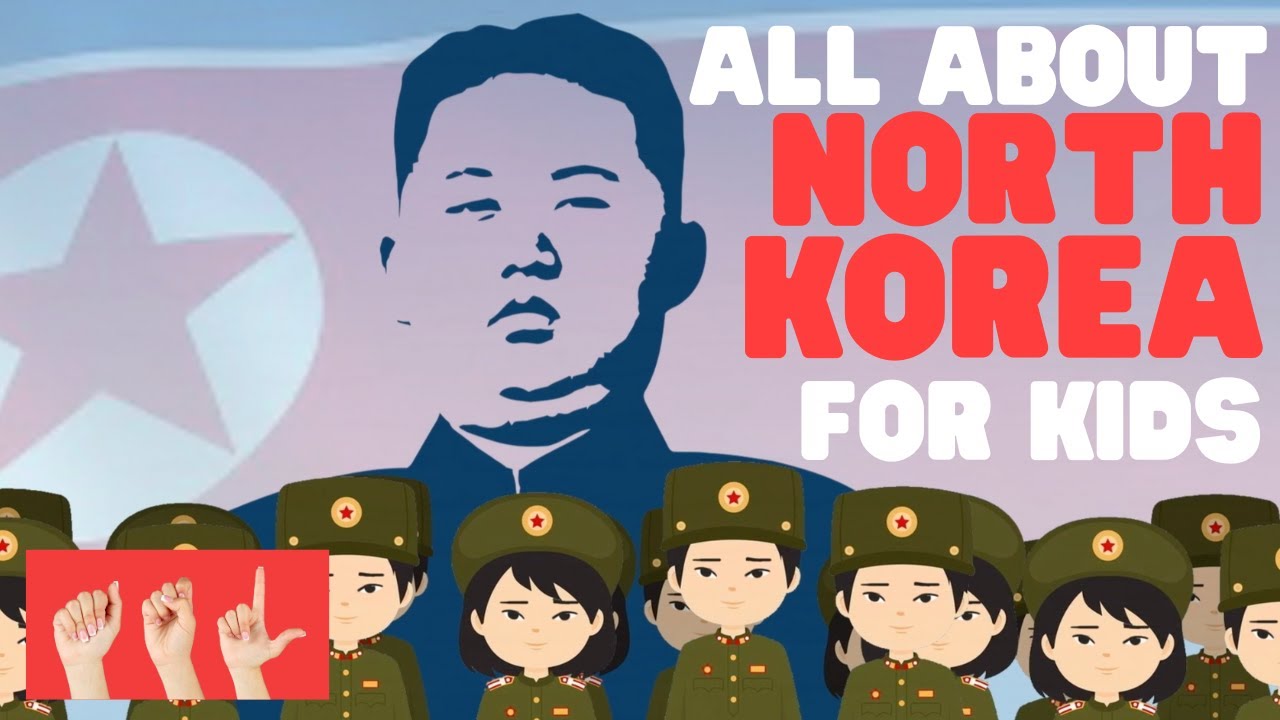
North Korea is one of the most isolated and closed off countries in the world. Its official name is the Democratic People's Republic of Korea. The country is roughly the size of the U.S. state of Pennsylvania. And its total population is estimated to be around 25 million people. In All about North Korea for Kids, you will learn a lot more about this country, even though it's not easy to visit.
The government in North Korea is communist, meaning that it controls the lives of most of its citizens, even down to people's haircut! There are only 28 approved haircuts, so every citizen must choose from that list which hair style they want. Citizens can also be arrested for watching certain movies or practicing certain religions. They are also not allowed to talk about ideas that go against the government.
The government also controls the media and news. Propaganda, or news that makes the country look good, is common in the country, and there is no internet access. In fact, most North Koreans have never even seen a computer. Additionally, few people are allowed to leave the country, and only a few people are allowed to visit. Those individuals can only see approved parts of North Korea and are watched closely.
When Japan lost the war in World War II, the Soviets gained control of northern half of the Korean peninsula, so North Korea became a communist country. The Americans controlled the southern half, so South Korea became a democratic country. When the Soviets left in 1948, many conflicts between the two Korean countries arose. After a resulting Korean war, the same family has maintained control of North Korea and kept it isolated from the world.
We hope you and your student(s) enjoyed learning about Anne Frank! If you want even more information, head over to our website and download one of our many free lesson plans, full of activities, worksheets, and more!
https://learnbright.org/lesson....s/social-studies/all
What you will learn in All about North Korea for Kids:
0:00 Introduction to the isolated country of North Korea
0:22 Geography of North Korea
1:32 Landscape and three main regions
2:56 Mineral resources and energy sources
3:22 Communist government and North Korean law
4:08 Unique ways North Korea is different from others
5:02 Why North Korea is closed off from the world
6:19 After Soviets left North Korea
7:13 Interesting landmarks and attractions
8:07 Review of the facts
Thank you for watching and learning with us! We’re constantly releasing new content and videos, so click that “Subscribe” button and you’ll get notified.
Find and Follow Us Online:
Facebook: https://www.facebook.com/LearnBright/
Instagram: https://instagram.com/LearnBrightEducation
Pinterest: https://pinterest.com/LearnBrightEducation
YouTube: @LearnBright
Website: https://learnbright.org/
*Teachers and Parents! Did you know? In addition to these great videos, we have also created a library of high-quality and engaging lessons for your elementary aged student(s). Visit us and sign up for a free account, and you'll instantly have access to thousands of lesson plans, learning materials, teaching instructions, activities, and assignments that your kids will really enjoy! We hope to see you soon!
Browse our entire collection of Social Studies lesson plans: https://learnbright.org/lessons/?filter_subject=social-studies
#ASL
#NorthKorea
#AllAboutNorthKorea

Martin Luther King Jr for Kids is a short documentary and overview about the great civil rights leader. Together we will learn about the monumental impact he had and still has throughout the world.
MLK – They are three letters representing the Civil Rights movement in America during the 1950s and 1960s. Of course, the letters belong to the name- Martin Luther King Jr. Nearly everyone has heard of this Civil Rights leader, but many people do not know the journey of his life.
They see him as the person honored on the 3rd Monday in January
each year, giving a day off from school or work. However, there is much more to be known about this great leader, including his early life, education, religious background, civil rights activities, and much more.
To download an accompanying FREE lesson plan about Martin Luther King Jr please visit us at:
https://learnbright.org/lesson....s/social-studies/mar
We hope you enjoy!
Thank you for watching and learning with us! We’re constantly releasing new content and videos so click that “Subscribe” button and you’ll notified.
Find and Follow Us Online:
Facebook: https://www.facebook.com/LearnBright/
Instagram: https://instagram.com/LearnBrightEducation
Pinterest: https://pinterest.com/LearnBrightEducation
YouTube: https://www.youtube.com/LearnBright
Website: https://learnbright.org/
*Teachers and Parents! Did you know? In addition to these great videos, we have also created a library of high quality and engaging lessons for your elementary aged student(s). Visit us, sign up for a free account, and instantly you'll have access to thousands of lesson plans, learning materials, teaching instructions, activities, and assignments that your kids will really enjoy! We hope to see you soon!
Browse our entire collection of Social Studies lesson plans: https://learnbright.org/lessons/?filter_subject=social-studies
#MartinLutherKingJr
#MLK

Who is George Washington? What did George Washington do? Did he cut down a cherry tree? In this video we learn all about George Washington for kids. George Washington was the very first president of the United States and has a profound impact on history not only in the United States but in the whole world! In this short but fun introduction video you and your students will learn all about him and the impact he had on the world.
George Washington was the first President of the United States. He was
born February 22, 1732 in Virginia. At age 16 he had a job as a surveyor, which means he measured the size
of new land turning the information into maps. He later became a landowner in Mount Vernon, Virginia and was
elected to the Virginia legislature.
Due to problems with the British wanting to control the colonies,
Washington led the Continental Army in a victory over the British during
a war called the American Revolution.
Several years later, after the war, Washington was elected as President
in 1789 until 1797. He helped create and guide the government based
on the words of the Constitution, and he took on many roles that are still
part of the presidency today.
Looking for more George Washington resources? We have prepared a FREE comprehensive lesson plan full of worksheets, classroom activities, teaching instructions and more! Download your copy today: https://learnbright.org/lesson....s/social-studies/was
Thank you for watching and learning with us! We’re constantly releasing new content and videos so click that “Subscribe” button and you’ll notified.
Find and Follow Us Online:
Facebook: https://www.facebook.com/LearnBright/
Instagram: https://instagram.com/LearnBrightEducation
Pinterest: https://pinterest.com/LearnBrightEducation
YouTube: https://www.youtube.com/LearnBright
Website: https://learnbright.org/
*Teachers and Parents! Did you know? In addition to these great videos, we have also created a library of high quality and engaging lessons for your elementary aged student(s). Visit us, sign up for a free account, and instantly you'll have access to thousands of lesson plans, learning materials, teaching instructions, activities, and assignments that your kids will really enjoy! We hope to see you soon!
Browse our entire collection of Social Studies lesson plans: https://learnbright.org/lessons/?filter_subject=social-studies
#GeorgeWashington

Newton's Laws of Motion revolutionized Science and the way that we all understand the world. In this video for kids we learn all about Sir Isaac Newton, his discoveries, and of course his law's of motion.
Throughout the video your students and kids will learn about Sir Isaac Newton's life and background and learn about his 3 main laws of motion. They will have the chance to see the laws in action and learn real world application for each video. We hope you have fun learning about Isaac Newton and his Laws of Motion.
When you're finished watching the video, come and download our free 11 page lesson plan with activities, worksheets, and more instructional content designed for grades 5 & 6: https://learnbright.org/lesson....s/science/newtons-la
Thank you for watching and learning with us! We’re constantly releasing new content and videos, so click that “Subscribe” button and you’ll get notified.
Follow us across the web!
Facebook: https://www.facebook.com/LearnBright/
Instagram: https://instagram.com/LearnBrightEducation
Pinterest: https://pinterest.com/LearnBrightEducation
YouTube: https://www.youtube.com/LearnBright
Website: https://learnbright.org/
Are you a K-6 grade teacher looking for more teaching resources? We don’t only provide video content but high quality lesson plans as well. 100% free with handouts, worksheets, classroom activities and more!
Download other Science lesson plans here: https://learnbright.org/lessons/?filter_subject=science
#ASL
#IsaacNewton

What is an element? And how many known elements are there in the vast universe? Periodic Table of Elements for Kids answers these and other questions and explains how the table came to be in the first place. Elements make up everything in the whole world, so it makes sense to learn a little more about them. The Periodic Table provides us with a lot of valuable information about these different atoms.
The first person to propose that scientists arrange the elements in a table was Dmitri Mendeleev in 1869. At the time, there were only 65 known elements, and Mendeleev arranged them according to their atomic weights as well as by their similar properties. Today, the table has seven rows, called periods, and 18 columns, called groups. The elements in each group have similar properties. For instance, the elements that can be classified as alkali metals all align in one group.
What you can learn about each element on the table depends on which table you look at. Some provide more information than others. For the most part, you can discover the element's name, atomic number, atomic weight, and symbol. Many symbols reflect the name of the element. For instance, the symbol for calcium is Ca. Others reflect the Latin origins of the word, such as for gold, the symbol for which is Au.
We hope you and your student(s) enjoyed learning about the many elements on Earth! If you want to learn even more, head over to our website and download one of our many free lesson plans about atoms or elements, full of activities, worksheets, and more!
https://learnbright.org/lesson....s/science/periodic-t
https://learnbright.org/lessons/science/atoms/
What you will learn in Periodic Table of Elements for Kids:
0:00 Introduction to the Periodic Table of Elements
0:25 What is an element?
1:28 Atomic number = number of protons
2:18 How Dmitri Mendeleev organized the elements
3:19 Chemical elements arranged into periods and groups
4:08 What you can learn from Periodic Table of Elements
5:02 Where elements get their chemical symbols
6:03 Specific information you can find for each element on the table
6:54 Review of the facts
Thank you for watching and learning with us! We’re constantly releasing new content and videos, so click that “Subscribe” button and you’ll get notified.
Find and Follow Us Online:
Facebook: https://www.facebook.com/LearnBright/
Instagram: https://instagram.com/LearnBrightEducation
Pinterest: https://pinterest.com/LearnBrightEducation
YouTube: @LearnBright
Website: https://learnbright.org/
*Teachers and Parents! Did you know? In addition to these great videos, we have also created a library of high-quality and engaging lessons for your elementary aged student(s). Visit us, sign up for a free account, and instantly you'll have access to thousands of lesson plans, learning materials, teaching instructions, activities, and assignments that your kids will really enjoy! We hope to see you soon!
Browse our entire collection of Science lesson plans: https://learnbright.org/lessons/?filter_subject=science
#ASL
#PeriodicTableOfElements
#ElementsForKids
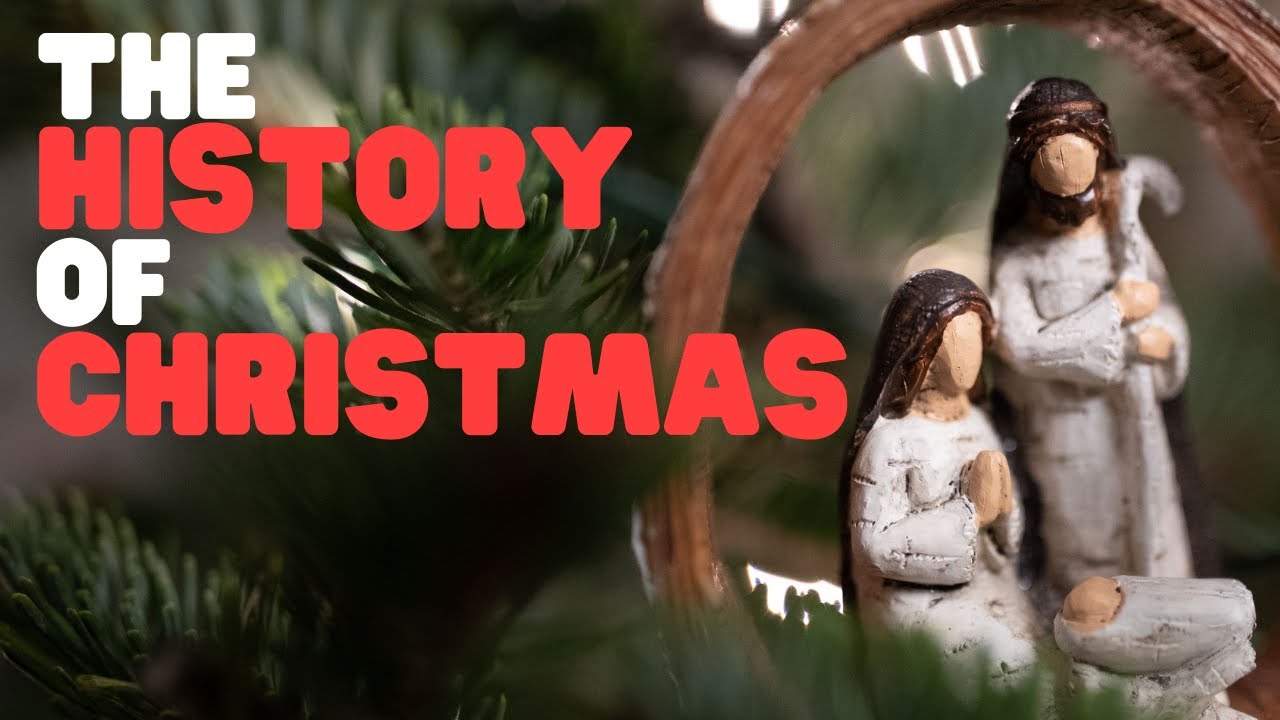
Have you ever asked What is Christmas? Why did it start? In our video "The History of Christmas" we will answer all of those questions and more. We will cover the most important religious aspects of Christmas as the celebration of the birth of Jesus Christ, the savior of the world and we will also talk about the more secular versions of the holiday including Santa Clause, Christmas Trees, mistletoe and more!
We hope you enjoy learning more about the origins and history of Christmas and you have a wonderful holiday season.
Looking for more Christmas resources? Download our free comprehensive lesson plan here: https://learnbright.org/lesson....s/social-studies/wha
Thank you for watching and learning with us! We’re constantly releasing new content and videos so click that “Subscribe” button and you’ll notified.
Find and Follow Us Online:
Facebook: https://www.facebook.com/LearnBright/
Instagram: https://instagram.com/LearnBrightEducation
Pinterest: https://pinterest.com/LearnBrightEducation
YouTube: https://www.youtube.com/LearnBright
Website: https://learnbright.org/
*Teachers and Parents! Did you know? In addition to these great videos, we have also created a library of high quality and engaging lessons for your elementary aged student(s). Visit us, sign up for a free account, and instantly you'll have access to thousands of lesson plans, learning materials, teaching instructions, activities, and assignments that your kids will really enjoy! We hope to see you soon!
Browse our entire collection of Social Studies lesson plans: https://learnbright.org/lessons/?filter_subject=social-studies
#TheHistoryOfChristmas

Imagine having to hide in a secret hidden room to protect yourself and your family. That's what Anne Frank and her family had to do during World War II. In this video for kids, you will learn a lot about Anne Frank, an incredible individual who endured unimaginable suffering like so many other Jewish people during this time in history.
Anne Frank was born in Germany in 1929 to Otto and Edith Frank. She also had a sister named Margot. Otto's family, who was Jewish, had lived in Germany for many generations. Because Adolph Hitler, who hated Jews, gained control of the German government, the Franks had to move to the Netherlands. For a few years, life was pretty normal, but the family was unable to escape to the United States or England before the war started in 1939 and before the war spread to the Netherlands.
Jewish people had to endure immense persecution over the next couple years. There was always a threat of being sent to concentration camps. The Frank family decided to go into hiding. Otto, his family, and some friends moved to a secret annex in 1942, when Anne was just 13 years old. They lived there for a couple years, and Anne started writing a diary about her experiences. She hoped one day to publish it as The Secret Annex and become a famous writer.
Unfortunately, Anne Frank and her family were discovered in August of 1944 and arrested. They were sent to concentration camps a month later. Anne and her sister died of typhus in March of 1945, just two months before the end of the war. Of all the individuals who lived in the secret annex, Otto was the only one to survive. Miep Gies, a woman who had hidden Anne's diary when the Franks were arrested, gave the diary to Otto, who published it under the title The Secret Annex. Anne's wish came true—she became a famous writer whose book has sold over 30 million copies and been translated into 70 languages.
We hope you and your student(s) enjoyed learning about Anne Frank! If you want even more information, head over to our website and download one of our many free lesson plans, full of activities, worksheets, and more!
https://learnbright.org/lesson....s/social-studies/ann
What you will learn in Who Was Anne Frank?:
0:00 Introduction to who Anne Frank was
0:40 Childhood of Anne Frank and rise of Nazi party
1:49 Living in the Netherlands and start of WWII
2:45 What Jewish people had to do near beginning of the war
3:45 The Secret Annex
4:51 Anne keeps a diary
5:21 The Franks and others discovered
6:19 War ends and publication of Anne's diary
7:27 Reflection questions
Thank you for watching and learning with us! We’re constantly releasing new content and videos, so click that “Subscribe” button and you’ll get notified.
Find and Follow Us Online:
Facebook: https://www.facebook.com/LearnBright/
Instagram: https://instagram.com/LearnBrightEducation
Pinterest: https://pinterest.com/LearnBrightEducation
YouTube: @LearnBright
Website: https://learnbright.org/
*Teachers and Parents! Did you know? In addition to these great videos, we have also created a library of high-quality and engaging lessons for your elementary aged student(s). Visit us and sign up for a free account, and you'll instantly have access to thousands of lesson plans, learning materials, teaching instructions, activities, and assignments that your kids will really enjoy! We hope to see you soon!
Browse our entire collection of Social Studies lesson plans: https://learnbright.org/lessons/?filter_subject=social-studies
#ASL
#AnneFrank
#WWII

What is Alzheimer's Disease and what causes it? In this video designed for elementary learning we explore those questions and help gain a deeper understanding of this disease. Many of us know someone who has been affected by dementia or Alzheimers and if not many of us might in the future. We hope this video helps students gain a better understanding of the disease, its causes, symptoms, and some prevention techniques.
Alzheimer's Disease is a type of dementia that causes problems with memory, thinking, and behavior. Dementia is a set of symptoms that may include memory loss and difficulties with thinking, problem-solving, or language. Alzheimer’s Disease is the most common cause of dementia.
Alzheimer's Symptoms: As a person ages, they may forget things. It is normal. However, one of the symptoms of AD is consistent memory loss, especially of recent events and new information. This is the most noticeable trait of Alzheimer’s, it usually occurs gradually at first, but gets worse over time.
Alzheimer's Prevention Ideas: As you learn, your brain is constantly making connections, and one way that might help prevent Alzheimer’s as you get older is to produce new connections. You can do this by staying active, mentally and physically. This also apples to adult family members or friends who do not have AD. Encourage them to be active too.
Do you want to learn more about Alzheimer's Disease? Download our free comprehensive lesson plan here: https://learnbright.org/lesson....s/science/alzheimers This lesson has extra content, worksheets, classroom activities and more!
Thank you for watching and learning with us! We’re constantly releasing new content and videos, so click that “Subscribe” button and you’ll get notified.
Find and Follow Us Online:
Facebook: https://www.facebook.com/LearnBright/
Instagram: https://instagram.com/LearnBrightEducation
Pinterest: https://pinterest.com/LearnBrightEducation
YouTube: https://www.youtube.com/LearnBright
Website: https://learnbright.org/
*Teachers and Parents! Did you know? In addition to these great videos, we have also created a library of high quality and engaging lessons for your elementary aged student(s). Visit us, sign up for a free account, and instantly you'll have access to thousands of lesson plans, learning materials, teaching instructions, activities, and assignments that your kids will really enjoy! We hope to see you soon!
Browse our entire collection of Science lesson plans: https://learnbright.org/lessons/?filter_subject=science
#AlzheimersDiseaseForKids
#WhatIsAlzheimersDisease

What is the difference between a geyser and a hot spring? Technically, all geysers are hot springs, but not all hot springs are geysers. When a hot spring becomes pressurized and erupts, it becomes a geyser. Follow along with this fun experiment to see how geysers work. You can pause the video to make sure you gather all the necessary supplies (and people). Hope you enjoy!
We hope you and your student(s) enjoyed learning about geysers and hot springs! If you want to learn even more, head over to our website and download one of our many free lesson plans about these cool features, full of activities, worksheets, and more!
https://learnbright.org/lesson....s/science/geysers-an
https://learnbright.org/lesson....s/science/geysers-an
Thank you for watching and learning with us! We’re constantly releasing new content and videos, so click that “Subscribe” button and you’ll get notified.
Find and Follow Us Online:
Facebook: https://www.facebook.com/LearnBright/
Instagram: https://instagram.com/LearnBrightEducation
Pinterest: https://pinterest.com/LearnBrightEducation
YouTube: @LearnBright
Website: https://learnbright.org/
*Teachers and Parents! Did you know? In addition to these great videos, we have also created a library of high-quality and engaging lessons for your elementary aged student(s). Visit us, sign up for a free account, and instantly you'll have access to thousands of lesson plans, learning materials, teaching instructions, activities, and assignments that your kids will really enjoy! We hope to see you soon!
Browse our entire collection of Science lesson plans: https://learnbright.org/lessons/?filter_subject=science
#Geysers
#HotSprings

You probably know about weather, but do you know what it actually is, how it works, and why it changes depending on where you are in the world? In Weather for Kids, you will learn that there are a number of factors that affect the weather outside. It's not just about how hot or cold it is. Think about what it feels and looks apart from hot or cold, such as wet or dry, clear or cloudy, and calm or stormy. This video discusses what causes all of these effects.
You can use a thermometer to figure out how hot or cold it is outside quite easily. Should you weather a coat? Or is it time for a swim and a swimming suit would be more appropriate? Temperature is only one factor that affects the weather. Have you ever heard of humidity? The amount of water vapor in the air determines the humidity levels. Humidity refers to how wet or dry it is outside. The weather in hot desert likely has a very low humidity level, if any at all. However, in a tropical rainforest, even if it's warm as well, it may be very wet instead of dry.
Another factor is air pressure. What air pressure affects is the presence of clouds. Basically, places that experience high pressure will show clear skies. Areas with low pressure have lots of clouds. To measure air pressure, you would need a barometer. Finally, there is the factor of wind. Wind and wind speed relate to storms. If it's calm outside, it is likely that there isn't much wind. Or if there is, it's not very quick; it's a light breeze. On the other hand, storms imply a lot of fast wind. Have you ever noticed that when it's stormy, you also tend to feel the wind?
We hope you and your student(s) enjoyed learning about these four different landforms! If you want to learn even more, head over to our website and download one of our many free lesson plans about landforms, full of activities, worksheets, and more!
https://learnbright.org/lesson....s/science/introducti
What you will learn in Weather for Kids:
0:00 Introduction to weather and what it is
1:06 Factors that affect the weather
1:54 How meteorologists study and predict the weather
2:30 Temperature: hot or cold
3:19 Humidity: wet or dry
4:08 Air (atmospheric) pressure: clear or cloudy
5:15 Wind presence and speed: calm or stormy
6:13 Review of the facts
Thank you for watching and learning with us! We’re constantly releasing new content and videos, so click that “Subscribe” button and you’ll get notified.
Find and Follow Us Online:
Facebook: https://www.facebook.com/LearnBright/
Instagram: https://instagram.com/LearnBrightEducation
Pinterest: https://pinterest.com/LearnBrightEducation
YouTube: @LearnBright
Website: https://learnbright.org/
*Teachers and Parents! Did you know? In addition to these great videos, we have also created a library of high-quality and engaging lessons for your elementary aged student(s). Visit us, sign up for a free account, and instantly you'll have access to thousands of lesson plans, learning materials, teaching instructions, activities, and assignments that your kids will really enjoy! We hope to see you soon!
Browse our entire collection of Science lesson plans: https://learnbright.org/lessons/?filter_subject=science
#WeatherForKids
#WhatIsWeather

In this video we will learn how to compare and contrast or find similarities or differences between almost any object. Apples and Oranges or Boys and Girls we can compare and contrast almost anything.
Looking for more comparing and contrasting resources? We have many FREE comparing/contrast lesson plans from books and genres, to characters and stories. Download the lesson that fits your needs here: https://learnbright.org/?s=contrast
Thank you for watching and learning with us! We’re constantly releasing new content and videos so click that “Subscribe” button and you’ll notified.
Find and Follow Us Online:
Facebook: https://www.facebook.com/LearnBright/
Instagram: https://instagram.com/LearnBrightEducation
Pinterest: https://pinterest.com/LearnBrightEducation
YouTube: https://www.youtube.com/LearnBright
Website: https://learnbright.org/
*Teachers and Parents! Did you know? In addition to these great videos, we have also created a library of high quality and engaging lessons for your elementary aged student(s). Visit us, sign up for a free account, and instantly you'll have access to thousands of lesson plans, learning materials, teaching instructions, activities, and assignments that your kids will really enjoy! We hope to see you soon!
Browse our entire collection of Language Arts lesson plans: https://learnbright.org/lessons/?filter_subject=language-arts
#ASL
#Compare
#Contrast

What do you know about the many African countries? Have you ever visited any of the famous landmarks? Learn all about this beautiful continent in Facts about Africa for Kids. You and your students will discover just how amazing Africa is.
Almost right off the bat, you and your kids will learn that Africa is considered the Mother Continent or Cradle of Mankind. The reason is that Africa is the oldest inhabited continent on the earth. In fact, scientists have found fossils of humans and their ancestors through every stage of evolution. Africa is divided into 54 countries, which is the most of any continent. It is home to over 3,000 indigenous peoples, over 1,000 languages, and has a total population of 1.1 billion people.
Africa is surrounded by water, and its landmass is divided almost equally in half by the equator. The terrain includes a variety of habitats, including mountains, tropical rainforests, savannahs, and deserts. With such a variety of terrain, it's no wonder there is also a lot of different animals as well. These include lions, elephants, hippopotamuses, and zebras. But it also includes gorillas, snakes, and other tropical animals. You may be surprised to learn that the most dangerous animal toward humans is not a lion or crocodile. It's actually the hippo! Hippos are the most likely animal to attack a human.
We hope you and your student(s) enjoyed learning about the countries of Africa! If you want to learn even more, head over to our website and download one of our many free lesson plans about this cool continent, full of activities, worksheets, and more!
https://learnbright.org/lesson....s/social-studies/all
https://learnbright.org/lesson....s/social-studies/the
What you will learn in Facts about Africa for Kids:
0:00 Introduction to Africa
0:32 Cradle of Mankind and Mother Continent
1:38 Geography of Africa
2:13 Where is Africa and what does it look like?
3:11 The countries in Africa
4:14 The Nile River and other famous geographical features
5:09 The Pyramids of Giza and other attractions
6:13 African animals
7:06 Review of the facts
Thank you for watching and learning with us! We’re constantly releasing new content and videos, so click that “Subscribe” button and you’ll get notified.
Find and Follow Us Online:
Facebook: https://www.facebook.com/LearnBright/
Instagram: https://instagram.com/LearnBrightEducation
Pinterest: https://pinterest.com/LearnBrightEducation
YouTube: @LearnBright
Website: https://learnbright.org/
*Teachers and Parents! Did you know? In addition to these great videos, we have also created a library of high-quality and engaging lessons for your elementary aged student(s). Visit us and sign up for a free account, and you'll instantly have access to thousands of lesson plans, learning materials, teaching instructions, activities, and assignments that your kids will really enjoy! We hope to see you soon!
Browse our entire collection of Social Studies lesson plans: https://learnbright.org/lessons/?filter_subject=social-studies
#ASL
#FactsAboutAfricaForKids
#ContinentOfAfrica