Top videos

Video for the smallest kids to learn about the letter “A”. They learn its sound, the way to write it and words with the letter all in a fun way.
Thanks for visiting us! If you want your children to smile and learn, subscribe! :D
This video is part of a series of videos for young learners to work on the alphabet. Each video focuses on a letter, in this case the letter A. Children learn how it sounds and how to write it. The video goes over words that start with the letter to check its sound and there’s a sing-a-long to practice!
Why is it good for children to see Smile and Learn’s videos?
+We only upload our own content, designed by educators so that children smile and learn while watching a video.
+All of our content reinforces educational values, encouraging the use of multiple intelligences and language learning.
*If you like our videos, download “The Smart Library” now. You’ll discover more than 30 interactive games and stories for children designed by educators. The stories are based on VALUES like friendship, respect, and generosity, and our games cover all of the MULTIPLE INTELLIGENCES. All our content is in SPANISH, ENGLISH, and FRENCH.
The perfect tool to use in and out of school.
Download it today!
-Apple Store: http://bit.ly/Biblioteca_Intel....igente_SmileandLearn
-Google Play: http://bit.ly/Biblioteca_Inteligente_GooglePlay
For more information, visit our website: https://smileandlearn.net/
If you want the latest news and new stories or games:
Follow us on:
+Facebook: https://www.facebook.com/Smileandlearn
+Instagram: https://www.instagram.com/smileandlearnapp/
+Twitter: https://twitter.com/smileandlearn
+Pinterest: https://es.pinterest.com/smileandlearn/
Thank you for trusting us with your children's education!

Educational video for children to learn how to calculate the length of the circumference. The circumference is a curved, closed, flat line whose points are the same distance from the center. Owing to the fact that it's a line, its length is measured in feet, inches, miles or in other measuring units. The little ones will recap the parts of the circumference: center, radius and diameter, and will discover that to find the length of any circumference, we should multiply the radius by 2 by Pi (3.14). In the second part of the video, they'll be able to practice with several examples, ideal to understand the theory better.
Thanks for visiting us! If you want your children to smile and learn, subscribe! :D
We only upload our own content, designed by educators so that children smile and learn while watching a video.
All of our content reinforces educational values, encouraging the use of multiple intelligences and language learning.
If you like our videos, download Smile and Learn now. You’ll discover more than 5.000 activities for children aged 3 to 12 yeards, all designed by educators. We have 250 games and interactive stories and over 280 videos in five languages: English, Spanish, Portuguese, Italian and French. Try a month for free and start the adventure!
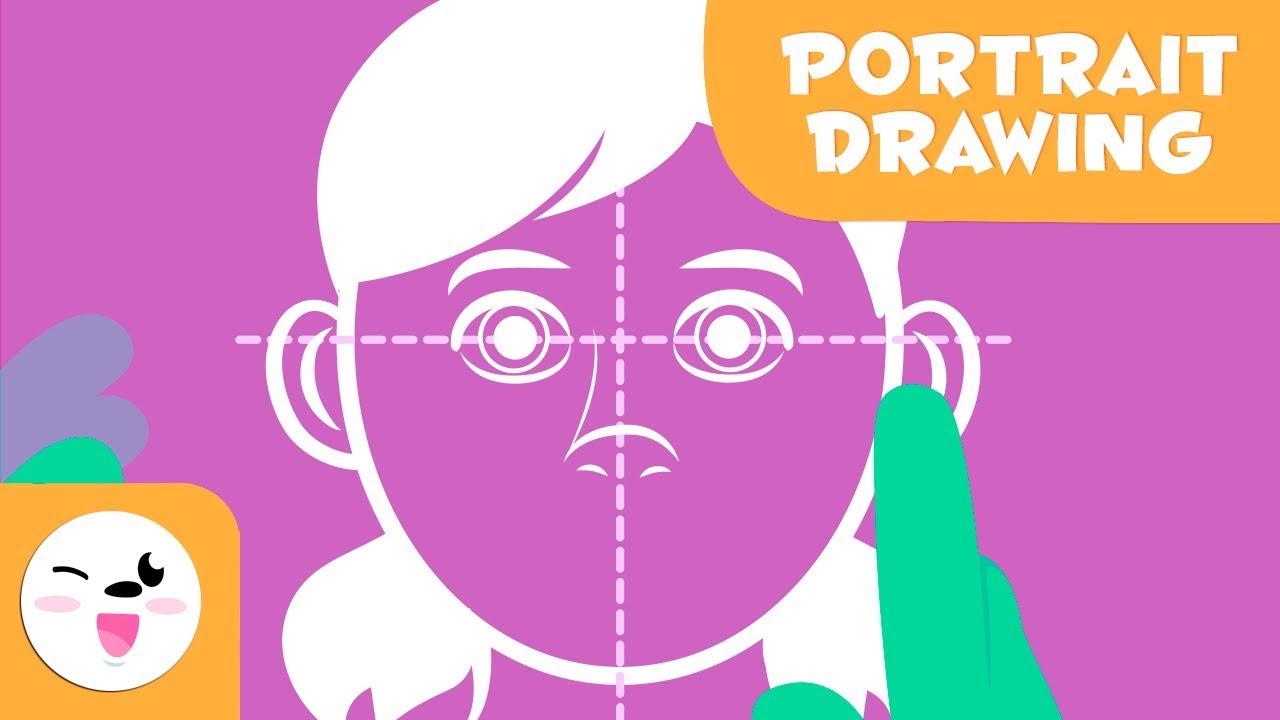
Educational video for kids to learn how draw portraits steep-by-step. Learn about facial features and how to draw them while having fun. Would you like to become a great artist? This video is for you! It's a great way to easily learn how to draw and it's also an ideal resource for preschool and primary education. This video is part of a larger collection of videos to learn new words in English.
Thanks for visiting us! If you want your children to smile and learn, subscribe! :D
We only upload our own content, designed by educators so that children smile and learn while watching a video.
All of our content reinforces educational values, encouraging the use of multiple intelligences and language learning.
If you like our videos, download “The Smart Library” now. You’ll discover more than 70 interactive games and stories for children designed by educators. The stories are based on VALUES like friendship, respect, and generosity, and our games cover all of the MULTIPLE INTELLIGENCES. All our content is in SPANISH, ENGLISH, FRENCH, ITALIAN and PORTUGUESE.

Educational video for children to learn what divisionis, guided by three friendly monkeys. To divide is to split a whole into equal parts: for example, if you have nine bananas and you want to share them out among three monkeys, you will hand out all bananas to see how many you give each. The result would be 3. If you divided 9 bananas by 3 monkeys, each monkey would get 3 bananas. Thanks to this math video series for children, the little ones will learn to calculate and do math operations while having fun. Excellent resource for elementary school.
Thanks for visiting us! If you want your children to smile and learn, subscribe! :D
We only upload our own content, designed by educators so that children smile and learn while watching a video.
All of our content reinforces educational values, encouraging the use of multiple intelligences and language learning.
If you like our videos, download Smile and Learn now. You’ll discover more than 5.000 activities for children aged 3 to 12 yeards, all designed by educators. We have 250 games and interactive stories and over 280 videos in five languages: English, Spanish, Portuguese, Italian and French. Try a month for free and start the adventure!

Educational video for children that talks about magnetism and magnets. Magnetism is the property of some objects to attract metallic elements, like iron. Matter is electrically charged and normally this charge is electrically neutral, i.e. the number of negative and positive charges is balanced. However, in certain materials this is not the case, and this imbalance causes attraction or repulsion. Magnets can be both natural or artificial and one of their main properties is magnetism, the ability to attract objects composed of iron and other metallic materials. Natural magnets are found in nature. An example is magnetite. Artificial magnets are made by humans from different metals such as iron or steel. Magnets have two poles, which are normally found at their end zones, and these generate a magnetic field. These zones are known as north pole and south pole. If we put two opposite poles together, they attract each other. In other words, if we bring together the north pole of one magnet and the south pole of another, they attract each other. On the other hand, if we put two of the same poles together, they repel each other. Digital information storage devices such as hard disks and memory cards use magnetic properties to store data. Screens, speakers and other electronic objects also have magnets in them.
This video is a very useful and interesting resource for children. It is perfect for teaching what magnetism and magnets are. It is an excellent video for primary education.
Thanks for visiting us! If you want your children to smile and learn, subscribe! :D
If you like our videos, download Smile and Learn now. You’ll discover thousands of activities for children aged 3 to 12 years, all designed by educators. We have hundreds of games, interactive stories and videos in five languages: English, Spanish, Portuguese, Italian, Turkish and French. Try a month for free and start the adventure!
www.smileandlearn.com

Educational video for children to learn basic soccer rules. This is the second episode in a series of three where children will learn about soccer and more specifically about when a soccer game starts, when the ball is in play and out of play, and what a throw-in, corner, goal kick and kick-off are. This video is an excellent resource for Physical Education class in elementary school, where children will learn about popular sports like soccer, tennis, volleyball or baseball.
Thanks for visiting us! If you want your children to smile and learn, subscribe! :D
We only upload our own content, designed by educators so that children smile and learn while watching a video.
All of our content reinforces educational values, encouraging the use of multiple intelligences and language learning.
If you like our videos, download Smile and Learn now. You’ll discover more than 5.000 activities for children aged 3 to 12 yeards, all designed by educators. We have 250 games and interactive stories and over 280 videos in five languages: English, Spanish, Portuguese, Italian and French. Try a month for free and start the adventure!
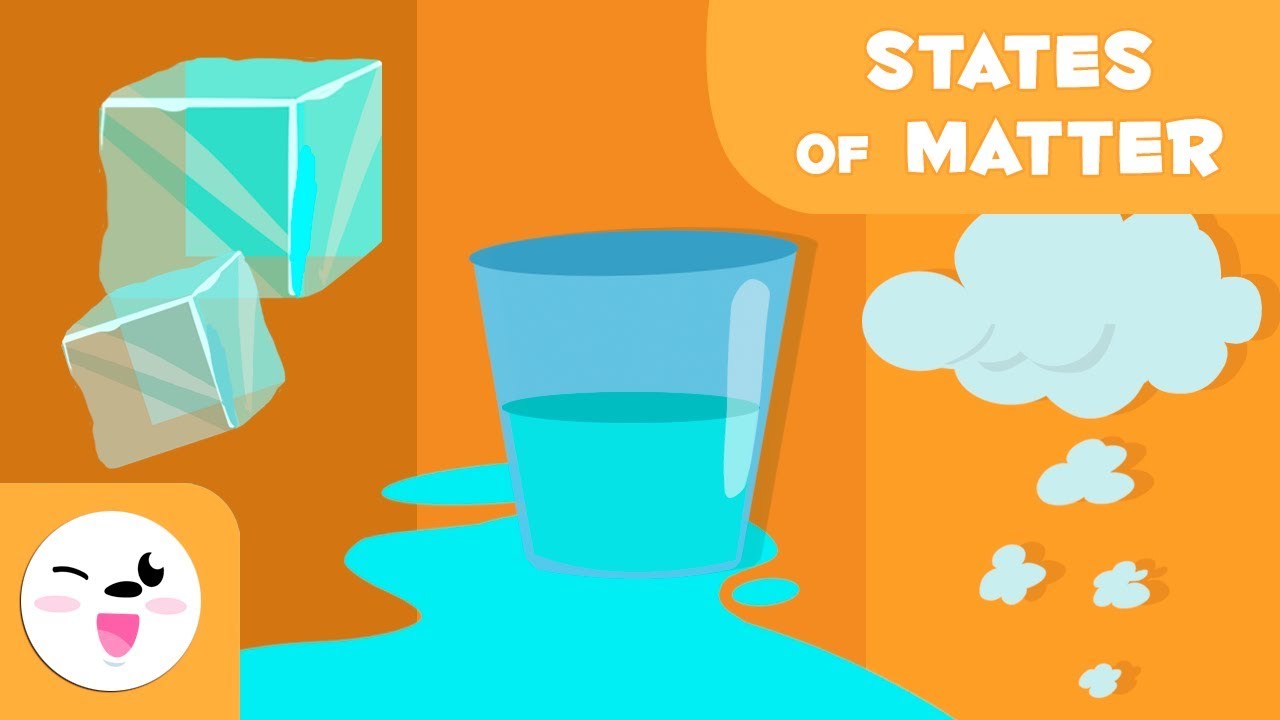
Educational video for kids to learn the states of matter: solid, liquid and gas. Drinks are liquids, the ice-creams we have in summer are solids and water vapor is gaseous. How are particles arranged in each state of matter? Find out about this fact and many others in this science video for kids. This video is part of a larger collection of science videos to learn new science concepts in a fun way. Ideal for primary school.
Thanks for visiting us! If you want your children to smile and learn, subscribe! :D
We only upload our own content, designed by educators so that children smile and learn while watching a video.
All of our content reinforces educational values, encouraging the use of multiple intelligences and language learning.
If you like our videos, download “The Smart Library” now. You’ll discover more than 70 interactive games and stories for children designed by educators. The stories are based on VALUES like friendship, respect, and generosity, and our games cover all of the MULTIPLE INTELLIGENCES. All our content is in SPANISH, ENGLISH, FRENCH, ITALIAN and PORTUGUESE.

Educational video for children that talks about good manners, specifically how to say please, thank you and ask for permission. Good manners help us to communicate with others in a polite way. Being polite to others is a way to show respect and kindness. The correct way to ask for things is to always say please. This way we get a positive reply from the other person. When we have something to be thankful for, we should say thank you. It is important to always say please and thank you when we ask for things. This is how we recognize the value of what the other person has done for us. Finally, we need to ask permission for some things before we do them. For example, if we are in class and we need to go to the bathroom, we have to ask our teacher if we can go. These are very simple acts but very necessary for getting along.
This video is a very useful and interesting resource for children. It is perfect for teaching about good manners,saying please, thank you and asking for permission. It is an excellent video for early childhood education and special education.
Thanks for visiting us! If you want your children to smile and learn, subscribe! :D
If you like our videos, download Smile and Learn now. You’ll discover thousands of activities for children aged 3 to 12 years, all designed by educators. We have hundreds of games, interactive stories and videos in five languages: English, Spanish, Portuguese, Italian, Turkish and French. Try a month for free and start the adventure!
www.smileandlearn.com

Educational video for kids to learrn what an eclipse is and the two types of eclipses there are: solar and lunar eclipse. Additionally, in this video kids will find out all sorts of interesting facts about eclipses. This video is part of a larger collection of Science videos for kids, to learn Natural Science concepts in a fun way. Ideal resource for primary school.
Thanks for visiting us! If you want your children to smile and learn, subscribe! :D
We only upload our own content, designed by educators so that children smile and learn while watching a video.
All of our content reinforces educational values, encouraging the use of multiple intelligences and language learning.
If you like our videos, download “The Smart Library” now. You’ll discover more than 70 interactive games and stories for children designed by educators. The stories are based on VALUES like friendship, respect, and generosity, and our games cover all of the MULTIPLE INTELLIGENCES. All our content is in SPANISH, ENGLISH, FRENCH, ITALIAN and PORTUGUESE.

Educational video for children to learn all the handwashing steps. Washing your hands often is very important, so as to avoid infecting others and ourselves with microorganisms like viruses or bacteria. There are ten steps to washing your hands. First wet your hands and apply soap. Then, rub your palms together. The third step is to rub the back of your hands with your palms. Then, interlock your fingers and keep rubbing. Cup your fingers and rub your cupped palm with the opposite hand. In step 6 rub your thumbs well. Then, rub the tips of your fingers to wash away dirt left in your fingernails. Then, rub your wrists. The ninth step is to rinse the soap off your hands and the last step is to dry your hands using a clean, dry towel.
This video belongs to a collection of health and hygiene habits videos.
Thanks for visiting us! If you want your children to smile and learn, subscribe! :D
We only upload our own content, designed by educators so that children smile and learn while watching a video.
All of our content reinforces educational values, encouraging the use of multiple intelligences and language learning.
If you like our videos, download Smile and Learn now. You’ll discover more than 5.000 activities for children aged 3 to 12 yeards, all designed by educators. We have 250 games and interactive stories and over 280 videos in five languages: English, Spanish, Portuguese, Italian and French. Try a month for free and start the adventure!

Educational story for children to learn new, kitchen and supermarket vocabulary. Anna and her dad want to cook together a recipe, for the rest of the family: an eggplant cake. In this educational video, we are going to be joining Anna to the supermarket. This is the first time she'll be doing the grocery shopping all by herself! It's time to learn new vocabulary and autonomy habits. This video is part of a collection of short stories for toddlers to help them learn in a fun way. Ideal resource for preschool and special needs education.
Thanks for visiting us! If you want your children to smile and learn, subscribe! :D
We only upload our own content, designed by educators so that children smile and learn while watching a video.
All of our content reinforces educational values, encouraging the use of multiple intelligences and language learning.
If you like our videos, download Smile and Learn now. You’ll discover more than 5.000 activities for children aged 3 to 12 yeards, all designed by educators. We have 250 games and interactive stories and over 280 videos in five languages: English, Spanish, Portuguese, Italian and French. Try a month for free and start the adventure!

Educational video for children to learn in a very fun way food vocabulary of the products they can find at the supermarket. They will learn new words like: fruits, vegetables, fish, meat, oil, eggs, milk, cheese, rice and pasta. At the end of the video, there is a quick recap of all the words they learned. Excellent resource for preschool education.
Thanks for visiting us! If you want your children to smile and learn, subscribe! :D
We only upload our own content, designed by educators so that children smile and learn while watching a video.
All of our content reinforces educational values, encouraging the use of multiple intelligences and language learning.
If you like our videos, download Smile and Learn now. You’ll discover more than 5.000 activities for children aged 3 to 12 yeards, all designed by educators. We have 250 games and interactive stories and over 280 videos in five languages: English, Spanish, Portuguese, Italian and French. Try a month for free and start the adventure!

Educational video for children to learn frequently used verbs. In this second series of four videos children will discover common action verbs we use regularly like read, drink, shop, listen, play, drive, fly or clean.
This video is part of a literacy collection videos and is an excellent resource for preschool edcuation to learn new languages.
Thanks for visiting us! If you want your children to smile and learn, subscribe! :D
We only upload our own content, designed by educators so that children smile and learn while watching a video.
All of our content reinforces educational values, encouraging the use of multiple intelligences and language learning.
If you like our videos, download Smile and Learn now. You’ll discover more than 5.000 activities for children aged 3 to 12 yeards, all designed by educators. We have 250 games and interactive stories and over 280 videos in five languages: English, Spanish, Portuguese, Italian and French. Try a month for free and start the adventure!

Educational video for children that talks about electromagnetism and electromagnets. Electricity is a physical phenomenon that happens when there is a movement of electric charges in objects. This is called an electric current. Electric charges can be positive (+) or negative (-). Magnetism is a very interesting property that some objects have, which allows them to attract other metallic objects, such as iron. These objects are called magnets. They can be natural or artificial and have two magnetic poles: the north pole and the south pole. The magnetic field is the space surrounding a magnet where the magnetic force acts, or rather, the space in which the magnet is able to attract metals. To create an electromagnet, a metal bar must be transformed into a magnet by connecting it to an electric current, in this case a battery. To do this, a wire of a conductive material, such as copper, iron or aluminum, is wound around the metal bar. Electric currents generate a magnetic field around it, but it is very weak, so by winding it around the metal bar in a spiral shape, the magnetic field is focused in a small area, thus increasing its power. By activating the electromagnet we allow the electric current to start circulating, activating the magnetic field and attracting nearby metals. The uses of electromagnets are very diverse. We can find them in bells or car brakes, but also in the huge cranes used to move metal waste in landfills.
This video is a very useful and interesting resource for children. It is perfect for teaching what electromagnetism and electromagnets are. It is an excellent video for primary education.
Thanks for visiting us! If you want your children to smile and learn, subscribe! :D
If you like our videos, download Smile and Learn now. You’ll discover thousands of activities for children aged 3 to 12 years, all designed by educators. We have hundreds of games, interactive stories and videos in five languages: English, Spanish, Portuguese, Italian, Turkish and French. Try a month for free and start the adventure!
www.smileandlearn.com

Educational video for children to learn different parts in the city. This is the third of four videos; children will find out what fire station, city hall, gym, post office, movie theater, bus stop, laundromat, buildings, travel agency, real estate agency and skyscrapers are. At the end of the video, they can enjoy a fun recap game. Excellent resource for preschool education.
Thanks for visiting us! If you want your children to smile and learn, subscribe! :D
We only upload our own content, designed by educators so that children smile and learn while watching a video.
All of our content reinforces educational values, encouraging the use of multiple intelligences and language learning.
If you like our videos, download Smile and Learn now. You’ll discover more than 5.000 activities for children aged 3 to 12 yeards, all designed by educators. We have 250 games and interactive stories and over 280 videos in five languages: English, Spanish, Portuguese, Italian and French. Try a month for free and start the adventure!
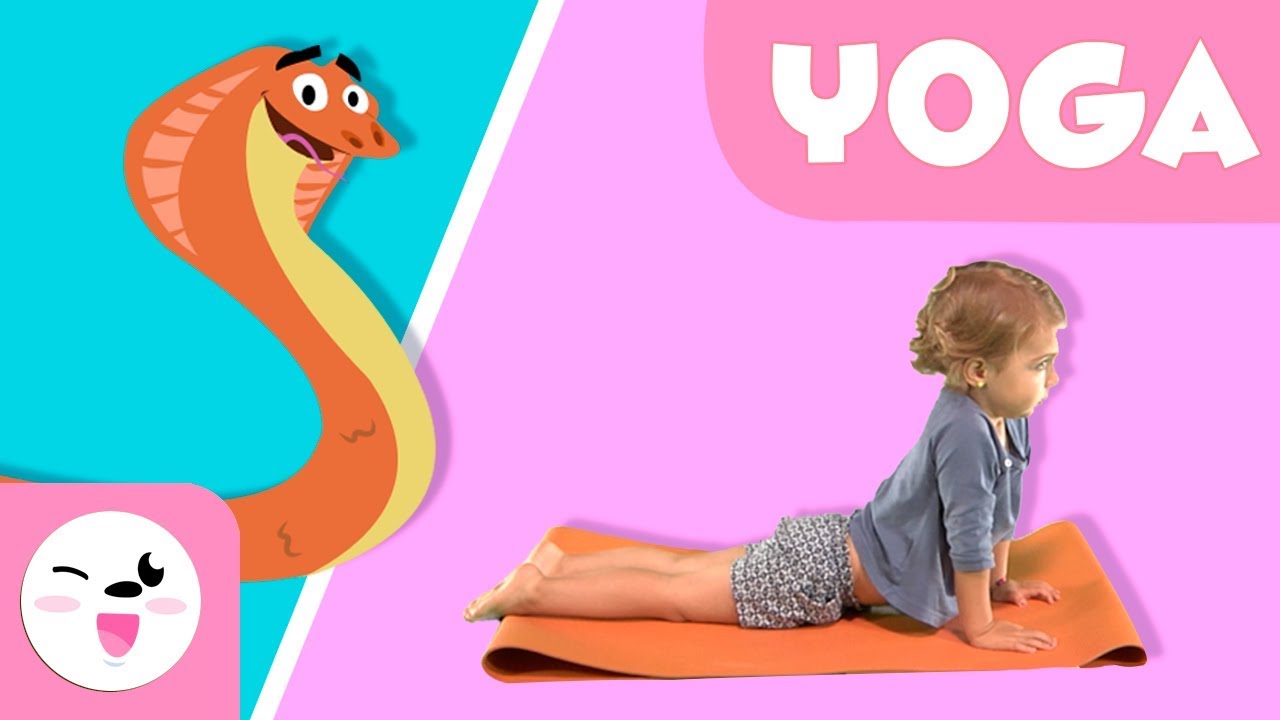
Educational video for kids to learn how to relax in a different way. Would you like to be as agile as cobras? Learn the cobra pose to strengthen your back, arms and tummy. Apart from practising several yoga poses, you'll also relax a lot. You'll have 10 seconds to do the pose at your own pace, at home or in school!
This video is part of a Yoga videos collection for kids, to learn how to relax and how to do different yoga poses, while having fun. Recommended for primary and preschool education.
Thanks for visiting us! If you want your children to smile and learn, subscribe! :D
We only upload our own content, designed by educators so that children smile and learn while watching a video.
All of our content reinforces educational values, encouraging the use of multiple intelligences and language learning.
If you like our videos, download “The Smart Library” now. You’ll discover more than 70 interactive games and stories for children designed by educators. The stories are based on VALUES like friendship, respect, and generosity, and our games cover all of the MULTIPLE INTELLIGENCES. All our content is in SPANISH, ENGLISH, FRENCH, ITALIAN and PORTUGUESE.

Educational video for children where they will learn the sounds heard in nature. Our protagonist will teach his pet the sounds that rain, wind, rivers, thunder, birds, fire, sea and wolves make. At the end of the video children will find a game where they can guess the different sounds and practice what they have learned. This is a perfect educational resource to use in the early childhood classroom.
Thanks for visiting us! If you want your children to smile and learn, subscribe! :D
We only upload our own content, designed by educators so that children smile and learn while watching a video.
All of our content reinforces educational values, encouraging the use of multiple intelligences and language learning.
If you like our videos, download Smile and Learn now. You’ll discover more than 5.000 activities for children aged 3 to 12 yeards, all designed by educators. We have 250 games and interactive stories and over 280 videos in five languages: English, Spanish, Portuguese, Italian and French. Try a month for free and start the adventure!
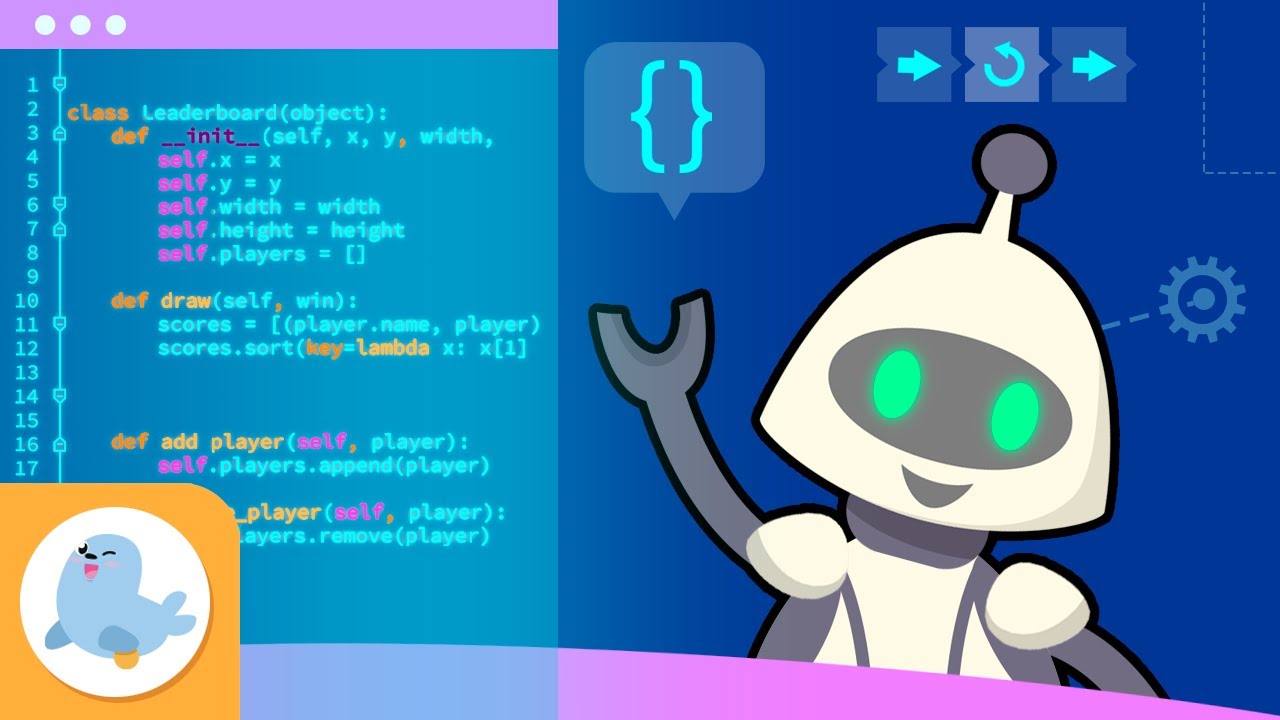
Educational video for children to learn about programming. Programming is the language of technology and machines. It was created by humans in order to make machines understand us and do what we want them to do. Programming has different languages, that is, different ways of giving commands. Machines can be programmed in several ways. One of them is block programming. Block programming uses colored pieces that contain the commands that we want to give. There are different types of blocks with many different actions to choose from. Loop blocks allow us to repeat an action until the condition we set is met. Conditional blocks are those that can perform different commands depending on the conditions of the environment.
This video is a very useful and interesting resource for children. It is perfect for teaching about programming and types of programming blocks. It is an excellent video for primary education.
Thanks for visiting us! If you want your children to smile and learn, subscribe! :D
If you like our videos, download Smile and Learn now. You’ll discover thousands of activities for children aged 3 to 12 years, all designed by educators. We have hundreds of games, interactive stories and videos in five languages: English, Spanish, Portuguese, Italian, Turkish and French. Try a month for free and start the adventure!
www.smileandlearn.com
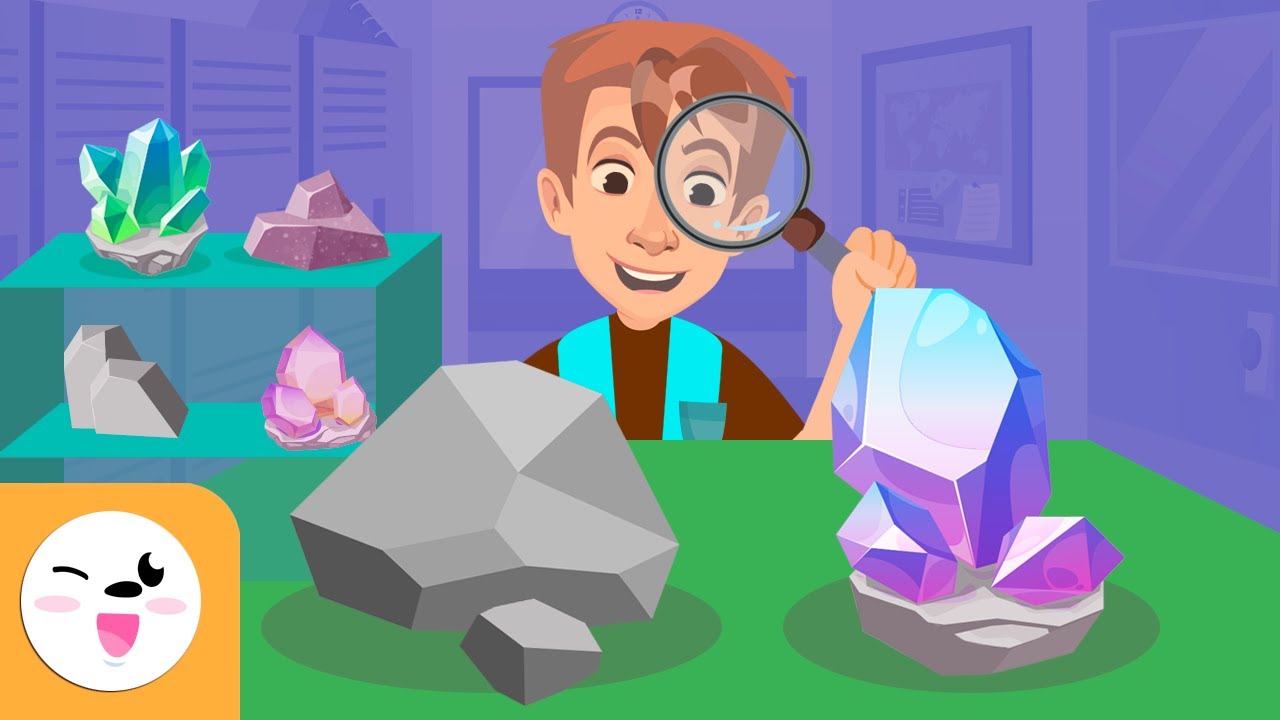
Educational video for children to learn the main differences between rocks and minerals. There are three parts in this compilation video. In the first part, children will discover the main differences between rocks and minerals. In the second part they will look at minerals in more detail and in the third part they will find out what rocks are.
Based on their origin, rocks are classified as igneous, sedimentary and metamorphic. We also classify them as hard, soft and liquid. Children will learn about the uses of rocks since prehistory. We classify minerals based on their hardness, shape, luster and color. This video is part of a Science video collection and is an excellent resource for Elementary School.
Thanks for visiting us! If you want your children to smile and learn, subscribe! :D
We only upload our own content, designed by educators so that children smile and learn while watching a video.
All of our content reinforces educational values, encouraging the use of multiple intelligences and language learning.
If you like our videos, download Smile and Learn now. You’ll discover more than 5.000 activities for children aged 3 to 12 yeards, all designed by educators. We have 250 games and interactive stories and over 280 videos in five languages: English, Spanish, Portuguese, Italian and French. Try a month for free and start the adventure!

Educational video for children about the environment. They will learn about climate change and what we can do to stop it. Children will also find out what the greenhouse effect is, how it works and how we can reduce it. Then, they will be given ten simple guidelines about looking after our planet and water-saving tips, an essential resource for life on earth. Responsible consumption will be illustrated through the three Rs: Reduce, Reuse and Recycle. Lastly, children will discover what renewable and nonrenewable energies are. They will learn about their characteristics, advantages and disadvantages. A comprehensive resource for elementary school.
Thanks for visiting us! If you want your children to smile and learn, subscribe! :D
We only upload our own content, designed by educators so that children smile and learn while watching a video.
All of our content reinforces educational values, encouraging the use of multiple intelligences and language learning.
If you like our videos, download Smile and Learn now. You’ll discover more than 5.000 activities for children aged 3 to 12 yeards, all designed by educators. We have 250 games and interactive stories and over 280 videos in five languages: English, Spanish, Portuguese, Italian and French. Try a month for free and start the adventure!

Kids learning video to learn new vocabulary about fruit and vegetables. This is a compilation video featuring fruits and vegetables like: oranges, apples, bananas, grapes, watermelons, cherries, eggplants, lettuce, spinach and lots more. Kids also learn about the importance of eating fruits and vegetables every day, alongside with being given useful advice for a much healthier lifestyle.
This video is part of a larger video collection with vocabulary teaching material for kids to learn new words in a fun way. Ideal for Preschool Education
Thanks for visiting us! If you want your children to smile and learn, subscribe! :D
We only upload our own content, designed by educators so that children smile and learn while watching a video.
All of our content reinforces educational values, encouraging the use of multiple intelligences and language learning.
If you like our videos, download “The Smart Library” now. You’ll discover more than 70 interactive games and stories for children designed by educators. The stories are based on VALUES like friendship, respect, and generosity, and our games cover all of the MULTIPLE INTELLIGENCES. All our content is in SPANISH, ENGLISH, FRENCH, ITALIAN and PORTUGUESE.
The perfect tool to use in and out of school.
Download it today!
-Apple Store: https://itunes.apple.com/us/ap....p/smart-edutainment-
-Google Play: https://play.google.com/store/....apps/details?id=net.
www.smileandlearn.com
Thank you for trusting us with your children's education!
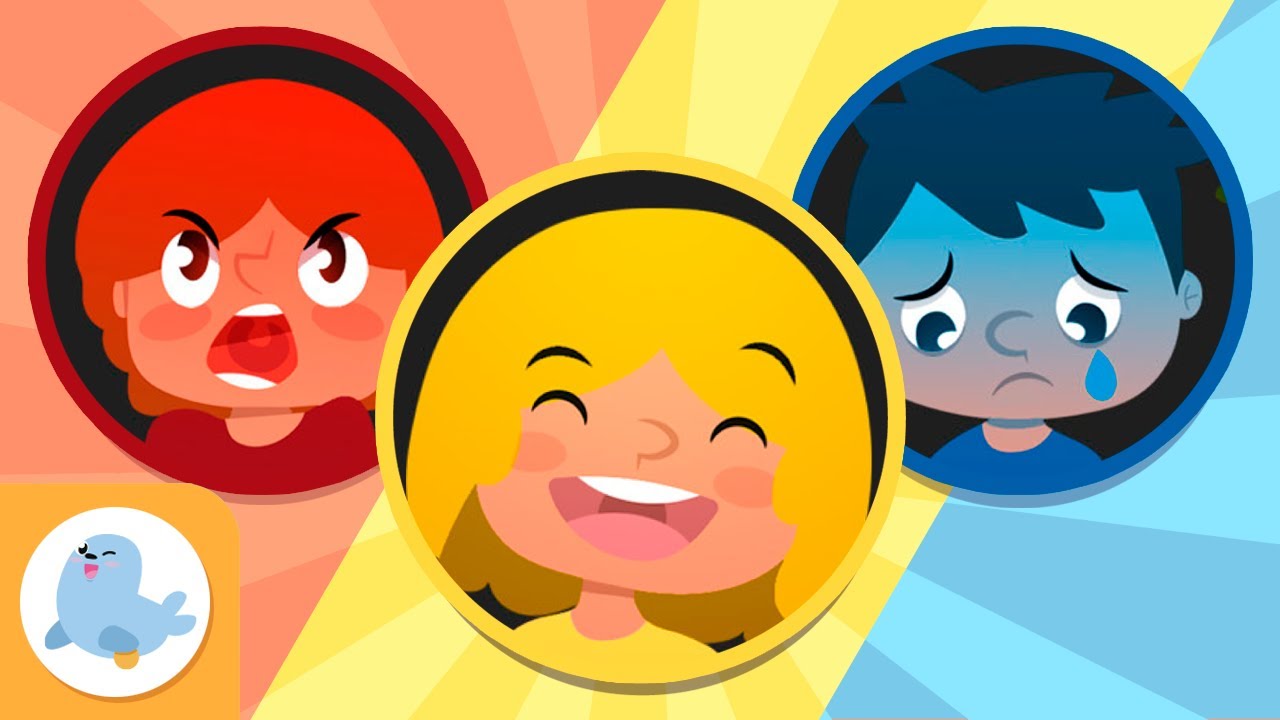
Educational video for children in which they will learn the basic emotions: happiness, anger, sadness and fear. Emotions are responses that our body creates as a reaction to what happens around us. They can be of all different types but they are all equally important, as they allow us to express and understand our inner self and that of the people around us. The duration of emotions is limited, that is to say, they are temporary. Although sometimes it may seem the opposite, all emotions are equally necessary, and that is why it is very important to learn to listen to them and express them. Emotions allow us to understand how we feel, and thus be able to communicate that to the people around us. In addition, if we learn to recognize our own emotions, we will also be able to better understand how others are feeling.
This video is a very useful and interesting resource for children. It is perfect for teaching about basic emotions. It is an excellent video for primary and early childhood education.
Thanks for visiting us! If you want your children to smile and learn, subscribe! :D
If you like our videos, download Smile and Learn now. You’ll discover thousands of activities for children aged 3 to 12 years, all designed by educators. We have hundreds of games, interactive stories and videos in five languages: English, Spanish, Portuguese, Italian, Turkish and French. Try a month for free and start the adventure!
www.smileandlearn.com

Are you in the mood to learn new things about the alphabet? Today we've got a compilation of letters from M to R. It can help improve what you've learnt.
This video is part of a series focusing on the letters of the alphabet. It shows some words that start with the letters M, N, O, P, Q and R in order to learn their sounds. At the end of the video children can find a sing-along to practice!
Thanks for visiting us! If you want your children to smile and learn, subscribe! :D
Why is it good for children to see Smile and Learn’s videos?
+We only upload our own content, designed by educators so that children smile and learn while watching a video.
+All of our content reinforces educational values, encouraging the use of multiple intelligences and language learning.
*If you like our videos, download “The Smart Library” now. You’ll discover more than 70 interactive games and stories for children designed by educators. The stories are based on VALUES like friendship, respect, and generosity, and our games cover all of the MULTIPLE INTELLIGENCES.
The perfect tool to use in and out of school.
Download it today!

Educational video for kids to learn how to relax in a different way. Would you like to be as agile as animals? Learn the cobra, the cat or the dog pose to strengthen your back, arms and tummy. Apart from practising several yoga poses, you'll also relax a lot. You'll have 10 seconds to do the pose at your own pace, at home or in school! This video is part of a Yoga videos collection for kids, to learn how to relax and how to do different yoga poses, while having fun. Recommended for primary and preschool education.
Thanks for visiting us! If you want your children to smile and learn, subscribe! :D
We only upload our own content, designed by educators so that children smile and learn while watching a video.
All of our content reinforces educational values, encouraging the use of multiple intelligences and language learning.
If you like our videos, download “The Smart Library” now. You’ll discover more than 70 interactive games and stories for children designed by educators. The stories are based on VALUES like friendship, respect, and generosity, and our games cover all of the MULTIPLE INTELLIGENCES. All our content is in SPANISH, ENGLISH, FRENCH, ITALIAN and PORTUGUESE.

Educational video for children to learn numbers from 1 to 5. The little ones will learn how to write the numbers, how to pronounce them and also how to count from 1 to 5. The video features a fun numbers song at the end, to consolidate learning. How about learning to count all together?
This video belongs to a larger collection of numbers videos for children to learn how to count in a fun way. It's an excellent resource for Preschool Education.
Thanks for visiting us! If you want your children to smile and learn, subscribe! :D
We only upload our own content, designed by educators so that children smile and learn while watching a video.
All of our content reinforces educational values, encouraging the use of multiple intelligences and language learning.
If you like our videos, download “The Smart Library” now. You’ll discover more than 70 interactive games and stories for children designed by educators. The stories are based on VALUES like friendship, respect, and generosity, and our games cover all of the MULTIPLE INTELLIGENCES. All our content is in SPANISH, ENGLISH, FRENCH, ITALIAN and PORTUGUESE.