Лучшие видеоролики
We want to be part of your friendship journey, so we’ve created a few things you can share with new and old friends: https://kgs.link/shop-166
Sources & further reading:
https://sites.google.com/view/sources-friendship/
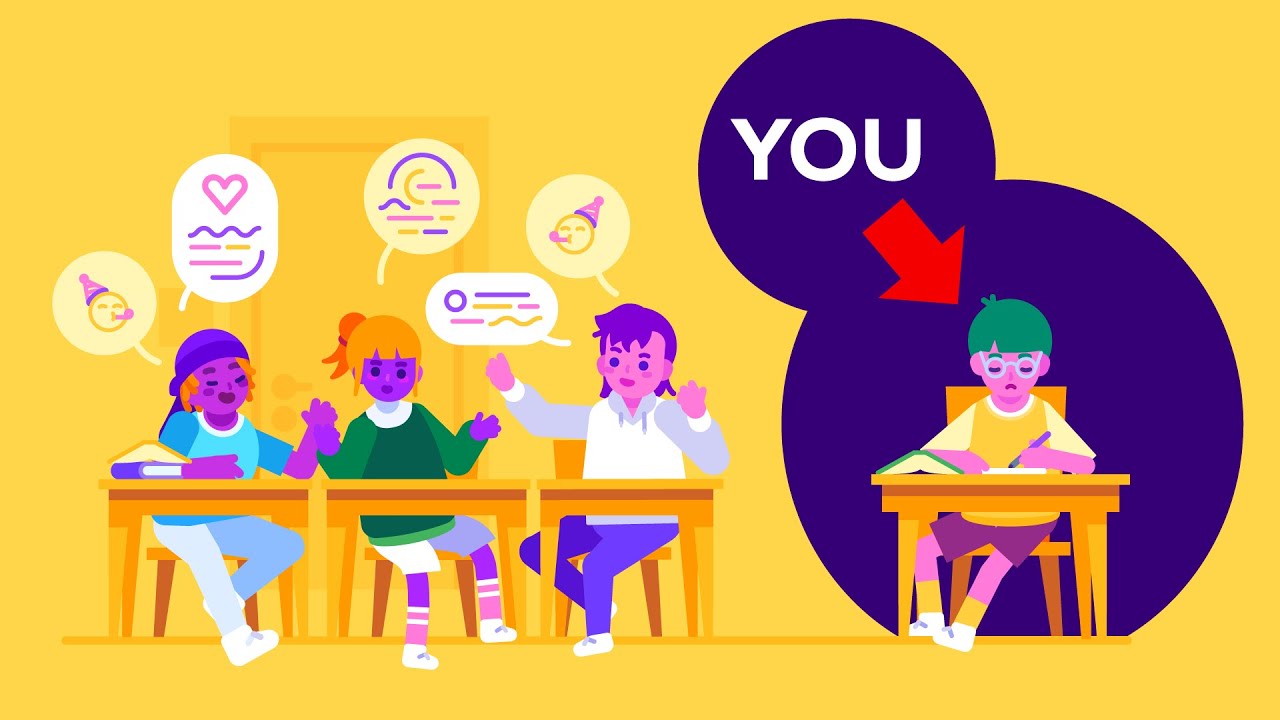
Friends make life good. They provide the scaffolding that makes it not just bearable but fun. They give us a sense of meaning and purpose and are a source of security, self esteem and happiness. Almost nothing predicts how happy you will be as how connected you feel and a lack of social connection is associated with a number of diseases and a shorter life.
But maybe you have scrolled through your phone, unsure who to call to go to a movie with, to celebrate with or ask for comfort. You may realize that you don’t have enough friends and feel lonely. And it is not just you. Disconnectedness and loneliness are widespread.
Many people want more close friends but don’t know how to get them.
OUR CHANNELS
▀▀▀▀▀▀▀▀▀▀▀▀▀▀▀▀▀▀▀▀▀▀▀▀▀▀
German: https://kgs.link/youtubeDE
Spanish: https://kgs.link/youtubeES
French: https://kgs.link/youtubeFR
Portuguese: https://kgs.link/youtubePT
Arabic: https://kgs.link/youtubeAR
Hindi: https://kgs.link/youtubeHI
Japanese: https://kgs.link/youtubeJA
Korean: https://kgs.link/youtubeKO
HOW CAN YOU SUPPORT US?
▀▀▀▀▀▀▀▀▀▀▀▀▀▀▀▀▀▀▀▀▀▀▀▀▀▀
This is how we make our living and it would be a pleasure if you support us!
Get Prodcuts designed with ❤ https://kgs.link/shop-166
Join the Patreon Bird Army 🐧 https://kgs.link/patreon
DISCUSSIONS & SOCIAL MEDIA
▀▀▀▀▀▀▀▀▀▀▀▀▀▀▀▀▀▀▀▀▀▀▀▀▀▀
TikTok: https://kgs.link/tiktok
Reddit: https://kgs.link/reddit
Instagram: https://kgs.link/instagram
Twitter: https://kgs.link/twitter
Facebook: https://kgs.link/facebook
Discord: https://kgs.link/discord
Newsletter: https://kgs.link/newsletter
OUR VOICE
▀▀▀▀▀▀▀▀▀▀▀▀▀▀▀▀▀▀▀▀▀▀▀▀▀▀
The Kurzgesagt voice is from
Steve Taylor: https://kgs.link/youtube-voice
OUR MUSIC ♬♪
▀▀▀▀▀▀▀▀▀▀▀▀▀▀▀▀▀▀▀▀▀▀▀▀▀▀
700+ minutes of Kurzgesagt Soundtracks by Epic Mountain:
Spotify: https://kgs.link/music-spotify
Soundcloud: https://kgs.link/music-soundcloud
Bandcamp: https://kgs.link/music-bandcamp
Youtube: https://kgs.link/music-youtube
Facebook: https://kgs.link/music-facebook
The Soundtrack of this video:
Soundcloud: https://bit.ly/3BgSE4e
Bandcamp: https://bit.ly/3AIeV9i
If you want to help us caption this video, please send subtitles to subtitle@kurzgesagt.org
You can find info on what subtitle files work on YouTube here:
https://support.google.com/youtube/answer/2734698?hl=en-GB&ref_topic=7296214
Thank you!
🐦🐧🐤 PATREON BIRD ARMY 🐤🐧🐦
▀▀▀▀▀▀▀▀▀▀▀▀▀▀▀▀▀▀▀▀▀▀▀▀▀▀
Many Thanks to our wonderful Patreons (from http://kgs.link/patreon) who support us every month and made this video possible:
Marius Kawahara-Lieben, Matt Smith, Brittany Grace, Autumn Weddell, SULTAN ALVI ALADIN, Arlent M. Gomez Rodriguez, Alec Kwei, Spencer Humbles, Maxime Dessus, Brittany Huskey, 승민 옥, Corbin Rowland, Danou Nauck, Marcos Pineda Burriel, David Fellner, david, Matthew Hart, Guillaume Danset, Fernando Fuentes Torres, Dan Wahl, Moycat, Anakha, Robert, Idan Efrati, Lynette Guck, ANTLANTEANS yt, Daniel Chiaramonte, RavenFireWarlock, timmy master daniel, Xaver Sichart, Tinerol, Sosarmar Jutawanich, ArtTwilightah, Christoph Broecker, sodeno, M&M, Jesse, Jonathan Zilka, madlycurbonato, Min Soo Kim, Markus Käppeli, Pedro, Cornelius Lawson, Adrián Burgos Berral, Nicolas Mignard, Mathias Müller, Ifad Ardin, Hunter Sidsworth

What is the Antibiotic Apocalypse? What is it all about? And how dangerous is it?
OUR CHANNELS
▀▀▀▀▀▀▀▀▀▀▀▀▀▀▀▀▀▀▀▀▀▀▀▀▀▀
German Channel: https://kgs.link/youtubeDE
Spanish Channel: https://kgs.link/youtubeES
HOW CAN YOU SUPPORT US?
▀▀▀▀▀▀▀▀▀▀▀▀▀▀▀▀▀▀▀▀▀▀▀▀▀▀
This is how we make our living and it would be a pleasure if you support us!
Get Merch designed with ❤ from https://kgs.link/shop
Join the Patreon Bird Army 🐧 https://kgs.link/patreon
DISCUSSIONS & SOCIAL MEDIA
▀▀▀▀▀▀▀▀▀▀▀▀▀▀▀▀▀▀▀▀▀▀▀▀▀▀
Reddit: https://kgs.link/reddit
Instagram: https://kgs.link/instagram
Twitter: https://kgs.link/twitter
Facebook: https://kgs.link/facebook
Discord: https://kgs.link/discord
Newsletter: https://kgs.link/newsletter
OUR VOICE
▀▀▀▀▀▀▀▀▀▀▀▀▀▀▀▀▀▀▀▀▀▀▀▀▀▀
The Kurzgesagt voice is from
Steve Taylor: https://kgs.link/youtube-voice
OUR MUSIC ♬♪
▀▀▀▀▀▀▀▀▀▀▀▀▀▀▀▀▀▀▀▀▀▀▀▀▀▀
700+ minutes of Kurzgesagt Soundtracks by Epic Mountain:
Spotify: https://kgs.link/music-spotify
Soundcloud: https://kgs.link/music-soundcloud
Bandcamp: https://kgs.link/music-bandcamp
Youtube: https://kgs.link/music-youtube
Facebook: https://kgs.link/music-facebook
The Soundtrack of this video:
Soundcloud: http://bit.ly/1Lqpa69
Bandcamp: http://bit.ly/1pnWMqG
Epic Mountain Music: http://bit.ly/22k7EYF
🐦🐧🐤 PATREON BIRD ARMY 🐤🐧🐦
▀▀▀▀▀▀▀▀▀▀▀▀▀▀▀▀▀▀▀▀▀▀▀▀▀▀
Many Thanks to our wonderful Patreons from http://kgs.link/patreon who support us every month and made this video possible:
Sara Priselac, Eric, José Díez, Antonie Coetzee, Julien Dubois, Mert Tekin, Reno, Ran Moneta, Terry Breen-Smith, Azri Rostam, Guy Nicholson, DeAdrean Martin, Ty Cook, Wes Blind, Marc Stein, Mathias Højbjerg, Rustan Curman, Christopher Homs, Selene Kwan, Nikita, Jamie Buch, Yong-Bi Jo, Charles Cartwrighte, Steven Ferrari, Logan Kent, Danimal, Matthias Gyllenvarg, Kieran Keegan, Jai Kowalik, Chad Mellor, Karla Brilman, Daniel Dchuette, Lindsey Skouras, Allan Lehamnn Kristensen, Michael DeFreitas, James Wiles, Brian Lathrop, Kyle Sayers, Zack, Touki Wawa Wang, David Campos, Conner Fissell, Atlas Moon, Trevor Kam, Anon, Jan Sundgaard Schultz, Andrew Wissam Chidiac Cherian
The Antibiotic Apocalypse Explained
Help us caption & translate this video!
http://www.youtube.com/timedtext_cs_panel?c=UCsXVk37bltHxD1rDPwtNM8Q&tab=2

OUR CHANNELS
▀▀▀▀▀▀▀▀▀▀▀▀▀▀▀▀▀▀▀▀▀▀▀▀▀▀
German Channel: https://kgs.link/youtubeDE
Spanish Channel: https://kgs.link/youtubeES
HOW CAN YOU SUPPORT US?
▀▀▀▀▀▀▀▀▀▀▀▀▀▀▀▀▀▀▀▀▀▀▀▀▀▀
This is how we make our living and it would be a pleasure if you support us!
Get Merch designed with ❤ from https://kgs.link/shop
Join the Patreon Bird Army 🐧 https://kgs.link/patreon
DISCUSSIONS & SOCIAL MEDIA
▀▀▀▀▀▀▀▀▀▀▀▀▀▀▀▀▀▀▀▀▀▀▀▀▀▀
Reddit: https://kgs.link/reddit
Instagram: https://kgs.link/instagram
Twitter: https://kgs.link/twitter
Facebook: https://kgs.link/facebook
Discord: https://kgs.link/discord
Newsletter: https://kgs.link/newsletter
OUR VOICE
▀▀▀▀▀▀▀▀▀▀▀▀▀▀▀▀▀▀▀▀▀▀▀▀▀▀
The Kurzgesagt voice is from
Steve Taylor: https://kgs.link/youtube-voice
OUR MUSIC ♬♪
▀▀▀▀▀▀▀▀▀▀▀▀▀▀▀▀▀▀▀▀▀▀▀▀▀▀
700+ minutes of Kurzgesagt Soundtracks by Epic Mountain:
Spotify: https://kgs.link/music-spotify
Soundcloud: https://kgs.link/music-soundcloud
Bandcamp: https://kgs.link/music-bandcamp
Youtube: https://kgs.link/music-youtube
Facebook: https://kgs.link/music-facebook
The Soundtrack of this video:
Soundcloud: http://bit.ly/2hgxSty
Bandcamp: http://bit.ly/2h5Ogdo
Facebook: https://www.facebook.com/epic-mountain-music
Thanks a lot to Matthew Lloyd for fact checking help with the video!
🐦🐧🐤 PATREON BIRD ARMY 🐤🐧🐦
▀▀▀▀▀▀▀▀▀▀▀▀▀▀▀▀▀▀▀▀▀▀▀▀▀▀
Many Thanks to our wonderful Patreons from http://kgs.link/patreon who support us every month and made this video possible:
Stuart Alldritt, Tasia Pele, Stan Serebryakov, Mike Janzen, Jason Heddle, August, Daniel Smith, Jonathan Herman, Rahul Rachuri, Piotr Gorzelany, Lisa Allcott, Горан Гулески, Eric Ziegast, Kean Drake, Friendly Stranger, NicoH, Adrian Rutkiewicz, Markus Klemm, Leandro Nascimento, Gary Chan, Shawhin Layeghi, Oscar Hernandez, Dale Prinsse, Vaclav Vyskocil, Sup3rW00t, Ryan Coonan, Tam Lerner, Dewi Cadat, Luis Aguirre, Andy McVey, Vexorum, Boris, Adam Wisniewski, Yannic Schreiber, Erik Lilly, Ellis, Dmitry Starostin, Akshay Joshi, Peter Tinti, kayle Clark, Mortimer Brewster, Marc Legault, Sumita Pal, Tarje Hellebust Jr., streetdragon95, Taratsamura, Sam Dickson, Bogdan Firicel, Saul Vera, Aaron Jacobs, Ben Arts, R B Dean, Kevin Beedon, Patrik Pärkinen, Duncan Graham, Johan Thomsen, Emily Tran, Adam Flanc, Adam Jermyn, Ali Uluyol
Help us caption & translate this video!
http://www.youtube.com/timedtext_cs_panel?c=UCsXVk37bltHxD1rDPwtNM8Q&tab=2
A New History for Humanity – The Human Era

Sources:
https://sites.google.com/view/sources-deep-sea/
Deep Sea Poster: https://shop.kurzgesagt.org
Sometimes the world feels boring. All the remote islands are visited, the arctic conquered, the dense jungles discovered. Except, there is still a place to explore: A wet deadly desert where mysterious creatures live in total darkness: The deep sea. Let us dive down.
OUR CHANNELS
▀▀▀▀▀▀▀▀▀▀▀▀▀▀▀▀▀▀▀▀▀▀▀▀▀▀
German Channel: https://kgs.link/youtubeDE
Spanish Channel: https://kgs.link/youtubeES
HOW CAN YOU SUPPORT US?
▀▀▀▀▀▀▀▀▀▀▀▀▀▀▀▀▀▀▀▀▀▀▀▀▀▀
This is how we make our living and it would be a pleasure if you support us!
Get Merch designed with ❤ from https://kgs.link/shop
Join the Patreon Bird Army 🐧 https://kgs.link/patreon
DISCUSSIONS & SOCIAL MEDIA
▀▀▀▀▀▀▀▀▀▀▀▀▀▀▀▀▀▀▀▀▀▀▀▀▀▀
Reddit: https://kgs.link/reddit
Instagram: https://kgs.link/instagram
Twitter: https://kgs.link/twitter
Facebook: https://kgs.link/facebook
Discord: https://kgs.link/discord
Newsletter: https://kgs.link/newsletter
OUR VOICE
▀▀▀▀▀▀▀▀▀▀▀▀▀▀▀▀▀▀▀▀▀▀▀▀▀▀
The Kurzgesagt voice is from
Steve Taylor: https://kgs.link/youtube-voice
OUR MUSIC ♬♪
▀▀▀▀▀▀▀▀▀▀▀▀▀▀▀▀▀▀▀▀▀▀▀▀▀▀
700+ minutes of Kurzgesagt Soundtracks by Epic Mountain:
Spotify: https://kgs.link/music-spotify
Soundcloud: https://kgs.link/music-soundcloud
Bandcamp: https://kgs.link/music-bandcamp
Youtube: https://kgs.link/music-youtube
Facebook: https://kgs.link/music-facebook
The Soundtrack of this video:
Soundcloud: https://bit.ly/2kyE43w
Bandcamp: https://bit.ly/2kb7c0i
Youtube: https://bit.ly/2CZ6PeN
Facebook: http://bit.ly/2qW6bY4
🐦🐧🐤 PATREON BIRD ARMY 🐤🐧🐦
▀▀▀▀▀▀▀▀▀▀▀▀▀▀▀▀▀▀▀▀▀▀▀▀▀▀
Many Thanks to our wonderful Patreons from http://kgs.link/patreon who support us every month and made this video possible:
Levay Zeegers, Pierce Simmerman, Jose Payan, Volodymyr Feskov, Shelby Clair, David Waller, TimeLord, CompanionCraft, simmy, Cindy Mooney, Meredith Rendell, Mike Garrison, Jamie Buclaw, Matas, Artem Ruslanovich, Henrique Janikian, Elie Crespin, Eric Schwinger-Fresz, Tristan, Asche Whelsky, Andreas Viktorsson, Isaac True, Nikolay Dyulgerov, Yiwei Cao, supor88, Christoffer O'Nyhus, Nicolas Opal, Ratt Élite, Mališa Stanojević, Zachary Fishman, matt Mcmahon, Bryce Carr, ToWe, Thomas Ivans, Stephan Jaborek, Vic, Eduard Vasilache, zjbxwbmn, Olivia, Cassandra Whitty, Martin, Eric Wong, Ben Murphy, Arata Kaku, Nikola, Alexandre Karaziwan, Shaoju Chen, Peter Varner-Howland, Aaron Horne, Mikkel Kringelbach, Joseph Hoffman, Akhil, Rayn Fluner, Jonathan Gaffers, Jesper Mølgaard, Oven Ott, Volodymyr, Lucille Tail, Aaron Giles, Ben Imadali, Erebus Etherie, jimi, Gabriela Maeda, Dale levasseur, Avi Yashchin, Jackson Chang, William Northern, Christoph Matt, Chommie, Cristian Stanca, Ivan Bakhtin, Lamadesbois
CHAPTERS
▀▀▀▀▀▀▀▀▀▀▀▀▀▀▀▀▀▀▀▀▀▀▀▀▀▀
0:00 Start
0:52 First 200m
1:38 Continental Slope
2:11 Twilight Zone
4:40 Midnight Zone
6:04 Abyssal Plain
7:48 Hadal Zone
8:30 Challenger Deep
9:45 Back at The Surface
10:05 kurzgesagt Shop

If Neptune didn't catch Triton we might have another Dwarf Planet in our Solar system -- maybe even another Planet or double system. We show how this could have happened.
Ok, Moon May is over. Did you like it? Should we do something like this again? With other topics? More moons? More infographic stuff? Please tell us in the comments! :)
OUR CHANNELS
▀▀▀▀▀▀▀▀▀▀▀▀▀▀▀▀▀▀▀▀▀▀▀▀▀▀
German Channel: https://kgs.link/youtubeDE
Spanish Channel: https://kgs.link/youtubeES
HOW CAN YOU SUPPORT US?
▀▀▀▀▀▀▀▀▀▀▀▀▀▀▀▀▀▀▀▀▀▀▀▀▀▀
This is how we make our living and it would be a pleasure if you support us!
Get Merch designed with ❤ from https://kgs.link/shop
Join the Patreon Bird Army 🐧 https://kgs.link/patreon
DISCUSSIONS & SOCIAL MEDIA
▀▀▀▀▀▀▀▀▀▀▀▀▀▀▀▀▀▀▀▀▀▀▀▀▀▀
Reddit: https://kgs.link/reddit
Instagram: https://kgs.link/instagram
Twitter: https://kgs.link/twitter
Facebook: https://kgs.link/facebook
Discord: https://kgs.link/discord
Newsletter: https://kgs.link/newsletter
OUR VOICE
▀▀▀▀▀▀▀▀▀▀▀▀▀▀▀▀▀▀▀▀▀▀▀▀▀▀
The Kurzgesagt voice is from
Steve Taylor: https://kgs.link/youtube-voice
OUR MUSIC ♬♪
▀▀▀▀▀▀▀▀▀▀▀▀▀▀▀▀▀▀▀▀▀▀▀▀▀▀
700+ minutes of Kurzgesagt Soundtracks by Epic Mountain:
Spotify: https://kgs.link/music-spotify
Soundcloud: https://kgs.link/music-soundcloud
Bandcamp: https://kgs.link/music-bandcamp
Youtube: https://kgs.link/music-youtube
Facebook: https://kgs.link/music-facebook
The MUSIC of MOONMAY:
https://thomasveith.bandcamp.c....om/track/moons-of-mo
Videos, explaining things. Like evolution, time, space, global energy or our existence in this strange universe.
We are a team of designers, journalists and musicians who want to make science look beautiful. Because it is beautiful.
🐦🐧🐤 PATREON BIRD ARMY 🐤🐧🐦
▀▀▀▀▀▀▀▀▀▀▀▀▀▀▀▀▀▀▀▀▀▀▀▀▀▀
Many Thanks to our wonderful Patreons from http://kgs.link/patreon who support us every month and made this video possible.
How to catch a Dwarf Planet -- Triton
_____/-\____
|___________|
|____________|
|||_POLICEBOX_|||
| |¯|¯|¯|||¯|¯|¯| |
| |-|-|-|||-|-|-| |
| |_|_|_|||_|_|_| |
| ||~~~| | |¯¯¯|| |
| ||~~~|!|!| O || | |
| ||~~~| |.|___|| |
| ||¯¯¯| | |¯¯¯|| |
| || | | | || | |
| ||___| | |___|| |
| ||¯¯¯| | |¯¯¯|| |
| || | | | || |
| ||___| | |___|| |
|¯¯¯¯¯¯¯¯¯¯¯¯¯|
(Did you really think there'd be no Tardis? We are just making it harder.) (Just realized it might look terrible on some screens -- sorry. We obviously didn't think this through).
Help us caption & translate this video!
http://www.youtube.com/timedtext_cs_panel?c=UCsXVk37bltHxD1rDPwtNM8Q&tab=2

The current crisis in Iraq explained in under 5 minutes.
There is war in Iraq? Again? And the US and Iran are talking about working together? And who is this ISIS Terrorist group that is all over the news? And Religion? Oh dear... When exactly has the world gone mad again?
It is not possible to explain a complicated topic like this without simplification. We are very aware that this video is not painting a full picture of the situation. But we hope that it may lay the foundation on which you can try to do your own research and understand how horribly Fu**ed up the whole situation is.
We did have to produce the video super fast -- thanks a lot to our friends Martin Wackerbauer and Magnus Schlüter for helping us out -- we would not have been able to make this video in time without you guys!
Kurzgesagt loves all people as long as they don't hurt others and don't hinder mankind on its quest to the stars. So it was very sad to read so much terrible stuff about the situation in Iraq. Hopefully it will get better.
OUR CHANNELS
▀▀▀▀▀▀▀▀▀▀▀▀▀▀▀▀▀▀▀▀▀▀▀▀▀▀
German Channel: https://kgs.link/youtubeDE
Spanish Channel: https://kgs.link/youtubeES
HOW CAN YOU SUPPORT US?
▀▀▀▀▀▀▀▀▀▀▀▀▀▀▀▀▀▀▀▀▀▀▀▀▀▀
This is how we make our living and it would be a pleasure if you support us!
Get Merch designed with ❤ from https://kgs.link/shop
Join the Patreon Bird Army 🐧 https://kgs.link/patreon
DISCUSSIONS & SOCIAL MEDIA
▀▀▀▀▀▀▀▀▀▀▀▀▀▀▀▀▀▀▀▀▀▀▀▀▀▀
Reddit: https://kgs.link/reddit
Instagram: https://kgs.link/instagram
Twitter: https://kgs.link/twitter
Facebook: https://kgs.link/facebook
Discord: https://kgs.link/discord
Newsletter: https://kgs.link/newsletter
OUR VOICE
▀▀▀▀▀▀▀▀▀▀▀▀▀▀▀▀▀▀▀▀▀▀▀▀▀▀
The Kurzgesagt voice is from
Steve Taylor: https://kgs.link/youtube-voice
OUR MUSIC ♬♪
▀▀▀▀▀▀▀▀▀▀▀▀▀▀▀▀▀▀▀▀▀▀▀▀▀▀
700+ minutes of Kurzgesagt Soundtracks by Epic Mountain:
Spotify: https://kgs.link/music-spotify
Soundcloud: https://kgs.link/music-soundcloud
Bandcamp: https://kgs.link/music-bandcamp
Youtube: https://kgs.link/music-youtube
Facebook: https://kgs.link/music-facebook
You can get the music of the video here: http://thomasveith.bandcamp.co....m/track/iraq-explain
Videos, explaining things. Like evolution, time, space, global energy or our existence in this strange universe.
We are a team of designers, journalists and musicians who want to make science look beautiful. Because it is beautiful.
Iraq Explained -- ISIS, Syria and War.
Help us caption & translate this video!
http://www.youtube.com/timedtext_cs_panel?c=UCsXVk37bltHxD1rDPwtNM8Q&tab=2

Banks are a riddle wrapped up in an enigma. We all kind of know that they do stuff with money we don’t understand, while the last crisis left a feeling of deep mistrust and confusion. We try to shed a bit of light onto the banking system. Why were banks invented, why did they cause the last crisis and are there alternatives?
OUR CHANNELS
▀▀▀▀▀▀▀▀▀▀▀▀▀▀▀▀▀▀▀▀▀▀▀▀▀▀
German Channel: https://kgs.link/youtubeDE
Spanish Channel: https://kgs.link/youtubeES
HOW CAN YOU SUPPORT US?
▀▀▀▀▀▀▀▀▀▀▀▀▀▀▀▀▀▀▀▀▀▀▀▀▀▀
This is how we make our living and it would be a pleasure if you support us!
Get Merch designed with ❤ from https://kgs.link/shop
Join the Patreon Bird Army 🐧 https://kgs.link/patreon
DISCUSSIONS & SOCIAL MEDIA
▀▀▀▀▀▀▀▀▀▀▀▀▀▀▀▀▀▀▀▀▀▀▀▀▀▀
Reddit: https://kgs.link/reddit
Instagram: https://kgs.link/instagram
Twitter: https://kgs.link/twitter
Facebook: https://kgs.link/facebook
Discord: https://kgs.link/discord
Newsletter: https://kgs.link/newsletter
OUR VOICE
▀▀▀▀▀▀▀▀▀▀▀▀▀▀▀▀▀▀▀▀▀▀▀▀▀▀
The Kurzgesagt voice is from
Steve Taylor: https://kgs.link/youtube-voice
OUR MUSIC ♬♪
▀▀▀▀▀▀▀▀▀▀▀▀▀▀▀▀▀▀▀▀▀▀▀▀▀▀
700+ minutes of Kurzgesagt Soundtracks by Epic Mountain:
Spotify: https://kgs.link/music-spotify
Soundcloud: https://kgs.link/music-soundcloud
Bandcamp: https://kgs.link/music-bandcamp
Youtube: https://kgs.link/music-youtube
Facebook: https://kgs.link/music-facebook
The Soundtrack of this video:
http://epicmountainmusic.bandc....amp.com/track/bankin
http://soundcloud.com/epicmountain/banking
http://www.epic-mountain.com
Help us caption & translate this video!
http://www.youtube.com/timedtext_cs_panel?c=UCsXVk37bltHxD1rDPwtNM8Q&tab=2

Sources & further reading:
https://sites.google.com/view/....sources-behindthelie
This video is part of the TRESCA project to get more visit https://trescaproject.eu/
This video was produced with funding received from the European Union’s Horizon 2020 Research and Innovation Programme under Grant Agreement No 872855. 🇪🇺
Kurzgesagt is lying to you, in every video, even in this one. Because our videos distill very complex subjects into flashy ten minute videos and unfortunately, reality is, well, complicated. The question of how we deal with that, is central to what we do on this channel and something we think about a lot.
OUR CHANNELS
▀▀▀▀▀▀▀▀▀▀▀▀▀▀▀▀▀▀▀▀▀▀▀▀▀▀
German Channel: https://kgs.link/youtubeDE
Spanish Channel: https://kgs.link/youtubeES
HOW CAN YOU SUPPORT US?
▀▀▀▀▀▀▀▀▀▀▀▀▀▀▀▀▀▀▀▀▀▀▀▀▀▀
This is how we make our living and it would be a pleasure if you support us!
Get Merch designed with ❤ https://kgs.link/shop-155
Join the Patreon Bird Army 🐧 https://kgs.link/patreon
DISCUSSIONS & SOCIAL MEDIA
▀▀▀▀▀▀▀▀▀▀▀▀▀▀▀▀▀▀▀▀▀▀▀▀▀▀
Reddit: https://kgs.link/reddit
Instagram: https://kgs.link/instagram
Twitter: https://kgs.link/twitter
Facebook: https://kgs.link/facebook
Discord: https://kgs.link/discord
Newsletter: https://kgs.link/newsletter
OUR VOICE
▀▀▀▀▀▀▀▀▀▀▀▀▀▀▀▀▀▀▀▀▀▀▀▀▀▀
The Kurzgesagt voice is from
Steve Taylor: https://kgs.link/youtube-voice
OUR MUSIC ♬♪
▀▀▀▀▀▀▀▀▀▀▀▀▀▀▀▀▀▀▀▀▀▀▀▀▀▀
700+ minutes of Kurzgesagt Soundtracks by Epic Mountain:
Spotify: https://kgs.link/music-spotify
Soundcloud: https://kgs.link/music-soundcloud
Bandcamp: https://kgs.link/music-bandcamp
Youtube: https://kgs.link/music-youtube
Facebook: https://kgs.link/music-facebook
The Soundtrack of this video:
Soundcloud: https://bit.ly/3lH5XCP
Bandcamp: https://bit.ly/3DyYAmV
If you want to help us caption this video, please send subtitles to subtitle@kurzgesagt.org
You can find info on what subtitle files work on YouTube here:
https://support.google.com/youtube/answer/2734698?hl=en-GB&ref_topic=7296214
Thank you!
🐦🐧🐤 PATREON BIRD ARMY 🐤🐧🐦
▀▀▀▀▀▀▀▀▀▀▀▀▀▀▀▀▀▀▀▀▀▀▀▀▀▀
Many Thanks to our wonderful Patreons (from http://kgs.link/patreon) who support us every month and made this video possible:
Ibrahim Khan, gibraltar, Farago Adam, Rico Meinl, Krego Kim, dove, Quentin Le Guennec, CompileNix, Kitty Kuran, Harry Smith, Marc, Nick Vest, Adrian Plummer, Daniel P, William Refsland, Ugur Doga Sezgin, Alexander Dinkelacker, Tk Price, Digital Curio, Splintercat, Mario Müller, Stanley Thompson-Thorn, Nicholas Thaera, Dan Pritts, Josh Lewis!, OffBeatBunny, Christopher Yanac, Leo Espinoza, Amocin, Emily, John Vo, N. A., Pascal Rappolt, Logan Baker, Naiche, Josh, Frederik Ebert, steve young, Ganael D, Kai, Thomas Torrissen, Andrew Weir, Victoria Dewey, Niza Mar, Rajeev Lachmipersad, John Sheffield, French Today (Camille), Kirill Vlasov, Kamito Kazaha, Adam Kurzrok, Kity Bird, Jordan Casley, Jan Pavelka, ADRIAN, Garrett Agard, Martin Etnestad Johansen, Fernanda Scovino, Sébastien Lescos, Krishen Seegobin, maylia 313, Steve Robinson, Xsitsu, jesse jones, Andrija Nenin, Pascal Newman, luixo, Zachary Stiggelbout, Brandon Wolf

Facebook just announced 8 billion video views per day. This number is made out of lies, cheating and worst of all: theft. All of this is wildly known but the media giant Facebook is pretending everything is fine, while damaging independent creators in the process. How does this work?
Hank Greens Article:
https://medium.com/@hankgreen/....theft-lies-and-faceb
Video by Smartereveryday:
https://www.youtube.com/watch?v=L6A1Lt0kvMA
Video about Youtube content ID by YMS:
https://www.youtube.com/watch?v=nuTHhtCyzLg
SOURCES & FURTHER READING
▀▀▀▀▀▀▀▀▀▀▀▀▀▀▀▀▀▀▀▀▀▀▀▀▀▀
http://www.theverge.com/2015/3..../31/8312987/please-d
http://mashable.com/2015/07/08..../facebook-video-thef
http://broadmark.de/allgemein/....facebook-erreicht-8-
http://mashable.com/2015/09/01..../facebook-could-soon
http://de.slideshare.net/socia....logilvy/the-rise-of-
https://www.youtube.com/watch?v=dLqCz5xBwGk
http://www.slate.com/articles/....technology/technolog
http://mic.com/articles/123368..../facebook-video-vs-y
http://mashable.com/2015/07/08..../facebook-video-thef
http://media.fb.com/2015/08/27..../an-update-on-video-
OUR CHANNELS
▀▀▀▀▀▀▀▀▀▀▀▀▀▀▀▀▀▀▀▀▀▀▀▀▀▀
German Channel: https://kgs.link/youtubeDE
Spanish Channel: https://kgs.link/youtubeES
HOW CAN YOU SUPPORT US?
▀▀▀▀▀▀▀▀▀▀▀▀▀▀▀▀▀▀▀▀▀▀▀▀▀▀
This is how we make our living and it would be a pleasure if you support us!
Get Merch designed with ❤ from https://kgs.link/shop
Join the Patreon Bird Army 🐧 https://kgs.link/patreon
DISCUSSIONS & SOCIAL MEDIA
▀▀▀▀▀▀▀▀▀▀▀▀▀▀▀▀▀▀▀▀▀▀▀▀▀▀
Reddit: https://kgs.link/reddit
Instagram: https://kgs.link/instagram
Twitter: https://kgs.link/twitter
Facebook: https://kgs.link/facebook
Discord: https://kgs.link/discord
Newsletter: https://kgs.link/newsletter
OUR VOICE
▀▀▀▀▀▀▀▀▀▀▀▀▀▀▀▀▀▀▀▀▀▀▀▀▀▀
The Kurzgesagt voice is from
Steve Taylor: https://kgs.link/youtube-voice
OUR MUSIC ♬♪
▀▀▀▀▀▀▀▀▀▀▀▀▀▀▀▀▀▀▀▀▀▀▀▀▀▀
700+ minutes of Kurzgesagt Soundtracks by Epic Mountain:
Spotify: https://kgs.link/music-spotify
Soundcloud: https://kgs.link/music-soundcloud
Bandcamp: https://kgs.link/music-bandcamp
Youtube: https://kgs.link/music-youtube
Facebook: https://kgs.link/music-facebook
The Soundtrack of this video:
https://soundcloud.com/epicmountain/facebook
https://epicmountainmusic.band....camp.com/track/faceb
http://epic-mountain.com
Help us caption & translate this video!
http://www.youtube.com/timedtext_cs_panel?c=UCsXVk37bltHxD1rDPwtNM8Q&tab=2
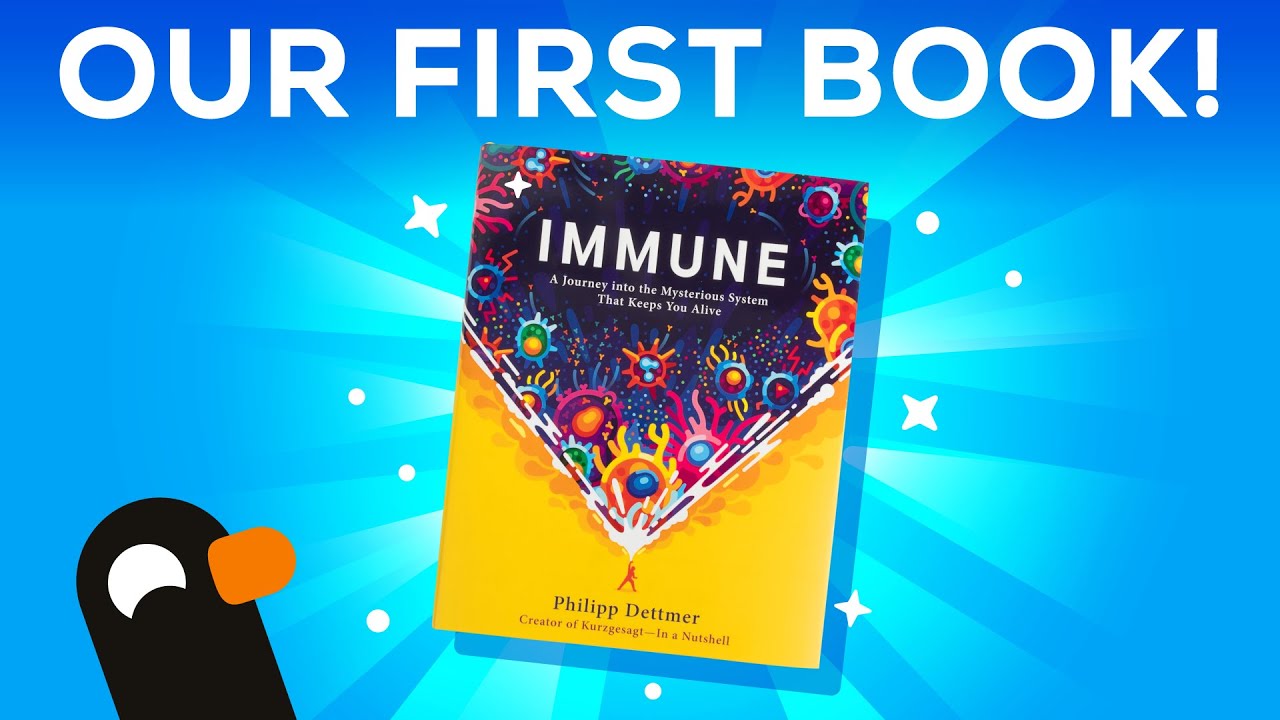
To preorder IMMUNE click here: https://kgs.link/ImmuneBook –– It’s available in English and German and at online retailers it should be available in pretty much all countries too.
Today we are doing something different: an exclusive preview, we’ll listen to the introduction and two chapters from the Kurzgesagt book, “Immune: A Journey Into the Mysterious System That Keeps You Alive”, written by Kurzgesagt founder and head writer Philipp Dettmer. It’s about the epic story of the immune system, the most important thing you do not know enough about and will forever change how you think about your body. “Immune” will be released November 2nd and you can preorder it right now!
OUR CHANNELS
▀▀▀▀▀▀▀▀▀▀▀▀▀▀▀▀▀▀▀▀▀▀▀▀▀▀
German Channel: https://kgs.link/youtubeDE
Spanish Channel: https://kgs.link/youtubeES
HOW CAN YOU SUPPORT US?
▀▀▀▀▀▀▀▀▀▀▀▀▀▀▀▀▀▀▀▀▀▀▀▀▀▀
This is how we make our living and it would be a pleasure if you support us!
Get Merch designed with ❤ https://kgs.link/shop-150
Join the Patreon Bird Army 🐧 https://kgs.link/patreon
DISCUSSIONS & SOCIAL MEDIA
▀▀▀▀▀▀▀▀▀▀▀▀▀▀▀▀▀▀▀▀▀▀▀▀▀▀
Reddit: https://kgs.link/reddit
Instagram: https://kgs.link/instagram
Twitter: https://kgs.link/twitter
Facebook: https://kgs.link/facebook
Discord: https://kgs.link/discord
Newsletter: https://kgs.link/newsletter
OUR VOICE
▀▀▀▀▀▀▀▀▀▀▀▀▀▀▀▀▀▀▀▀▀▀▀▀▀▀
The Kurzgesagt voice is from
Steve Taylor: https://kgs.link/youtube-voice
OUR MUSIC ♬♪
▀▀▀▀▀▀▀▀▀▀▀▀▀▀▀▀▀▀▀▀▀▀▀▀▀▀
700+ minutes of Kurzgesagt Soundtracks by Epic Mountain:
Spotify: https://kgs.link/music-spotify
Soundcloud: https://kgs.link/music-soundcloud
Bandcamp: https://kgs.link/music-bandcamp
Youtube: https://kgs.link/music-youtube
Facebook: https://kgs.link/music-facebook
If you want to help us caption this video, please send subtitles to subtitle@kurzgesagt.org
You can find info on what subtitle files work on YouTube here:
https://support.google.com/youtube/answer/2734698?hl=en-GB&ref_topic=7296214
Thank you!
🐦🐧🐤 PATREON BIRD ARMY 🐤🐧🐦
▀▀▀▀▀▀▀▀▀▀▀▀▀▀▀▀▀▀▀▀▀▀▀▀▀▀
Many Thanks to our wonderful Patreons (from http://kgs.link/patreon) who support us every month and made this video possible:
BBumbrazz, Sir Harry Farr, Abigail von Kelsch, Szabolcs Dombi, Conner Wilson, Enoch, Moody Bastard, Diego Marcheselli, Paxton LaRiviere, Richard Hagen, Robin Harn, Izzy Crow, Kristy Evangelista, Michael Baker, Tuna The Fish, @charlievankamp, Calvin Black, Justin Fisher, Jan Hübler, Anshul Choudhry, garshtoshteles, Mark Moses, Mau Magaña, seasar2000, Toda, newline, Matt, schubadu, Slumperd, Cracker, Josh Carpenter, Benedikt S., Jeti, Kevin Williams, Enrique Mejia, Juan Carlos Coto Sanchez, Paulmega, Jasmeet Singh, Austin Daily, Andrew Bourgeois, Andrew Dawson, Fin Brewin, Graesha Lizardo, Hagen, Diogo Moreno, Madeline McKinnon, akshay niranjan, The Entity, sontino catalano, Aubrey Temple, Terone, Oleksandr Bolgarov, Jacob Bell, Kyle Harmse, Henry Angulo, Luka Dulčić, mors741, Billyboots75, Joe Bedell, Merasmus 2.0, jimmy davies, PBYuki-Onna, Billy Z Duke
http://ABCmouse.com/LearnMore
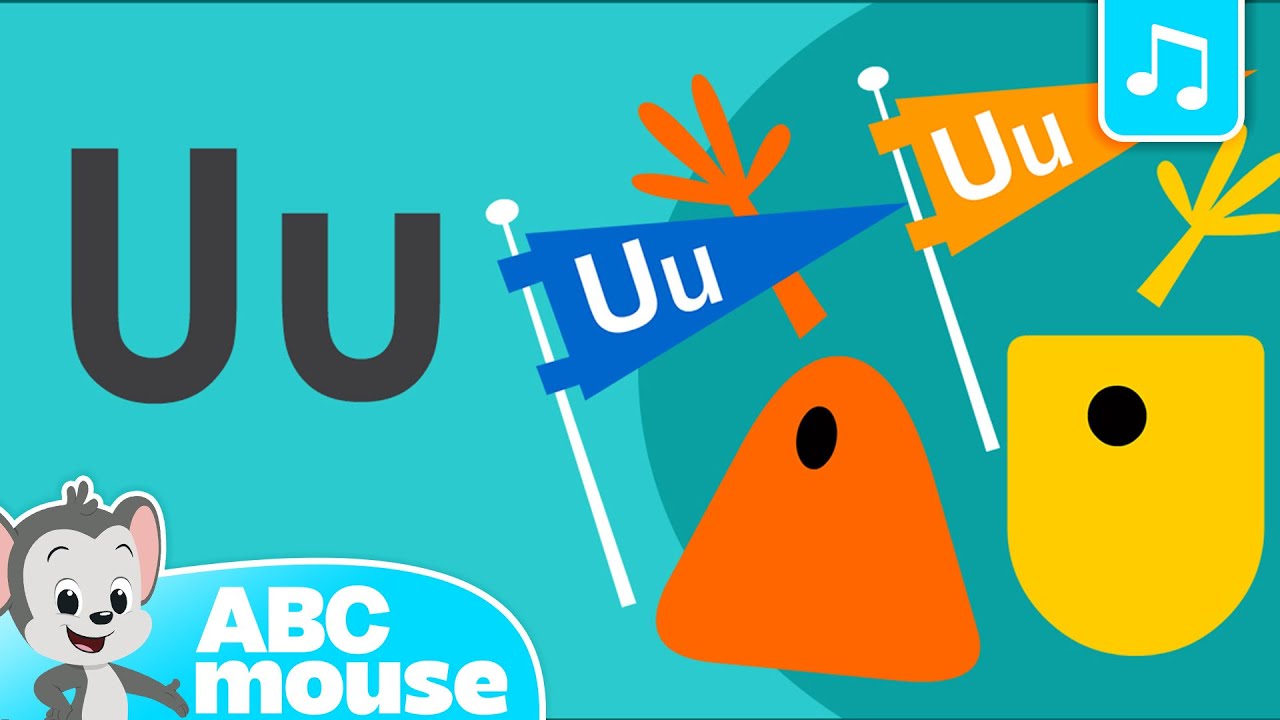
"The Letter U Song" (See below for lyrics)
With its energetic rhythm, "The Letter U Song" perfectly exemplifies traditional rock 'n' roll music. When you and your child listen to "The Letter U Song," try creating a simple hand jive (claps) that you can do along to the song. Hand jives are helpful in developing hand-eye coordination and also for understanding the rhythm of the song!
About Us:
ABCmouse.com is an award-winning website that uses a variety of activities, including these songs, to help children build a strong foundation for future academic success. ABCmouse.com Early Learning Academy provides a full online curriculum from preschool through 2nd grade, with more than 10,000 interactive learning activities that teach the subjects of reading, math, science, social studies, art, and music.
Parents, learn more about ABCmouse.com at http://ABCmouse.com/LearnMore.
Song Lyrics:
Woo-hoo! A-woo-hoo! Woo-hoo for letter u!
For who? Uh-uh! For me!
Uh-uh, no no—for letter u!
Woo-hoo! A-woo-hoo! Woo-hoo for letter u!
U comes after t!
A-woo-hoo! Uh-huh! A-woo-hoo!
Up, up, up! Up and away!
Up where? Up there? Oh no! Up here!
Up and over! Upside down!
Up above the atmosphere!
Woo-hoo! A-woo-hoo! Woo-hoo for letter u!
For who? Uh-uh! For me!
Uh-uh, no no—for letter u!
Woo-hoo! A-woo-hoo! Woo-hoo for letter u!
U comes after t!
A-woo-hoo! Uh-huh! A-woo-hoo!
Lots of u words start with "uh": untie, unsnap, unwrap, undo,
unbutton this, unbuckle that, unplug, unpack, to name a few!
Now, some u words start with the sound of "yu":
as in uniform, use, and ukulele.
And sometimes u makes the sound of "oo":
as in Una, Umberto, and Ulalaili!
Woo-hoo! A-woo-hoo! Woo-hoo for letter u!
For who? Uh-uh! For me!
Uh-uh, no no—for letter u!
Woo-hoo! A-woo-hoo! Woo-hoo for letter u!
U comes after t!
A-woo-hoo! Uh-huh! A-woo-hoo!
Letter u!
Website: http://ABCmouse.com/LearnMore
Free Mobile Apps: http://ABCmouse.com/apps
Facebook: http://facebook.com/ABCmouse
Google+: http://google.com/+ABCmouse
Twitter: http://twitter.com/ABCmouse
Pinterest: http://pinterest.com/ABCmouse
YouTube Channel: http://youtube.com/ABCmouse
TM & © 2007-2013 Age of Learning, Inc.

http://ABCmouse.com/LearnMore
"The Letter E Song" (See below for lyrics)
The music video for "The Letter E Song" erupts with the engaging musicality of traditional musical theater sound. As you and your child watch this video and listen to this song, notice the showy quality of the lead singer's tap dancing backed by the warm harmonies of the ensemble. Encourage your child to create their very own acting and dancing routine for "The Letter E Song"!
About Us:
ABCmouse.com is an award-winning website that uses a variety of activities, including these songs, to help children build a strong foundation for future academic success. ABCmouse.com Early Learning Academy provides a full online curriculum from preschool through 2nd grade, with more than 10,000 interactive learning activities that teach the subjects of reading, math, science, social studies, art, and music.
Parents, learn more about ABCmouse.com at http://ABCmouse.com/LearnMore.
Song Lyrics:
Come along with me, and let's sing about e,
the letter that follows the fourth letter d.
How many words in this song will there be
that begin with the excellent fifth letter e?
Emma the emu and Ellie the elephant
enjoy being friends at the zoo.
Ellie eats peanuts, and Emma eats insects,
and each one eats fruits and grass, too.
Come along with me, and let's sing about e,
the letter that follows the fourth letter d.
How many words in this song will there be
that begin with the excellent fifth letter e?
Edith the eagle laid eight eagle eggs
and on them 'til spring, took a seat.
The eggs all hatched early. Their feathers were curly!
Lots of peeping and cheeping,
no time for any sleeping—
the eight hungry eagles wanted something to eat!
Come along with me, let's sing about e,
the letter that follows the fourth letter d.
How many words in this song will there be
that begin with the excellent fifth letter e?
That begin with the excellent fifth letter e!
Website: http://ABCmouse.com/LearnMore
Free Mobile Apps: http://ABCmouse.com/apps
Facebook: http://facebook.com/ABCmouse
Google+: http://google.com/+ABCmouse
Twitter: http://twitter.com/ABCmouse
Pinterest: http://pinterest.com/ABCmouse
YouTube Channel: http://youtube.com/ABCmouse
TM & © 2007-2013 Age of Learning, Inc.
http://ABCmouse.com/LearnMore
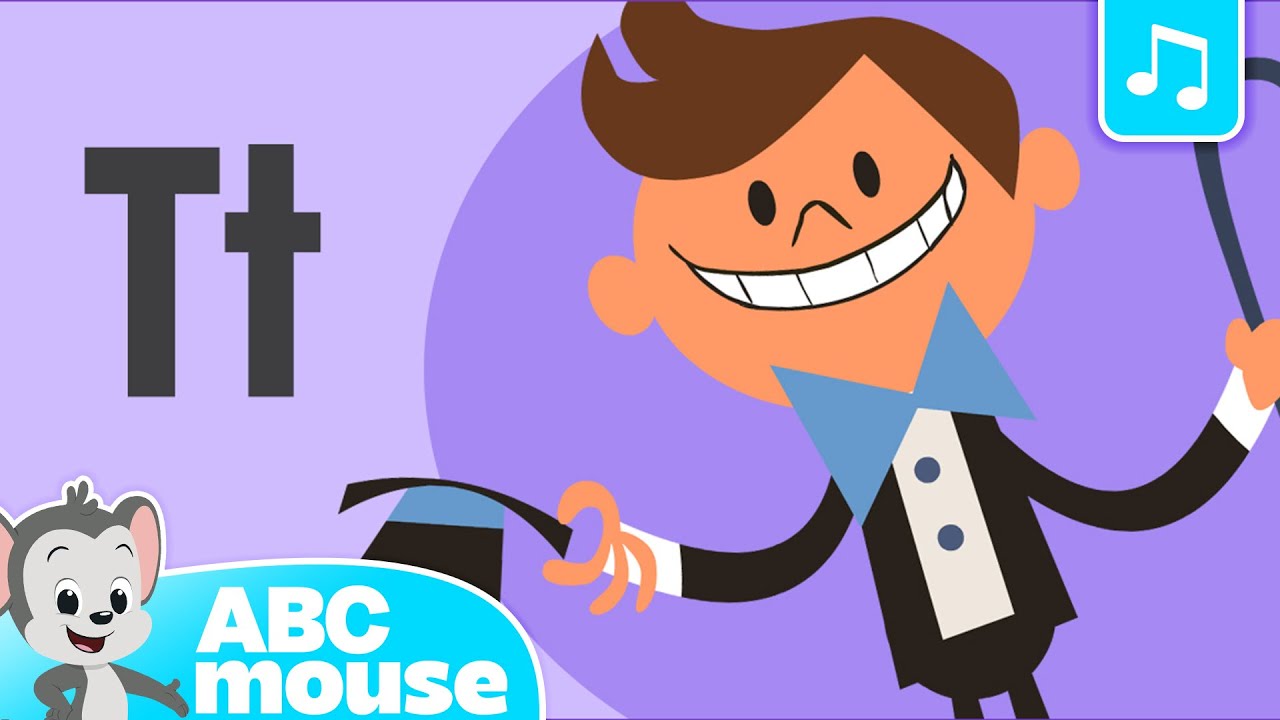
"The Letter T Song" (See below for lyrics)
"The Letter T Song" grooves along in the fabulous styling of post-disco music. When you and your child watch this video and listen to this song, notice near the end of the song how the soloist sings various notes under a single "ooh." Try singing along with her together to the totally terrific "Letter T Song"!
About Us:
ABCmouse.com is an award-winning website that uses a variety of activities, including these songs, to help children build a strong foundation for future academic success. ABCmouse.com Early Learning Academy provides a full online curriculum from preschool through 2nd grade, with more than 10,000 interactive learning activities that teach the subjects of reading, math, science, social studies, art, and music.
Parents, learn more about ABCmouse.com at http://ABCmouse.com/LearnMore.
Song Lyrics:
Tommy built his towers tall. At times it took two hours.
When tiny Timmy toddled by, he toppled Tommy's towers.
Ted wore tap shoes when he danced. Tara wore pink toe shoes.
Ted tapped in top hat and tuxedo. Tara wore two tutus.
Tah t-tah t-tah, tah t-tah t-tee—
join with me and shout, "Whoopee!"
Tah t-tah t-tah, tah t-tah t-tee—for that totally terrific letter t.
Tony tooted on his tuba: oompah, oompah, oompah-pah.
Tyrone sang Tony's top ten tunes: tra la la la la-lah.
Troy has a tarantula. And Terry has a turtle.
Tina's toucan's name is Tex. Her tadpole's name is Myrtle.
Tah t-tah t-tah, tah t-tah t-tee—
join with me and shout, "Whoopee!"
Tah t-tah t-tah, tah t-tah t-tee—for that totally terrific letter t.
Tickle, tackle, tinsel, tassel, tooth, and tic-tac-toe.
Tapioca, ten, tattoo, are t words that you know.
Tulip, turkey, teeth and taffy, tick-tock, time, and toy.
Tomato, table, tip and top—more t words to enjoy!
Tah t-tah t-tah, tah t-tah t-tee—
join with me and shout, "Whoopee!"
Tah t-tah t-tah, tah t-tah t-tee—for that totally terrific letter t.
It's that totally terrific letter t!
Website: http://ABCmouse.com/LearnMore
Free Mobile Apps: http://ABCmouse.com/apps
Facebook: http://facebook.com/ABCmouse
Google+: http://google.com/+ABCmouse
Twitter: http://twitter.com/ABCmouse
Pinterest: http://pinterest.com/ABCmouse
YouTube Channel: http://youtube.com/ABCmouse
TM & © 2007-2013 Age of Learning, Inc.
https://www.abcmouse.com/learn/youtube
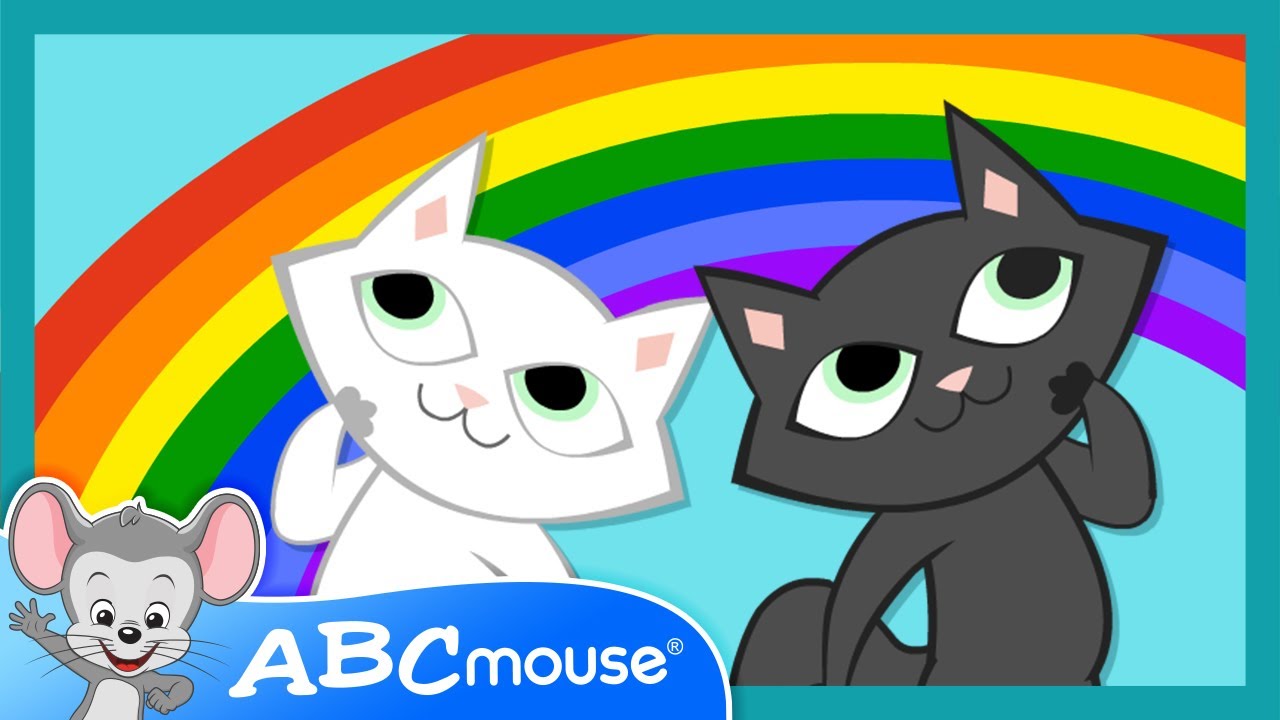
"The Colors Song" (See below for lyrics)
Sing along to this catchy and educational song which teaches children the concept of using primary colors to create secondary colors as well as paying attention to basic colors they see every day. Help your child practice these concepts by having him or her mix colors using crayons, markers, or paint!
About Us:
ABCmouse.com is an award-winning website that uses a variety of activities, including these songs, to help children build a strong foundation for future academic success. ABCmouse.com Early Learning Academy provides a full online curriculum from preschool through 2nd grade, with more than 10,000 interactive learning activities that teach the subjects of reading, math, science, social studies, art, and music.
Parents, learn more about ABCmouse.com at https://www.abcmouse.com/learn/youtube
Song Lyrics:
There are three primary colors.
They are red and yellow and blue!
When any two colors are mixed together,
they make a brand new color for you!
There are three secondary colors.
Yellow and blue together make green!
Red and yellow make orange!
Red and blue make purple!
Colors that you all have seen!
(We all have seen.)
Colors make everything beautiful.
Colors bring joy to our eyes.
The colors of flowers,
of leaves in the fall,
a sunset, a rainbow,
and beautiful blue skies!
Then there's black, brown, gray, and white.
Colors that you see every day.
Dirt is brown. Snow is white.
The night sky is black.
Rain clouds and dolphins, they are gray!
When you look all around you see colors!
No matter where you go, there they are.
It's so much fun to learn about colors.
They're all around us, near and far!
(Near and far.)
Colors make everything beautiful.
Colors bring joy to our eyes.
The colors of flowers,
of leaves in the fall,
a sunset, a rainbow,
and beautiful blue skies!
Colors make everything beautiful.
Colors bring joy to our eyes.
The colors of flowers,
of leaves in the fall,
a sunset, a rainbow,
and beautiful blue skies!
Parents, learn more about ABCmouse.com at https://www.abcmouse.com/learn/youtube
Website: https://www.abcmouse.com/learn/youtube
YouTube Channel: http://youtube.com/ABCmouse
© Age of Learning, Inc. All rights reserved.
http://ABCmouse.com/LearnMore
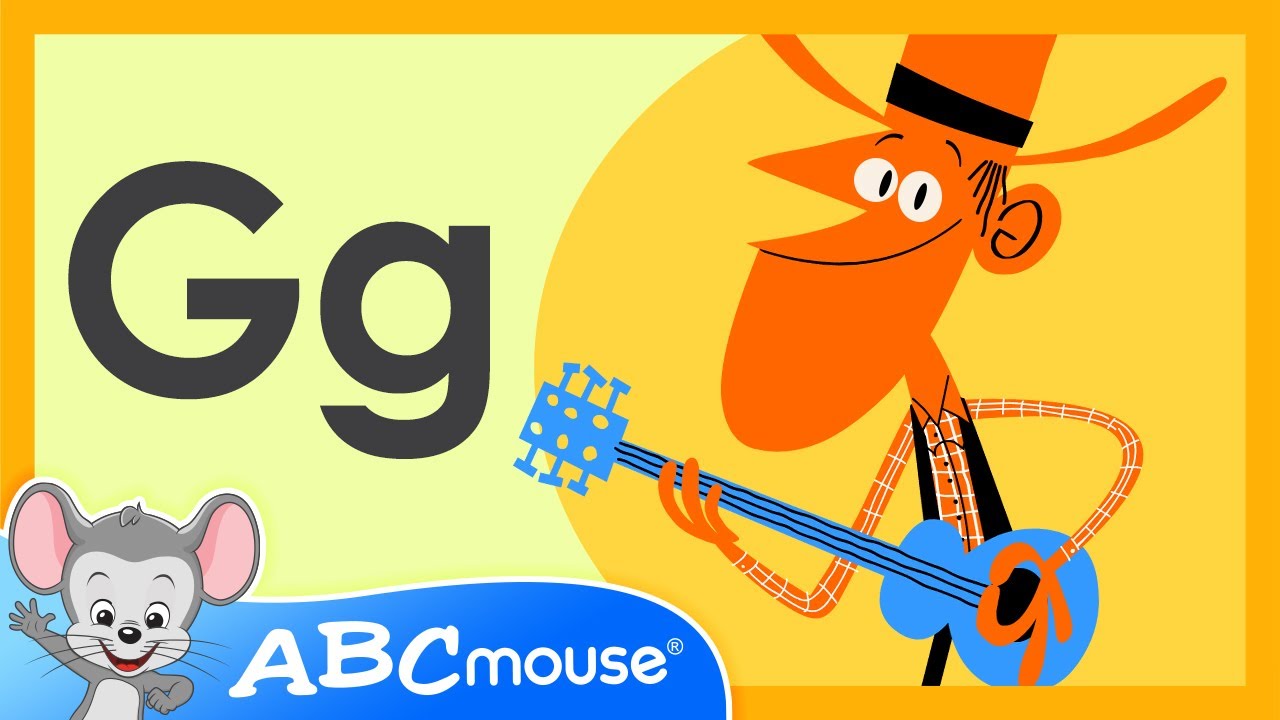
"The Letter G Song" (See below for lyrics)
"The Letter G Song" exemplifies the style of western music, a type of American folk and country music. While watching the music video for "The Letter G Song" with your child, point out the cowboy characteristics of the animation. If your child seems particularly interested in the singing cowboys, rent an old western movie to watch together.
About Us:
ABCmouse.com is an award-winning website that uses a variety of activities, including these songs, to help children build a strong foundation for future academic success. ABCmouse.com Early Learning Academy provides a full online curriculum from preschool through 2nd grade, with more than 10,000 interactive learning activities that teach the subjects of reading, math, science, social studies, art, and music.
Parents, learn more about ABCmouse.com at http://ABCmouse.com/LearnMore.
Song Lyrics:
The letter g has a "g" sound, like gummy, gulp, and goo.
Lots of words begin with g. I'll sing a few for you!
Turkeys all say gobble gobble!
Babies say goo goo!
Gorillas go ooh ooh ahh ahh!
Ghoulie ghosts will just say boo!
Gooey, gurgle, goopy, gushy—funny words that start with g!
Where would a word like giggle be without that goofy letter g?
Without that goofy letter g!
Goldie the goldfish and Gus the guppy
keep swimming to and fro.
When Gus gets going, Goldie goes
wherever Gus decides to go!
Gooey, gurgle, goopy, gushy—funny words that start with g!
Where would a word like giggle be without that goofy letter g?
Without that goofy letter g!
Now, Gary goes gallopin' in the rain.
Through mud puddles, Gary sloshes.
He keeps his feet from gettin' wet
when he wears his green galoshes!
Gooey, gurgle, goopy, gushy—funny words that start with g!
Where would a word like giggle be without that goofy letter g?
Gooey, gurgle, goopy, gushy—funny words that start with g!
Where would a word like giggle be without that goofy letter g?
Without that goofy letter g! Without that goofy letter g!
The letter that goes "g"! Uh, what was it again?
Letter g!
Website: http://ABCmouse.com/LearnMore
Free Mobile Apps: http://ABCmouse.com/apps
Facebook: http://facebook.com/ABCmouse
Google+: http://google.com/+ABCmouse
Twitter: http://twitter.com/ABCmouse
Pinterest: http://pinterest.com/ABCmouse
YouTube Channel: http://youtube.com/ABCmouse
TM & © 2007-2013 Age of Learning, Inc.

https://ABCmouse.com/abc/YouTube
"The Letter A Song" (See below for lyrics)
Hooray for the letter A! This original animated video from ABCmouse.com features a song written in a traditional rhythm and blues style. Alan ate an apple, Aaron watches airplanes at the airport, and Angie the acrobat swings from a trapeze! Watch these amazing characters in this adorable video teaching this absolutely awesome first letter of the alphabet.
About Us:
ABCmouse.com is an award-winning website that uses a variety of activities, including these songs, to help children build a strong foundation for future academic success. ABCmouse.com Early Learning Academy provides a full online curriculum from preschool through 2nd grade, with more than 10,000 interactive learning activities that teach the subjects of reading, math, science, social studies, art, and music.
Parents, learn more about ABCmouse.com at http://ABCmouse.com/LearnMore.
Song Lyrics:
Alan ate an apple, and awesome it did taste.
Ava ate an apricot, and not a bite did waste.
Andy watched a little ant crawl along the ground.
And Allie watched an alligator swim without a sound.
The alphabet begins with a.
Hooray! Hooray! Hooray for a!
Let's find the words that start with letter a—amazing letter a!
At the airport, Aaron watches airplanes in the air.
Annie saw an antelope and knew to be aware.
Archie is an artist. Amber flies a kite.
And Abby is an actress. She acts all day and night!
The alphabet begins with a.
Hooray! Hooray! Hooray for a!
Let's find the words that start with letter a—amazing letter a!
At the beach, Amanda found an abalone shell.
She took it to her school one day to use for show-and-tell.
Ariel can count to ten and knows her ABC's.
And Angie is an acrobat and swings from a trapeze.
The alphabet begins with a.
Hooray! Hooray! Hooray for a!
Let's find the words that start with letter a—amazing letter a!
Oh yeah. Amazing letter a! One more time!
Amazing and adorable and absolutely awesome letter a.
Oh yeah! Whooo!
Website: https://ABCmouse.com/abc/YouTube
Facebook: http://facebook.com/ABCmouse
Twitter: http://twitter.com/ABCmouse
YouTube Channel: http://youtube.com/ABCmouse
TM & © 2007-2013 Age of Learning, Inc.

Visit https://www.abcmouse.com/learn/youtube to learn more about our award-winning online learning program for children 2-8!
👀🖌️ Join Violet the Paintbrush in this fun drawing adventure, where we learn all about faces and counting! Kids will love exploring the parts of a face—from eyes to ears—while counting along and adding their own creative touches. Watch as Violet brings imagination and self-expression to life, showing little artists how they can make each drawing unique. Perfect for young learners excited to combine counting and creativity in a playful way! 🎨👂
👉 Discover more fun learning songs and educational videos by subscribing to our YouTube channel at https://YouTube.com/ABCmouse.
And visit https://www.abcmouse.com/learn/youtube to find out more about our award-winning online learning program for children 2–8!
© Age of Learning, Inc. All rights reserved.
http://ABCmouse.com/LearnMore
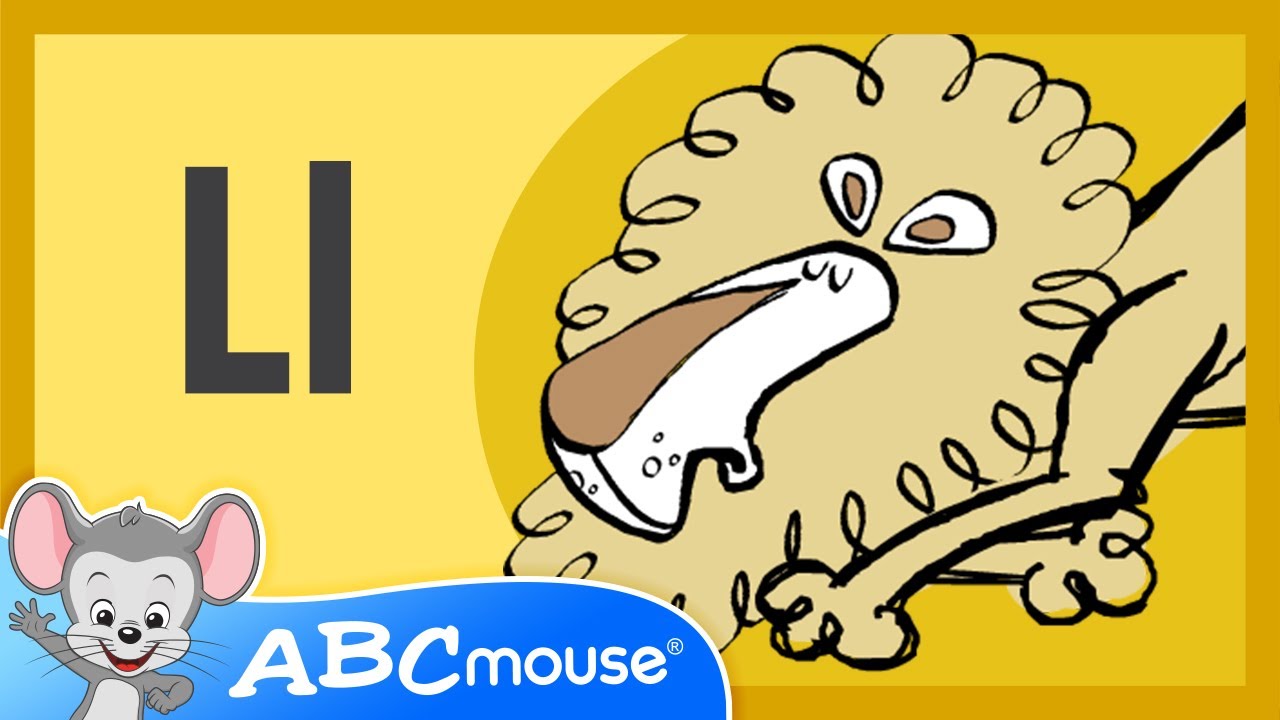
"The Letter L Song" (See below for lyrics)
With its warm tones, "The Letter L Song" is a lovely example of soft rock, a style that derives its sound from an integration of folk music and mainstream rock 'n' roll. Since nature is a common focus of soft rock, you can take your child outside to watch this video and listen to the song.
About Us:
ABCmouse.com is an award-winning website that uses a variety of activities, including these songs, to help children build a strong foundation for future academic success. ABCmouse.com Early Learning Academy provides a full online curriculum from preschool through 2nd grade, with more than 10,000 interactive learning activities that teach the subjects of reading, math, science, social studies, art, and music.
Parents, learn more about ABCmouse.com at http://ABCmouse.com/LearnMore.
Song Lyrics:
Lori picked a load of lemons. I wonder what Lori made—
a lovely, luscious, lemon pie, and lots of lemonade!
And Leo was a lazy lion. He would lie down all day.
When a lizard landed on his leg, he leapt up and ran away!
La la la la, loo loo loo.
When this little song is through
you will all know how to tell
the words that begin with the letter l.
Lollipops and ladybugs, lucky, love, and laughter—
words that start with the letter l live on forever after!
La la la la, loo loo loo.
Now this little song is through,
and you all know how to tell
the words that begin with the letter l.
Website: http://ABCmouse.com/LearnMore
Free Mobile Apps: http:://ABCmouse.com/apps
Facebook: http://facebook.com/ABCmouse
Google+: http://google.com/+ABCmouse
Twitter: http://twitter.com/ABCmouse
Pinterest: http://pinterest.com/ABCmouse
YouTube Channel: http://youtube.com/ABCmouse
TM & © 2007-2013 Age of Learning, Inc.

Visit https://www.abcmouse.com/learn/youtube to learn more about our award-winning online learning program for children 2-8!
🌟🐻 Join us on a wild adventure as we explore the fascinating world of bears! Learn all about these amazing animals, their habitats, and fun facts in this engaging tot-umentary. Perfect for young animal lovers and curious minds ready to discover the wonders of nature! 🌲✨
👉 Discover more fun learning songs and educational videos by subscribing to our YouTube channel at https://YouTube.com/ABCmouse.
And visit https://www.abcmouse.com/learn/youtube to find out more about our award-winning online learning program for children 2–8!
© Age of Learning, Inc. All rights reserved.

Visit https://www.abcmouse.com/learn/youtube to learn more about our award-winning online learning program for children 2-8!
🎶 🚽 Get ready to sing, dance, and learn with ABCmouse and The Potty Song! This upbeat potty-training anthem teaches kids the essential steps of using the potty, from flushing to washing hands and drying them off. Perfect for toddlers and preschoolers, this fun and educational song makes potty time something to celebrate!
This fun potty-training video helps kids develop important self-care routines with a catchy tune and playful lyrics. Whether it's learning to flush, washing hands with soap, or drying them afterward, The Potty Song is perfect for making potty training fun and easy for toddlers and kids alike!
👉 Discover more fun learning songs and educational videos by subscribing to our YouTube channel at https://YouTube.com/ABCmouse.
And visit https://www.abcmouse.com/learn/youtube to find out more about our award-winning online learning program for children 2–8!
© Age of Learning, Inc. All rights reserved.

Visit https://www.abcmouse.com/learn/youtube to learn more about our award-winning online learning program for children 2-8!
🌙✨ Join ABCmouse on a magical bedtime adventure with our "Dream Runner" song! Follow along as our little dreamer becomes an astronaut, pirate, mermaid, and even flies with a dragon. This enchanting song will inspire kids to embrace their imagination and drift off to sleep with dreams of endless possibilities. Perfect for a soothing and fun bedtime routine! 🚀🐉🏴☠️🧜♀️
👉 Discover more fun learning songs and educational videos by subscribing to our YouTube channel at https://YouTube.com/ABCmouse.
And visit https://www.abcmouse.com/learn/youtube to find out more about our award-winning online learning program for children 2–8!
© Age of Learning, Inc. All rights reserved.
http://ABCmouse.com/LearnMore
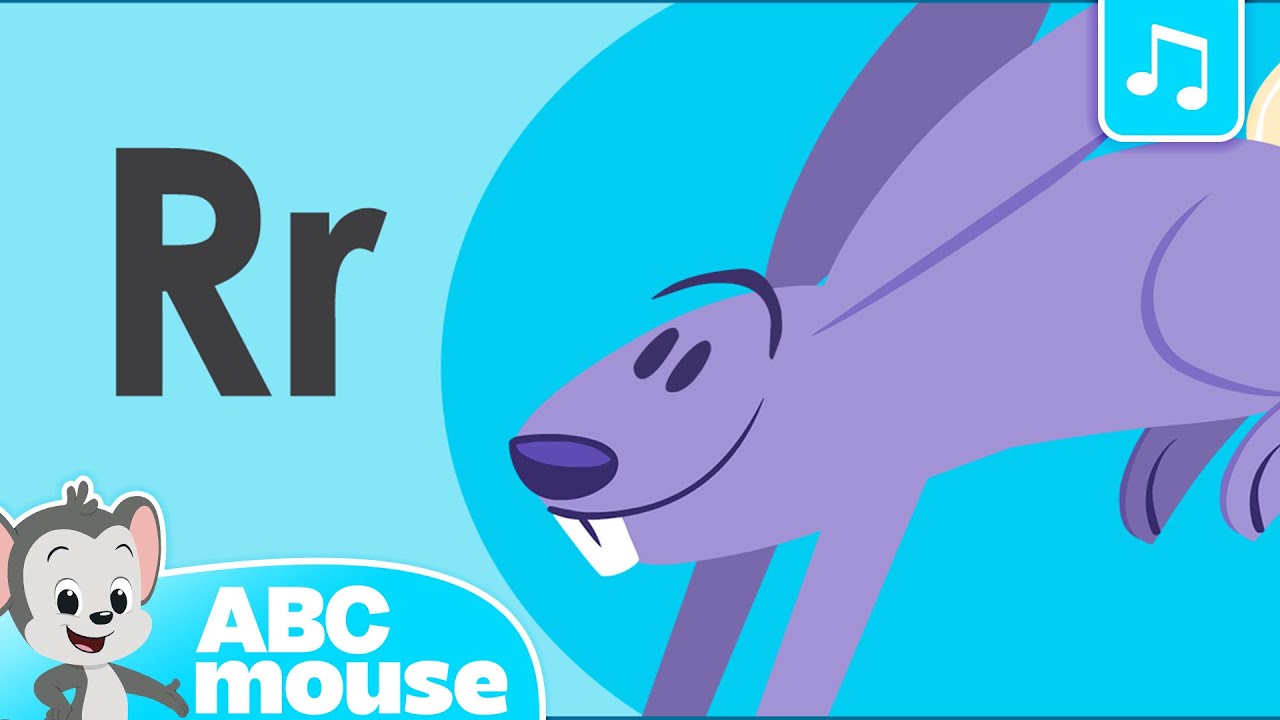
"The Letter R Song" (See below for lyrics)
"The Letter R Song" has a rocking melody and is a perfect example of pop rock music. Given its upbeat rhythm and energy, "The Letter R Song" is perfect for your child to dance along with. Dancing is more than fun and great exercise; it also helps to develop balance and coordination!
About Us:
ABCmouse.com is an award-winning website that uses a variety of activities, including these songs, to help children build a strong foundation for future academic success. ABCmouse.com Early Learning Academy provides a full online curriculum in preschool, pre-k, and kindergarten, with more than 5,000 interactive learning activities that teach the subjects of reading, math, science, social studies, art, and music.
Parents, learn more about ABCmouse.com at http://ABCmouse.com/LearnMore.
Song Lyrics:
Rah! Rah! Ray, ray, ray!
Rah! Ray, ray, roo!
Lots of r words just for you.
R is the letter that follows q.
Rick and Ray rode down the river
in a rugged rubber raft.
The ride was rough, rushing through the rocks.
It was so much fun, Rick and Ray both laughed!
Ruth removed her rainproof raincoat
on a really rainy day.
When a rainbow reached across the sky,
Ruth rejoiced and said, "Hooray!"
Rah! Rah! Ray, ray, ray!
Rah! Ray, ray, roo!
Lots of r words just for you.
R is the letter that follows q.
Rascal Rex was a runaway rabbit,
running through the radish patch.
Farmer Reggie ran after Rex,
and caught that rabbit! What a catch!
Ruby Rose tied bright red ribbons
'round the ringlets in her hair.
She wore a dress with rows of ruffles
and raised the roof at the county fair.
Rah! Rah! Ray, ray, ray!
Rah! Ray, ray, roo!
Lots of r words just for you.
R is the letter that follows q.
Rutabaga, raisin, rocket, riddle, rickety, rackety, roo!
Recipe, rooster, rhythm, room—these are all r words, too!
Rah! Rah! Ray, ray, ray!
Rah! Ray, ray, roo!
Lots of r words just for you.
R is the letter that follows q.
Rah! Rah! Ray, ray, ray!
Rah! Ray, ray, roo!
Lots of r words just for you.
R is the letter that follows q.
All right!
Website: http://ABCmouse.com/LearnMore
Free Mobile Apps: http://ABCmouse.com/apps
Facebook: http://facebook.com/ABCmouse
Google+: http://google.com/+ABCmouse
Twitter: http://twitter.com/ABCmouse
Pinterest: http://pinterest.com/ABCmouse
YouTube Channel: http://youtube.com/ABCmouse
TM & © 2007-2013 Age of Learning, Inc.

Visit https://www.abcmouse.com/learn/youtube to learn more about our award-winning online learning program for children 2-8!
⚾🔤 Step up to the plate and sing along with the ABCs of Baseball! In this exciting alphabet song from ABCmouse and Major League Baseball, kids will learn their ABCs while exploring fun baseball words from A to Z. It’s the perfect mix of early literacy and sports fun—ideal for preschoolers who love to learn through music and movement. Let’s play ball and learn together! 🎶👏
🎵 Lyrics:
Sing the ABC's of Baseball
Let's learn them while we play
Sing the ABC's of Baseball
Let's play ball today
A is for the all-stars at the game
B is for the baseball bat
C is for the catcher catching the ball
D is for the Dodgers dugout
E is for the eephus pitch — it's unexpected
F is for the foul ball, out of play
G is for the glove, make the catch
H is for the home run — hooray!
Sing the ABC's of Baseball, let's learn them while we play
Sing the ABC's of Baseball, let's play ball today
I is for the innings and the infield
J is for the jerseys the players wear
K is for the knuckleball — what a pitch!
L is for the left field line drive
M is for the mascot, Mr. Met
N is for the 9th inning, down by one
O is for the out in the outfield
P is for the pitcher on the mound
Sing the ABC's of Baseball
Let's learn them while we play
Sing the ABC's of Baseball
Let's play ball today
Q is for a quick pitch — and a quicker hit
R is for a runner running
S is for a slide — safe!
T is for a triple, run to third base
U is for the umpire at home plate
V is for victory — yippee!
W is for a walk-off win
X is for the X factor, player of the game
Y is for the yelling fans — yahoo!
Z is for the zero on the scoreboard
Sing the ABC's of Baseball
Let's learn them while we play
Sing the ABC's of Baseball
Let's play ball today
Sing the ABC's of Baseball
Let's learn them while we play
Sing the ABC's of Baseball
Let's play ball today
Let's play ball today!
👉 Discover more fun learning songs and educational videos by subscribing to our YouTube channel at https://YouTube.com/ABCmouse.
And visit https://www.abcmouse.com/learn/youtube to find out more about our award-winning online learning program for children 2–8!
Major League Baseball trademarks and copyrights are used with permission of Major League Baseball. Visit MLB.com. Any other marks used herein are trademarks of their respective owners.
© Age of Learning, Inc. All rights reserved.

Visit https://www.abcmouse.com/learn/youtube to learn more about our award-winning online learning program for children 2-8!
🎨🖌️ Violet is back with a creative adventure! When her friends get ready to race at the park, she helps them stay safe by drawing helmets before they ride. Join Violet as she teaches bike and skateboard safety while making art fun! 🚴♀️🛹✨
👉 Discover more fun learning songs and educational videos by subscribing to our YouTube channel at https://YouTube.com/ABCmouse.
And visit https://www.abcmouse.com/learn/youtube to find out more about our award-winning online learning program for children 2–8!
© Age of Learning, Inc. All rights reserved.

"This Is My Family" - song and music video by ABCmouse.
And visit https://www.abcmouse.com/learn/youtube to find out more about our award-winning online learning program for children 2–8!
Watch more songs, stories, and more by subscribing to our YouTube channel: https://YouTube.com/ABCmouse.
© Age of Learning, Inc. All rights reserved.