Science


Students follow the steps of the engineering design process while learning more about assistive devices and biomedical engineering applied to basic structural engineering concepts. Their engineering challenge is to design, build and test small-scale portable wheelchair ramp prototypes for fictional clients. They identify suitable materials and demonstrate two methods of representing design solutions (scale drawings and simple models or classroom prototypes). Students test the ramp prototypes using a weighted bucket; successful prototypes meet all the student-generated design requirements, including support of a predetermined weight.
View the full activity on TeachEngineering:
https://www.teachengineering.o....rg/activities/view/w
TeachEngineering has over 1,500 FREE lessons and activities. Visit https://www.teachengineering.org/ for more
Music: Sophomore Makeout - Silent Partner

By studying how bees and flowers interact with one another, we can also understand engineering practices related to our environment! In this activity, students engineer a model of a flower to test different materials’ ability to pollinate another flower. In teams of two, students use the engineering design process to create a model of a flower out of construction paper and then test different materials by measuring and recording how much pollen is transferred. While discovering the most efficient material, students determine how the information they gain can help bees pollinate and they better understand the importance of bee conservation.
This engineering curriculum aligns to Next Generation Science Standards (NGSS).
View the full activity on TeachEngineering:
https://www.teachengineering.o....rg/activities/view/u
TeachEngineering has over 1,500 FREE lessons and activities. Visit https://www.teachengineering.org/ for more
music: Daily Beetle

Students learn about and experiment with the concept of surface tension. How can a paper clip "float" on top of water? How can a paper boat be powered by soap in water? How do water striders "walk" on top of water? Why do engineers care about surface tension? Students answer these questions as they investigate surface tension and surfactants.
View the full activity at TeachEngineering:
https://www.teachengineering.o....rg/activities/view/c
TeachEngineering has over 1,500 FREE lessons and activities. Visit http://www.TeachEngineering.org for more!
Music: Redwood_Highway-Audionautix

Students collect data and apply mathematical modeling, specifically linear approximation, to predict what will happen in a specific situation. In this activity, students collect data to determine the number of Jelly Belly jelly beans it takes to fill up the respective tube. Students plot their data, graph a linear approximation model, and write an equation representing their model. Students use their linear model to predict the number of Jelly Belly jelly beans that are in a similar cylindrical tube with a given height. Students discuss the accuracy of their results and limitations in their model and data collection process. They then apply their predictions to make suggestions to Jelly Belly for potential packaging of jelly beans based on quantity instead of net weight.
View the full lesson on TeachEngineering:
https://www.teachengineering.o....rg/activities/view/m
TeachEngineering has over 1,900 FREE lessons and activities. Visit https://www.teachengineering.org/ for more
Song: Double_Agent
by: Everet Almond

Student teams design insulated beverage bottles with the challenge to test them to determine which materials (and material thicknesses) work best at insulating hot water to keep it warm for as long as possible. Students test and compare their designs in still air and under a stream of moving air from a house fan.
View the full activity at TeachEngineering:
https://www.teachengineering.o....rg/activities/view/u
TeachEngineering has over 1,500 FREE lessons and activities. Visit http://www.TeachEngineering.org for more!
Music: Side Steppin
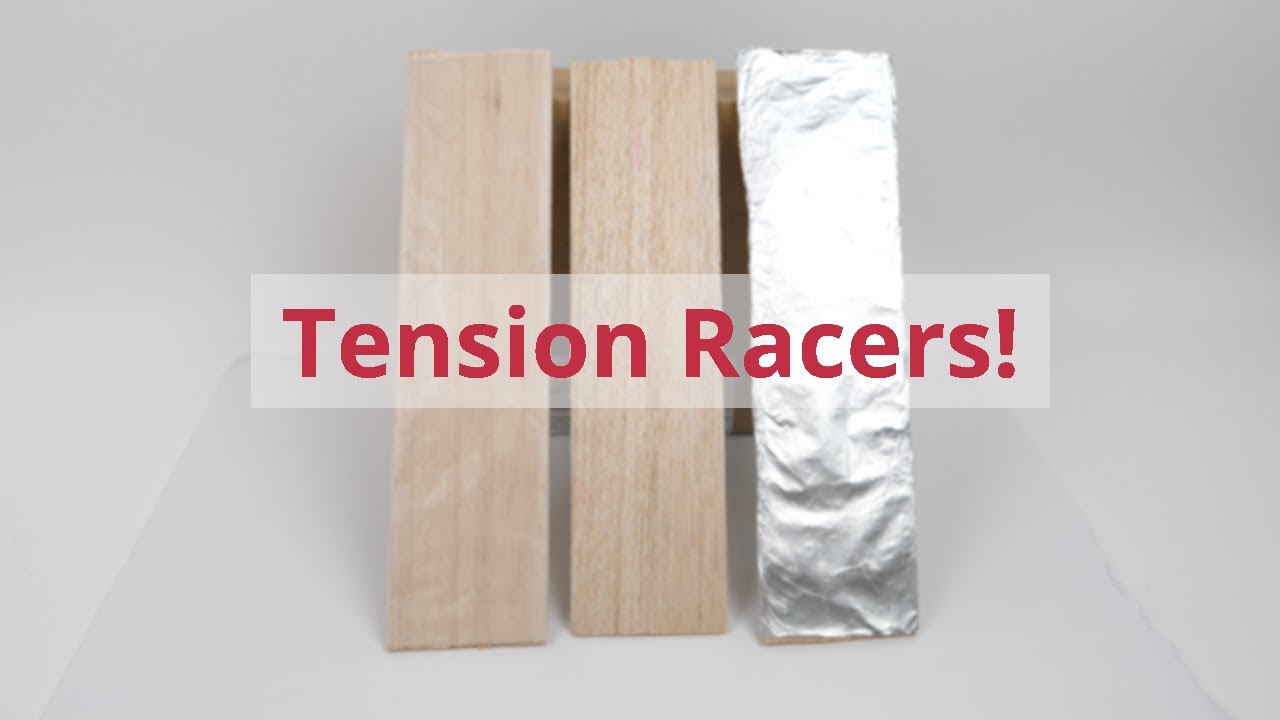
Students see how different levels of surface tension affect water's ability to move. Teams "race" water droplets down tracks made of different materials, making measurements, collecting data, making calculations, graphing results and comparing to their predictions and the properties of each surface, determining which surface exhibits the highest (or lowest) level of surface tension with water. They apply their results to make engineering recommendations for real-world applications.
View the full activity at TeachEngineering:
https://www.teachengineering.o....rg/activities/view/u
TeachEngineering has over 1,500 FREE lessons and activities. Visit http://www.TeachEngineering.org for more!
Music: Bicycle-Reunited by Kevin MacLeod

Students are introduced to the five fundamental loads: compression, tension, shear, bending and torsion. They learn about the different kinds of stress each force exerts on objects.
View the full lesson on TeachEngineering:
https://www.teachengineering.o....rg/lessons/view/wpi_
TeachEngineering has over 1,500 FREE lessons and activities. Visit https://www.teachengineering.org/ for more
Music: Cats and Gats - Dyalla

Students download the software needed to create Arduino programs and make sure their Arduino microcontrollers work correctly. Then, they connect an LED to the Arduino and type up and upload programs to the Arduino board to 1) make the LED blink on and off and 2) make the LED fade (brighten and then dim). Throughout, students reflect on what they've accomplished by answering questions and modifying the original programs and circuits in order to achieve new outcomes. A design challenge gives students a chance to demonstrate their understanding of actuators and Arduinos; they design a functioning system using an Arduino, at least three actuators and either a buzzer or toy motor. For their designs, students sketch, create and turn in a user's manual for the system (text description, commented program, detailed hardware diagram). Numerous worksheets and handouts are provided.
View the full activity on TeachEngineering:
https://www.teachengineering.o....rg/activities/view/n
TeachEngineering has over 1,500 FREE lessons and activities. Visit https://www.teachengineering.org/ for more
Music: Bella Bella Beat - Nana Kwabena

Students use a recipe to prepare a hydrogel gummy snack, which has a similar consistency to that found in a Haribo® gummy product. They must convert the juice and gelatin-based recipe from US customary units to metric units with dimensional analysis conversion. After unit conversion, teams are given different gelatin quantities and design their gummy snacks. Once the candies have solidified, student groups compare the gummy snacks are for viscosity and taste. After a taste test, teams reflect on their experiment and brainstorm ways to iterate a better gummy recipe.
View the full activity at TeachEngineering:
https://www.teachengineering.o....rg/activities/view/r
TeachEngineering has over 1,500 FREE lessons and activities. Visit http://www.TeachEngineering.org for more!
Music: Whatdafunk - Audionautix

Students investigate the simulated use of solid rocket fuel by using an antacid tablet. They observe the effect that surface area and temperature has on chemical reactions. They also compare the reaction time using two different reactants: water and vinegar. Finally, students report their results in bar graph format. In the continuing hypothetical scenario of this unit, what students learn builds their background knowledge towards designing the best rocket to get their cargo into space.
View the full activity on TeachEngineering:
https://www.teachengineering.o....rg/activities/view/c
TeachEngineering has over 1,500 FREE lessons and activities. Visit https://www.teachengineering.org/ for more
Music: Life of Riley - Kevin MacLeod

After reading the story "Dear Mr. Henshaw" by Beverly Cleary, student groups use the engineering design process to create alarm systems to protect something in the classroom, just as the main character Leigh does to protect his lunchbox from thieves. Students learn about alarms and use their creativity to devise multi-step alarm systems to protect their lockers, desk, pets or classroom door. Note: This activity can also be done without reading the Cleary book.
View the full activity on TeachEngineering:
https://www.teachengineering.o....rg/activities/view/m
TeachEngineering has over 1,500 FREE lessons and activities. Visit https://www.teachengineering.org/ for more
Music - Elite Syncopations

Accuracy of measurement in navigation depends very much on the situation. If a sailor's target is an island 200 km wide, sailing off center by 10 or 20 km is not a major problem. But, if the island were only 1 km wide, it would be missed if off just the smallest bit. Many of the measurements made while navigating involve angles, and a small error in the angle can translate to a much larger error in position when traveling long distances.
View the full activity on TeachEngineering:
https://www.teachengineering.o....rg/activities/view/c
TeachEngineering has over 1,500 FREE lessons and activities. Visit https://www.teachengineering.org/ for more
Music - Thingamajig
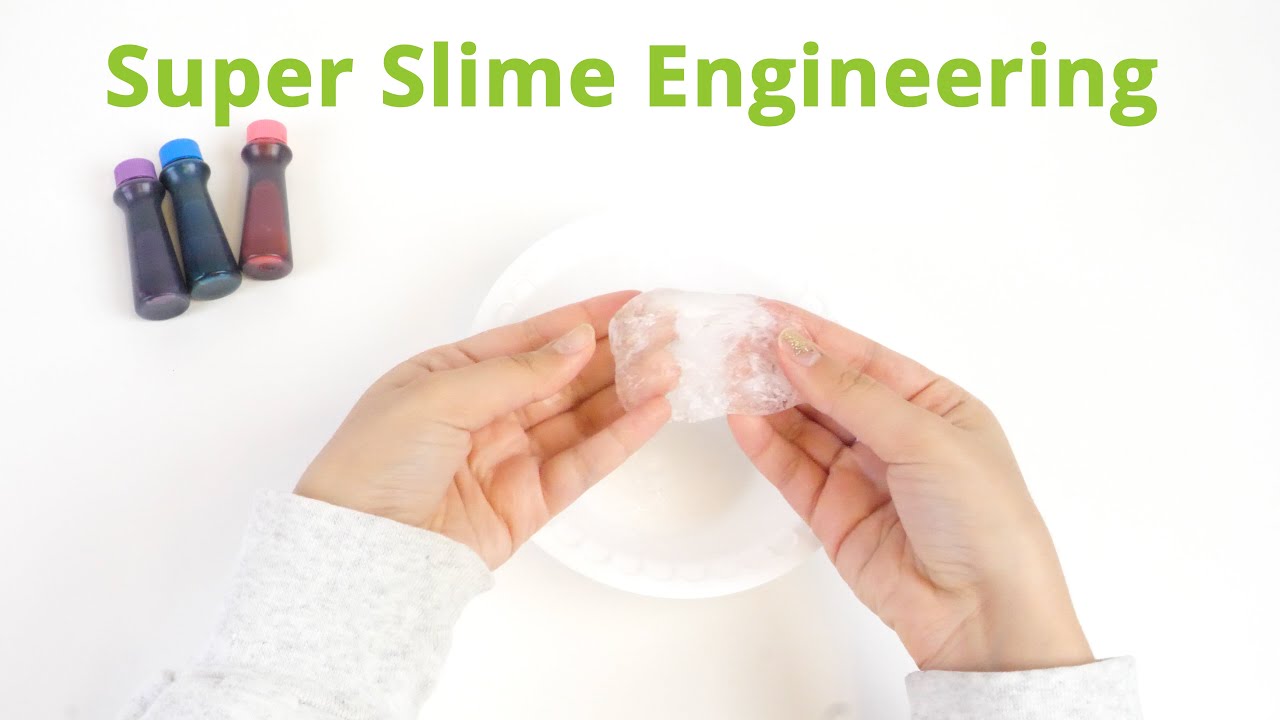
Who can engineer the best slime? Beginning with a preset recipe, students make slime, observe it, and then decide on what and how they want to improve it, such as making it stickier or less sticky. Students then make their updated slime by implementing the changes they want to make. They are introduced to product optimization, material science and polymer engineering.
View the full activity on TeachEngineering:
https://www.teachengineering.o....rg/activities/view/u
TeachEngineering has over 1,500 FREE lessons and activities. Visit https://www.teachengineering.org/ for more
Music: Comparsa_Latinesque by Kevin MacLeod

The school’s playground is flooded again, and the students cannot go out to recess! Students learn about the different states of matter and how water changes. They use this knowledge, along with research about natural disasters, to come up with an engineering solution that prevents playground flooding. They plan and design a model, test it, and share results. After sharing results, they redesign and complete at least two more trials to find the optimal solution.
View the full activity on TeachEngineering:
https://www.teachengineering.o....rg/activities/view/u
TeachEngineering has over 1,500 FREE lessons and activities. Visit https://www.teachengineering.org/ for more
Music: Cold Funk Funkorama

Using common materials (spools, string, soap), students learn how a pulley can be used to easily change the direction of a force, making the moving of large objects easier. They see the difference between fixed and movable pulleys, and the mechanical advantage gained with multiple/combined pulleys. They also learn the many ways engineers use pulleys for everyday purposes.
View the full activity at TeachEngineering:
https://www.teachengineering.o....rg/activities/view/c
TeachEngineering has over 1,500 FREE lessons and activities. Visit http://www.TeachEngineering.org for more!
Music: How We Like It - Dan Lebowitz
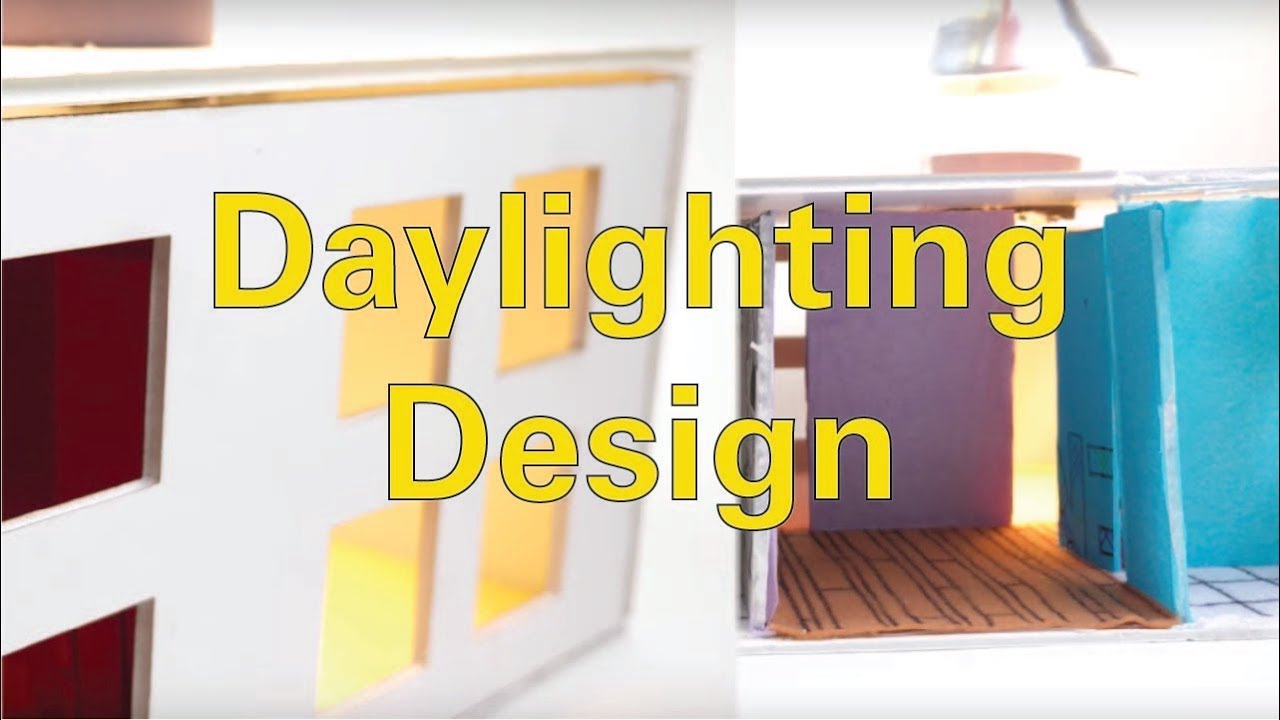
Students explore the many different ways that engineers provide natural lighting to interior spaces. They analyze various methods of daylighting by constructing model houses from foam core board and simulating the sun with a desk lamp. Teams design a daylighting system for their model houses based on their observations and calculations of the optimal use of available sunlight to their structure.
View the full activity on TeachEngineering:
https://www.teachengineering.o....rg/activities/view/c
TeachEngineering has over 1,500 FREE lessons and activities. Visit https://www.teachengineering.org/ for more!
Music: Fortunate Son - Silent Partner
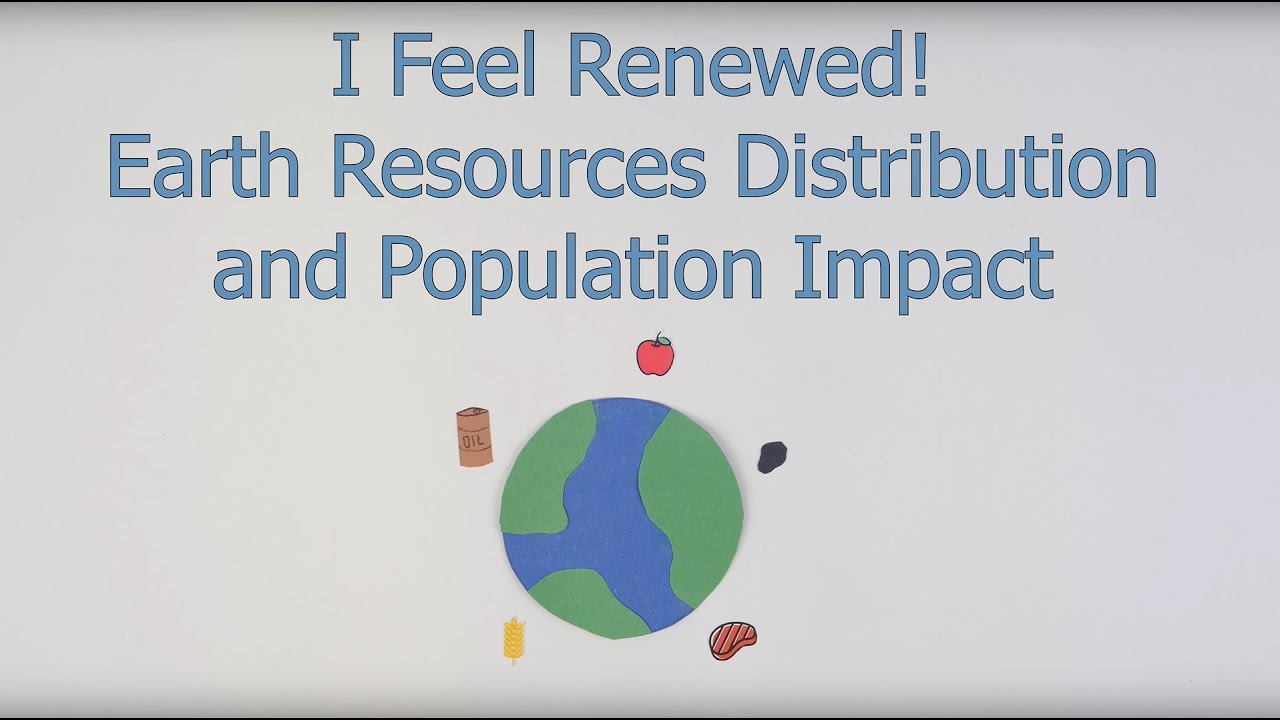
In this activity, students simulate the equal and unequal distribution of our renewable resources. Also, they consider the impact of our increasing population upon these resources and how engineers develop technologies to create resources.
View the full activity at TeachEngineering:
https://www.teachengineering.o....rg/activities/view/c
TeachEngineering has over 1,500 FREE lessons and activities.
Visit http://www.TeachEngineering.org for more!
Music: Cosmos- Silent Partner
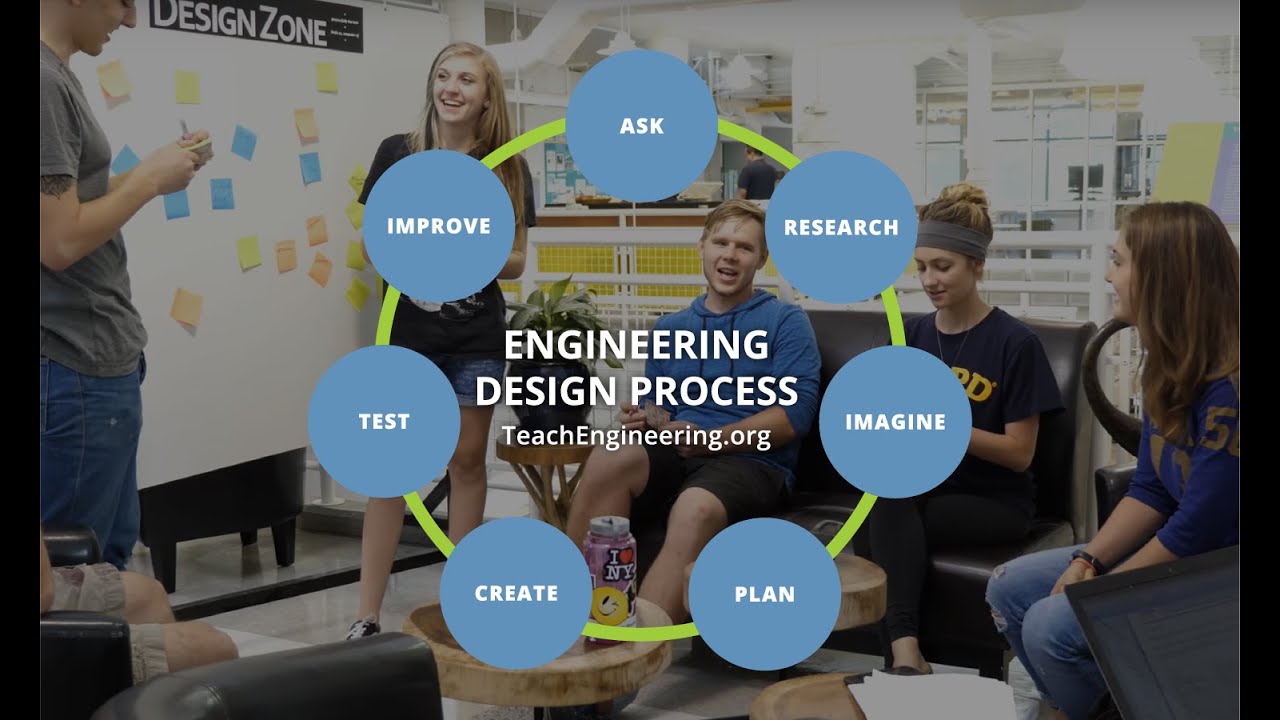
From brainstorming ideas to testing prototypes, iterating through the design process helps engineers to develop more creative products and processes.
TeachEngineering has over 1,500 FREE lessons and activities. Visit https://www.teachengineering.org/ for more!
Music: Italian Afternoon - Twin Musicom
You’re free to use this song in any of your videos, but you must include the following in your video description:
Italian Afternoon by Twin Musicom is licensed under a Creative Commons Attribution license (https://creativecommons.org/licenses/by/4.0/)
Artist: http://www.twinmusicom.org/
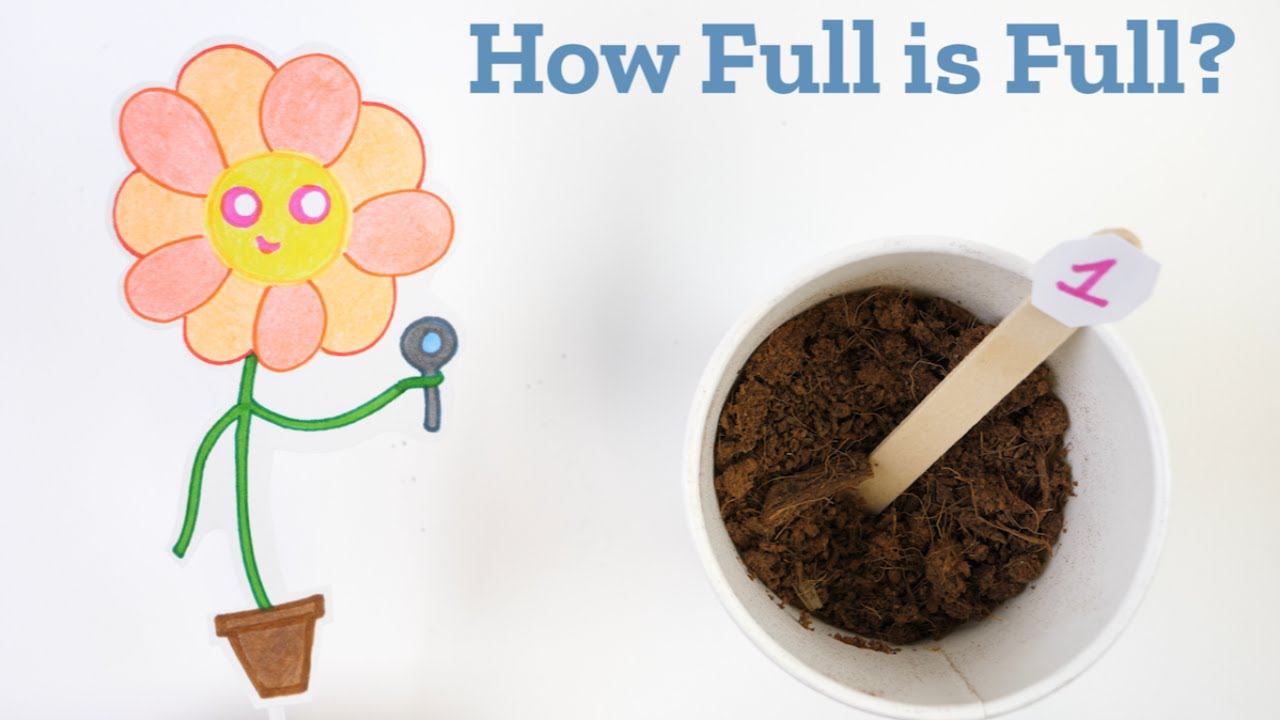
Students learn about porosity and permeability and relate these concepts to groundwater flow. They use simple materials to conduct a porosity experiment and use the data to understand how environmental engineers decide on the placement and treatment of a drinking water well.
This engineering curriculum aligns to Next Generation Science Standards (NGSS).
View the full activity on TeachEngineering:
https://www.teachengineering.o....rg/activities/view/c
TeachEngineering has over 1,500 FREE lessons and activities. Visit https://www.teachengineering.org/ for more
Music: California Wind

Students create and use their own simple compasses, which are each made from a bowl of water, strong magnet, stick pin and Styrofoam peanuts. They learn how compasses work and about cardinal directions. They come to understand that the Earth's magnetic field has both horizontal and vertical components.
View the full activity at TeachEngineering:
https://www.teachengineering.o....rg/activities/view/c
TeachEngineering has over 1,500 FREE lessons and activities. Visit http://www.TeachEngineering.org for more!
Music: Side_Steppin
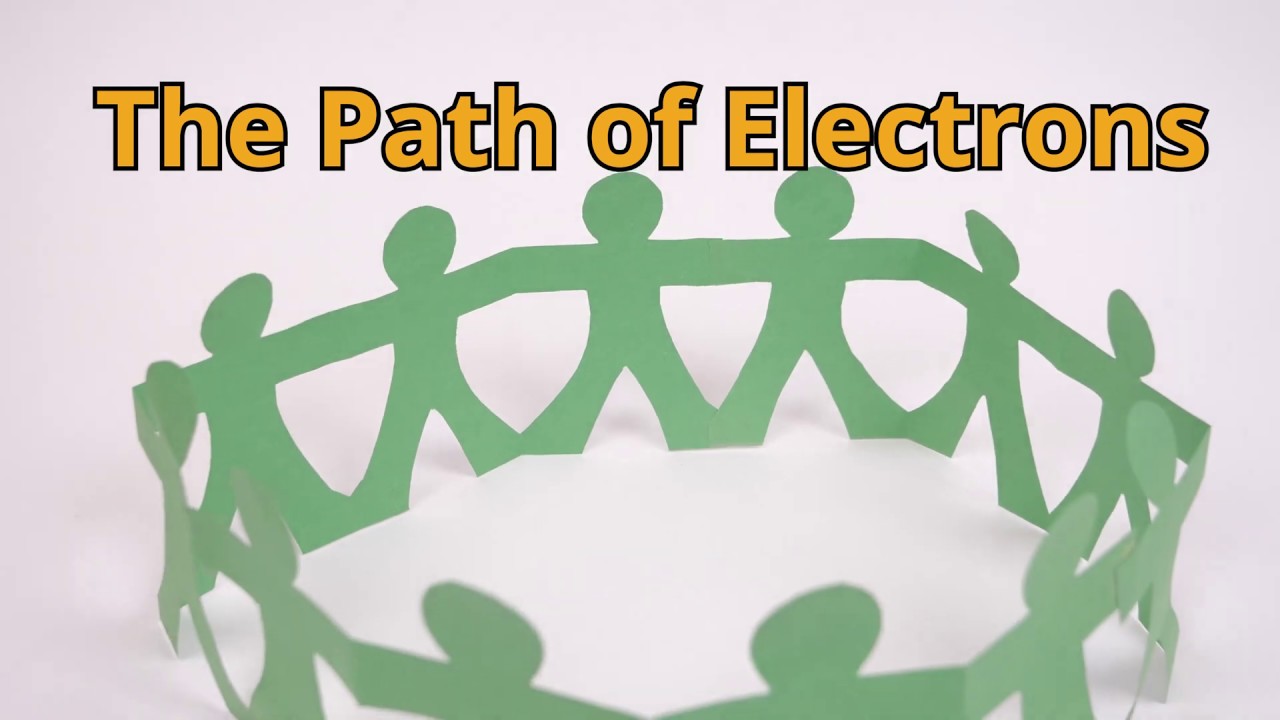
Students engage in an interactive "hot potato" demonstration to gain an appreciation for the flow of electrons through a circuit. Students role play the different parts of a simple circuit and send small items representing electrons (paper or candy pieces) through the circuit.
View the full activity at TeachEngineering:
https://www.teachengineering.o....rg/activities/view/c
TeachEngineering has over 1,500 FREE lessons and activities. Visit http://www.TeachEngineering.org for more!
Music: Stuck In The Air - The Tower of Light

Access to clean water is a major problem we face in the world today, especially in developing countries and during, and in the aftermath of, natural disasters. Currently, there is a portable water purification device called the LifeSaver bottle that can bring clean water to people; however, it is too expensive for most individuals. In this maker challenge, students work through the engineering design process. They create a water bottle from commonly available materials used in purification tools, that can assist in cleaning dirty water as an inexpensive alternative to the LifeSaver Bottle.
View the full activity on TeachEngineering:
https://www.teachengineering.o....rg/makerchallenges/v
TeachEngineering has over 1,500 FREE lessons and activities. Visit https://www.teachengineering.org/ for more
Music: Aimlesss Amos
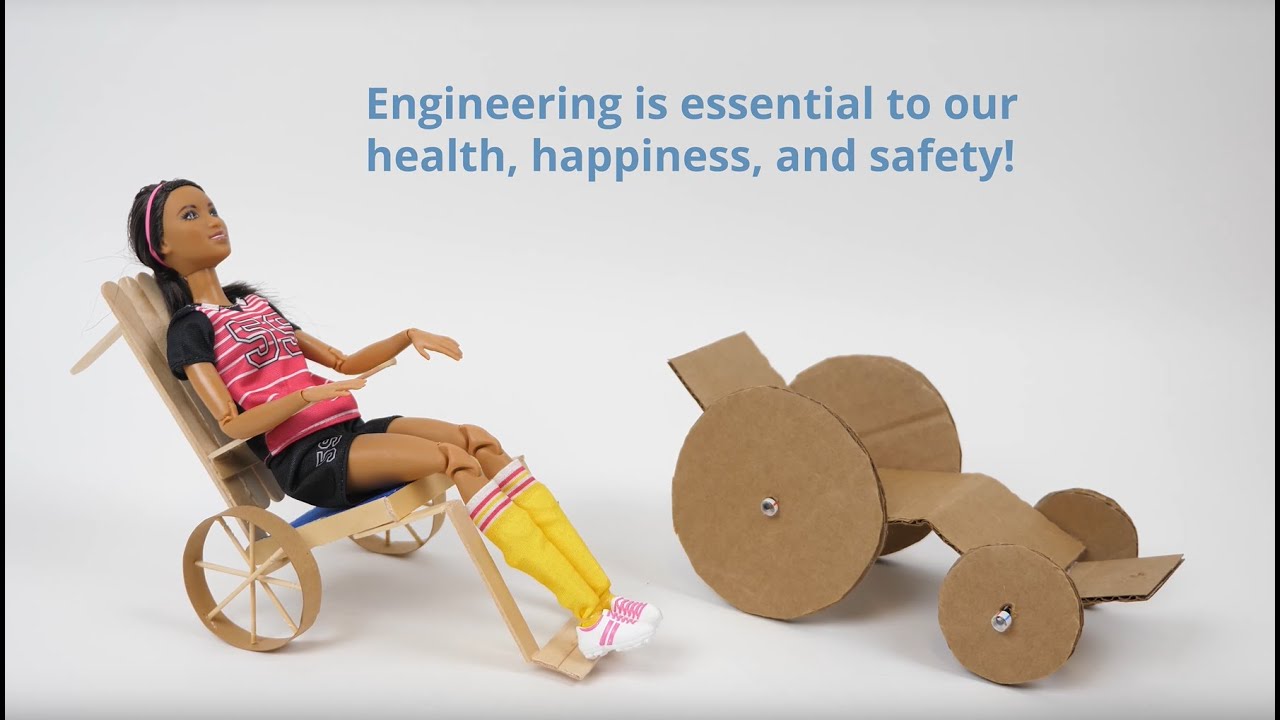
Students further their understanding of the engineering design process (EDP) while being introduced to assistive technology devices and biomedical engineering. They are given a fictional client statement and are tasked to follow the steps of the EDP to design and build small-scale, off-road wheelchair prototypes. As part of the EDP, students identify appropriate materials and demonstrate two methods of representing solutions to their design problem (scale drawings and simple scale models). They test the scale model off-road wheelchairs using spring scales to pull the prototypes across three different simulated off-road surfaces.
View the full activity at TeachEngineering:
https://www.teachengineering.o....rg/activities/view/w
TeachEngineering has over 1,500 FREE lessons and activities. Visit http://www.TeachEngineering.org for more!
Music: Sky_Scraper

Students learn the purpose of a fever in the body's immune system and how it protects the body against germs. The students continue to explore temperature by creating a model thermometer and completing a temperature conversion worksheet. They come to see how engineers are involved in designing helpful medical instruments such as thermometers.
View the full activity on TeachEngineering: https://www.teachengineering.o....rg/activities/view/c
TeachEngineering has over 1,500 FREE lessons and activities. Visit http://www.TeachEngineering.org for more!
Music: Jazzy Frenchy - Bensound.com

Working individually or in groups, students explore the concept of stress (compression) through physical experience and math. They discover why it hurts more to poke themselves with mechanical pencil lead than with an eraser. Then they prove why this is so by using the basic equation for stress and applying the concepts to real engineering problems.
View the full activity on TeachEngineering:
https://www.teachengineering.o....rg/activities/view/w
TeachEngineering has over 1,500 FREE lessons and activities. Visit https://www.teachengineering.org/ for more
Music - Tyler Kimbell