Video hàng đầu
Learn More at mathantics.com
Visit http://www.mathantics.com for more Free math videos and additional subscription based content!

Learn More at mathantics.com
Visit http://www.mathantics.com for more Free math videos and additional subscription based content!

Learn More at mathantics.com
Visit http://www.mathantics.com for more Free math videos and additional subscription based content!
Learn More at mathantics.com
Visit http://www.mathantics.com for more Free math videos and additional subscription based content!
Learn More at mathantics.com
Visit http://www.mathantics.com for more Free math videos and additional subscription based content!
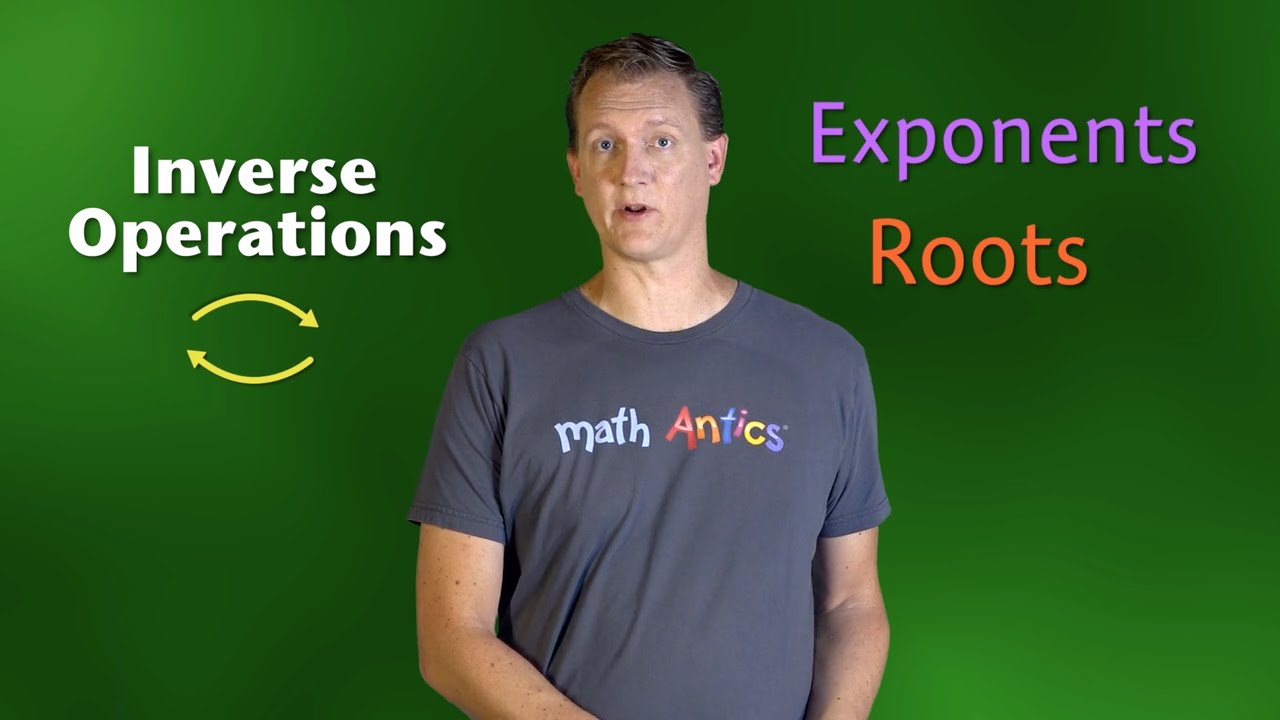
This video shows how exponents can be used more generally with variables. It explains why x⁰=1 and shows how to solve very simple algebraic equations involving exponents and roots.
Part of the Algebra Basics Series:
https://www.youtube.com/watch?v=NybHckSEQBI&list=PLUPEBWbAHUszT_GebJK23JHdd_Bss1N-G
Learn More at mathantics.com
Visit http://www.mathantics.com for more Free math videos and additional subscription based content!
Learn More at mathantics.com
Visit http://www.mathantics.com for more Free math videos and additional subscription based content!
Learn More at mathantics.com
Visit http://www.mathantics.com for more Free math videos and additional subscription based content!

Learn More at mathantics.com
Visit http://www.mathantics.com for more Free math videos and additional subscription based content!

Learn More at mathantics.com
Visit http://www.mathantics.com for more Free math videos and additional subscription based content!
Learn More at mathantics.com
Visit http://www.mathantics.com for more Free math videos and additional subscription based content!

Learn More at mathantics.com
Visit http://www.mathantics.com for more Free math videos and additional subscription based content!

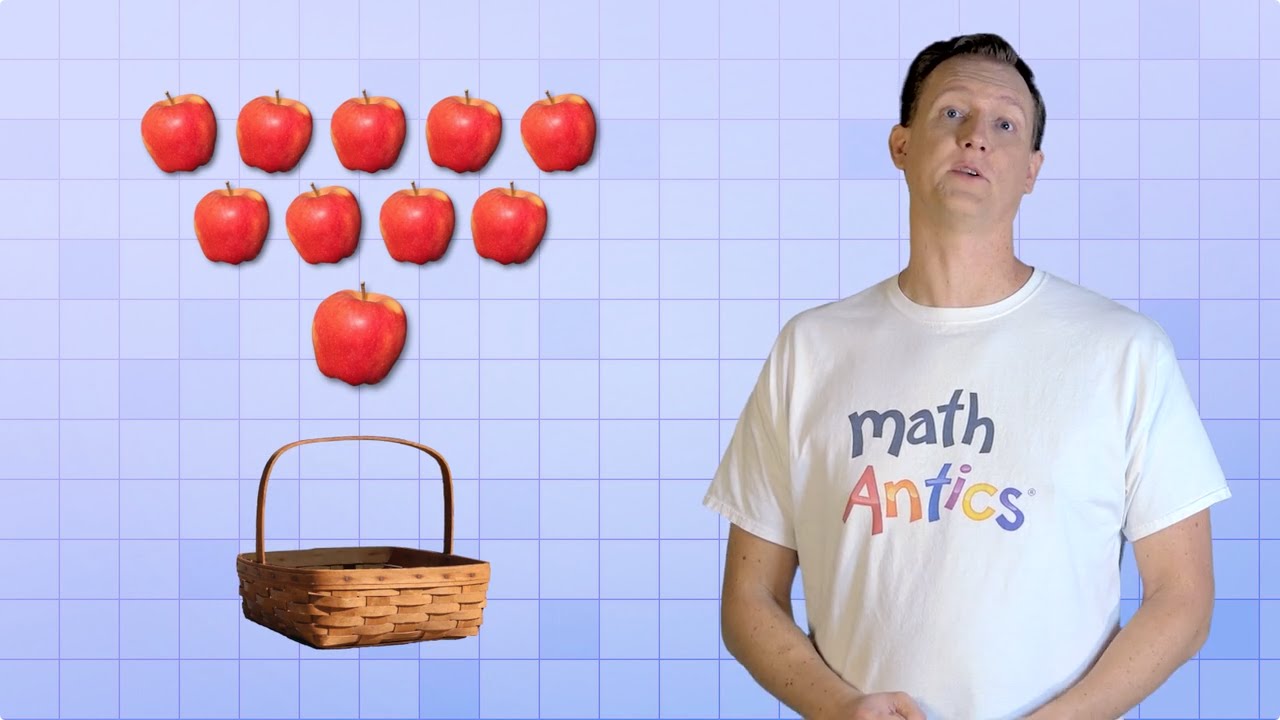
Equal Parts: Teaching elementary students how to divide equally is a brief and entertaining video that helps kids understand what equal parts mean and how to find them in everyday life.
Many things that we see every day can be broken up equally, especially PIZZA! After watching this video your student(s) will be able to recognize ways they can make things become equal in halves, thirds or quarters.
Use this in conjunction with our Equal Parts Lesson Plan found on our website here: https://learnbright.org/lessons/math/equal-parts/
Thank you for watching and learning with us! We’re constantly releasing new content and videos so click that “Subscribe” button and you’ll notified.
Find and Follow Us Online:
Facebook: https://www.facebook.com/LearnBright/
Instagram: https://instagram.com/LearnBrightEducation
Pinterest: https://pinterest.com/LearnBrightEducation
YouTube: https://www.youtube.com/LearnBright
Website: https://learnbright.org/
*Teachers and Parents! Did you know? In addition to these great videos, we have also created a library of high quality and engaging lessons for your elementary aged student(s). Visit us, sign up for a free account, and instantly you'll have access to thousands of lesson plans, learning materials, teaching instructions, activities, and assignments that your kids will really enjoy! We hope to see you soon!
Browse our entire collection of Math lesson plans:
https://learnbright.org/lessons/?filter_subject=math
#EqualParts
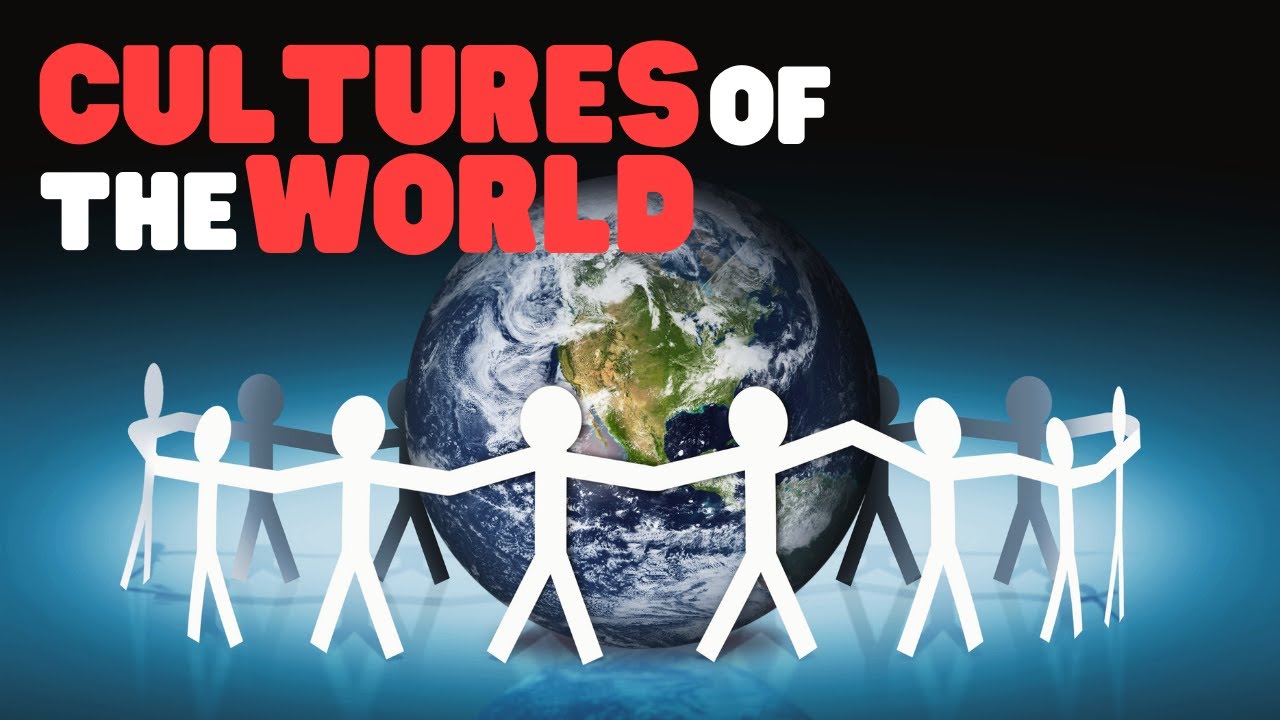
In our Cultures of the world video we will learn about what culture means and how cultures can be very different around the world. We will learn how to appreciate the differences and how they influence our own identities. We will explore the American culture, French, Chinese, and many other cultures around the world.
Looking for more Cultures of the World resources? Download our free comprehensive lesson plan here: https://learnbright.org/lesson....s/social-studies/cul
Check out some of our other culture-related videos here:
Europe: https://youtu.be/XZtZRw7zrqI
Asia: https://youtu.be/1pNBDTNVhCw
Africa: https://youtu.be/KcNVNsvyFfA
Australia: https://youtu.be/zmon5Tv6bYU
China: https://youtu.be/q7JK5Vxf_VQ
North America: https://youtu.be/JZk6_dgA9uQ
South America: https://youtu.be/Z4iwEMbal24
Mexico: https://youtu.be/hmhLgM9uGN0
Thank you for watching and learning with us! We’re constantly releasing new content and videos so click that “Subscribe” button and you’ll notified.
Find and Follow Us Online:
Facebook: https://www.facebook.com/LearnBright/
Instagram: https://instagram.com/LearnBrightEducation
Pinterest: https://pinterest.com/LearnBrightEducation
YouTube: https://www.youtube.com/LearnBright
Website: https://learnbright.org/
*Teachers and Parents! Did you know? In addition to these great videos, we have also created a library of high quality and engaging lessons for your elementary aged student(s). Visit us, sign up for a free account, and instantly you'll have access to thousands of lesson plans, learning materials, teaching instructions, activities, and assignments that your kids will really enjoy! We hope to see you soon!
Browse our entire collection of Social Studies lesson plans: https://learnbright.org/lessons/?filter_subject=social-studies
#Cultures

Algae is all around us and has many important uses. But what exactly is Algae and what are the different types of algae? We will learn about this and more in this video all about algae for kids! Algae (alga is the singular spelling) are a type of plant-like living things
that make their food just like all other plants, from sunlight by photosynthesis.
Algae are commonly found living in the sea, oceans,
rivers, lakes, ponds, or even in aquariums. There
are two different types of algae: macroalgae and
microalgae. Macroalgae are something you are very
familiar with-- seaweed. Microalgae are referred to as phytoplankton. Micro- means very small, so think of them as small plants that
live in the ocean, rivers, ponds, or lakes.
There are many different kinds of Algae from Seaweed, to Brown, Green and Red Algae and all have different purposes that we explore in the video! We also invite you to download our FREE comprehensive Algae lesson plan that is packed full of more content, activities, algae worksheets and more! Download the free resource here: https://learnbright.org/lessons/science/algae/
Thank you for watching and learning with us! We’re constantly releasing new content and videos, so click that “Subscribe” button and you’ll get notified.
Find and Follow Us Online:
Facebook: https://www.facebook.com/LearnBright/
Instagram: https://instagram.com/LearnBrightEducation
Pinterest: https://pinterest.com/LearnBrightEducation
YouTube: https://www.youtube.com/LearnBright
Website: https://learnbright.org/
*Teachers and Parents! Did you know? In addition to these great videos, we have also created a library of high quality and engaging lessons for your elementary aged student(s). Visit us, sign up for a free account, and instantly you'll have access to thousands of lesson plans, learning materials, teaching instructions, activities, and assignments that your kids will really enjoy! We hope to see you soon!
Browse our entire collection of Science lesson plans: https://learnbright.org/lessons/?filter_subject=science
#Algae
#WhatisAlgae
#TypesofAlgae

The ocean is vital to our planet because it produces over half of the world's oxygen supply. It also absorbs 50 times more carbon that the atmosphere. We can also turn to the ocean for food, transportation, and recreation. In addition, the ocean helps regulate weather patterns, creates employment opportunities, and provides ingredients for medicines.
We hope you and your student(s) enjoyed learning about the world's beautiful ocean! If you want to learn even more, head over to our website and download one of our many lesson plans about the ocean, full of activities, worksheets, and more!
https://learnbright.org/lesson....s/science/importance
https://learnbright.org/lesson....s/science/all-about-
https://learnbright.org/lesson....s/science/all-about-
https://learnbright.org/lesson....s/science/all-about-
Thank you for watching and learning with us! We’re constantly releasing new content and videos, so click that “Subscribe” button and you’ll get notified.
Find and Follow Us Online:
Facebook: https://www.facebook.com/LearnBright/
Instagram: https://instagram.com/LearnBrightEducation
Pinterest: https://pinterest.com/LearnBrightEducation
YouTube: @LearnBright
Website: https://learnbright.org/
*Teachers and Parents! Did you know? In addition to these great videos, we have also created a library of high-quality and engaging lessons for your elementary aged student(s). Visit us, sign up for a free account, and instantly you'll have access to thousands of lesson plans, learning materials, teaching instructions, activities, and assignments that your kids will really enjoy! We hope to see you soon!
Browse our entire collection of Science lesson plans: https://learnbright.org/lessons/?filter_subject=science
#ImportanceOfOceans
#Ocean

Hawks are amazing birds with the best eyesight in the entire animal kingdom! They are the most common bird of prey, meaning they hunt animals for food. They build large nests in the tops of trees, on cliffs, and even in cactuses. At around 50 days, the young hawks leave the nest and fend for themselves. Hawks are also very intelligent and use tools like sticks and rocks to find food. Look out for the full video next week. And check out the high-interest reading lesson plan all about these beautiful birds.
https://learnbright.org/lessons/science/hawks/
We hope you and your student(s) enjoyed learning about these beautiful birds! If you want to learn even more, head over to our website and download one of our many lesson plans about animals, full of activities, worksheets, and more!
Thank you for watching and learning with us! We’re constantly releasing new content and videos, so click that “Subscribe” button and you’ll get notified.
Find and Follow Us Online:
Facebook: https://www.facebook.com/LearnBright/
Instagram: https://instagram.com/LearnBrightEducation
Pinterest: https://pinterest.com/LearnBrightEducation
YouTube: @LearnBright
Website: https://learnbright.org/
*Teachers and Parents! Did you know? In addition to these great videos, we have also created a library of high-quality and engaging lessons for your elementary aged student(s). Visit us, sign up for a free account, and instantly you'll have access to thousands of lesson plans, learning materials, teaching instructions, activities, and assignments that your kids will really enjoy! We hope to see you soon!
Browse our entire collection of Science lesson plans: https://learnbright.org/lessons/?filter_subject=science
#hawks
#birds
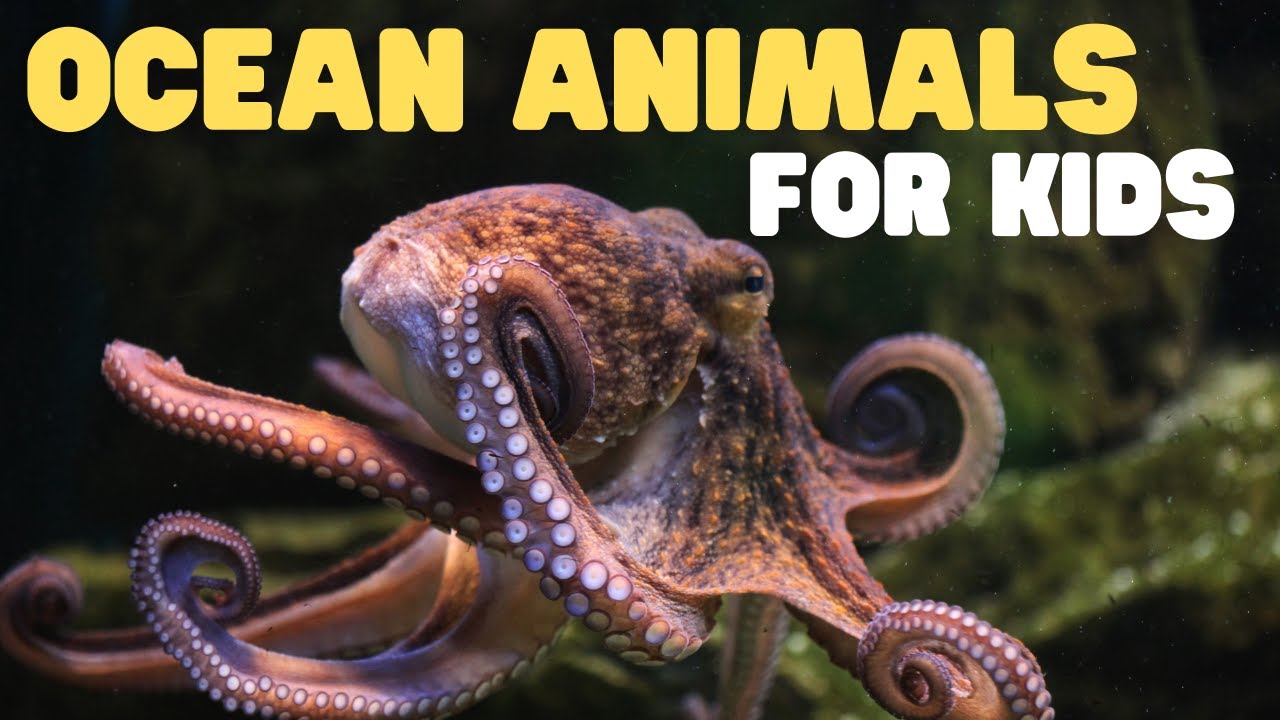
Ocean Animals for Kids is a video designed to help students understand how important all of our oceans are. There is an abundance of life that goes on under the water and its important for everyone! From animals like sharks and turtles, to plants like Seaweed and Kelp every living thing in our ocean plays an important role for all of us. When finished with this video, head over to our website and download our free Ocean Animals lesson plan that will provide even more content, activities, worksheets and more all designed to help students learn about our oceans and what lives within them.
You can download that lesson plan here: https://learnbright.org/lesson....s/science/what-lives
Check out some of our other videos related to ocean animals here:
Oceans: https://youtu.be/1WZsxVDTqcU
Sharks: https://youtu.be/kl9qJMpoYqs
Coral Reefs: https://youtu.be/8d0MgxoECq8
All about Fish: https://youtu.be/TwVAMry3SQ0
Thank you for watching and learning with us! We’re constantly releasing new content and videos, so click that “Subscribe” button and you’ll get notified.
Find and Follow Us Online:
Facebook: https://www.facebook.com/LearnBright/
Instagram: https://instagram.com/LearnBrightEducation
Pinterest: https://pinterest.com/LearnBrightEducation
YouTube: https://www.youtube.com/LearnBright
Website: https://learnbright.org/
*Teachers and Parents! Did you know? In addition to these great videos, we have also created a library of high quality and engaging lessons for your elementary aged student(s). Visit us, sign up for a free account, and instantly you'll have access to thousands of lesson plans, learning materials, teaching instructions, activities, and assignments that your kids will really enjoy! We hope to see you soon!
Browse our entire collection of Science lesson plans: https://learnbright.org/lessons/?filter_subject=science
#OceanAnimalsForKids
#OceanAnimals
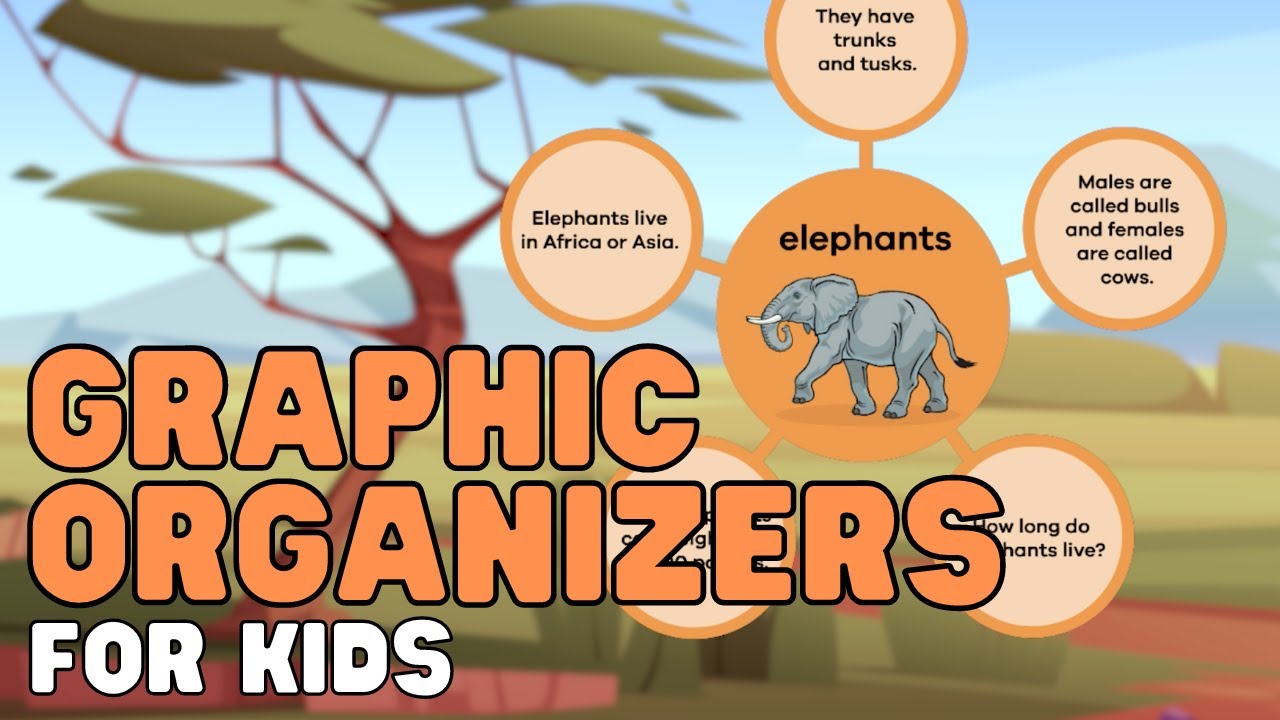
What is a graphic organizer? In this video for kids, your students or kids will learn about several types of graphic organizers that they can use to take notes or organize information. They are likely very familiar with Venn diagrams, which are easy to create and understand. Venn diagrams are an excellent way to compare and contrast information.
But what about when you want to simply make connections or show a chain of events or sequence? There are plenty other types of organizers that allow us to evaluate things differently. One is a circle map, which helps you define things. You could write a main idea, such as sharks, and then write what you already know and what new information you learn. Similar to the circle map, another type is a prior knowledge chart. The main topic is in the center. The outer circles can include new information, things you would like to know, or things you already know.
Text connects help you better recall information you have read. Chain or sequence of events organizers allow you to show different steps in a process, or the chain of events that lead to a discovery. You can organize them in different ways as well. The last organizer we discuss is main idea and details, which works really well for nonfiction passages. You can write the main ideas from different paragraphs then write out their supporting details.
We hope you and your student(s) enjoyed learning about these different ways to organize your notes! If you want even more practice, head over to our website and download one of our many lesson plans, full of activities, work-sheets, and more!
https://learnbright.org/lesson....s/reading/read-graph
Thank you for watching and learning with us! We’re constantly releasing new content and videos, so click that “Subscribe” button to get notified of any new content.
Find and Follow Us Online:
Facebook: https://www.facebook.com/LearnBright/
Instagram: https://instagram.com/LearnBrightEducation
Pinterest: https://pinterest.com/LearnBrightEducation
YouTube: @LearnBright
Website: https://learnbright.org/
*Teachers and Parents! Did you know? In addition to these great videos, we have also created a library of high-quality and engaging lessons for your elementary aged student(s). Visit us and sign up for a free account, and you will instantly have access to thousands of lesson plans, learning materials, teaching instructions, activities, and assignments that your kids will really enjoy! We hope to see you soon!
Browse our entire collection of Reading lesson plans: https://learnbright.org/lessons/?filter_subject=reading
#GraphicOrganizer
#Organize

Which natural disasters do you think are most common? In this short video, we describe the top 10 most common natural disasters or storms in the US. You and your kids will learn all about the causes and effects of these crazy storms.
We hope you and your student(s) enjoyed learning about these common storms! If you want to learn even more, head over to our website and download one of our many lesson plans about natural disasters, full of activities, worksheets, and more!
https://learnbright.org/lesson....s/science/natural-di
https://learnbright.org/lesson....s/science/tsunamis-s
https://learnbright.org/lesson....s/science/storms-tor
https://learnbright.org/lesson....s/science/hurricanes
https://learnbright.org/lessons/science/droughts/
https://learnbright.org/lesson....s/science/earthquake
https://learnbright.org/lesson....s/science/earthquake
Thank you for watching and learning with us! We’re constantly releasing new content and videos, so click that “Subscribe” button and you’ll get notified.
Find and Follow Us Online:
Facebook: https://www.facebook.com/LearnBright/
Instagram: https://instagram.com/LearnBrightEducation
Pinterest: https://pinterest.com/LearnBrightEducation
YouTube: @LearnBright
Website: https://learnbright.org/
*Teachers and Parents! Did you know? In addition to these great videos, we have also created a library of high-quality and engaging lessons for your elementary aged student(s). Visit us, sign up for a free account, and instantly you'll have access to thousands of lesson plans, learning materials, teaching instructions, activities, and assignments that your kids will really enjoy! We hope to see you soon!
Browse our entire collection of Science lesson plans: https://learnbright.org/lessons/?filter_subject=science
#naturaldisasters
#storm

We all know the ocean is huge. But what else do we know? Ocean Facts for Kids offers just a few more interesting facts that you and your kids might not already know. For instance, almost 98% of all the water on the earth is in the ocean. The average depth is 2.3 miles deep. And that's just the average! One of the deepest parts is at the Mariana Trench, which is 36,198 feet deep—almost seven miles!
Do you know why there are waves? The most common type of wave is a surface wave. These are the ones we commonly see with the white tips that crash into the shore. These waves are caused by wind blowing across the surface of the ocean. Other waves occur because of gravity. These waves are called tides, which are affected by the moon's location in relation to the earth. And waves can even happen because of underwater explosions from volcanoes beneath the surface of the ocean. These explosions cause tsunamis!
Large parts of the ocean remain a mystery. Marine biologists estimate that there are between 700,000 and 1 million species that live in this ginormous pool. They also think that two-thirds of those species haven't even been discovered yet! That estimate doesn't include the millions of microorganisms living in the ocean.
We hope you and your student(s) enjoyed learning about the world's beautiful ocean! If you want to learn even more, head over to our website and download one of our many lesson plans about the ocean, full of activities, worksheets, and more!
https://learnbright.org/lesson....s/science/all-about-
https://learnbright.org/lesson....s/science/all-about-
https://learnbright.org/lesson....s/science/all-about-
https://learnbright.org/lesson....s/science/importance
Thank you for watching and learning with us! We’re constantly releasing new content and videos, so click that “Subscribe” button and you’ll get notified.
Find and Follow Us Online:
Facebook: https://www.facebook.com/LearnBright/
Instagram: https://instagram.com/LearnBrightEducation
Pinterest: https://pinterest.com/LearnBrightEducation
YouTube: @LearnBright
Website: https://learnbright.org/
*Teachers and Parents! Did you know? In addition to these great videos, we have also created a library of high-quality and engaging lessons for your elementary aged student(s). Visit us, sign up for a free account, and instantly you'll have access to thousands of lesson plans, learning materials, teaching instructions, activities, and assignments that your kids will really enjoy! We hope to see you soon!
Browse our entire collection of Science lesson plans: https://learnbright.org/lessons/?filter_subject=science
#OceanFacts
#Ocean
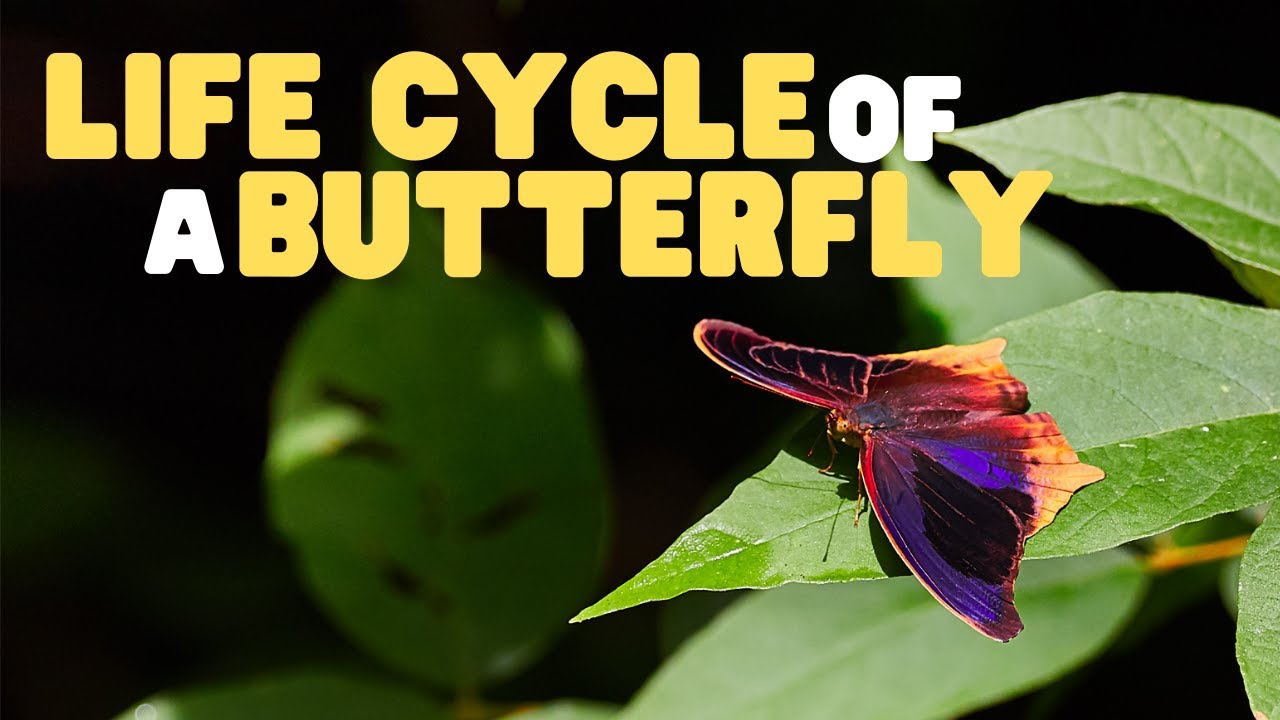
The life cycle of a butterfly is one of the most amazing things in all of the natural world. In this video we help kids and students learn about butterflies and the 4 main stages of their life cycles, which are:
Stage 1 - All butterflies are born from eggs, which are attached to leaves. They only last for up to couple of weeks, or less, depending on the butterfly species. When hatched the first phase of a butterfly is being a caterpillar.
Stage 2 - Once the caterpillar is fully developed, it hatches from the egg. This is also called a larva. The stage lasts about 5 to 10 days. The caterpillar has strong jaws and eats leaves.
Stage 3 - In this Pupa stage, the caterpillar or larva attaches itself to a branch or the underside of a leaf. For a final time, the caterpillar sheds its skin and then begins metamorphosis, changing into a butterfly. It may take between 7 to 10 days for the butterfly to emerge from the pupa.
Stage 4 - When the full butterfly emerges it will live anywhere from just a week to nearly a year, depending on the species of butterfly. The butterfly’s goal is to reproduce and to lay eggs. The life cycle of the butterfly will begin again.
The life cycle of a butterfly truly is amazing! We hope you and your kids enjoyed the video. If you're looking for more resources about butterflies, download our free lesson plan, complete with more resources and activities.
https://learnbright.org/lesson....s/science/all-about-
Thank you for watching and learning with us! We’re constantly releasing new content and videos, so click that “Subscribe” button and you’ll get notified.
Find and Follow Us Online:
Facebook: https://www.facebook.com/LearnBright/
Instagram: https://instagram.com/LearnBrightEducation
Pinterest: https://pinterest.com/LearnBrightEducation
YouTube: https://www.youtube.com/LearnBright
Website: https://learnbright.org/
*Teachers and Parents! Did you know? In addition to these great videos, we have also created a library of high quality and engaging lessons for your elementary aged student(s). Visit us, sign up for a free account, and instantly you'll have access to thousands of lesson plans, learning materials, teaching instructions, activities, and assignments that your kids will really enjoy! We hope to see you soon!
Browse our entire collection of Science lesson plans: https://learnbright.org/lessons/?filter_subject=science
#LifeCycleOfAButterfly
#ButterfliesForKids

In this video we will learn all about the States of Matter for Kids. The 3 states of matter are solids, Liquids and Gases. Have you ever asked yourself "What is a solid?", "What is a liquid?", or "What is a Gas?" Well, if you have, we've got you covered. From what they look like, feel like, smell like we will cover it all. We know that solids and liquids can be felt but often times gasses cannot. We learn about how water can be in any of the 3 states. As an Ice cube it is a solid. When the ice cube melts or when you turn on your kitchen faucet water is a liquid. When it gets very hot and it starts to evaporate water becomes a gas. Learn this and more in a fun introduction to the states of matter.
Don't just stop with the video. Download your free 8 page lesson plan complete with states of matter activities, worksheets and more! https://learnbright.org/lesson....s/science/states-of-
Check out some of our other matter-related videos here:
Acids and Bases: https://youtu.be/ivRczDkilAI
Thank you for watching and learning with us! We’re constantly releasing new content and videos, so click that “Subscribe” button and you’ll get notified.
Find and Follow Us Online:
Facebook: https://www.facebook.com/LearnBright/
Instagram: https://instagram.com/LearnBrightEducation
Pinterest: https://pinterest.com/LearnBrightEducation
YouTube: https://www.youtube.com/LearnBright
Website: https://learnbright.org/
*Teachers and Parents! Did you know? In addition to these great videos, we have also created a library of high quality and engaging lessons for your elementary aged student(s). Visit us, sign up for a free account, and instantly you'll have access to thousands of lesson plans, learning materials, teaching instructions, activities, and assignments that your kids will really enjoy! We hope to see you soon!
Browse our entire collection of Science lesson plans: https://learnbright.org/lessons/?filter_subject=science
#ASL
#StatesOfMatterforKids
#StatesOfMatter
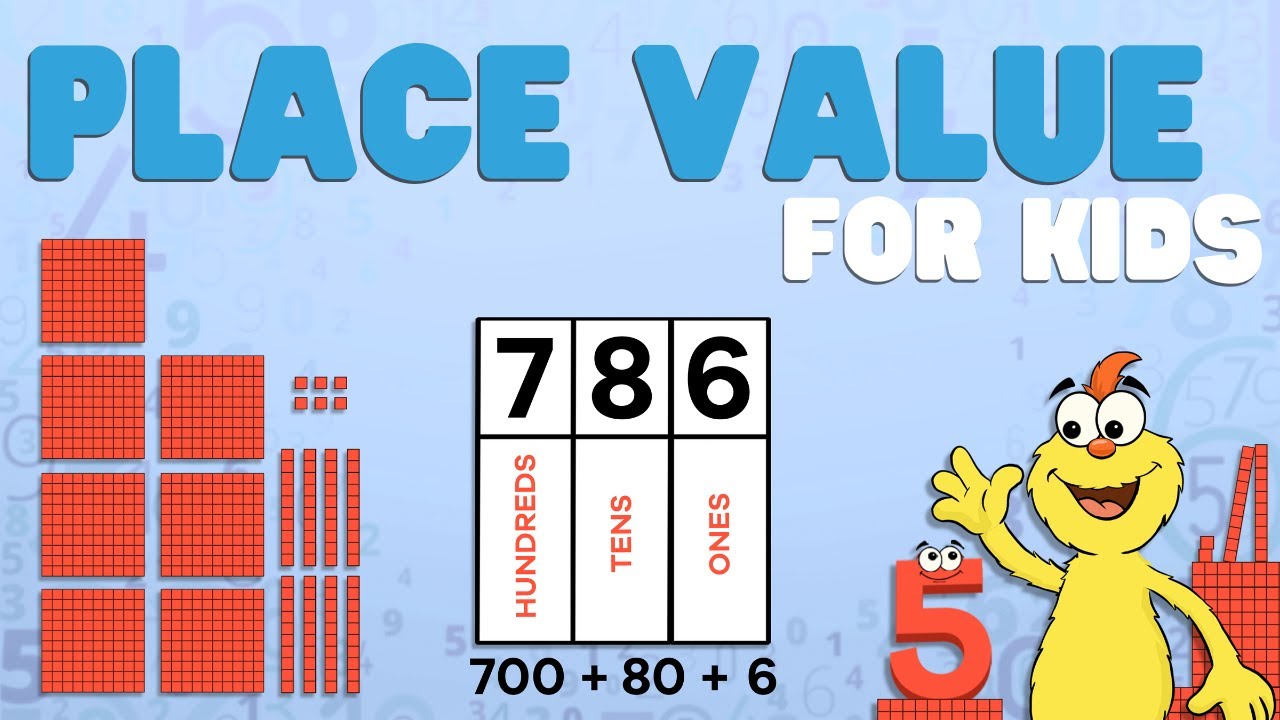
In a random number, can you figure out what the place value of any digit in that number is? In this video, you and your kids will learn about place value and how to determine the place value of any digit.
Naming place values is quite easy once you recognize the patterns. And this video will help you figure out what those patterns are! It describes using a place value chart to keep track of where numbers fall. A chart can have many place value columns. We will focus on the ones, tens, and hundreds in this video. You will learn that when it comes to whole numbers, you will always place the last digit in the ones column. That is the column furthest to the right.
The video goes through several examples of figuring out place value of the digits in numbers. For instance, in the number 786, you can use that rule of placing the final digit in the ones column to figure out the place value of the other numbers. If 6 is in the ones place, then 8 is in the tens place, and 7 is in the hundreds place. It really is that easy!
We hope you and your student(s) enjoyed learning about place values! If you want even more information, head over to our website and download one of our many free lesson plans, full of activities, worksheets, and more!
https://learnbright.org/lessons/math/place-value/
https://learnbright.org/lesson....s/math/place-value-s
https://learnbright.org/lesson....s/math/place-value-t
https://learnbright.org/lesson....s/math/introduction-
What you will learn in this video:
0:00 Introduction to place values and digits
1:04 Place value chart
2:23 How to add using place value chart
3:22 Quick quiz
4:07 Place values after hundreds
5:14 Final questions for review
Check out some of our other videos related to place values here:
Graphs: https://youtu.be/bmY28wdGL9M
Thank you for watching and learning with us! We’re constantly releasing new content and videos, so click that “Subscribe” button and you’ll get notified.
Find and Follow Us Online:
Facebook: https://www.facebook.com/LearnBright/
Instagram: https://instagram.com/LearnBrightEducation
Pinterest: https://pinterest.com/LearnBrightEducation
YouTube: @LearnBright
Website: https://learnbright.org/
*Teachers and Parents! Did you know? In addition to these great videos, we have also created a library of high-quality and engaging lessons for your elementary aged student(s). Visit us and sign up for a free account, and you'll instantly have access to thousands of lesson plans, learning materials, teaching instructions, activities, and assignments that your kids will really enjoy! We hope to see you soon!
Browse our entire collection of Math lesson plans:
https://learnbright.org/lessons/?filter_subject=math
#PlaceValueForKids
#WhatIsPlaceValue
#PlaceValue

Reading Comprehension is very important for kids to practice and they will need these skills for the rest of their lives. Reading a book is no fun when you don't comprehend what is happening. In this video we give students a chance to practice reading comprehension strategies and skills. At the root Reading Comprehension means "Understanding what you are reading" and in this video we have practice exercises that help a child read, pause, break down, ask questions, and practice many other skills to better comprehend the story.
There are 4 main skills when it comes to reading comprehension that we teach and practice throughout this video. They are: Ask questions, look for details that answer your questions, look for support clues, review your findings and check your answers. We will learn these skills and practice them using a few Reading Comprehension exercises that will help your child/student better develop the skill.
In addition to the video we invite you to download our FREE comprehensive Reading Comprehension lesson plan here: https://learnbright.org/lesson....s/reading/reading-co This lesson is complete with Reading Comprehension Worksheets, Classroom Activities, Practice Stories and Pages, and much more!
Video TimeStamps:
0:00 Reading Comprehension Introduction
0:41 The Happy Dog Story and Practice
2:24 The Importance of Reading Comprehension
3:28 4 Reading Comprehension Skills
4:51 Reading Comprehension Exercise: Jack and the Bean stock
12:34 Conclusion
Thank you for watching and learning with us! We’re constantly releasing new content and videos so click that “Subscribe” button and you’ll notified.
Find and Follow Us Online:
Facebook: https://www.facebook.com/LearnBright/
Instagram: https://instagram.com/LearnBrightEducation
Pinterest: https://pinterest.com/LearnBrightEducation
YouTube: https://www.youtube.com/LearnBright
Website: https://learnbright.org/
*Teachers and Parents! Did you know? In addition to these great videos, we have also created a library of high quality and engaging lessons for your elementary aged student(s). Visit us, sign up for a free account, and instantly you'll have access to thousands of lesson plans, learning materials, teaching instructions, activities, and assignments that your kids will really enjoy! We hope to see you soon!
Browse our entire collection of Reading lesson plans: https://learnbright.org/lessons/?filter_subject=reading
#ReadingComprehension
#ReadingComprehensionSkills